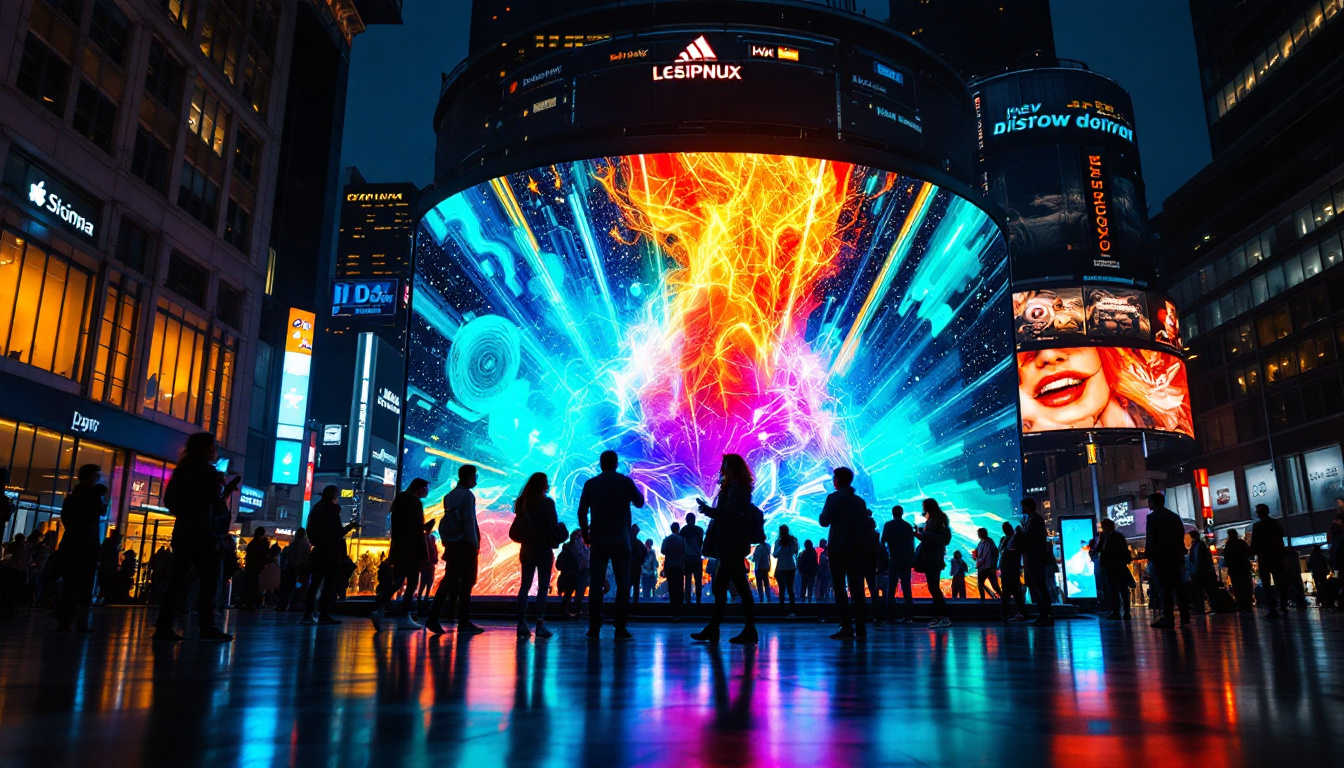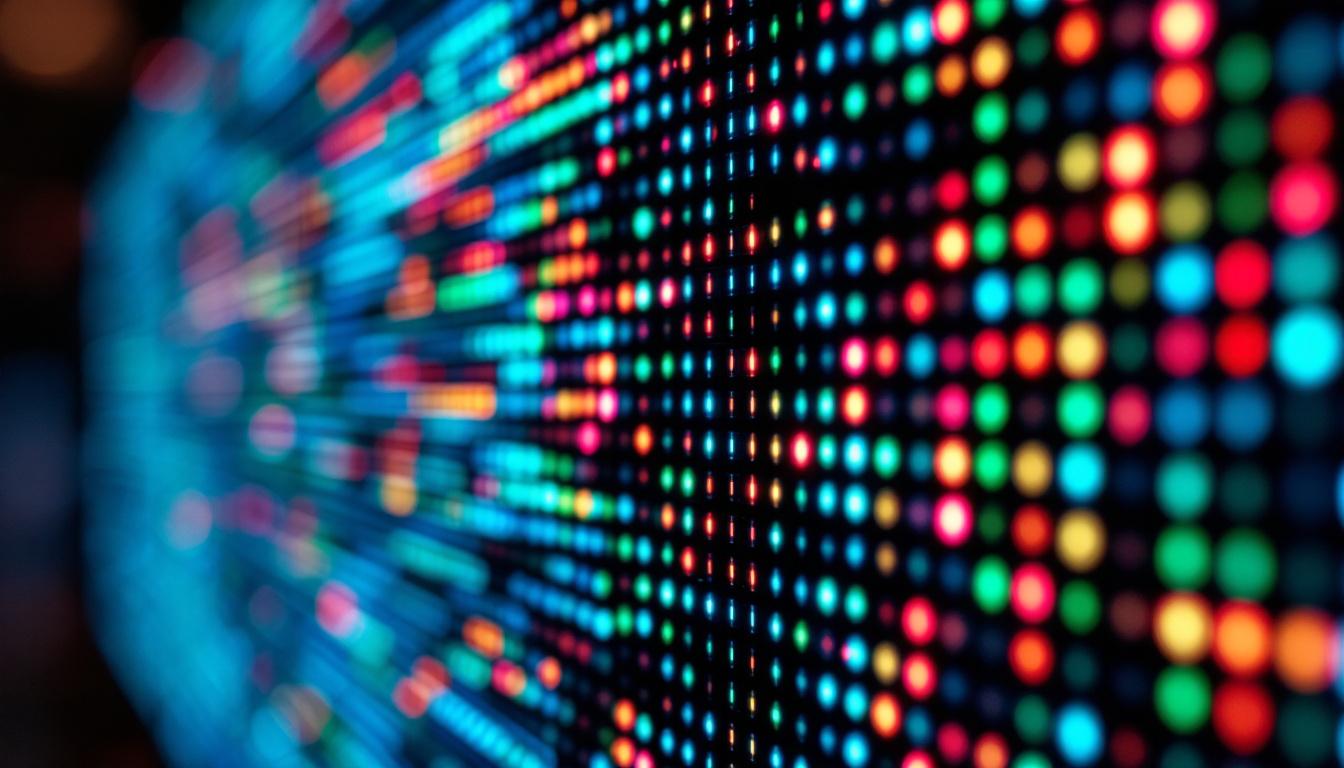
In the world of digital displays, clarity and sharpness are paramount. Whether it’s a billboard lighting up a city skyline or a television screen in a living room, the quality of the image depends on many technical factors. One crucial yet often overlooked specification is dot pitch. This article delves into what dot pitch means for LED displays, why it matters, and how it impacts the viewing experience across various applications.
Understanding Dot Pitch: The Basics
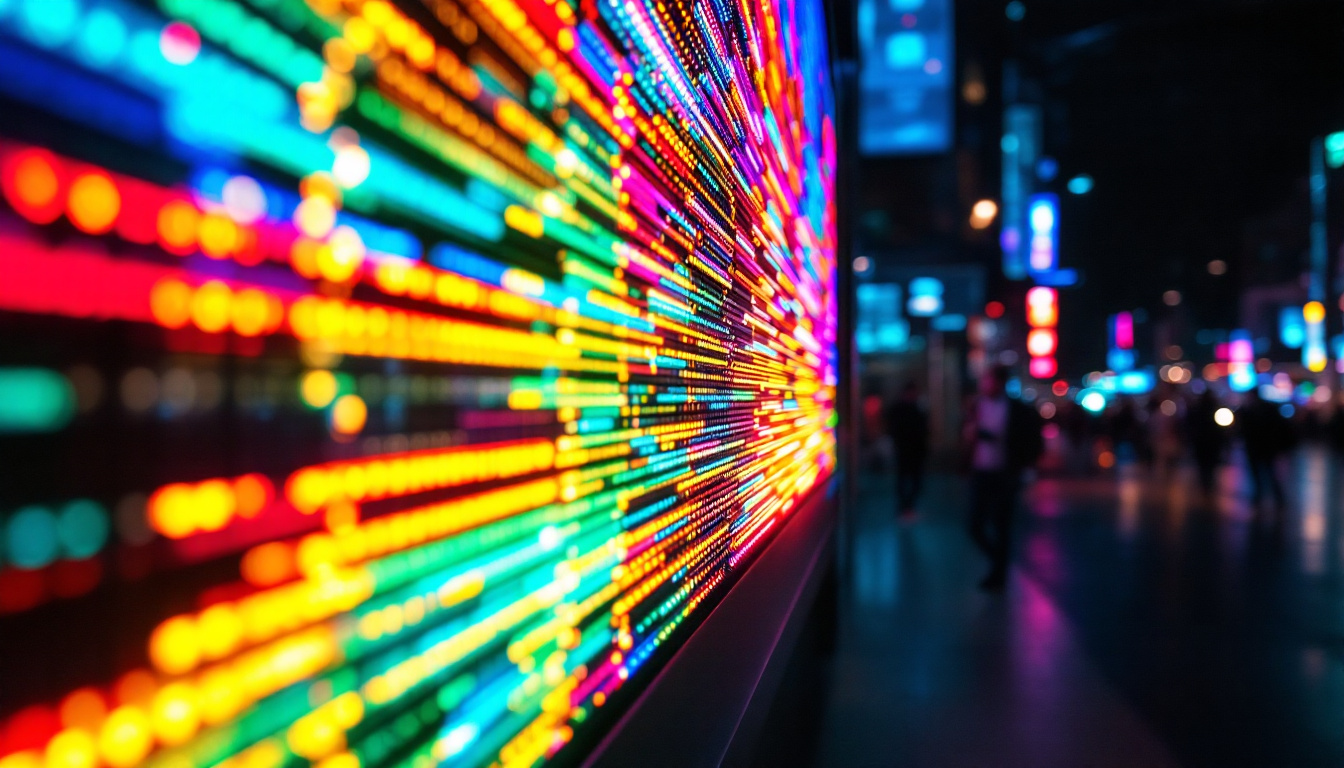
Dot pitch is a technical term that describes the distance between individual pixels or subpixels on a display. Specifically, it refers to the space between the centers of two adjacent dots (or pixels) on the screen. In LED displays, these dots are tiny light-emitting diodes that combine to form images. The dot pitch plays a crucial role in determining how clear and vibrant the images on a screen will appear, influencing not only the visual experience but also the usability of the display in various contexts.
The smaller the dot pitch, the closer the pixels are to each other, resulting in higher resolution and sharper images. Conversely, a larger dot pitch means pixels are spaced further apart, which can lead to a grainier or less detailed image, especially when viewed up close. This is particularly important for applications such as graphic design, gaming, and professional video editing, where precision and clarity are paramount. A display with a small dot pitch allows for finer details to be rendered, making it easier to discern subtle variations in color and texture.
Dot Pitch vs. Pixel Pitch: Clarifying the Terms
It’s common to see the terms dot pitch and pixel pitch used interchangeably, but there is a subtle distinction. Pixel pitch specifically refers to the distance between the centers of two adjacent pixels, whereas dot pitch can sometimes refer to the distance between subpixels (red, green, or blue elements within a pixel). For LED displays, pixel pitch is the more widely used term because each pixel is made up of multiple LEDs. Understanding this distinction is essential for consumers and professionals alike, as it can affect purchasing decisions and the overall satisfaction with a display.
In practical terms, when discussing LED screens, pixel pitch is the key measurement that indicates display resolution and image quality. A lower pixel pitch is generally preferred for high-definition content, as it allows for a more immersive viewing experience. For instance, in large-scale displays such as those used in stadiums or concert venues, a smaller pixel pitch can ensure that even viewers sitting far away can enjoy a clear and detailed image. Additionally, advancements in technology continue to push the boundaries of pixel pitch, leading to the development of ultra-high-definition displays that offer stunning visuals and a more engaging experience for users.
How Dot Pitch Affects LED Display Quality
The impact of dot pitch on display quality is significant. It directly influences the resolution, viewing distance, and overall visual experience. Understanding this relationship is essential for selecting the right LED display for specific environments and purposes.
Resolution and Image Sharpness
Resolution is the number of pixels displayed on the screen, often expressed as width × height (e.g., 1920×1080 pixels). While resolution indicates how many pixels are present, dot pitch determines how tightly those pixels are packed together.
A smaller dot pitch means more pixels can fit into a given area, resulting in higher resolution and finer detail. For instance, a 1.5 mm pixel pitch LED display will offer much sharper images than a 10 mm pixel pitch display of the same size.
Viewing Distance Considerations
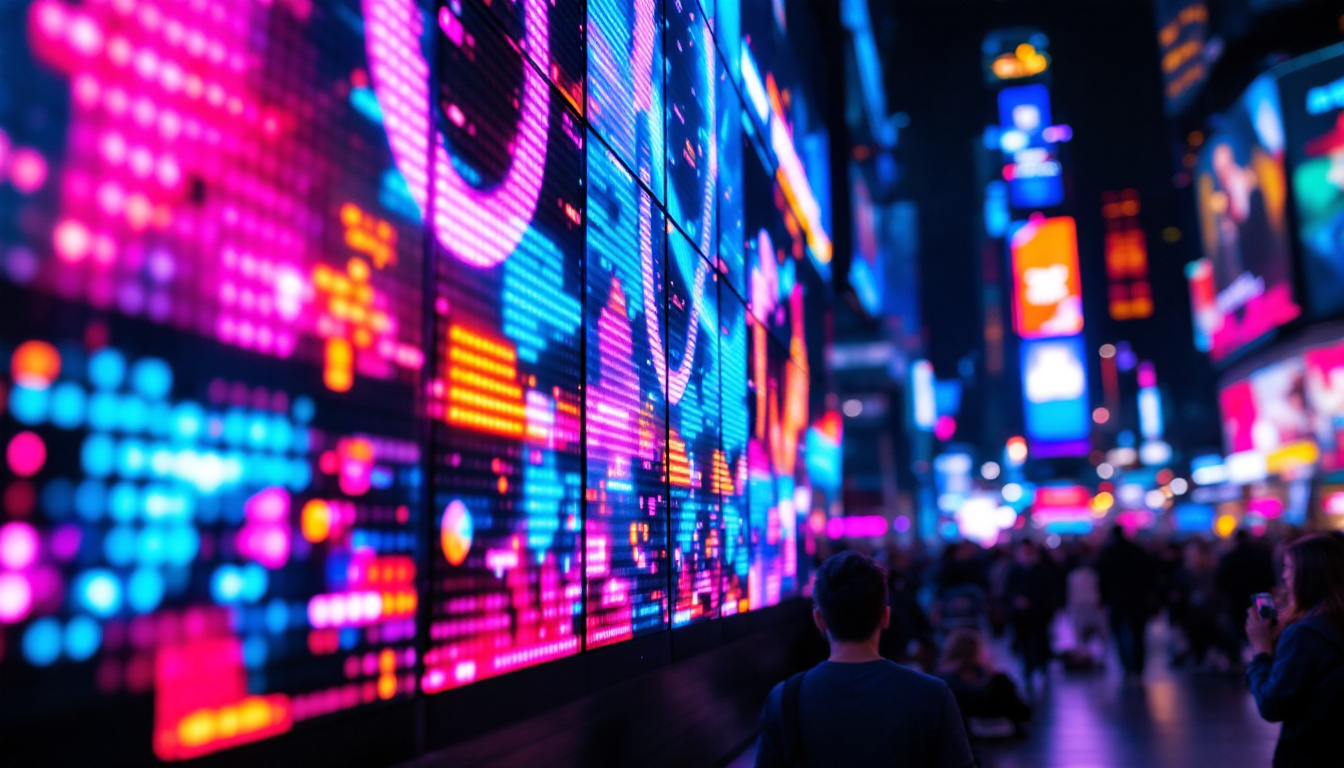
Dot pitch also dictates the optimal viewing distance for an LED display. Displays with larger pixel pitches are designed to be viewed from farther away, such as outdoor billboards or stadium screens, where viewers are typically hundreds of feet away. At these distances, the human eye cannot discern individual pixels, so a larger dot pitch is acceptable and more cost-effective.
Conversely, indoor LED displays or digital signage intended for close-up viewing require smaller dot pitches to maintain image clarity. For example, a retail store’s digital shelf display might use a 1.2 mm or 1.5 mm pixel pitch to ensure crisp visuals for shoppers standing just a few feet away.
Color Accuracy and Brightness
While dot pitch primarily affects resolution and sharpness, it can also influence color accuracy and brightness. Smaller pixel pitches allow for finer control over color blending and light emission, enhancing the display’s ability to render vivid and accurate colors.
However, smaller dot pitches often require more LEDs per square meter, which can increase power consumption and heat generation. Manufacturers balance these factors to optimize brightness and color performance without compromising longevity or energy efficiency.
Common Dot Pitch Sizes and Their Applications
LED displays come in a wide range of dot pitch sizes, each suited for different use cases. The choice of dot pitch depends on factors such as viewing distance, budget, and the type of content being displayed.
Large Pixel Pitch (10 mm and above)
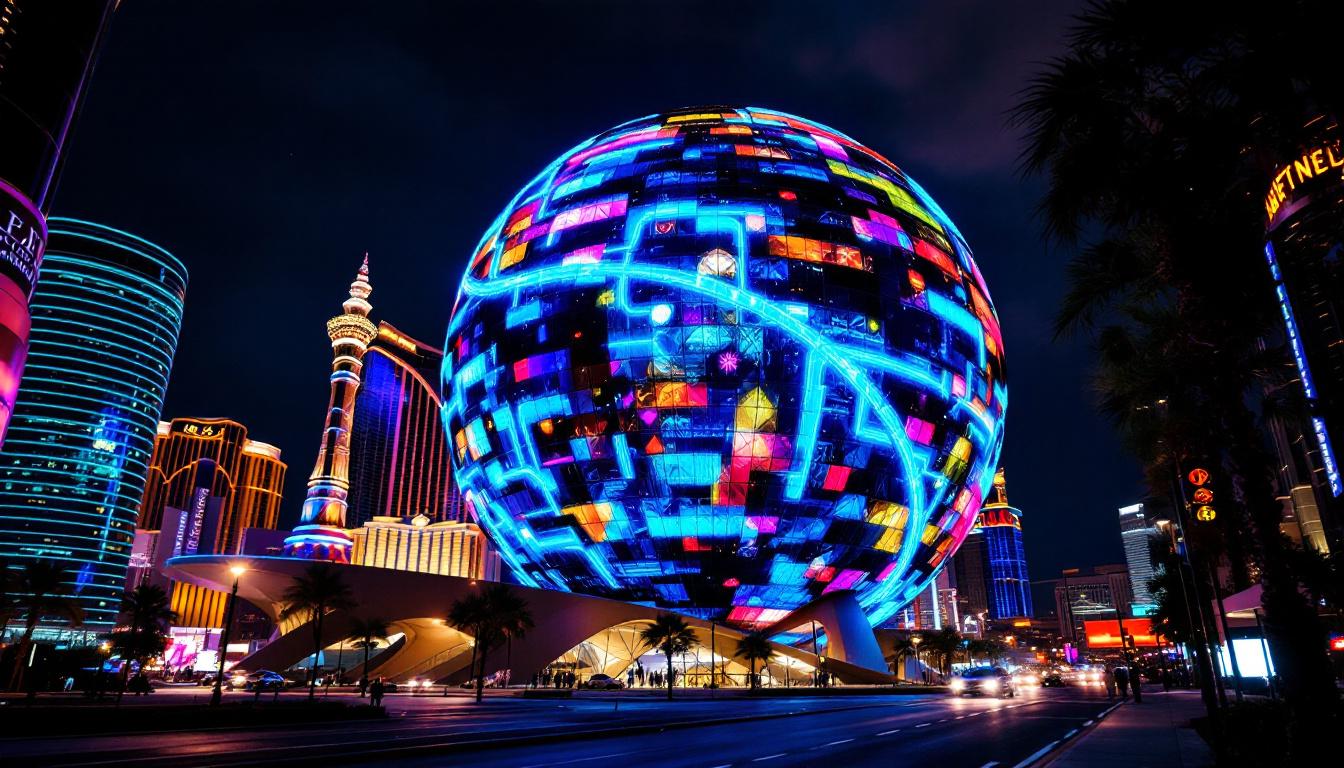
Displays with pixel pitches of 10 mm or more are typically used for large outdoor screens, such as highway billboards, sports stadium displays, and building facades. These screens are designed for viewing from hundreds of feet away, where the pixel structure is not noticeable.
For example, a 10 mm pixel pitch LED billboard might have a resolution of 1920×1080 pixels spread over a massive 20-foot-wide screen. The large pixel pitch keeps costs manageable while providing sufficient image quality at a distance.
Medium Pixel Pitch (4 mm to 10 mm)
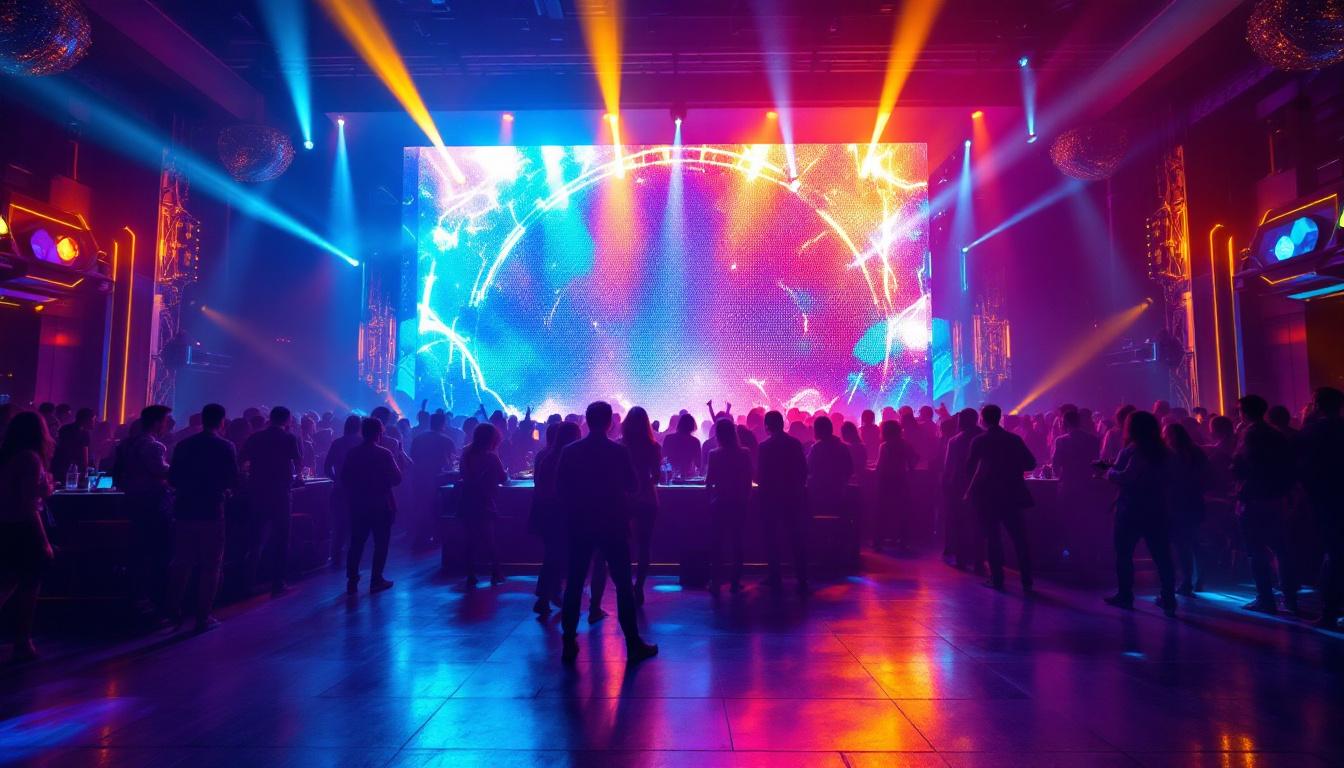
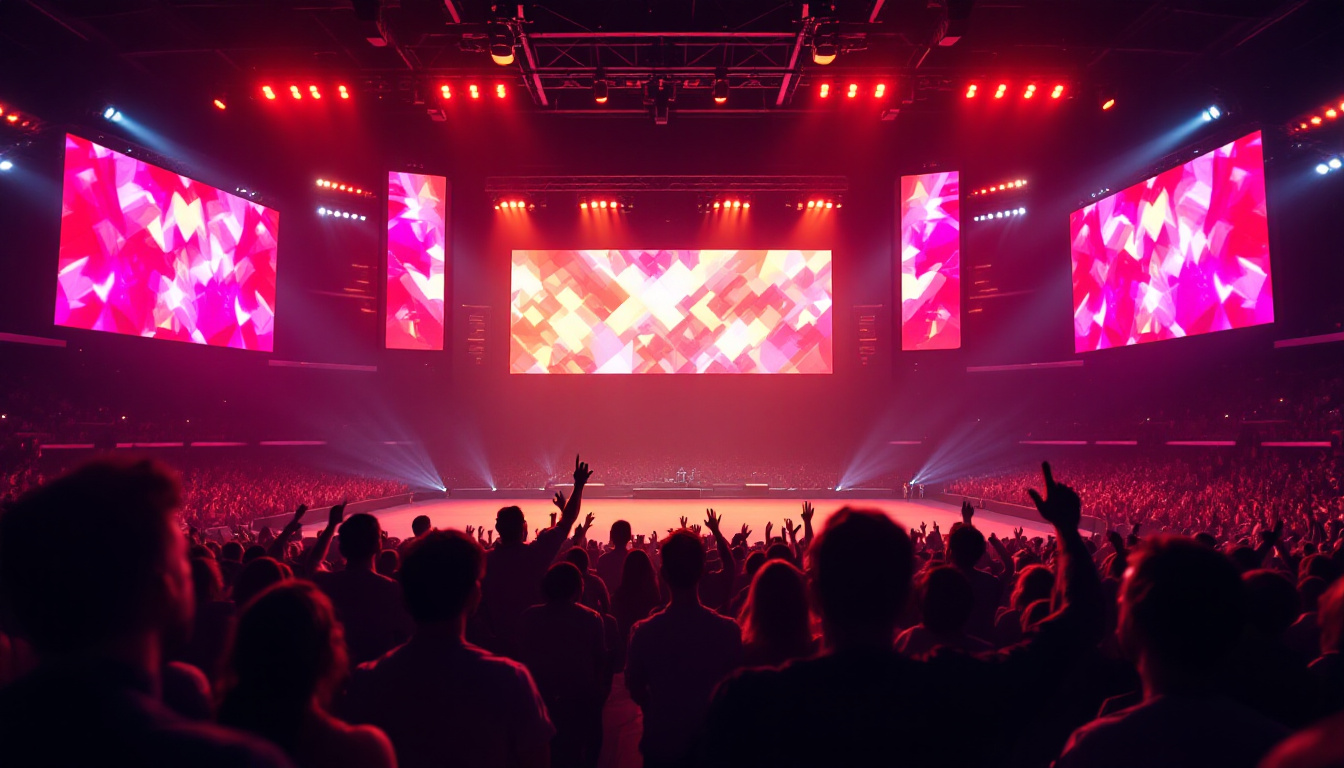
Medium pixel pitch displays are often used for indoor arenas, shopping malls, conference rooms, and event venues. These screens balance resolution and cost, offering good image quality for viewing distances of several meters.
A 6 mm pixel pitch LED display is common in concert backdrops or trade show booths, where viewers may be 10 to 20 feet away. It provides a clear image without the premium cost of ultra-fine pixel pitches.
Fine Pixel Pitch (Below 4 mm)
Fine pixel pitch LED displays, often below 4 mm, are used for applications requiring close-up viewing and high detail. These include control rooms, broadcast studios, retail digital signage, and corporate video walls.
For instance, a 1.5 mm pixel pitch LED video wall in a television studio ensures that cameras capture crisp, detailed images without visible pixelation. Similarly, retail environments use fine pixel pitch displays to engage customers with vibrant, high-resolution content.
Choosing the Right Dot Pitch for Your LED Display
Selecting the appropriate dot pitch is critical to achieving the desired balance between image quality, cost, and viewing environment. Several factors should be considered before making a purchase decision.
Assessing Viewing Distance
The most important factor is the typical viewing distance. A general rule of thumb is that the optimal viewing distance (in meters) should be at least 1.5 to 2 times the pixel pitch (in millimeters). For example, a 5 mm pixel pitch display is best viewed from about 7.5 to 10 meters away.
Choosing a pixel pitch too small for the viewing distance results in unnecessary expense, while a pixel pitch too large causes visible pixelation and poor image quality.
Considering Content Type and Resolution Needs
The nature of the content also influences dot pitch selection. High-resolution videos, detailed graphics, and text require finer pixel pitches to maintain clarity. Conversely, simple graphics or static images can be displayed effectively on larger pixel pitch screens.
For digital signage that frequently displays detailed product information or video content, investing in a fine pixel pitch display is worthwhile. For advertising billboards showing bold images or text, a larger pixel pitch is usually sufficient.
Budget and Maintenance
Smaller dot pitch LED displays generally cost more due to the higher density of LEDs and more complex manufacturing processes. They also require more power and generate more heat, which can impact maintenance and operational costs.
Organizations must weigh the benefits of higher resolution against budget constraints and ongoing expenses. In many cases, selecting a pixel pitch that matches the viewing distance and content needs provides the best value.
Technological Advances in LED Dot Pitch
Recent years have seen significant advancements in LED technology, enabling manufacturers to produce displays with increasingly smaller pixel pitches. These innovations have expanded the applications of LED displays and improved image quality across the board.
MicroLED and MiniLED Technologies
MicroLED and MiniLED technologies represent the cutting edge of LED display development. MicroLEDs are tiny LEDs, often less than 100 micrometers in size, that allow for pixel pitches below 1 mm. This technology offers exceptional brightness, contrast, and energy efficiency, making it ideal for premium displays such as high-end TVs and augmented reality devices.
MiniLEDs, while larger than MicroLEDs, also enable finer pixel pitches and improved local dimming capabilities, enhancing contrast and color accuracy in LED displays.
Impact on Consumer and Commercial Markets
The availability of fine pixel pitch LED displays has transformed various industries. Retailers use ultra-fine pitch LED walls to create immersive shopping experiences, broadcasters benefit from seamless video walls, and corporate environments leverage high-resolution displays for collaboration and presentations.
Moreover, outdoor advertising has become more dynamic and visually striking, with LED billboards offering brighter images and smoother video playback than ever before.
Conclusion: The Importance of Dot Pitch in LED Displays
Dot pitch is a fundamental specification that shapes the visual quality and effectiveness of LED displays. Understanding its role helps buyers and designers make informed decisions tailored to their specific needs and environments.
From massive outdoor billboards to intricate indoor video walls, the right dot pitch ensures that images are sharp, colors are vibrant, and viewers enjoy an optimal experience. As LED technology continues to evolve, the trend toward smaller pixel pitches will likely accelerate, pushing the boundaries of display quality and versatility.
When selecting an LED display, carefully consider the viewing distance, content type, and budget to choose a dot pitch that delivers the best balance of performance and cost-efficiency. This approach guarantees that the investment in LED technology yields maximum impact and satisfaction.
Explore Cutting-Edge LED Displays with LumenMatrix
Ready to elevate your visual experience with the perfect LED display solution? LumenMatrix is at the forefront of LED display innovation, offering a diverse range of products that cater to all your needs. From captivating Indoor LED Wall Displays to dynamic Outdoor LED Wall Displays, and from versatile Vehicle LED Displays to engaging LED Sports Displays, our mission is to transform your visual communication. Discover how our advanced LED display modules can enhance your brand visibility and create unforgettable visual experiences. Check out LumenMatrix LED Display Solutions today and take the first step towards revolutionizing your message delivery.