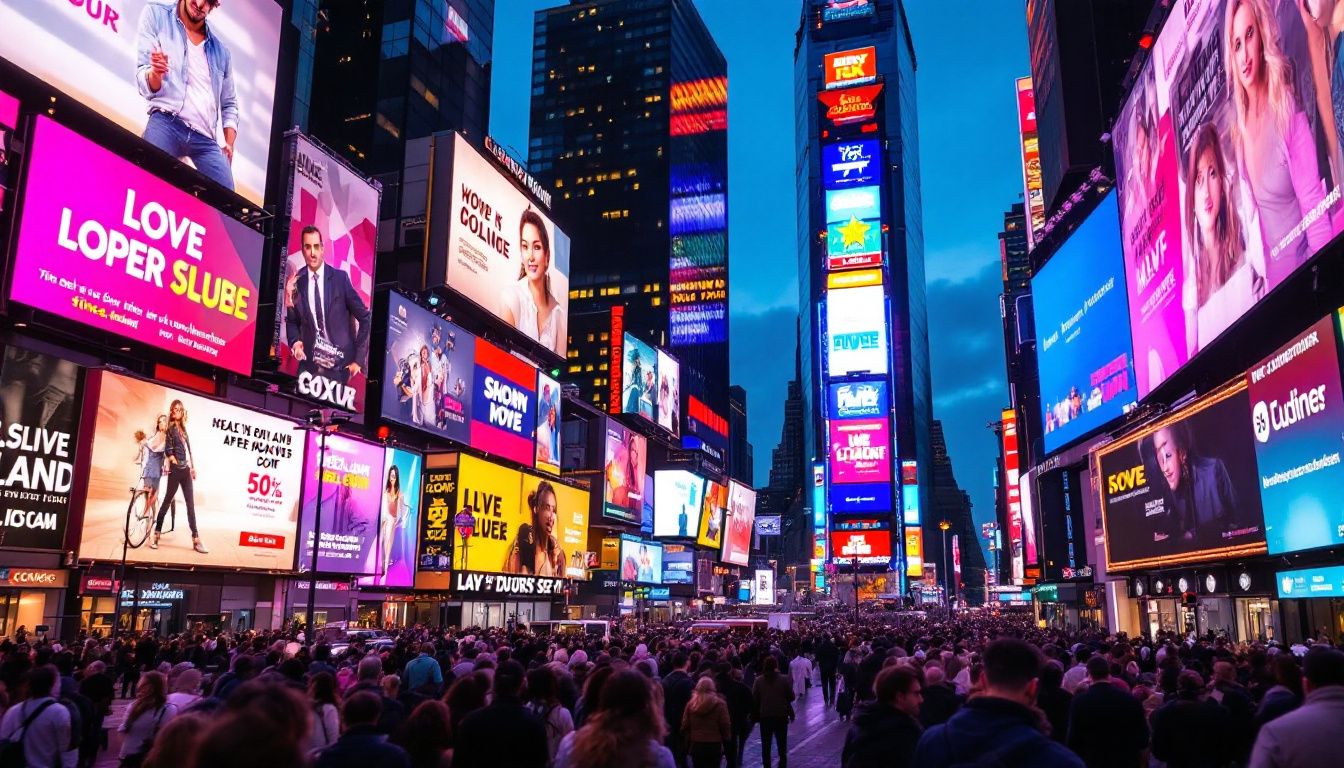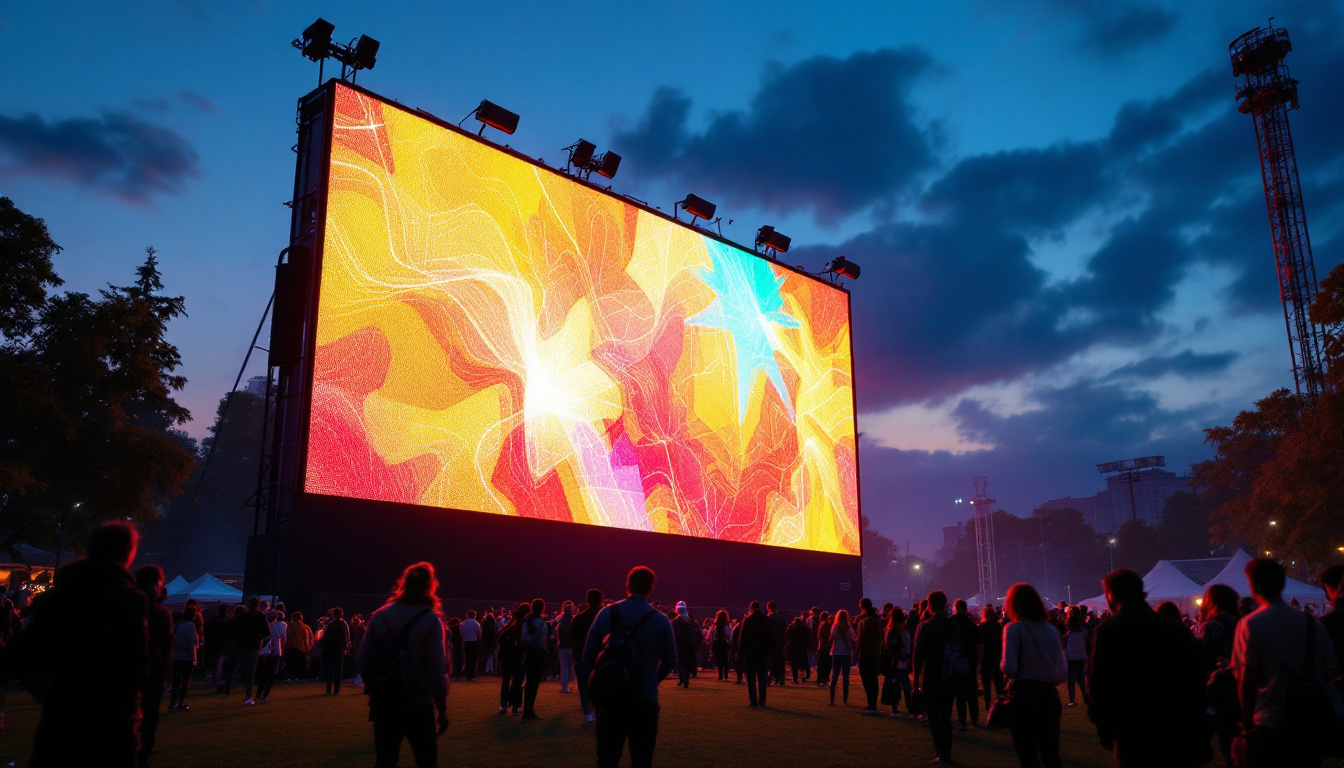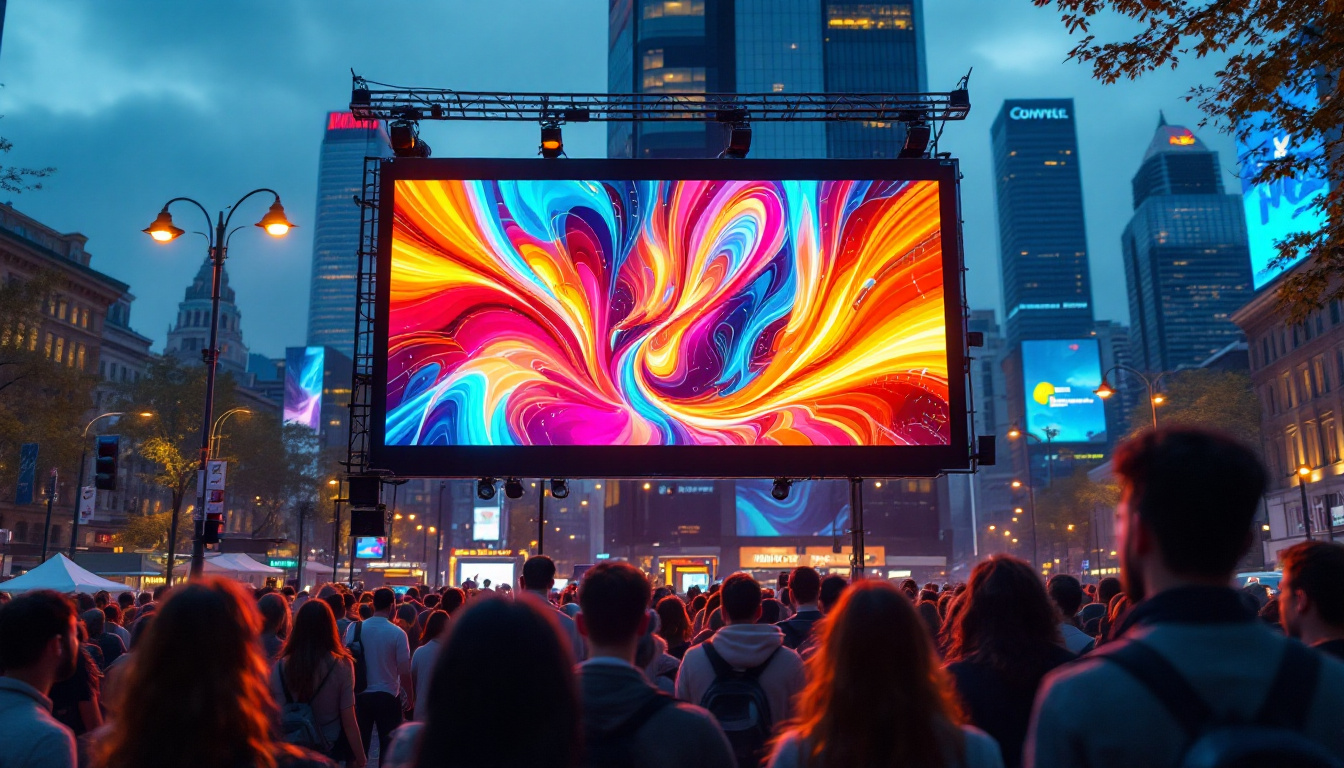
In today’s digital age, LED displays have become an integral part of advertising, event production, and information dissemination. From towering billboards in Times Square to dynamic scoreboards in stadiums, LED technology offers vibrant, high-resolution visuals that capture attention and convey messages effectively. However, the success of an LED display often hinges on its installation method. One such method gaining prominence is the Screen Tight installation technique.
This article delves into the Screen Tight installation process for LED displays, explaining what it is, why it matters, and how it compares to other installation methods. Whether you are a business owner, event organizer, or technology enthusiast, understanding this technique can help you make informed decisions about your next LED display project.
What is Screen Tight Installation?
Screen Tight installation refers to a method of mounting LED display panels in a way that ensures a seamless, flush surface with minimal gaps between individual modules. This technique is designed to create a visually continuous screen, enhancing image quality and structural integrity.
Traditional LED installations often involve mounting panels with visible gaps or using frames that can interrupt the visual flow. Screen Tight installation eliminates these issues by employing specialized mounting hardware and precision engineering to “tighten” the panels together, resulting in a sleek, uniform display surface.
Key Features of Screen Tight Installation
One of the defining characteristics of Screen Tight installation is the use of locking mechanisms that secure LED modules firmly in place. This prevents movement caused by vibrations, weather conditions, or handling during maintenance. Additionally, the method supports quick installation and removal, making it ideal for both permanent and rental applications.
Another important aspect is the alignment accuracy. Screen Tight systems allow for fine-tuning the position of each panel, ensuring pixel-perfect alignment across the entire display. This is crucial for high-resolution content where any misalignment can degrade image quality.
Why Screen Tight Installation Matters for LED Displays
The installation method of an LED display significantly impacts its performance, durability, and overall user experience. Screen Tight installation offers several advantages that make it a preferred choice for many applications.
Enhanced Visual Quality
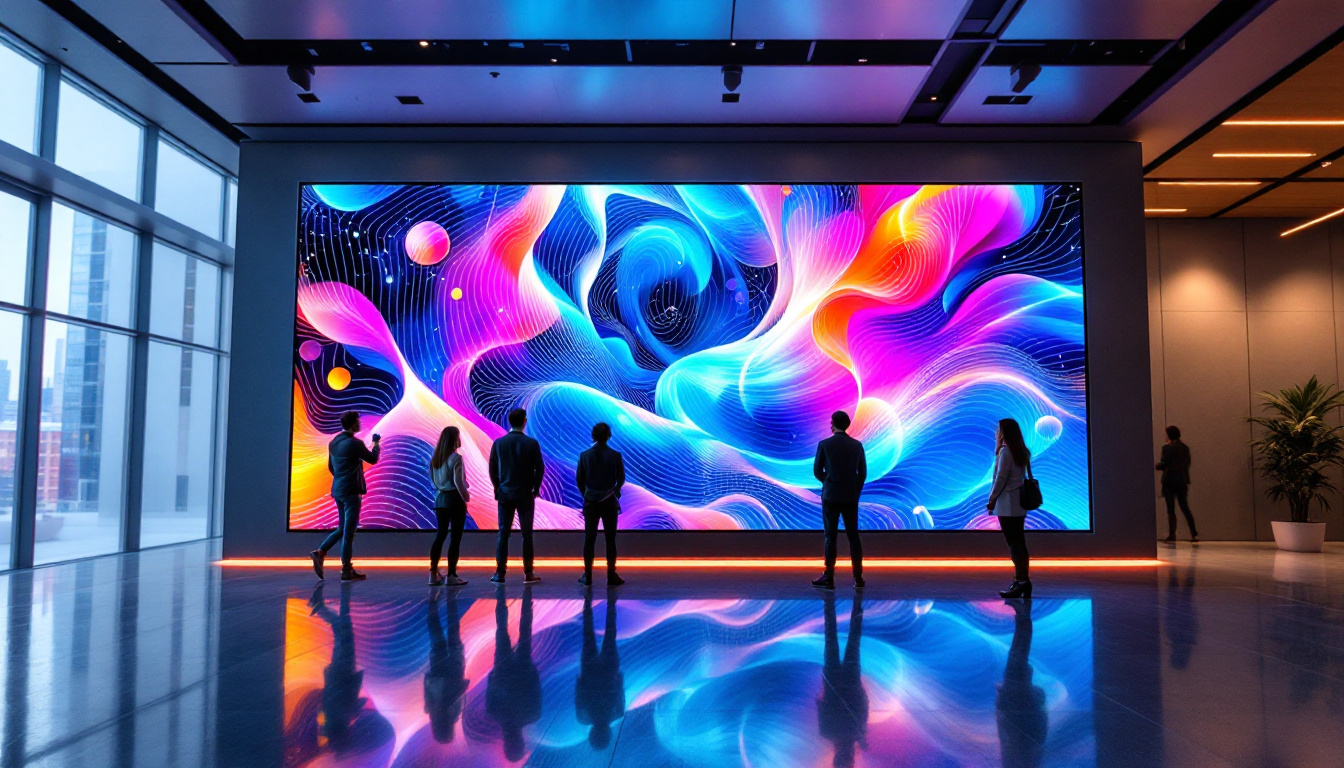
Seamless panel alignment is critical to achieving a uniform image without distracting breaks or shadows. Screen Tight installation minimizes gaps between modules, ensuring that the display looks like a single, continuous surface. This is especially important for high-definition content where even small inconsistencies can be noticeable.
For example, in retail environments or corporate lobbies where brand image is paramount, a flawless LED display can create a strong impression. Similarly, in sports arenas or concert venues, the immersive experience relies on clear, uninterrupted visuals.
Improved Structural Stability
LED displays, particularly large outdoor installations, face challenges from environmental factors such as wind, rain, and temperature fluctuations. Screen Tight installation enhances the mechanical stability of the display by securely locking panels together, reducing the risk of damage or misalignment over time.
This increased durability translates to lower maintenance costs and longer lifespan for the display, which is a significant consideration given the investment involved in high-quality LED technology.
Faster Installation and Maintenance
Time is often a critical factor in LED display projects, especially for events or temporary installations. Screen Tight systems are designed for rapid assembly and disassembly, allowing technicians to install or service the display efficiently.
Quick-release mechanisms and modular design mean that individual panels can be replaced or repaired without dismantling the entire structure. This reduces downtime and keeps the display operational, which is vital for commercial and entertainment applications.
How Screen Tight Installation Works: A Step-by-Step Overview
Understanding the installation process helps appreciate the precision and engineering behind Screen Tight systems. While specific procedures may vary depending on the manufacturer and project requirements, the general steps are as follows:
1. Preparation and Planning
Before installation begins, detailed planning is essential. This includes site assessment, structural analysis, and layout design. Engineers determine the optimal mounting framework and ensure that electrical and data connections are accessible.
Accurate measurements are taken to design the mounting system that will hold the LED modules tightly together. Planning also involves coordinating with other trades, such as electricians and riggers, to ensure a smooth workflow.
2. Frame and Support Structure Installation
The mounting frame, often made of aluminum or steel, is installed first. This frame serves as the backbone of the display, providing the necessary support and alignment guides for the LED panels.
In Screen Tight installations, the frame is engineered to allow precise adjustments. This ensures that when the panels are attached, they sit flush against each other without gaps or misalignment.
3. Mounting LED Panels
LED modules are then attached to the frame using the Screen Tight locking mechanisms. These may include cam locks, clamps, or magnetic fixtures that hold the panels firmly in place.
Technicians carefully align each panel, making small adjustments to achieve perfect continuity. The locking system ensures that once positioned, the panels remain stable even under stress.
4. Electrical and Data Connections
With the panels secured, the next step is connecting power and data cables. Screen Tight systems often incorporate cable management solutions that keep wiring organized and protected, reducing the risk of damage or signal interference.
Proper connection is critical for display performance, as any loose or faulty cables can cause image distortion or outages.
5. Testing and Calibration
After installation, the display undergoes thorough testing to verify image quality, color accuracy, and brightness uniformity. Calibration tools and software help fine-tune the output, ensuring the display meets the desired specifications.
Technicians also inspect the structural integrity and verify that all locking mechanisms function correctly.
Comparing Screen Tight Installation with Other Methods
While Screen Tight installation offers many benefits, it is important to understand how it compares to alternative mounting techniques commonly used in the LED display industry.
Traditional Frame Mounting
Traditional installations often use fixed frames where panels are mounted with visible gaps or with less precise alignment. While this method can be simpler and less costly upfront, it may result in uneven surfaces and reduced visual quality.
Additionally, traditional frames may not provide the same level of mechanical stability, potentially leading to panel movement or damage over time, especially in outdoor settings.
Magnetic Mounting Systems
Magnetic mounting is another popular method, particularly for rental and touring LED displays. Magnets allow for quick attachment and removal of panels, facilitating fast setup and teardown.
However, magnetic systems may not achieve the same tightness and flush surface as Screen Tight installations, sometimes resulting in slight gaps or less rigidity. They are best suited for temporary applications rather than permanent installations.
Direct Bolt or Screw Mounting
Some installations rely on bolts or screws to secure panels directly to the structure. While this method is secure, it can be time-consuming and may require precise drilling and alignment to avoid visual inconsistencies.
Moreover, repeated removal and reinstallation can wear out mounting points, making maintenance more challenging compared to Screen Tight systems.
Applications and Use Cases for Screen Tight LED Displays
Screen Tight installation is versatile and can be applied across various industries and environments. Its benefits are particularly pronounced in scenarios where image quality, durability, and installation efficiency are priorities.
Outdoor Advertising and Digital Billboards
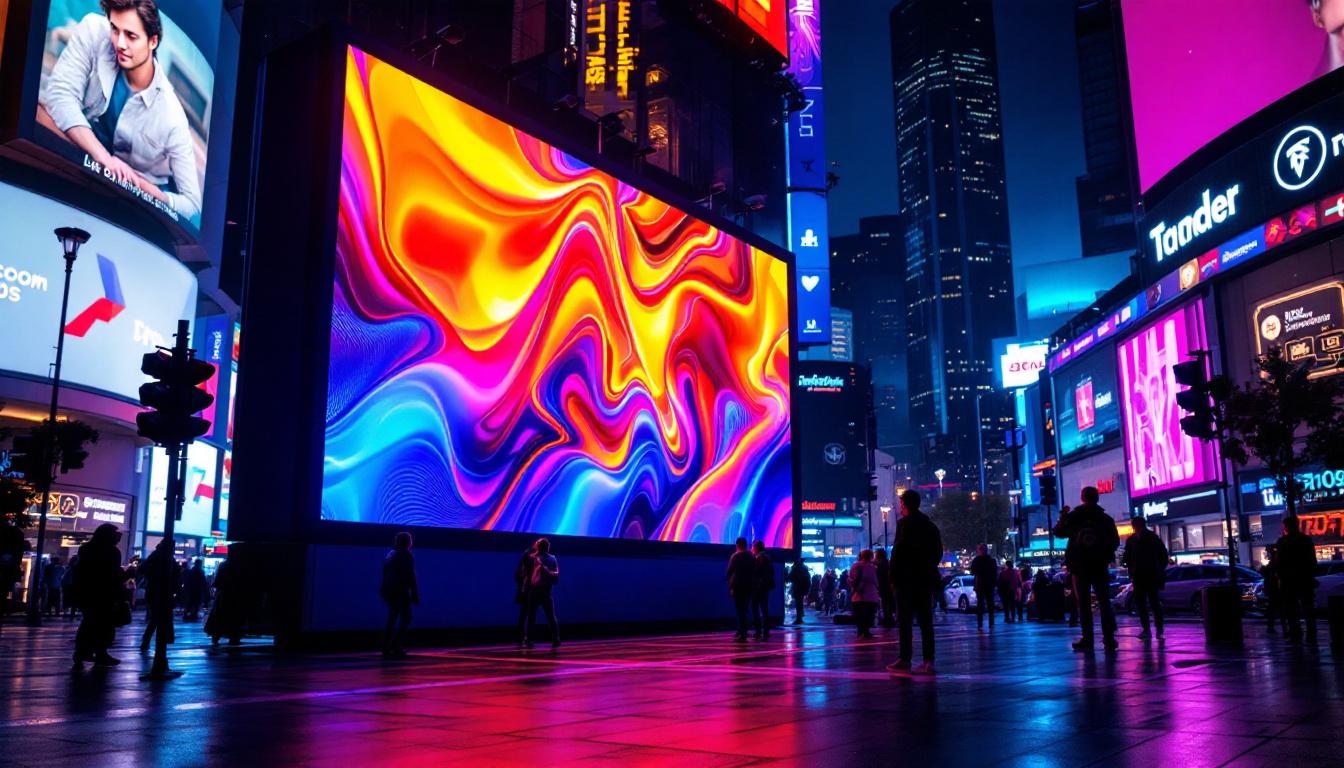
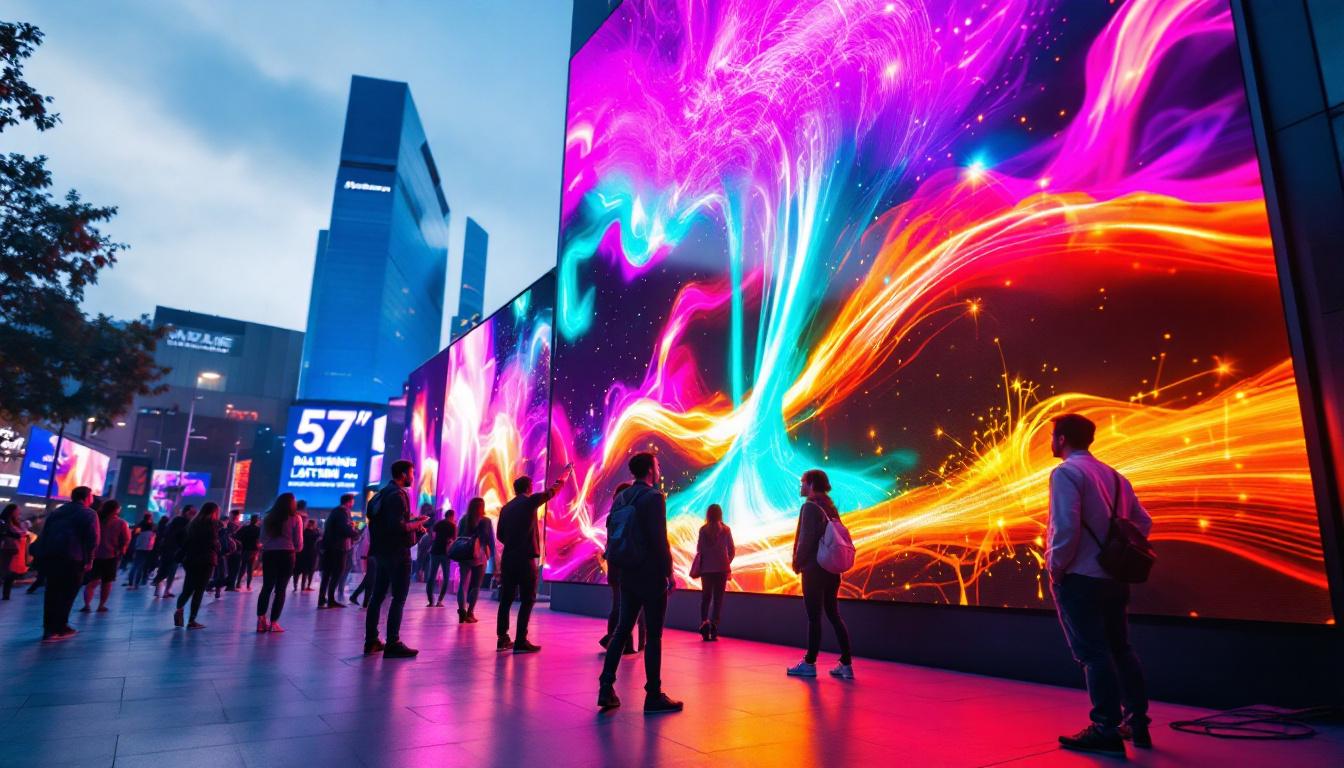
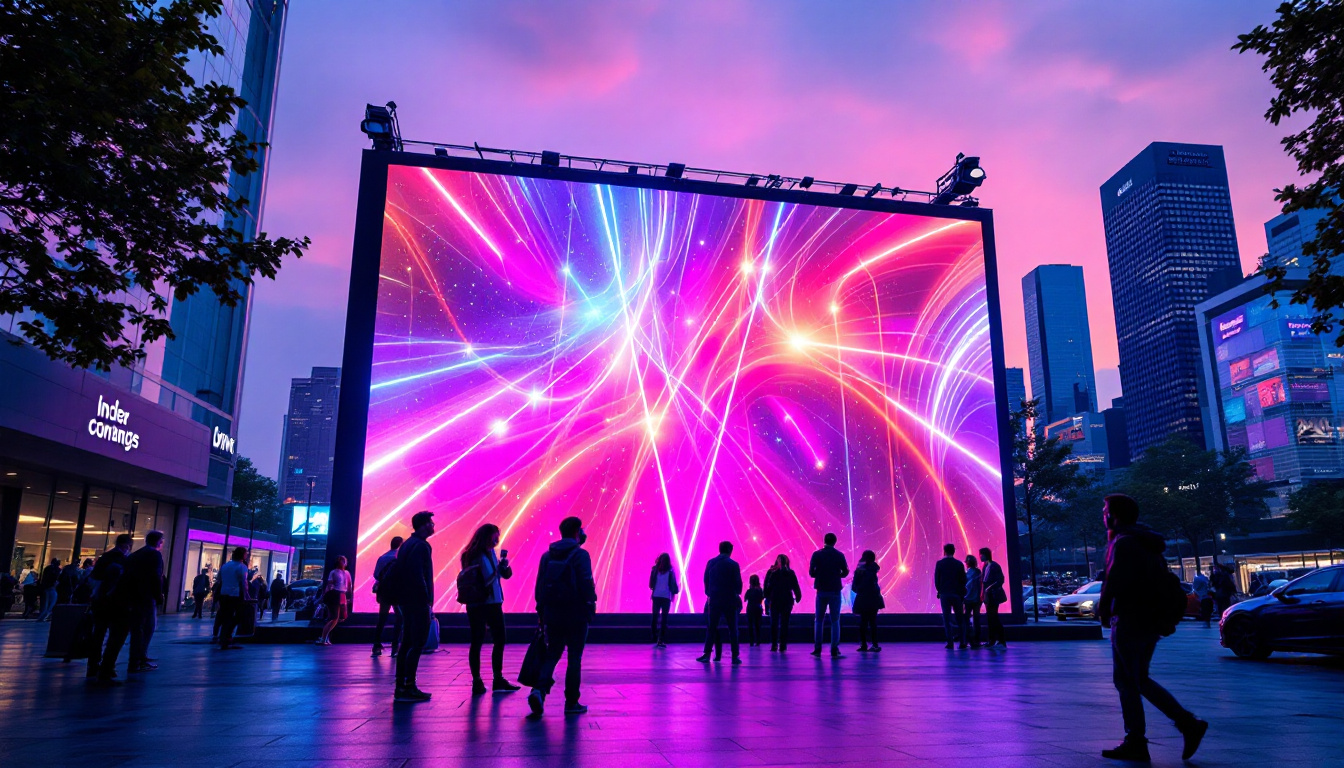
Large-scale outdoor displays demand robust installation methods to withstand weather and environmental stress. Screen Tight installation ensures that billboards remain visually seamless and structurally sound, even in harsh conditions.
According to a 2023 market report by Grand View Research, the global digital billboard market is expected to grow at a CAGR of 12.5% through 2030, driven by demand for high-impact advertising. Screen Tight installation supports this trend by enabling high-quality, reliable displays.
Sports Arenas and Entertainment Venues
In stadiums and concert halls, LED displays enhance the spectator experience by providing real-time scores, replays, and immersive visuals. Screen Tight installation allows for large, uninterrupted screens that maintain clarity and brightness across wide viewing angles.
Rapid installation and maintenance capabilities also benefit venues that host multiple events with tight turnaround times.
Corporate and Retail Environments
Businesses use LED displays for branding, information, and customer engagement. Screen Tight installations create sleek, modern displays that align with professional aesthetics.
High-resolution content displayed without visible seams reinforces brand messaging and attracts customer attention, making Screen Tight a valuable choice for lobbies, showrooms, and retail storefronts.
Challenges and Considerations in Screen Tight Installation
While Screen Tight installation offers many advantages, it is not without challenges. Understanding these factors can help stakeholders plan effectively and avoid common pitfalls.
Initial Cost and Complexity
The precision engineering and specialized hardware required for Screen Tight systems can increase upfront costs compared to simpler mounting methods. Additionally, installation demands skilled technicians familiar with the system.
However, these costs are often offset by reduced maintenance, improved durability, and superior visual quality over the display’s lifespan.
Structural Requirements
Screen Tight installations require a stable and level mounting surface to achieve perfect panel alignment. In some cases, additional structural reinforcement may be necessary, particularly for large or outdoor displays.
Proper site assessment and engineering consultation are essential to ensure the mounting framework meets these requirements.
Maintenance Accessibility
Although Screen Tight systems facilitate quick panel removal, tight panel spacing can sometimes limit access to internal components. Designing the display with maintenance in mind, including accessible service points, is crucial.
Future Trends in LED Display Installation
The LED display industry continues to evolve rapidly, with innovations in technology and installation methods shaping the future landscape. Screen Tight installation is poised to benefit from and contribute to these trends.
Integration with Smart Technologies
Advancements in IoT and smart building systems are enabling LED displays to become more interactive and responsive. Screen Tight installations provide a stable platform for integrating sensors, cameras, and control systems that enhance functionality.
Lightweight and Flexible Materials
Emerging materials and manufacturing techniques are producing lighter and more flexible LED panels. These innovations may simplify Screen Tight installation by reducing structural demands and enabling curved or irregular screen shapes.
Eco-Friendly and Energy-Efficient Solutions
As sustainability becomes a priority, LED display manufacturers and installers are focusing on energy efficiency and recyclable materials. Screen Tight systems that facilitate easy panel replacement and upgrades support longer product lifecycles and reduce waste.
Conclusion
Screen Tight installation represents a sophisticated and effective method for mounting LED displays, delivering superior visual quality, structural stability, and installation efficiency. Its ability to create seamless, durable screens makes it an excellent choice for a wide range of applications, from outdoor advertising to corporate environments.
While the initial investment and technical requirements may be higher than traditional methods, the long-term benefits in performance and maintenance can provide significant value. As LED technology continues to advance, Screen Tight installation is likely to remain a key technique in achieving high-quality, reliable digital displays.
For businesses and organizations looking to maximize the impact of their LED displays, understanding and considering Screen Tight installation can be a critical step toward success.
Discover LumenMatrix’s Advanced LED Solutions
Ready to elevate your space with a seamless, high-impact LED display? LumenMatrix is at the forefront of LED display innovation, offering a comprehensive range of solutions tailored to your unique needs. From vibrant Indoor and Outdoor LED Wall Displays to dynamic Vehicle and Sports Displays, our cutting-edge technology is designed to captivate and engage your audience. Experience the future of visual communication with our Custom, All-in-One, and Transparent LED Displays. Check out LumenMatrix LED Display Solutions today and transform your message into a visual masterpiece.