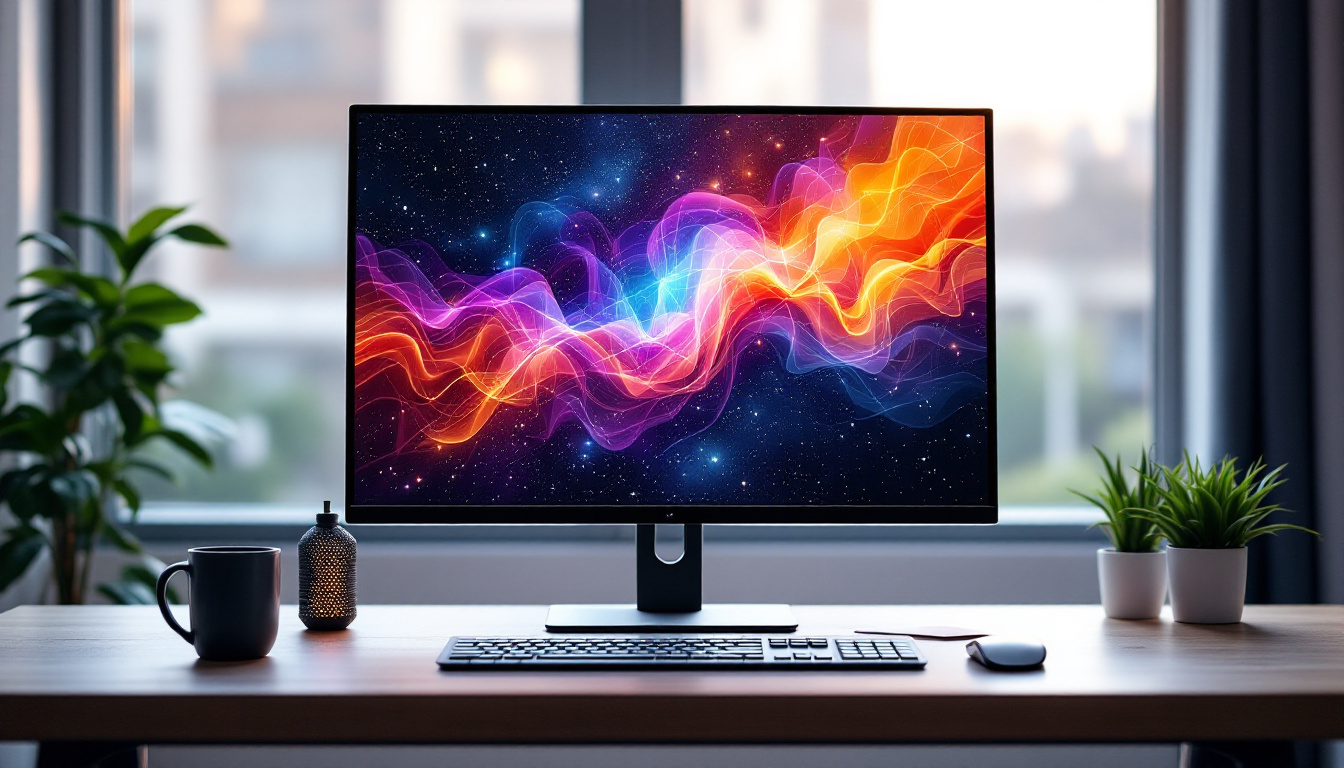
Choosing the right computer monitor can significantly impact your computing experience, whether for work, gaming, or general use. Among the most common display technologies available today are LCD and LED monitors. While these terms are often used interchangeably, they refer to different technologies and features that affect picture quality, energy consumption, and price. This article explores the differences between LED and LCD monitors, explains how LED displays work, and helps you decide which option is better suited to your needs.
Understanding LCD and LED Monitor Technologies
What Is an LCD Monitor?
LCD stands for Liquid Crystal Display. These monitors use liquid crystals sandwiched between two layers of glass or plastic. When an electric current passes through the liquid crystals, they align to either block or allow light to pass through, creating images on the screen. However, LCD panels themselves do not emit light; they require a backlight to illuminate the display.
Historically, LCD monitors used cold cathode fluorescent lamps (CCFLs) as their backlight source. These fluorescent tubes provided the necessary illumination but had some drawbacks, including bulkier designs, higher power consumption, and less precise control over brightness and contrast. As technology advanced, manufacturers began to explore alternative backlighting options that would not only enhance the visual quality but also reduce energy usage. This led to the development of more sophisticated LCD technologies, such as IPS (In-Plane Switching) and TN (Twisted Nematic) panels, which offer varying benefits in terms of color reproduction, viewing angles, and response times. IPS panels, for instance, are particularly favored for their superior color accuracy and wider viewing angles, making them ideal for graphic design and multimedia applications.
What Is an LED Monitor?
LED stands for Light Emitting Diode, which refers to the type of backlighting used in LED monitors. Technically, LED monitors are a subset of LCD monitors that use LEDs instead of CCFLs as the backlight source. The LCD panel still controls the image by manipulating liquid crystals, but the illumination comes from an array of LEDs placed either behind the screen (direct or full-array LED) or along the edges (edge-lit LED).
This shift from fluorescent to LED backlighting has led to thinner, lighter monitors with better energy efficiency, improved brightness, and enhanced color accuracy. It is important to note that when people say “LED monitor,” they are usually referring to an LCD panel with LED backlighting, not a fundamentally different display technology. The advancements in LED technology have also allowed for features such as local dimming, where specific areas of the screen can be dimmed independently, resulting in deeper blacks and a more dynamic contrast ratio. Furthermore, the introduction of OLED (Organic Light Emitting Diode) technology has begun to blur the lines, offering even greater color depth and contrast by allowing each pixel to emit its own light, thus eliminating the need for a backlight altogether. This evolution in display technology continues to drive innovation, catering to the ever-growing demand for high-quality visual experiences in gaming, professional work, and entertainment.
Key Differences Between LED and LCD Monitors
Backlighting Technology
The most significant difference between traditional LCD monitors and LED monitors lies in the backlighting method. CCFL backlights used in older LCDs emit a uniform white light but consume more power and generate more heat. LED backlighting, on the other hand, uses tiny diodes that can be precisely controlled to produce brighter images with better contrast.
LED backlighting allows for innovations such as local dimming, where specific sections of the screen can dim independently to enhance black levels and overall contrast ratio. This feature is particularly beneficial for watching movies or playing games with dark scenes.
Energy Efficiency and Environmental Impact
LED monitors are generally more energy-efficient than their CCFL LCD counterparts. According to the U.S. Department of Energy, LED backlit displays can consume up to 40% less power than CCFL-backlit LCDs. This efficiency not only reduces electricity costs but also lessens the environmental footprint of your computing setup.
Moreover, LEDs do not contain mercury, unlike CCFLs, making LED monitors more environmentally friendly and easier to recycle.
Picture Quality: Brightness, Contrast, and Color Accuracy
LED backlighting contributes to better brightness levels and improved contrast ratios. Modern LED monitors can achieve brightness levels exceeding 300 nits, suitable for well-lit environments. Additionally, the ability to implement local dimming enhances black levels, making images appear more vibrant and lifelike.
Color accuracy is another area where LED monitors often excel. Many LED monitors support wider color gamuts such as sRGB, Adobe RGB, or DCI-P3, which are important for professional photo and video editing. However, the actual color performance depends on the quality of the LCD panel itself (e.g., IPS, VA, or TN) rather than just the backlighting technology.
Design and Form Factor
LED backlighting enables manufacturers to produce thinner and lighter monitors. Edge-lit LED monitors, in particular, allow for ultra-slim designs that are aesthetically pleasing and space-saving. This makes LED monitors a popular choice for modern workspaces and home offices where desk space is limited.
Types of LED Backlighting and Their Impact
Edge-Lit LED Monitors
Edge-lit LED monitors place LEDs along the edges of the screen, directing light across the panel using light guides. This design allows for very thin monitors but can sometimes lead to uneven brightness distribution or reduced contrast compared to full-array designs.
Full-Array LED Monitors
Full-array LED monitors have LEDs distributed evenly behind the entire LCD panel. This arrangement supports advanced local dimming features, resulting in better contrast and deeper blacks. These monitors tend to be thicker and more expensive but offer superior image quality, especially for multimedia consumption.
Mini-LED and Micro-LED: The Next Generation
Recent advancements have introduced mini-LED and micro-LED backlighting technologies. Mini-LEDs are smaller LEDs that allow for thousands of dimming zones, significantly improving contrast and HDR performance. Micro-LEDs go further by integrating microscopic LEDs directly into the display, promising even better brightness, color accuracy, and longevity, though they are currently expensive and less common.
When to Choose LED or LCD Monitors
General Office and Everyday Use
For typical office tasks such as word processing, web browsing, and video conferencing, both LED and traditional LCD monitors are adequate. However, LED-backlit monitors are generally preferred due to their better energy efficiency, slimmer design, and improved brightness.
Many budget-friendly LED monitors offer excellent performance for everyday use, making them a practical choice for most users.
Gaming and Entertainment
Gamers and multimedia enthusiasts benefit from LED monitors with high refresh rates, low response times, and wide color gamuts. Full-array LED monitors with local dimming capabilities provide superior contrast and immersive visuals for gaming and movie watching.
Additionally, LED monitors often support technologies such as HDR (High Dynamic Range), which enhances the viewing experience by providing more vivid colors and better contrast.
Professional Creative Work
Professionals in photography, video editing, and graphic design require monitors with precise color accuracy and wide color gamut support. LED monitors with IPS panels are typically favored for their consistent color reproduction and wide viewing angles.
Monitors that cover 99% or more of sRGB and Adobe RGB color spaces, combined with LED backlighting, ensure that creative work is represented accurately on screen.
Budget Considerations
While LED monitors have become more affordable over time, traditional CCFL-backlit LCD monitors may still be found at lower prices in some markets. However, the performance and efficiency trade-offs usually make LED monitors the better investment in the long term.
Common Misconceptions About LED and LCD Monitors
LED Is Not a Separate Display Technology
A frequent misunderstanding is that LED monitors are a completely different display technology from LCD monitors. In reality, LED monitors are a type of LCD monitor that uses LED backlighting instead of fluorescent tubes. The LCD panel remains the core technology that creates the image.
OLED vs. LED: Different Technologies
Another common confusion arises between LED and OLED displays. OLED (Organic Light Emitting Diode) is a distinct technology where each pixel emits its own light, allowing for perfect blacks and exceptional contrast. OLED monitors are still relatively rare and expensive compared to LED-backlit LCDs but offer superior picture quality in many respects.
How to Choose the Right Monitor for Your Needs
Assess Your Primary Use Case
Identify what you primarily use your monitor for—be it office work, gaming, content creation, or general use. This will guide your choice in terms of panel type, resolution, refresh rate, and color accuracy.
Consider Panel Type Alongside Backlighting
The LCD panel type (IPS, VA, TN) greatly affects viewing angles, color reproduction, and response times. Pairing a quality panel with LED backlighting yields the best overall performance.
Look for Key Features
Features such as adjustable refresh rates (e.g., 75Hz, 144Hz), adaptive sync technologies (G-Sync, FreeSync), HDR support, and ergonomic adjustments can enhance your experience depending on your needs.
Set a Realistic Budget
Determine your budget and seek the best monitor within that range that offers LED backlighting and the features you require. Remember that investing in a quality monitor can improve productivity and enjoyment for years to come.
Conclusion
In summary, LED monitors are essentially LCD monitors that use LED backlighting instead of older fluorescent technology. This change brings numerous advantages, including better energy efficiency, improved brightness and contrast, slimmer designs, and enhanced color accuracy. For most users, LED-backlit monitors represent the better choice due to their superior performance and environmental benefits.
When selecting a monitor, consider your specific use case, desired features, and budget. Whether for professional work, gaming, or everyday tasks, understanding the distinctions between LED and LCD technologies will help you make an informed decision and enjoy a better visual experience.
Discover the Future of Visual Display with LumenMatrix
Ready to elevate your visual experience with the latest in LED technology? LumenMatrix offers a comprehensive range of cutting-edge LED display solutions tailored to meet your every need. From immersive Indoor LED Walls to dynamic Outdoor LED Displays and beyond, our innovative products are designed to captivate your audience and amplify your message. Don’t settle for less—check out LumenMatrix LED Display Solutions today and witness how we’re revolutionizing visual communication.