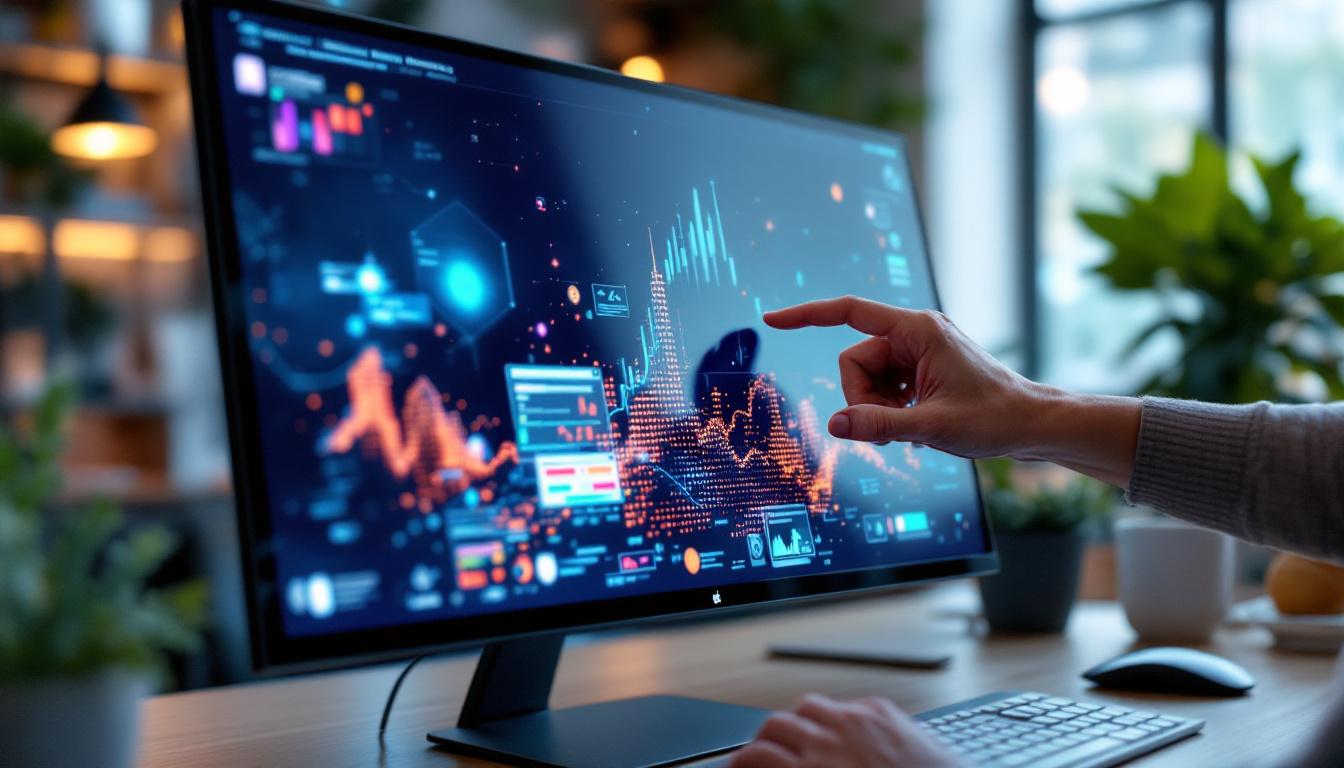
In an increasingly digital world, privacy concerns have become paramount, especially when it comes to the use of screens in public or shared spaces. Whether it’s a laptop at a café, a smartphone on public transit, or a digital display in a retail environment, protecting sensitive information from prying eyes is a growing challenge. One innovative solution gaining traction is the use of temporary privacy screens combined with LED display technology. This article explores how these screens work, their applications, benefits, and considerations for users and businesses alike.
Understanding Temporary Privacy Screens
Temporary privacy screens are designed to restrict the viewing angle of a display, ensuring that only the person directly in front of the screen can clearly see the content. This technology helps prevent shoulder surfing, a common form of visual hacking where someone nearby observes confidential information without permission.
Traditionally, privacy screens have been physical filters attached to devices like laptops or monitors. These filters use micro-louver technology to limit the viewing angle, typically to about 30 to 60 degrees. However, with the rise of LED displays and digital signage, new approaches to privacy protection have emerged, including dynamic, temporary privacy screens that can be activated or deactivated as needed.
How Temporary Privacy Screens Work
Temporary privacy screens leverage advanced materials or digital techniques to control light emission and viewing angles. For LED displays, this often involves integrating micro-louver films or using directional backlighting technologies that focus the light output directly toward the intended viewer. This means that anyone outside the designated viewing zone sees a darkened or blurred screen, effectively obscuring sensitive content.
Some modern systems use electronically switchable privacy films that can change their opacity or viewing angle with the flick of a switch. This flexibility allows users to toggle between privacy mode and normal viewing mode, making the screen versatile for different environments and situations.
Moreover, the increasing demand for privacy in public spaces, such as cafes, airports, and co-working environments, has accelerated the development of these innovative privacy solutions. As more individuals work remotely or conduct sensitive business in shared spaces, the need for effective privacy measures has never been more critical. Temporary privacy screens not only enhance security but also contribute to a sense of personal space, allowing users to focus on their tasks without the anxiety of prying eyes. Additionally, manufacturers are exploring eco-friendly materials for these screens, ensuring that privacy solutions are not only effective but also sustainable.
Furthermore, the integration of privacy screens into mobile devices is becoming increasingly prevalent. With the rise of smartphones and tablets, users are often in situations where they need to protect their information on the go. Advanced temporary privacy screens for these devices are being developed to fit seamlessly into their sleek designs, providing an added layer of security without compromising aesthetics. This trend reflects a growing awareness of personal data protection in an era where digital information is both valuable and vulnerable.
The Role of LED Displays in Privacy Screens
LED (Light Emitting Diode) displays are known for their brightness, energy efficiency, and versatility. They are widely used in everything from smartphones and laptops to large-scale digital signage. Integrating privacy features into LED displays presents unique opportunities and challenges.
Advantages of LED Displays for Privacy
LED displays naturally produce bright, high-contrast images, which can be beneficial when combined with privacy screen technology. The brightness allows for better control of light directionality, enabling sharper and more effective viewing angle restrictions without compromising image quality for the intended viewer.
Additionally, LED displays can be made thinner and more flexible than traditional LCDs, making it easier to incorporate privacy films or micro-louver layers without adding bulk. This is especially important for mobile devices and sleek digital signage where aesthetics and portability matter.
Innovations in LED Privacy Technology
Recent advancements include the development of directional backlighting systems that use arrays of micro-LEDs to emit light precisely where it is needed. This technology can create multiple viewing zones on a single display, allowing different users to see different content simultaneously without overlap or privacy breaches.
Moreover, some manufacturers have introduced dynamic privacy modes that adjust the viewing angle or opacity based on environmental conditions or user preferences. For example, a laptop might automatically activate privacy mode when it detects a crowd nearby, enhancing security without user intervention.
Applications of Temporary Privacy Screens with LED Displays
The use of temporary privacy screens combined with LED displays spans various industries and scenarios, reflecting the growing demand for secure and private viewing experiences.
Corporate and Office Environments
In offices, sensitive information such as financial data, client details, and strategic plans are frequently displayed on screens. Temporary privacy screens help protect this information from unintended viewers, especially in open-plan offices or during meetings where multiple people have access to the same space.
With the rise of remote and hybrid work, employees often work from public places like cafés or co-working spaces. Portable devices equipped with LED displays and temporary privacy screens ensure that confidential work remains protected even outside the traditional office setting.
Healthcare Sector
Healthcare professionals regularly access patient records and sensitive health information on digital devices. Privacy screens are critical in these environments to comply with regulations such as HIPAA (Health Insurance Portability and Accountability Act) in the United States, which mandates the protection of patient information.
LED displays with integrated privacy features allow medical staff to view records clearly while preventing unauthorized viewing by patients or visitors, enhancing both security and compliance.
Retail and Public Spaces
Digital signage in retail stores often displays promotional content alongside transactional information, such as loyalty program details or payment instructions. Temporary privacy screens can be used to shield sensitive transaction data from other customers while still providing engaging advertising content.
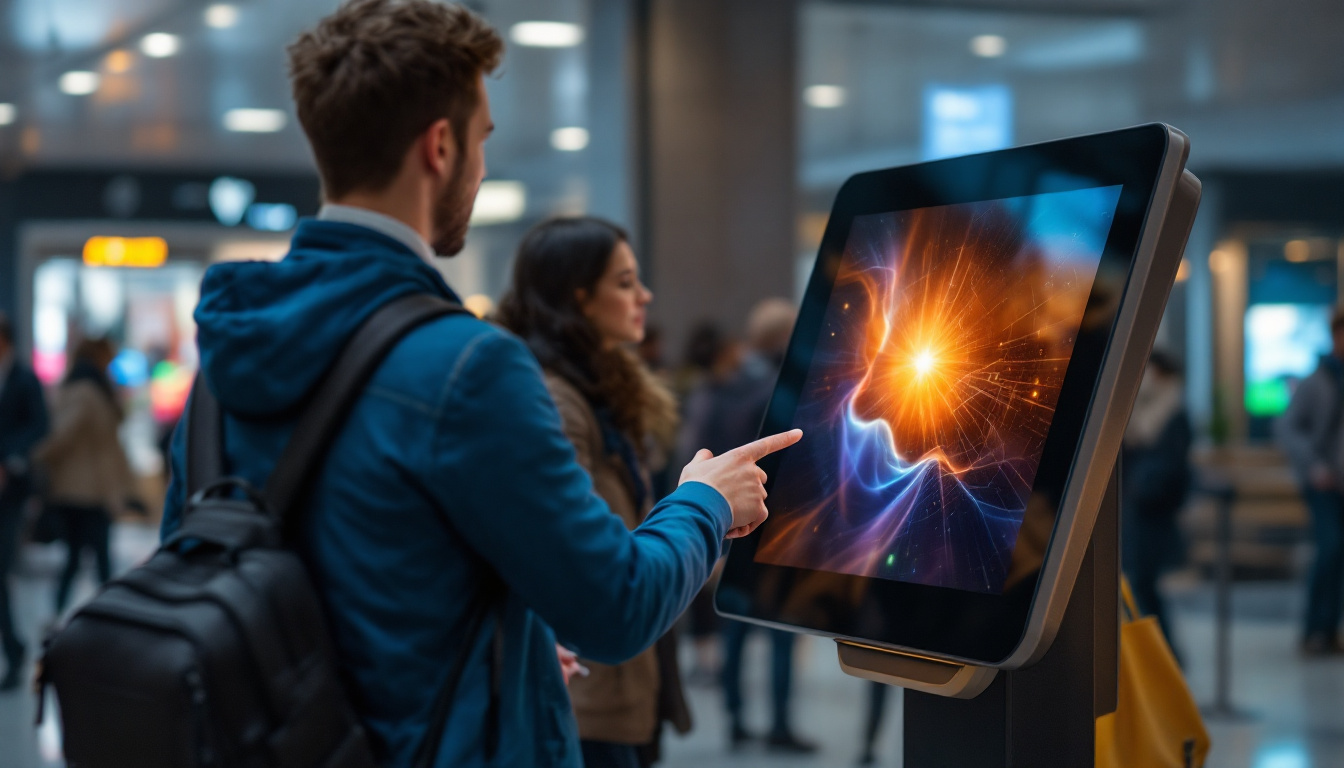
In public spaces like airports or banks, LED displays with privacy capabilities help protect personal information during self-service transactions, reducing the risk of identity theft or fraud.
Benefits of Using Temporary Privacy Screens on LED Displays
Incorporating temporary privacy screens into LED displays offers multiple advantages for both individual users and organizations.
Enhanced Security and Confidentiality
The primary benefit is the significant reduction in the risk of visual hacking. By limiting the viewing angle, privacy screens prevent unauthorized individuals from seeing sensitive information, thereby safeguarding personal and corporate data.
Flexibility and Convenience
Unlike permanent privacy filters, temporary privacy screens can be activated only when needed, preserving the display’s full viewing capabilities at other times. This flexibility is particularly useful in environments where privacy requirements fluctuate throughout the day.
Improved User Experience
Modern LED displays with integrated privacy features maintain high image quality and brightness, ensuring that privacy protection does not come at the cost of usability. Users can enjoy clear, vibrant displays without worrying about information leakage.
Cost-Effectiveness Over Time
While initial investment in advanced privacy screen technology may be higher than traditional filters, the durability, reusability, and reduced risk of data breaches can lead to cost savings in the long run. Preventing data leaks helps avoid fines, reputational damage, and operational disruptions.
Considerations When Choosing Temporary Privacy Screens for LED Displays
Despite their benefits, selecting the right temporary privacy screen solution requires careful evaluation of several factors.
Viewing Angle and Privacy Level
Different privacy screens offer varying degrees of viewing angle restriction. It’s important to choose a screen that balances privacy with usability, ensuring that the intended user has a comfortable viewing experience while effectively blocking side views.
Compatibility with Display Type
Not all privacy screens are compatible with every LED display. Factors such as screen size, resolution, and touch sensitivity must be considered to avoid impairing the device’s functionality.
Durability and Maintenance
Temporary privacy screens, especially those that are removable or switchable, should be durable and easy to clean. Poor-quality films can degrade image quality or become scratched, reducing their effectiveness over time.
Cost and Installation
Costs vary widely depending on the technology used, screen size, and additional features like switchable opacity. Installation ease is also important, particularly for businesses deploying privacy screens across multiple devices or locations.
Future Trends in Privacy Screen and LED Display Technology
As privacy concerns continue to grow alongside technological advancements, the intersection of temporary privacy screens and LED displays is poised for exciting developments.
Integration with Artificial Intelligence
AI-powered privacy screens could dynamically adjust viewing angles or activate privacy modes based on real-time analysis of the environment and user behavior. For instance, facial recognition could detect unauthorized viewers and automatically enhance privacy settings.
Higher Resolution and Multi-User Displays
Emerging micro-LED technology enables ultra-high-resolution displays with multiple independent viewing zones. This could allow several users to view different content on the same screen simultaneously, each protected by tailored privacy settings.
Eco-Friendly Materials and Energy Efficiency
Future privacy screens may incorporate sustainable materials and designs that reduce energy consumption without sacrificing performance, aligning with broader environmental goals in technology manufacturing and usage.
Conclusion
Temporary privacy screens combined with LED display technology represent a powerful solution to the growing challenge of protecting sensitive information in a digital age. By restricting viewing angles and enhancing security without compromising display quality, these innovations offer significant benefits across corporate, healthcare, retail, and public sectors.
As technology evolves, users and organizations can expect even more sophisticated, flexible, and user-friendly privacy solutions that adapt to diverse needs and environments. Investing in temporary privacy screens for LED displays is not only a proactive step toward safeguarding data but also a commitment to maintaining trust and professionalism in an increasingly connected world.
Discover LumenMatrix’s Advanced Privacy-Enhanced LED Displays
Embrace the future of visual privacy and security with LumenMatrix’s cutting-edge LED display solutions. As a leader in innovative LED technology, LumenMatrix offers a range of products designed to meet the diverse needs of today’s digital landscape. From Indoor and Outdoor LED Wall Displays to specialized solutions like Vehicle LED Displays and LED Sports Displays, our mission is to transform visual communication. Enhance your brand’s presence and protect sensitive information with our state-of-the-art LED Transparent Displays and other customizable options. Check out LumenMatrix LED Display Solutions today and step into a world where clarity, engagement, and privacy go hand in hand.