In an era where digital communication is omnipresent and privacy is increasingly valued, the demand for effective privacy solutions in both residential and commercial spaces has surged. One innovative approach gaining traction is the use of freestanding privacy screens integrated with LED displays. These screens not only provide a physical barrier to unwanted views but also offer dynamic digital content capabilities, making them versatile and functional.
This comprehensive guide delves into the process of building a freestanding privacy screen featuring an LED display. Whether you are a DIY enthusiast, a business owner looking to enhance your space, or a designer seeking modern privacy solutions, this article will walk you through the essential considerations, materials, and steps to create a privacy screen that is both aesthetically pleasing and technologically advanced.
Understanding the Purpose and Benefits of Freestanding Privacy Screens
Why Choose a Freestanding Privacy Screen?
Privacy screens are essential in various environments, from open-plan offices and outdoor patios to retail displays and event venues. Unlike fixed partitions, freestanding screens offer flexibility in placement and mobility, allowing users to adapt their space as needed. This adaptability is crucial in dynamic environments where spatial needs frequently change. For instance, in a bustling office, a freestanding privacy screen can be repositioned to create temporary meeting areas or quiet zones, fostering collaboration while maintaining personal space.
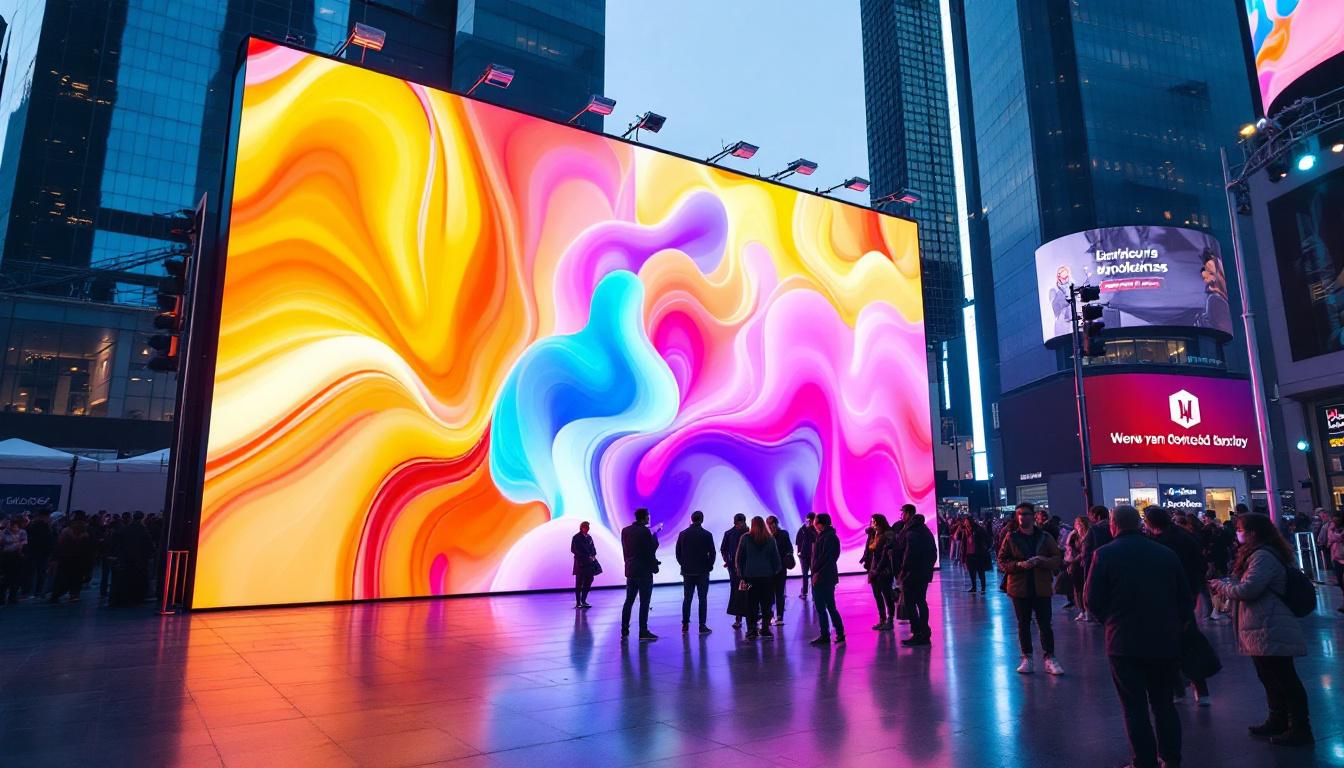
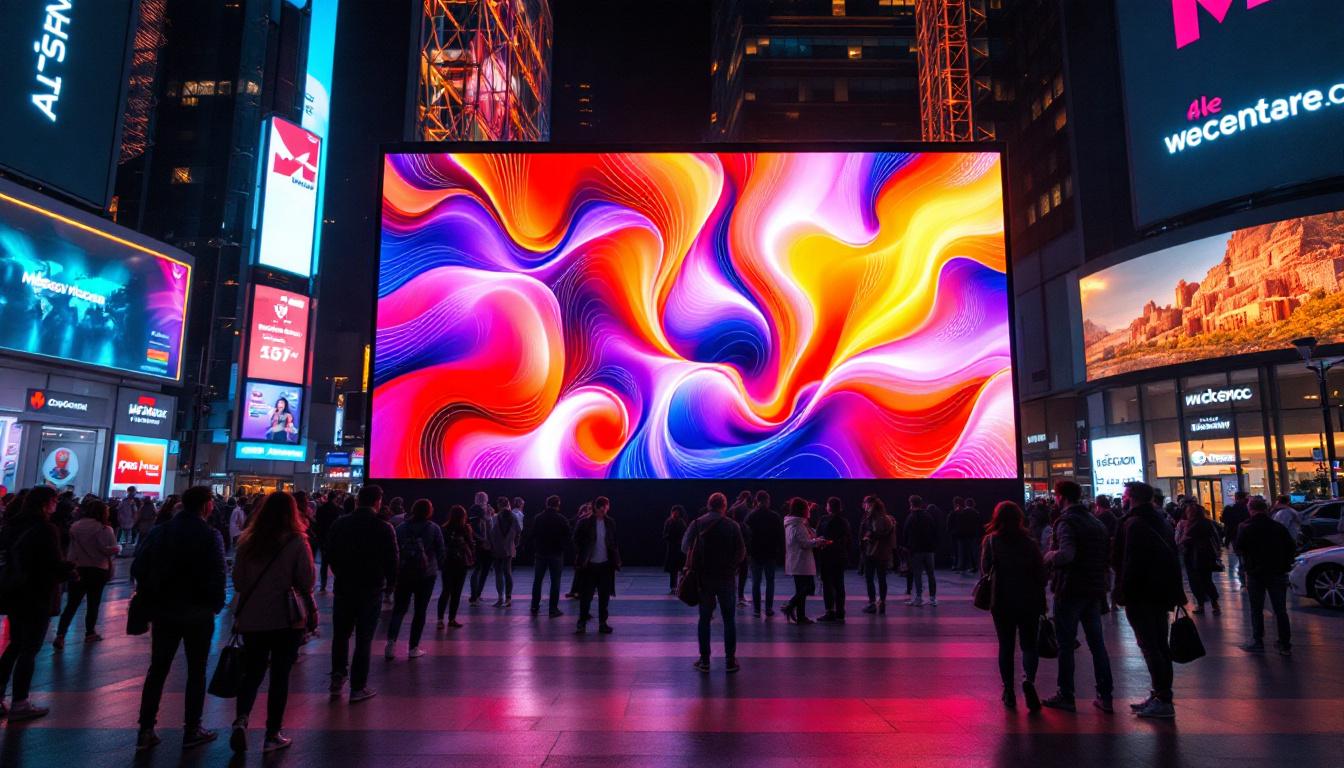
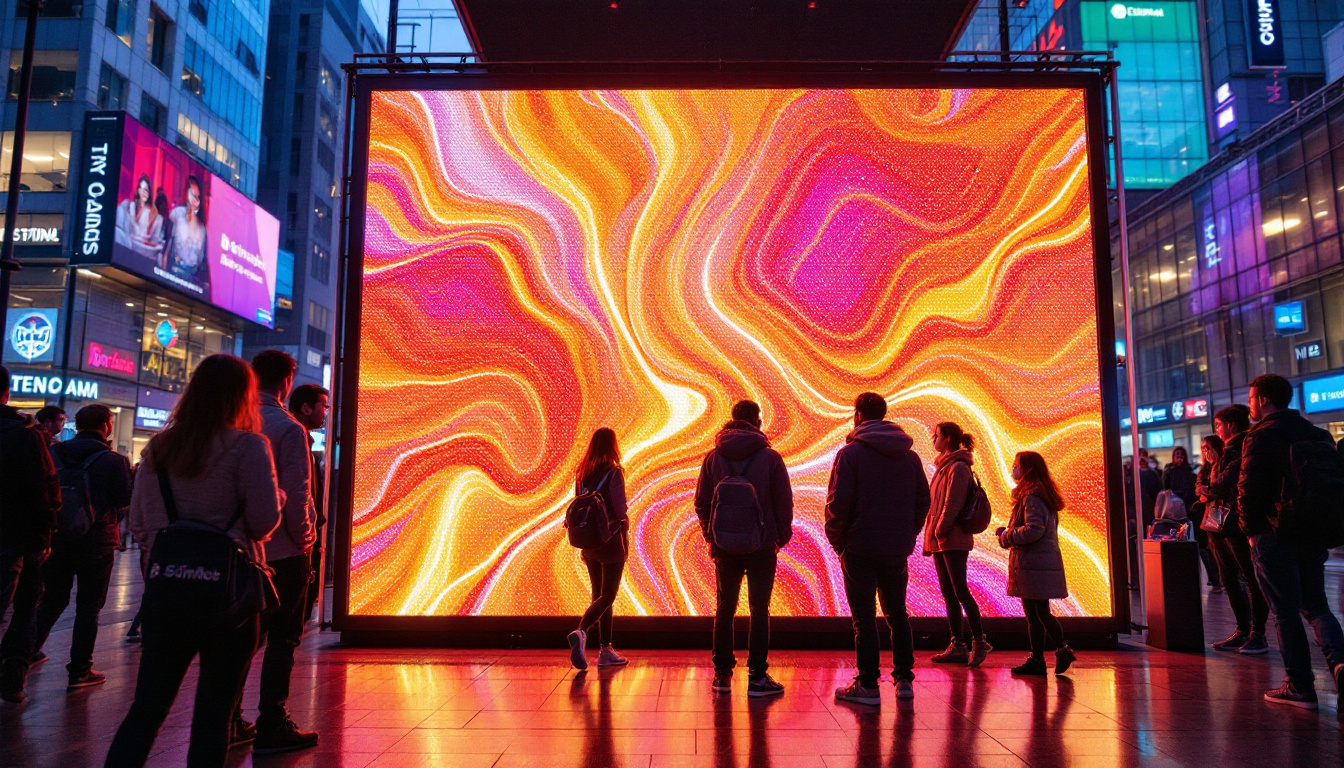
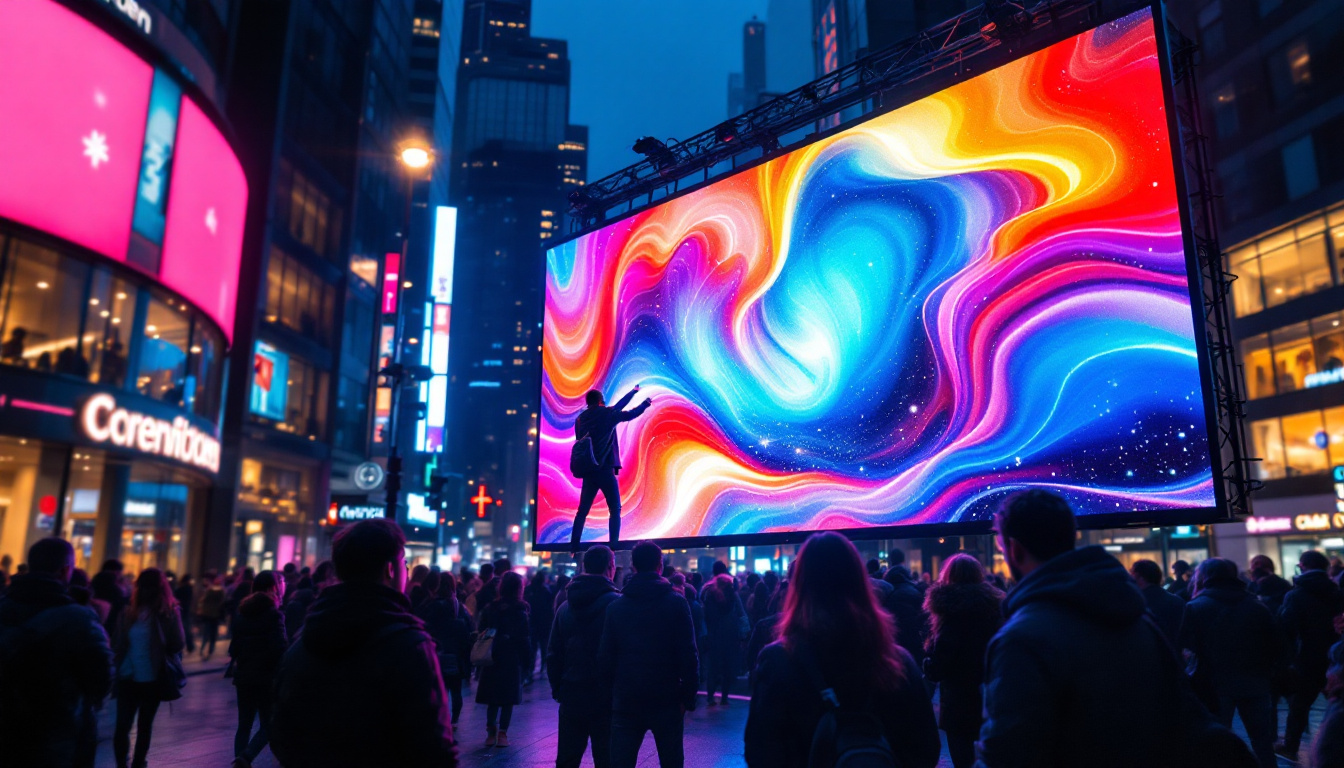
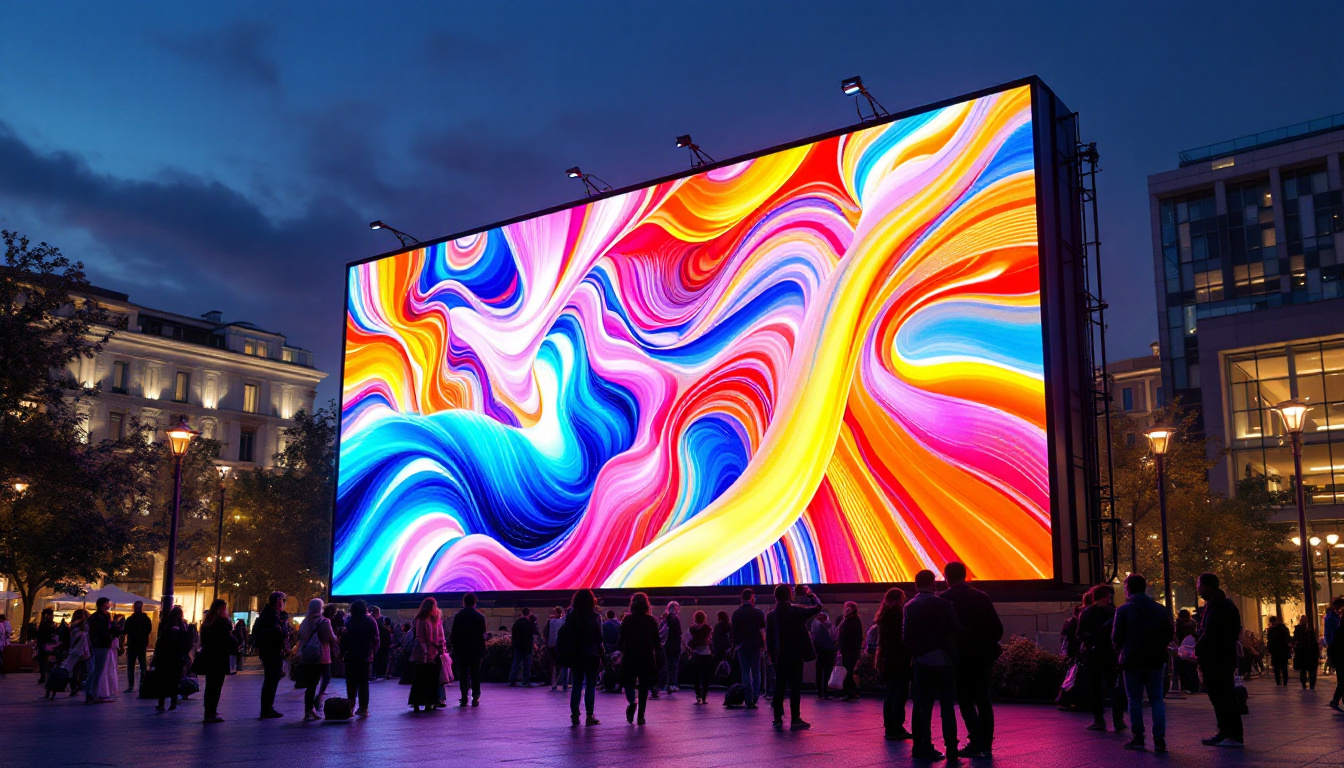
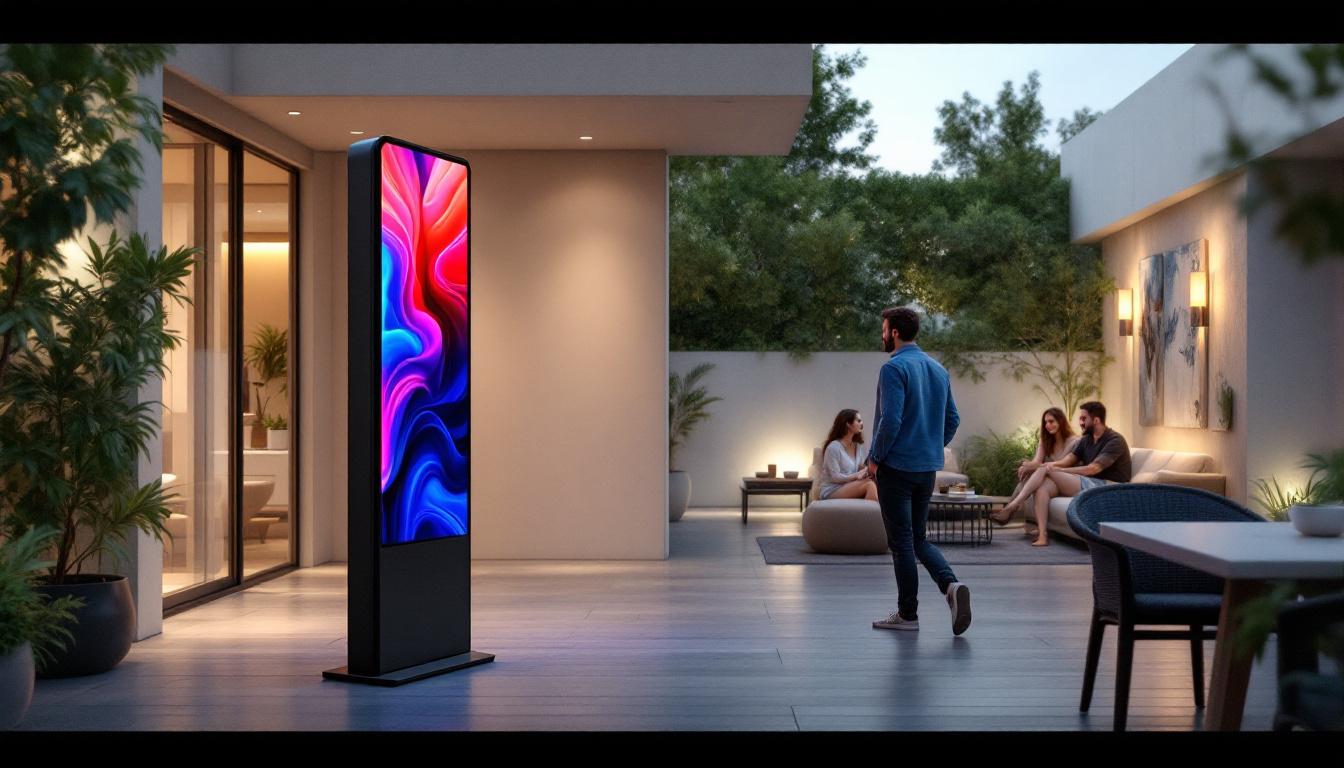
Moreover, integrating LED displays into privacy screens transforms them from mere physical barriers into interactive or informative digital surfaces. This dual functionality enhances the utility of the screen, making it a valuable asset for communication, branding, or ambiance creation. In outdoor settings, a privacy screen with LED capabilities can serve as a vibrant backdrop for events, displaying schedules, menus, or promotional content, thereby enriching the overall experience for attendees.
Key Benefits of LED-Integrated Privacy Screens
LED technology brings several advantages to privacy screens:
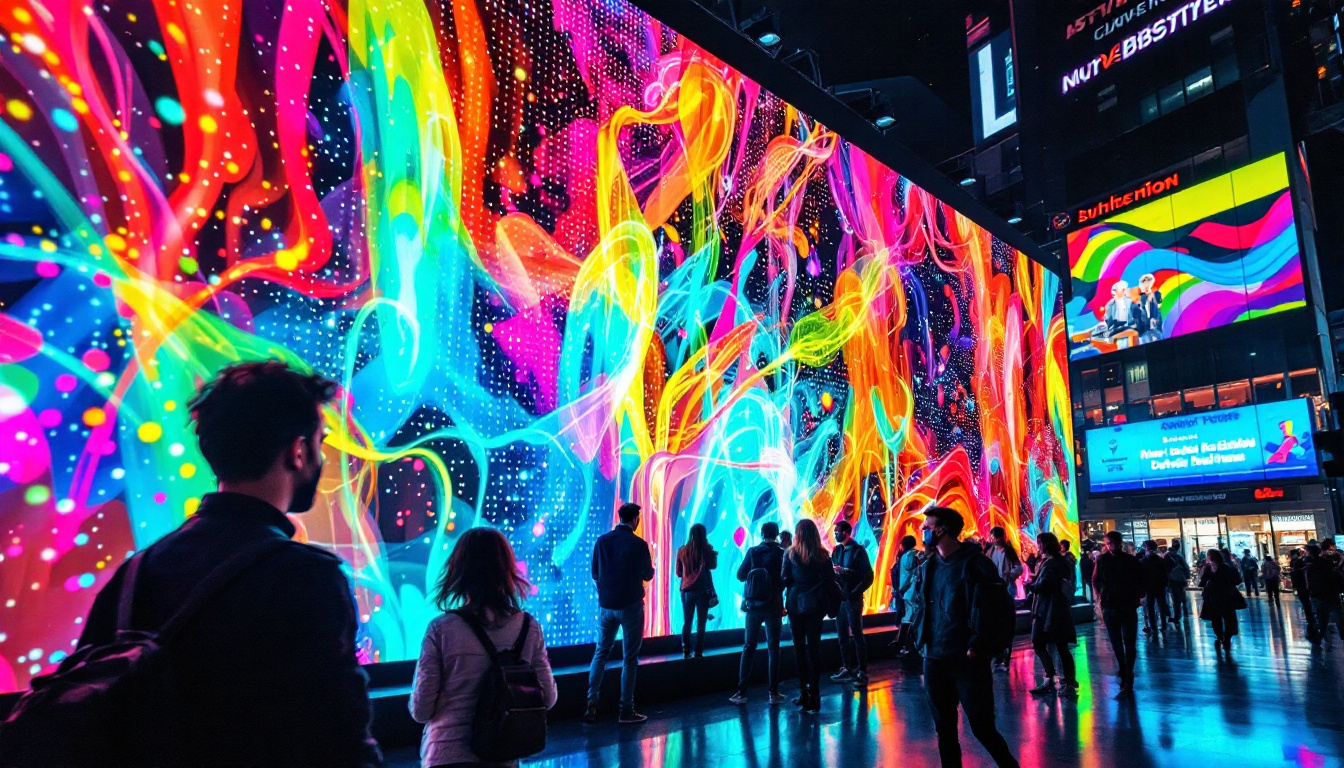
- Dynamic Content Display: Unlike static panels, LED screens can showcase videos, images, or animations, enabling tailored messaging or decorative effects. This feature is particularly beneficial in retail environments, where changing promotions can be displayed in real-time, attracting customer attention and enhancing engagement.
- Energy Efficiency: Modern LED panels consume relatively low power while providing bright, vivid displays suitable for both indoor and outdoor use. This energy efficiency not only reduces operational costs but also aligns with sustainability goals, making them an eco-friendly choice for businesses looking to minimize their carbon footprint.
- Customization: LED screens can be programmed to change content based on time, audience, or events, offering unparalleled versatility. For example, during a corporate event, the screen can display different messages or visuals tailored to specific sessions, ensuring that the audience remains engaged and informed throughout.
- Enhanced Privacy: The screen’s brightness and opacity can be optimized to ensure privacy without compromising visibility of the digital content. This feature is particularly useful in healthcare settings, where patient confidentiality is paramount, allowing for discreet communication while maintaining a professional atmosphere.
Additionally, the aesthetic appeal of LED-integrated privacy screens cannot be overlooked. They come in various designs, colors, and sizes, allowing businesses to choose options that align with their branding and interior decor. This visual integration not only enhances the overall look of a space but also reinforces brand identity through consistent messaging. As more organizations recognize the importance of creating welcoming and functional environments, the demand for such innovative solutions continues to grow, making freestanding privacy screens a worthwhile investment.
Planning Your Freestanding LED Privacy Screen
Assessing Your Space and Requirements
Before embarking on construction, it is vital to analyze the environment where the privacy screen will be installed. Consider the following factors:
- Dimensions: Measure the area to determine the optimal size of the screen. Height and width should balance privacy needs with spatial constraints.
- Mobility: Decide if the screen will remain stationary or require wheels or handles for easy relocation.
- Power Access: LED displays require electricity, so proximity to power outlets or the feasibility of running cables must be planned.
- Lighting Conditions: Ambient light affects LED visibility. Screens intended for brightly lit or outdoor areas may require higher brightness panels.
Selecting the Right LED Display
Choosing an appropriate LED panel is critical to the success of the project. Key considerations include:
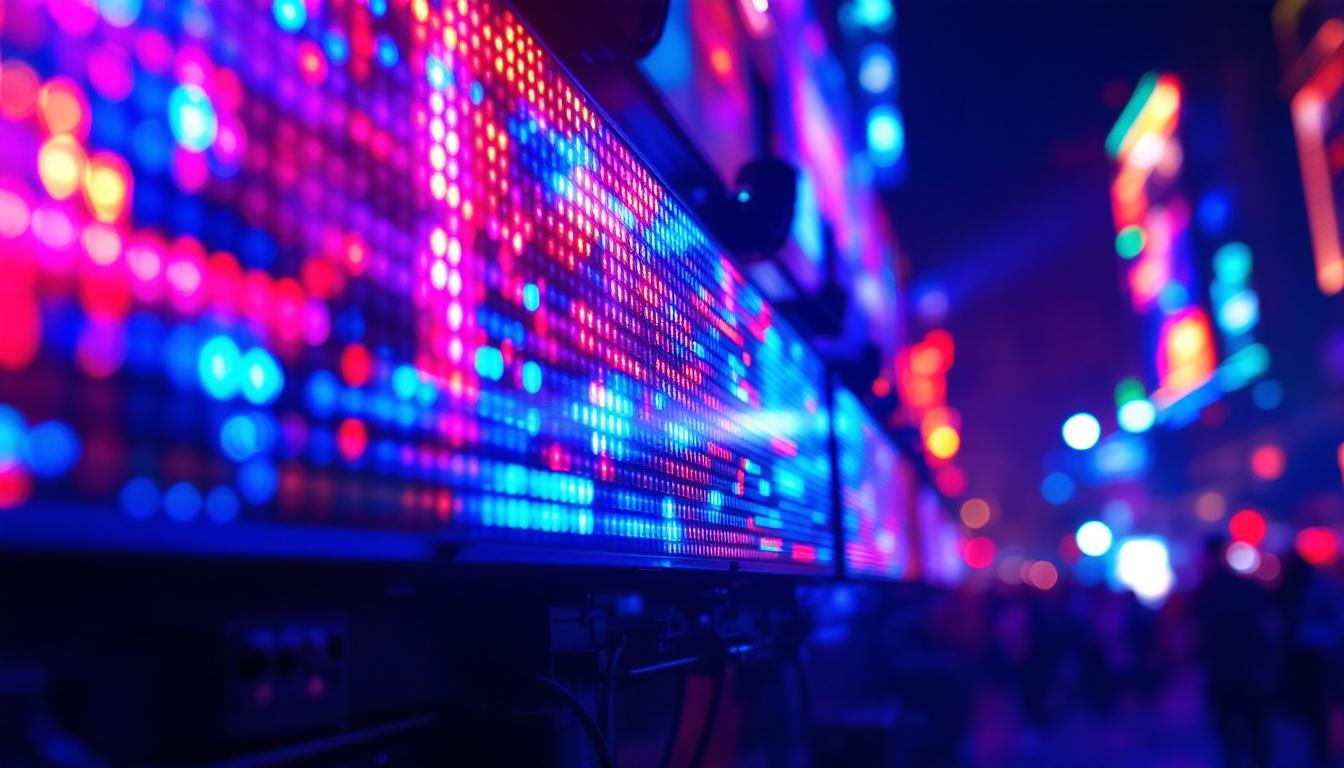
- Pixel Pitch: This refers to the distance between LED pixels, affecting resolution and viewing distance. A smaller pitch offers higher resolution but at a higher cost.
- Brightness: Measured in nits, brightness levels should suit the environment. Indoor screens typically require 800-1500 nits, while outdoor screens may need 2500 nits or more.
- Size and Aspect Ratio: The display size should complement the screen’s physical dimensions and intended content format.
- Weather Resistance: For outdoor use, ensure the LED panel has an appropriate IP rating (Ingress Protection) to withstand moisture and dust.
- Connectivity and Control: Consider how the display will be controlled—via wired connections, Wi-Fi, or Bluetooth—and compatibility with content management systems.
Materials and Tools Required
Structural Components
The frame and support structure must be robust enough to hold the LED panel securely and withstand environmental factors. Common materials include:
- Aluminum Profiles: Lightweight, corrosion-resistant, and easy to assemble, aluminum is a popular choice for frames.
- Steel Tubing: Offers greater strength but is heavier and may require protective coatings to prevent rust.
- Wood: Can be used for decorative elements or as a frame base but may not be ideal for outdoor or high-moisture environments.
LED Display and Electronics
- LED panel(s) with appropriate specifications
- Power supply unit compatible with the LED display
- Controller hardware and software for content management
- Cabling for power and data transmission
Additional Materials
- Mounting brackets and fasteners
- Protective casing or enclosure for the LED panel
- Wheels or casters if mobility is desired
- Weatherproofing materials such as sealants or covers for outdoor installations
Tools Needed
- Measuring tape and level
- Drill and various drill bits
- Screwdrivers and wrenches
- Wire strippers and crimpers
- Soldering iron (if necessary for wiring)
- Protective gear such as gloves and safety glasses
Step-by-Step Construction Process
1. Designing the Frame
Begin by drafting detailed plans for the frame, considering the LED panel’s dimensions and weight. Use CAD software or hand sketches to visualize the structure. Ensure that the frame allows for ventilation to prevent overheating of the LED components.
Cut the aluminum or steel profiles to size, then assemble the frame using brackets and screws. Confirm that the frame is square and level to avoid stress on the LED panel.
2. Preparing the LED Panel
Before mounting, test the LED display to verify functionality. Connect it to the power supply and controller, and run sample content to check brightness, color accuracy, and responsiveness.
If the LED panel requires a protective enclosure, assemble this according to manufacturer instructions, ensuring that it does not obstruct the screen’s visibility or ventilation.
3. Mounting the LED Display
Secure the LED panel to the frame using appropriate mounting brackets. Take care to distribute the weight evenly to prevent damage. Double-check all fasteners for tightness.
Route power and data cables neatly along the frame, using cable ties or clips to prevent tangling or damage. If the screen is mobile, ensure cables have enough slack or use quick-disconnect connectors.
4. Installing Mobility Features (Optional)
If mobility is required, attach sturdy casters or wheels to the base of the frame. Locking wheels are recommended to keep the screen stable when stationary.
5. Final Testing and Calibration
Power on the screen and perform a full diagnostic check. Adjust brightness and contrast settings to suit ambient lighting conditions. Calibrate color profiles if necessary to ensure accurate display.
Test the content management system to confirm that content can be updated remotely or on-site as intended.
Maintenance and Troubleshooting Tips
Routine Maintenance
Regular maintenance extends the lifespan of your LED privacy screen. Key practices include:
- Cleaning the screen surface with a soft, dry cloth to remove dust and fingerprints. Avoid harsh chemicals that may damage the LEDs.
- Inspecting the frame and fasteners periodically to ensure structural integrity.
- Checking electrical connections for corrosion or wear.
- Updating firmware and software for the LED controller to maintain compatibility and performance.
Common Issues and Solutions
- Dead Pixels: Sometimes individual LEDs may fail. Depending on the panel, these can be repaired or replaced by a professional technician.
- Flickering or Dim Display: Often caused by loose connections or power supply issues. Verify all cables and replace faulty components as needed.
- Overheating: Ensure adequate ventilation and avoid direct exposure to extreme heat sources.
- Content Not Displaying Correctly: Check controller settings and software compatibility. Restart devices if necessary.
Innovative Applications and Future Trends
Commercial and Residential Uses
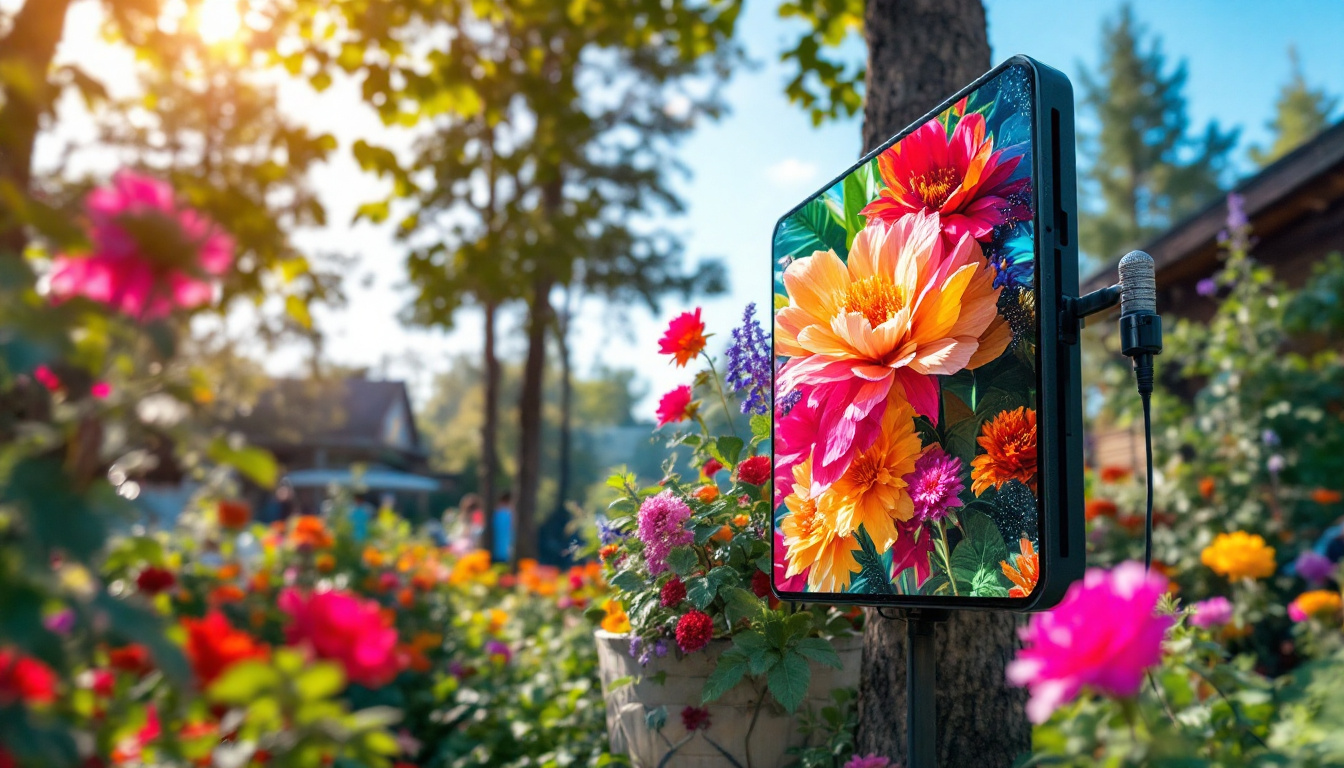
Freestanding LED privacy screens are increasingly popular in diverse settings. Retailers use them to create engaging window displays that also shield interiors from outside view. Offices employ them to partition workspaces while displaying company branding or announcements. In homes, these screens can define outdoor living areas, providing privacy and ambiance with customizable lighting effects.
Emerging Technologies
The integration of smart technologies is shaping the future of LED privacy screens. Features such as touch interactivity, voice control, and AI-driven content personalization are becoming more accessible. Additionally, advancements in flexible and transparent LED panels may enable even more creative and unobtrusive privacy solutions.
Conclusion
Building a freestanding privacy screen with an integrated LED display is a multifaceted project that combines structural design, electrical engineering, and digital content management. By carefully planning the screen’s dimensions, selecting the right LED technology, and following systematic construction steps, it is possible to create a privacy solution that is both functional and visually captivating.
As privacy concerns continue to grow alongside digital innovation, such hybrid screens offer a compelling way to balance seclusion with communication. Whether for commercial or personal use, investing in a freestanding LED privacy screen can enhance space utility, aesthetic appeal, and technological engagement.
Discover LumenMatrix LED Display Solutions
Ready to elevate your space with a cutting-edge freestanding LED privacy screen? LumenMatrix is at the forefront of LED display technology, offering a wide array of solutions that cater to your unique needs. From vibrant indoor and outdoor displays to innovative custom and transparent options, our products are designed to captivate and engage. Embrace the future of visual communication and check out LumenMatrix LED Display Solutions to bring your vision to life with clarity and impact.