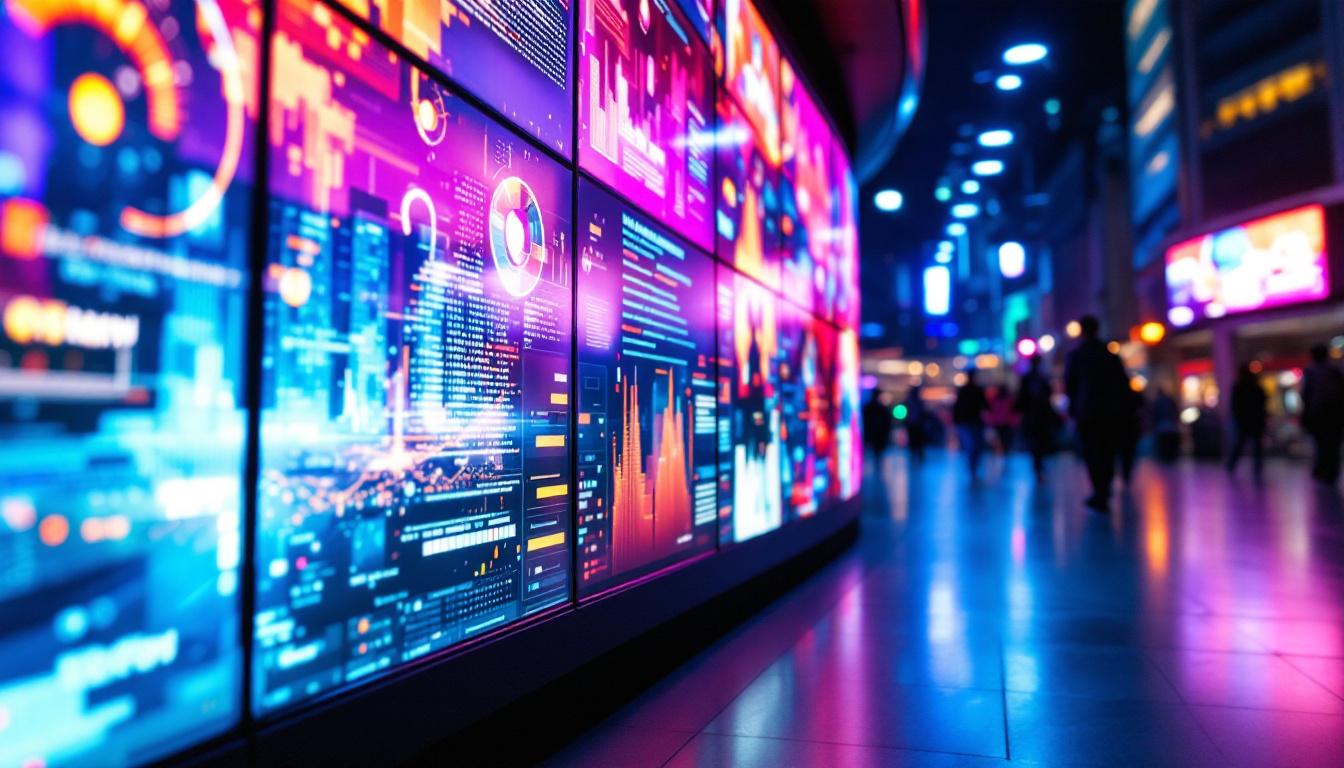
In the rapidly evolving world of digital display technology, curved LED displays have emerged as a captivating and functional innovation. From immersive advertising billboards to dynamic control rooms and futuristic event setups, curved LED screens are transforming how visual content is presented and perceived. This article explores the fundamentals of curved LED displays, their technological underpinnings, applications, and the benefits they bring to various industries.
Understanding Curved LED Displays
What Is a Curved LED Display?
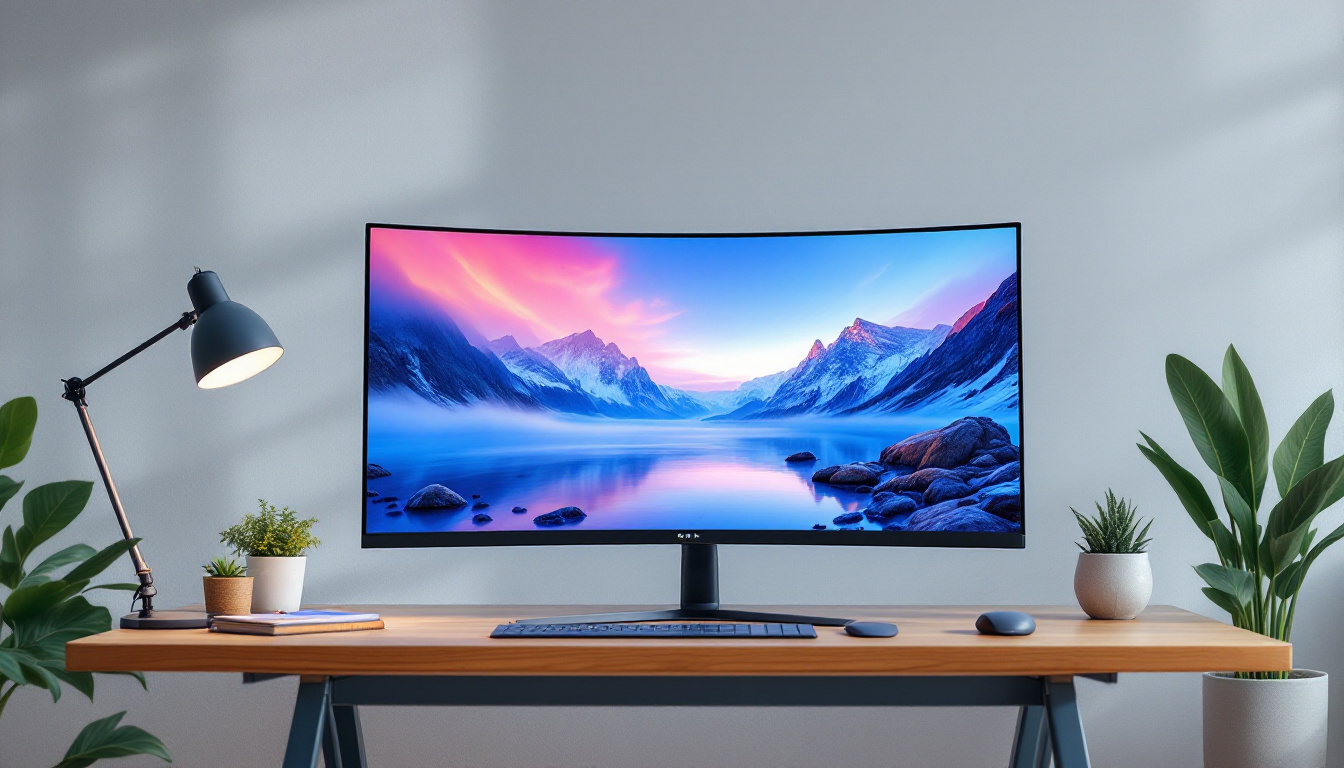
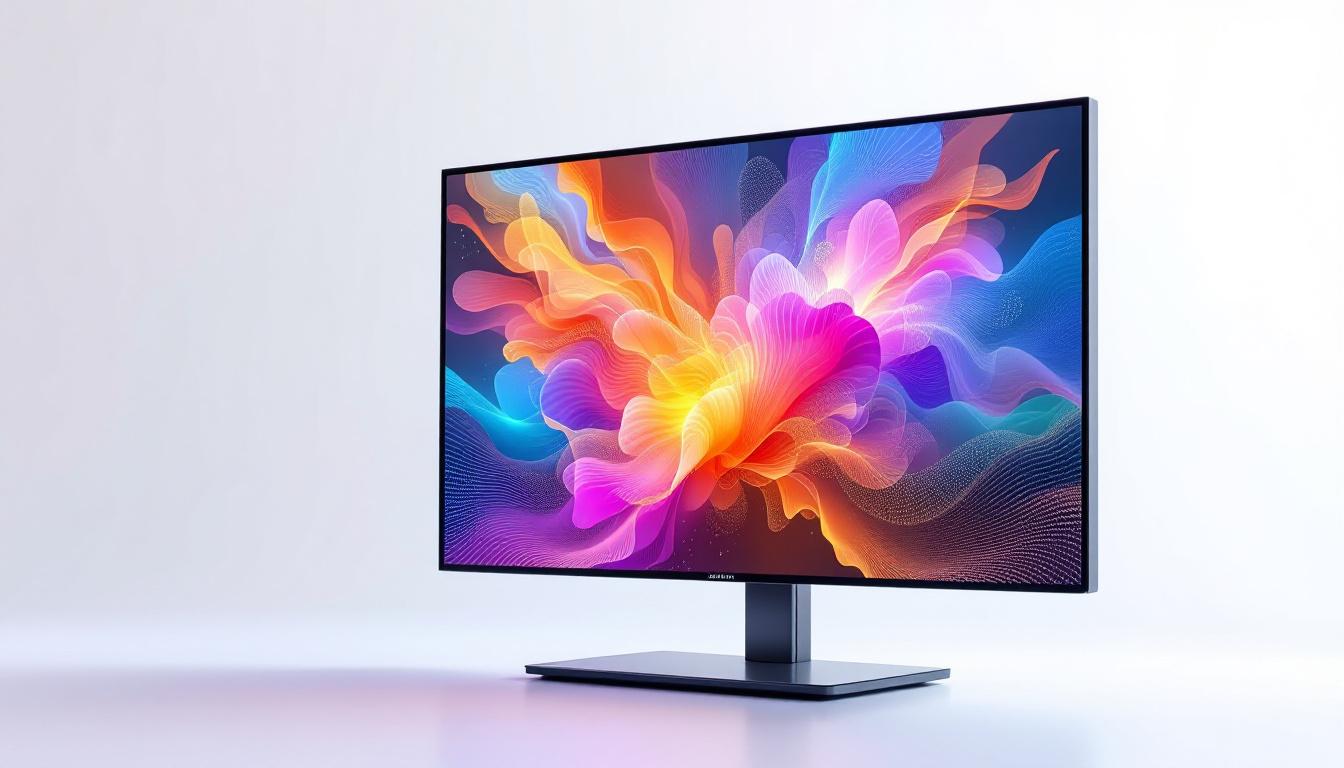
A curved LED display is a digital screen composed of light-emitting diodes (LEDs) arranged on a flexible or segmented panel that bends to form a concave or convex shape. Unlike traditional flat LED screens, curved displays wrap around the viewer’s field of vision, creating a more immersive and engaging visual experience.
These displays can vary in curvature radius, size, and pixel pitch, allowing customization for different environments — from small indoor installations to massive outdoor advertising walls. The curvature is carefully engineered to optimize viewing angles, reduce distortion, and enhance image uniformity. This flexibility in design not only caters to aesthetic preferences but also enhances functionality, making curved LED displays ideal for a variety of applications, including retail environments, sports arenas, and even home theaters.
Moreover, the visual impact of a curved display can be particularly striking in environments where viewer engagement is paramount. For instance, in a retail setting, a curved LED display can draw customers’ attention more effectively than a flat screen, creating a captivating focal point that showcases products in a dynamic and visually appealing manner. This ability to enhance viewer engagement is one of the key reasons why curved displays are becoming increasingly popular in various industries.
How Do Curved LED Displays Work?
At the core, curved LED displays function similarly to flat LED screens, utilizing millions of tiny LEDs that emit light when electrically charged. The difference lies in the physical structure of the display modules. Manufacturers use flexible circuit boards or specially designed modular panels that can be assembled at precise angles to create the desired curvature.
The LED modules are mounted on a supporting frame engineered to maintain the curve without compromising structural integrity. Advanced calibration software adjusts brightness and color uniformity across the curved surface, ensuring consistent image quality regardless of the viewing angle. This technology is critical in applications such as live events or exhibitions, where lighting conditions can vary significantly, and maintaining visual fidelity is essential for audience engagement.
Additionally, curved LED displays often incorporate cutting-edge technologies such as HDR (High Dynamic Range) and wide color gamut capabilities, which further enhance the viewing experience by providing richer colors and deeper contrasts. This makes them particularly effective for showcasing high-definition content, whether in a cinema, a corporate presentation, or a gaming setup. The combination of curvature and advanced display technologies creates a unique visual experience that captivates viewers and elevates the overall impact of the displayed content.
Technological Components and Innovations
Flexible LED Modules and Pixel Pitch
One of the key technological breakthroughs enabling curved LED displays is the development of flexible LED modules. These modules use bendable printed circuit boards (PCBs) and micro-LED or mini-LED technology, which allow for tighter curves without damaging the components.
Pixel pitch — the distance between the centers of two adjacent pixels — is crucial for image clarity. Curved LED displays often feature a pixel pitch ranging from 0.9mm to 10mm, depending on the application. Smaller pixel pitches are preferred for close-up viewing environments like retail or control rooms, while larger pitches suit outdoor or large venue installations.
High Dynamic Range (HDR) and Color Accuracy
Modern curved LED displays incorporate HDR technology to deliver a broader range of brightness and contrast, enhancing the visual depth and realism of displayed content. Coupled with advanced color calibration, these displays can reproduce vivid colors with high accuracy, making them ideal for branding, entertainment, and professional visualization.
Manufacturers often integrate sensors and real-time calibration tools that adjust the display’s output based on ambient lighting conditions, maintaining optimal visibility and color consistency throughout the day.
Seamless Module Integration and Curvature Precision
Creating a perfectly curved LED display requires meticulous engineering to align individual modules seamlessly. The use of modular panels with adjustable mounting brackets allows installers to achieve precise curvature angles, minimizing gaps or misalignments that could disrupt the visual flow.
Innovations in manufacturing processes have reduced bezel widths and improved module interlocking mechanisms, resulting in near-seamless curved surfaces that enhance the immersive effect.
Applications of Curved LED Displays
Advertising and Digital Signage
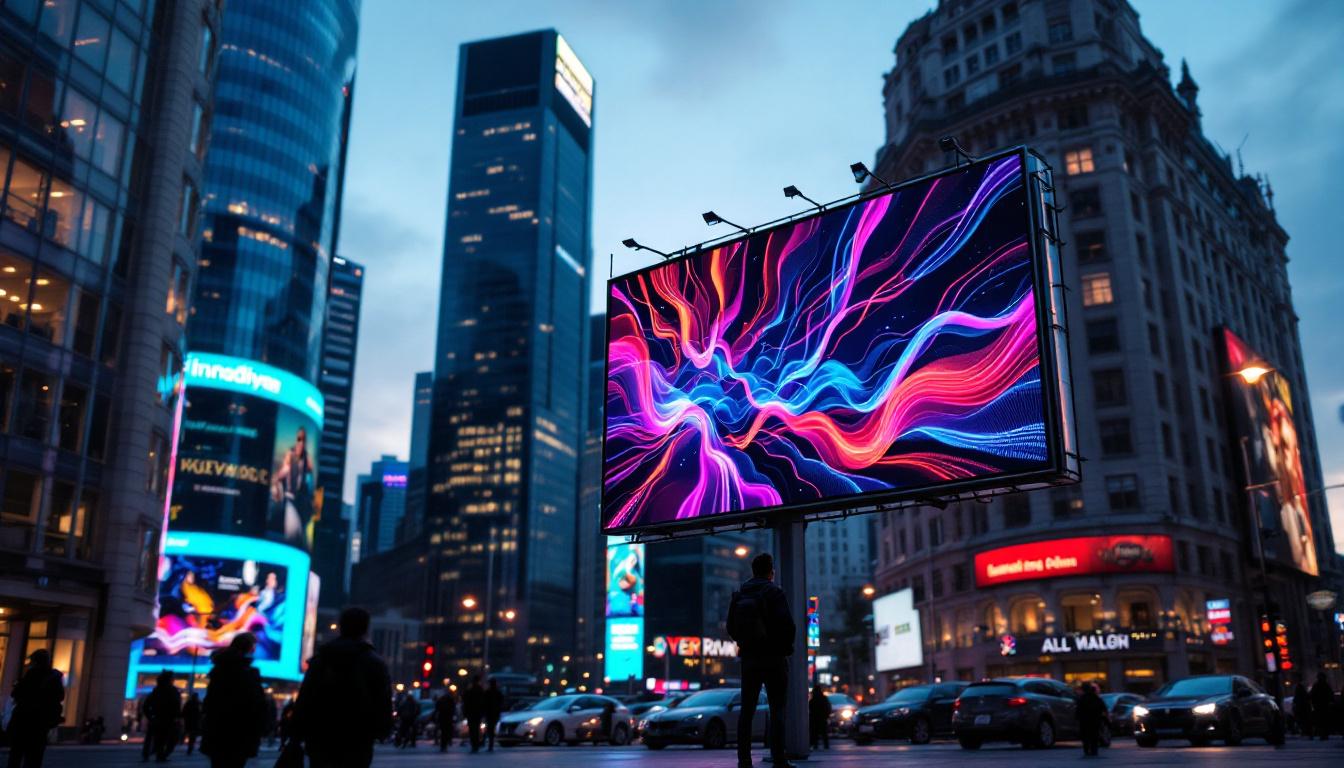
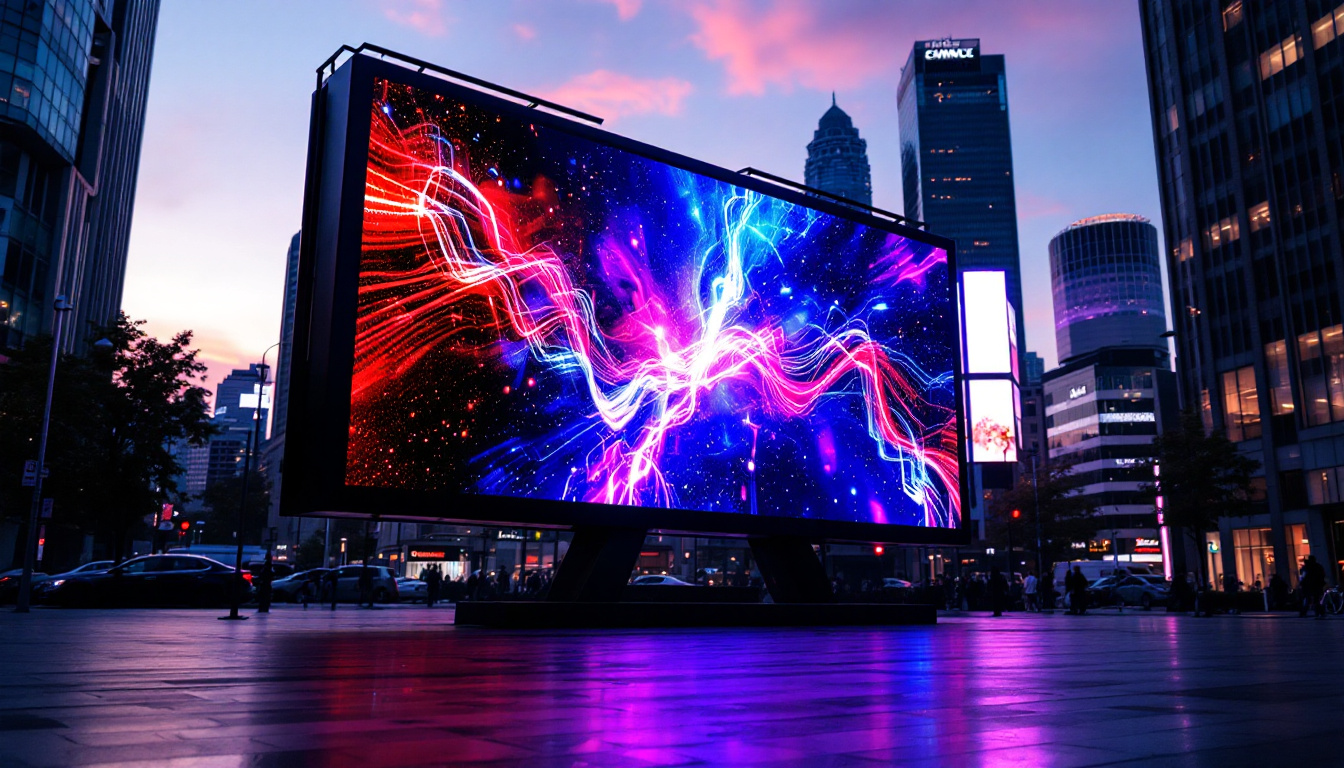
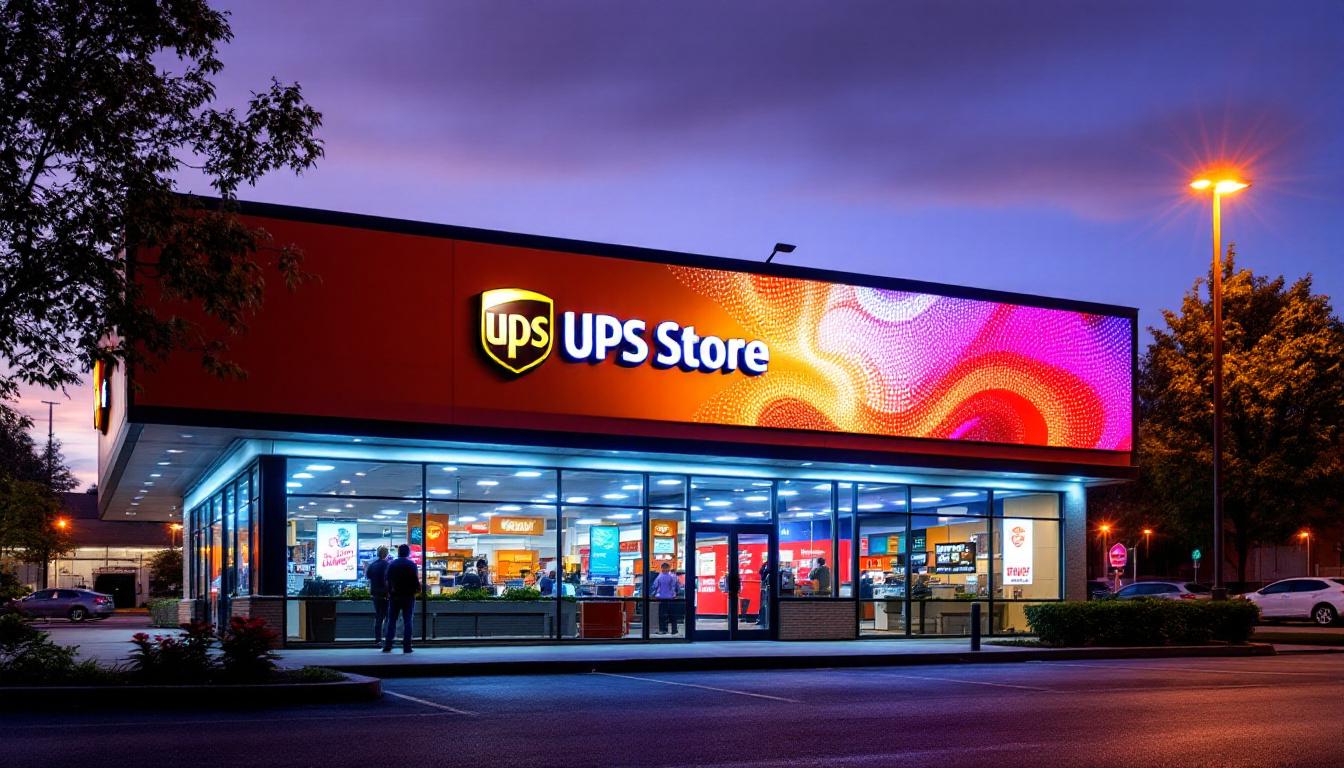
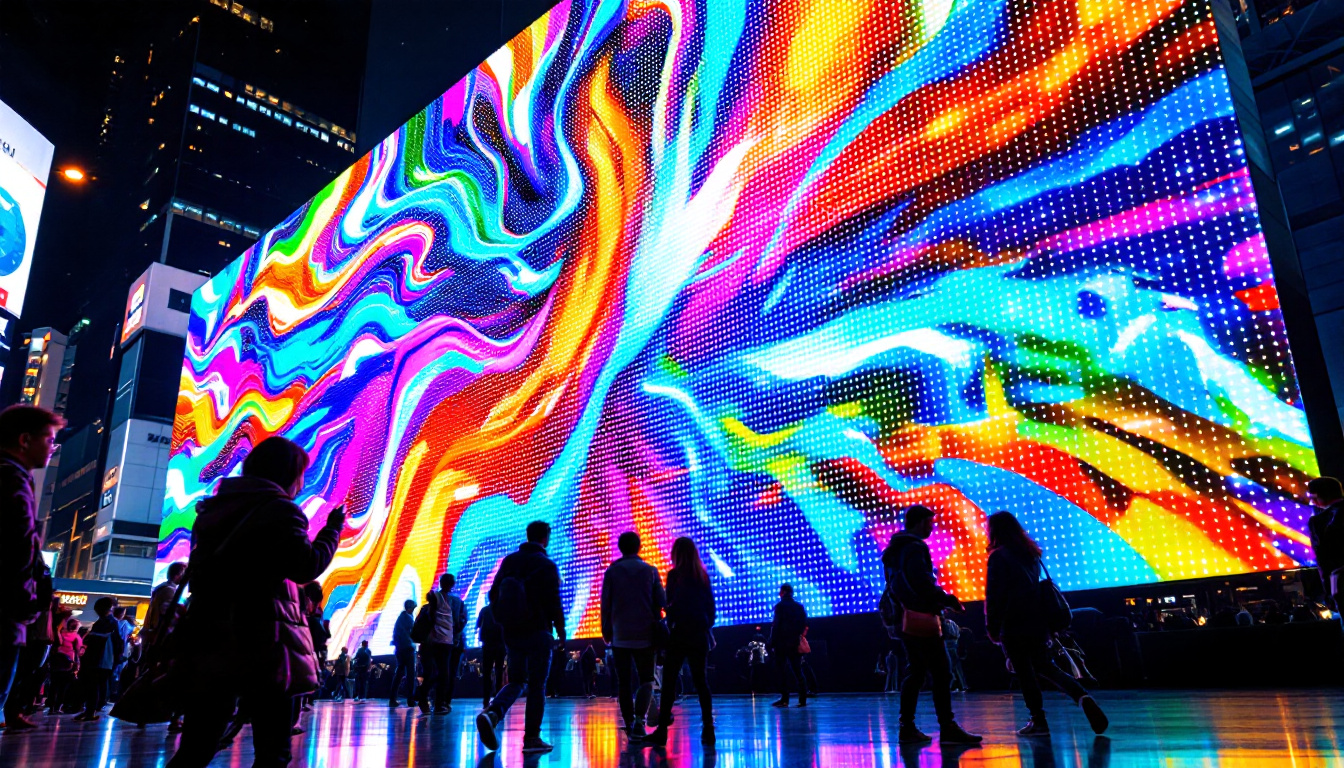
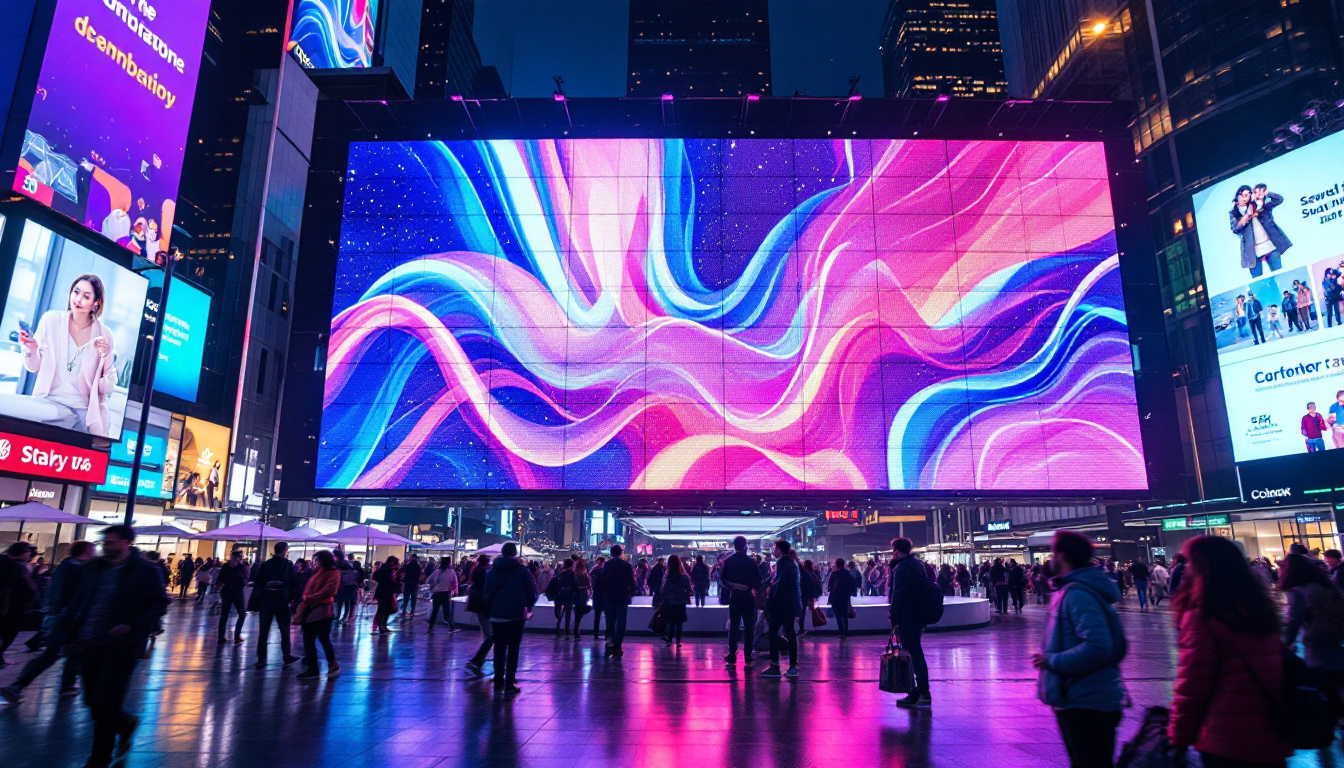
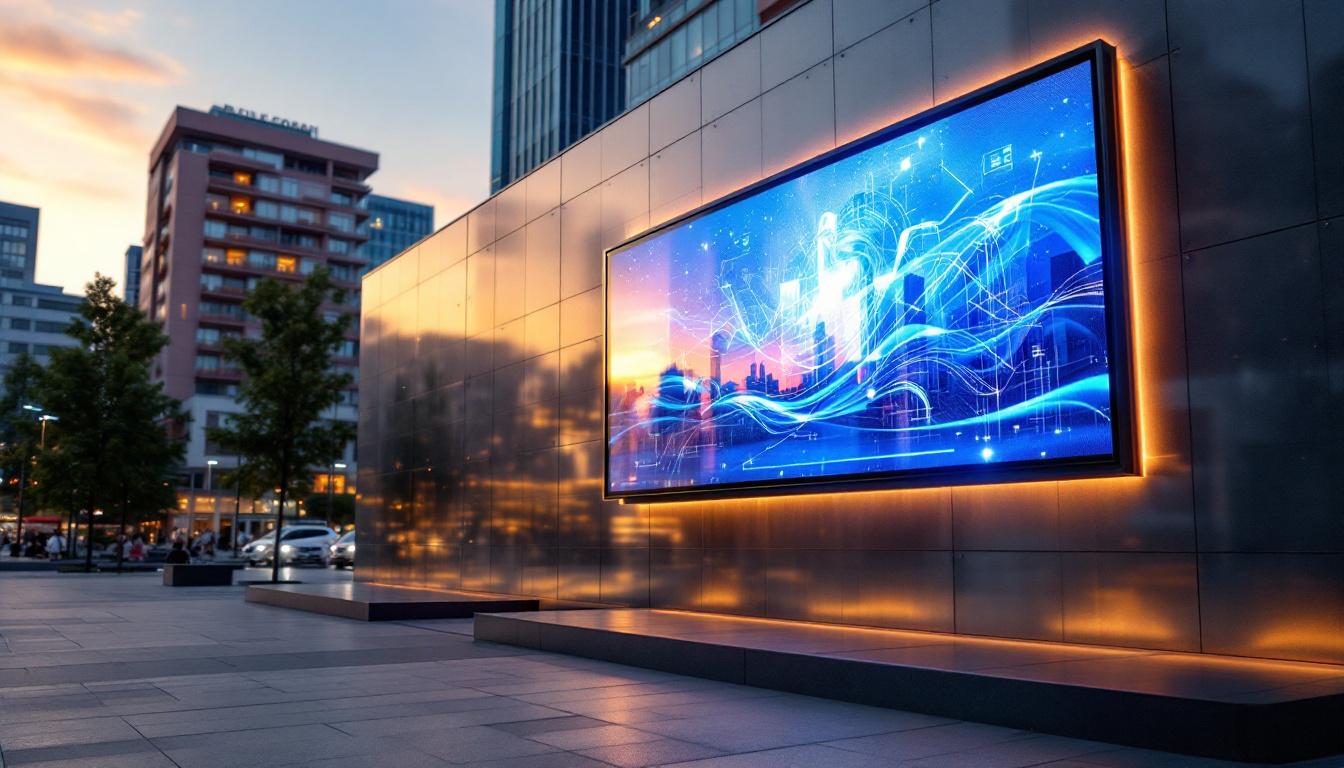
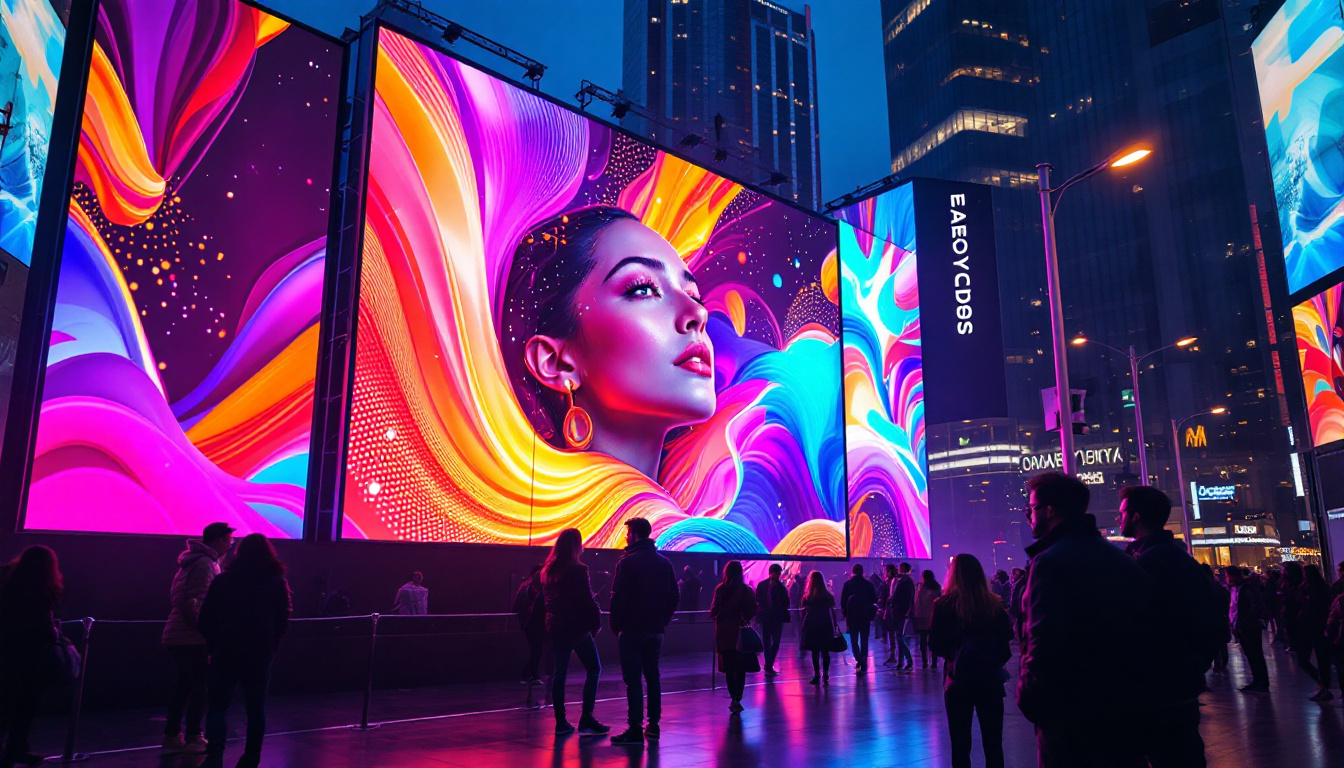
Curved LED displays are revolutionizing outdoor and indoor advertising by offering eye-catching, panoramic visuals that attract and engage audiences. Their ability to wrap around corners or follow architectural contours enables brands to maximize exposure in high-traffic areas.
For example, Times Square in New York City features several curved LED billboards that create dynamic, multi-dimensional advertisements. These displays not only capture attention but also provide advertisers with creative flexibility to design content that leverages the curved format.
Entertainment and Event Production
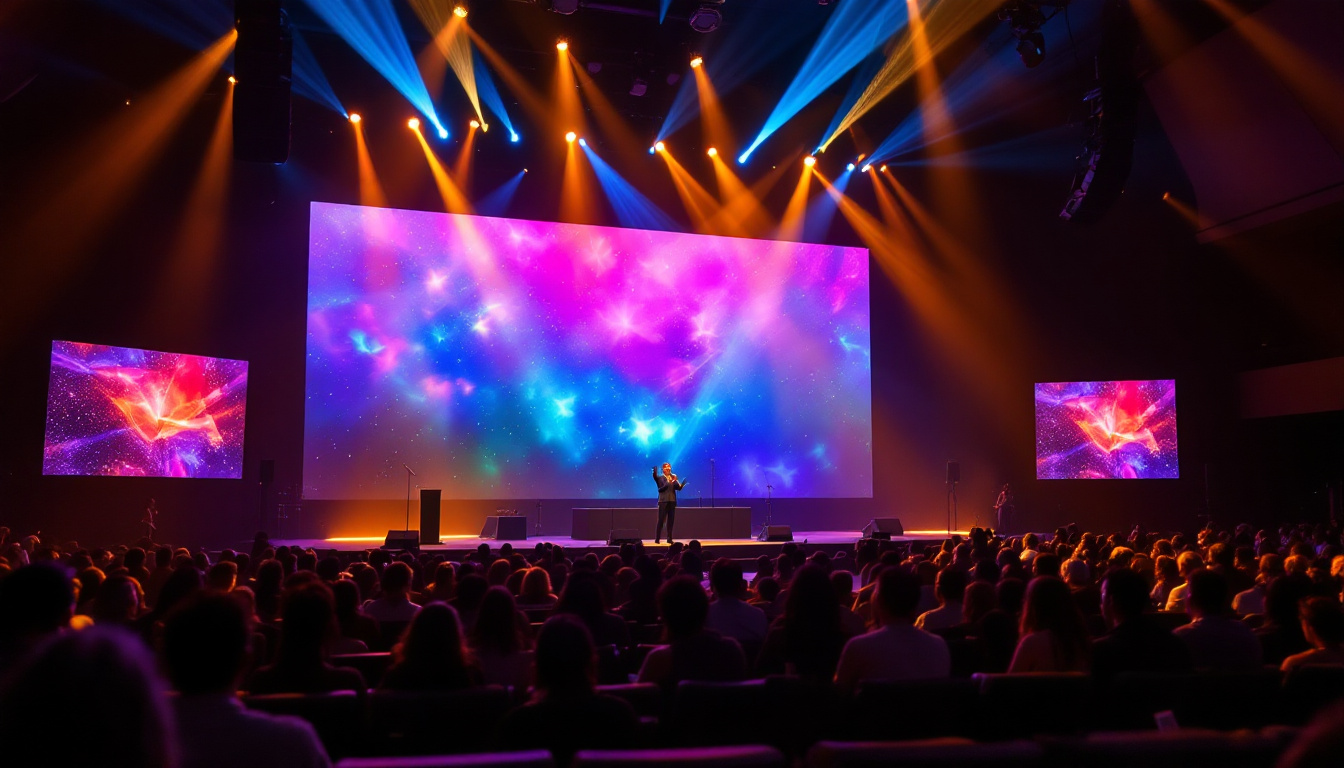
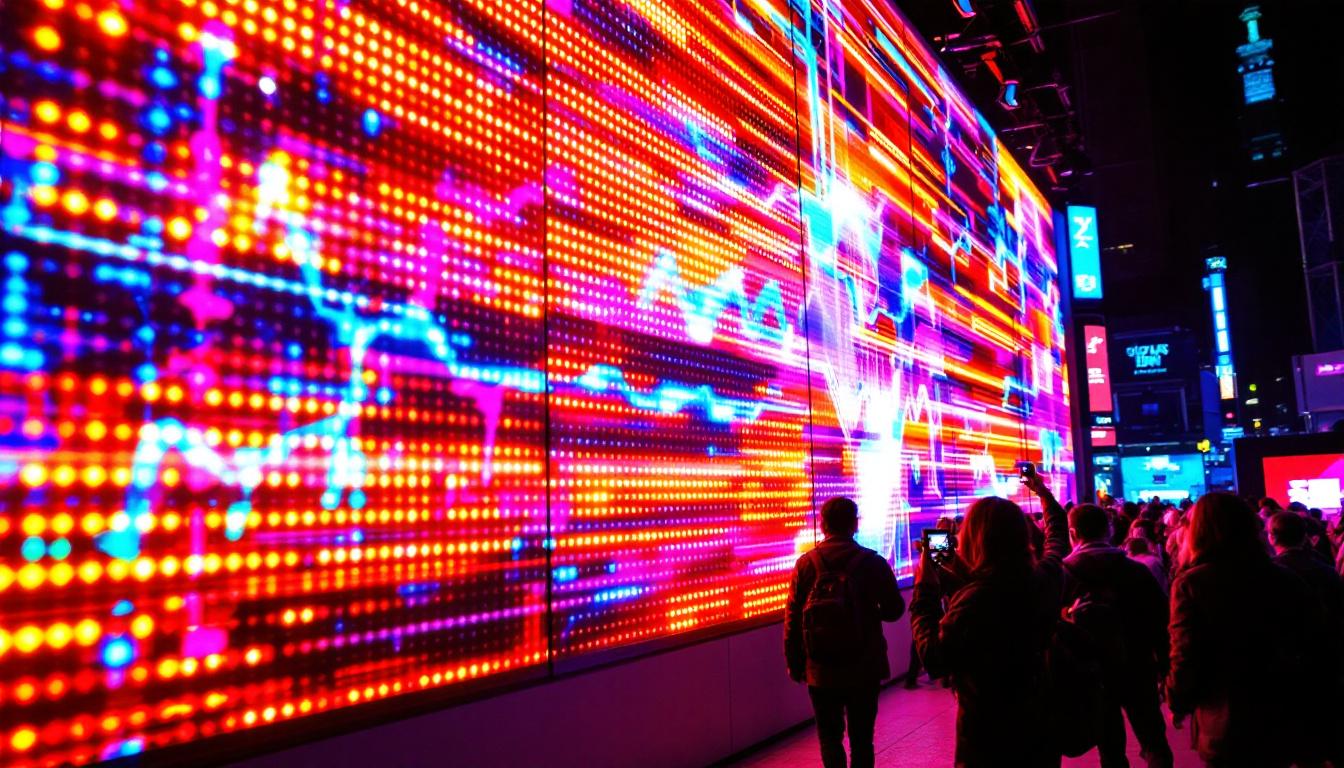
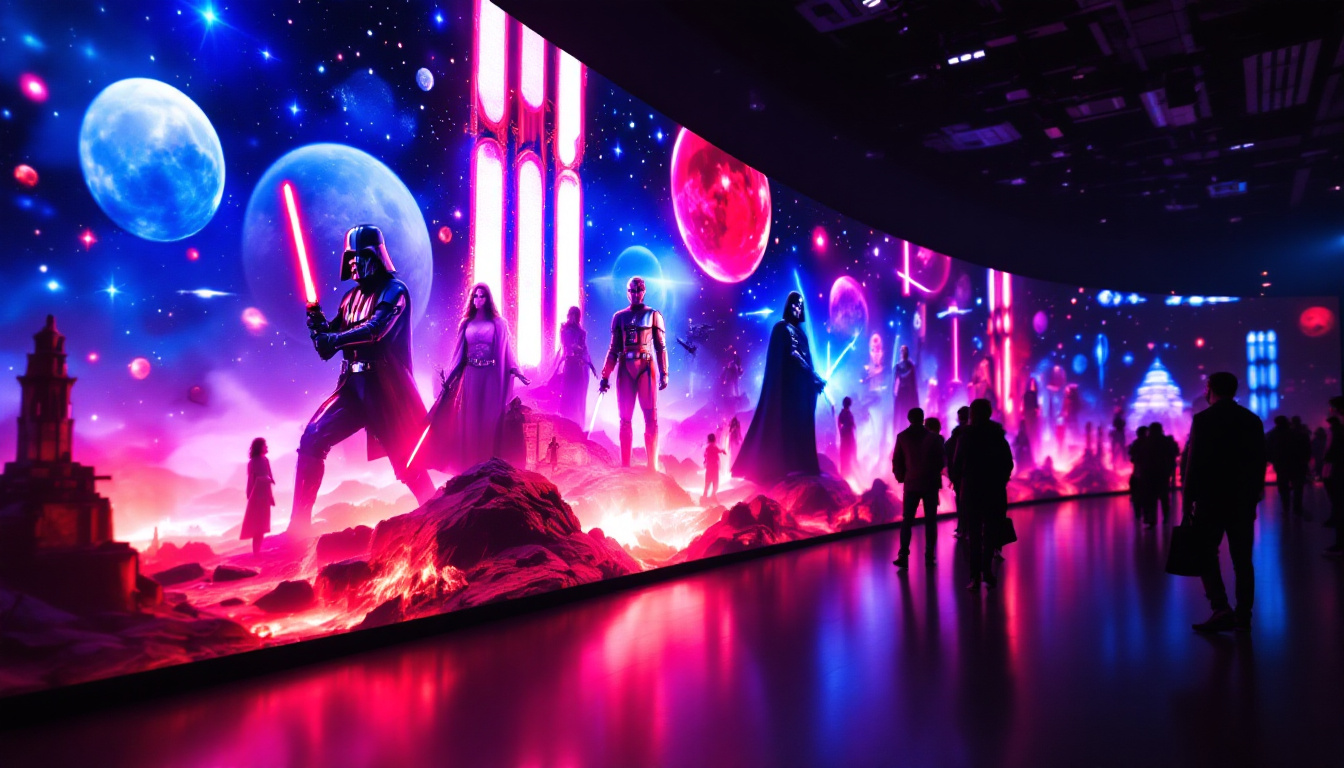
Concerts, trade shows, and live events increasingly rely on curved LED displays to create immersive environments. The curvature enhances depth perception and allows for wide viewing angles, ensuring that large audiences experience consistent image quality from various vantage points.
Stage designers use curved LED walls and ceilings to produce visually stunning backdrops that integrate seamlessly with lighting and special effects, elevating the overall production value.
Control Rooms and Command Centers
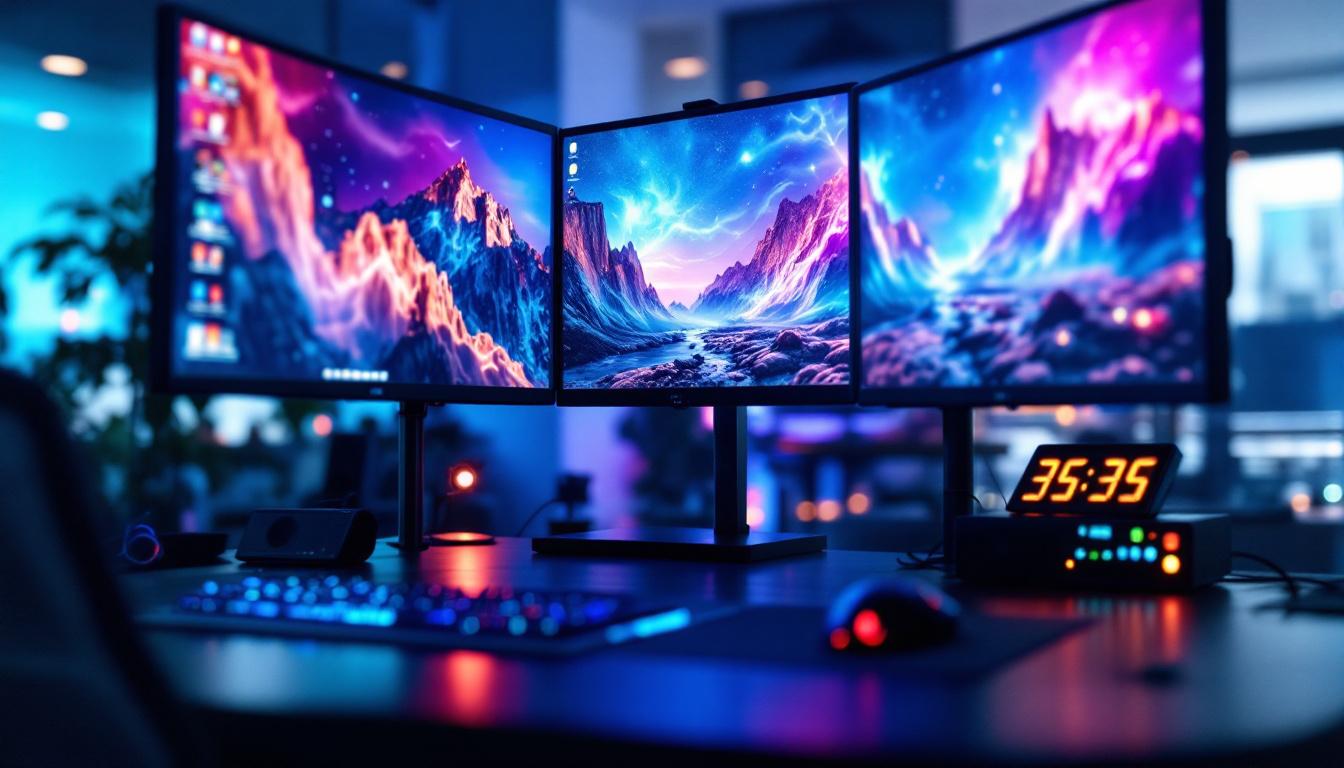
In high-stakes environments such as traffic management, security monitoring, and emergency response, curved LED displays offer operational advantages. Their wrap-around design provides operators with a comprehensive view of multiple data streams without the need for excessive head movement.
This ergonomic benefit reduces fatigue and improves situational awareness, which can be critical for timely decision-making. Many control rooms employ curved video walls with ultra-fine pixel pitches to ensure clarity of detailed information.
Retail and Hospitality
Retailers and hospitality venues use curved LED displays to enhance customer engagement and brand storytelling. In stores, curved screens can highlight product features or promotions in a visually compelling way, differentiating the shopping experience.
Hotels and casinos deploy curved LED installations in lobbies and entertainment areas to create memorable atmospheres that combine art and technology, contributing to brand identity and guest satisfaction.
Advantages of Curved LED Displays
Enhanced Immersion and Viewing Experience
The most notable advantage of curved LED displays is their ability to immerse viewers in content. By matching the natural curvature of the human eye, these displays reduce distortion and peripheral distractions, resulting in a more comfortable and engaging viewing experience.
Studies in visual ergonomics suggest that curved displays can reduce eye strain during prolonged viewing sessions, which is particularly beneficial in professional environments such as control rooms and design studios.
Improved Viewing Angles and Uniformity
Curved LED screens offer wider horizontal and vertical viewing angles compared to flat screens. This means that viewers positioned off-center still perceive consistent brightness and color fidelity, which is essential in public spaces and collaborative settings.
Uniformity is further enhanced by advanced calibration techniques that compensate for variations caused by the curvature, ensuring that every pixel contributes to a cohesive image.
Architectural Integration and Aesthetic Appeal
Curved LED displays provide architects and designers with new creative opportunities to integrate digital media into building structures. Their flexible form factor allows for installations that complement or accentuate architectural features, transforming spaces into interactive environments.
This aesthetic versatility not only improves the visual impact but can also increase the value and appeal of commercial properties.
Challenges and Considerations
Cost and Complexity
Curved LED displays typically involve higher manufacturing and installation costs compared to flat screens. The precision engineering required for curvature, combined with the need for specialized mounting hardware and calibration, can increase project budgets.
However, the return on investment often justifies the expense, especially in applications where visual impact and viewer engagement are paramount.
Maintenance and Durability
Maintaining curved LED displays can be more complex due to their shape and modular construction. Accessing individual modules for repair or replacement may require specialized tools or procedures to avoid damaging the curvature or adjacent components.
Manufacturers are addressing these challenges by designing modules with easy-swap features and robust protective coatings to enhance durability, particularly for outdoor installations exposed to weather elements.
Content Creation and Adaptation
Designing content for curved LED displays demands consideration of the screen’s geometry to avoid distortion or unintended visual effects. Content creators must use specialized software tools that simulate the curvature and allow for precise mapping of images and videos.
This extra step ensures that the final output leverages the unique advantages of the curved format rather than detracting from the viewer experience.
The Future of Curved LED Displays
Emerging Technologies and Trends
Advancements in micro-LED technology promise even thinner, more flexible, and higher-resolution curved displays in the near future. These innovations will enable larger and more complex curved installations with improved energy efficiency and lifespan.
Furthermore, the integration of artificial intelligence and real-time data analytics will allow curved LED displays to deliver personalized and context-aware content, enhancing interactivity and user engagement.
Expanding Applications
As costs decrease and technology matures, curved LED displays are expected to penetrate new markets such as automotive dashboards, wearable devices, and augmented reality environments. Their ability to conform to unconventional shapes opens possibilities for innovative product designs and user interfaces.
In urban planning and smart city initiatives, curved LED installations may become integral components of public infrastructure, providing dynamic information and entertainment while blending harmoniously with the environment.
Conclusion
Curved LED displays represent a significant advancement in digital visualization, combining technological innovation with aesthetic appeal. Their ability to deliver immersive, high-quality images across a range of applications makes them a valuable asset for advertisers, event organizers, control room operators, and designers alike.
While challenges related to cost, maintenance, and content creation remain, ongoing technological progress continues to address these issues, paving the way for broader adoption. As the demand for engaging and flexible digital displays grows, curved LED technology is poised to play a central role in shaping the future of visual communication.
Discover the Future of LED Displays with LumenMatrix
Ready to elevate your visual experience with the latest in curved LED display technology? LumenMatrix is at the forefront of innovation, offering a diverse range of LED display solutions tailored to your needs. From engaging Indoor and Outdoor LED Wall Displays to dynamic Vehicle and Sports LED Displays, and even customizable options like the All-in-One and Transparent LED Displays, LumenMatrix is committed to revolutionizing visual communication. Check out LumenMatrix LED Display Solutions today and transform your space into an immersive, high-impact environment.