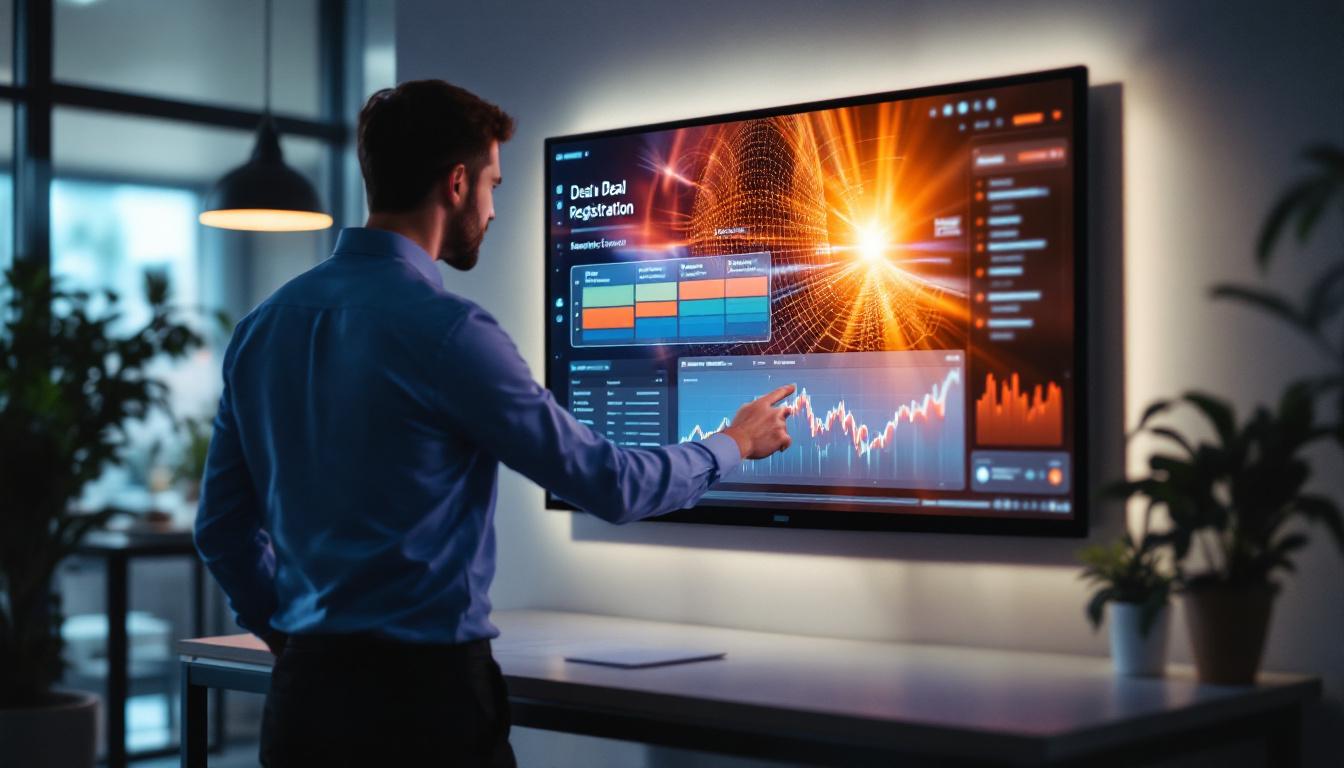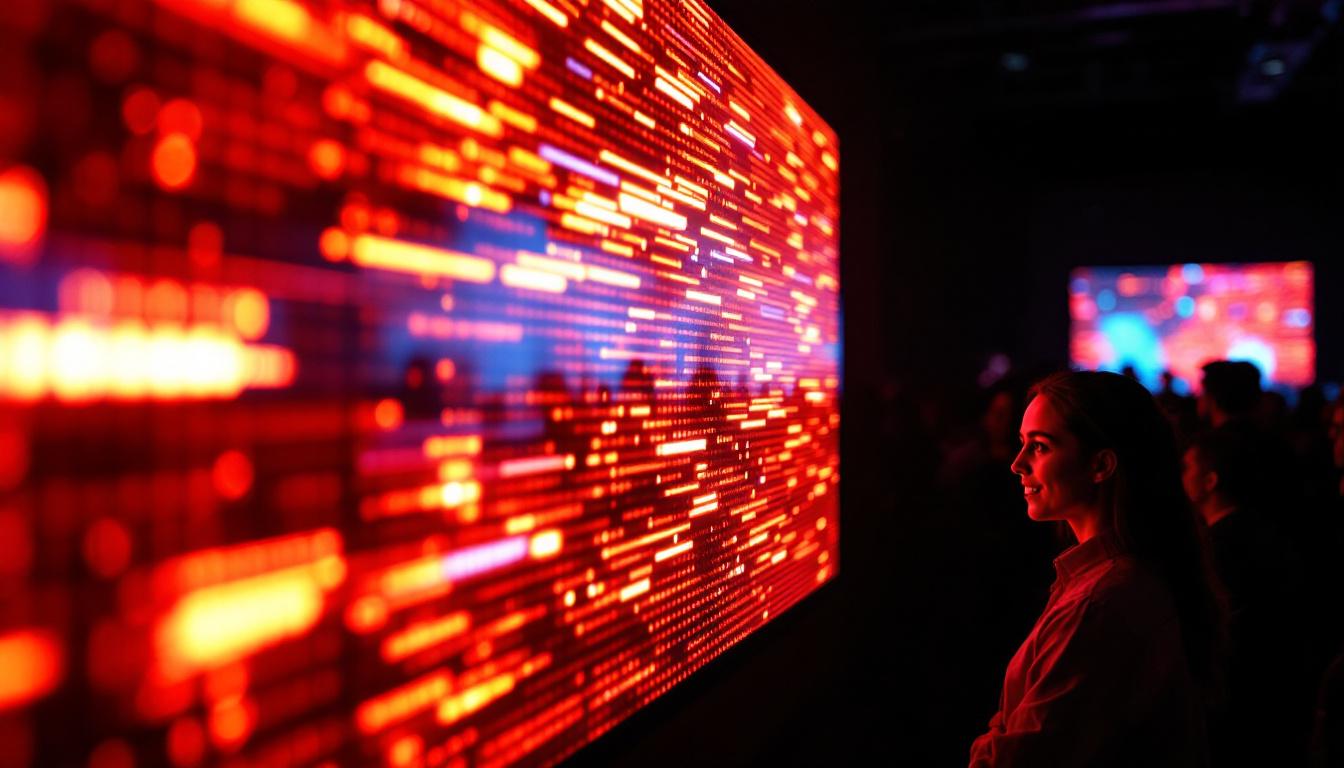
In today’s fast-paced business and entertainment environments, visual display technology plays a pivotal role in delivering impactful presentations, immersive experiences, and clear communication. Among the various display options available, LCD projectors and LED displays stand out for their versatility and performance. This article explores the nuances of LCD projector rentals and provides a comprehensive explanation of LED display technology, helping event organizers, educators, and professionals make informed decisions when selecting visual equipment.
Understanding LCD Projectors: How They Work and Why Rent?
LCD projectors have been a staple in the projection industry for decades, offering bright, sharp images suitable for a variety of settings including classrooms, corporate meetings, and large-scale events. Unlike traditional projectors that rely on a single light source and a spinning color wheel, LCD projectors utilize liquid crystal display technology to produce images.
The Mechanics Behind LCD Projectors
At the core of an LCD projector are three separate LCD panels, each responsible for one of the primary colors: red, green, and blue. A powerful lamp projects light through these panels, which modulate the light to form an image. The three color images are then combined through a prism and projected onto a screen. This process results in vivid colors and sharp details, making LCD projectors ideal for presentations requiring color accuracy and clarity.
Modern LCD projectors often incorporate advanced features such as high lumens output (ranging from 3,000 to over 7,000 lumens), HD or even 4K resolution support, and connectivity options including HDMI, USB, and wireless casting. These capabilities enhance the user experience and adaptability across different venues and audience sizes. Furthermore, many models now come equipped with built-in speakers, which can eliminate the need for additional audio equipment, streamlining the setup process and making it easier to achieve a professional presentation without excessive gear.
Why Opt for LCD Projector Rental?
Purchasing a high-quality LCD projector can be a significant investment, often costing thousands of dollars. For many businesses and event planners, renting projectors offers a cost-effective solution that provides access to the latest technology without the burden of maintenance and storage. Rentals also allow flexibility in choosing the right projector model tailored to specific event requirements, whether it’s a small meeting room or a large conference hall.
Additionally, rental services typically include technical support, setup assistance, and quick replacement options, reducing the risk of technical difficulties during critical events. This peace of mind is invaluable, especially for one-time or infrequent users. Moreover, with the rapid advancements in projector technology, renting allows users to stay updated with the latest features and improvements without the hassle of selling outdated equipment. This is particularly beneficial for organizations that frequently host events, as it ensures they always present their content in the best possible light, literally and figuratively.
Furthermore, renting an LCD projector can also provide access to specialized equipment that may not be feasible to purchase outright. For instance, if a company is hosting an outdoor event, they might require a projector with higher brightness levels to combat ambient light, which may not be necessary for indoor presentations. By renting, they can choose the most suitable projector for each unique setting, maximizing the impact of their visual content while minimizing costs.
LED Displays: A Modern Alternative to Traditional Projection
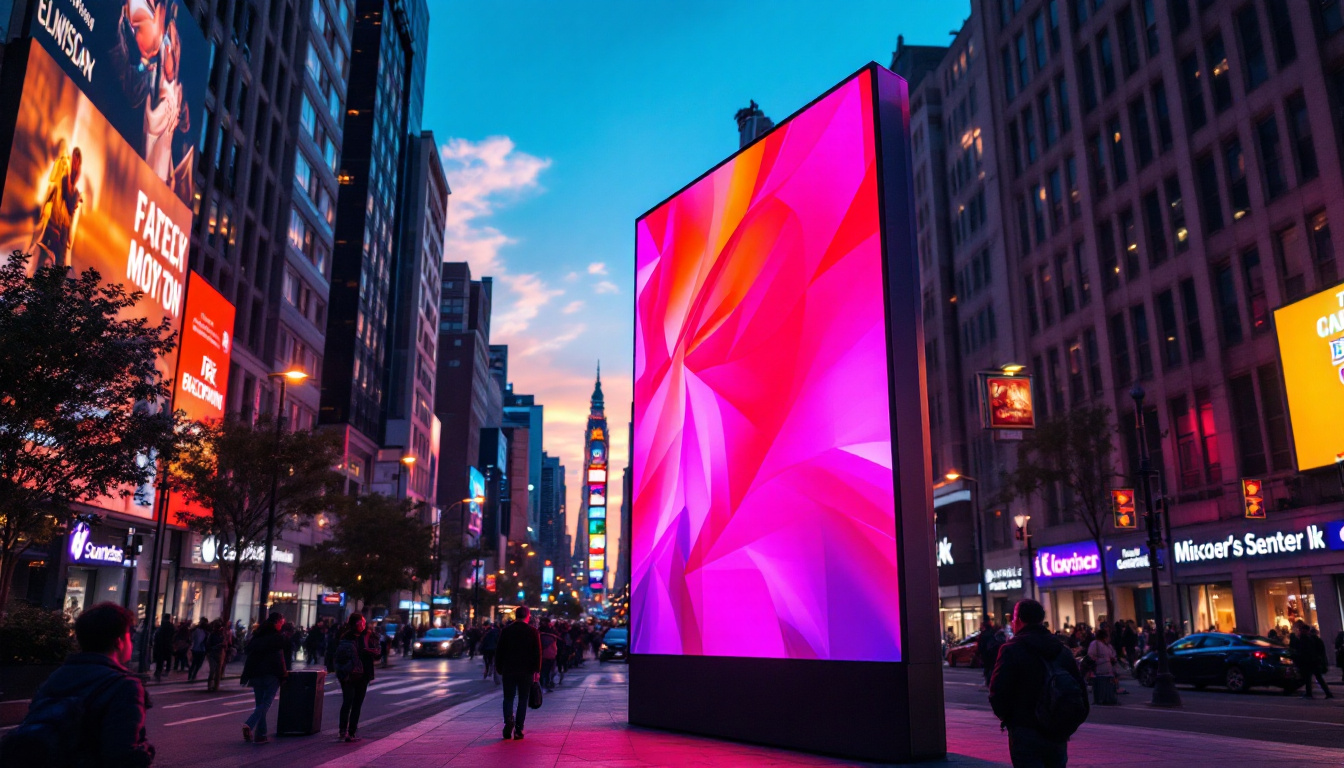
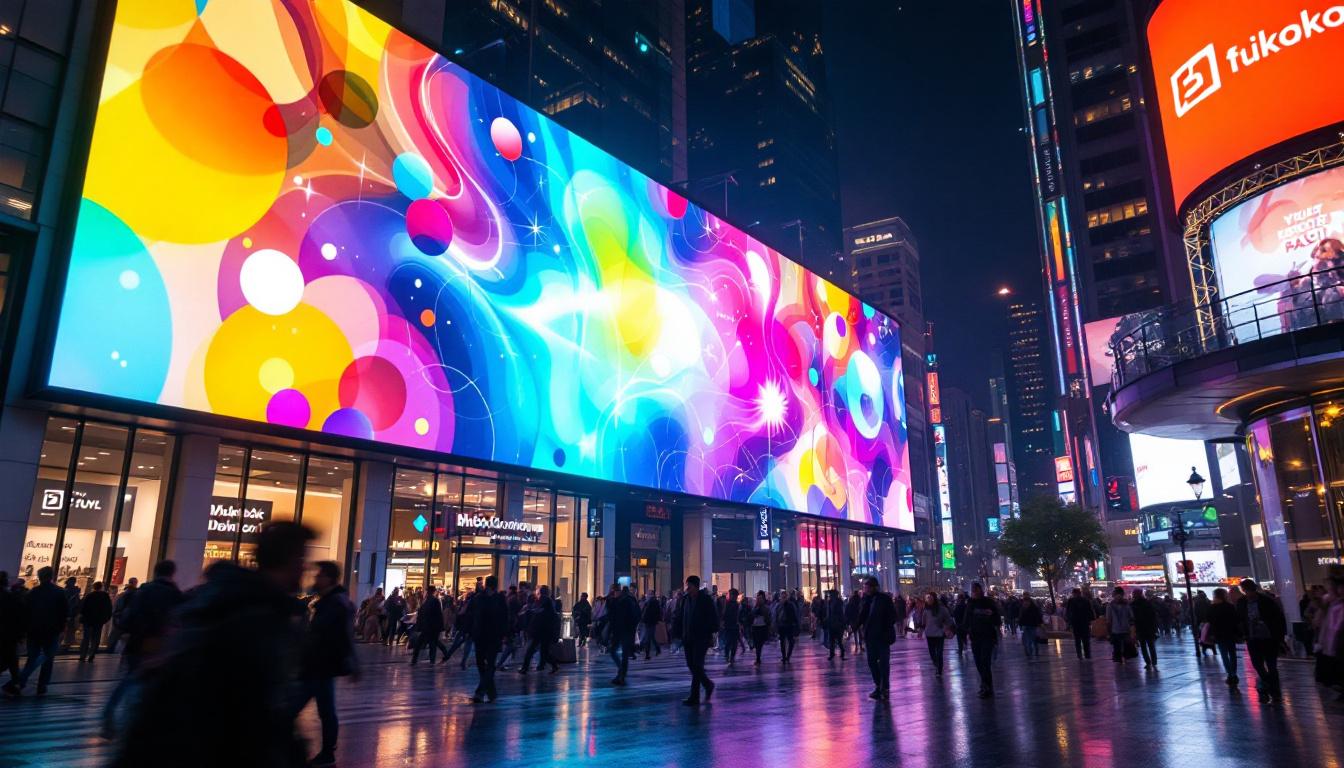
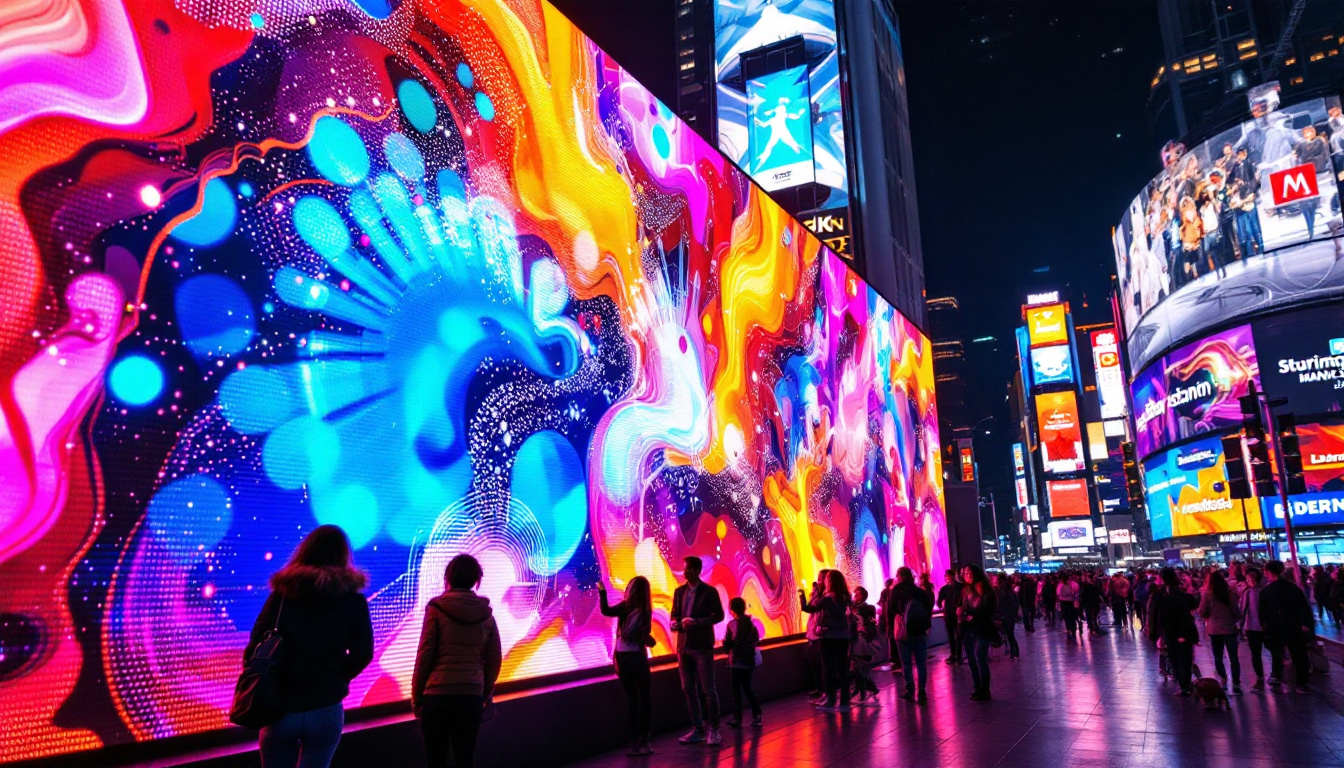
While LCD projectors remain popular, LED displays have emerged as a compelling alternative, particularly for events demanding high brightness, durability, and seamless scalability. Understanding LED display technology is crucial for those considering visual solutions beyond traditional projection. As technology continues to advance, the versatility and efficiency of LED displays make them an attractive option for a wide range of applications, from corporate presentations to immersive art installations.
What is an LED Display?
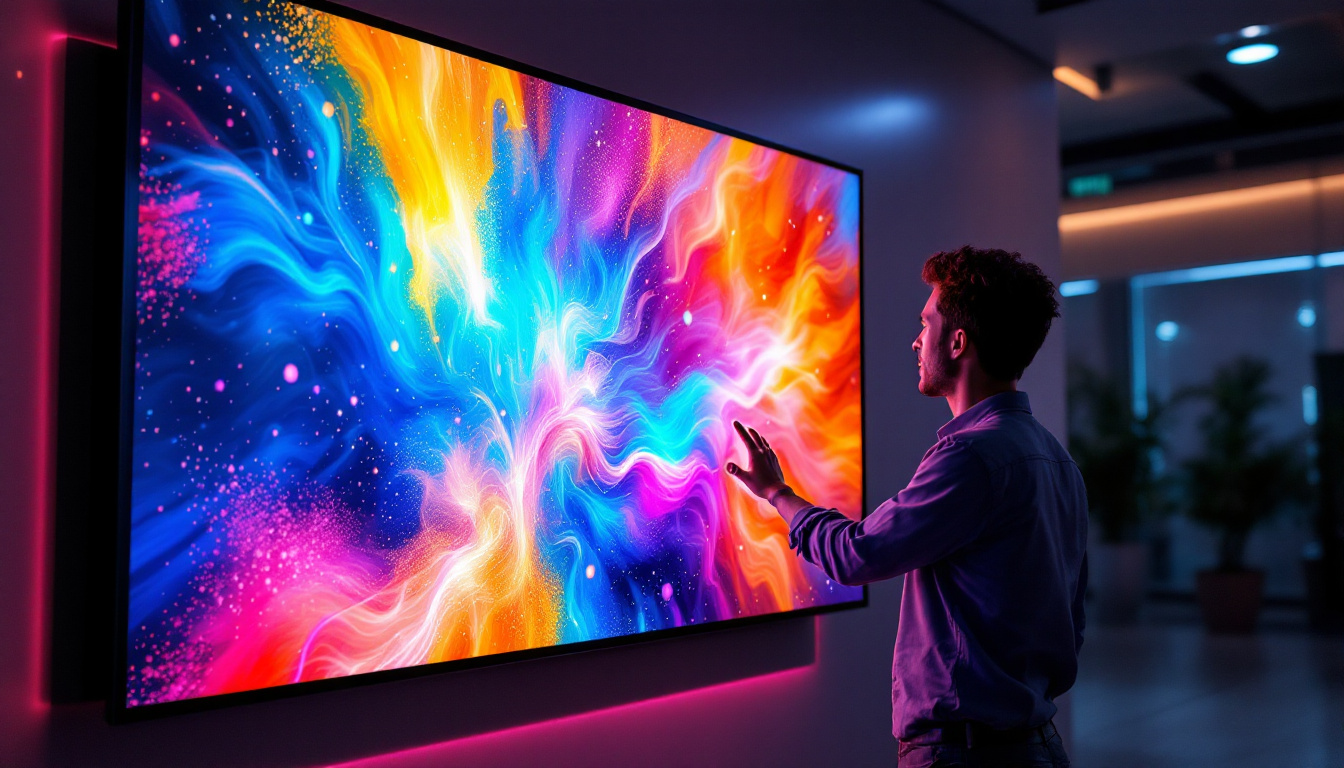
LED stands for Light Emitting Diode, a semiconductor device that emits light when an electric current passes through it. LED displays consist of an array of these tiny diodes arranged in a grid to form pixels. Each pixel can emit red, green, and blue light, which combine to produce a full spectrum of colors. This technology allows LED displays to deliver bright, vibrant images with excellent contrast ratios. The ability to adjust the intensity of each individual diode also means that LED displays can achieve deeper blacks and more vivid colors compared to traditional projection methods.
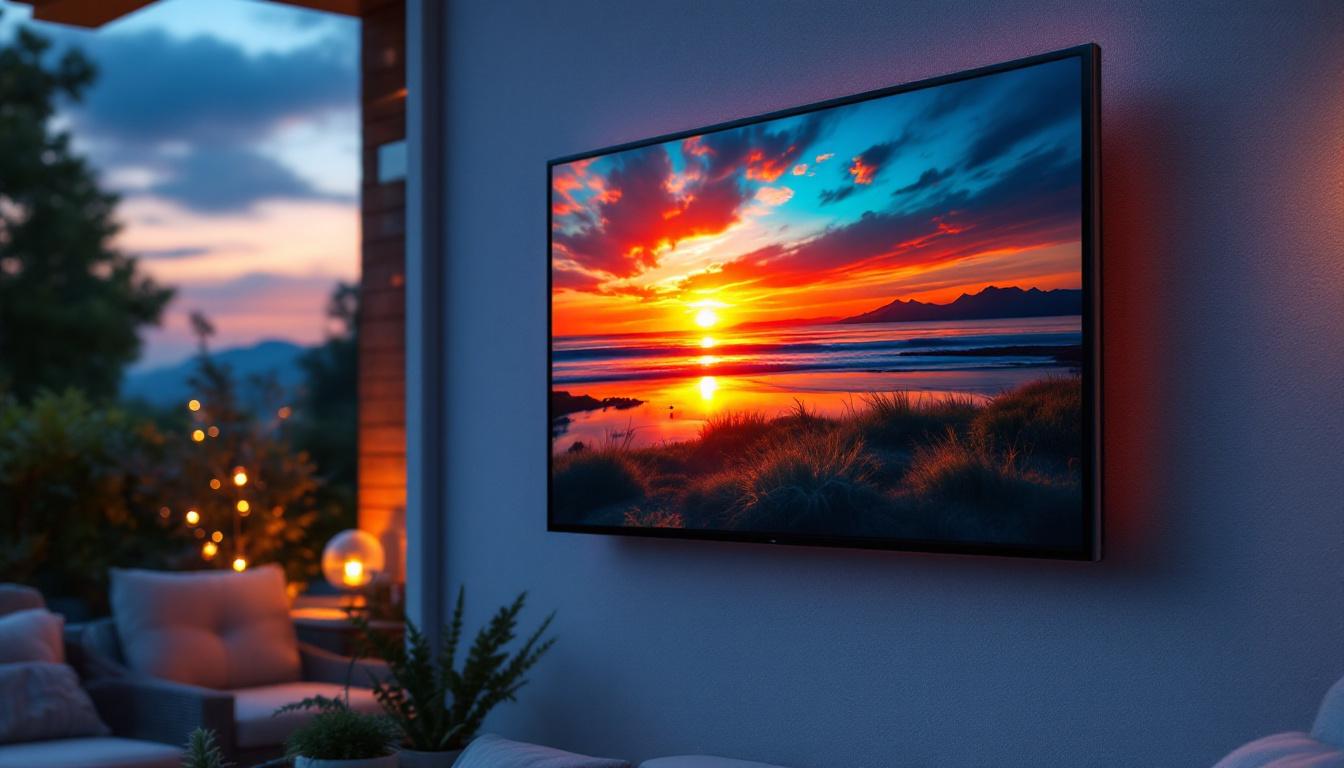
Unlike projectors, LED displays are self-illuminating, meaning they do not require an external light source or projection surface. This results in clearer images even in brightly lit environments, making LED displays especially suitable for outdoor events, trade shows, and venues with ambient light challenges. Furthermore, the longevity of LED technology, often exceeding 100,000 hours of use, reduces maintenance costs and the need for frequent replacements, making it a cost-effective solution in the long run.
Types of LED Displays
LED displays come in various forms, including:
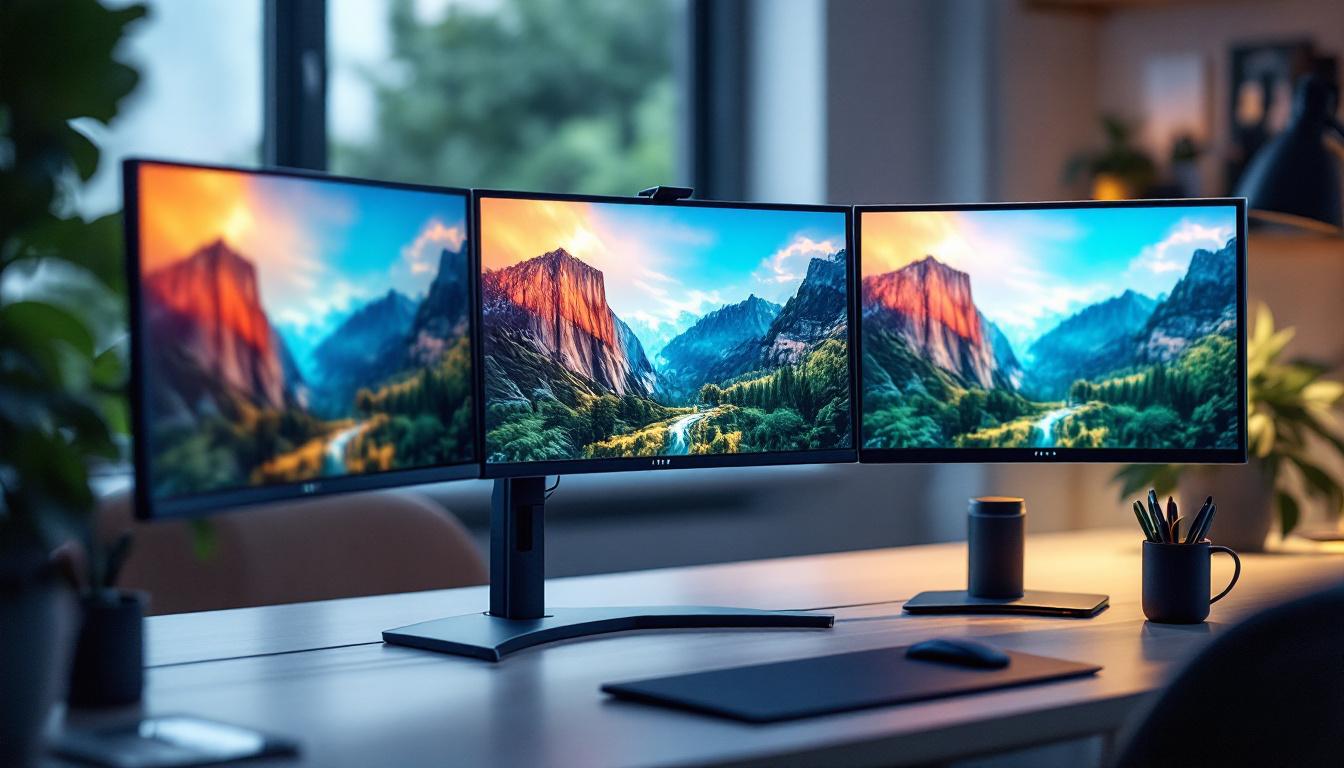
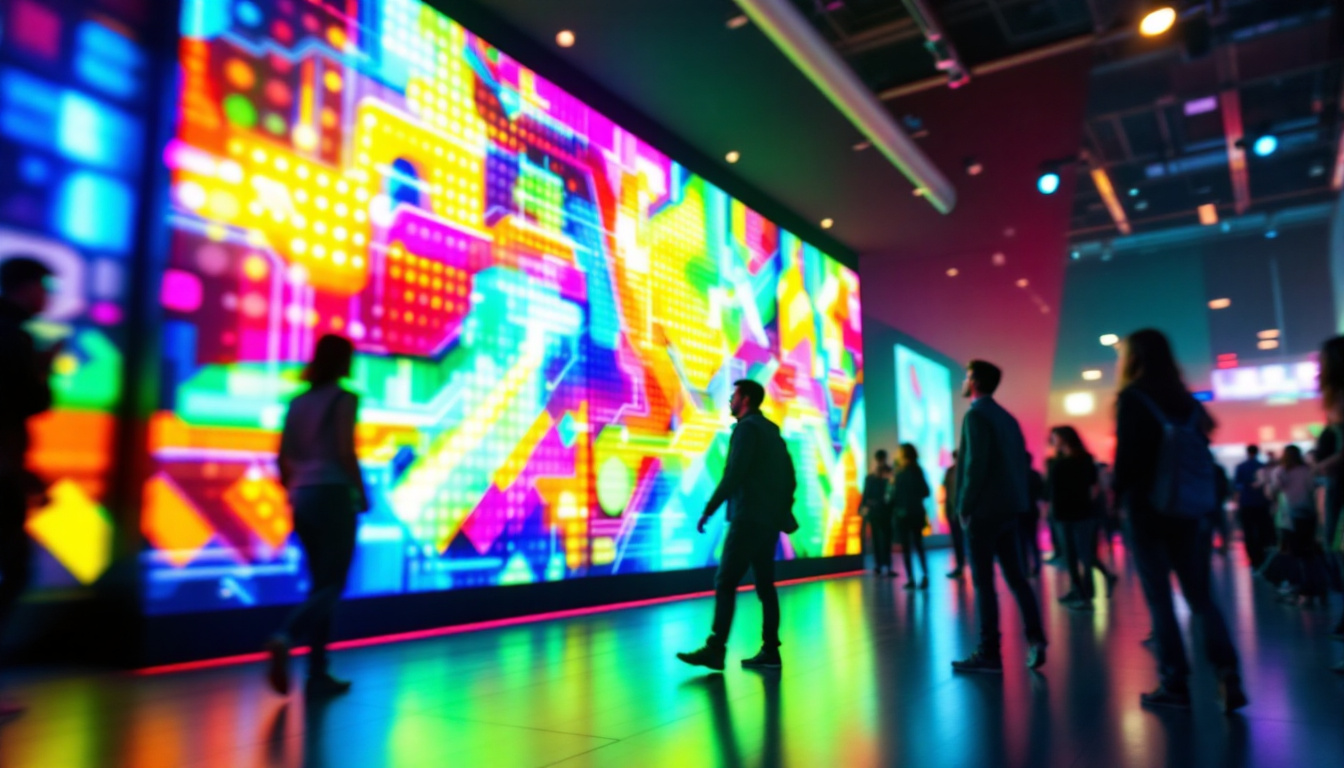
- Indoor LED Displays: Designed for controlled lighting environments, these displays offer high resolution and pixel density, suitable for conference rooms, auditoriums, and retail spaces. Their ability to present detailed images makes them ideal for applications requiring intricate graphics or video content.
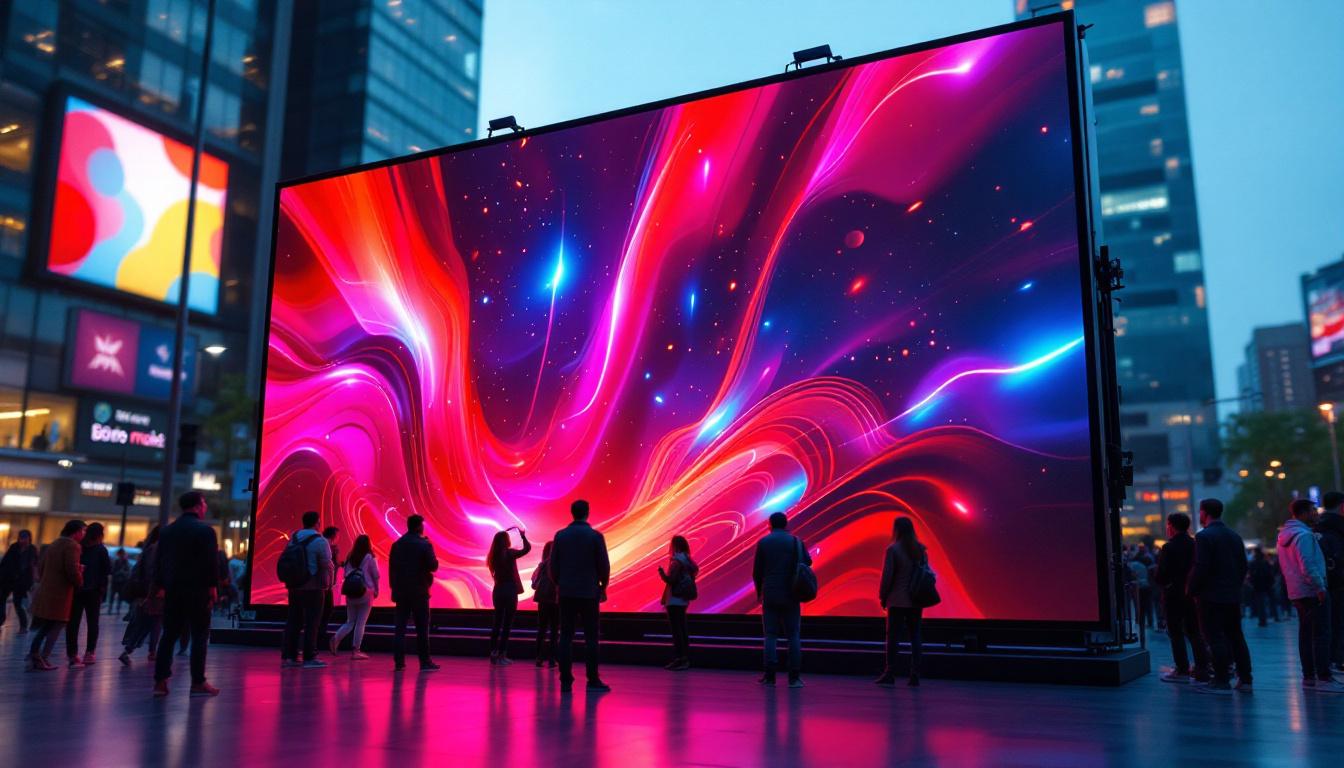
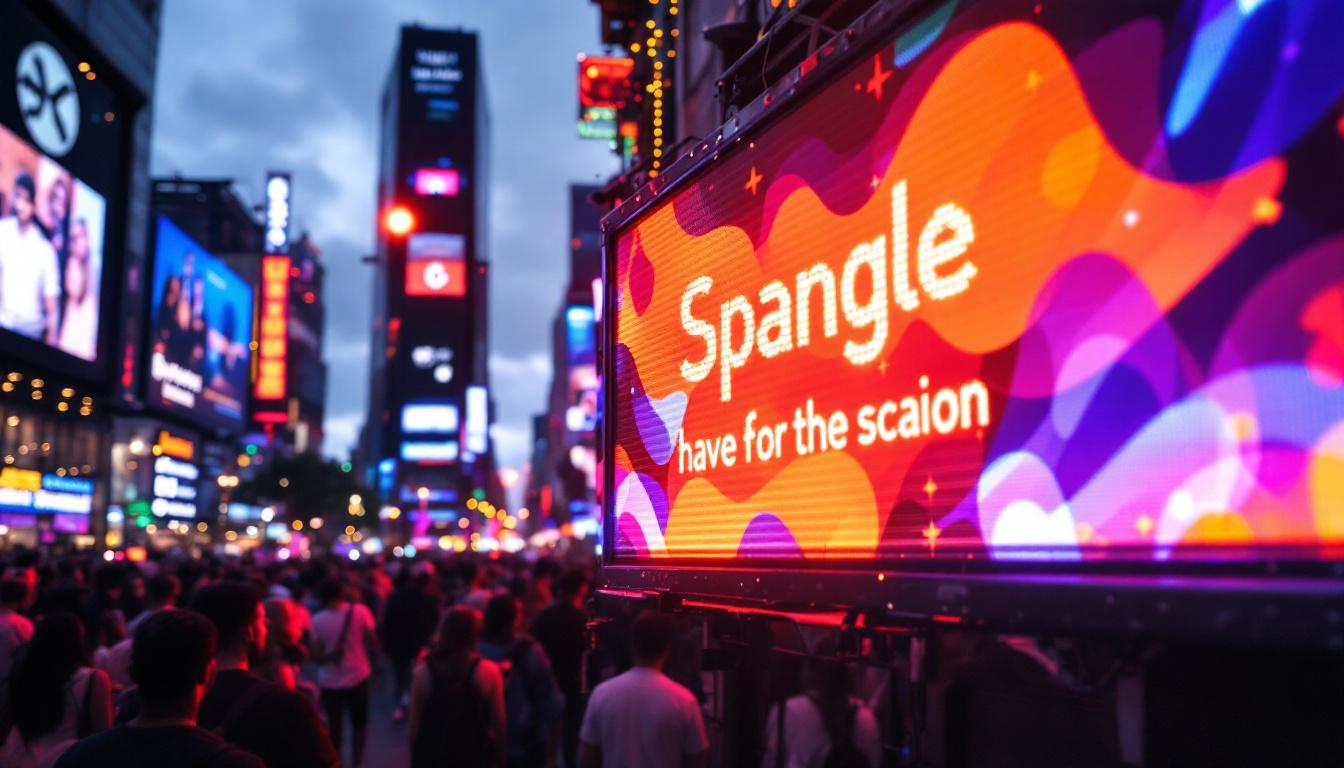
- Outdoor LED Displays: Built to withstand weather conditions, these displays feature higher brightness levels (often exceeding 5,000 nits) and rugged enclosures, ideal for concerts, sports arenas, and public advertising. Their resilience against rain, wind, and extreme temperatures ensures that they remain operational in various climates, providing reliable performance for outdoor events.
- Flexible and Transparent LED Displays: Innovative designs allow LED panels to bend or be see-through, opening creative possibilities for architectural integration and dynamic visual effects. These displays can be used in retail environments to create eye-catching window displays or in museums to enhance interactive exhibits without obstructing the view of the underlying structure.
In addition to these types, LED displays can also be categorized by their pixel pitch, which refers to the distance between the center of one pixel to the center of the adjacent pixel. A smaller pixel pitch results in a higher resolution and is particularly beneficial for close viewing distances, making it perfect for environments like control rooms or high-end retail displays. Conversely, larger pixel pitches are more suited for larger venues where viewers are positioned further away, such as stadiums or large outdoor events. This flexibility in design and application further solidifies LED displays as a versatile choice in the realm of visual technology.
Comparing LCD Projectors and LED Displays: Which is Right for Your Event?
Choosing between an LCD projector rental and an LED display depends on several factors including budget, venue size, ambient lighting, and the nature of the content to be displayed. Understanding the strengths and limitations of each technology can guide this decision.
Brightness and Image Quality
LED displays generally outperform LCD projectors in brightness and visibility, especially in well-lit or outdoor environments. While high-lumen LCD projectors can produce bright images, they often struggle against ambient light, requiring darkened rooms for optimal viewing. LED displays maintain consistent brightness and color accuracy regardless of lighting conditions.
Size and Scalability
LCD projectors are limited by the size of the projection surface and the throw distance. To achieve very large images, specialized lenses and projector models are required, which can increase costs. LED displays, on the other hand, are modular and scalable, allowing for virtually any screen size by combining multiple panels. This flexibility makes LED displays ideal for large venues and custom installations.
Portability and Setup
Projectors are typically more portable and easier to set up for temporary events. Rental units often come with compact designs and quick-mounting options. LED displays, while increasingly modular, require more time and expertise to assemble, especially for large configurations. However, rental companies specializing in LED technology often provide full installation and technical support.
Cost Considerations
Initial rental costs for LCD projectors tend to be lower than LED displays, making them attractive for smaller budgets or short-term use. LED display rentals, due to their advanced technology and installation requirements, usually come at a premium. However, the superior image quality and durability can justify the investment for high-profile or long-duration events.
Practical Applications and Use Cases
Both LCD projectors and LED displays have found distinct niches across various industries. Understanding these applications can help event planners and businesses align their technology choices with their goals.
Corporate Events and Conferences
For corporate presentations, training sessions, and conferences, LCD projectors remain a popular choice due to their cost-effectiveness and ease of use. They are well-suited for displaying slides, videos, and spreadsheets in medium-sized rooms. LED displays are increasingly used for keynote stages and breakout rooms where high-impact visuals and branding are essential.
Entertainment and Live Events
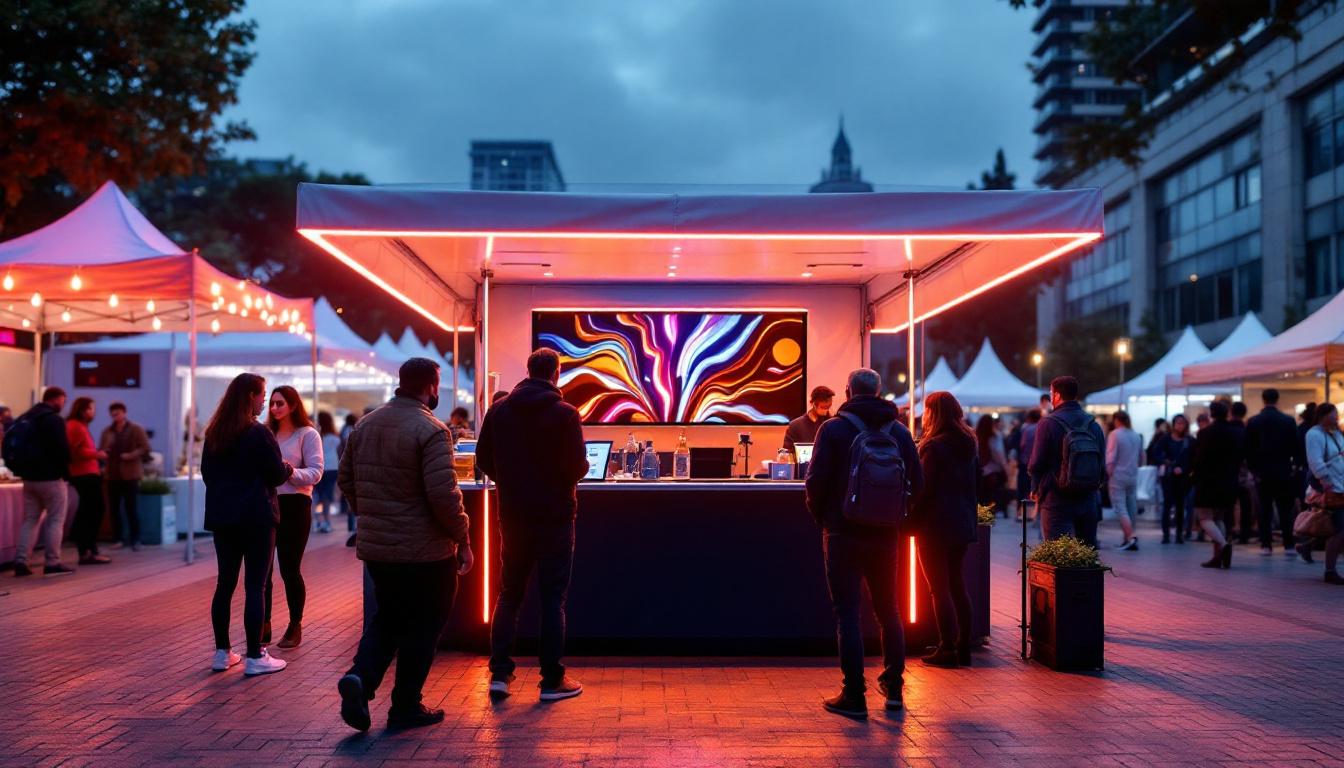
Concerts, theater productions, and live sports events benefit from the vibrant colors and high brightness of LED displays. Their ability to create dynamic backdrops and interactive visuals enhances audience engagement. LCD projectors are often used for smaller performances or as supplementary screens.
Education and Training
Classrooms and training centers frequently use LCD projectors for their affordability and compatibility with educational software. However, LED displays are gaining traction in institutions investing in long-term, interactive digital signage and collaborative learning environments.
Retail and Advertising
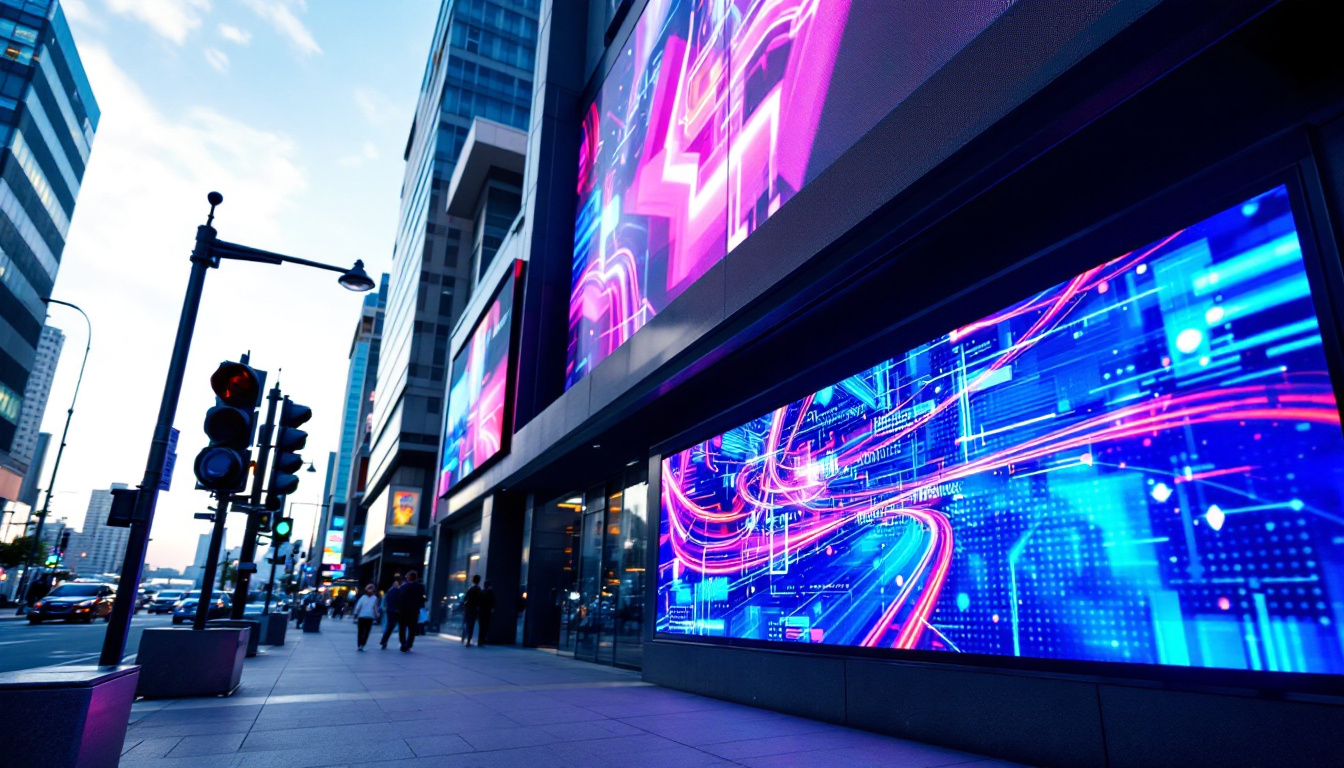
Digital signage in retail stores and outdoor advertising heavily relies on LED displays for their visibility and durability. LCD projectors are less common in this sector due to their dependence on projection surfaces and lighting conditions.
Tips for Renting LCD Projectors and LED Displays
When renting visual display equipment, several best practices can ensure a smooth and successful experience.
Assess Your Venue and Audience Needs
Consider the size of the venue, ambient lighting, seating arrangements, and the type of content to be displayed. This assessment will guide the choice between projector and LED display, as well as the specifications required.
Consult with Rental Providers
Reputable rental companies offer expert advice and can recommend equipment tailored to your event. They also provide technical support and setup services, which are invaluable for minimizing risks.
Plan for Installation and Testing
Allow ample time for equipment setup and testing before the event starts. This includes checking connectivity, image alignment, and sound integration if applicable.
Consider Future Needs
If your organization frequently hosts events, evaluate whether investing in owned equipment or establishing a rental partnership is more cost-effective in the long run.
The Future of Visual Display Technology
Advancements in display technology continue to blur the lines between projectors and LED screens. Innovations such as laser projectors, microLED displays, and augmented reality integration promise even more immersive and flexible visual experiences.
For now, understanding the strengths and applications of LCD projectors and LED displays empowers event planners and businesses to select the best tools for their specific needs, ensuring that every presentation and event shines with clarity and impact.
In summary, whether opting for the traditional reliability of LCD projector rentals or the cutting-edge brilliance of LED displays, informed choices backed by technical knowledge and professional support will guarantee successful visual communication.
Discover LumenMatrix’s Advanced LED Display Solutions
Ready to elevate your next event with unparalleled visual impact? Look no further than LumenMatrix, a pioneer in LED display technology. Our comprehensive range of solutions, from Indoor and Outdoor LED Wall Displays to innovative LED Posters and Transparent Displays, is designed to captivate your audience and amplify your message. Whether you’re hosting a corporate conference, a live sports event, or an immersive retail experience, LumenMatrix has the perfect LED display to meet your needs. Check out LumenMatrix LED Display Solutions today and transform your visual presentation into an unforgettable experience.