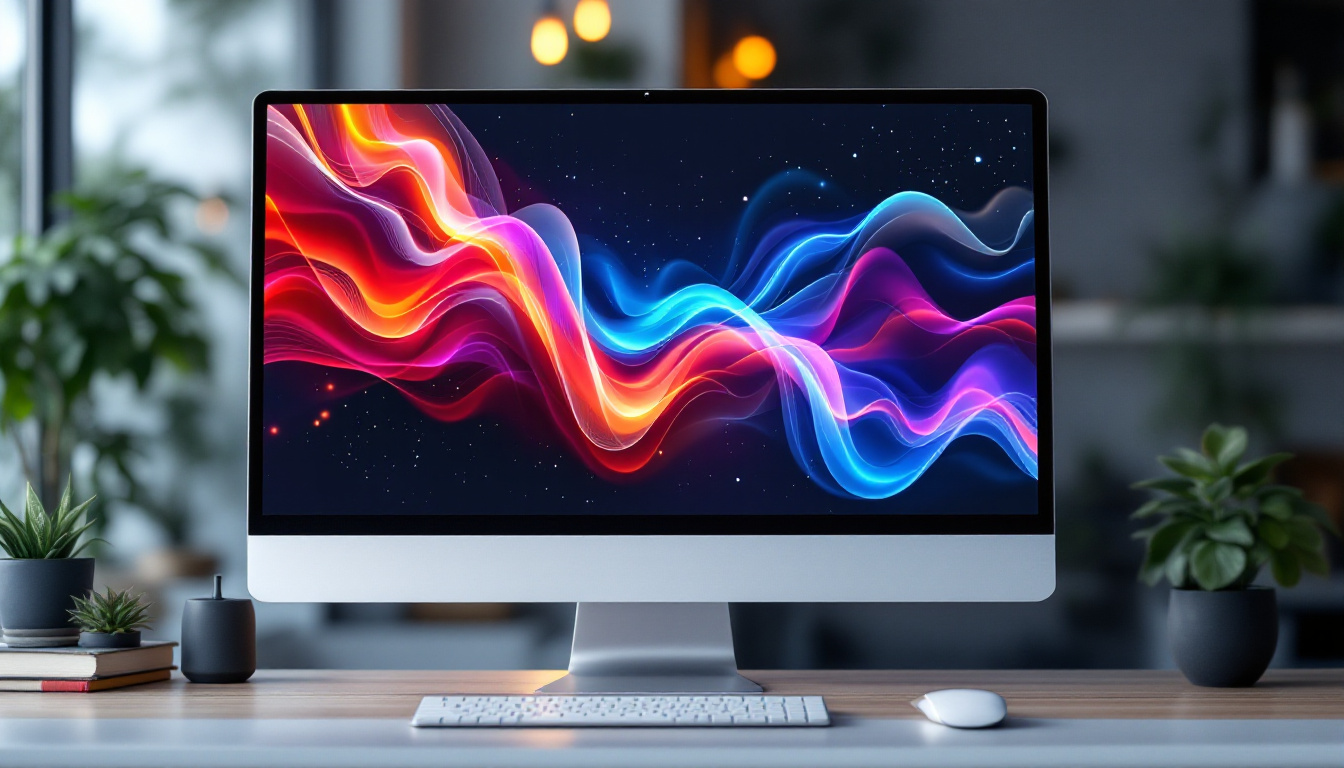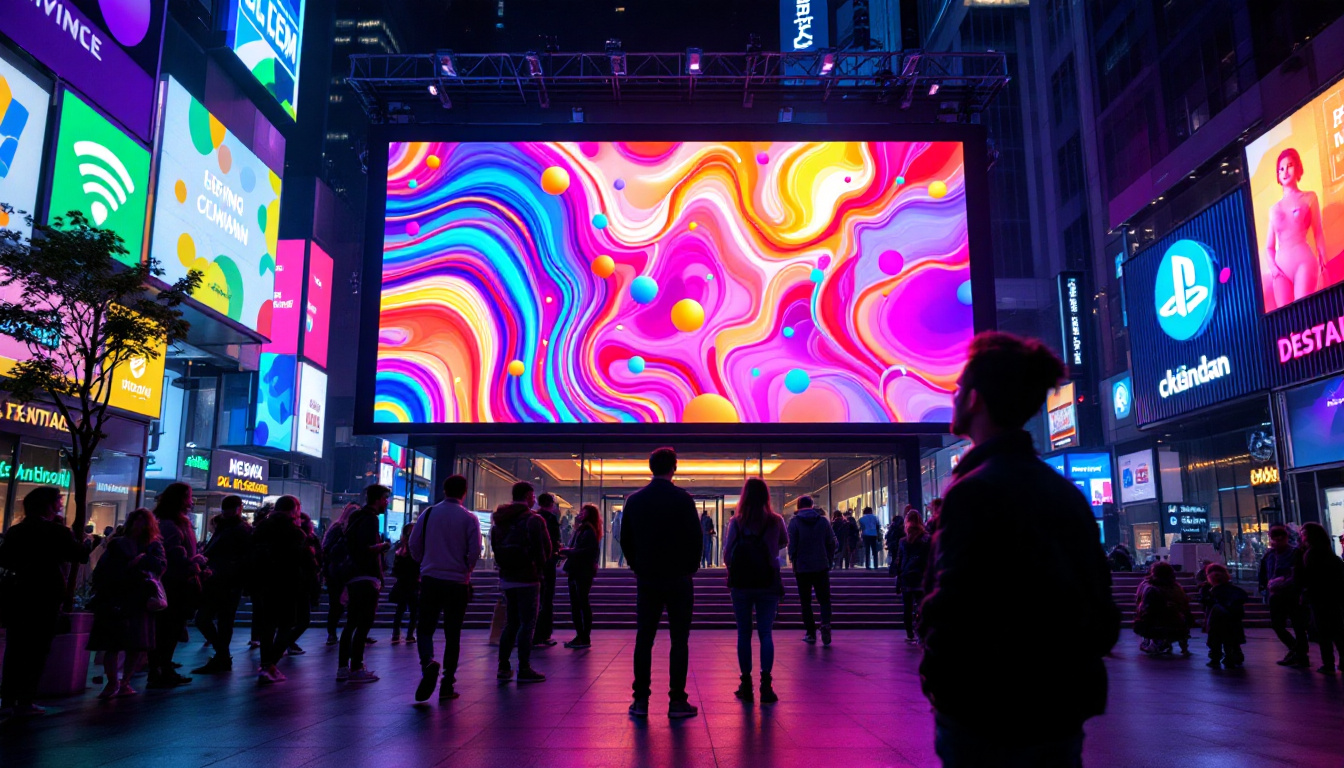
In recent years, the evolution of display technology has taken a fascinating turn with the advent of transparent desktop monitors. These innovative devices blend the functionality of traditional screens with the futuristic appeal of see-through displays, offering new possibilities for workspaces, retail environments, and digital signage. Central to this innovation is the use of LED (Light Emitting Diode) technology, which enables vibrant, energy-efficient, and high-contrast visuals on transparent surfaces.
This article explores the technology behind transparent desktop monitors, focusing on LED displays. It explains how these monitors work, their advantages and challenges, and their potential applications in various industries. Whether you’re a tech enthusiast, a business professional, or simply curious about the future of display technology, this comprehensive guide will provide valuable insights into transparent LED monitors.
Understanding Transparent LED Displays
What Is a Transparent Desktop Monitor?
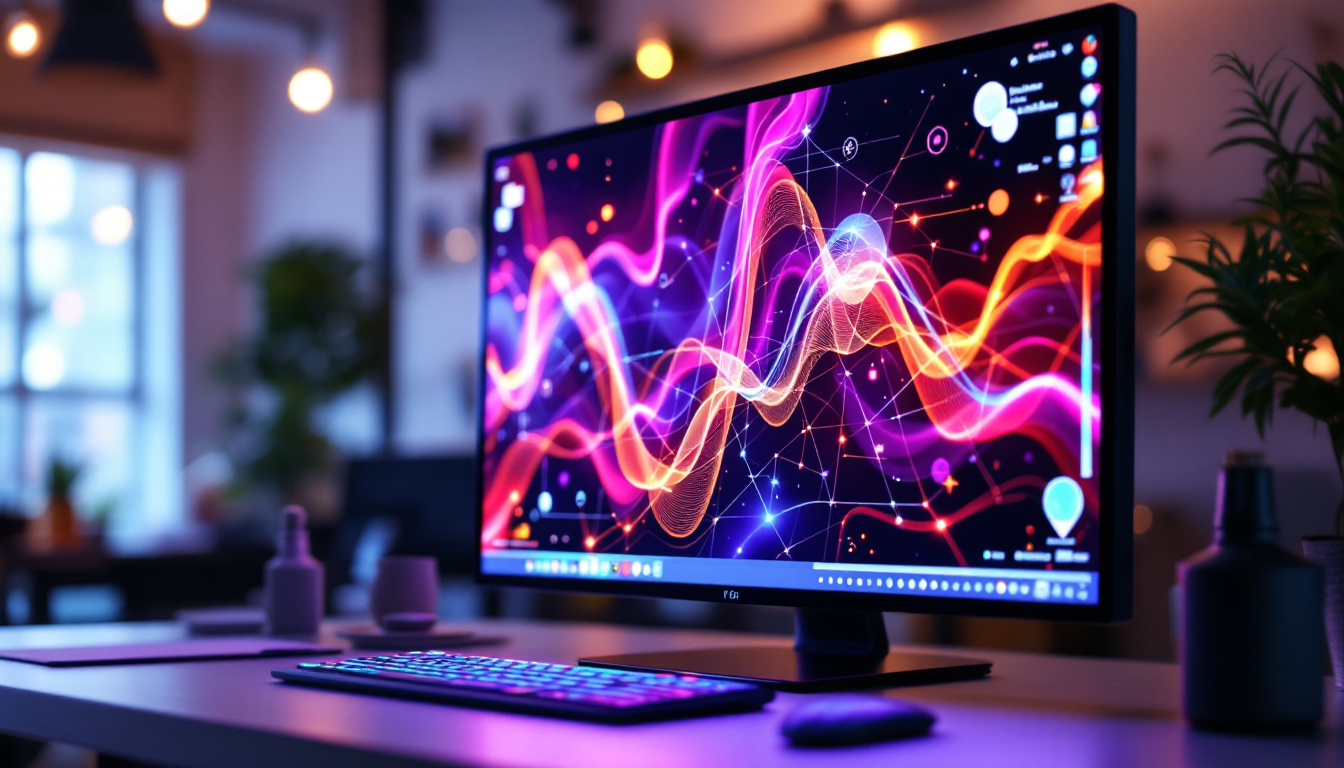
A transparent desktop monitor is a display device that allows users to see digital content superimposed on a clear or semi-clear screen. Unlike conventional monitors, which have opaque LCD or OLED panels, transparent monitors enable light to pass through the screen, making the background visible while still displaying images, videos, or interactive elements.
This transparency is achieved through specialized display technologies that integrate LED lighting with transparent substrates, such as glass or acrylic. The result is a screen that can function both as a traditional monitor and a window-like display, blending digital content seamlessly with the physical environment. This innovative design opens up new possibilities for various applications, from retail displays that showcase products while providing information to artistic installations that combine digital art with real-world settings.
Moreover, the aesthetic appeal of transparent monitors is significant. They can enhance the ambiance of modern office spaces or homes, providing a futuristic touch that captivates viewers. As technology continues to evolve, the integration of transparent displays into everyday environments is becoming more prevalent, paving the way for a new era of interactive and immersive experiences.
How Do Transparent LED Displays Work?
At the core of transparent monitors is LED technology, which uses microscopic light-emitting diodes to produce images. In a transparent LED display, these diodes are arranged on a transparent panel, often embedded within or printed onto glass or plastic layers. When activated, the LEDs emit light to form images, while the spaces between the diodes remain clear, allowing light to pass through.
There are two primary types of transparent LED displays:
- Direct-View Transparent LED Displays: These use individual LEDs spaced apart on a transparent substrate. The gaps between LEDs provide the transparency, but the pixel density is typically lower than traditional displays.
- Transparent OLED Displays: Although not LED-based, transparent OLEDs use organic compounds that emit light and can be made transparent when turned off, offering higher resolution but often at a higher cost.
For desktop monitors, direct-view transparent LED displays are gaining traction due to their brightness, energy efficiency, and scalability. The versatility of these displays is particularly appealing for businesses looking to create engaging customer experiences. For instance, in the retail sector, transparent monitors can be used to showcase products while providing dynamic advertisements, effectively merging the physical and digital worlds. This capability not only attracts attention but also enhances the storytelling aspect of product displays, allowing brands to convey their messages in a more compelling manner.
Additionally, the potential for augmented reality applications with transparent LED displays is vast. By overlaying digital information onto real-world views, users can interact with their environment in innovative ways, whether it’s for educational purposes, architectural visualization, or enhanced navigation systems. As these technologies continue to advance, we can expect to see even more creative uses for transparent displays, transforming how we interact with both digital content and our surroundings.
Key Features and Benefits of Transparent LED Desktop Monitors
Enhanced Visual Experience
Transparent LED monitors provide a unique visual experience by overlaying digital content onto real-world backgrounds. This capability opens up creative possibilities for augmented reality (AR) applications, interactive presentations, and immersive user interfaces. Users can interact with digital elements without losing sight of their physical surroundings, which can improve multitasking and spatial awareness.
Energy Efficiency and Brightness
LED technology is well-known for its energy efficiency compared to traditional LCD backlighting. Transparent LED monitors consume less power while delivering high brightness levels, making them suitable for environments with varying lighting conditions. Their ability to maintain visibility even in bright ambient light is crucial for retail displays and public information kiosks.
Space-Saving and Aesthetic Appeal
Because transparent monitors can double as windows or partitions, they help save space and reduce clutter in offices or commercial settings. Their sleek, futuristic design also adds aesthetic value, which can enhance brand perception and customer engagement. Transparent displays can transform ordinary glass surfaces into dynamic digital canvases, blending technology with architecture.
Challenges and Limitations of Transparent LED Monitors
Resolution and Pixel Density Constraints
One of the primary technical challenges with transparent LED displays is achieving high resolution and pixel density. Since transparency requires gaps between LEDs, the number of pixels per inch (PPI) is often lower than that of conventional monitors. This can result in less sharp images and limited detail, which may not be ideal for tasks requiring fine visual precision.
Color Accuracy and Contrast Issues
Transparent monitors rely on ambient light passing through the screen, which can affect color accuracy and contrast. Without a solid backlight, colors may appear washed out or less vibrant, especially in dimly lit environments. Manufacturers are continuously improving LED brightness and color calibration techniques to mitigate these issues, but they remain considerations for professional use.
Cost and Manufacturing Complexity
Producing transparent LED monitors involves advanced manufacturing processes, including precise LED placement on transparent substrates and integration with touch or interactive layers. These complexities contribute to higher production costs compared to traditional monitors. As the technology matures and scales, prices are expected to decrease, but current models can be expensive for average consumers.
Applications of Transparent LED Desktop Monitors
Retail and Advertising
Transparent LED displays are revolutionizing retail environments by enabling eye-catching window displays that can showcase products alongside dynamic digital content. For example, a clothing store might use a transparent monitor to display promotional videos while allowing customers to see merchandise behind the screen. This dual functionality enhances customer engagement and creates memorable shopping experiences.
Office and Workspace Innovation
In corporate settings, transparent monitors can serve as interactive partitions or collaborative tools. They allow teams to share information without isolating individuals visually, fostering open communication and creativity. Additionally, transparent screens can be integrated into desks or meeting rooms to provide contextual data overlays, improving productivity and decision-making.
Healthcare and Medical Imaging
Transparent LED monitors offer promising applications in healthcare, where they can display medical images or patient data directly on glass surfaces or equipment screens. This capability supports surgeons and clinicians by providing real-time information without obstructing their view of the patient or instruments, enhancing precision and safety during procedures.
Automotive and Transportation
Transparent displays are also being explored for use in vehicle dashboards and heads-up displays (HUDs). By projecting information onto transparent panels, drivers can access navigation, speed, and safety alerts without diverting their attention from the road. This integration improves safety and user experience in modern vehicles.
The Future of Transparent LED Monitors
Technological Advancements on the Horizon
Ongoing research and development aim to overcome current limitations of transparent LED monitors. Innovations in micro-LED technology promise higher pixel density and better color reproduction, potentially matching or surpassing traditional displays. Additionally, advances in flexible and curved transparent panels could lead to new form factors and applications.
Integration with Augmented Reality and Smart Environments
Transparent LED monitors are poised to play a crucial role in the integration of augmented reality and smart environments. By serving as interactive windows into digital content, these displays can enhance user interaction with connected devices, IoT systems, and virtual assistants. This seamless blend of physical and digital worlds will redefine how people work, shop, and communicate.
Market Growth and Adoption Trends
The transparent display market is expected to grow significantly in the coming years. According to industry reports, the global transparent display market could reach over $1.5 billion by 2027, driven by demand in advertising, retail, automotive, and consumer electronics sectors. As manufacturing costs decrease and technology matures, transparent LED monitors will become more accessible to a broader audience.
Choosing the Right Transparent Desktop Monitor
Considerations for Buyers
When selecting a transparent LED monitor, it is important to consider factors such as resolution, brightness, transparency level, and connectivity options. Understanding the intended use case—whether for professional design work, retail display, or interactive presentations—will guide the choice of specifications and features.
Compatibility and Integration
Transparent monitors should integrate smoothly with existing hardware and software ecosystems. Buyers should verify compatibility with operating systems, graphics cards, and input devices. Additionally, features like touch sensitivity, gesture control, and customizable display modes can enhance usability and interactivity.
Vendor Support and Warranty
Given the specialized nature of transparent LED technology, selecting a reputable vendor with strong customer support and warranty policies is crucial. This ensures access to technical assistance, firmware updates, and maintenance services that can prolong the device’s lifespan and performance.
Conclusion
Transparent desktop monitors powered by LED technology represent a significant leap forward in display innovation. By combining transparency with vibrant digital imagery, these monitors open new avenues for creativity, productivity, and user engagement across multiple industries. While challenges remain in resolution, color accuracy, and cost, ongoing advancements promise to make transparent LED displays a mainstream technology in the near future.
As businesses and consumers explore the potential of transparent monitors, understanding the underlying LED technology and its practical implications will be essential. Whether enhancing retail experiences, transforming office environments, or enabling futuristic interfaces, transparent LED desktop monitors are set to redefine how digital content interacts with the physical world.
Discover the Future of Display with LumenMatrix
Ready to embrace the cutting-edge world of transparent LED desktop monitors? LumenMatrix invites you to explore our innovative LED display solutions that are transforming visual communication. From captivating Indoor LED Walls to dynamic Vehicle LED Displays, our products are designed to elevate your brand and create immersive experiences. Dive into our diverse range of LED display modules, including the revolutionary LED Transparent Display, and see how we can help you make a powerful impact. Check out LumenMatrix LED Display Solutions today and step into the future of display technology.