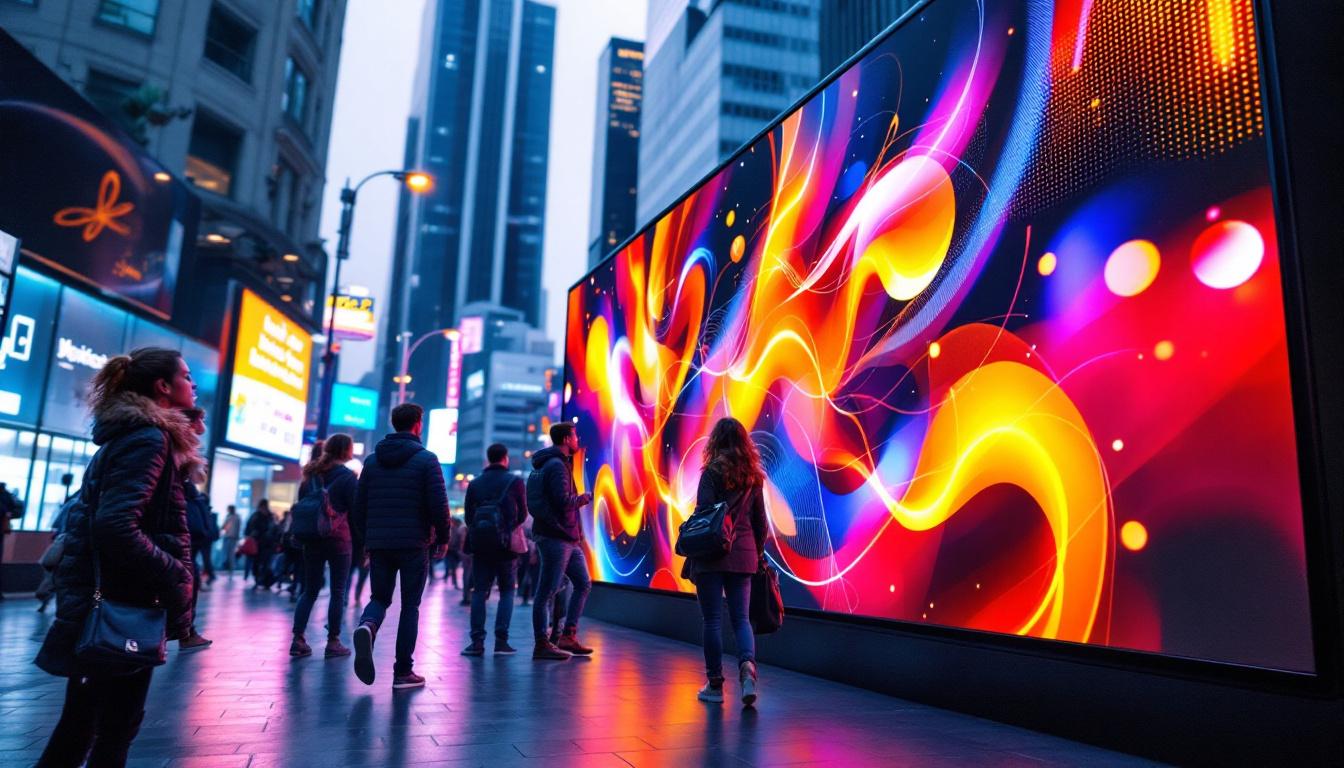
In the rapidly evolving world of digital signage and display technology, LED displays have emerged as a dominant force. From massive outdoor billboards to indoor retail screens, LED displays offer unparalleled brightness, color accuracy, and versatility. However, understanding the nuances behind LED technology—especially the concept of pixels and how they influence sales and marketing effectiveness—can be challenging. This article delves deep into LED displays, explaining the technology, its applications, and why pixel quality matters for businesses looking to maximize their impact.
Understanding LED Display Technology
What is an LED Display?
LED stands for Light Emitting Diode, a semiconductor device that emits light when an electric current passes through it. An LED display is a flat panel display that uses an array of LEDs as pixels to create images, videos, or text. Unlike traditional LCD or plasma screens, LED displays rely on tiny light sources that can be individually controlled to produce vibrant and dynamic visuals.
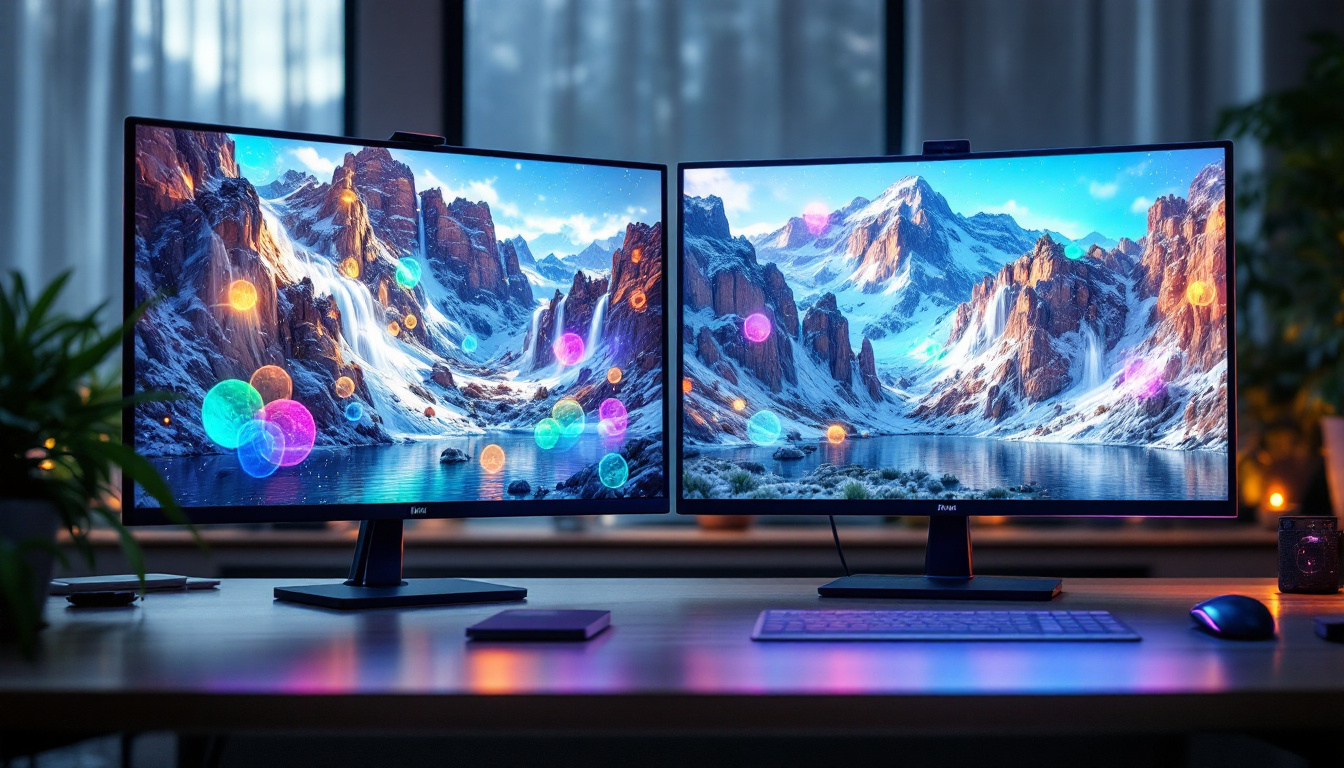
LED displays come in various forms, including direct-view LED panels, which are common in large-scale outdoor advertising, and LED-backlit LCDs, which are typical in consumer electronics like televisions and monitors. The focus here is primarily on direct-view LED displays, which are widely used in commercial and public spaces. These displays are particularly popular for their ability to deliver high brightness and contrast ratios, making them ideal for environments with significant ambient light, such as stadiums, shopping malls, and concert venues. Their durability and energy efficiency also contribute to their growing adoption in various sectors, from entertainment to transportation.
How Do Pixels Work in LED Displays?
Pixels are the fundamental building blocks of any digital display, including LEDs. Each pixel in an LED display consists of three sub-pixels: red, green, and blue (RGB). By varying the intensity of these sub-pixels, the display can produce millions of colors. The quality and clarity of the image depend heavily on the number of pixels per unit area, known as pixel density or pixel pitch.
Pixel pitch, measured in millimeters, represents the distance between the centers of two adjacent pixels. A smaller pixel pitch means more pixels per square meter, resulting in higher resolution and sharper images. For example, a 1.2mm pixel pitch LED display will have significantly finer detail than a 10mm pixel pitch display, which is why the former is preferred for close-viewing environments like retail stores or control rooms. Additionally, advancements in technology have led to the development of fine-pitch LED displays that can achieve ultra-high-definition resolutions, making them suitable for applications such as video walls in corporate settings or immersive experiences in museums. The ability to seamlessly tile these displays together allows for large-scale installations that can captivate audiences with stunning visuals.
The Importance of Pixel Density in Sales and Marketing
Why Pixel Quality Affects Consumer Engagement
In retail and advertising, the clarity and vibrancy of a display can directly influence consumer behavior. High-resolution LED displays with dense pixels deliver crisp images and smooth video playback, which capture attention more effectively than lower-quality screens. Research shows that consumers are more likely to engage with advertisements that are visually appealing and easy to read, which can translate into higher conversion rates.
For instance, a study by the Outdoor Advertising Association of America found that digital billboards with higher resolution and better image quality increased brand recall by up to 47%. This statistic highlights the critical role pixel quality plays in ensuring that marketing messages resonate with audiences. Additionally, the emotional response elicited by high-quality visuals can create a more memorable experience for consumers, fostering brand loyalty and encouraging repeat visits. As the competition for consumer attention intensifies, brands that prioritize pixel quality in their marketing strategies are likely to stand out in a crowded marketplace.
Pixel Pitch and Viewing Distance
Choosing the right pixel pitch depends on the typical viewing distance. For displays intended to be viewed from afar—such as highway billboards—a larger pixel pitch (e.g., 10mm or more) is acceptable because the human eye cannot discern individual pixels at long distances. Conversely, indoor displays or those placed in close proximity to viewers require a smaller pixel pitch to maintain image sharpness.
Retail environments often use LED displays with pixel pitches ranging from 1.2mm to 4mm, enabling shoppers to see fine details and read text clearly. This clarity can enhance product visibility and promotional messaging, ultimately driving sales. Moreover, as technology advances, the trend is shifting towards even finer pixel pitches, allowing for immersive experiences that can engage consumers in ways that were previously unimaginable. For example, interactive displays with ultra-high pixel density can facilitate touch-based interactions, creating a dynamic shopping experience that encourages exploration and discovery. Such innovations not only captivate attention but also provide valuable data on consumer preferences and behaviors, further refining marketing strategies.
Applications of LED Displays in Modern Business
Outdoor Advertising and Digital Billboards
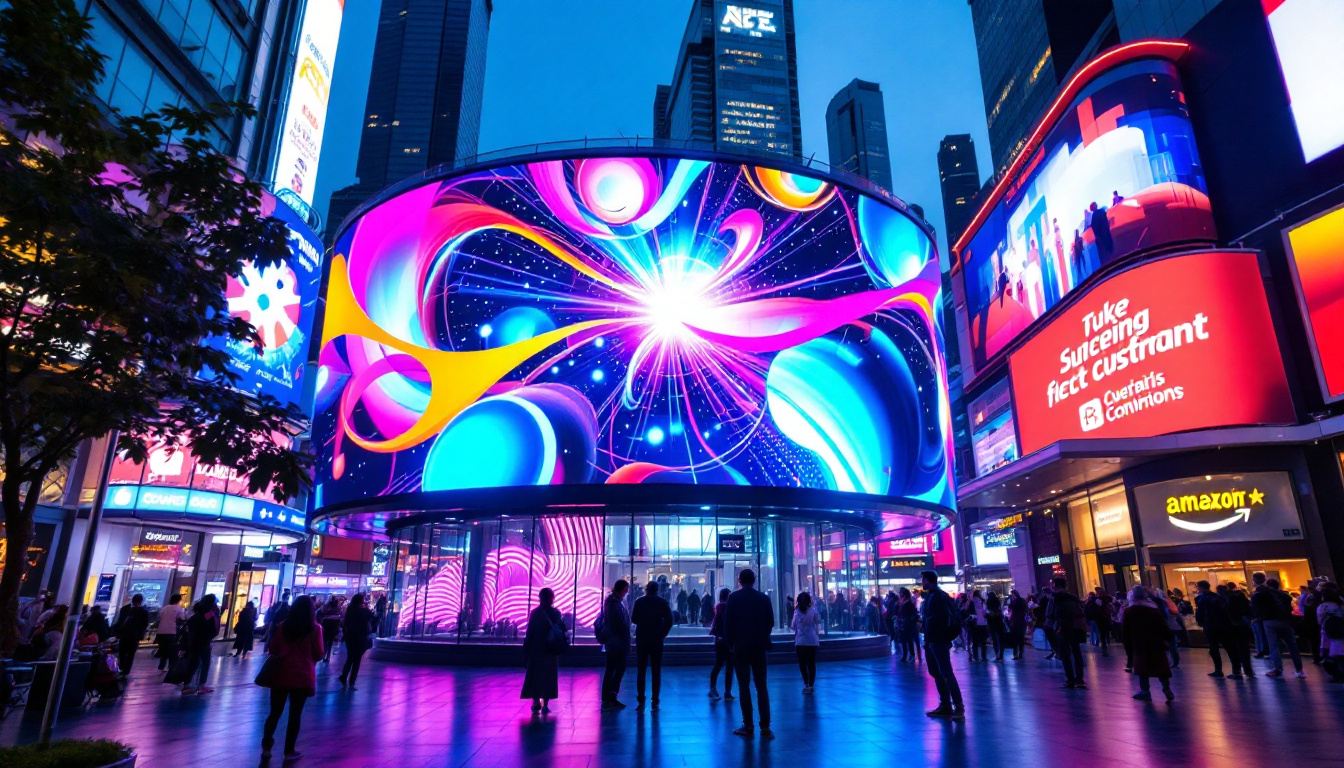
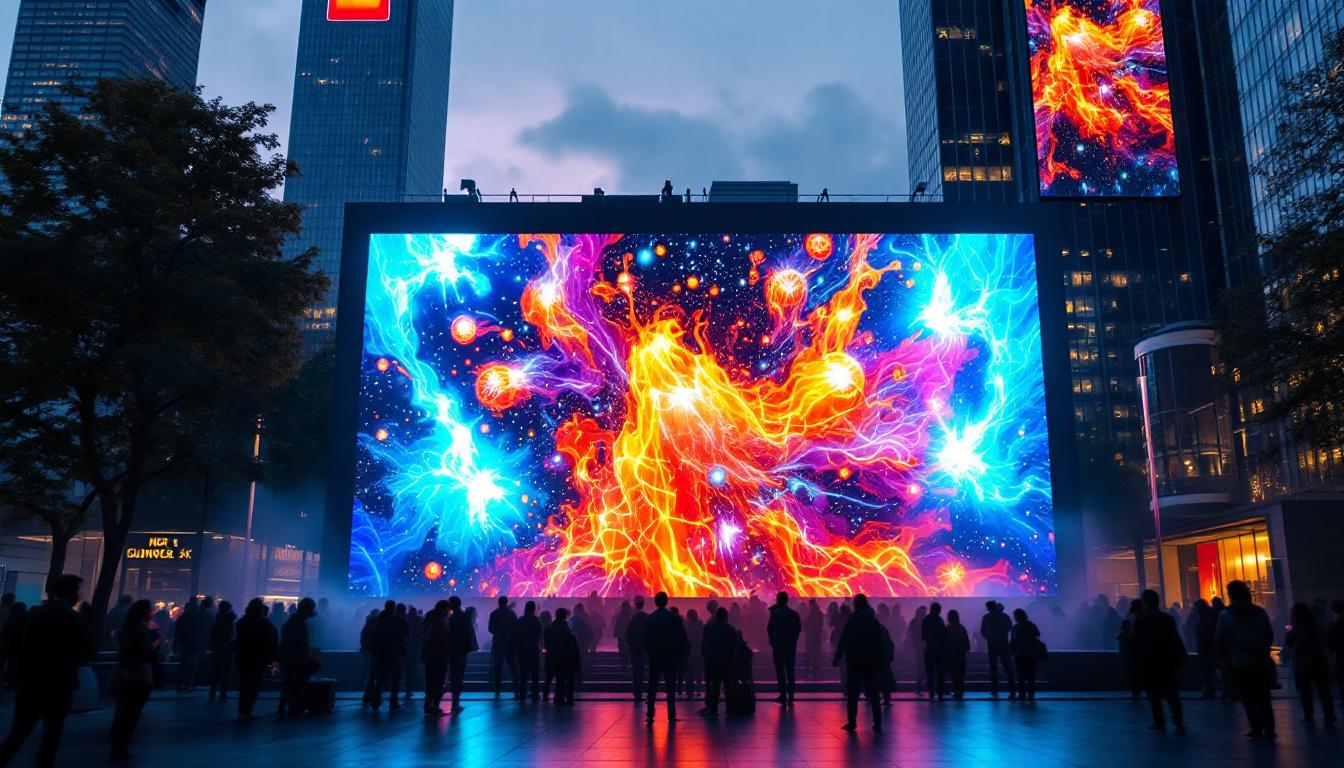
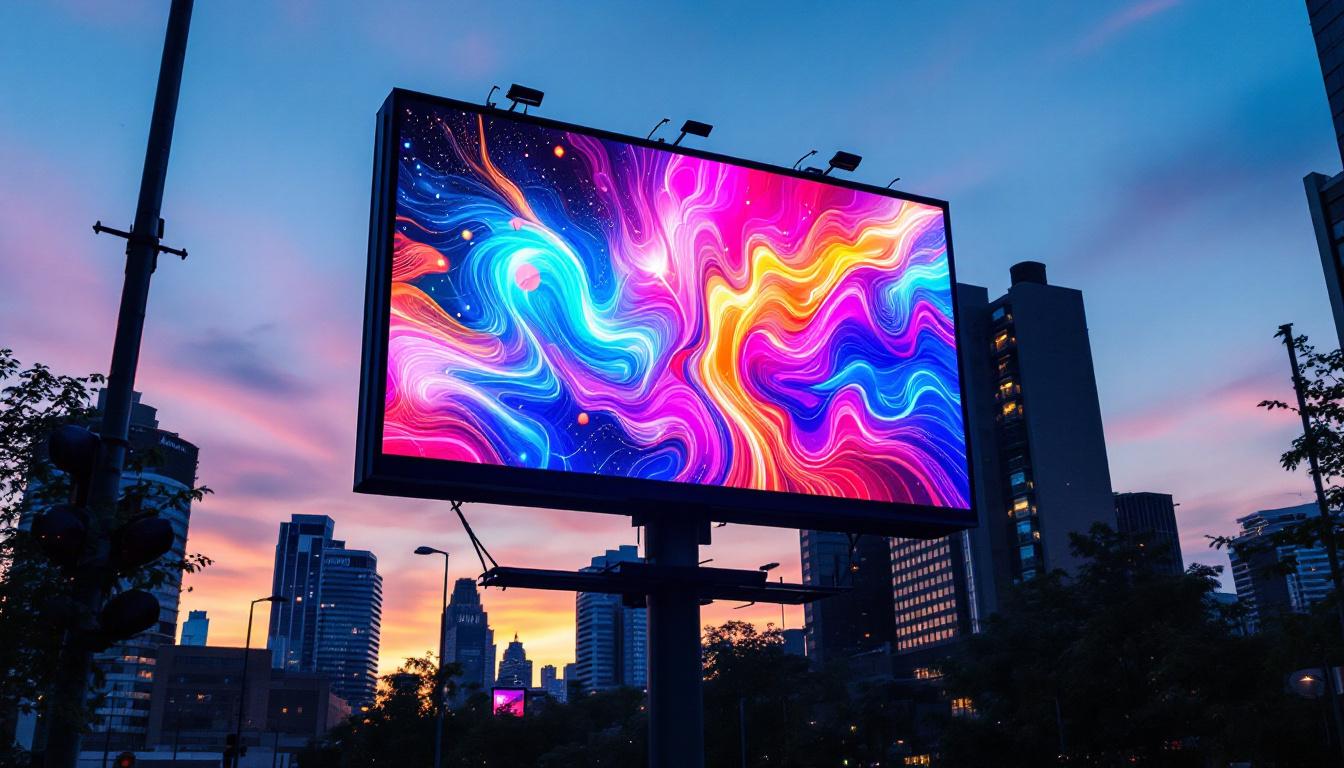
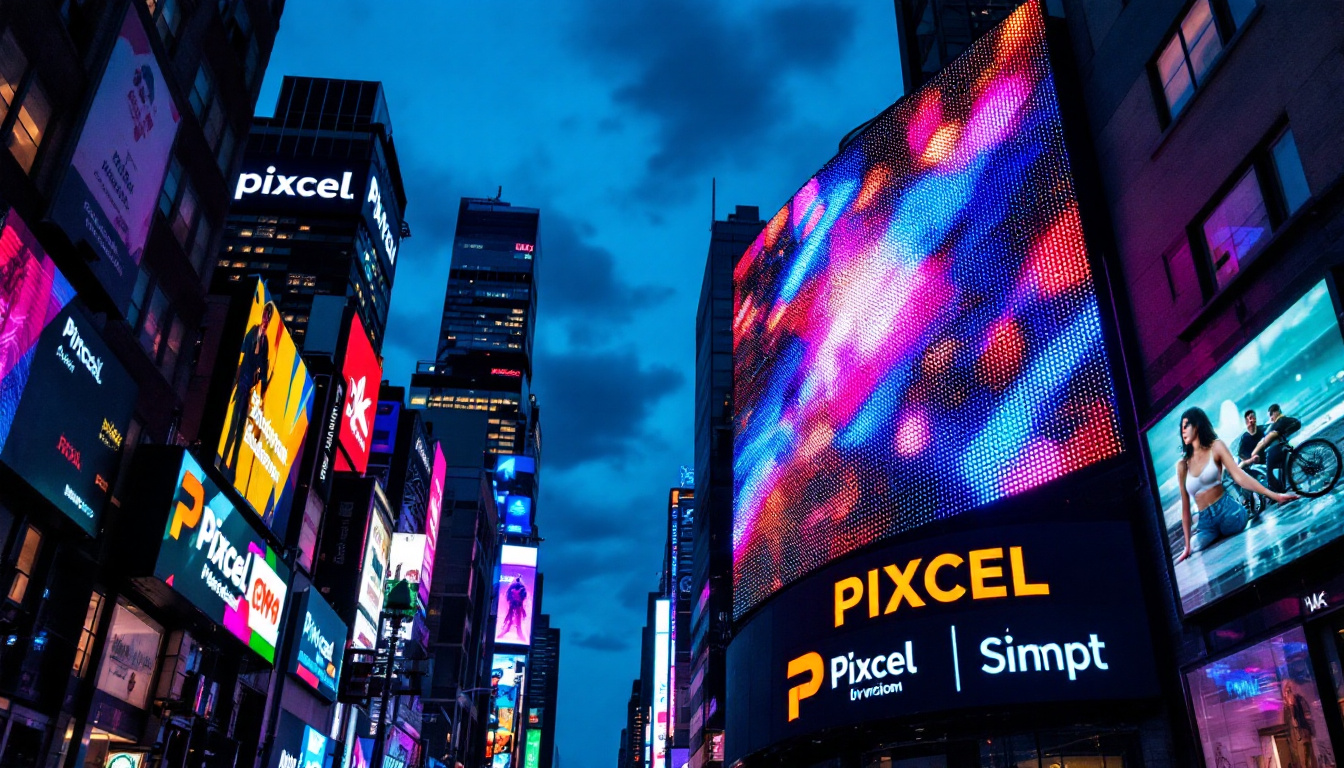
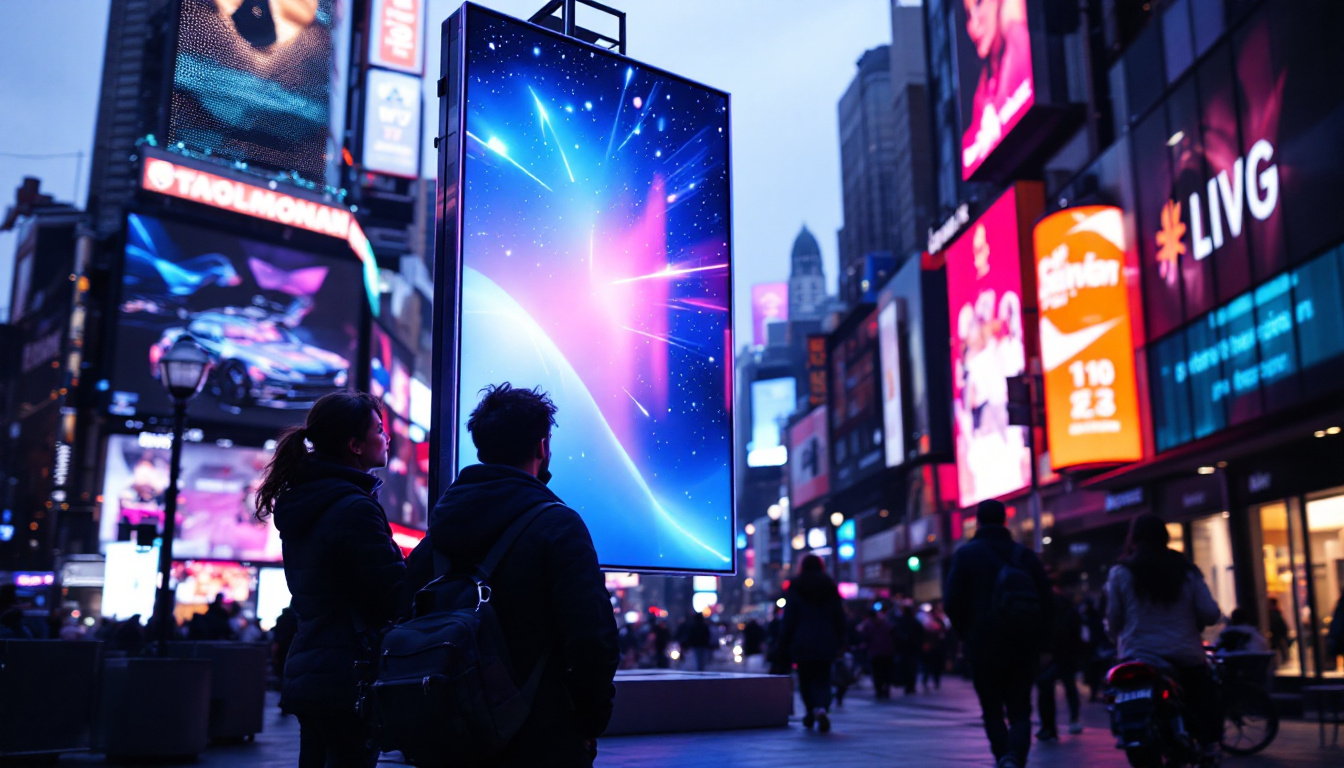
Outdoor LED displays have revolutionized the advertising industry. Their high brightness levels allow content to remain visible even under direct sunlight, a significant advantage over traditional printed billboards. Additionally, digital billboards enable dynamic content changes, allowing advertisers to tailor messages based on time of day, weather, or audience demographics.
According to a 2023 report by MarketsandMarkets, the global digital signage market is projected to grow at a CAGR of 8.5% between 2023 and 2028, driven largely by the increasing adoption of LED displays in outdoor advertising. This growth underscores the importance of understanding LED technology for businesses aiming to capitalize on this trend. Moreover, the ability to integrate real-time data into advertisements, such as traffic updates or social media feeds, enhances the interactivity and relevance of the content, making it more appealing to viewers.
Retail and In-Store Displays
In retail, LED displays serve as powerful tools for enhancing the shopping experience. They can showcase product demonstrations, flash sales, and interactive content that encourages customer engagement. The ability to display high-resolution images and videos with vivid colors makes LED displays ideal for highlighting product features and promotions.
Brands like Nike and Apple have incorporated LED walls in their flagship stores to create immersive environments that reinforce brand identity and stimulate purchases. The flexibility of LED displays also allows retailers to update content quickly, keeping messaging fresh and relevant. Furthermore, the use of LED displays can also provide valuable analytics; by tracking viewer engagement and foot traffic, retailers can optimize their marketing strategies and tailor their offerings to better meet customer preferences.
Corporate and Event Use
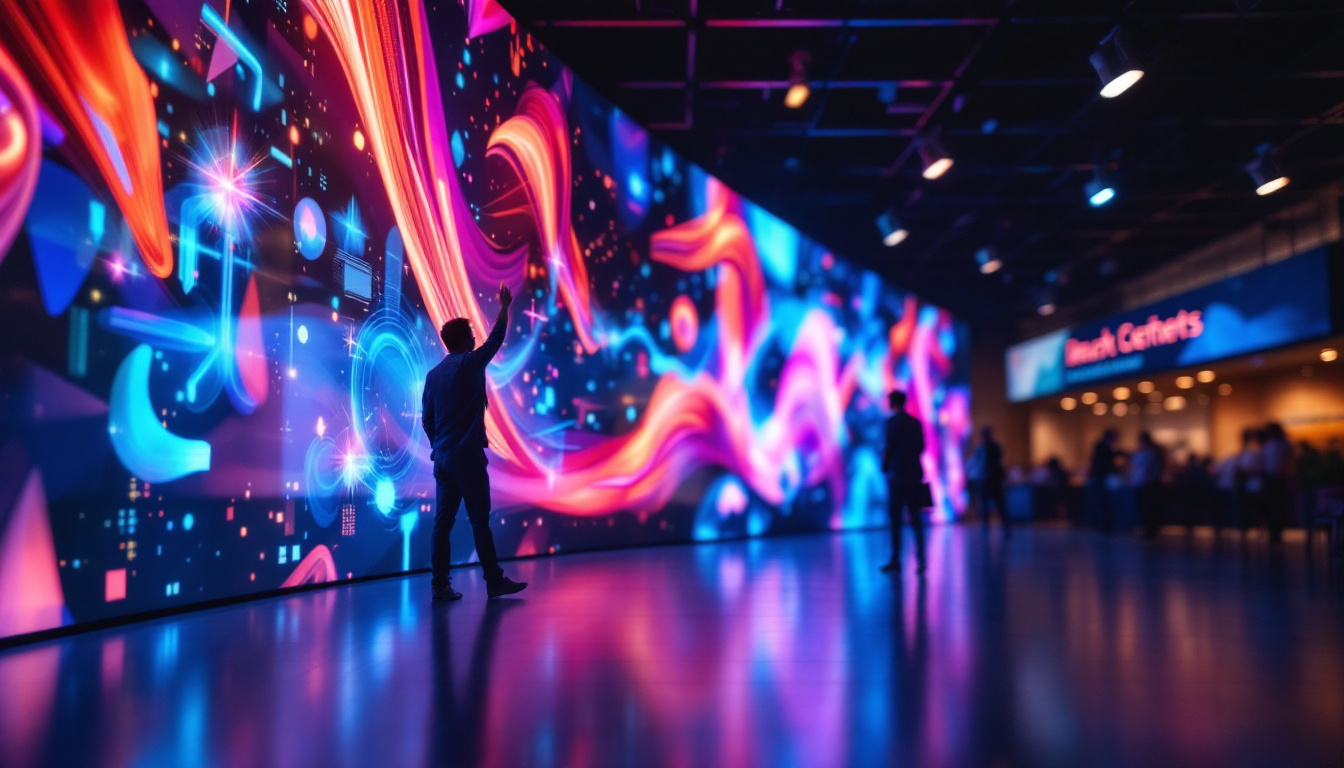
LED displays are increasingly popular in corporate settings and events for presentations, branding, and live streaming. Their scalability—from small conference room screens to massive stage backdrops—makes them versatile for various professional needs. High pixel density ensures that even detailed charts and videos are displayed clearly, enhancing communication effectiveness.
Additionally, the integration of LED displays into corporate environments can transform the way companies conduct meetings and presentations. With features such as multi-screen setups and the ability to connect with various devices, teams can collaborate more effectively, sharing information in real-time regardless of location. Events like trade shows and conferences benefit immensely from LED displays, as they can attract attention from afar and provide engaging content that draws attendees in, ultimately leading to increased networking opportunities and brand visibility.
Factors to Consider When Purchasing LED Displays
Resolution and Pixel Pitch
As discussed, resolution and pixel pitch are critical factors that determine image quality. Businesses should assess their typical viewing distances and intended use cases to select an appropriate pixel pitch. Investing in a display with too low a resolution can lead to pixelated images, while unnecessarily high resolution may increase costs without added benefit.
Brightness and Contrast Ratio
Brightness, measured in nits, affects visibility, especially in outdoor or brightly lit environments. LED displays typically range from 1,000 to over 5,000 nits, with higher brightness levels ensuring content remains visible under direct sunlight. Contrast ratio, the difference between the darkest and brightest parts of the image, also impacts image quality and viewer experience.
Durability and Maintenance
LED displays, especially those used outdoors, must withstand weather conditions such as rain, wind, and temperature fluctuations. IP ratings indicate the level of protection against dust and water ingress. Additionally, modular designs facilitate easier maintenance and repairs, reducing downtime and operational costs.
Energy Efficiency
Energy consumption is an important consideration, particularly for large-scale installations. Advances in LED technology have led to more energy-efficient displays that reduce operational expenses and environmental impact. Businesses should evaluate the power requirements and potential energy savings when selecting LED displays.
Future Trends in LED Display Technology
MicroLED and MiniLED Innovations
Emerging technologies like MicroLED and MiniLED promise to push LED display performance even further. MicroLED displays use microscopic LEDs to create pixels, offering higher brightness, better contrast, and longer lifespan compared to traditional LEDs. MiniLED technology enhances backlighting for LCDs, improving contrast and color accuracy.
These innovations are expected to drive new applications in smartphones, TVs, and commercial displays, offering consumers and businesses superior visual experiences.
Interactive and Smart Displays
The integration of touch capabilities and smart technologies is transforming LED displays into interactive platforms. Retailers can leverage these features to create engaging customer experiences, such as virtual try-ons or personalized promotions. Additionally, AI-driven content management systems enable dynamic content tailored to audience behavior and preferences.
Sustainability and Eco-Friendly Materials
As environmental concerns grow, manufacturers are focusing on sustainable materials and production processes for LED displays. Recyclable components, reduced hazardous substances, and energy-efficient designs are becoming standard, aligning with corporate social responsibility goals and regulatory requirements.
Conclusion
LED displays have become a cornerstone of modern digital communication, offering vibrant, high-resolution visuals that captivate audiences across industries. Understanding the role of pixels, pixel density, and related technical factors is essential for businesses aiming to maximize the impact of their digital signage investments. Whether in outdoor advertising, retail environments, or corporate settings, selecting the right LED display technology can drive consumer engagement, enhance brand visibility, and ultimately boost sales.
As LED technology continues to evolve with innovations like MicroLED and interactive capabilities, staying informed about these advancements will help businesses remain competitive and deliver compelling visual experiences that resonate with their audiences.
Explore Cutting-Edge LED Solutions with LumenMatrix
Ready to elevate your brand’s visual impact with the latest in LED display technology? Discover LumenMatrix’s comprehensive range of innovative LED solutions, from vibrant Indoor and Outdoor LED Wall Displays to dynamic Vehicle and Sports LED Displays. Our advanced LED Poster, Floor, Custom, All-in-One, and Transparent Displays are designed to captivate your audience and communicate your message with unparalleled clarity. Embrace the future of digital signage with LumenMatrix and transform your visual communication strategy. Check out LumenMatrix LED Display Solutions today and see the difference cutting-edge technology can make.