In the world of digital screens and displays, the term “pixel” is fundamental. Whether you’re watching a movie on your smartphone, working on a computer monitor, or viewing a giant billboard, pixels are the tiny building blocks that create the images you see. But what exactly is a pixel short for, and how does it relate to LED displays? This article dives deep into the meaning of pixels, their role in LED technology, and why understanding pixels matters in today’s digital age.
Understanding the Term “Pixel”
The Origin of the Word “Pixel”
The word “pixel” is a blend of two words: “picture” and “element.” It was coined in the early days of digital imaging to describe the smallest unit of a digital image or display. Each pixel represents a single point in a raster image and contains information about color and brightness. When combined, millions of pixels form the images and videos displayed on screens. The concept of the pixel emerged alongside the development of early computer graphics, where the ability to manipulate individual points of light was revolutionary. As technology advanced, the resolution of images increased, leading to a greater number of pixels packed into a given space, which in turn allowed for more detailed and vibrant images.
What Does Pixel Stand For?
Simply put, “pixel” is short for “picture element.” This term emphasizes that pixels are the fundamental elements that make up a digital picture. In technical contexts, a pixel is often referred to as a “pel,” but “pixel” remains the more commonly used term. The significance of pixels extends beyond just their definition; they have become a critical measure of image quality. The more pixels an image has, the higher its resolution, which directly influences the clarity and detail perceived by the viewer. This has important implications in various fields, from photography and videography to medical imaging and digital art, where precision and detail are paramount.
How Pixels Work in Digital Displays
Pixels work by emitting or reflecting light in specific colors and intensities. Each pixel contains sub-pixels, typically red, green, and blue (RGB), which combine in varying intensities to produce a wide spectrum of colors. This RGB model is the cornerstone of most digital displays, including LED screens. The arrangement and control of these sub-pixels allow for the creation of millions of color variations, enabling the rich visual experiences we enjoy today. Additionally, advancements in display technology, such as OLED and Retina displays, have introduced new pixel arrangements and enhancements that improve color accuracy and viewing angles. These innovations have made it possible to achieve deeper blacks and more vibrant colors, further blurring the lines between digital and reality.
The Role of Pixels in LED Displays
What Is an LED Display?
LED stands for Light Emitting Diode, a semiconductor device that emits light when an electric current passes through it. LED displays use thousands or millions of these tiny diodes to create images and videos. Unlike traditional LCD screens that require backlighting, LEDs emit their own light, resulting in brighter images and better contrast. This self-emitting property allows for thinner displays, enabling innovative designs in various applications, from smartphones to massive outdoor billboards. Additionally, LED technology has evolved to include features such as dynamic brightness adjustment, which enhances visibility in different lighting conditions, making them suitable for both day and night use.
Pixels in LED Displays: The Building Blocks
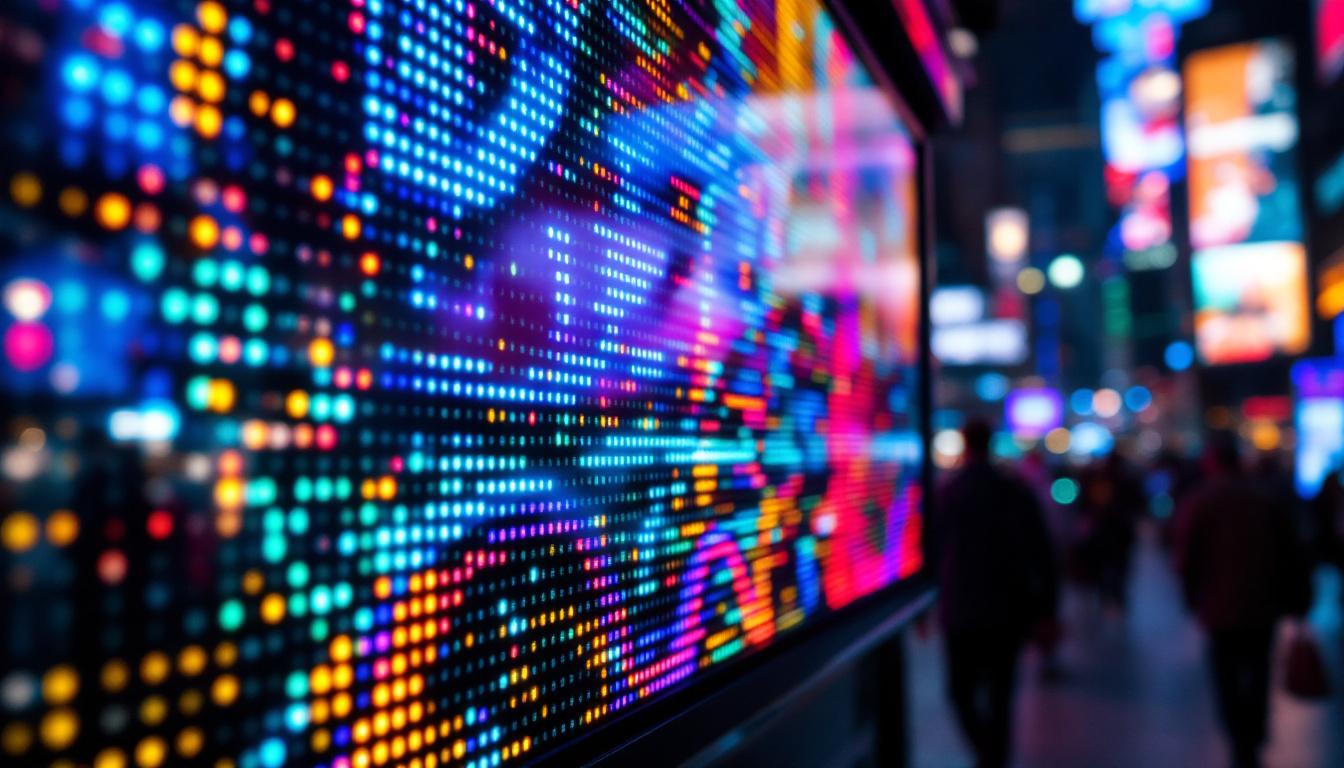
In an LED display, each pixel is composed of multiple LEDs, usually red, green, and blue, which are combined to produce the desired color. These LEDs are arranged in a grid, and the intensity of each LED is controlled to create the final image. The more pixels an LED display has, the higher its resolution and the sharper the image. This pixel density is crucial for applications requiring detailed visuals, such as digital signage in retail environments or high-definition video walls in entertainment venues. Furthermore, advancements in pixel technology have led to the development of pixel pitch, which refers to the distance between the centers of two adjacent pixels. A smaller pixel pitch results in a higher resolution display, allowing for closer viewing distances without loss of image quality.
Types of LED Pixels
LED pixels come in various forms depending on the technology:
- Surface-Mounted Device (SMD) LEDs: These are tiny LEDs mounted directly onto the surface of a circuit board. SMD pixels are common in indoor LED displays due to their compact size and high resolution. They provide excellent color mixing and are ideal for applications where viewers are close to the screen, such as in conference rooms or retail displays.
- Through-Hole LEDs: These LEDs have leads that go through the circuit board. They are typically larger and used in outdoor LED displays where brightness is crucial. Their robust construction makes them suitable for harsh weather conditions, ensuring longevity and durability in outdoor settings.
- Mini-LED and Micro-LED: These are advanced LED technologies with smaller pixel sizes, offering even higher resolution and better energy efficiency. Mini-LEDs are often used in high-end televisions and computer monitors, delivering superior contrast ratios and vibrant colors. Micro-LED technology takes this a step further by allowing for individual pixel control, resulting in stunning visuals with deep blacks and bright highlights, making it a game-changer for future display innovations.
As the demand for higher-quality displays continues to grow, manufacturers are constantly exploring new materials and techniques to enhance LED pixel performance. Innovations such as quantum dot technology are being integrated into LED displays to improve color accuracy and brightness, further blurring the lines between LED and OLED technologies. Additionally, the rise of flexible and transparent LED displays is opening up new possibilities for creative applications in architecture and advertising, allowing for dynamic content that can adapt to various environments and user interactions.
Why Pixel Density Matters in LED Displays
Understanding Pixel Pitch
Pixel pitch refers to the distance between the centers of two adjacent pixels, usually measured in millimeters. It is a critical factor in determining the display’s resolution and image clarity. A smaller pixel pitch means pixels are closer together, resulting in a higher pixel density and sharper images.
Impact on Viewing Experience
High pixel density is essential for displays viewed up close, such as smartphones or indoor LED screens. For example, a pixel pitch of 1.5mm or less is common in indoor LED displays to ensure clear and crisp images. Conversely, outdoor LED billboards often have larger pixel pitches (e.g., 10mm or more) because they are viewed from greater distances.
Resolution and Image Quality
The resolution of an LED display is directly related to the number of pixels it contains. More pixels mean more detail can be shown. For instance, a 4K LED display has approximately 8.3 million pixels, allowing for ultra-high-definition images. This is particularly important in applications like digital signage, broadcasting, and large-scale video walls.
Applications of Pixels in LED Technology
Consumer Electronics
Pixels are integral to devices like smartphones, tablets, laptops, and TVs. Advances in LED pixel technology have enabled manufacturers to produce displays with higher resolutions, better color accuracy, and improved energy efficiency. OLED and Micro-LED technologies are pushing the boundaries of pixel performance in consumer electronics.
Outdoor Advertising and Digital Signage
LED displays are widely used in outdoor advertising due to their brightness and durability. Pixels in these displays must be large enough to be visible from a distance but also capable of producing vibrant colors. The balance between pixel pitch and display size is crucial for effective advertising.
Sports Arenas and Event Displays
Large LED screens in stadiums and event venues rely on pixel technology to deliver clear images to thousands of spectators. These displays often use modular LED panels with precise pixel arrangements to create seamless, high-resolution visuals.
Medical and Industrial Applications
High-resolution LED displays with precise pixel control are used in medical imaging, control rooms, and industrial monitoring systems. Accurate pixel representation ensures critical details are visible, aiding in diagnosis and operational efficiency.
Future Trends in Pixel and LED Display Technology
Micro-LED: The Next Generation
Micro-LED technology utilizes microscopic LEDs as individual pixels, offering superior brightness, contrast, and energy efficiency compared to traditional LEDs. This technology promises thinner, more flexible displays with unparalleled image quality, potentially revolutionizing smartphones, TVs, and wearable devices.
Higher Pixel Densities and 8K Displays
As consumer demand for ultra-high-definition content grows, LED displays are evolving to support higher pixel densities and resolutions such as 8K. These advancements require innovations in pixel manufacturing and control to maintain image quality and reduce power consumption.
Integration with AI and Smart Technologies
Artificial intelligence is being integrated into LED display systems to optimize pixel performance dynamically. AI can adjust brightness, contrast, and color balance in real-time based on ambient conditions and content type, enhancing the viewing experience.
Conclusion: Why Knowing About Pixels Matters
Understanding what a pixel is and how it functions within LED displays is essential for anyone interested in digital technology, whether as a consumer, designer, or industry professional. Pixels are not just tiny dots on a screen; they are the fundamental elements that bring digital images to life. As LED technology continues to advance, the role of pixels will become even more critical in delivering sharper, brighter, and more immersive visual experiences.
From the smartphone in your hand to the massive LED billboard lighting up a city street, pixels are at the heart of the digital world. Knowing what a pixel is short for—picture element—and how it operates within LED displays provides valuable insight into the complex technology that shapes modern visual communication.
Explore Cutting-Edge LED Displays with LumenMatrix
Now that you’ve gained a deeper understanding of pixels and their pivotal role in LED display technology, take the next step in visual innovation with LumenMatrix. As a leader in LED display solutions, LumenMatrix offers an extensive range of products designed to transform any space into a dynamic visual experience. From Indoor and Outdoor LED Wall Displays to specialized solutions like Vehicle, Sports, and Floor LED Displays, our mission is to revolutionize visual communication. Whether you’re looking to captivate audiences, enhance brand visibility, or create immersive environments, LumenMatrix has the technology to bring your vision to life. Check out LumenMatrix LED Display Solutions and see how we can help you make a powerful impact with clarity and innovation.