In the rapidly evolving world of visual technology, LED displays have become a cornerstone for advertising, entertainment, and information dissemination. From towering billboards in Times Square to immersive video walls in corporate lobbies, LED display walls are transforming how audiences engage with digital content. This article explores the different models of LED display walls, their technology, applications, and the factors that make them an essential tool in modern communication.
Understanding LED Display Walls
LED display walls, often referred to as video walls, are large-scale screens composed of multiple light-emitting diode (LED) panels seamlessly tiled together. Unlike traditional LCD or projection screens, LED walls offer superior brightness, contrast, and viewing angles, making them ideal for both indoor and outdoor environments.
The core technology behind LED displays involves tiny diodes that emit light when an electric current passes through them. These diodes are arranged in clusters called pixels, which collectively form the images and videos displayed on the screen. The ability to control each pixel individually allows for vibrant, high-resolution visuals that can be scaled to virtually any size.
Types of LED Display Walls
LED display walls come in various models, each designed to meet specific needs based on pixel pitch, brightness, and installation environment. The most common types include:
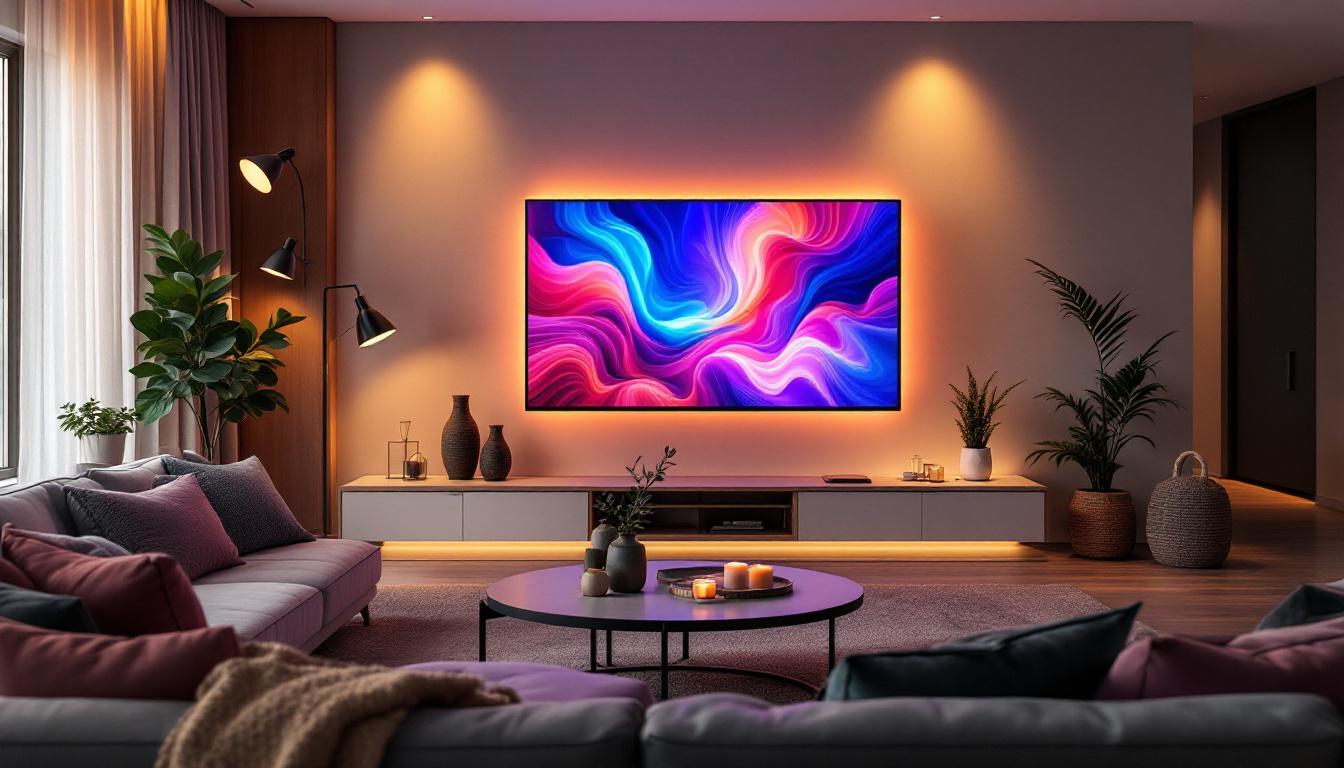
- Indoor LED Walls: Designed for controlled lighting environments, these displays have a smaller pixel pitch (typically between 0.9mm to 4mm), resulting in higher resolution and sharper images at close viewing distances.
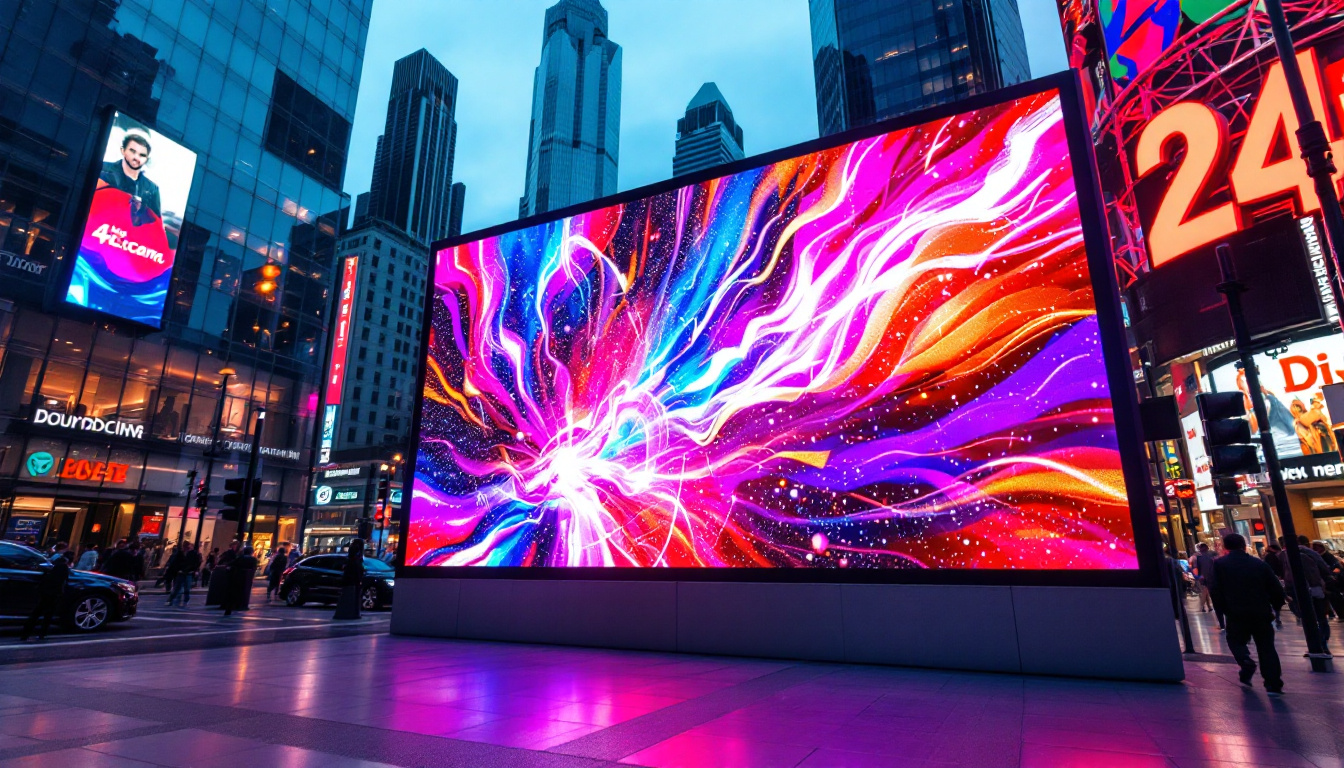
- Outdoor LED Walls: Built to withstand weather conditions, these models have higher brightness levels (often exceeding 5,000 nits) to remain visible in direct sunlight. Their pixel pitch ranges from 4mm to 20mm or more, suitable for viewing from greater distances.
- Transparent LED Walls: Featuring a mesh-like structure, these walls allow light and air to pass through, making them ideal for retail storefronts and architectural applications where visibility through the screen is desired.
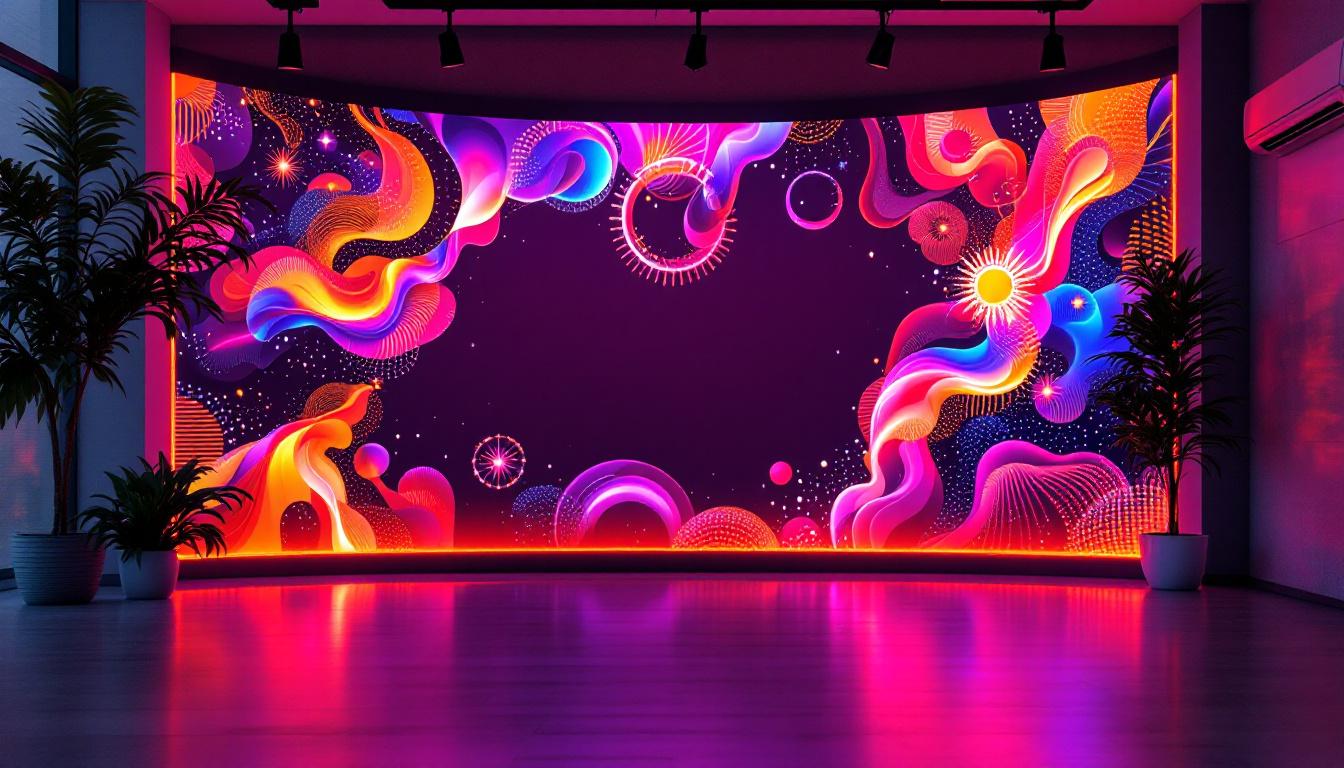
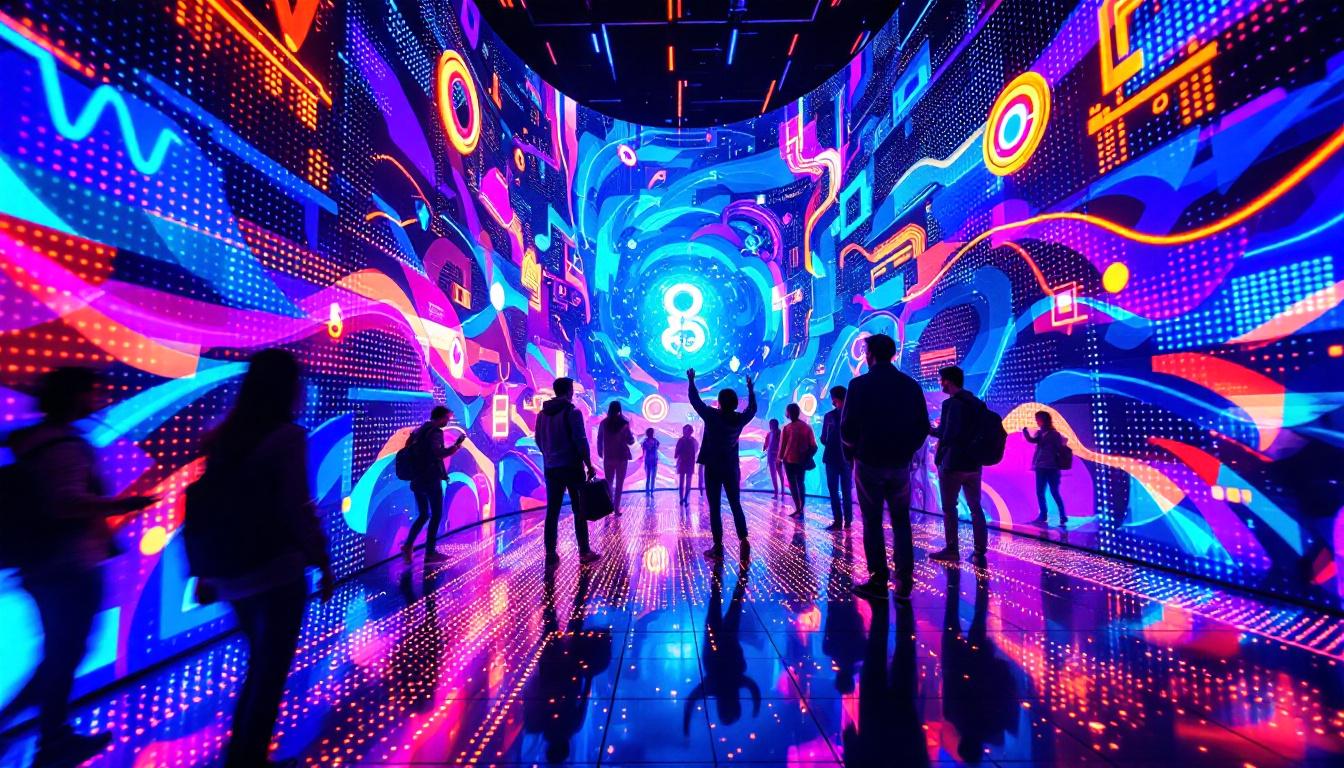
- Flexible and Curved LED Walls: These models use bendable panels that can create unique shapes and immersive environments, popular in exhibitions and creative installations.
Key Features and Specifications of LED Walls
When selecting an LED display wall model, understanding the technical specifications is crucial. These features directly impact the display’s performance, durability, and suitability for specific applications.
Pixel Pitch
Pixel pitch refers to the distance between the centers of two adjacent pixels, measured in millimeters. It is a critical factor determining the resolution and viewing distance of the LED wall. A smaller pixel pitch means higher pixel density, resulting in sharper images at close range. For example, a 1.5mm pixel pitch is ideal for indoor environments where viewers are close to the screen, while a 10mm pixel pitch suits outdoor billboards viewed from a distance.
Brightness and Contrast Ratio
Brightness, measured in nits, defines how luminous the display is. Outdoor LED walls require high brightness levels (5,000 to 10,000 nits) to combat sunlight glare, whereas indoor walls typically operate between 800 to 1,200 nits. Contrast ratio, the difference between the darkest black and brightest white, affects image depth and clarity. LED walls generally offer excellent contrast ratios, enhancing visual impact.
Refresh Rate and Color Accuracy
High refresh rates (above 3,000 Hz) prevent flickering, which is especially important for video recording and live broadcasts. Color accuracy ensures that the displayed content matches the original design, vital for brand consistency and immersive experiences. Advanced LED walls support millions of colors and utilize calibration tools to maintain color fidelity over time.
Durability and Maintenance
LED walls are designed for longevity, with many models rated for over 100,000 hours of operation. Outdoor models feature weatherproof enclosures with IP65 or higher ratings, protecting against dust and water. Modular design allows for easy maintenance, enabling technicians to replace faulty panels without dismantling the entire wall.
Popular Models of LED Display Walls
The market offers a diverse range of LED wall models tailored to different use cases. Below are some of the most popular and innovative models currently shaping the industry.
Fine Pitch LED Walls
Fine pitch LED walls, with pixel pitches under 2mm, deliver ultra-high resolution images suitable for control rooms, broadcast studios, and corporate environments. Their ability to display intricate details makes them ideal for applications requiring close-up viewing and precise visuals.
For instance, the Samsung IF Series offers pixel pitches as low as 0.9mm, providing seamless video walls with minimal bezels. These models support 4K and even 8K content, enabling crystal-clear presentations and immersive digital signage.
High Brightness Outdoor LED Walls
Outdoor LED walls like the Absen N Series are engineered to maintain visibility in direct sunlight. With brightness levels exceeding 6,000 nits and robust IP65 ratings, these walls are commonly used for sports arenas, public events, and roadside advertising.
Their rugged construction ensures resistance to rain, dust, and extreme temperatures, while advanced cooling systems prevent overheating during prolonged operation.
Transparent LED Walls
Transparent LED walls are revolutionizing retail and architectural design by combining digital display with physical transparency. Models such as the Leyard TWS Series feature up to 70% transparency, allowing natural light and visibility through glass facades.
This technology enables dynamic advertising without obstructing storefront views, creating an engaging customer experience while maintaining aesthetic appeal.
Flexible and Curved LED Walls
Flexible LED panels can be bent or curved to form unique shapes, enhancing creativity in event production and experiential marketing. The ROE Visual Black Marble series, for example, offers lightweight, bendable modules that can wrap around columns or create immersive environments.
These models support high resolution and brightness, ensuring that visual quality is not compromised by the unconventional form factors.
Applications of LED Display Walls
LED display walls are versatile tools used across various industries. Their adaptability and visual impact make them indispensable for communication and engagement.
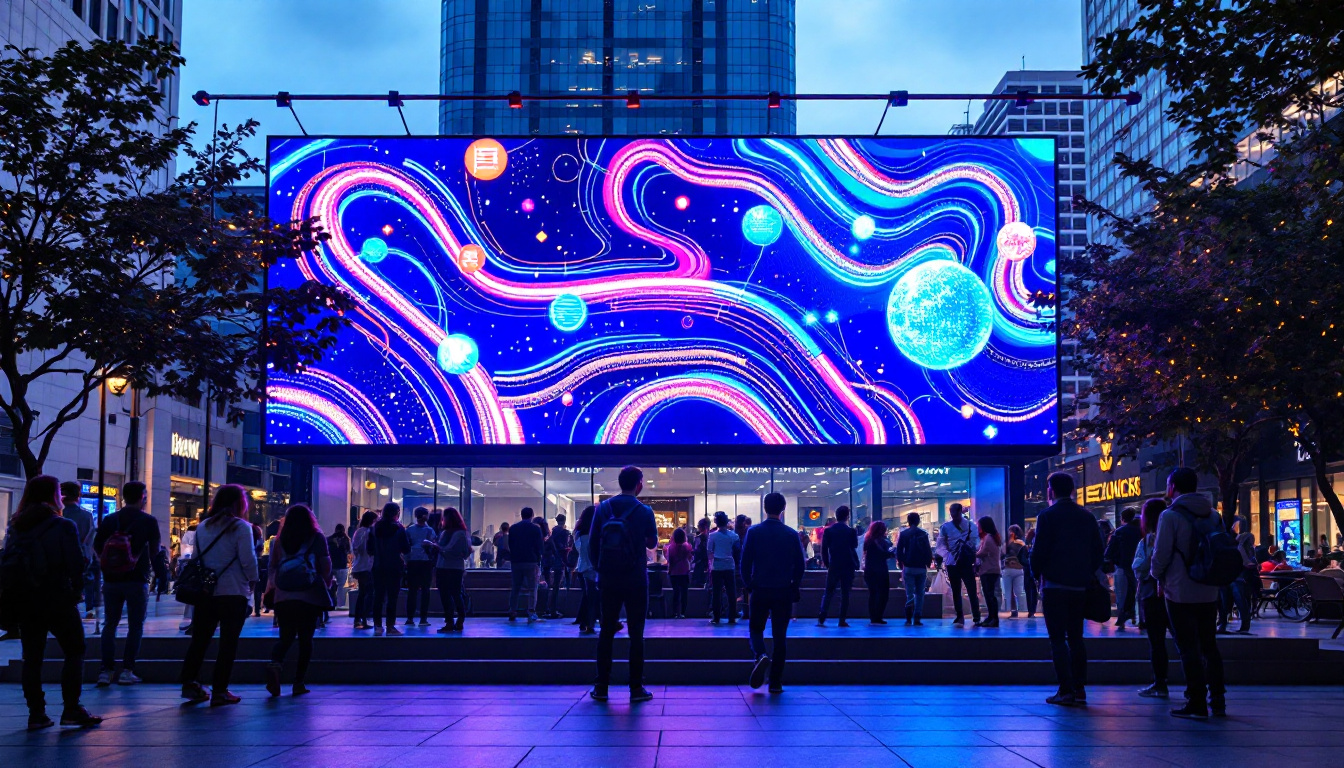
Advertising and Digital Signage
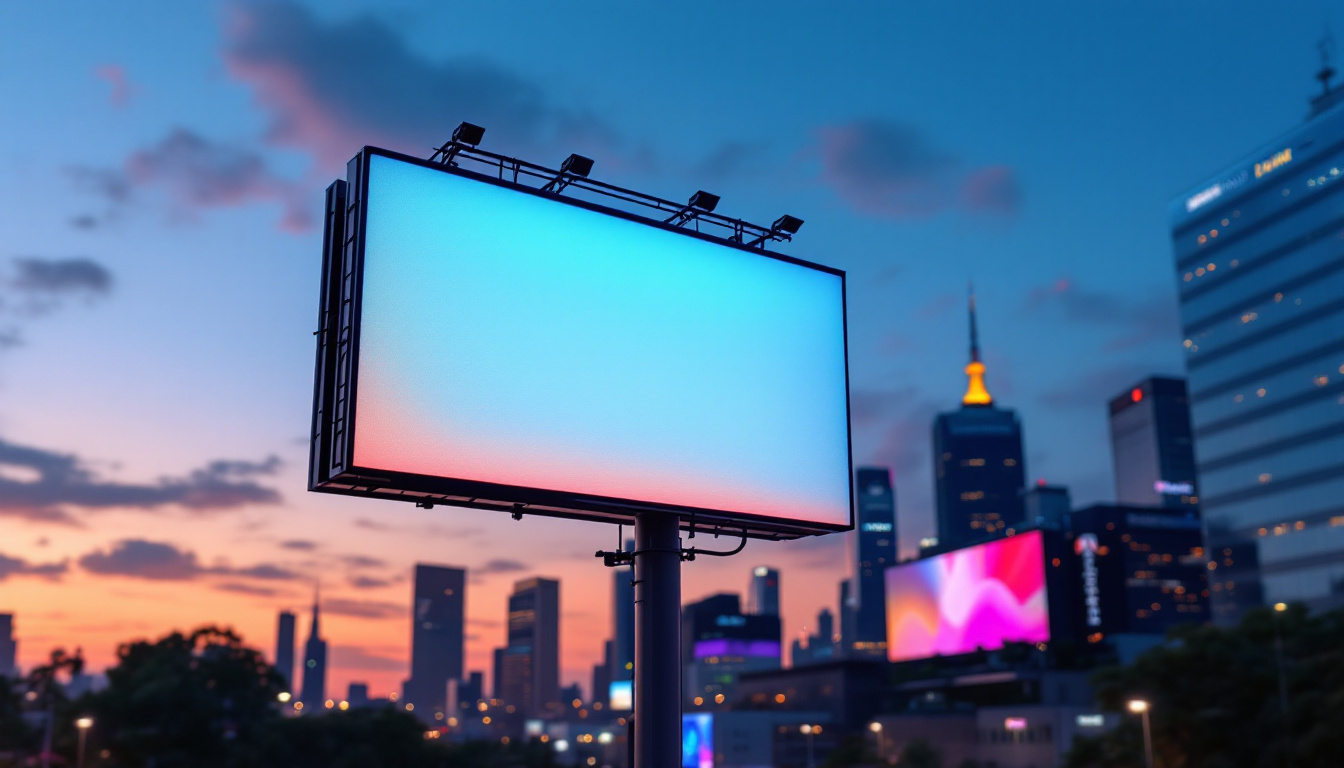
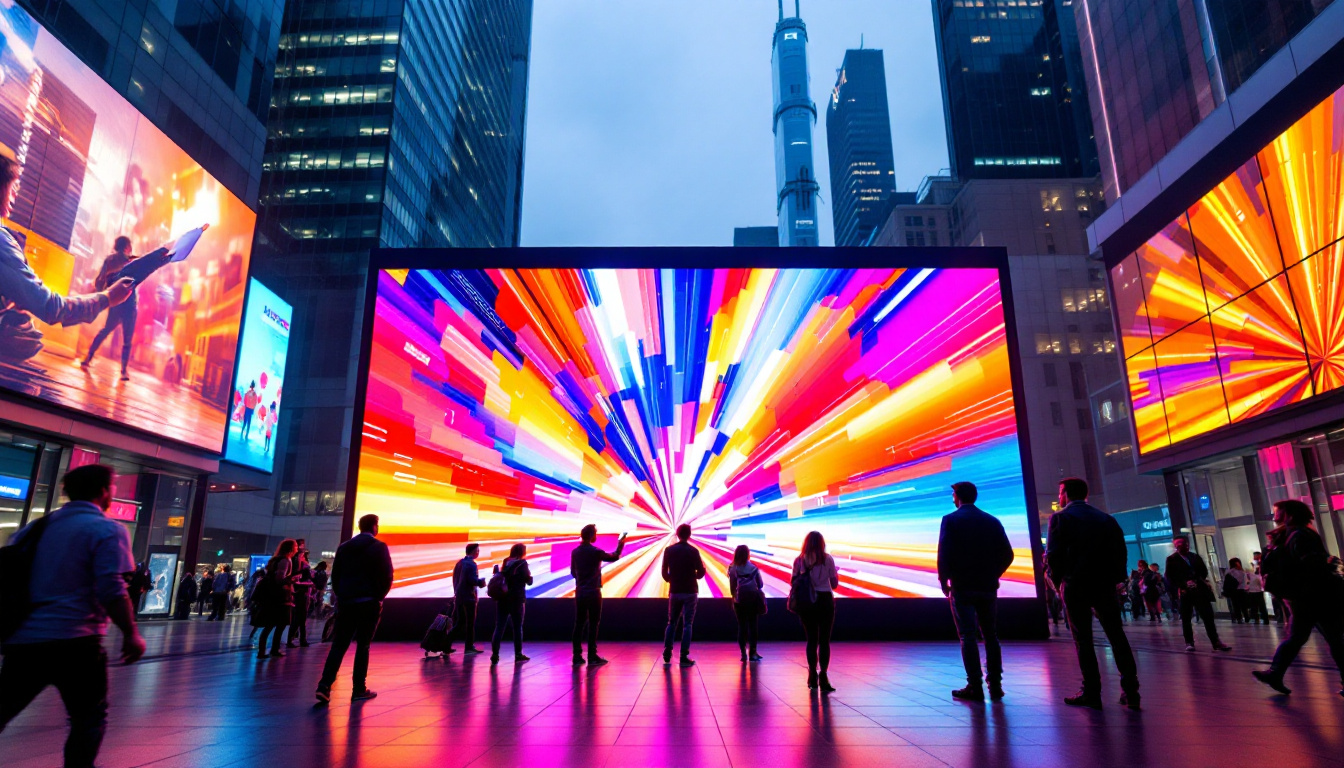
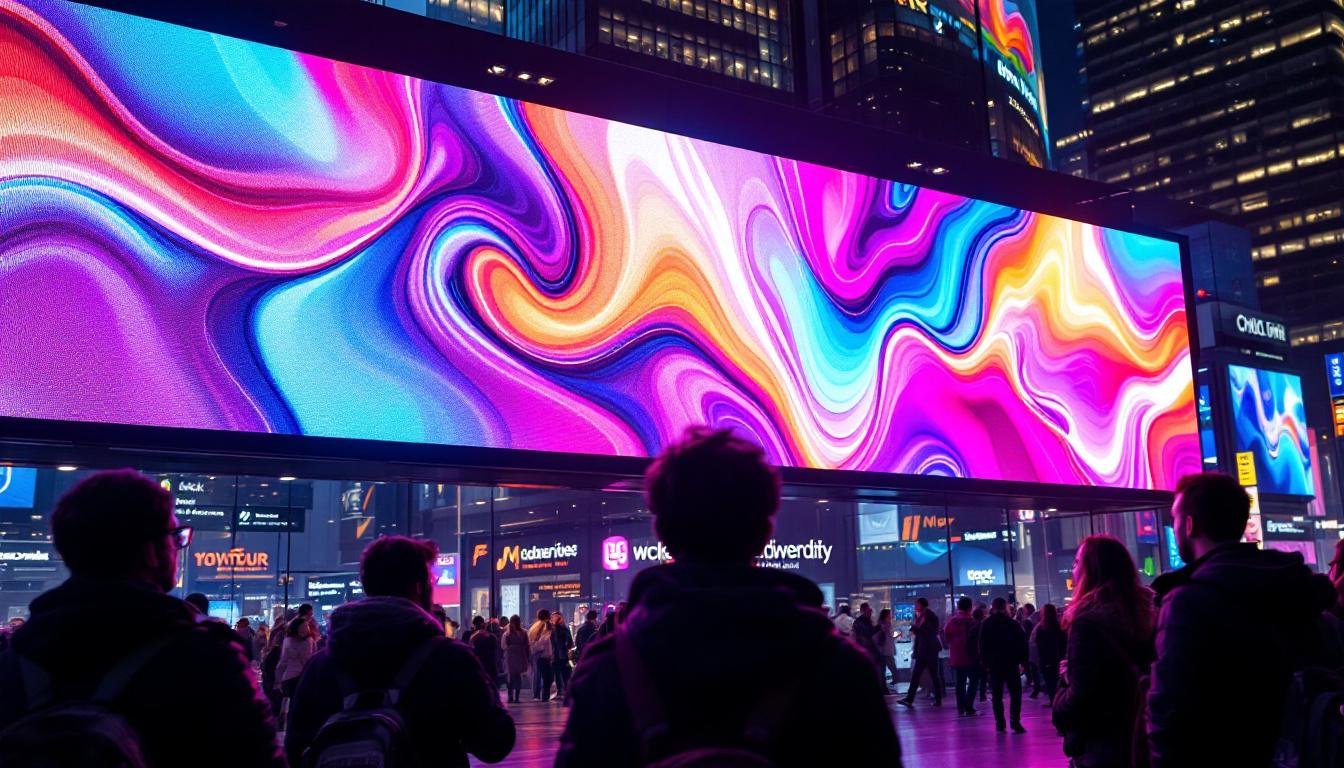
One of the most widespread uses of LED walls is in advertising. Digital billboards and signage capture attention with bright, dynamic content that can be updated in real-time. According to a study by the Outdoor Advertising Association of America, digital billboards can increase brand recall by up to 47% compared to static signs.
LED walls also enable targeted advertising based on time of day or audience demographics, maximizing marketing effectiveness.
Entertainment and Events
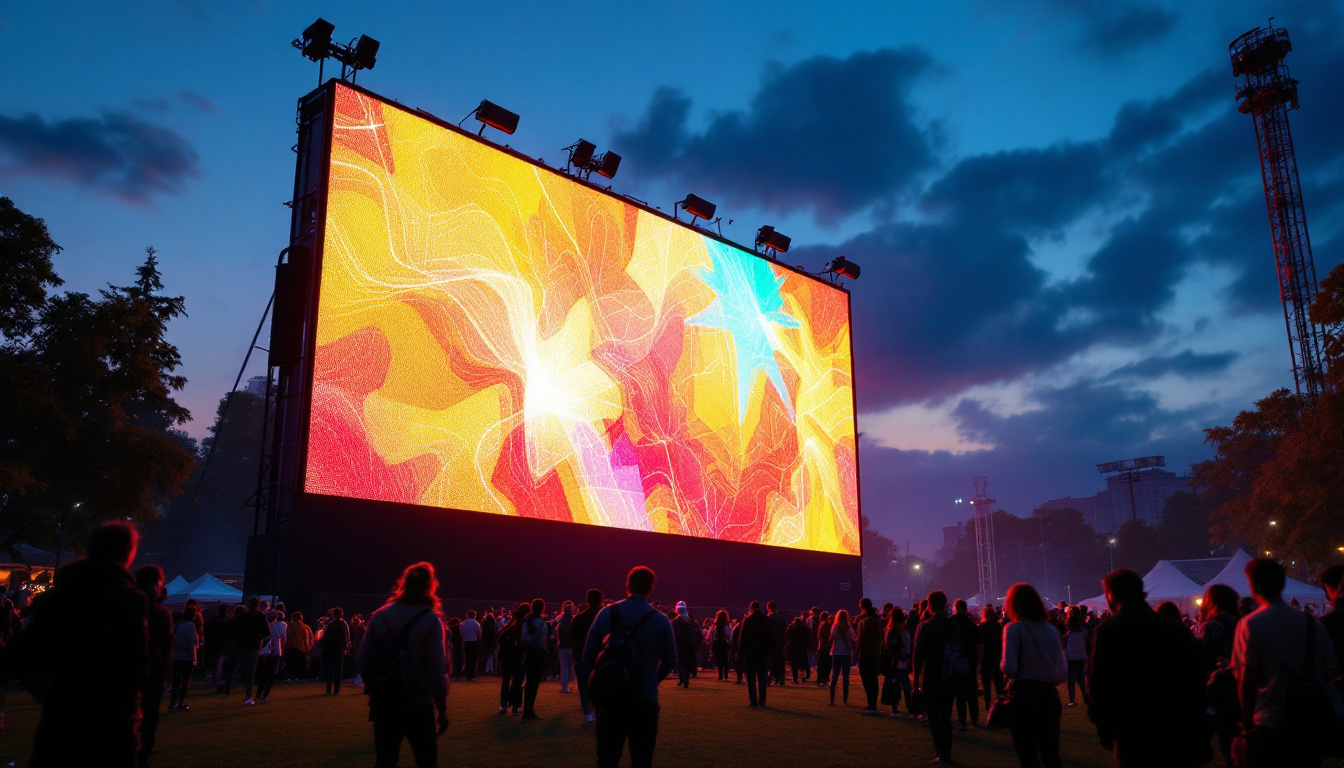
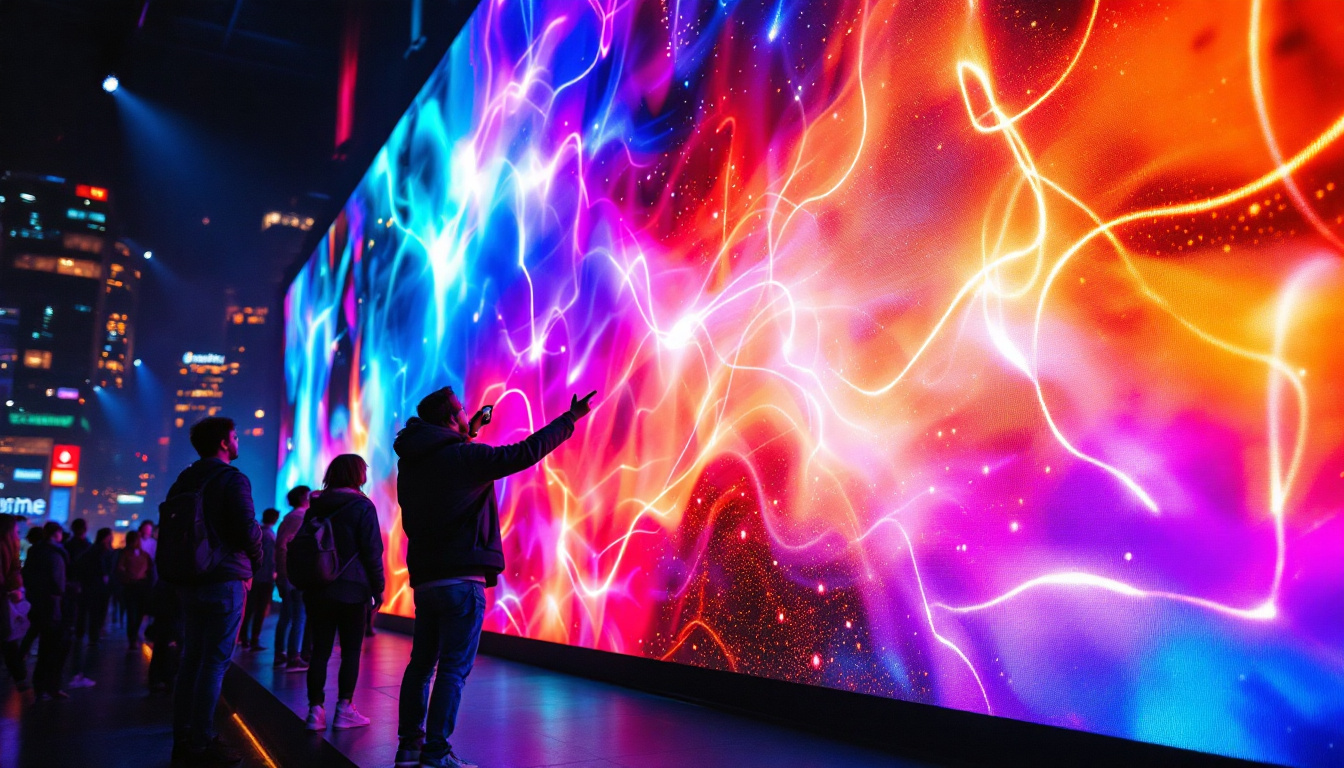
Concerts, festivals, and sporting events rely heavily on LED walls to enhance audience experience. Large-scale video walls display live feeds, graphics, and interactive content, creating immersive environments. The 2022 FIFA World Cup, for example, utilized massive LED walls in stadiums and fan zones to deliver high-definition visuals to tens of thousands of spectators.
Corporate and Control Rooms
In corporate settings, LED walls are used for presentations, video conferencing, and data visualization. Control rooms in industries such as transportation, utilities, and emergency services depend on LED video walls for real-time monitoring and decision-making.
The clarity and scalability of LED walls facilitate collaboration and situational awareness, improving operational efficiency.
Retail and Hospitality
Retailers use LED walls to create engaging storefront displays and in-store experiences. Interactive LED walls can respond to customer movements or touch, enhancing brand interaction. Hotels and casinos employ LED walls in lobbies and entertainment areas to convey luxury and innovation.
Choosing the Right LED Display Wall Model
Selecting the appropriate LED display wall involves evaluating several factors aligned with the intended application and environment.
Assessing Viewing Distance and Resolution Needs
The pixel pitch should correspond to the typical viewing distance. For close-up viewing, such as in retail or corporate environments, fine pitch LED walls are essential. For outdoor or large venue applications, a wider pixel pitch suffices as viewers are farther away.
Environmental Considerations
Outdoor installations require durable, weather-resistant models with high brightness. Indoor environments allow for more delicate panels with higher resolution but lower brightness requirements. Additionally, ambient lighting conditions and mounting options influence the choice of model.
Budget and Maintenance
LED walls represent a significant investment. While fine pitch and high brightness models cost more upfront, their impact and longevity often justify the expense. Modular designs and reputable manufacturers reduce maintenance costs and downtime.
Content Management and Integration
Compatibility with content management systems (CMS) and ease of integration with existing AV infrastructure are important. Many LED walls come with proprietary software or support third-party CMS platforms, enabling seamless content scheduling and control.
Future Trends in LED Display Walls
The LED display wall industry continues to innovate, driven by demand for higher resolution, energy efficiency, and creative flexibility.
MicroLED and MiniLED Technologies
Emerging MicroLED and MiniLED technologies promise even finer pixel pitches and improved energy efficiency. MicroLED displays, with pixels as small as a few micrometers, offer exceptional brightness and color accuracy, potentially rivaling OLED displays in performance.
AI and Interactive Capabilities
Integration of artificial intelligence and sensors is enabling LED walls to become interactive and context-aware. This allows for personalized content delivery and enhanced user engagement in retail and public spaces.
Sustainability and Energy Efficiency
Manufacturers are focusing on reducing power consumption and utilizing recyclable materials. Energy-efficient LED walls not only lower operational costs but also align with corporate sustainability goals.
Conclusion
LED display walls have become a transformative technology in visual communication, offering unmatched brightness, flexibility, and impact. Understanding the different models—from fine pitch indoor walls to rugged outdoor displays and innovative transparent and flexible designs—empowers businesses and organizations to select the right solution for their needs.
As technology advances, LED walls will continue to redefine how audiences experience digital content, making them an indispensable asset in advertising, entertainment, corporate environments, and beyond.
Discover LumenMatrix LED Display Solutions
Ready to elevate your visual communication with the latest in LED display technology? LumenMatrix is at the forefront of innovation, offering a diverse range of LED display solutions tailored to your specific needs. Whether you’re looking to captivate with Indoor LED Wall Displays, make a statement with Outdoor LED Walls, or create dynamic visual experiences with our Custom and Transparent LED Displays, we have the technology to bring your vision to life. Experience the difference in engagement and clarity with LumenMatrix. Check out LumenMatrix LED Display Solutions and transform your space into a visual masterpiece.