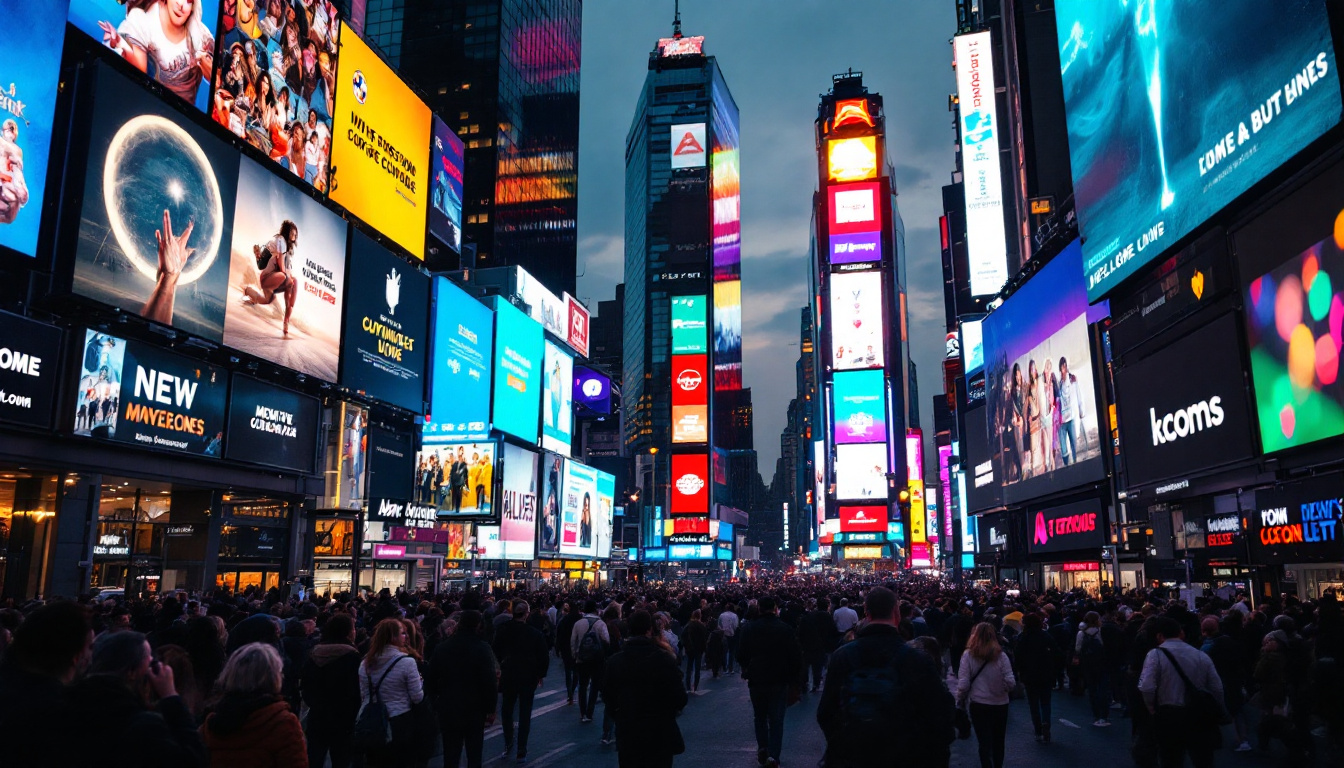
In the rapidly evolving world of digital signage and visual communication, LED displays have emerged as a dominant technology. Among the various forms of LED displays, the spherical LED display—often called “Sphère Led”—stands out for its unique shape and immersive viewing experience. This article explores the technology behind spherical LED displays, their applications, advantages, and future potential.
Understanding LED Display Technology
What is an LED Display?
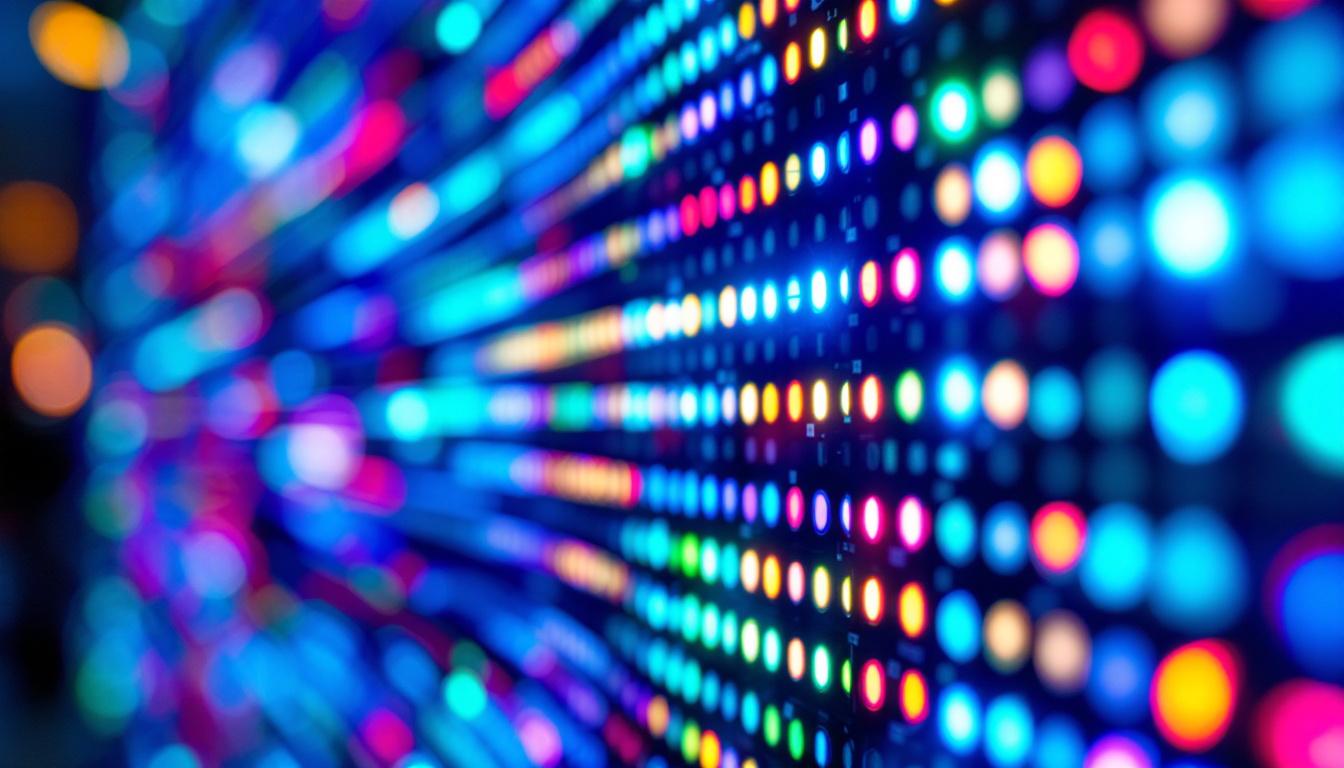
LED stands for Light Emitting Diode, a semiconductor device that emits light when an electric current passes through it. LED displays consist of numerous tiny LEDs arranged in a matrix to form images, videos, or text. Unlike traditional LCD or projection displays, LED displays produce their own light, resulting in brighter, more vivid images with higher contrast. This self-illuminating characteristic allows for exceptional visibility even in bright ambient light conditions, making LED displays a popular choice for outdoor advertising and public information displays.
The modular nature of LED panels allows for flexible configurations, ranging from flat screens to curved and even spherical shapes. This adaptability makes LED technology ideal for a wide range of applications, from outdoor billboards to indoor event screens. Additionally, the longevity and energy efficiency of LED technology contribute to lower operational costs over time. With advancements in technology, LED displays are now capable of achieving resolutions that rival traditional display technologies, making them suitable for everything from large-scale concerts to intimate art installations.
How Do Spherical LED Displays Work?
Spherical LED displays are essentially LED panels curved and assembled into a globe-like structure. Each LED module is precisely positioned to maintain a consistent pixel pitch—the distance between the centers of adjacent LEDs—across the curved surface. This ensures image clarity and uniform brightness regardless of the viewing angle. The spherical design not only enhances the immersive experience for viewers but also allows for innovative content delivery that can engage audiences in ways flat screens cannot.
Advanced calibration techniques are used to correct for geometric distortion, color uniformity, and brightness consistency. The result is a seamless, high-resolution spherical display that can showcase dynamic content such as videos, animations, and interactive visuals in 360 degrees. These displays often incorporate sophisticated software that allows for real-time content updates, enabling businesses and event organizers to tailor their messaging on the fly. Furthermore, the integration of sensors and interactive technology can transform a passive viewing experience into an engaging one, encouraging audience participation and interaction with the displayed content.
Applications of Spherical LED Displays
Advertising and Marketing
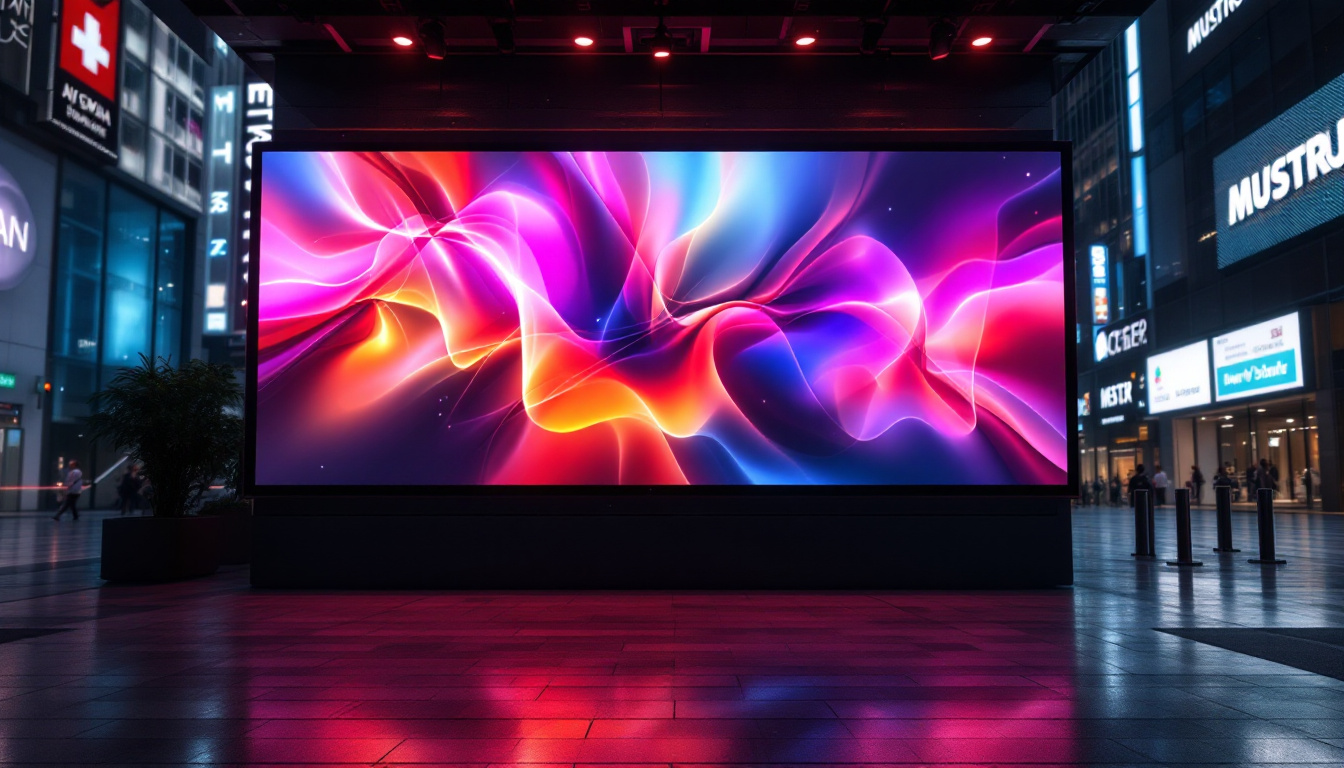
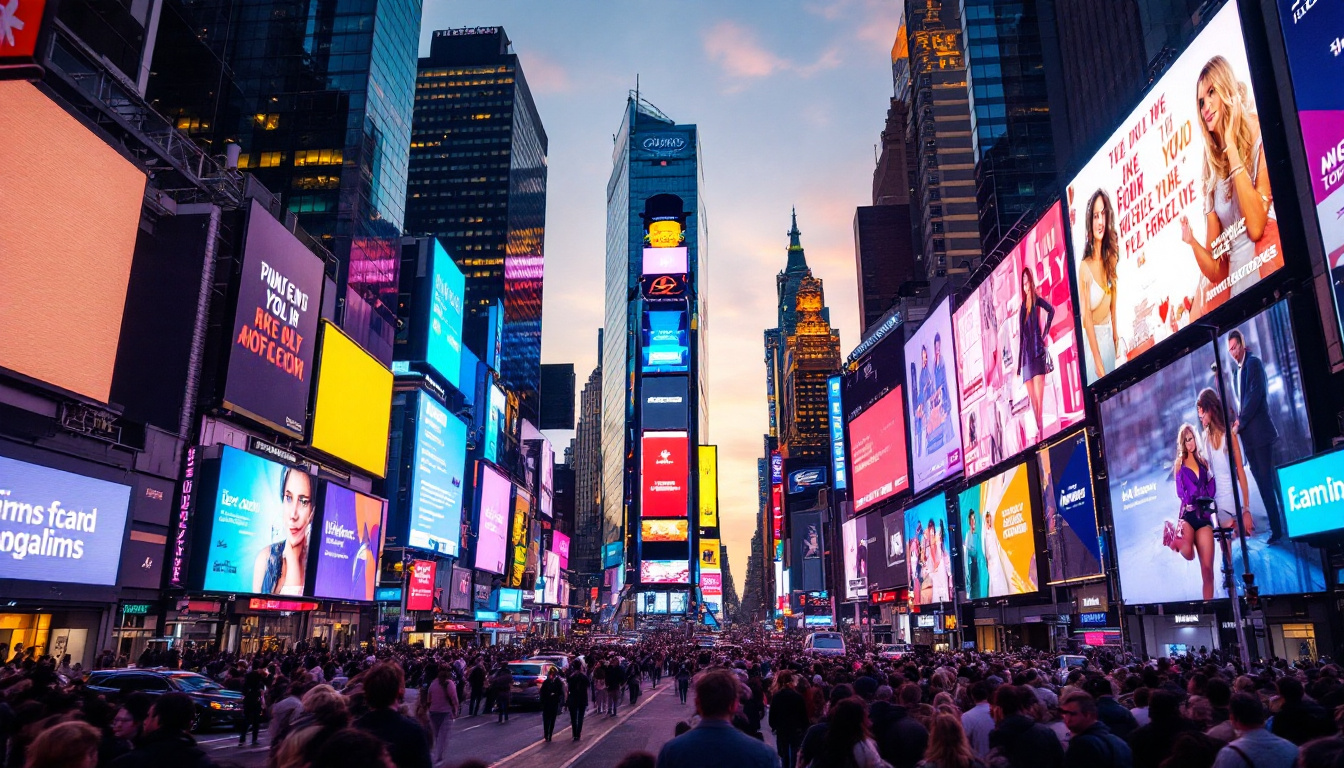
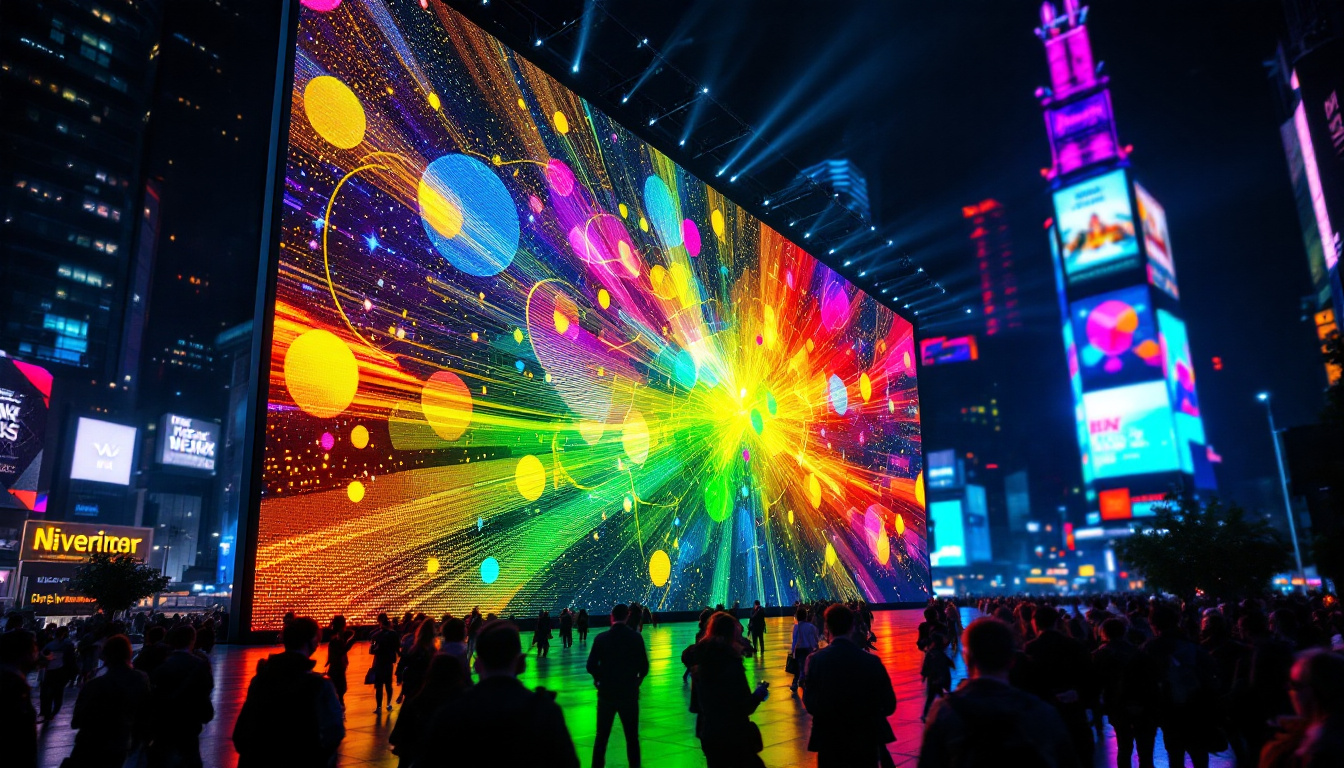
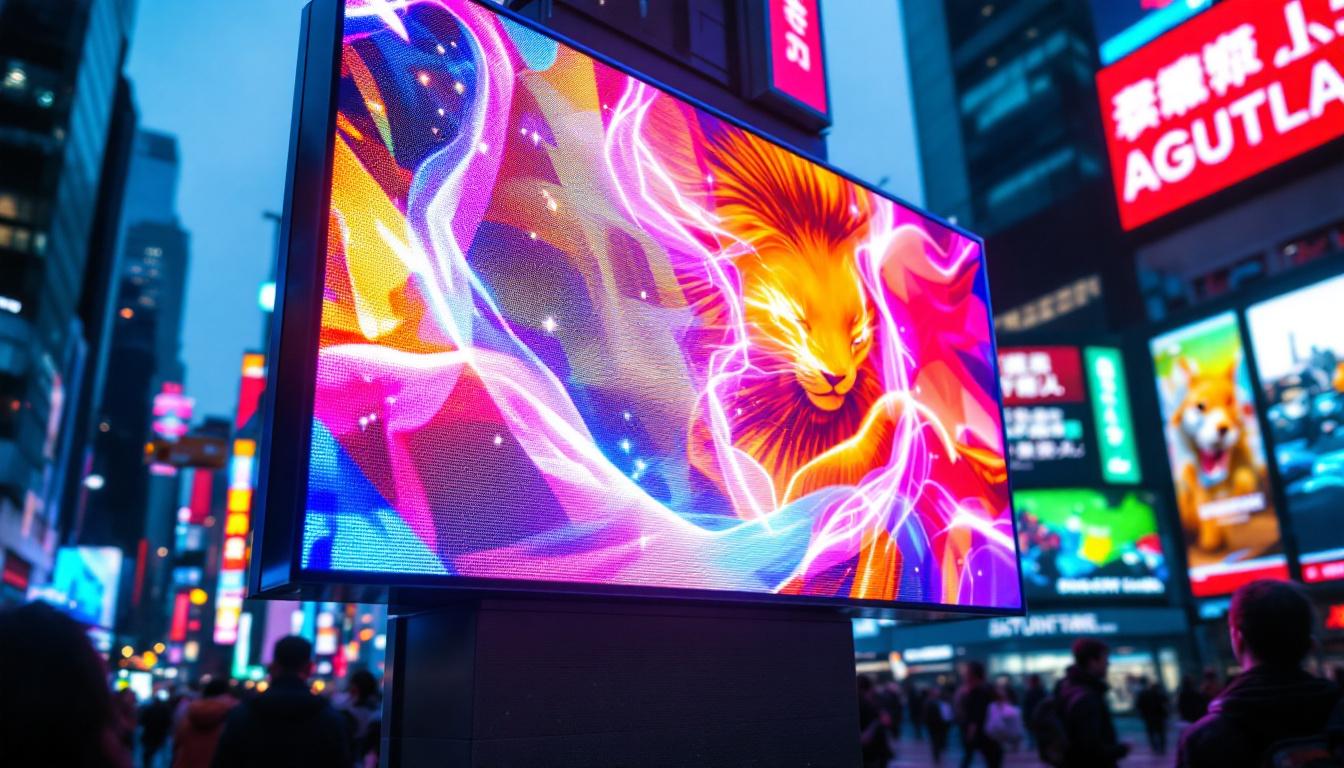
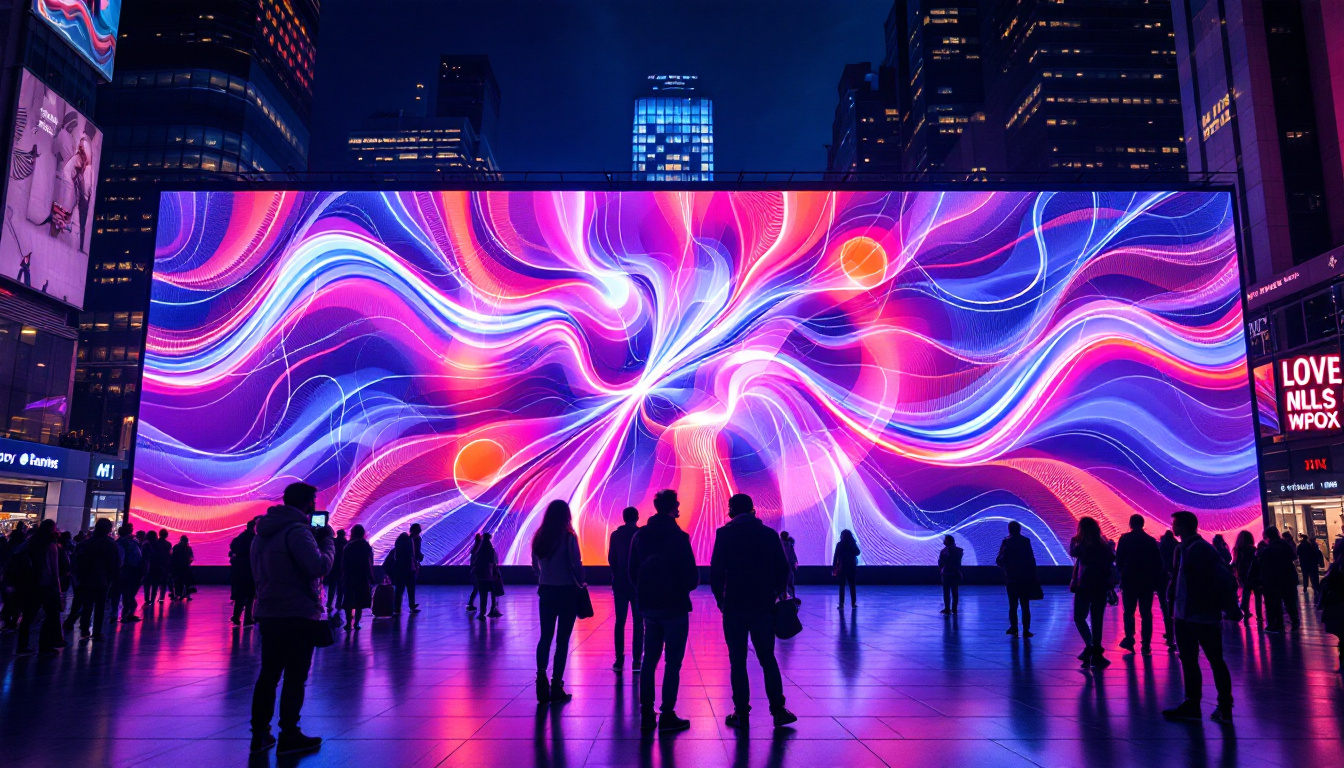
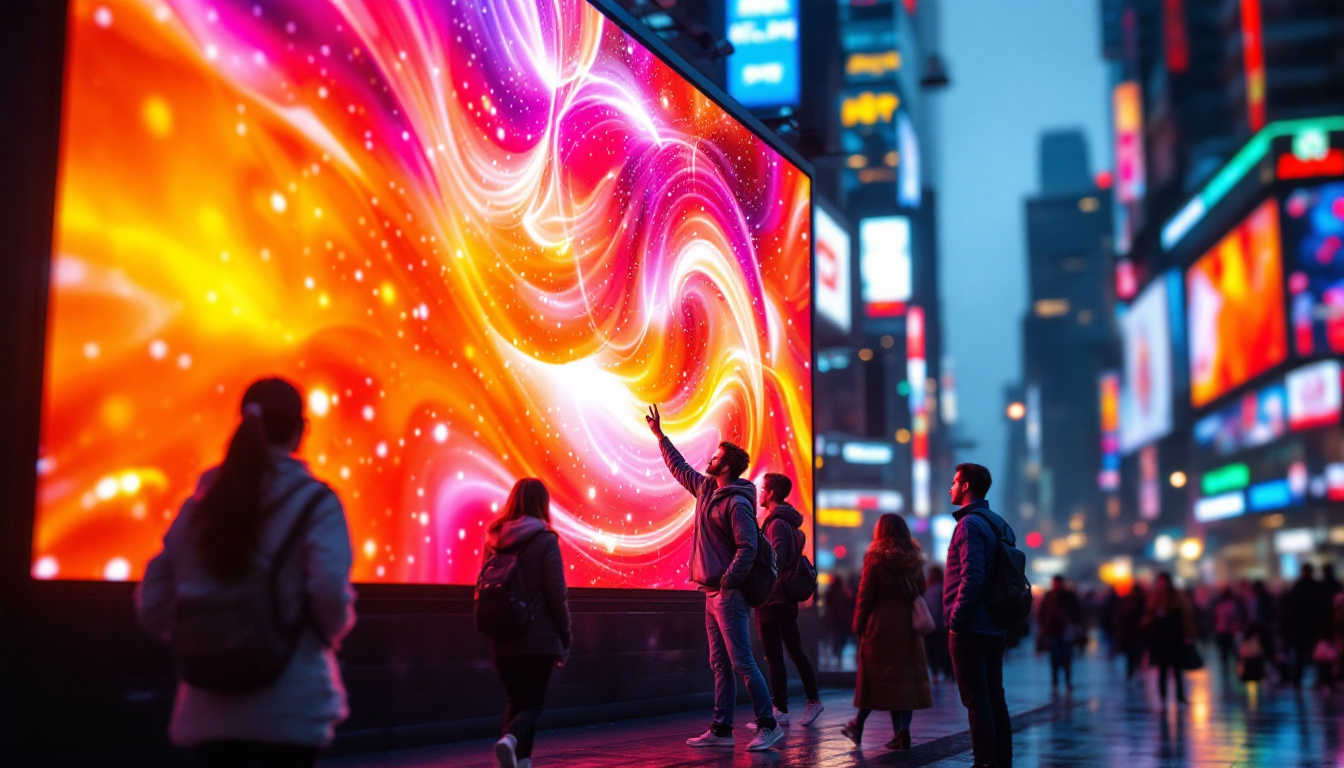
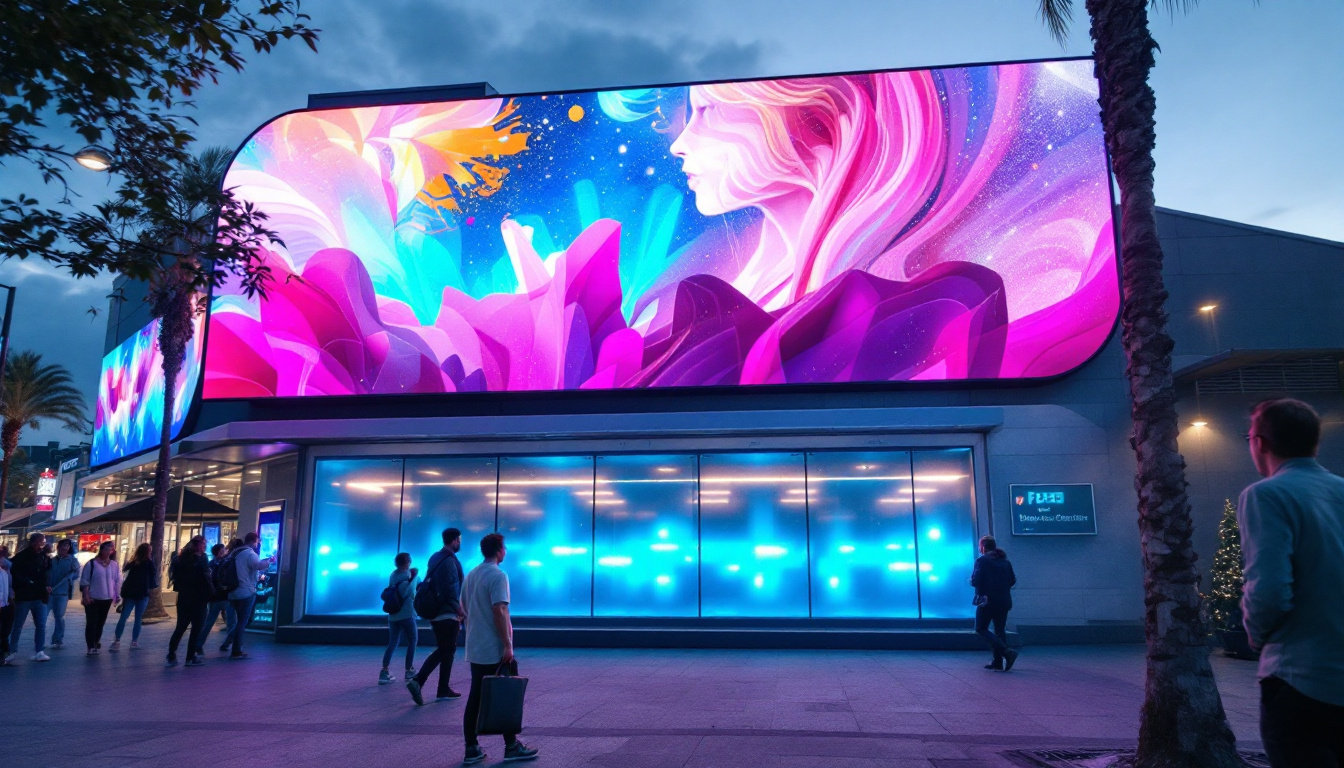
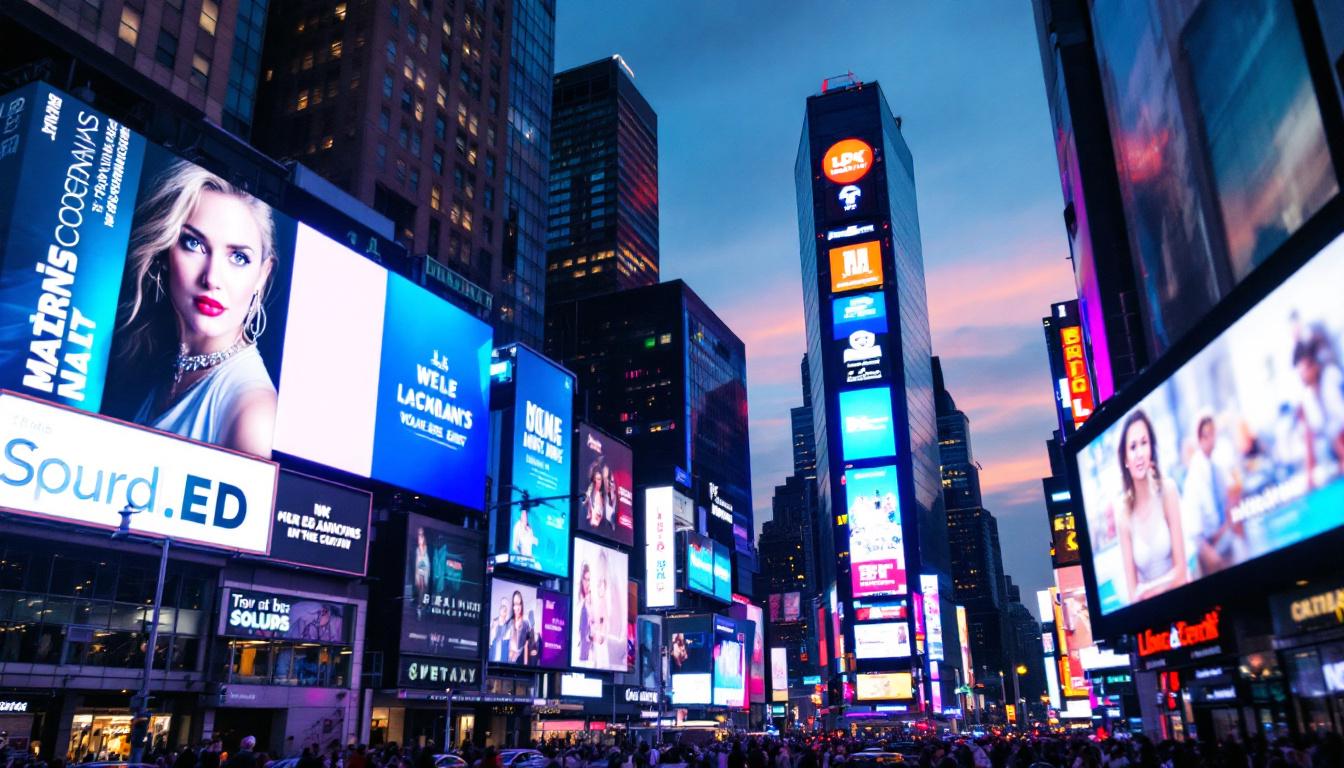
Spherical LED displays have become a popular tool for brands seeking to capture attention in crowded urban environments. Their unique shape naturally draws the eye, making them ideal for outdoor advertising in places like shopping malls, airports, and city squares.
For example, in cities like Tokyo and New York, spherical LED installations have been used to create immersive brand experiences. These displays can showcase 3D animations and dynamic content that wrap around the sphere, offering a memorable visual impact that flat screens cannot match. Additionally, brands can leverage augmented reality features, allowing passersby to interact with the content through their smartphones, further enhancing engagement and creating shareable moments on social media platforms.
Events and Entertainment
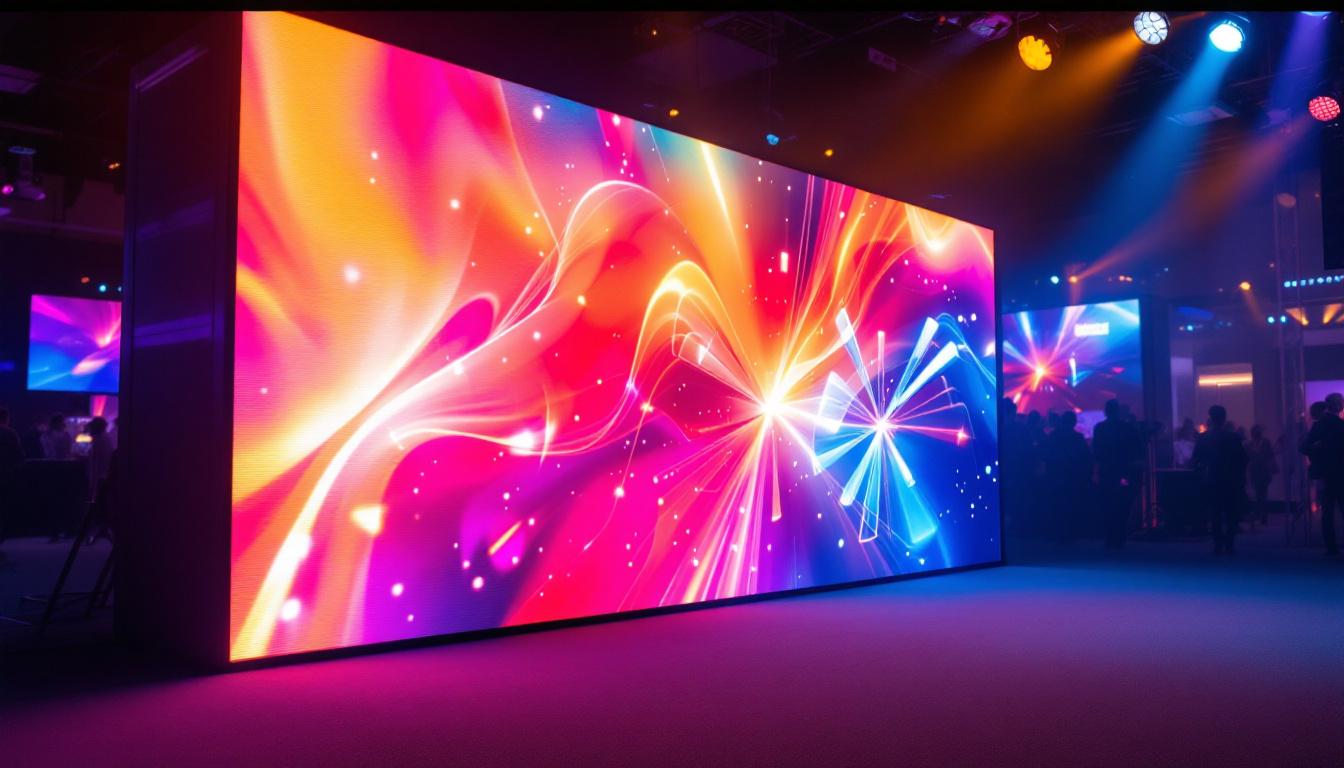
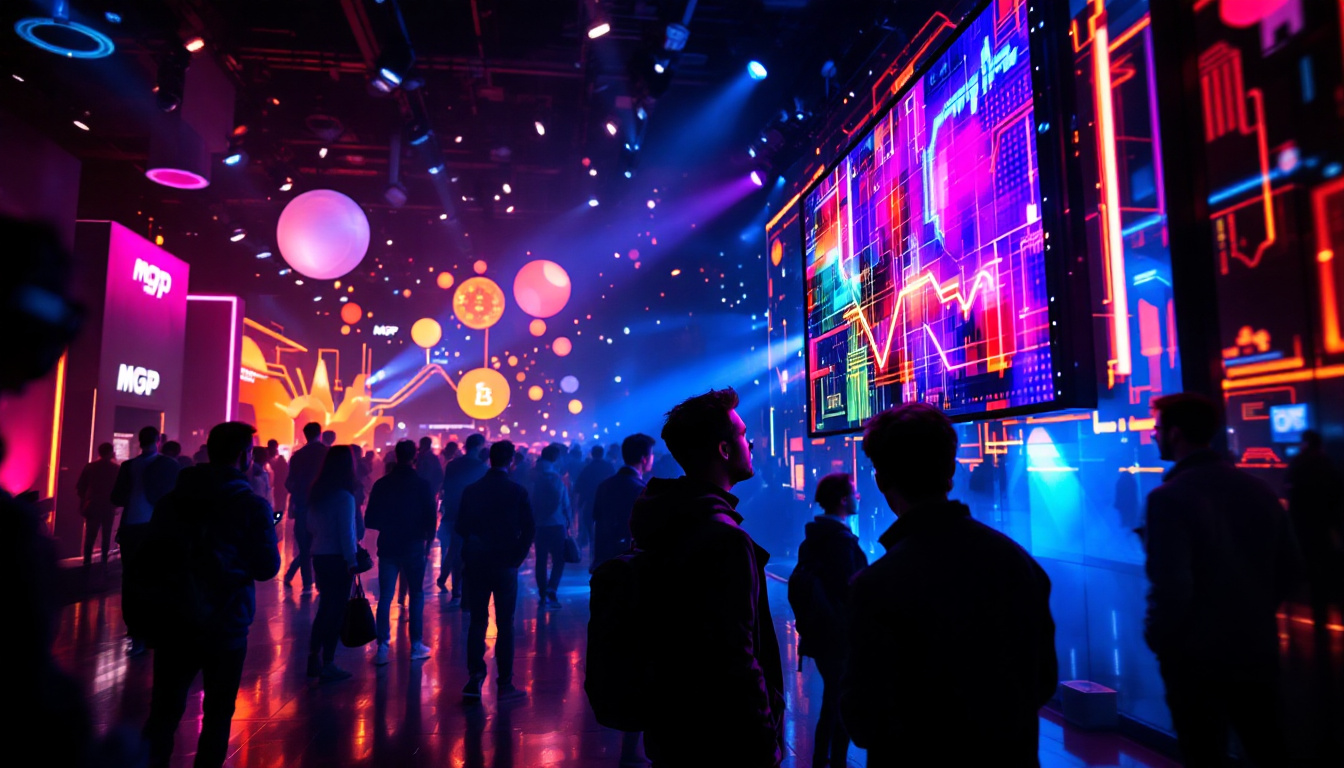
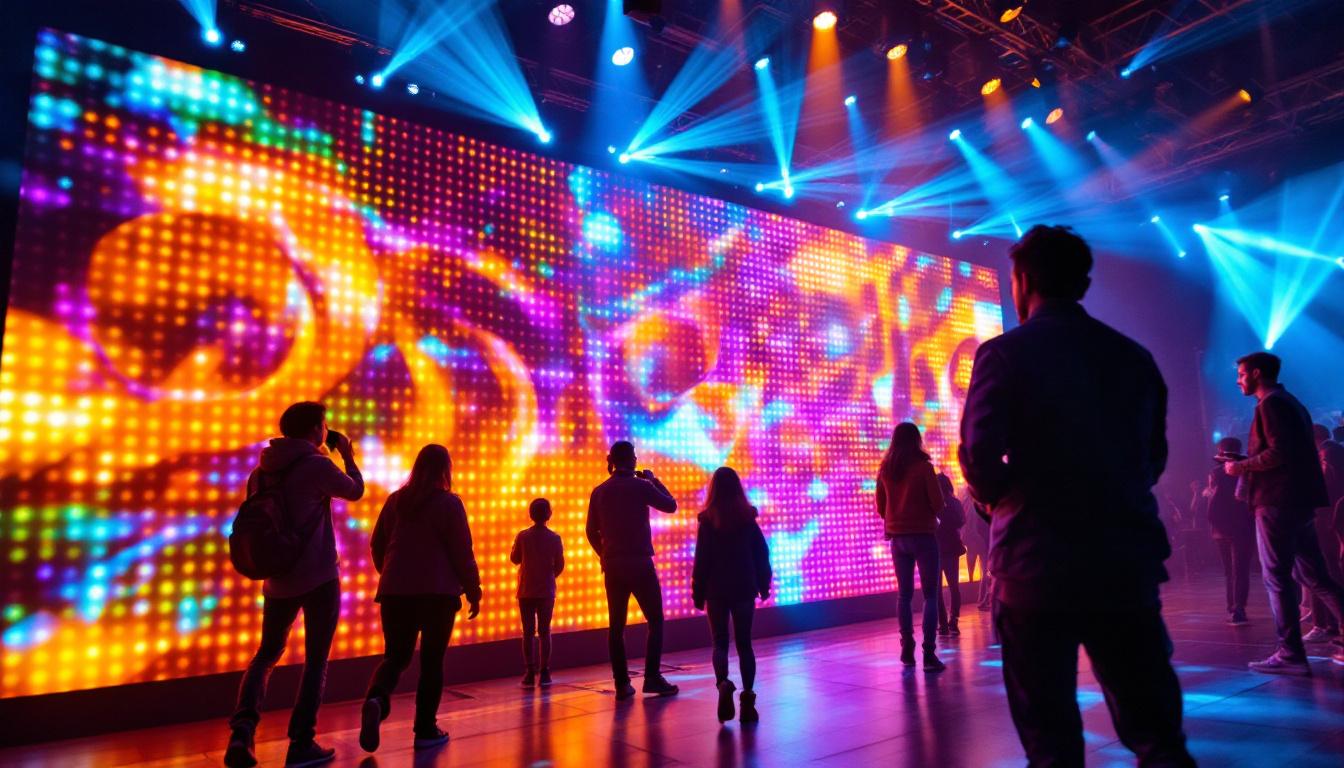
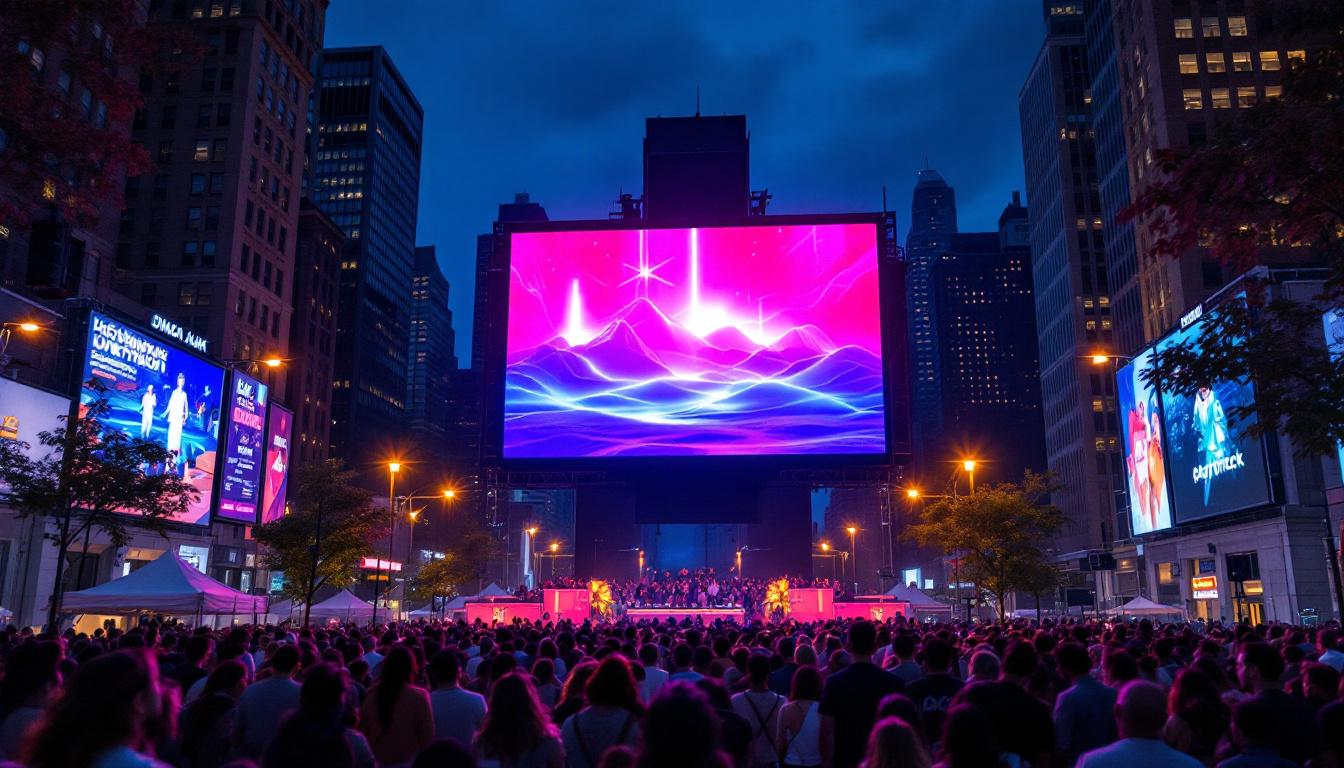
Concerts, exhibitions, and festivals increasingly incorporate spherical LED displays to enhance audience engagement. The 360-degree format allows for creative storytelling and immersive visuals that surround attendees, creating an unforgettable atmosphere.
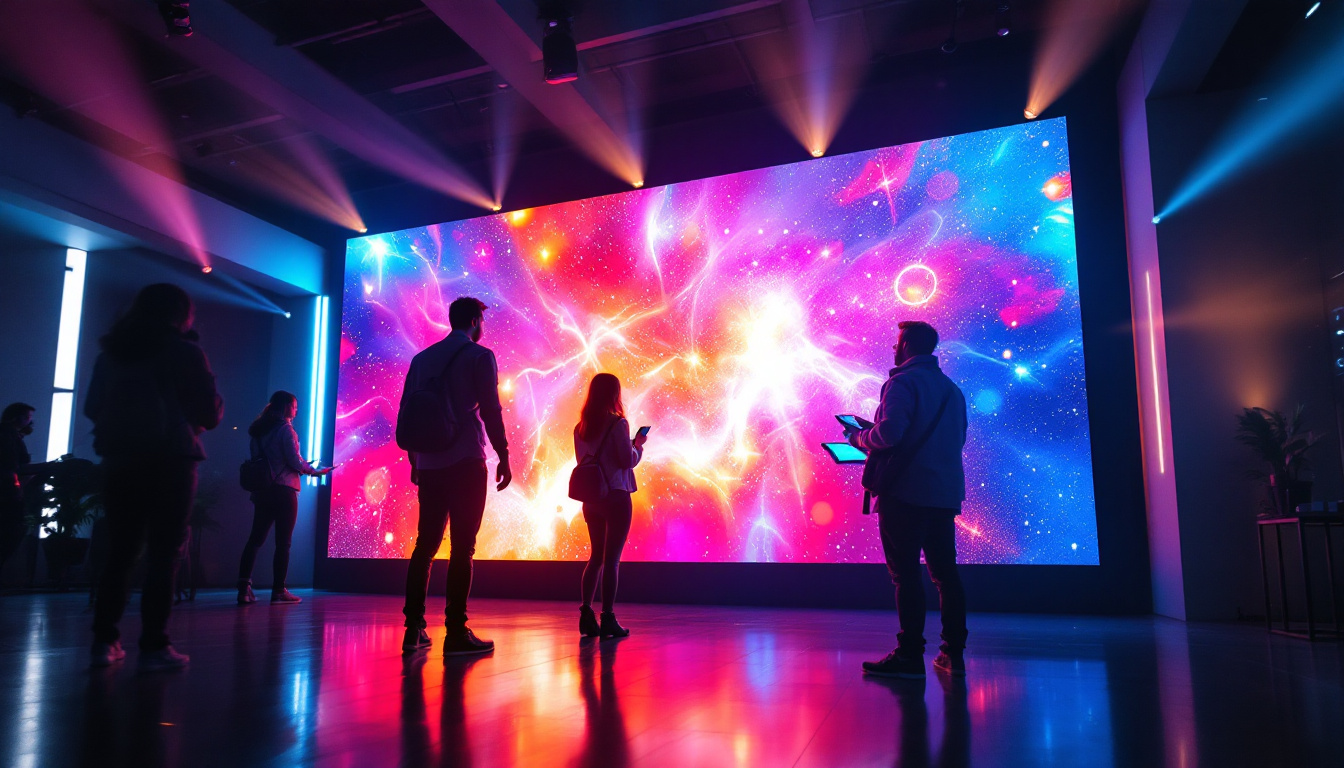
Notably, spherical LED displays have been used in live performances to project interactive visuals that respond to music or audience movement, adding a new dimension to stage design. Museums and science centers also use these displays to present globe-like visualizations of Earth, space, and other scientific data. Furthermore, these installations can serve as a canvas for artists, allowing them to create stunning visual art that transforms the space and captivates viewers, making each event a unique experience that resonates long after it concludes.
Corporate and Educational Use
Corporate lobbies and conference centers utilize spherical LED displays to showcase company branding, real-time data, or global information in an eye-catching manner. The spherical form factor symbolizes connectivity and innovation, reinforcing corporate identity.
In education, spherical LED displays serve as interactive teaching tools. For example, geography and astronomy lessons benefit from 3D globe visualizations that students can explore from multiple angles, enhancing understanding and retention. These displays can also facilitate collaborative learning experiences, where students can interact with the content in real-time, fostering a more engaging and participatory classroom environment. By incorporating gamified elements, educators can motivate students to explore complex subjects in a fun and interactive way, making learning more dynamic and enjoyable.
Advantages of Spherical LED Displays
Immersive Visual Experience
The primary advantage of spherical LED displays is their ability to provide a fully immersive viewing experience. Unlike flat screens, the 360-degree nature of the sphere allows viewers to engage with content from any angle, making the display accessible to larger audiences simultaneously.
This immersive quality is particularly valuable in public spaces where people move around rather than remain stationary. The spherical display’s ability to present content that wraps around the viewer creates a sense of presence and depth that traditional displays cannot replicate. For instance, in museums or art galleries, spherical displays can enhance exhibitions by projecting interactive art pieces that invite viewers to explore them from multiple perspectives, fostering a deeper connection with the artwork.
Moreover, the use of spherical LED displays in events such as concerts or sporting events can transform the atmosphere, drawing attendees into the experience. The dynamic visuals can sync with audio elements, creating a multi-sensory environment that captivates audiences and enhances their overall enjoyment.
High Brightness and Visibility
LED technology is renowned for its brightness and clarity, which is crucial for outdoor and brightly lit indoor environments. Spherical LED displays maintain these qualities while offering a distinctive form factor that stands out visually.
Many spherical LED installations feature brightness levels exceeding 5,000 nits, ensuring visibility even in direct sunlight. This makes them suitable for outdoor advertising and public information displays where visibility is paramount. The high contrast ratios and vibrant color reproduction of these displays further enhance their effectiveness in grabbing attention, making them ideal for advertising campaigns that aim to reach a diverse audience.
Additionally, the adaptability of spherical LED displays allows for the integration of real-time data feeds, such as weather updates or social media interactions, which can be displayed prominently. This not only keeps the content fresh and engaging but also encourages passersby to interact with the display, creating a more dynamic and engaging experience.
Durability and Energy Efficiency
LED displays are more durable and energy-efficient than many other display technologies. The solid-state nature of LEDs means they are less prone to damage from vibration or impact, which is important for spherical displays exposed to public environments.
Additionally, LEDs consume less power than traditional lighting and display technologies, reducing operational costs and environmental impact. Advances in LED driver technology and heat dissipation further enhance the lifespan and efficiency of spherical LED displays. This durability is particularly beneficial in settings such as theme parks or outdoor festivals, where displays are subjected to various weather conditions and high foot traffic.
Furthermore, the longevity of LED technology means that maintenance costs are significantly lower compared to other display types. With fewer replacements needed and less frequent servicing, businesses can allocate resources more effectively, ensuring that their displays remain a focal point without incurring excessive downtime or expenses. This makes spherical LED displays not only a visually striking choice but also a financially savvy investment for organizations looking to make a lasting impression.
Technical Considerations and Challenges
Pixel Pitch and Resolution
Pixel pitch is a critical factor in determining the resolution and image quality of any LED display. For spherical displays, maintaining a consistent pixel pitch across the curved surface is technically challenging but essential for clear, distortion-free images.
Smaller pixel pitches (e.g., 2mm to 4mm) provide higher resolution, suitable for close viewing distances, but increase cost and complexity. Larger pixel pitches are more economical but better suited for larger viewing distances. Designers must balance these factors based on the intended application.
Content Creation and Mapping
Creating content for spherical LED displays requires specialized software and expertise. Content must be designed or adapted to fit the spherical geometry, accounting for distortion and viewing angles. This process, known as content mapping or projection mapping, ensures that visuals appear natural and engaging on the curved surface.
Interactive content and real-time data integration add complexity but also enhance the display’s impact. Many spherical LED installations incorporate sensors or cameras to enable audience interaction and dynamic content adjustment.
Installation and Maintenance
Installing spherical LED displays involves precise mechanical engineering to assemble and align the LED modules accurately. The structure must support the weight of the display while allowing access for maintenance and repairs.
Maintenance considerations include module replacement, cleaning, and calibration. Given the public-facing nature of many spherical LED displays, ensuring reliability and minimizing downtime is crucial.
The Future of Spherical LED Displays
Technological Advancements
Ongoing advancements in LED technology promise even higher resolution, improved color accuracy, and greater energy efficiency for spherical LED displays. Innovations such as micro-LED and mini-LED technologies are expected to enhance brightness and pixel density while reducing power consumption.
Flexible and transparent LED panels are also emerging, potentially enabling more complex shapes and integration with architectural elements. This could lead to spherical displays that blend seamlessly into their environments or serve multiple functions.
Expanding Applications
As costs decrease and technology matures, spherical LED displays are likely to see broader adoption across industries. Smart cities may use spherical displays for dynamic public information hubs, while retail environments could leverage them for interactive product showcases.
Virtual and augmented reality integration may further expand the role of spherical LED displays in immersive experiences, bridging the gap between physical and digital worlds.
Conclusion
Spherical LED displays represent a fascinating intersection of cutting-edge technology and creative design. Their ability to deliver immersive, high-impact visuals in a unique 360-degree format opens new possibilities for advertising, entertainment, education, and corporate communication.
While technical challenges remain, ongoing innovations continue to enhance the performance and versatility of spherical LED displays. As this technology evolves, it will undoubtedly play an increasingly prominent role in shaping the future of digital visual experiences.
Discover the Future of Visual Engagement with LumenMatrix
Ready to elevate your visual communication to new heights? LumenMatrix is at the forefront of LED display innovation, offering a diverse range of solutions that bring your brand to life. From mesmerizing Indoor and Outdoor LED Wall Displays to dynamic Vehicle and Sports LED Displays, our technology is designed to captivate and engage. Experience the transformative power of our Custom LED Displays and explore the possibilities of our All-in-One and Transparent LED solutions. Check out LumenMatrix LED Display Solutions today and join the revolution in digital signage, where clarity and impact go hand in hand.