Understanding the conversion between millimeters and inches is essential in many fields, especially in technology and design. When it comes to LED displays, precise measurements are crucial for ensuring optimal performance, compatibility, and aesthetics. This article explores the conversion of 20 millimeters to inches and delves into how this measurement relates to LED display technology.
Understanding Metric to Imperial Conversions
The metric system and the imperial system are two of the most widely used measurement systems worldwide. The metric system uses millimeters (mm), centimeters (cm), and meters (m), while the imperial system uses inches, feet, and yards. For professionals working with LED displays—whether in manufacturing, installation, or design—knowing how to convert between these units is fundamental.
What Is 20 Millimeters in Inches?
To convert millimeters to inches, the standard conversion factor is that 1 inch equals 25.4 millimeters. Using this, the conversion of 20 millimeters to inches is calculated as follows:
20 mm ÷ 25.4 mm/inch ≈ 0.787 inches
Therefore, 20 millimeters is approximately 0.787 inches, or just under 0.8 inches. This conversion is precise and widely accepted in both engineering and design contexts.
Why Is This Conversion Important?
In LED display technology, components are often specified in millimeters due to the precision required in manufacturing. However, many users, especially in countries like the United States, are more familiar with inches. Being able to convert measurements accurately ensures that LED panels, pixel pitches, and other components fit correctly within their intended spaces.
Moreover, the importance of these conversions extends beyond mere convenience; it can significantly impact the overall performance and aesthetics of the final product. For instance, when designing an LED display for a specific venue, understanding the spatial limitations and requirements in both metric and imperial units allows designers to optimize the layout and ensure that the display meets regulatory standards. This knowledge can also help in communicating effectively with international partners or clients, who may prefer one system over the other.
Additionally, in the context of global trade, accurate conversions can prevent costly mistakes in manufacturing and shipping. A small error in measurement can lead to incompatible components, wasted materials, and delays in project timelines. Therefore, mastering these conversions not only enhances technical skills but also fosters a more seamless collaboration across borders in the ever-evolving world of technology.
LED Display Technology: An Overview
LED displays have become ubiquitous in advertising, entertainment, and information dissemination. Their versatility, brightness, and energy efficiency make them ideal for both indoor and outdoor applications. To fully appreciate why measurements like 20 mm matter, it’s important to understand the basics of LED display construction.
What Is Pixel Pitch?
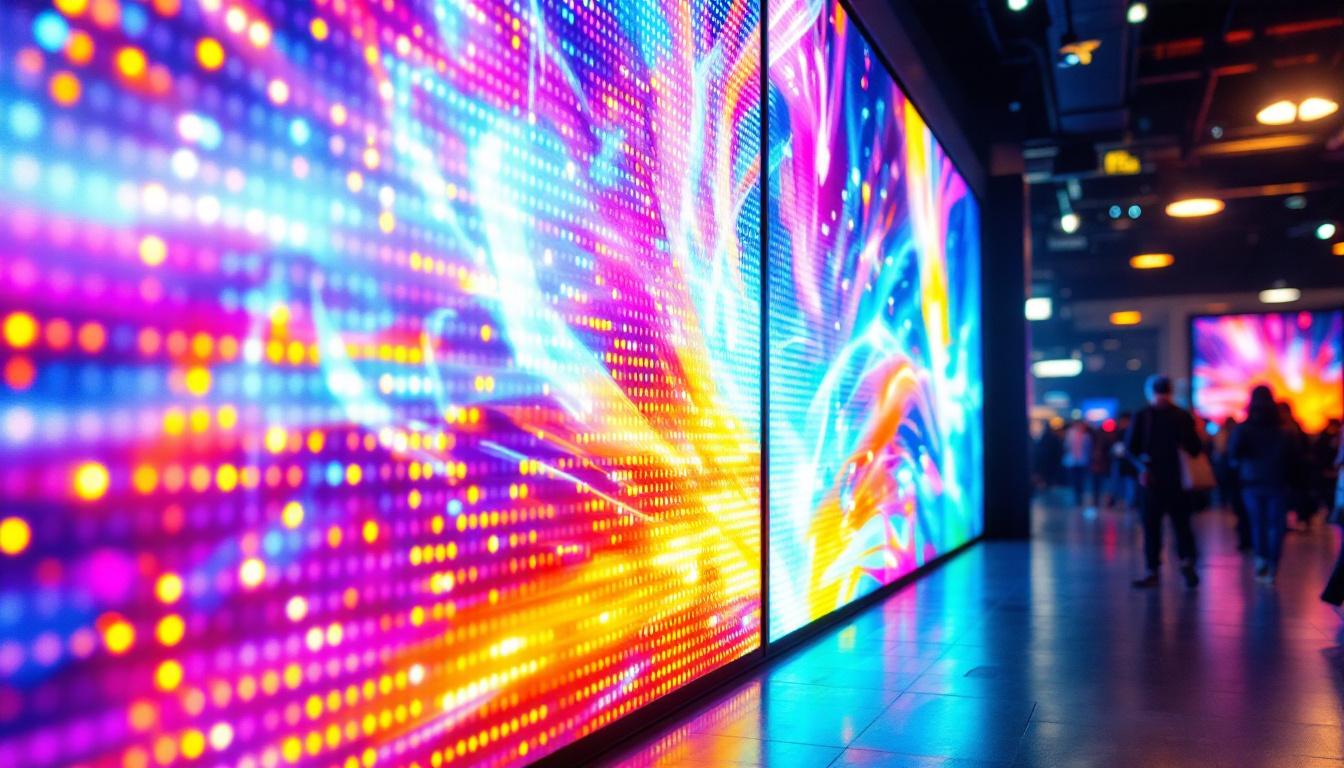
Pixel pitch is one of the most critical specifications in LED displays. It refers to the distance from the center of one LED cluster (or pixel) to the center of the adjacent pixel. This measurement is typically expressed in millimeters. For example, an LED display with a 20 mm pixel pitch means there is a 20 mm gap between each pixel center.
Pixel pitch directly affects the resolution and viewing distance of an LED display. Smaller pixel pitches (e.g., 1.5 mm or 2.5 mm) result in higher resolution and are suitable for close viewing distances, such as indoor displays. Larger pixel pitches, like 20 mm, are commonly used for outdoor displays where viewers are farther away.
How Does 20 Mm Pixel Pitch Impact LED Displays?
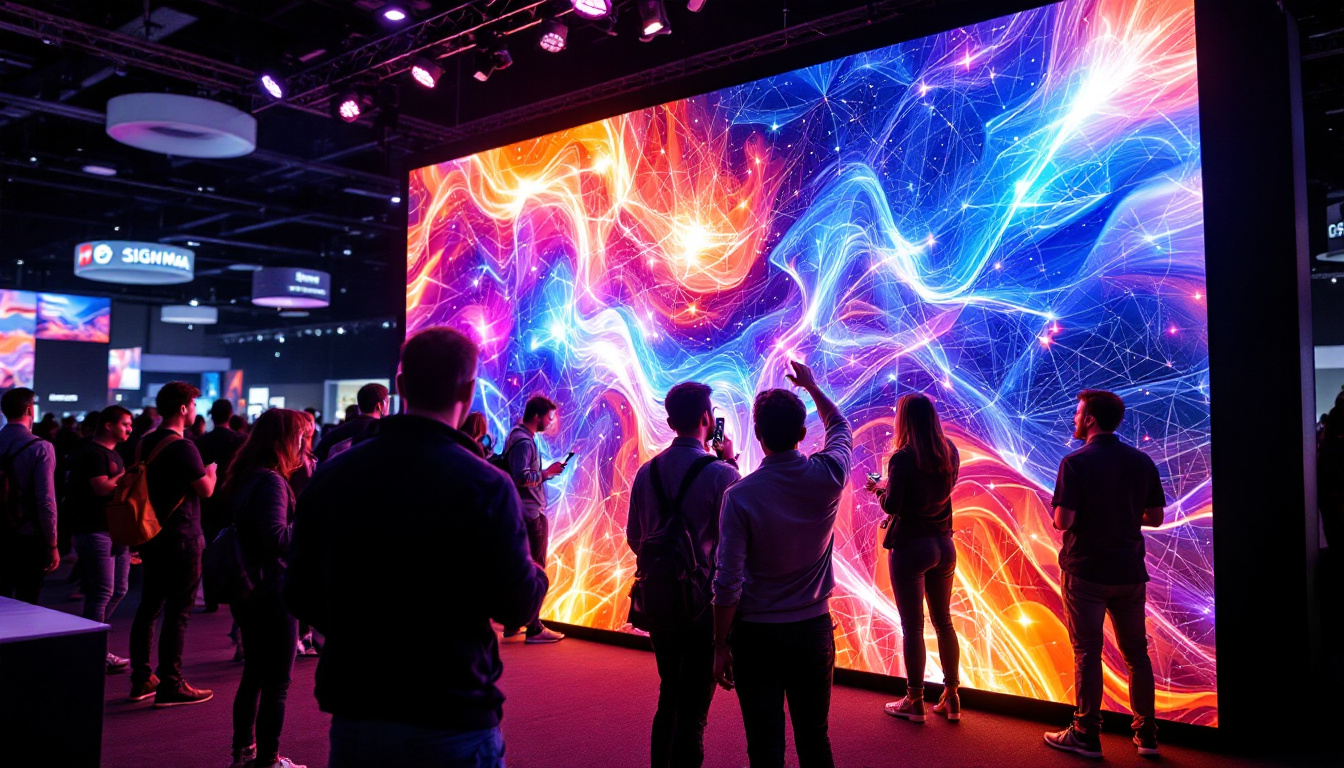
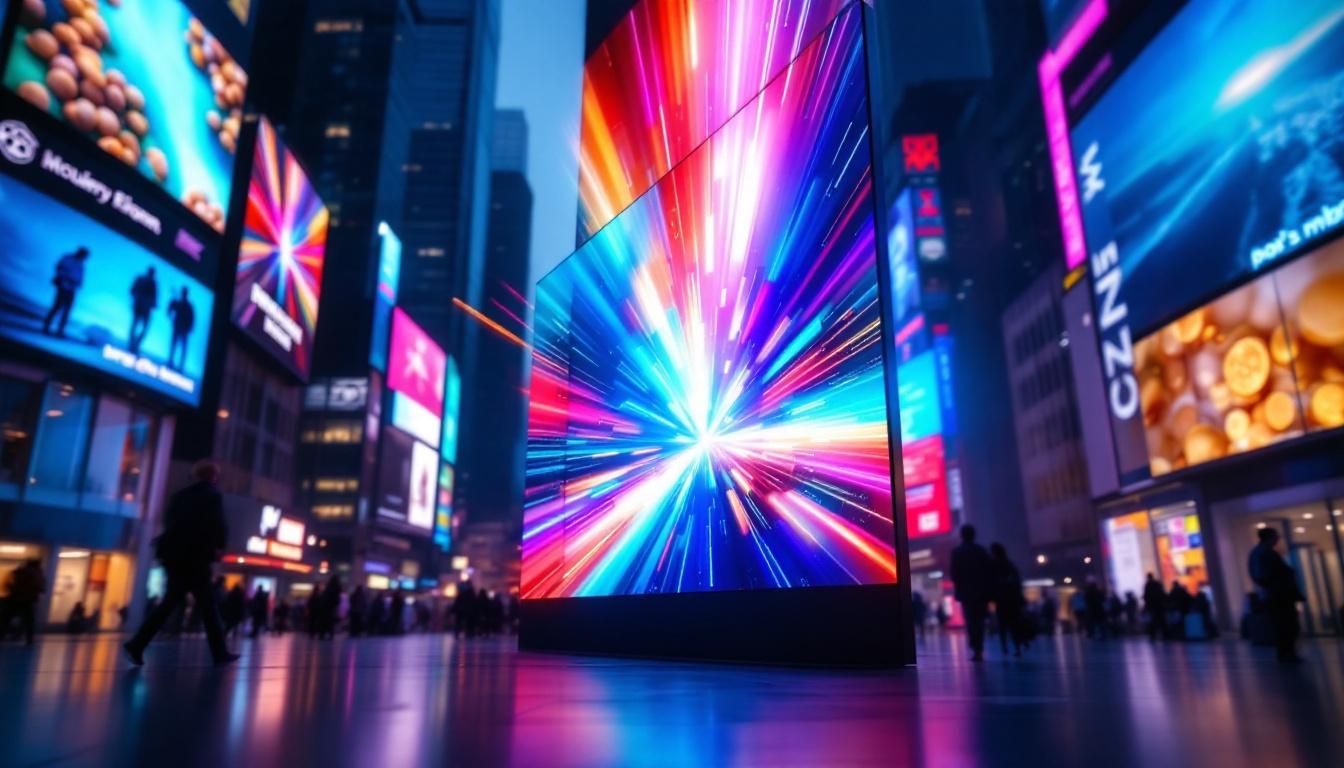
A 20 mm pixel pitch is considered relatively large in the LED display industry. This size is typically found in large-scale outdoor billboards, stadium screens, and other applications where the display is viewed from a distance of 20 feet or more. At this distance, the individual pixels blend together, creating a clear and vibrant image.
For example, a 20 mm pixel pitch LED display might be used on a highway billboard. The large pixel spacing allows for fewer LEDs per square meter, which reduces manufacturing costs and power consumption. However, the trade-off is lower resolution compared to displays with smaller pixel pitches.
Moreover, the choice of a 20 mm pixel pitch is not just about cost-effectiveness; it also plays a significant role in the overall visibility and impact of the advertisement. Outdoor environments often present challenges such as bright sunlight and varying weather conditions. Displays with larger pixel pitches are designed to maintain high brightness levels, ensuring that content remains visible even in direct sunlight. This is crucial for outdoor advertising, where the goal is to capture the attention of passing motorists or pedestrians quickly.
Additionally, the durability of LED displays with a 20 mm pixel pitch is often enhanced, making them suitable for long-term outdoor use. These displays are typically constructed with robust materials that can withstand harsh weather conditions, including heavy rain, snow, and extreme temperatures. As a result, businesses can invest in these displays with confidence, knowing they will provide reliable performance over time, ultimately leading to a better return on investment.
Applications of 20 Mm LED Displays
Understanding the practical applications of a 20 mm pixel pitch LED display helps clarify why this measurement is significant. Different environments and use cases demand specific pixel pitches to balance cost, resolution, and visibility.
Outdoor Advertising
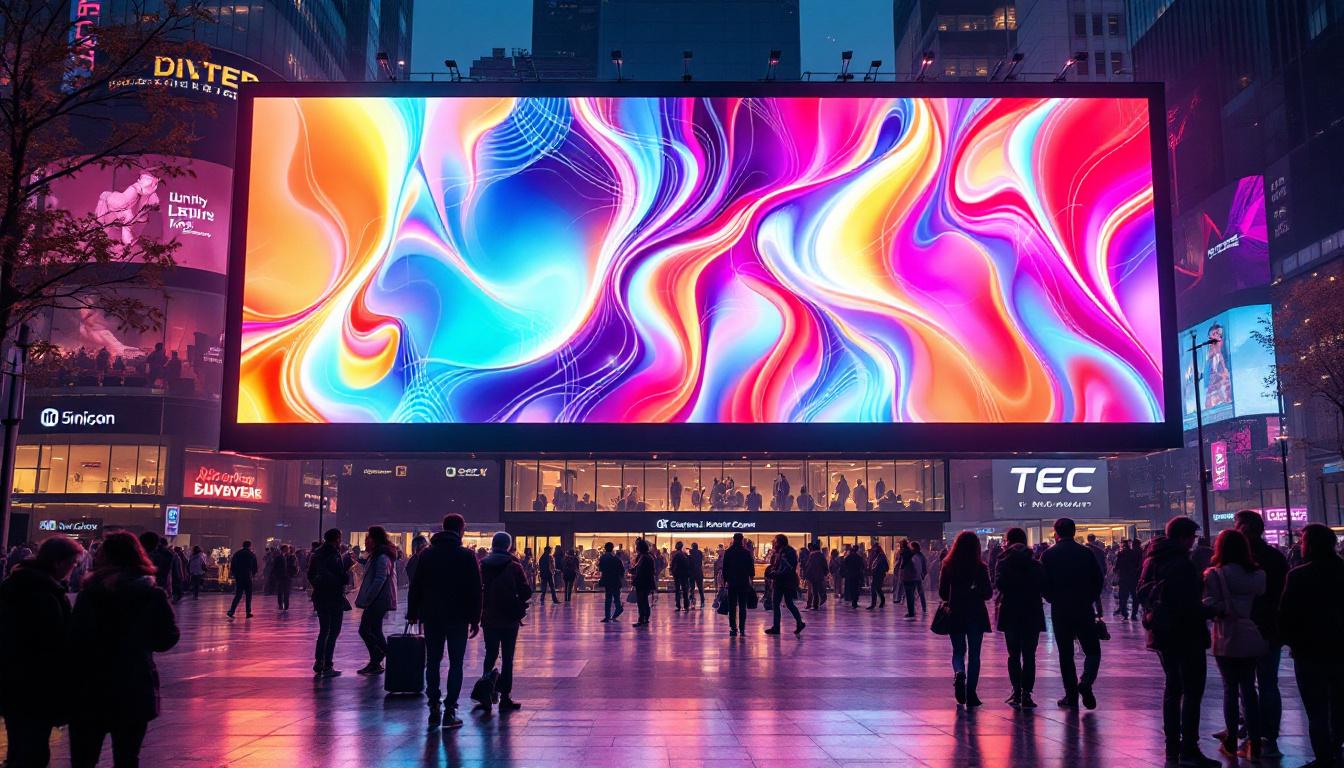
One of the most common uses of 20 mm pixel pitch LED displays is outdoor advertising. Billboards along highways and in urban areas benefit from this pixel pitch because the viewing distance is typically quite large. The relatively coarse resolution is not noticeable from far away, and the display remains bright and legible under direct sunlight.
Additionally, the larger pixel pitch allows for easier maintenance and durability, which are critical factors in outdoor environments exposed to weather and vandalism. Advertisers can also take advantage of the vibrant colors and dynamic content that LED technology offers, making it possible to capture the attention of passersby with eye-catching visuals. Furthermore, the ability to change content quickly and remotely adds a layer of flexibility that traditional static billboards simply cannot match, allowing for real-time promotions and updates.
Sports and Entertainment Venues
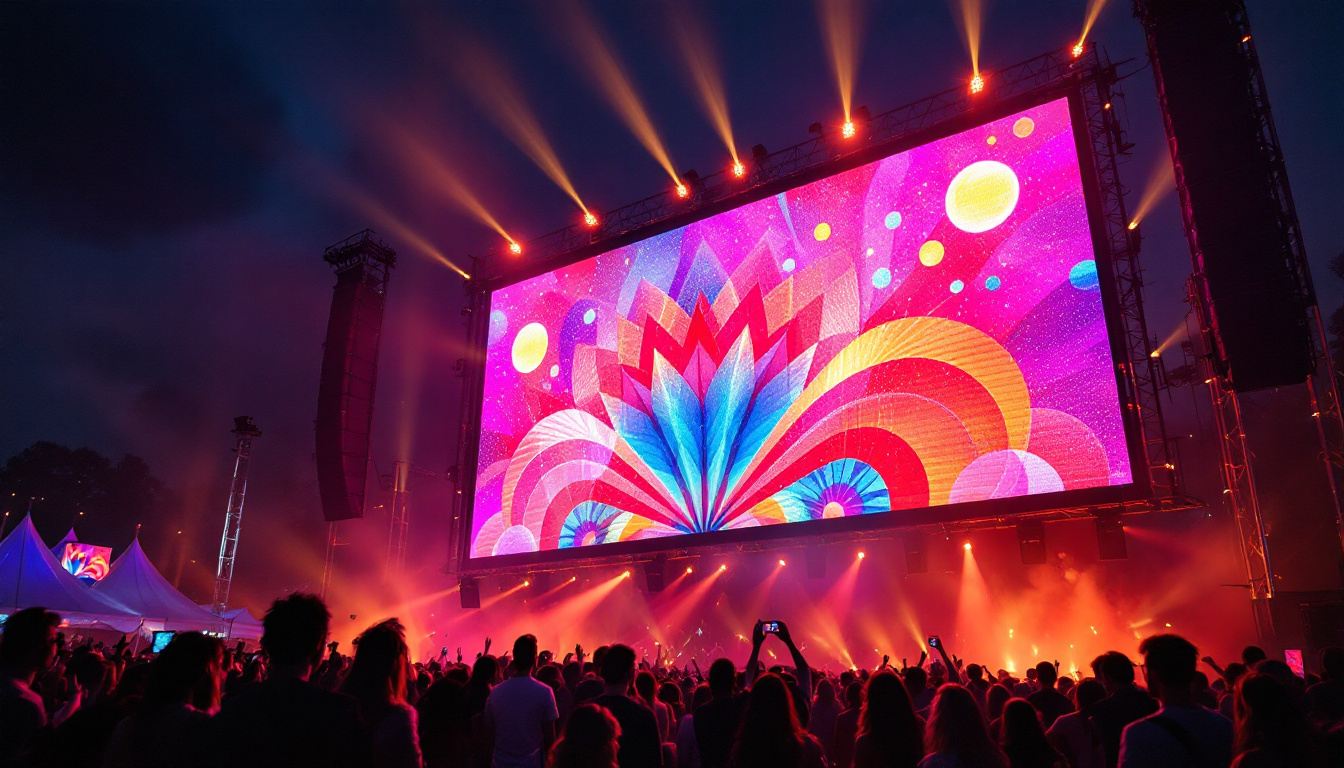
Stadiums and arenas often use LED displays with pixel pitches around 20 mm for scoreboards and large video walls. These displays need to be visible to spectators seated hundreds of feet away. The 20 mm spacing ensures that the image is clear and impactful without the excessive cost of ultra-high-resolution panels.
Moreover, these displays enhance the overall spectator experience by providing instant replays, player statistics, and advertisements during events. The ability to display high-energy animations and graphics can significantly elevate the atmosphere, making games and concerts more engaging. Additionally, the integration of LED displays into the venue’s design allows for creative branding opportunities, with teams and sponsors utilizing the screens to reinforce their presence and connect with fans.
Transportation Hubs
Airports, train stations, and bus terminals may also use 20 mm pixel pitch LED displays for information boards. These displays provide clear, readable information from a distance, helping travelers navigate busy environments efficiently.
In such high-traffic areas, the importance of timely and accurate information cannot be overstated. LED displays can be programmed to show real-time updates on arrivals and departures, delays, and gate changes, ensuring that passengers are well-informed. The bright, high-contrast visuals of 20 mm displays are particularly effective in crowded settings, where clarity is essential for quick decision-making. Additionally, these displays can be used for advertising local services, restaurants, and shops, creating a dual-purpose functionality that benefits both travelers and businesses within the hub.
Technical Considerations When Working With 20 Mm LED Displays
When designing or selecting an LED display with a 20 mm pixel pitch, several technical factors come into play. These considerations ensure the display meets performance expectations and integrates seamlessly into its environment.
Resolution and Image Quality
The resolution of an LED display is inversely related to the pixel pitch. A 20 mm pixel pitch means fewer pixels per square meter, resulting in lower resolution. For applications where fine detail is necessary, such as close-up video playback or text display, this pixel pitch may not be suitable.
However, for large-scale displays viewed from a distance, the resolution is sufficient to create vibrant and recognizable images. Designers must assess the typical viewing distance to determine if a 20 mm pixel pitch is appropriate.
Brightness and Power Consumption
LED displays with larger pixel pitches generally consume less power because they contain fewer LEDs per unit area. This makes 20 mm pixel pitch displays more energy-efficient for large installations. Additionally, these displays often have higher brightness levels, which is essential for visibility in bright outdoor conditions.
Installation and Maintenance
Due to their size and spacing, 20 mm LED modules tend to be larger and heavier than those with smaller pixel pitches. This factor influences installation logistics and structural support requirements. Maintenance is also simplified because the larger LEDs and modules are easier to access and replace if necessary.
Converting 20 Mm to Inches in Practical LED Display Design
While the LED industry predominantly uses metric measurements, many manufacturers, engineers, and clients in regions that use imperial units need to understand these conversions for effective communication and design implementation.
Why Use Inches in LED Display Projects?
Inches remain the standard unit of measurement in countries like the United States, where many LED display projects are commissioned. Architects, contractors, and clients often specify dimensions in inches, so converting millimeter measurements to inches helps avoid misunderstandings and errors during the design and installation phases.
Practical Example: Designing a 20 Mm Pixel Pitch Display in Inches
Consider an LED panel designed with a 20 mm pixel pitch. Knowing that 20 mm equals approximately 0.787 inches allows designers to translate this measurement into the imperial system easily. For example, if a display is 2 meters wide, that is 2000 mm or approximately 78.74 inches. Understanding these conversions helps in planning the physical space, mounting hardware, and integration with other components.
Conclusion: The Importance of Accurate Measurement in LED Displays
Accurate measurement and unit conversion are foundational to the successful design, manufacture, and deployment of LED displays. Knowing that 20 millimeters equals approximately 0.787 inches provides clarity when working across different measurement systems.
In the context of LED displays, a 20 mm pixel pitch is a significant specification that influences resolution, viewing distance, brightness, and cost. It is particularly suited for outdoor and large-scale applications where viewers are positioned far from the screen.
Whether you are an engineer, designer, or buyer, understanding these measurements and their implications ensures that LED display projects meet their functional and aesthetic goals efficiently and effectively.
Discover LumenMatrix’s Advanced LED Display Solutions
Ready to take your visual communication to the next level? LumenMatrix offers a comprehensive range of LED display modules tailored to your needs. From vibrant Indoor and Outdoor LED Wall Displays to dynamic Vehicle and Sports Displays, our solutions are designed to captivate and engage. Experience the future of digital signage with our innovative Floor, Custom, All-in-One, and Transparent LED Displays. Elevate your brand’s visibility and create unforgettable experiences with LumenMatrix. Check out LumenMatrix LED Display Solutions today and transform your space into a visual masterpiece.