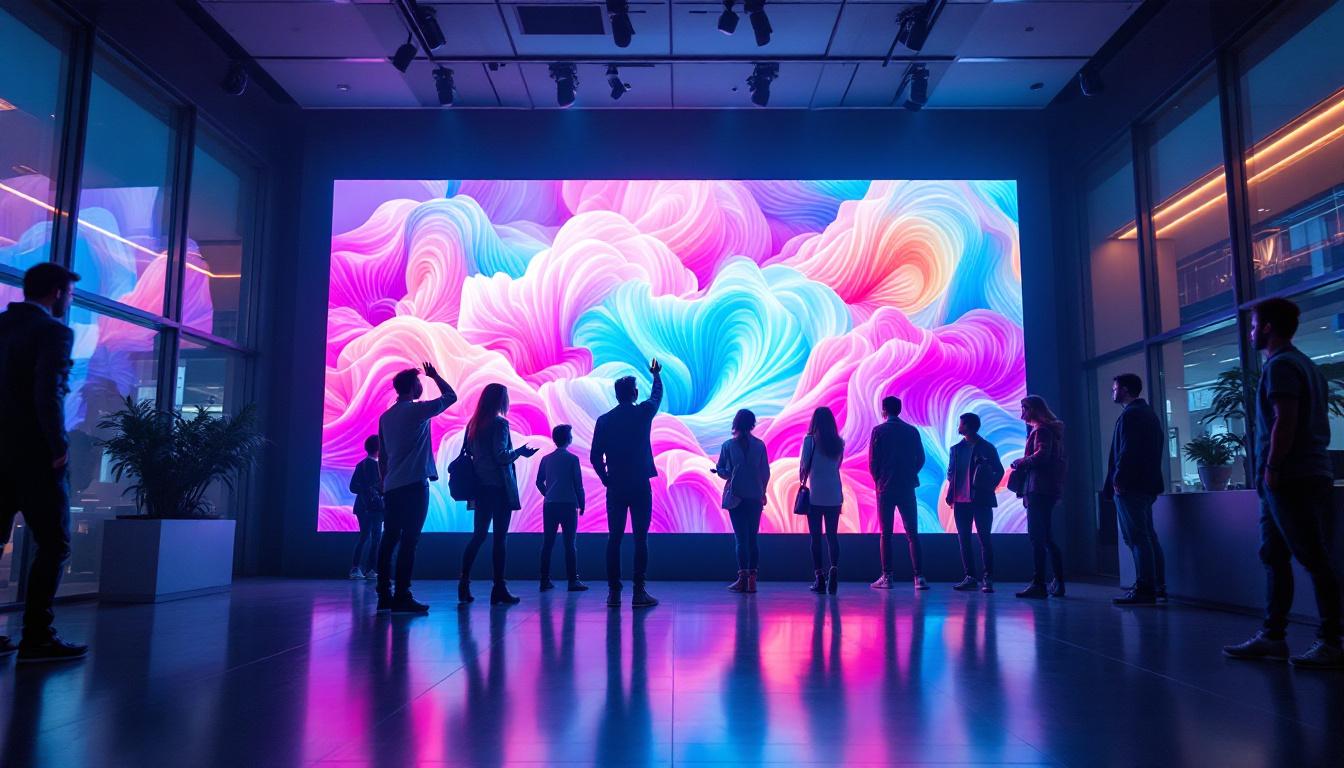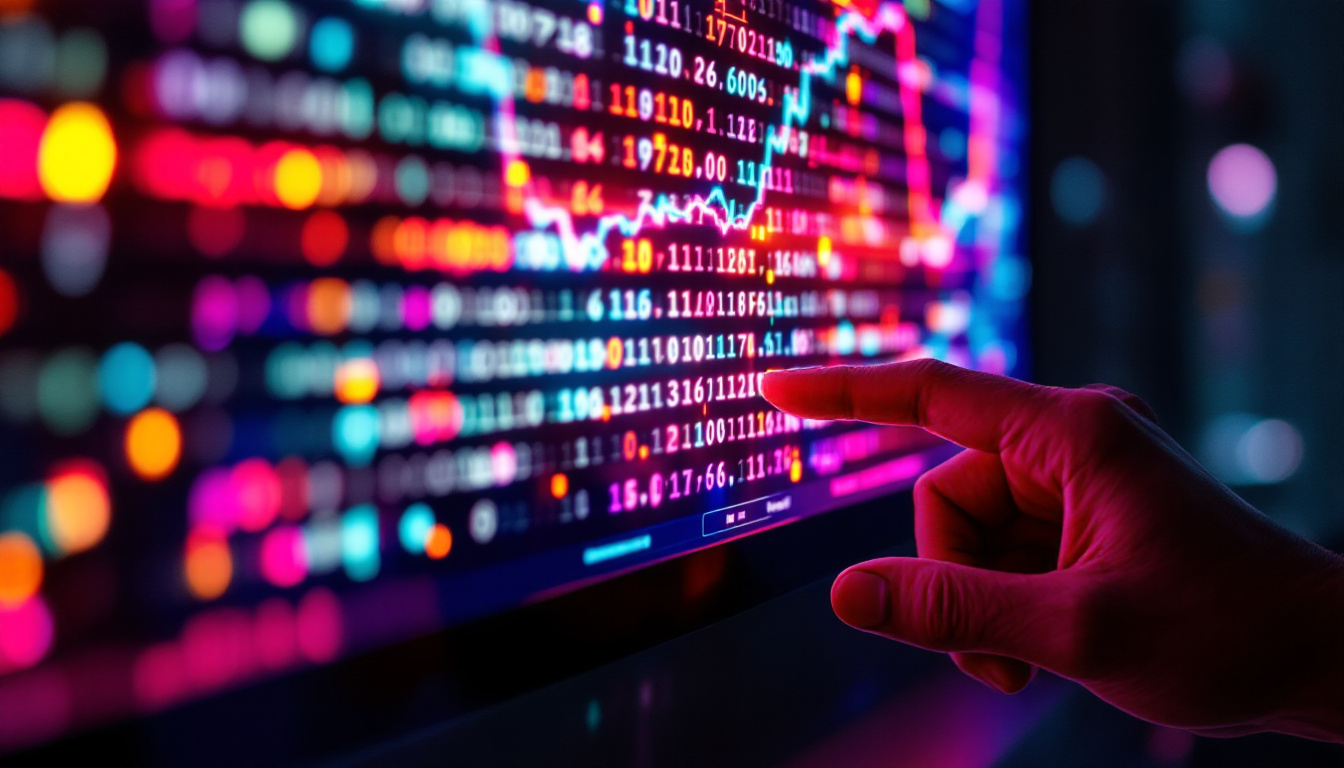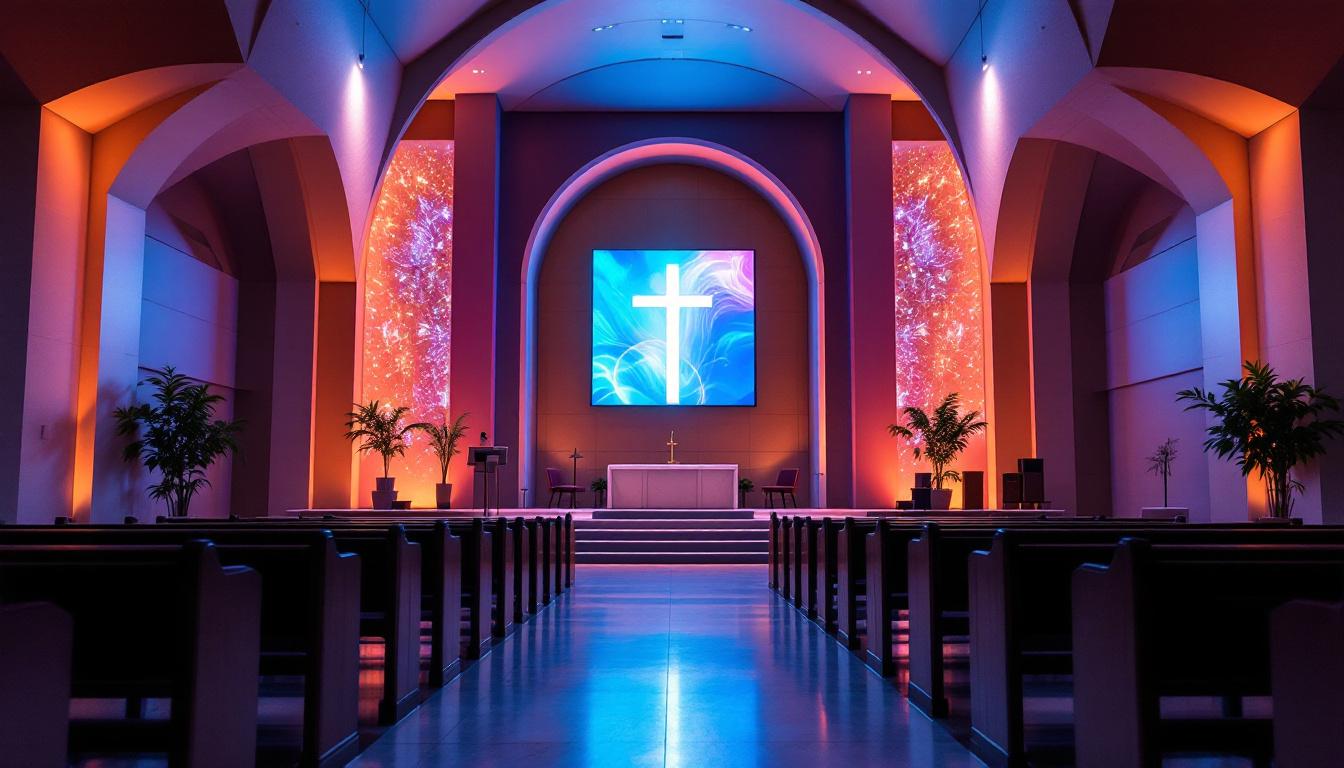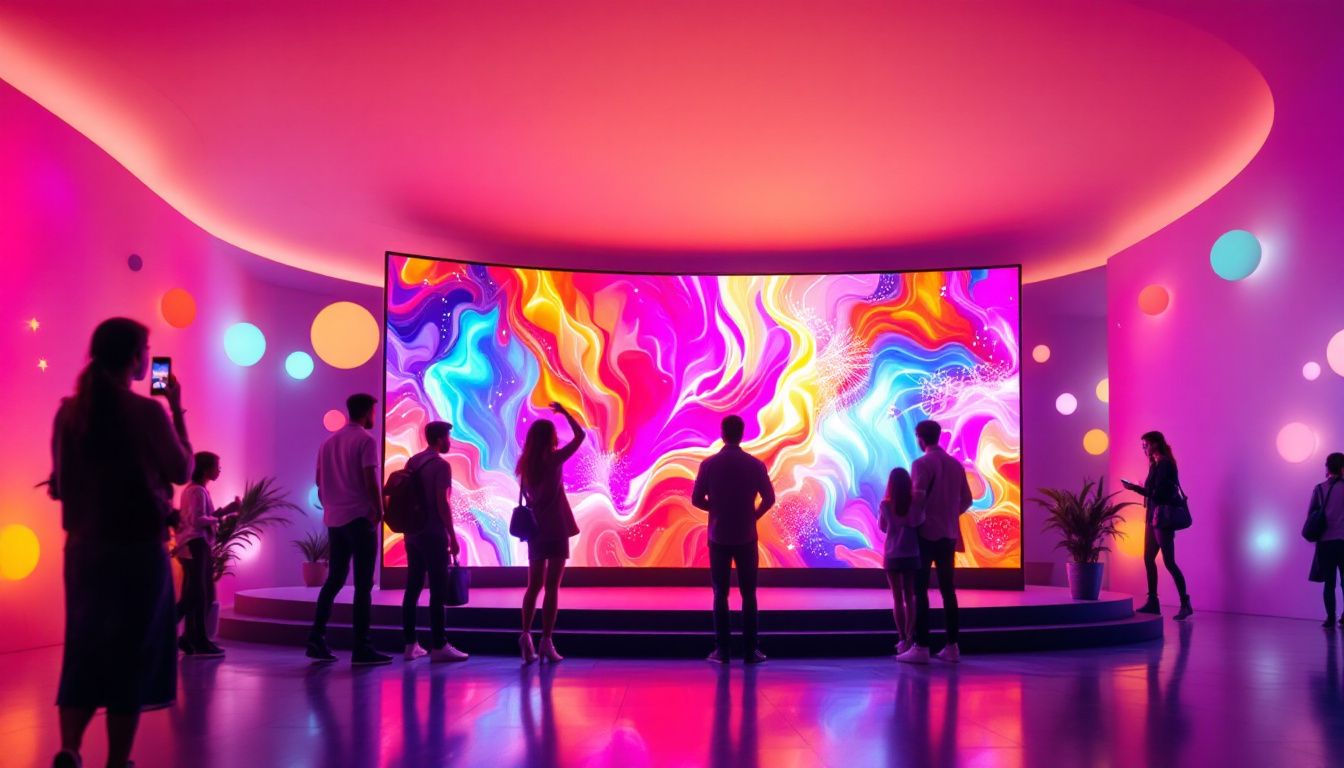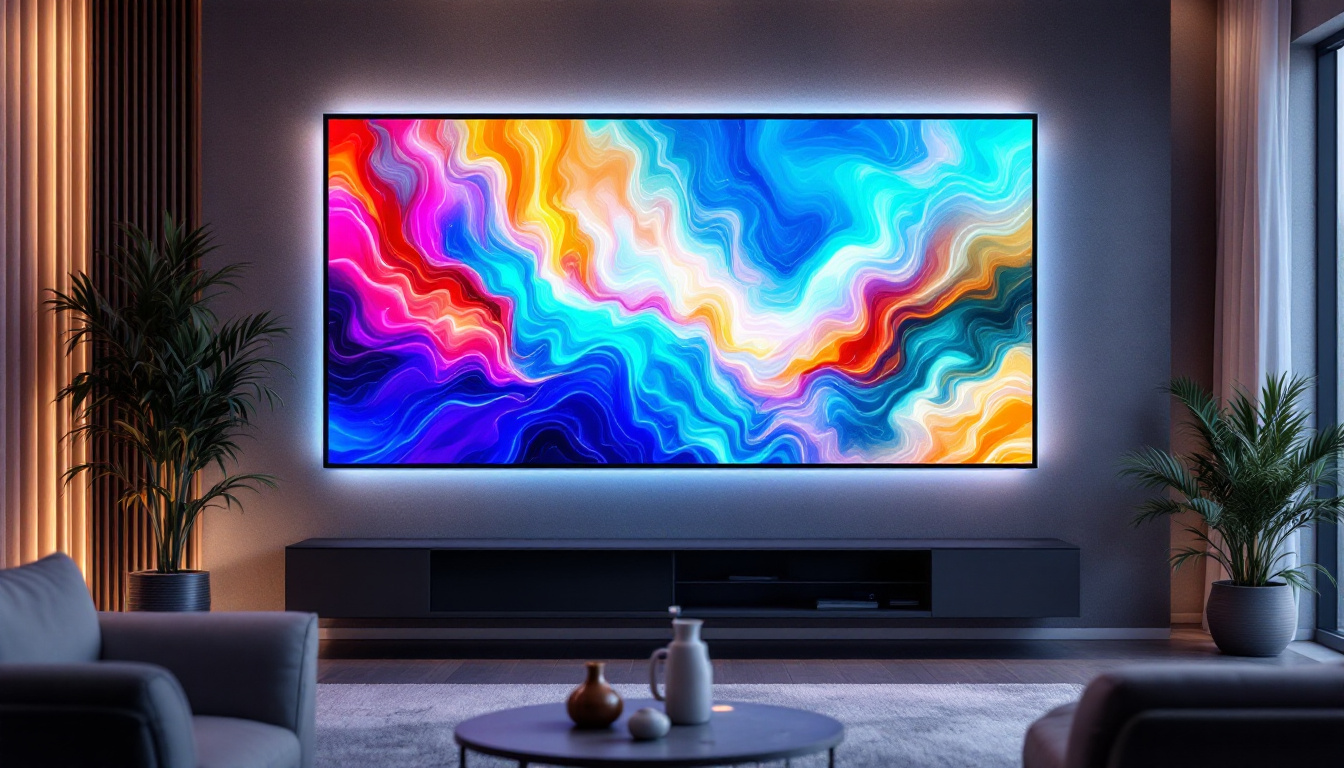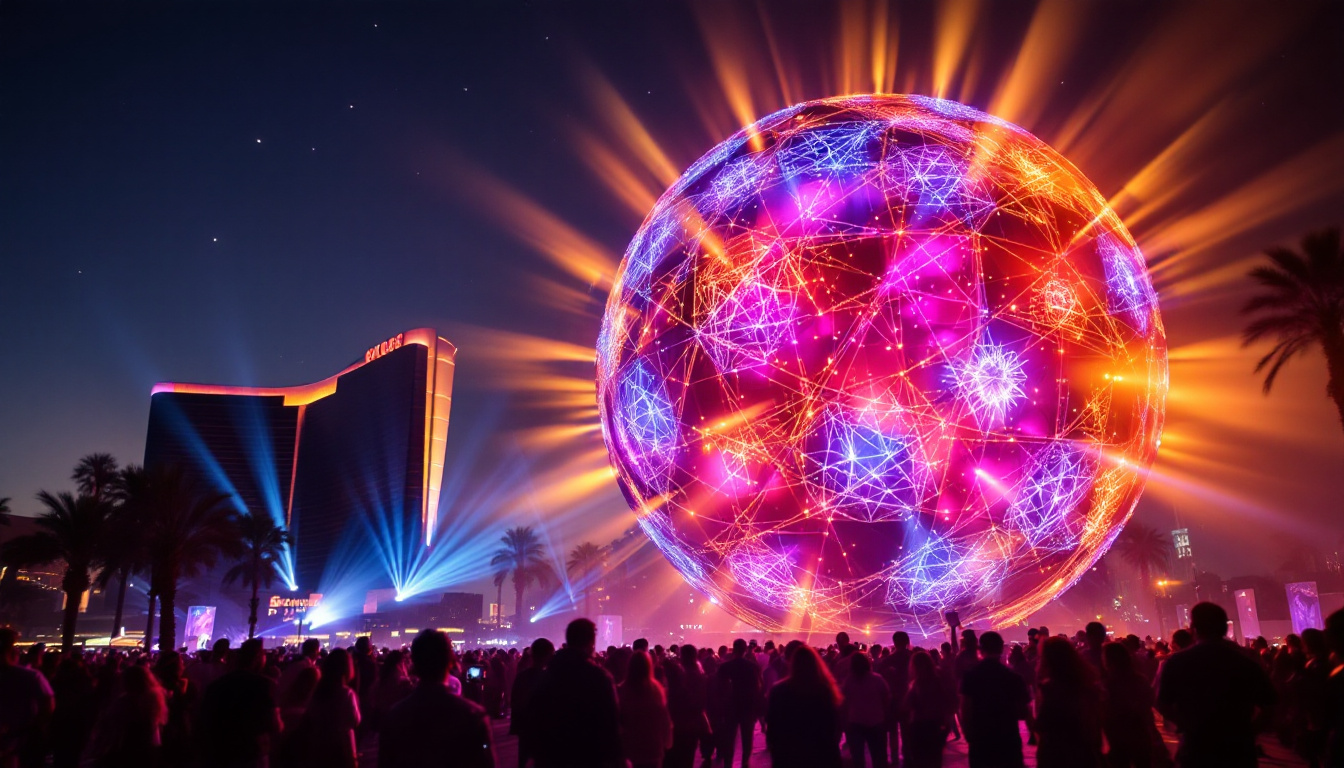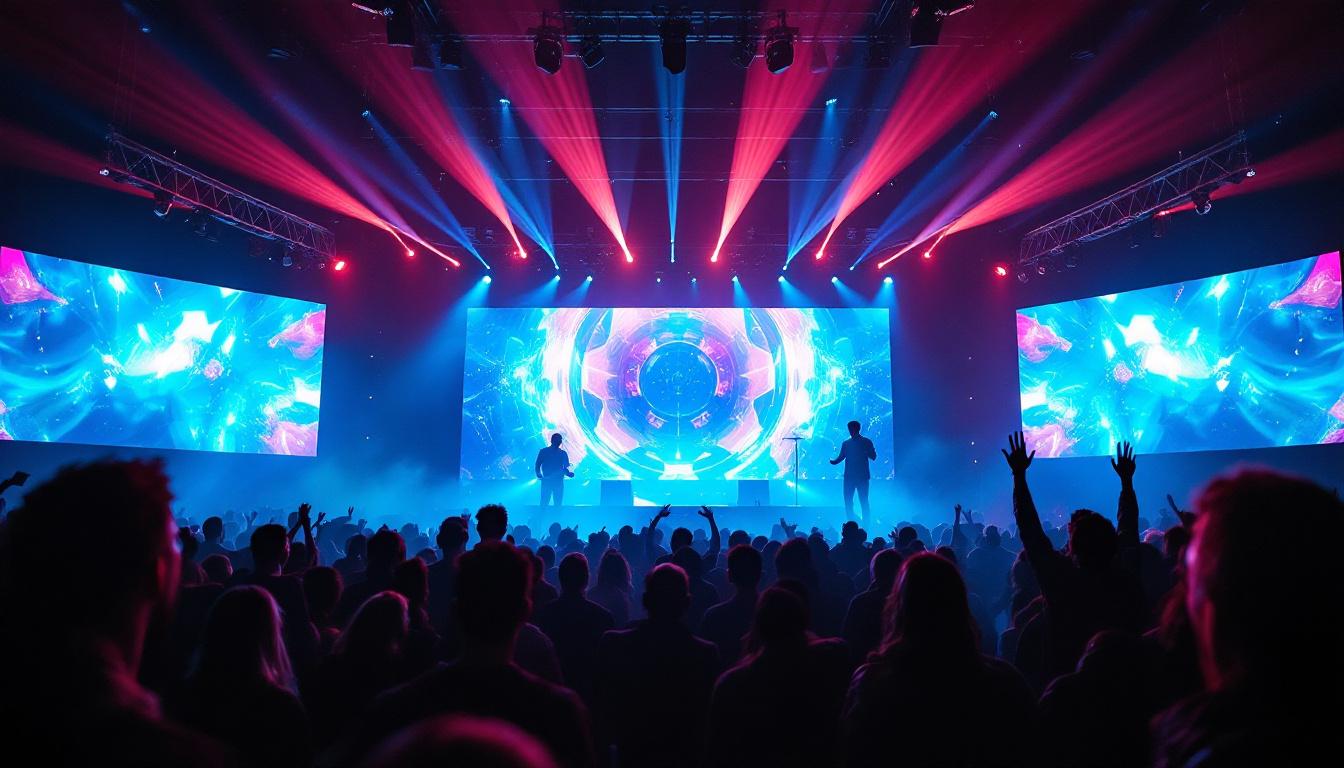
In today’s fast-evolving world of visual technology, LED displays have become a cornerstone of performance audio video setups. Whether it’s a concert, corporate event, sports arena, or digital billboard, LED displays offer vibrant, dynamic visuals that captivate audiences and elevate experiences. This article delves into the essentials of LED display technology, exploring how it works, its advantages, and why it is a preferred choice for high-performance audio video applications.
Understanding LED Display Technology
What is an LED Display?
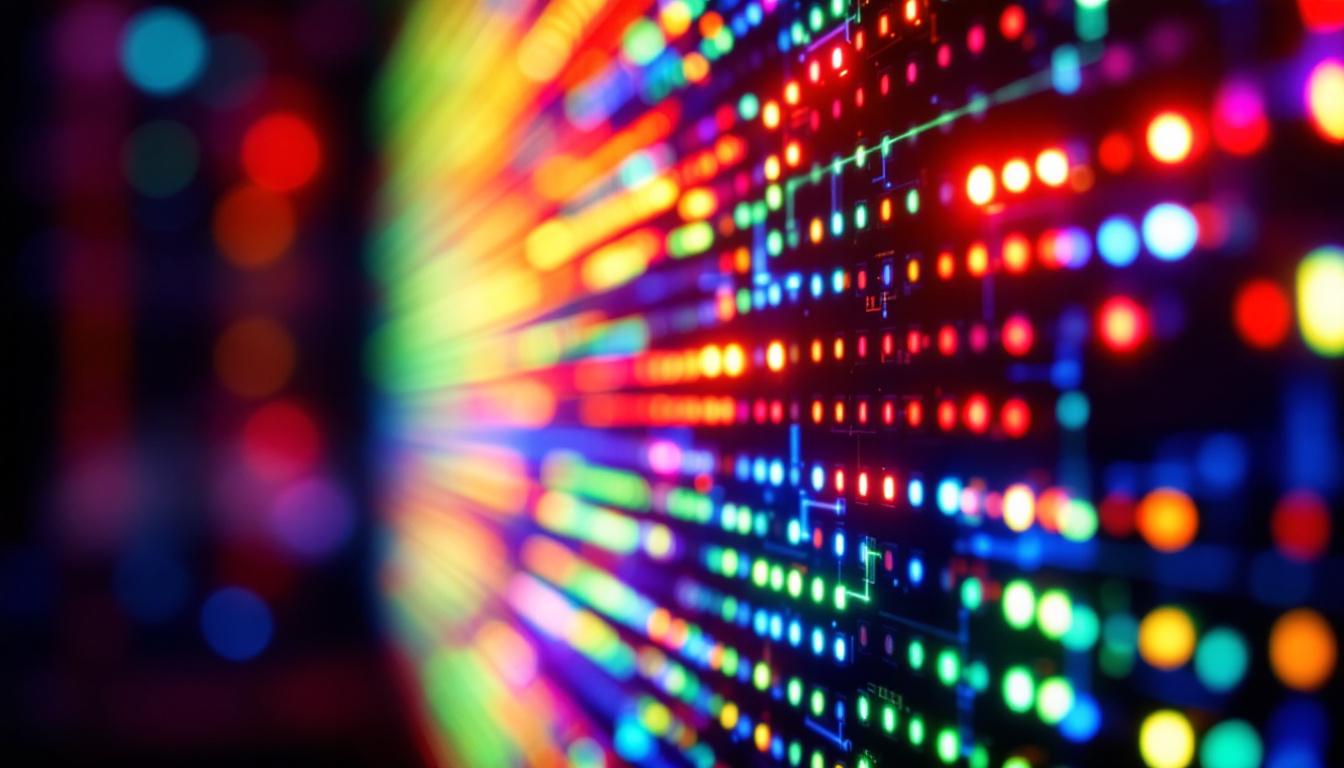
LED stands for Light Emitting Diode, a semiconductor device that emits light when an electric current passes through it. An LED display is essentially a matrix of these tiny diodes arranged in a grid, capable of producing bright and colorful images by controlling the intensity and color of each diode. Unlike traditional LCD or projection screens, LED displays emit their own light, making them exceptionally bright and visible even in direct sunlight.
LED displays come in various forms, including indoor and outdoor panels, flexible screens, and transparent displays. Their modular design allows for customization in size and shape, making them adaptable to diverse environments and creative setups. This versatility means that LED displays can be found in a multitude of settings, from bustling city squares and stadiums to retail stores and corporate offices, enhancing visibility and engagement with audiences.
How Do LED Displays Work?
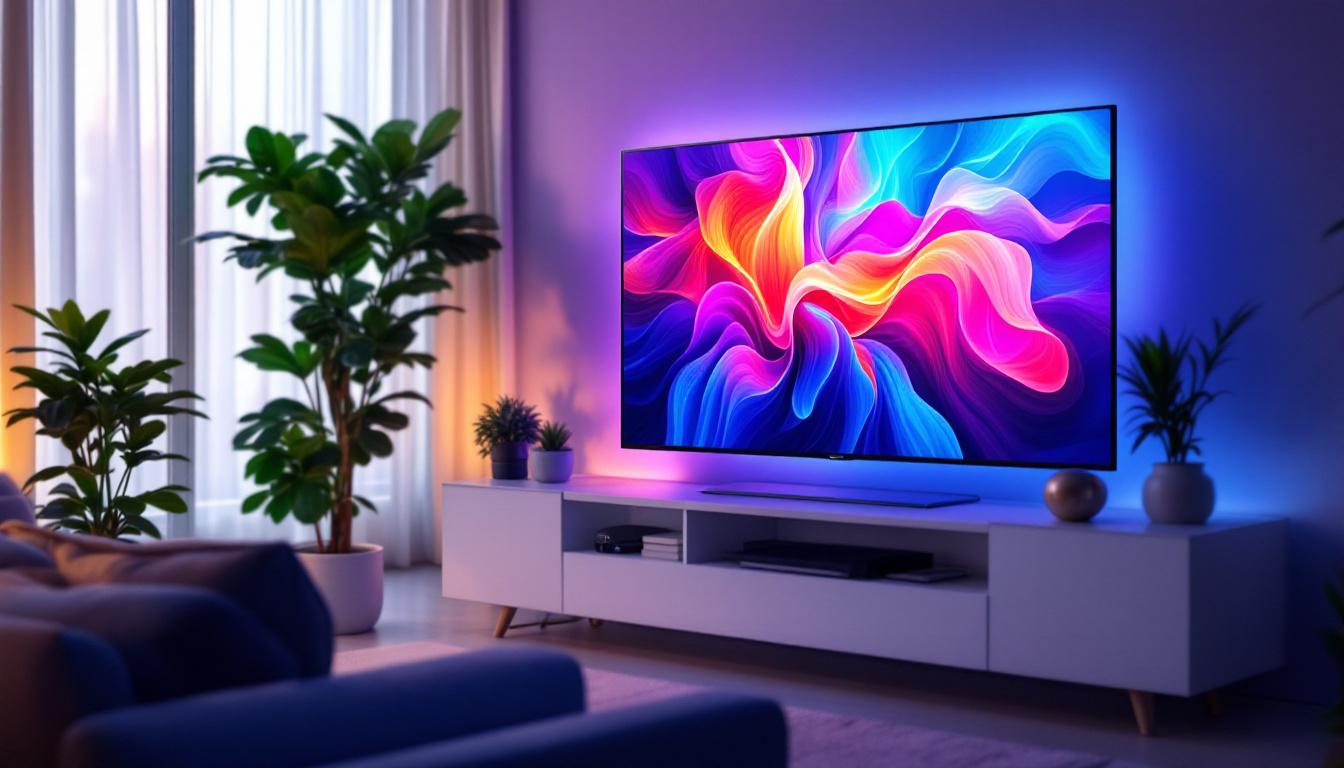
Each LED pixel is composed of red, green, and blue diodes, which combine to create a full spectrum of colors through a process called additive color mixing. By adjusting the brightness of each diode, the display can render millions of colors and produce sharp, vivid images. This capability is particularly beneficial for applications requiring high color fidelity, such as digital signage, advertising, and entertainment.
The control system behind an LED display processes video input signals and translates them into commands for individual LEDs. This system ensures synchronization, color accuracy, and smooth motion, which are critical for live performances and dynamic content. Advanced technologies, such as pixel-level brightness adjustment and real-time processing, further enhance the display’s performance, allowing for stunning visual effects and immersive experiences that captivate viewers.
Types of LED Displays
LED displays can be categorized based on pixel pitch, which is the distance between the centers of two adjacent pixels. A smaller pixel pitch means higher resolution and closer viewing distance, ideal for indoor displays. Larger pixel pitches are typical for outdoor displays where viewers are farther away. This differentiation is essential for selecting the right display for specific applications, ensuring optimal viewing experiences.
- Indoor LED Displays: Designed for close-range viewing, these have pixel pitches ranging from 0.9mm to 4mm, offering high resolution and fine detail. They are often used in venues such as conference rooms, theaters, and retail spaces, where clarity and detail are paramount.
- Outdoor LED Displays: Built to withstand weather conditions, these have pixel pitches from 4mm to 20mm or more, prioritizing brightness and durability. These displays are engineered to resist rain, wind, and extreme temperatures, making them ideal for advertising billboards and public information displays.
- Flexible and Curved LED Displays: These innovative panels can bend or curve, allowing creative installations in unconventional spaces. Their adaptability opens up new possibilities for architectural designs, where displays can follow the contours of buildings or create immersive environments in exhibitions and events.
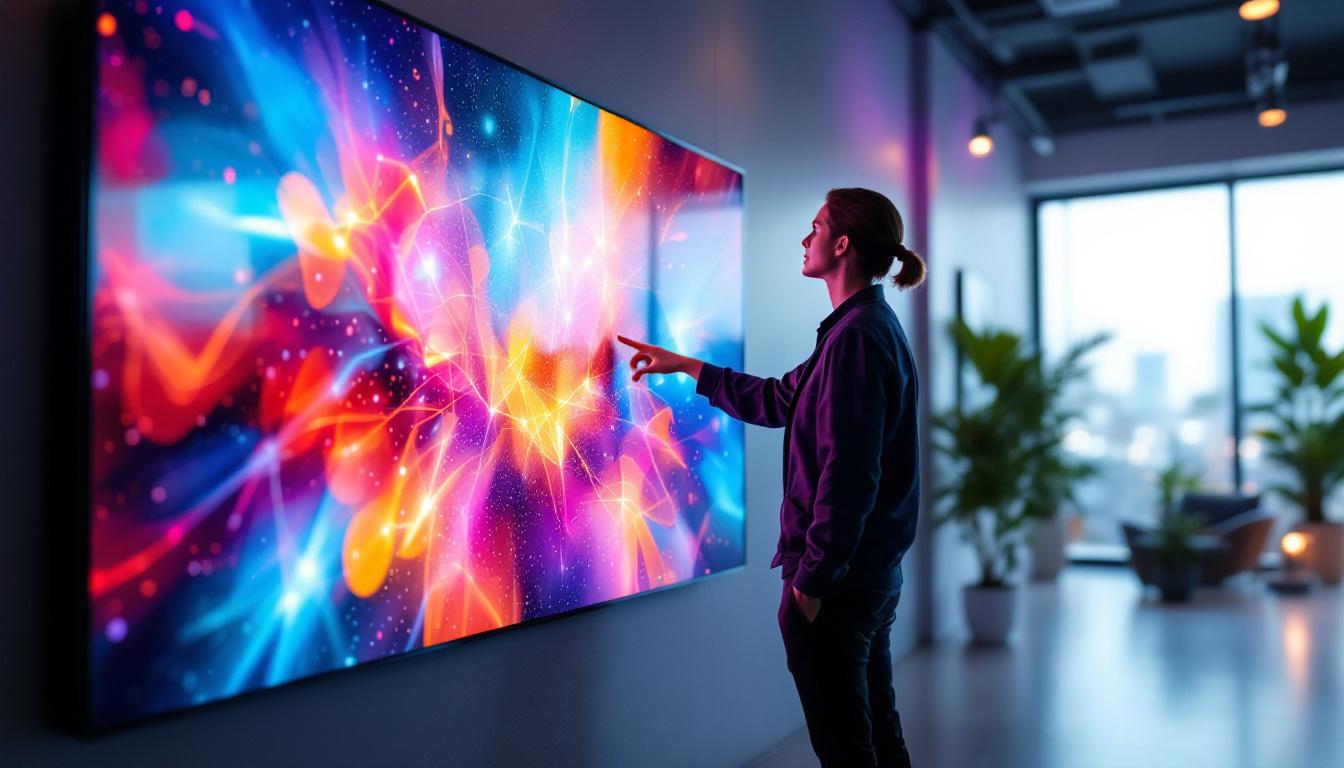
Additionally, there are advancements in LED display technology that have led to the development of transparent displays, which allow viewers to see through the screen while still presenting vibrant images. This technology is particularly popular in retail environments, where it can be used to showcase products behind the display, creating a striking visual effect that draws in customers. Furthermore, the integration of smart technology into LED displays has paved the way for interactive experiences, where users can engage with content through touch or motion sensors, enhancing the overall impact of the display.
Why LED Displays are Essential for Performance Audio Video
Unmatched Brightness and Visibility
One of the primary reasons LED displays dominate performance audio video is their superior brightness. With luminance levels often exceeding 5,000 nits for outdoor screens, LED displays remain clearly visible even under direct sunlight or intense stage lighting. This makes them indispensable for concerts, festivals, and sports events where ambient light conditions vary widely.
For indoor venues, LED displays provide consistent brightness without glare, ensuring every audience member enjoys a crisp and immersive visual experience regardless of seating location.
Exceptional Color Accuracy and Contrast
LED technology offers vibrant colors and deep blacks, thanks to its self-emissive nature. Unlike LCD screens that rely on backlighting, LEDs can turn off individual pixels completely, resulting in true black levels and high contrast ratios. This capability enhances the visual impact of video content, graphics, and live feeds during performances.
Color accuracy is also critical for branding and artistic expression. Modern LED displays support wide color gamuts and high dynamic range (HDR), allowing creators to present visuals exactly as intended.
Scalability and Flexibility
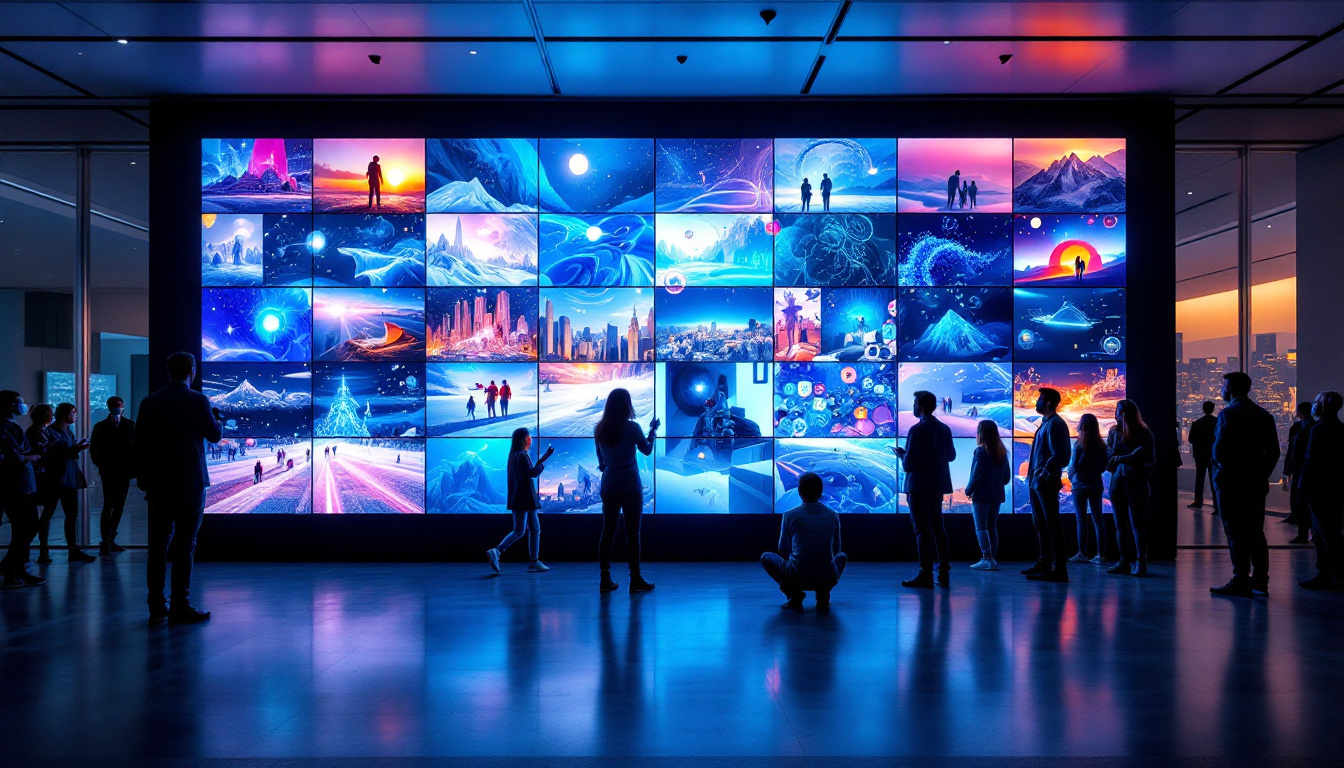
Performance audio video setups often require large-scale displays that can be tailored to specific venue dimensions. LED displays are modular, meaning panels can be combined seamlessly to create massive screens or intricate shapes. This scalability enables event producers to design unique visual environments that complement the audio experience.
Additionally, flexible LED panels open new creative possibilities, such as wrapping screens around stage elements or creating immersive 360-degree visuals. This adaptability is invaluable for designers aiming to deliver memorable audience engagement.
Durability and Reliability
Events demand equipment that can withstand rigorous use, transportation, and environmental challenges. LED displays are engineered for durability, with robust housings and weatherproofing for outdoor use. They also have long lifespans, often rated for 100,000 hours or more, minimizing maintenance and replacement costs.
High refresh rates and low latency are other key features, ensuring smooth video playback without flicker or delay—vital for live broadcasts and interactive content.
Applications of LED Displays in Performance Audio Video
Concerts and Live Events
In the music industry, LED displays have revolutionized stage design. Large LED walls serve as dynamic backdrops, displaying live camera feeds, animations, and visual effects synchronized with the music. This integration enhances the emotional connection between artists and audiences.
For example, the 2023 Coachella festival utilized massive LED screens with ultra-high resolution and HDR capabilities, creating immersive visual narratives that complemented performances from top artists. These displays also facilitated real-time interaction through augmented reality effects and synchronized lighting.
Corporate Events and Conferences
Corporate presentations benefit from LED displays by delivering clear, professional visuals that engage attendees. Whether showcasing product demos, data visualizations, or keynote speeches, high-resolution LED screens ensure content is accessible to large audiences in expansive venues.
LED video walls also enable hybrid event formats, seamlessly integrating in-person and virtual participants through live streaming and interactive content. This versatility has become increasingly important in the post-pandemic event landscape.
Sports Arenas and Stadiums
Sports venues use LED displays for scoreboards, advertising, and fan engagement. The brightness and size of LED screens allow spectators to follow game action, replays, and statistics from any seat. Dynamic advertising on LED boards generates significant revenue streams for teams and event organizers.
Major stadiums like the AT&T Stadium in Texas feature state-of-the-art LED displays that wrap around the interior, offering a 360-degree viewing experience. These installations combine entertainment and information, enhancing the overall atmosphere.
Digital Signage and Public Installations
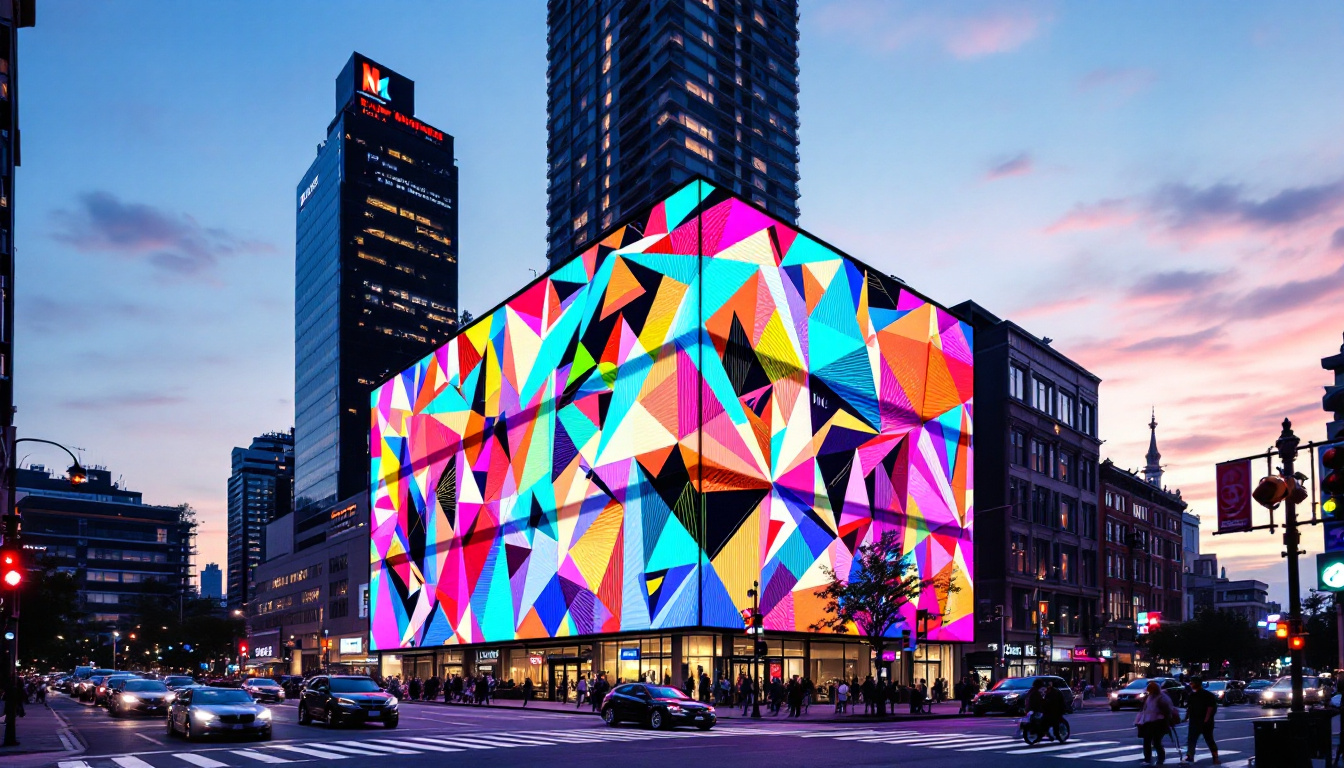
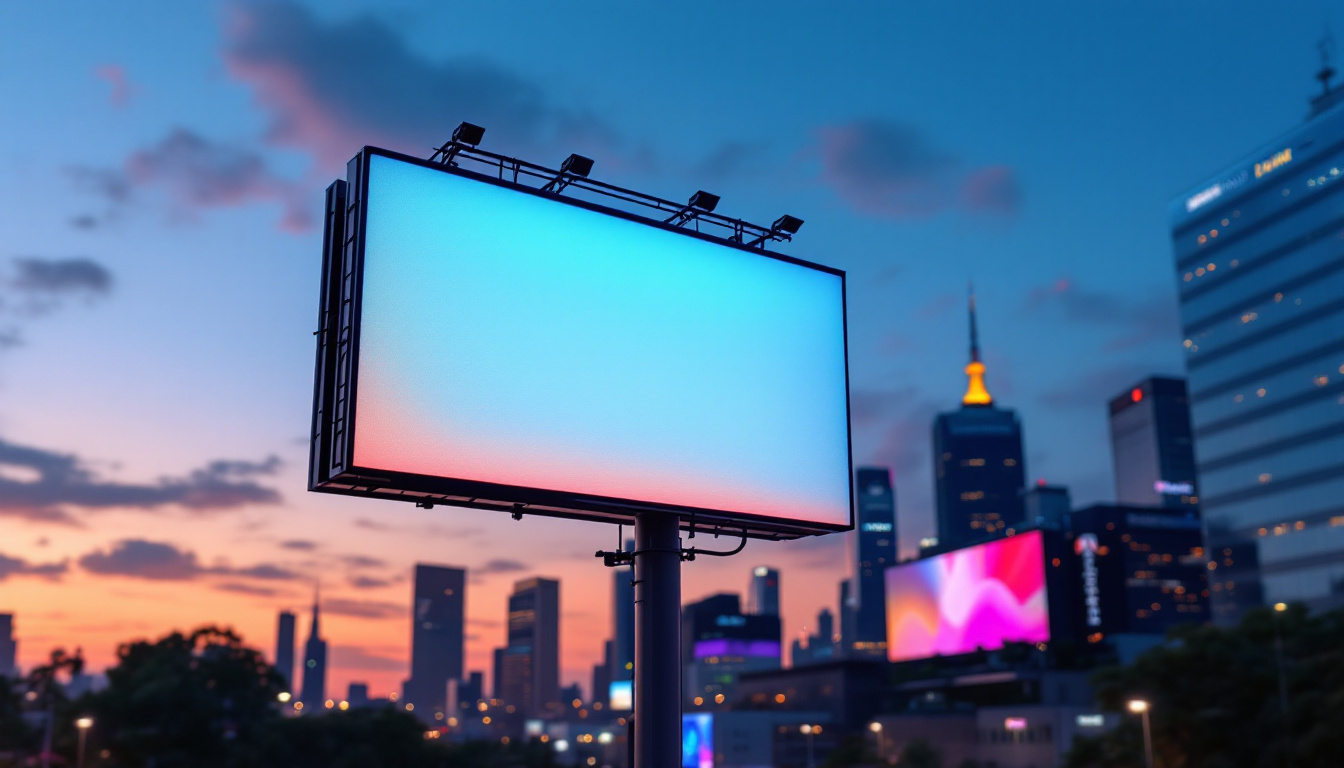
Beyond events, LED displays are widely used in urban environments for digital signage, including billboards, transportation hubs, and retail spaces. Their ability to deliver bright, eye-catching content around the clock makes them effective tools for advertising and public information.
Interactive LED installations also contribute to experiential marketing campaigns, where audiences can engage directly with the display through touch or motion sensors, creating memorable brand experiences.
Key Considerations When Choosing an LED Display
Resolution and Pixel Pitch
Selecting the right resolution depends on the viewing distance and content type. For close-up viewing, such as indoor concerts or corporate events, a smaller pixel pitch (under 2mm) ensures sharp images. For outdoor or large venue applications, a larger pixel pitch suffices since viewers are farther away.
Balancing resolution with budget is crucial, as higher resolution panels cost more and require more processing power.
Brightness and Contrast Requirements
Brightness levels should match the environment’s lighting conditions. Outdoor displays need higher nits to combat sunlight, while indoor screens require moderate brightness to avoid eye strain. Contrast ratio affects image depth and clarity, so choosing displays with high contrast enhances visual quality.
Installation and Maintenance
Modular LED panels simplify installation and allow for easy repairs or upgrades. Consider the weight, mounting options, and accessibility for maintenance when planning the setup. Weatherproofing and cooling systems are essential for outdoor displays to ensure longevity.
Control Systems and Software
The control system manages content playback, synchronization, and calibration. Advanced software solutions offer real-time content management, remote monitoring, and diagnostic tools, which improve operational efficiency and reduce downtime.
The Future of LED Displays in Performance Audio Video
Advancements in Mini-LED and Micro-LED Technologies
Emerging technologies like Mini-LED and Micro-LED promise even higher resolution, better color accuracy, and improved energy efficiency. These displays use smaller diodes, allowing for ultra-fine pixel pitches suitable for close viewing and intricate visual effects.
Micro-LED displays are already making waves in premium consumer electronics and are expected to become more prevalent in large-scale performance applications within the next few years.
Integration with Augmented Reality and Interactive Media
LED displays are increasingly integrated with AR and interactive technologies to create immersive environments. For instance, motion tracking and gesture recognition can trigger visual changes on LED walls, enabling performers and audiences to interact with the content in real time.
This convergence of technologies is expanding creative possibilities and audience engagement in ways previously unimaginable.
Sustainability and Energy Efficiency
As environmental concerns grow, LED manufacturers are focusing on reducing power consumption and using recyclable materials. Innovations in driver electronics and thermal management contribute to greener operations without compromising performance.
Event organizers and venues are also adopting LED displays as part of their sustainability strategies due to their long lifespan and lower energy usage compared to traditional lighting and projection systems.
Conclusion
LED displays have transformed the landscape of performance audio video by delivering unparalleled brightness, color fidelity, and design flexibility. Their ability to create immersive visual experiences makes them indispensable for concerts, corporate events, sports arenas, and public installations. As technology advances, LED displays will continue to evolve, integrating new features and sustainability measures that enhance both audience engagement and operational efficiency.
For professionals in the audio video industry, understanding the capabilities and considerations of LED display technology is essential to crafting impactful, memorable events. Whether upgrading existing systems or planning new installations, choosing the right LED display solution can significantly elevate the quality and effectiveness of any performance or presentation.
Discover LumenMatrix LED Display Solutions
Ready to elevate your performance audio video experience with cutting-edge LED technology? Explore LumenMatrix’s innovative LED display solutions, designed to bring your visual communication to life. From vibrant Indoor and Outdoor LED Wall Displays to dynamic Vehicle and Sports LED Displays, LumenMatrix offers a comprehensive range of products tailored to your unique needs. Experience the future of immersive visual storytelling with our Custom, All-in-One, and Transparent LED Displays. Check out LumenMatrix LED Display Solutions today and transform your space into a captivating visual spectacle.