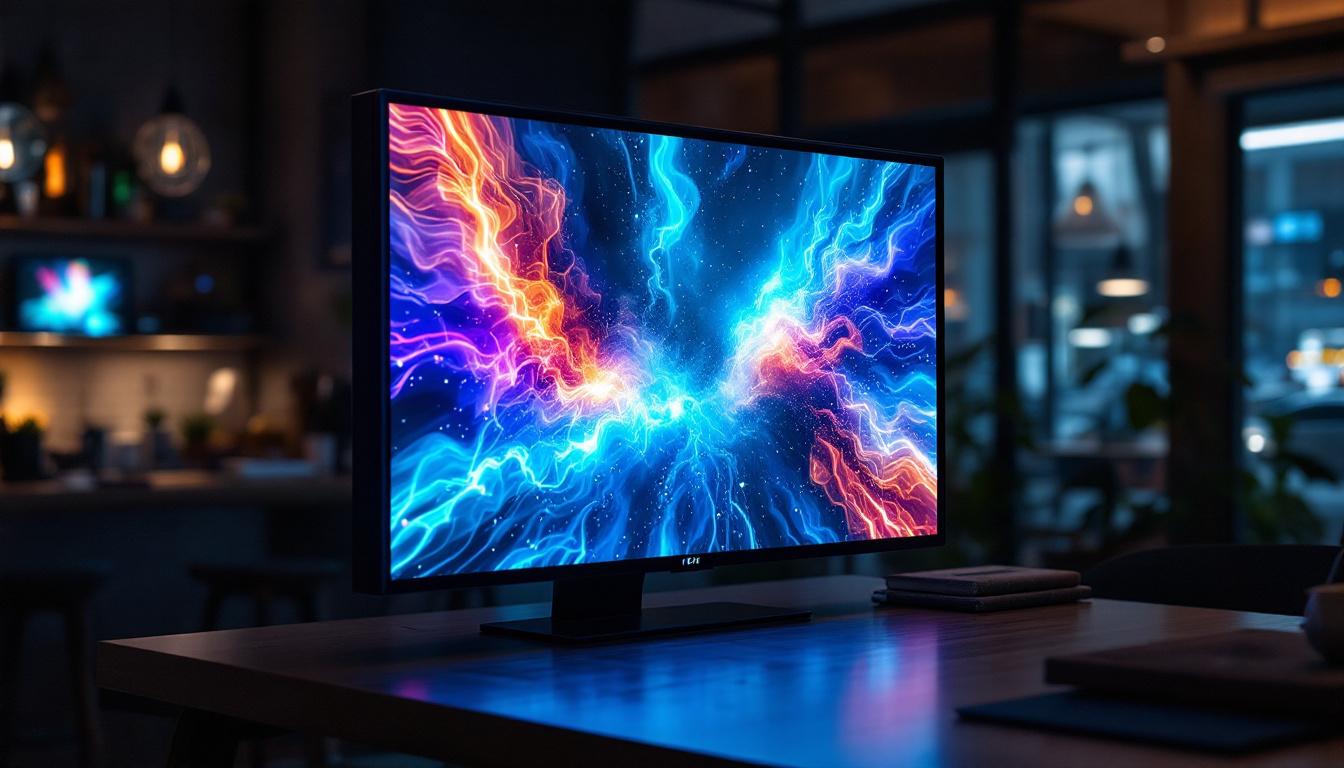
In an era where visual communication is paramount, digital signage has emerged as a powerful tool for businesses and organizations to engage audiences effectively. Among the various types of digital signage, small LED displays have gained significant traction due to their versatility, brightness, and energy efficiency. This article delves into the world of small digital signage, focusing on LED displays—exploring their technology, benefits, applications, and considerations for choosing the right solution.
Understanding Small Digital Signage and LED Displays
What Is Small Digital Signage?
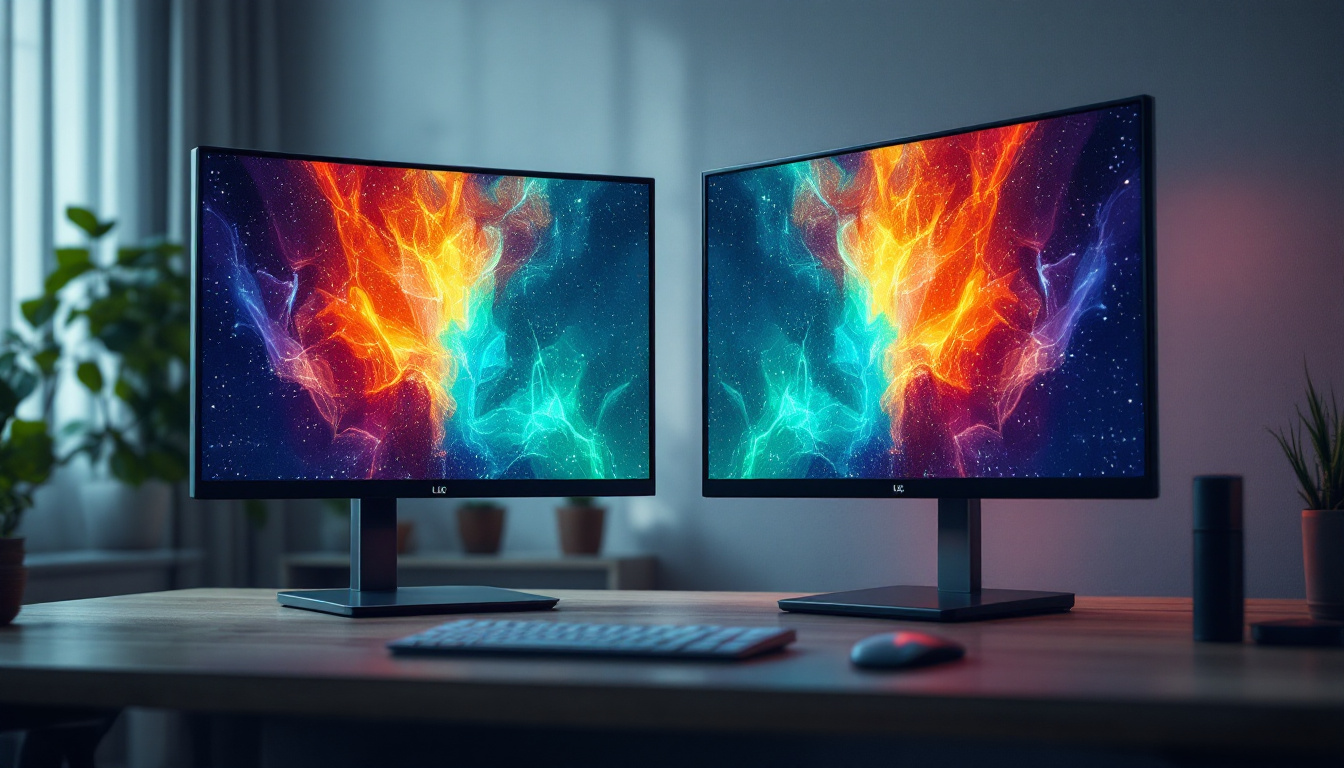
Small digital signage refers to compact electronic displays used to convey information, advertisements, or interactive content in a visually appealing way. Typically ranging from a few inches to around 32 inches diagonally, these displays are designed for close-range viewing in environments such as retail stores, restaurants, corporate offices, and public spaces.
Unlike traditional static signs, small digital signage offers dynamic content capabilities, allowing businesses to update messages in real time, tailor promotions to specific audiences, and incorporate multimedia elements such as video, animation, and interactive interfaces. This flexibility not only enhances customer engagement but also allows for targeted marketing strategies that can adapt to changing consumer behaviors or seasonal trends. For instance, a coffee shop can display different promotions based on the time of day, showcasing breakfast deals in the morning and dessert specials in the evening, thereby maximizing sales opportunities.
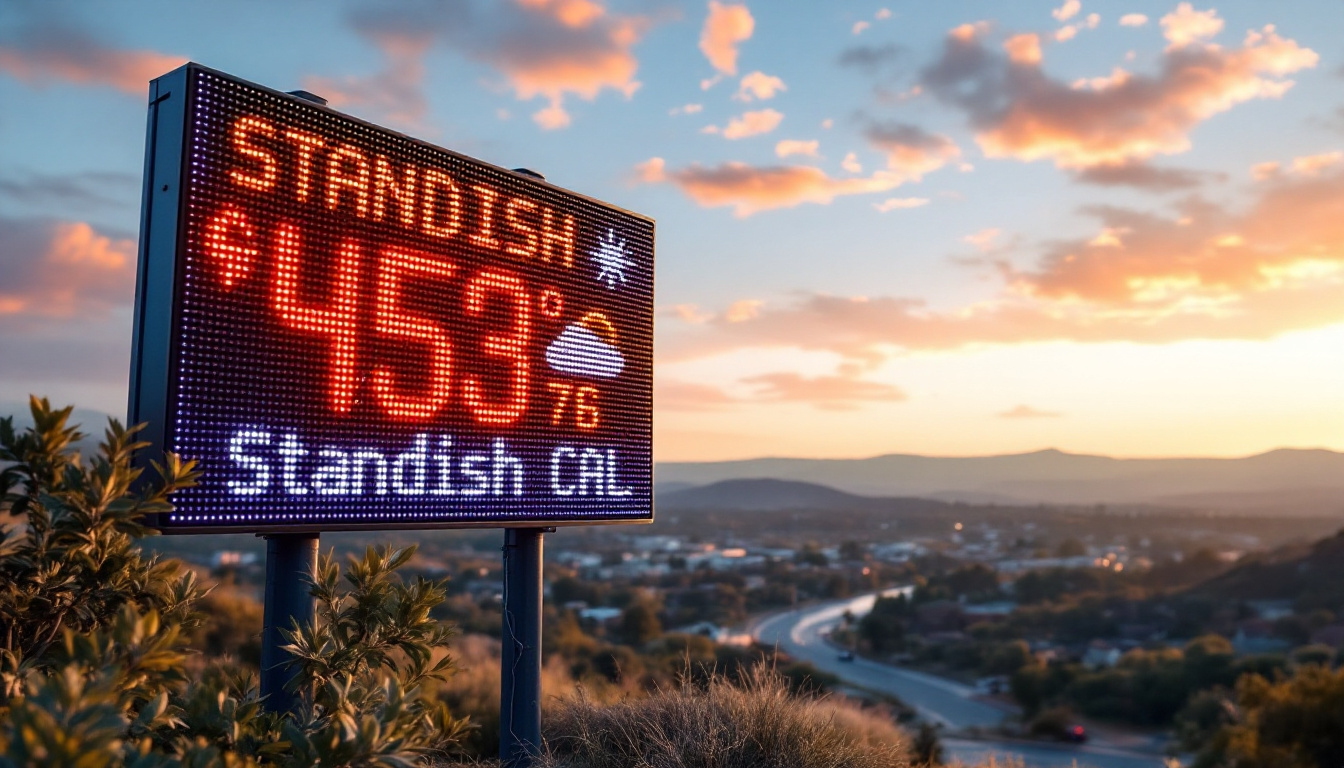
Moreover, small digital signage can be integrated with social media feeds, allowing businesses to display user-generated content or live updates, which fosters a sense of community and encourages customer interaction. The ability to showcase real-time information, such as news headlines or weather updates, further enriches the viewer’s experience, making these displays an invaluable tool in modern marketing and communication strategies.
How Do LED Displays Work?
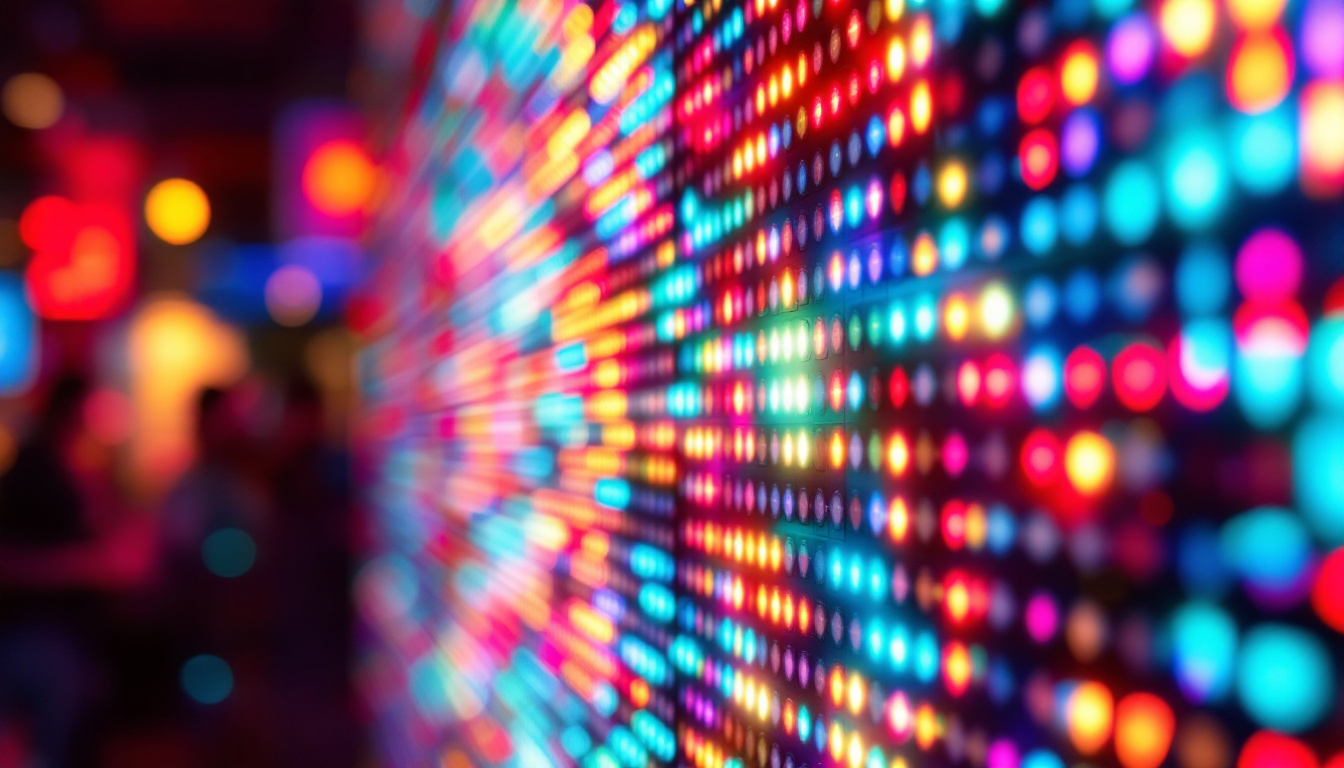
LED (Light Emitting Diode) displays consist of numerous tiny LEDs that emit light when an electric current passes through them. These LEDs are arranged in a matrix to form pixels, which collectively create images and videos. The technology behind LED displays can be broadly categorized into two types: direct-view LED and LED-backlit LCD.
Direct-view LED displays use LEDs as the actual pixels, providing high brightness and excellent color accuracy, especially in outdoor or brightly lit environments. On the other hand, LED-backlit LCDs use LEDs to illuminate an LCD panel, offering a thinner form factor and often used in indoor settings. The choice between these technologies often depends on the specific application and environment; for example, direct-view LED displays are ideal for large outdoor advertising billboards, while LED-backlit LCDs are commonly found in retail displays and corporate presentations.
Additionally, LED displays are known for their energy efficiency and long lifespan, making them a sustainable choice for businesses looking to reduce their carbon footprint. The advancements in LED technology have also led to improved resolution and pixel density, allowing for stunning visuals that can capture the attention of passersby. With the rise of smart technology, many LED displays now come equipped with features such as remote management and analytics capabilities, enabling businesses to monitor performance and optimize content delivery effectively.
Key Advantages of Small LED Digital Signage
Exceptional Brightness and Visibility
One of the standout features of LED displays is their superior brightness compared to other display technologies. Small LED signage can achieve brightness levels upwards of 1,000 nits, making them easily visible even in well-lit indoor environments or areas exposed to sunlight. This ensures that messages remain clear and eye-catching throughout the day. Furthermore, the ability to adjust brightness dynamically based on ambient light conditions enhances visibility while conserving energy, allowing businesses to maintain optimal performance without compromising on message delivery.
Energy Efficiency and Longevity
LED technology is renowned for its energy efficiency. Small LED displays consume significantly less power than traditional fluorescent or incandescent signage, reducing operational costs over time. Additionally, LEDs have a long lifespan—often exceeding 50,000 hours—meaning less frequent replacements and lower maintenance expenses. This longevity not only translates to cost savings but also minimizes waste, making LED signage an environmentally friendly choice. As businesses increasingly prioritize sustainability, the reduced carbon footprint associated with LED technology becomes an attractive selling point.
Vibrant Colors and High Contrast
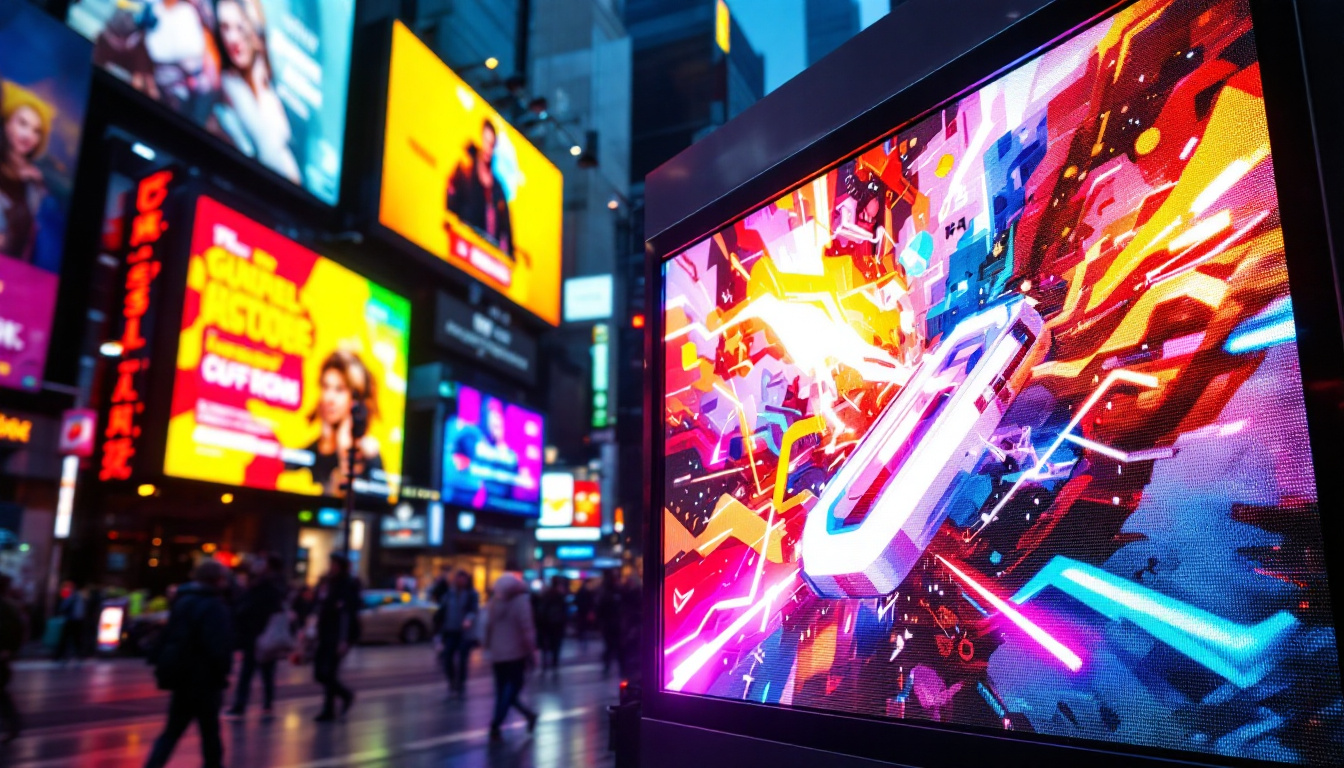
LED displays offer vivid colors and deep contrast ratios, which enhance the visual appeal of digital signage. This capability is critical for brands aiming to create memorable impressions and convey messages with clarity and emotional impact. The ability to display true blacks and bright whites helps content stand out, even in challenging lighting conditions. Additionally, advancements in LED technology have led to improved color accuracy and a wider color gamut, allowing businesses to showcase their branding in the most authentic way possible. This not only captivates audiences but also fosters brand loyalty through consistent and striking visual representation.
Flexible Design and Installation
Small LED signage is highly adaptable in terms of form factor and installation options. These displays can be mounted on walls, embedded in kiosks, or integrated into furniture and fixtures. Their lightweight and slim design make them suitable for a wide range of environments, from tight retail spaces to corporate lobbies. Moreover, the modular nature of many LED systems allows for creative configurations, enabling businesses to design unique displays that fit their specific branding needs. Whether it’s a sleek, modern look for a tech startup or a more traditional aesthetic for a boutique, the versatility of small LED signage ensures that every business can find a solution that aligns with its vision.
Applications of Small LED Digital Signage
Retail Environments
Retailers leverage small LED signage to attract customers, promote products, and enhance the shopping experience. For example, digital price tags and promotional displays can be updated instantly to reflect sales or inventory changes. According to a 2023 report by the Digital Signage Federation, over 70% of retailers have adopted some form of digital signage to increase customer engagement and boost sales.
Small LED displays are particularly effective for point-of-sale areas and product showcases, where clear, bright visuals can influence purchasing decisions in real time.
Hospitality and Food Service
Restaurants, cafes, and bars utilize small LED digital signage for menu boards, specials, and event promotions. The ability to change content quickly allows businesses to adapt menus based on time of day, inventory, or customer preferences. For instance, a café can display breakfast items in the morning and switch to lunch specials by noon without the need for physical signage changes.
Corporate and Educational Settings
In corporate offices and educational institutions, small LED displays serve as information hubs, providing schedules, announcements, and wayfinding assistance. Their compact size makes them ideal for placement in hallways, meeting rooms, and reception areas, where they can deliver timely updates and enhance communication.
Transportation and Public Spaces
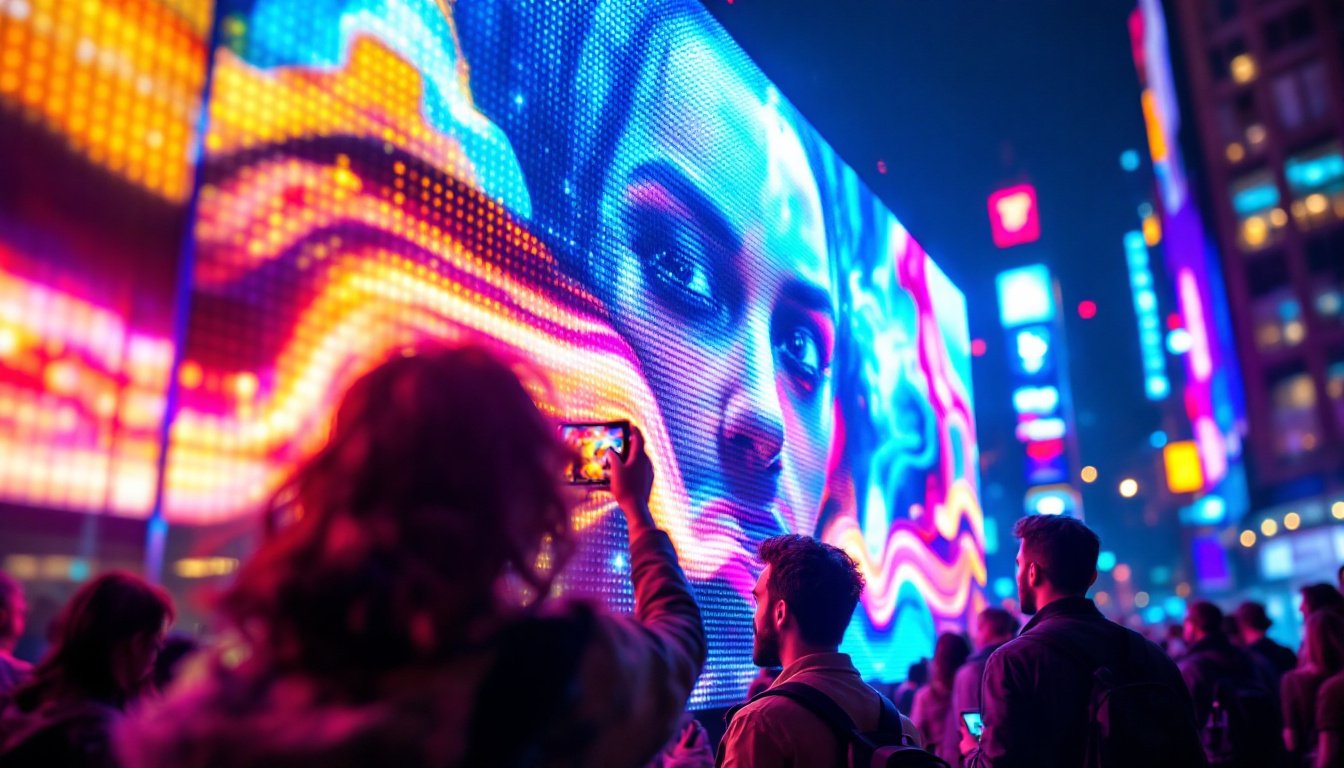
Small LED signage is increasingly used in transportation hubs such as airports, train stations, and bus terminals to provide real-time updates on schedules, delays, and safety information. Their durability and brightness ensure messages are visible to large crowds in various lighting conditions.
Choosing the Right Small LED Display for Your Needs
Resolution and Pixel Pitch
Resolution determines the clarity and detail of the displayed content. For small digital signage, a higher resolution is essential, especially when the display is viewed up close. Pixel pitch—the distance between individual LEDs—affects resolution and image sharpness. A smaller pixel pitch (1-2 mm) is preferable for displays intended for close-range viewing, ensuring crisp visuals without visible pixelation.
Brightness and Viewing Angle
Consider the environment where the display will be installed. For brightly lit areas or outdoor use, higher brightness levels (above 1,000 nits) are necessary to maintain visibility. Additionally, wide viewing angles (typically 160 degrees or more) ensure that the content is visible from various positions, which is vital in public or high-traffic areas.
Connectivity and Content Management
Modern small LED displays often come with integrated content management systems (CMS) that allow users to schedule and update content remotely. Connectivity options such as Wi-Fi, Ethernet, and USB support seamless content delivery. When selecting a display, ensure it supports the CMS that fits your operational workflow and technical capabilities.
Durability and Environmental Considerations
Although small LED displays are generally designed for indoor use, some models offer enhanced durability features such as water resistance and dust protection. If the signage is to be installed in semi-outdoor or harsh environments, choosing a display with appropriate ingress protection (IP) ratings is crucial to ensure longevity and reliable performance.
Future Trends in Small LED Digital Signage
Integration with AI and Interactive Technologies
Artificial intelligence is transforming digital signage by enabling personalized content delivery based on audience demographics, behavior, and preferences. Small LED displays equipped with sensors and AI-powered software can dynamically adjust messages to maximize engagement.
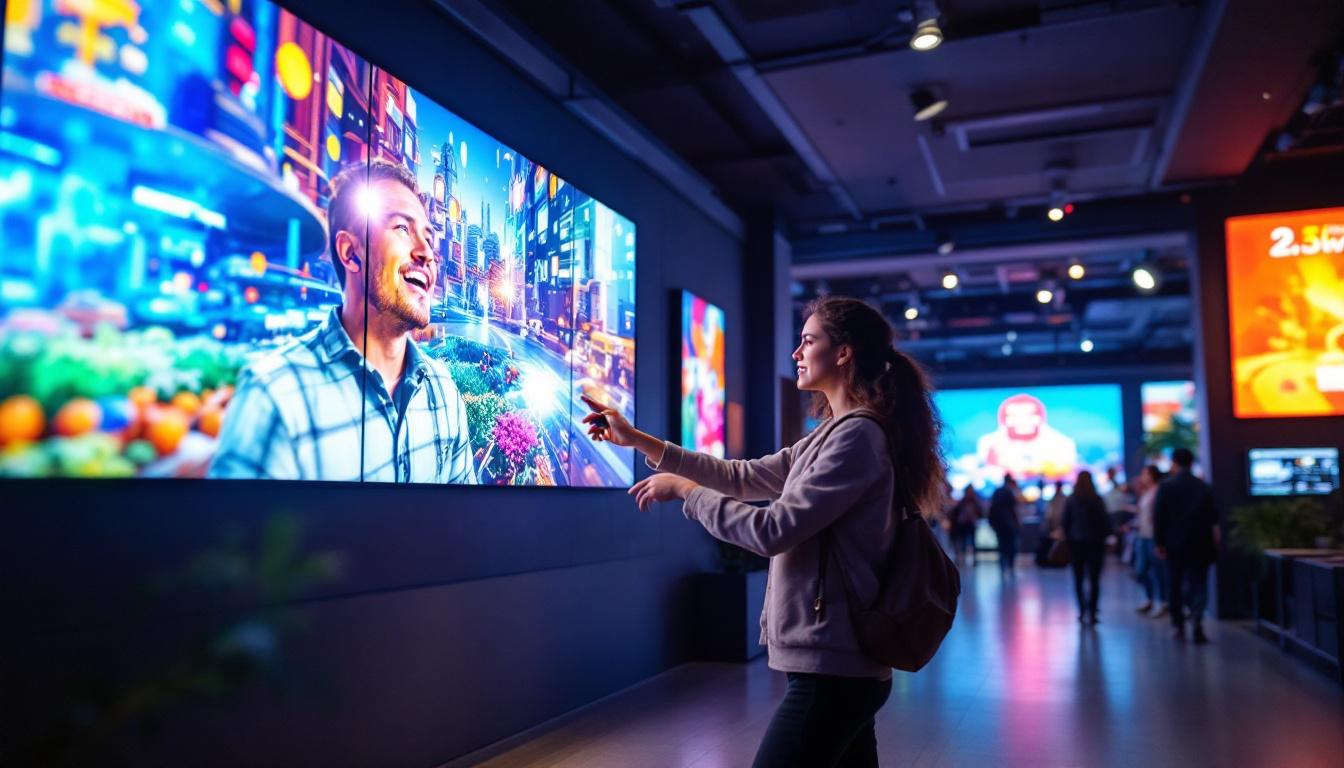
Interactive capabilities, including touchscreens and gesture recognition, are also becoming more common, allowing users to interact with the signage for information, wayfinding, or entertainment purposes.
Advancements in Mini-LED and Micro-LED Technology
Emerging display technologies like mini-LED and micro-LED promise even higher brightness, better contrast, and improved energy efficiency. These innovations will likely enhance the performance of small digital signage, making displays thinner, more flexible, and capable of delivering superior image quality.
Sustainability and Eco-Friendly Solutions
As environmental concerns grow, manufacturers are focusing on producing eco-friendly LED displays that use recyclable materials and consume less power. Sustainable digital signage solutions not only reduce carbon footprints but also appeal to environmentally conscious consumers and businesses.
Conclusion
Small digital signage using LED displays represents a dynamic and effective medium for visual communication across diverse industries. Their brightness, energy efficiency, and versatility make them an excellent choice for businesses seeking to capture attention and convey messages with impact. By understanding the technology, benefits, and key considerations, organizations can select the right small LED display solutions to meet their specific needs and stay ahead in an increasingly digital world.
As technology continues to evolve, small LED digital signage will play an even more significant role in shaping how information is delivered and experienced, offering exciting opportunities for innovation and engagement.
Discover Cutting-Edge LED Display Solutions with LumenMatrix
Ready to elevate your visual communication strategy with vibrant, energy-efficient, and versatile LED displays? Look no further than LumenMatrix, a pioneer in LED display technology. Our extensive range of solutions, including Indoor and Outdoor LED Wall Displays, Vehicle LED Displays, LED Poster Displays, LED Sports Displays, Floor LED Displays, Custom LED Displays, All-in-One LED Displays, and LED Transparent Displays, are designed to captivate your audience and amplify your message. Embrace the future of digital signage with LumenMatrix and create unforgettable visual experiences. Check out LumenMatrix LED Display Solutions today and see how we can help you make a lasting impression.