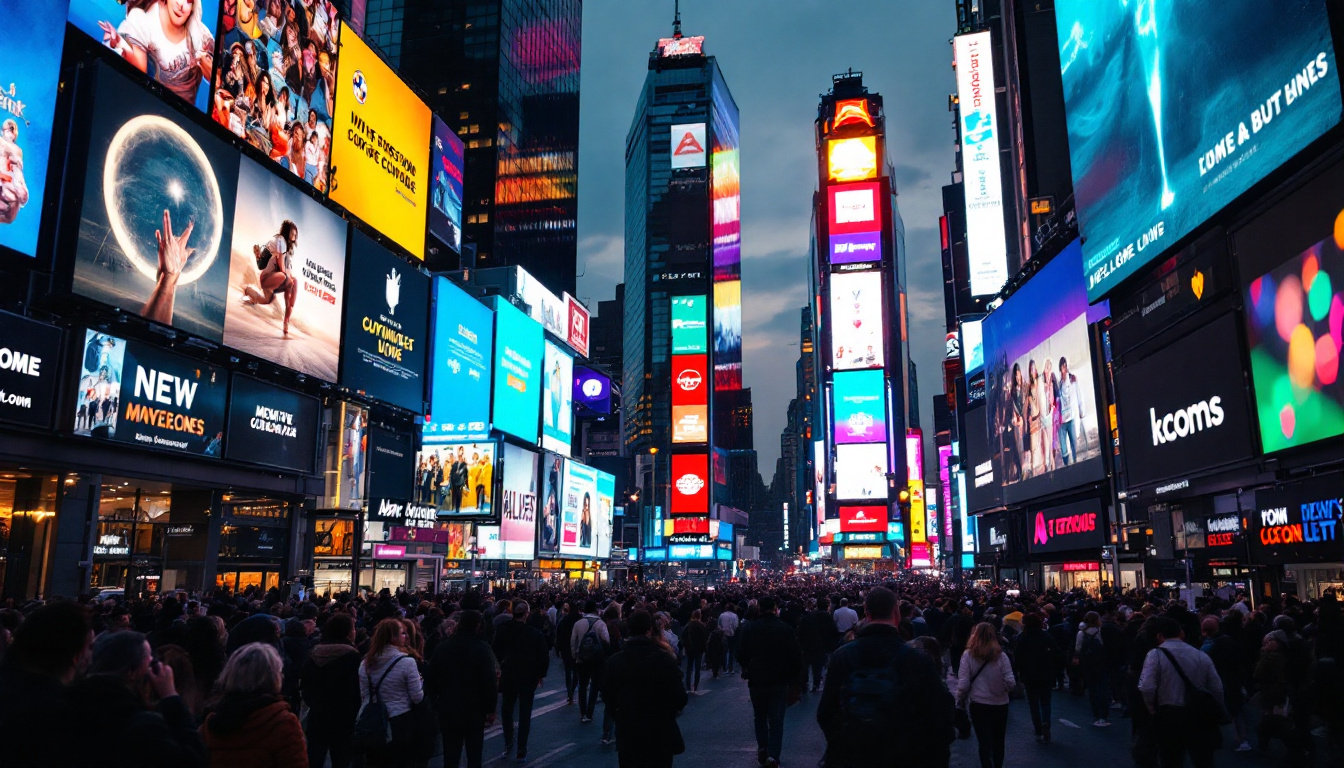
In today’s digital age, LED displays have become an integral part of how information is communicated visually. From the vibrant billboards in Times Square to the sleek screens on smartphones and televisions, LED technology powers a vast array of display solutions. This article delves into the fundamentals of LED displays, their types, advantages, applications, and future trends, providing a comprehensive understanding for professionals, enthusiasts, and decision-makers alike.
Understanding LED Display Technology
What is an LED Display?
LED stands for Light Emitting Diode, a semiconductor device that emits light when an electric current passes through it. An LED display is a flat panel display that uses an array of these diodes as pixels to produce images, videos, or text. Unlike traditional LCD or plasma displays, LED displays generate their own light, which results in higher brightness and better contrast. This self-illuminating property allows for vivid colors and deeper blacks, making LED displays particularly popular in environments with varying lighting conditions, such as outdoor advertising or stadiums.
LED displays can vary in size from tiny indicators on electronic devices to massive outdoor screens spanning hundreds of square meters. The core principle remains the same: controlling individual LEDs or groups of LEDs to create a dynamic, visually appealing output. Additionally, LED technology has evolved to include flexible and transparent displays, offering new possibilities for creative applications in architecture and design. These innovations allow for seamless integration into urban environments, transforming the way we interact with visual media in public spaces.
How Do LED Displays Work?
Each pixel on an LED display consists of one or more LEDs that emit red, green, and blue light. By adjusting the intensity of these three primary colors, the display can produce a full spectrum of colors. This process is known as additive color mixing. The LEDs are arranged in a grid, and by controlling which LEDs light up and their brightness, the display forms images. This capability is crucial for applications ranging from digital signage to high-definition televisions, where clarity and color accuracy are paramount.
Modern LED displays often use surface-mounted device (SMD) LEDs, which integrate all three colors into a single package, allowing for higher resolution and improved viewing angles. The display is driven by a control system that processes input signals and manages the timing and brightness of each LED to render the desired content. Furthermore, advancements in technology have led to the development of smart LED displays that can connect to the internet, enabling real-time content updates and interactive features. This connectivity opens up a world of possibilities for advertisers and content creators, allowing them to engage audiences in innovative ways, such as through social media integration or live data feeds.
Types of LED Displays
Direct View LED Displays
Direct view LED displays are composed of individual LEDs that are directly visible to the viewer. These are commonly used in large-scale applications such as stadium screens, outdoor advertising billboards, and public information displays. Their brightness and durability make them ideal for environments with high ambient light and varying weather conditions.
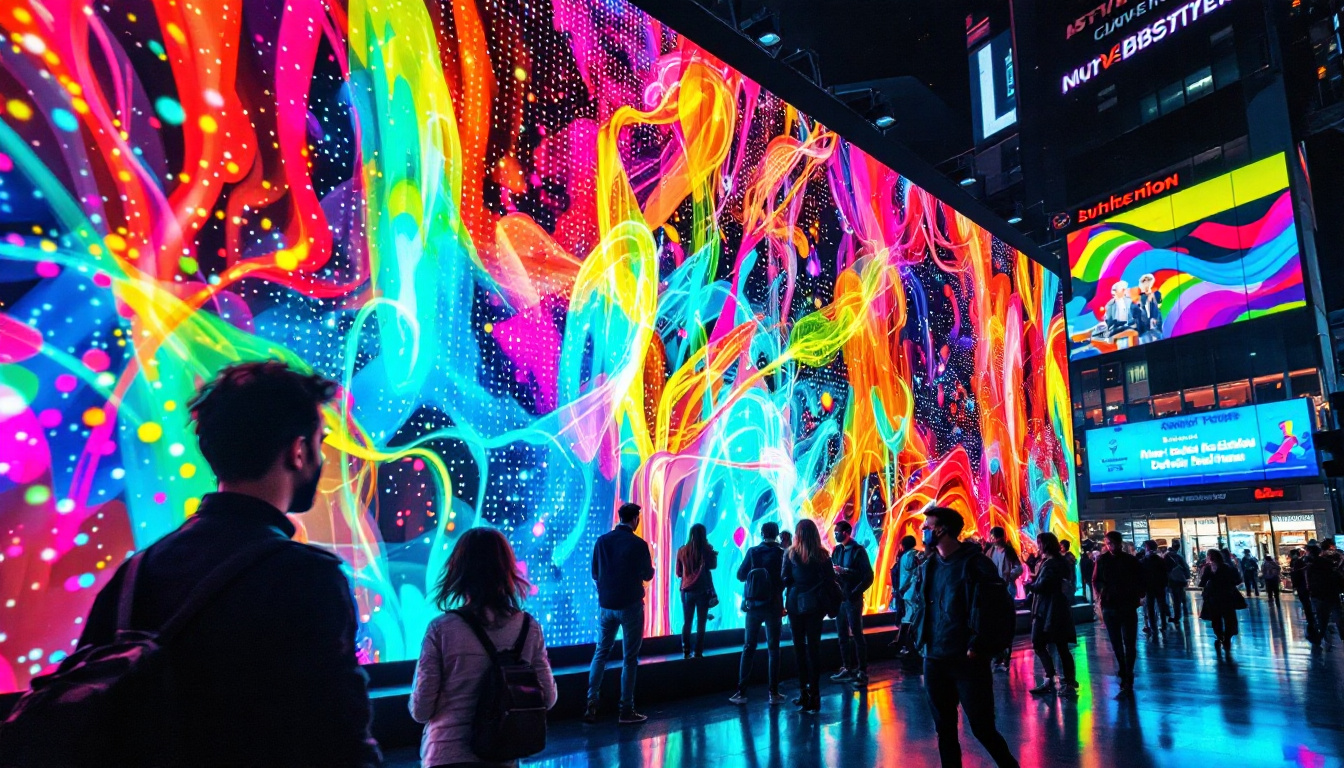
The pixel pitch—the distance between the centers of two adjacent LEDs—determines the resolution and viewing distance. Smaller pixel pitches provide higher resolution suitable for closer viewing, while larger pitches are cost-effective for distant viewing. Additionally, direct view LED displays can be configured in various shapes and sizes, allowing for creative installations that enhance the visual experience. This flexibility has led to their popularity in artistic displays and immersive environments, where they can be arranged to create dynamic visuals that captivate audiences.
LED-Backlit LCD Displays
Many consumer electronics, including TVs, monitors, and smartphones, use LED-backlit LCD technology. Here, LEDs serve as a backlight behind an LCD panel rather than forming the image directly. This approach combines the color accuracy and resolution of LCDs with the energy efficiency and slim profile of LEDs.
LED backlighting can be edge-lit or full-array. Full-array LED backlighting offers better contrast and local dimming capabilities, enhancing picture quality by selectively dimming parts of the screen to deepen blacks and improve dynamic range. Moreover, advancements in LED technology have led to the development of quantum dot displays, which further enhance color reproduction and brightness. This innovation allows for a wider color gamut, making images appear more vibrant and lifelike, which is particularly beneficial for content creators and gamers seeking an immersive viewing experience.
OLED vs. LED Displays
Organic Light Emitting Diode (OLED) displays are often compared to LED displays. While OLEDs also emit light at the pixel level, they use organic compounds that glow when electrified. This allows for even thinner panels, perfect blacks, and superior contrast ratios.
However, OLEDs tend to be more expensive and less bright than traditional LED displays, making LED technology preferable for large outdoor applications. Understanding these distinctions helps businesses and consumers choose the right display for their needs. Furthermore, OLED technology is advancing rapidly, with improvements in lifespan and resistance to burn-in, which has historically been a concern for users. As manufacturers continue to innovate, the competition between OLED and LED technologies is likely to intensify, leading to even more options for consumers and businesses alike, each with unique advantages tailored to specific applications and environments.
Advantages of LED Displays
Brightness and Visibility
One of the most significant advantages of LED displays is their exceptional brightness. LEDs can achieve brightness levels exceeding 5,000 nits, making them easily viewable even in direct sunlight. This is critical for outdoor advertising, traffic signs, and sports arenas where visibility is paramount.
Additionally, LED displays maintain consistent brightness over time and across different viewing angles, ensuring that the content remains clear and vibrant.
Energy Efficiency and Longevity
LEDs are inherently energy-efficient compared to other lighting technologies. They convert a higher percentage of electrical energy into light, reducing power consumption and operational costs. For example, LED displays can use up to 50% less energy than fluorescent backlit displays.
Moreover, LEDs have a long operational lifespan, often exceeding 100,000 hours. This reduces maintenance frequency and costs, making LED displays a cost-effective solution over their lifetime.
Durability and Environmental Impact
LED displays are robust and resistant to shock, vibration, and temperature fluctuations. This durability is essential for outdoor and industrial environments where displays face harsh conditions.
From an environmental perspective, LEDs do not contain hazardous materials like mercury, which is common in some other lighting technologies. Their energy efficiency also contributes to lower carbon emissions, aligning with sustainability goals.
Common Applications of LED Displays
Advertising and Digital Signage
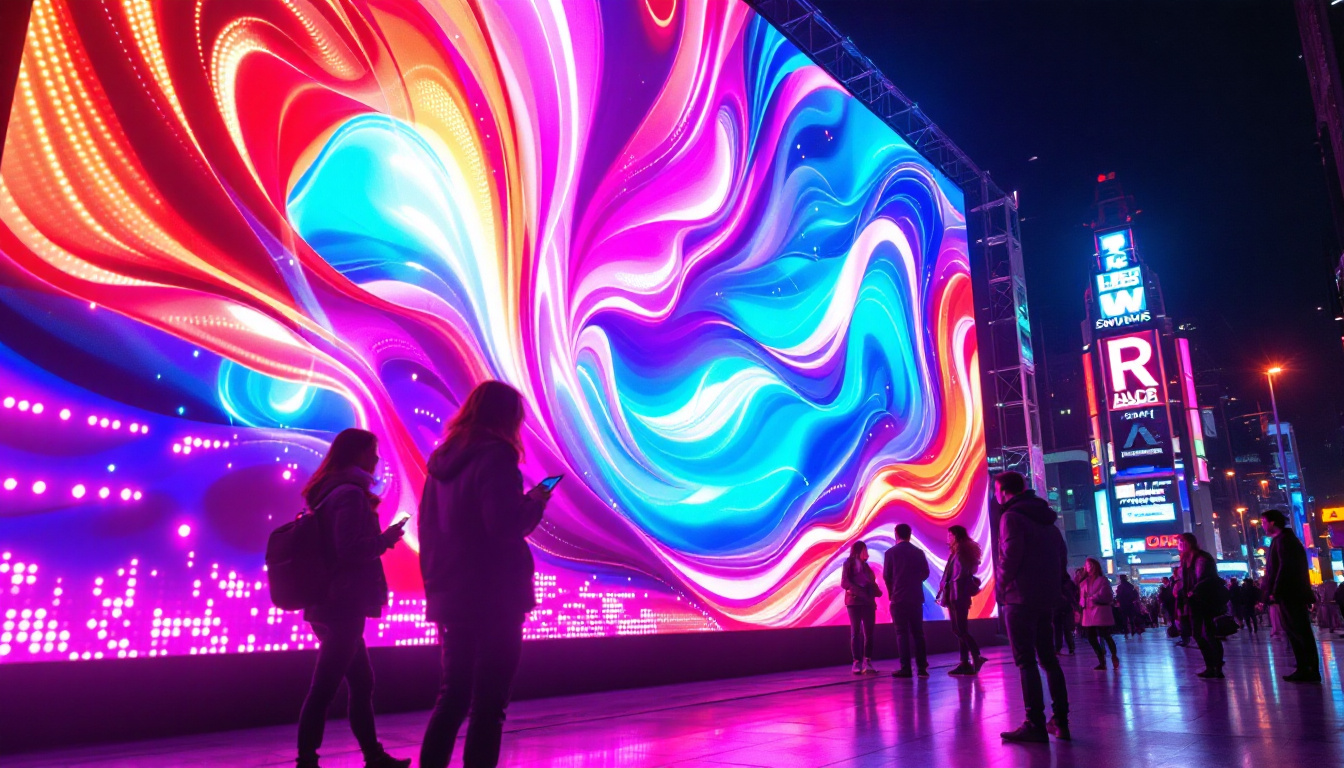
LED displays revolutionized outdoor advertising by enabling dynamic, eye-catching content that can be updated remotely and in real-time. Cities worldwide have embraced LED billboards for their ability to attract attention and deliver targeted messages effectively.
Retail environments also use LED displays for in-store promotions, enhancing customer engagement through vibrant visuals and interactive content.
Sports and Entertainment Venues
Stadiums and arenas utilize large direct view LED screens to provide spectators with live game footage, replays, and advertisements. The high brightness and wide viewing angles ensure that fans have a clear view regardless of their seat location.
Concerts and events employ LED walls and panels as dynamic stage backdrops, creating immersive experiences that synchronize visuals with performances.
Transportation and Public Information
LED displays are widely used in transportation hubs such as airports, train stations, and bus terminals to provide real-time schedules, alerts, and wayfinding information. Their visibility and reliability are crucial for passenger convenience and safety.
Traffic management systems use LED signs to convey speed limits, warnings, and road conditions, contributing to safer roadways.
Consumer Electronics
From smartphones and tablets to televisions and computer monitors, LED technology is at the heart of modern consumer electronics. The combination of energy efficiency, slim design, and superior image quality has made LED displays the standard in personal devices.
Key Considerations When Choosing an LED Display
Resolution and Pixel Pitch
The intended viewing distance largely determines the required resolution and pixel pitch. For close-up viewing, such as indoor retail displays or control rooms, a fine pixel pitch (below 2 mm) is necessary to ensure sharp images. For outdoor billboards viewed from a distance, larger pixel pitches (10 mm or more) are sufficient and more cost-effective.
Brightness and Environmental Conditions
Outdoor displays must offer high brightness and weather resistance. Look for displays rated for high nits and with IP ratings indicating protection against dust and water ingress. Indoor displays can prioritize color accuracy and contrast over extreme brightness.
Installation and Maintenance
Consider the ease of installation and access for maintenance. Modular LED panels that can be quickly replaced or serviced reduce downtime and operational disruptions. Additionally, ensure the display’s control system is compatible with existing infrastructure and content management software.
Future Trends in LED Display Technology
MicroLED and MiniLED Innovations
MicroLED technology, which uses microscopic LEDs as individual pixels, promises even higher brightness, contrast, and energy efficiency than current LED displays. Its potential for flexible and transparent displays opens new possibilities for design and application.
MiniLED, a more immediate advancement, employs smaller LEDs for backlighting LCD panels, offering improved local dimming and contrast at a lower cost than OLEDs.
Interactive and Smart Displays
Integration of touch sensors, AI-driven content management, and IoT connectivity is transforming LED displays into interactive platforms. Smart displays can adapt content based on audience demographics, environmental conditions, or real-time data, enhancing engagement and effectiveness.
Sustainability and Energy Management
As energy consumption and environmental impact become critical concerns, LED display manufacturers are focusing on reducing power usage further and using recyclable materials. Innovations in power management and dynamic brightness adjustment help minimize energy waste without compromising visibility.
Conclusion
LED displays represent a versatile and powerful technology that continues to evolve and shape the way visual information is presented across industries. Their superior brightness, energy efficiency, and durability make them ideal for a wide range of applications, from massive outdoor billboards to intricate consumer electronics.
Understanding the different types of LED displays, their advantages, and key considerations enables businesses and consumers to make informed decisions that align with their needs and goals. As advancements like MicroLED and interactive smart displays emerge, the future of LED technology promises even more exciting possibilities for communication and entertainment.
Explore Cutting-Edge LED Displays with LumenMatrix
Ready to elevate your visual communication with the latest in LED technology? Look no further than LumenMatrix, a pioneer in crafting immersive LED display modules designed to amplify your brand and captivate your audience. Whether you’re in need of an Indoor LED Wall Display, a vibrant Outdoor LED Wall Display, or specialized solutions like Vehicle LED Displays, LED Sports Displays, or even Custom LED Displays, LumenMatrix has you covered. Embrace the future of digital signage and create unforgettable visual experiences with our comprehensive range of LED display solutions. Check out LumenMatrix LED Display Solutions today and transform the way you share your message.