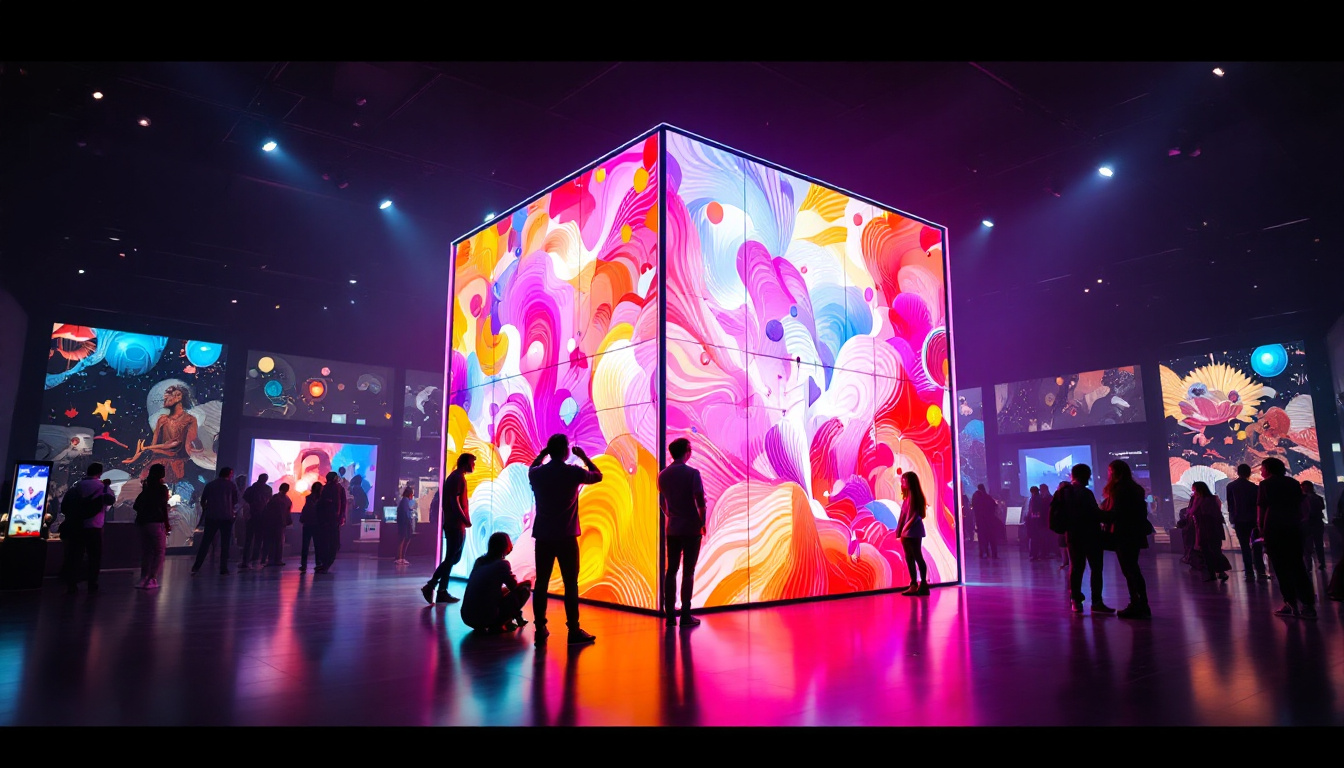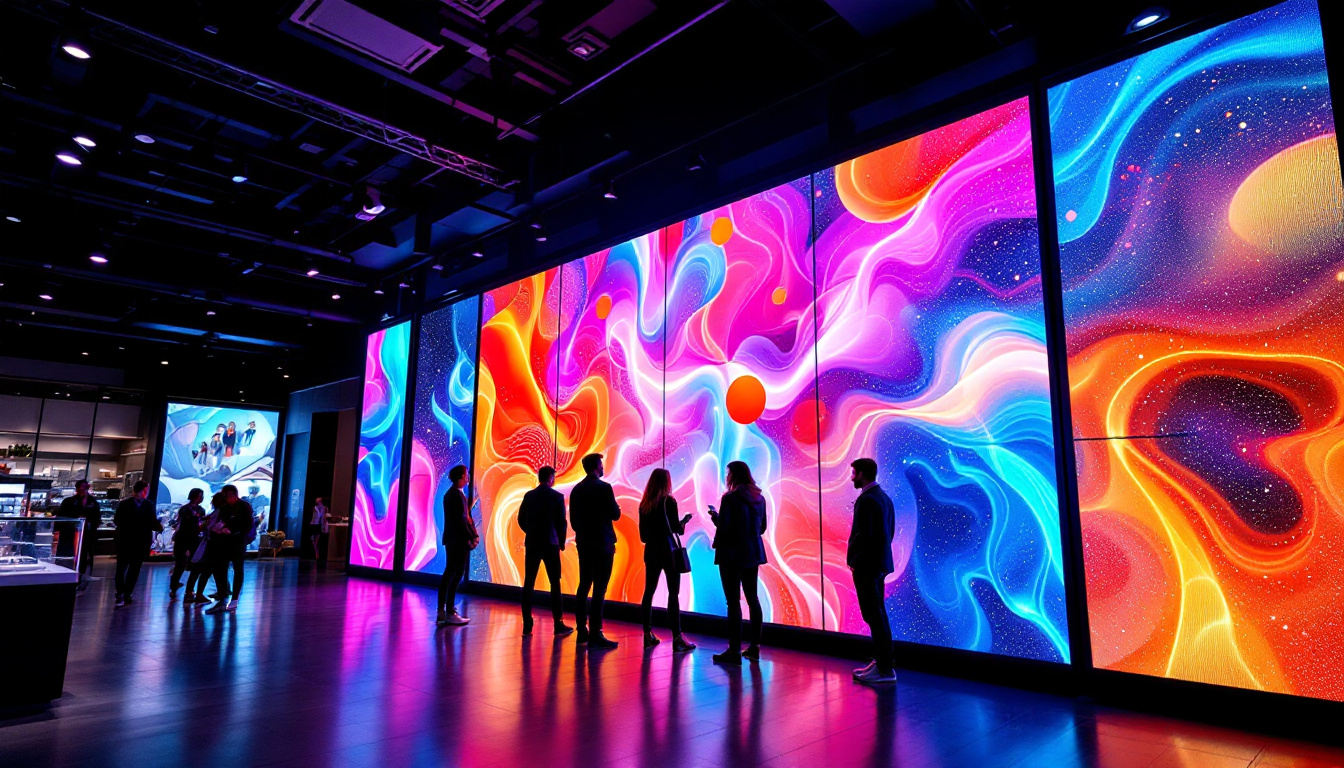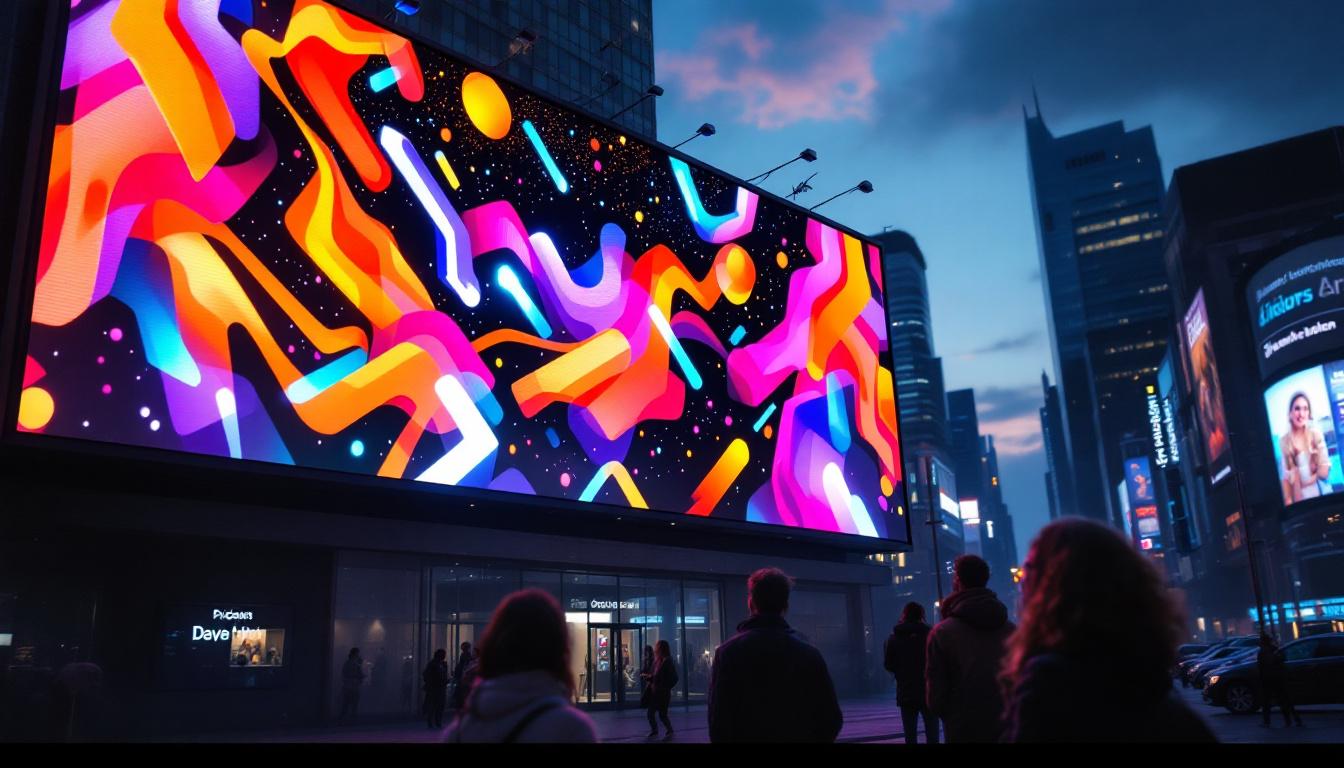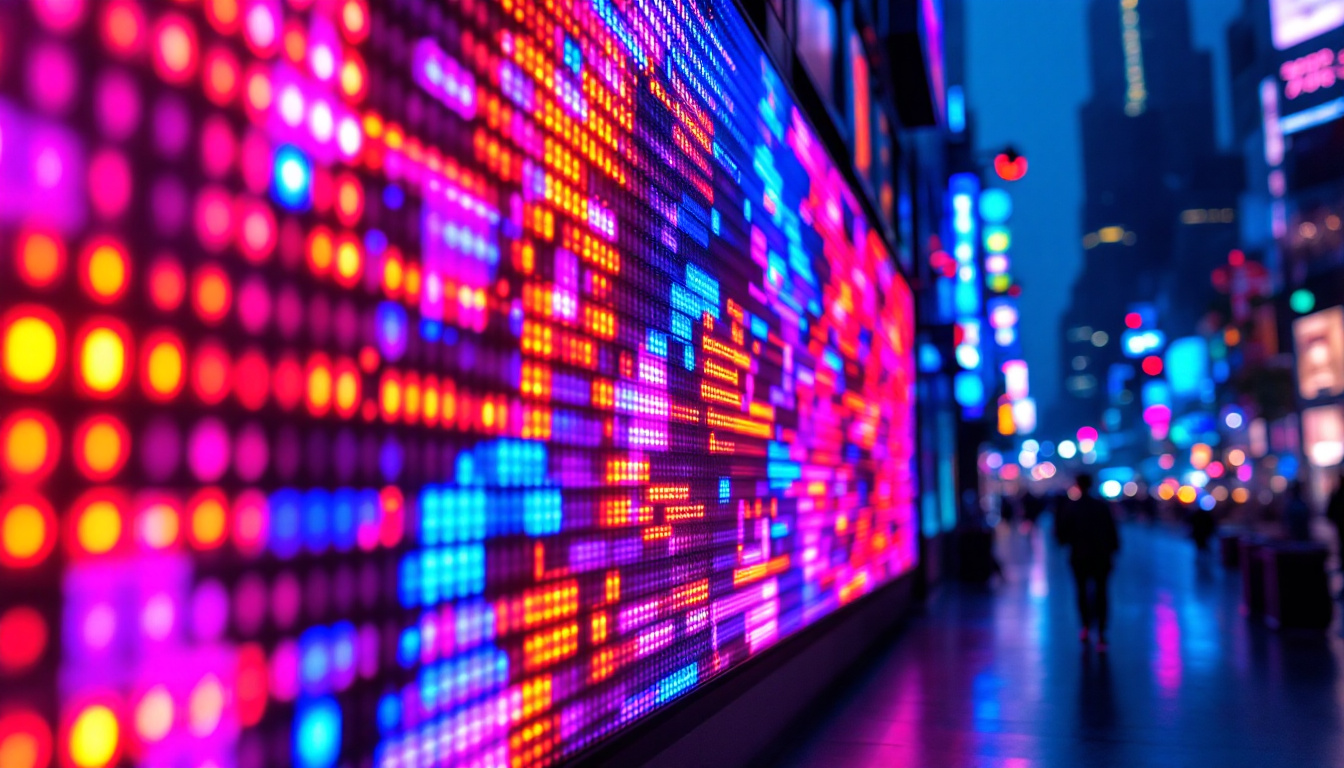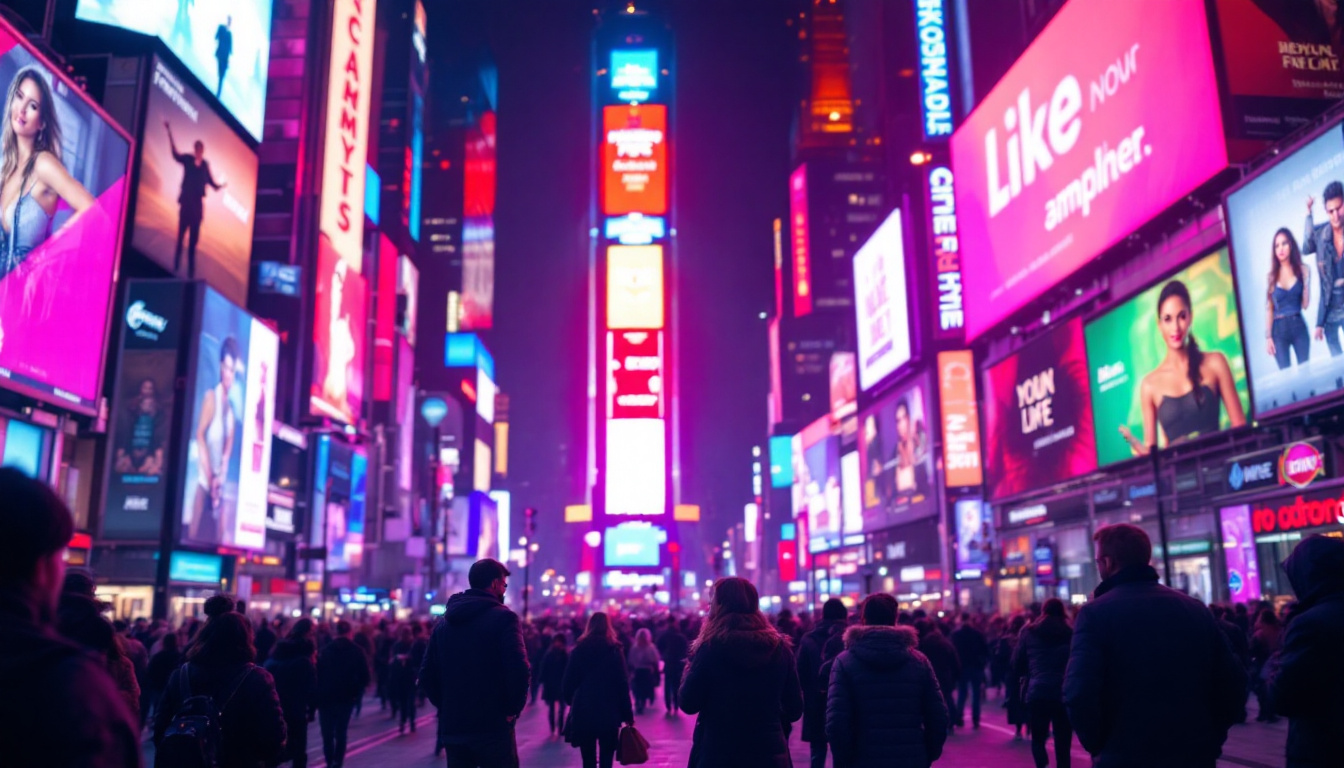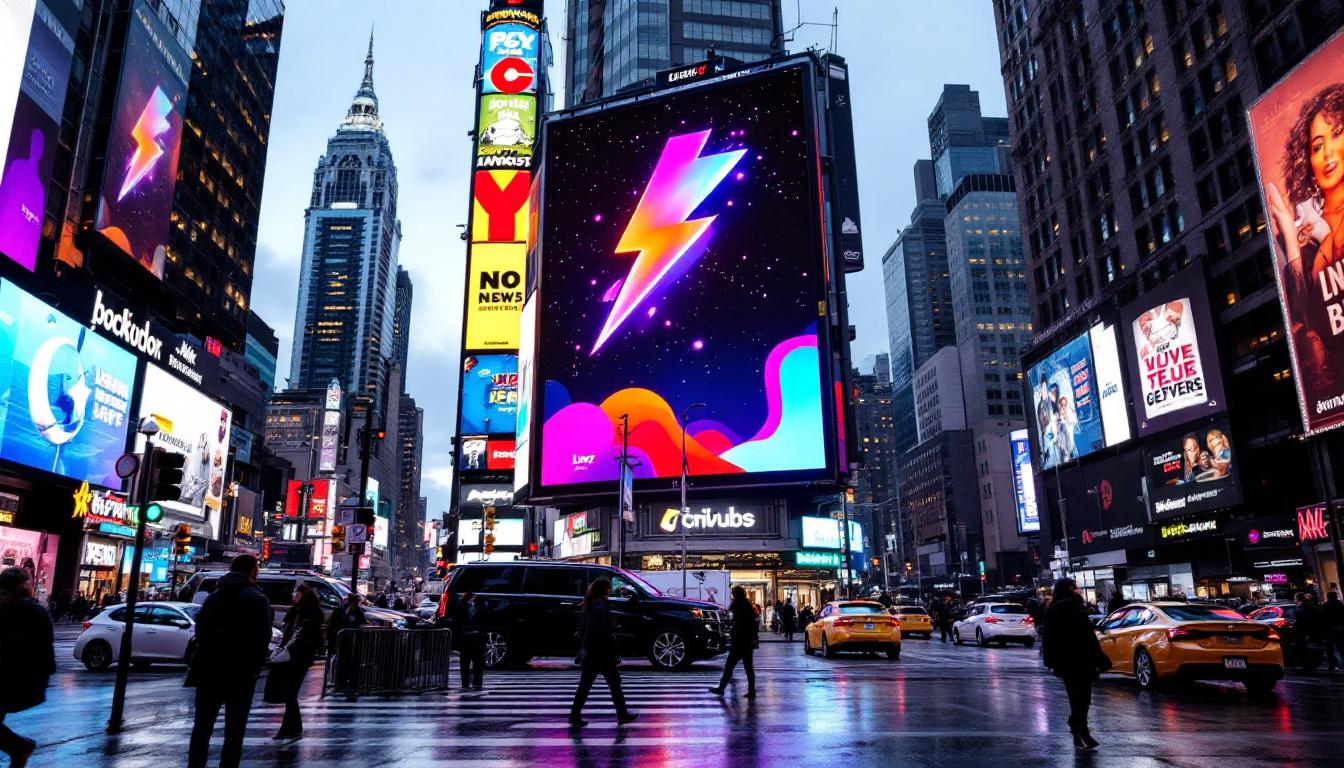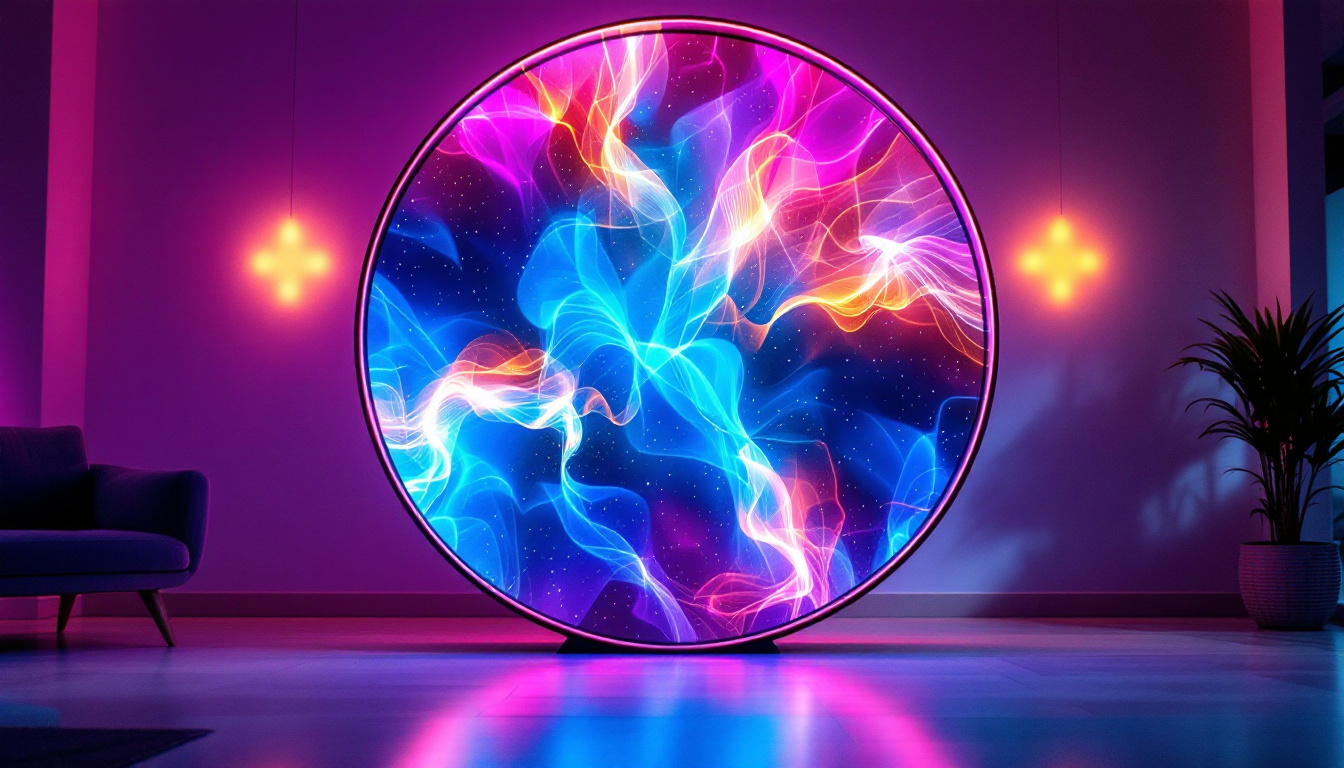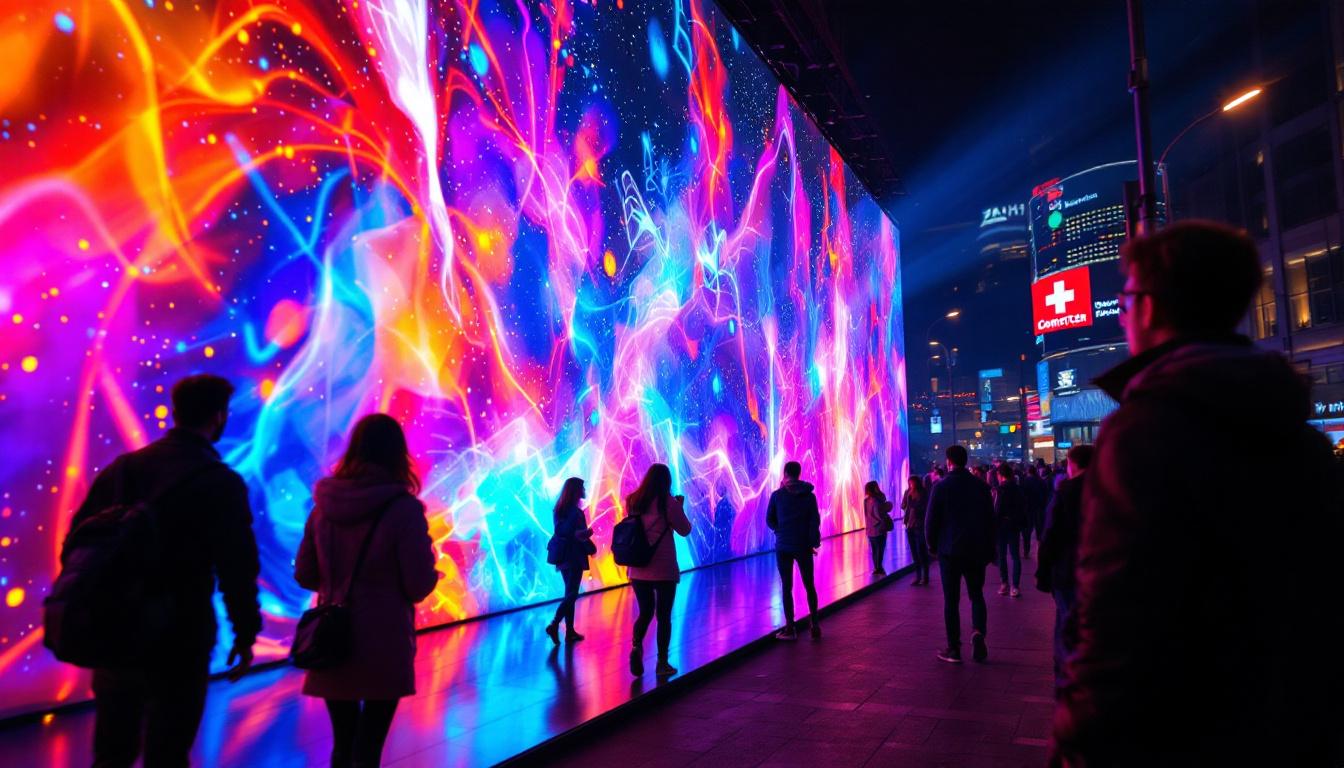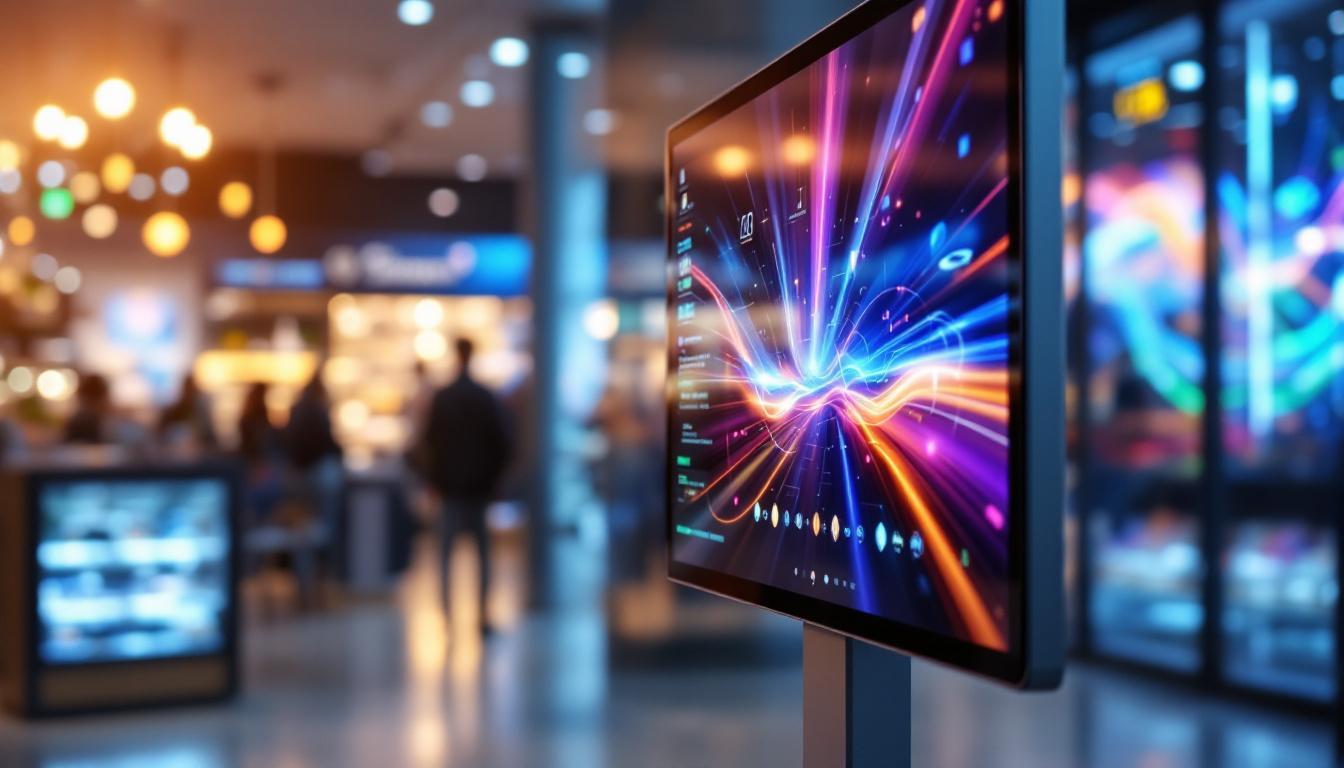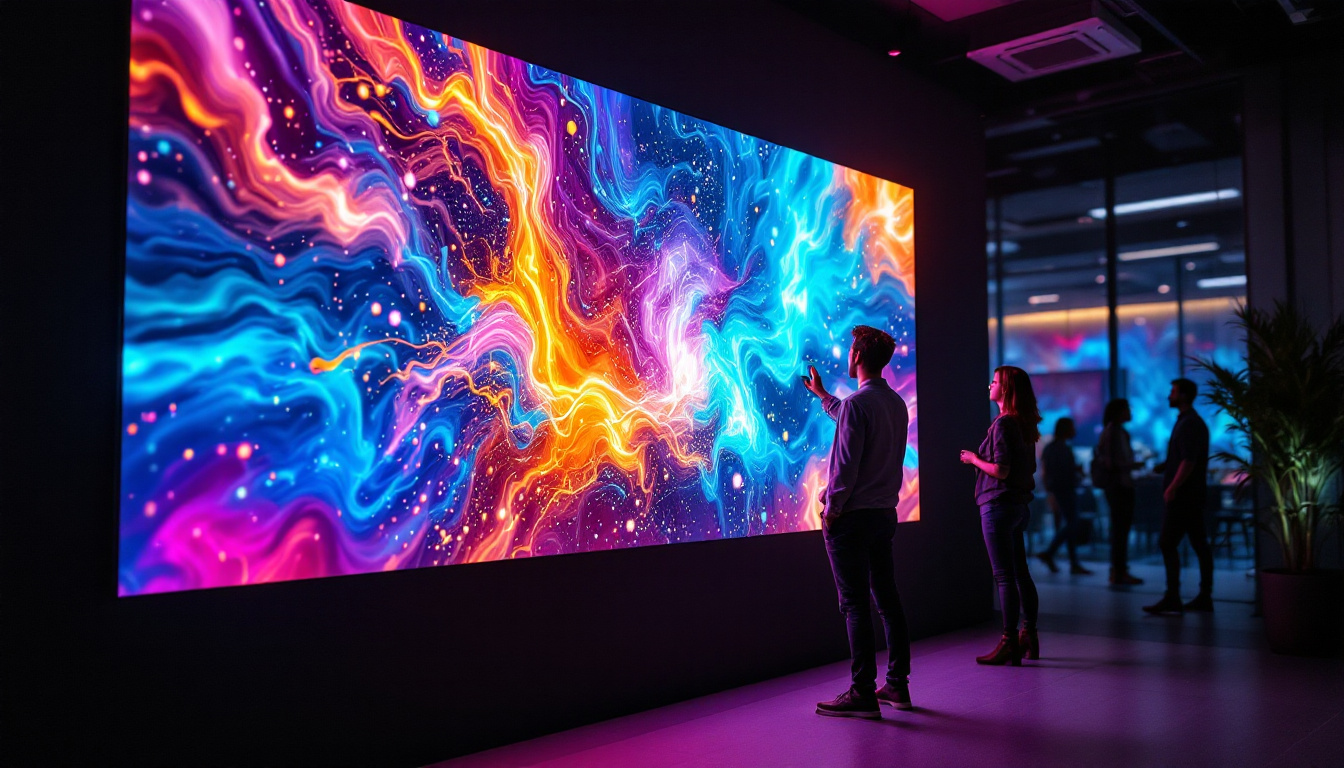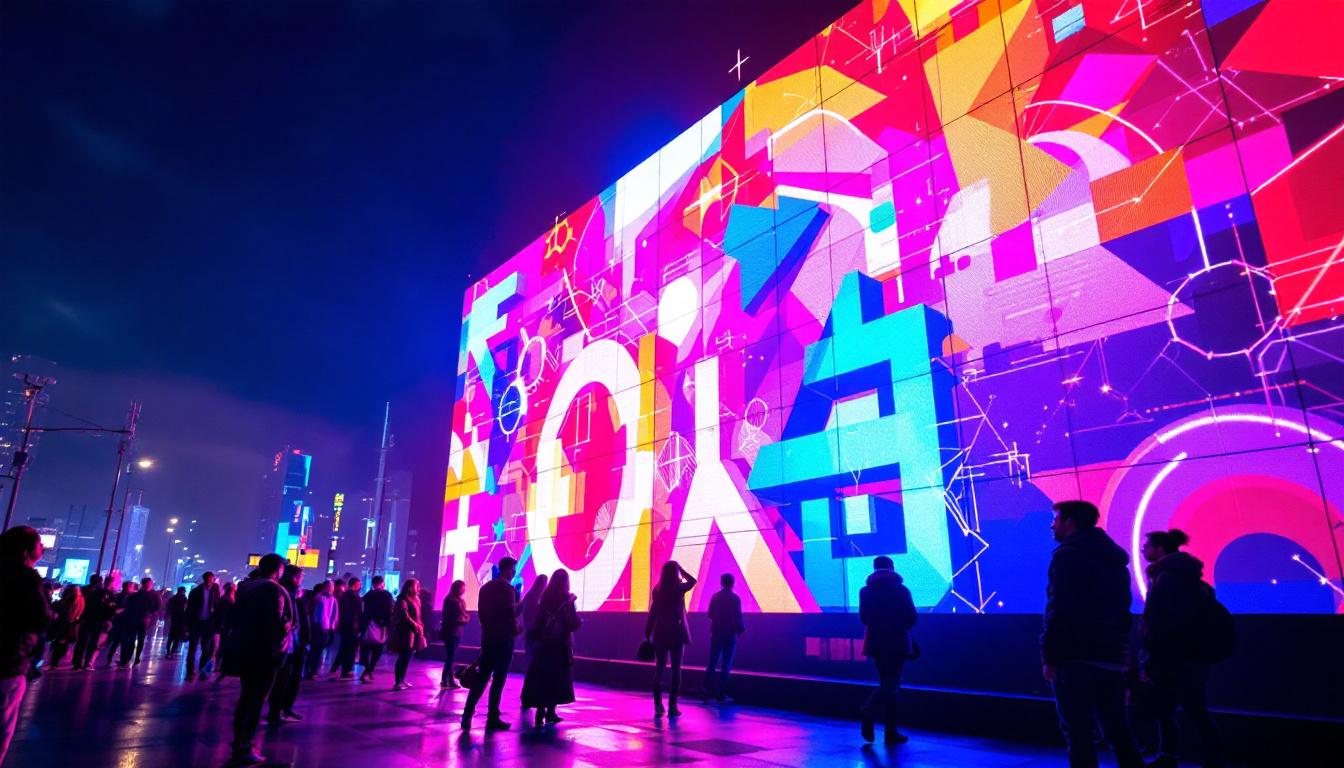
In an era where digital communication dominates, LED displays have become an essential medium for delivering vibrant, dynamic content across various sectors. From advertising billboards to stadium screens, and from retail signage to control room monitors, LED technology has revolutionized how information is presented and perceived. This article delves into the fundamentals of LED displays, exploring their technology, applications, advantages, and future trends to provide a comprehensive understanding of this framed solution.
Understanding LED Display Technology
LED, short for Light Emitting Diode, is a semiconductor device that emits light when an electric current passes through it. LED displays utilize thousands to millions of these tiny diodes arranged in a matrix to form images, videos, and text. Unlike traditional display technologies such as LCD or plasma, LED displays are self-illuminating, meaning each diode produces its own light, resulting in superior brightness and contrast. This characteristic not only enhances the visibility of the display in various lighting conditions but also contributes to energy efficiency, making LED technology a popular choice in both consumer and commercial applications.
The Anatomy of an LED Display
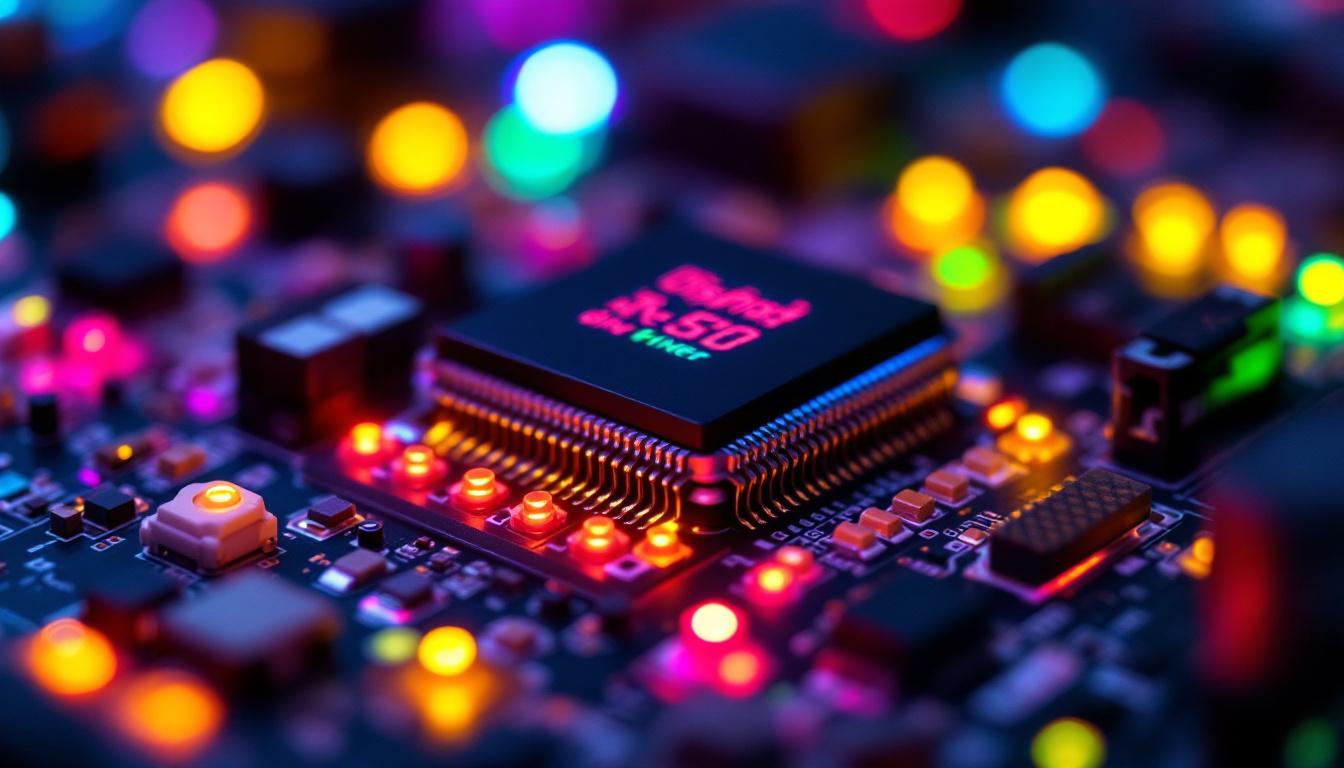
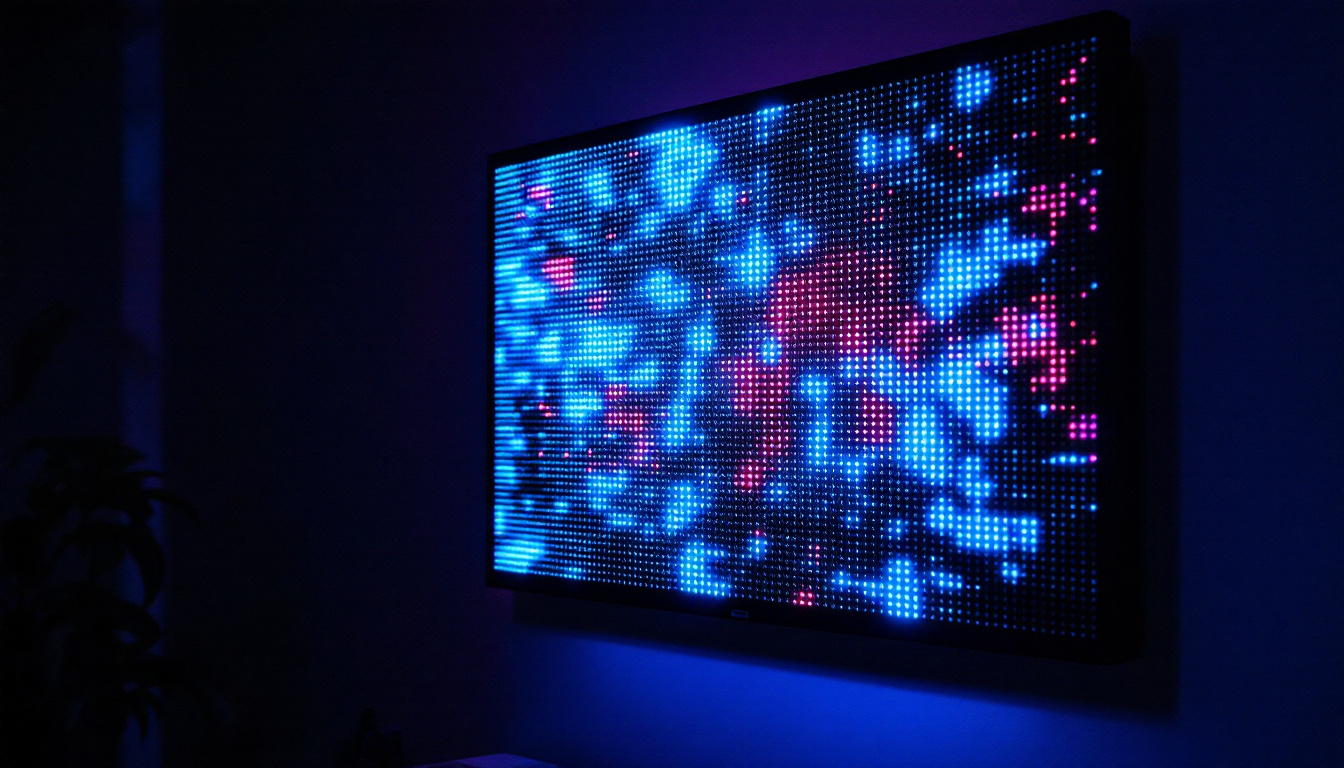
At the core of an LED display is the pixel, the smallest controllable element of the image. Each pixel typically consists of red, green, and blue LEDs, which combine to produce a full spectrum of colors through varying intensities. These pixels are mounted on panels or modules, which are then assembled into larger screens of various sizes and resolutions depending on the application. The arrangement and density of these pixels can significantly affect the display’s clarity and detail, particularly in high-resolution screens where a greater number of pixels per inch (PPI) leads to sharper images and finer text.
Modern LED displays come in two primary configurations: surface-mounted device (SMD) and through-hole LEDs. SMD technology places red, green, and blue diodes within a single package, allowing for higher pixel density and better viewing angles. Through-hole LEDs, on the other hand, have separate diodes for each color and are generally used in larger, outdoor displays where durability and brightness are prioritized. The choice between these configurations often depends on the intended use, with SMD being favored for indoor environments where space is limited and viewing distances are shorter, while through-hole designs are ideal for billboards and large-scale advertising where visibility from afar is crucial.
How LED Displays Work
LED displays operate by controlling the electrical current sent to each diode, adjusting its brightness to create the desired color and intensity. A controller processes input signals—such as video or image data—and translates them into commands for the LED modules. This synchronization enables the display to render complex visuals with high refresh rates, ensuring smooth motion and minimal flicker, which is crucial for both indoor and outdoor applications. Additionally, advanced technologies such as pulse-width modulation (PWM) are often employed to enhance color accuracy and brightness control, allowing for a more dynamic range of colors and improved overall image quality.
Furthermore, LED displays are increasingly being integrated with smart technology, allowing for features such as remote monitoring and content management. This connectivity enables users to update display content in real-time, making it an effective tool for advertising and information dissemination. The rise of interactive LED displays, which respond to touch or motion, is also transforming how audiences engage with visual content, creating immersive experiences that go beyond traditional viewing. As LED technology continues to evolve, we can expect even more innovative applications and enhancements that push the boundaries of visual communication.
Applications of LED Displays Across Industries
The versatility of LED displays has led to widespread adoption across numerous industries. Their ability to deliver bright, clear, and engaging content makes them ideal for environments where visibility and impact are paramount.
Advertising and Digital Signage
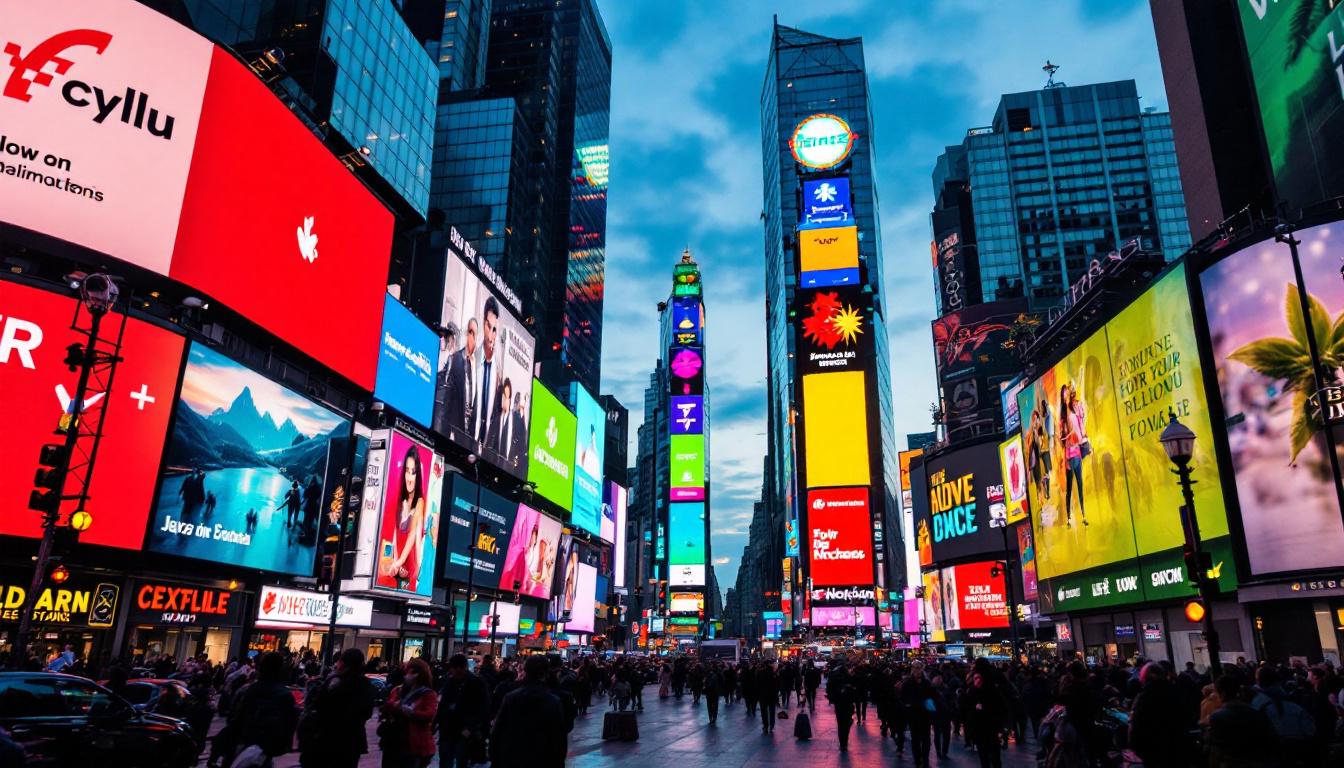
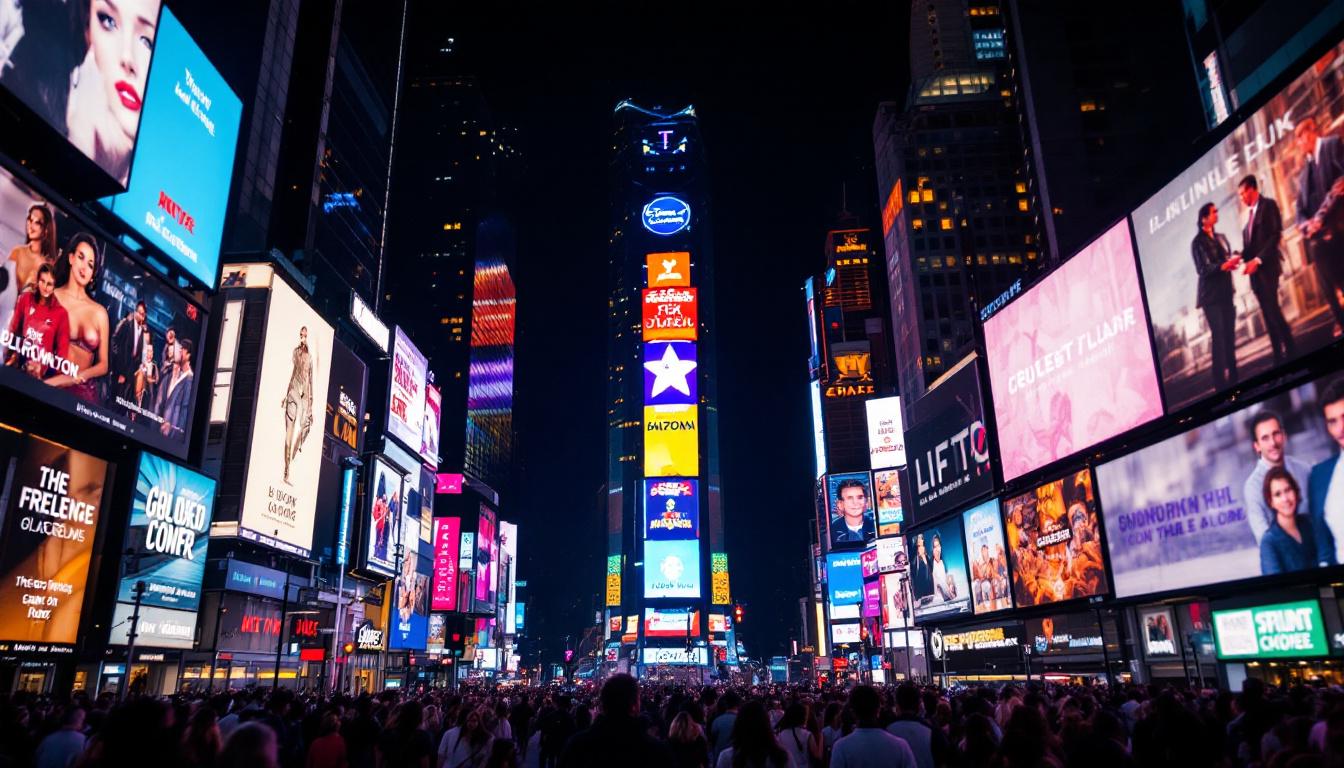
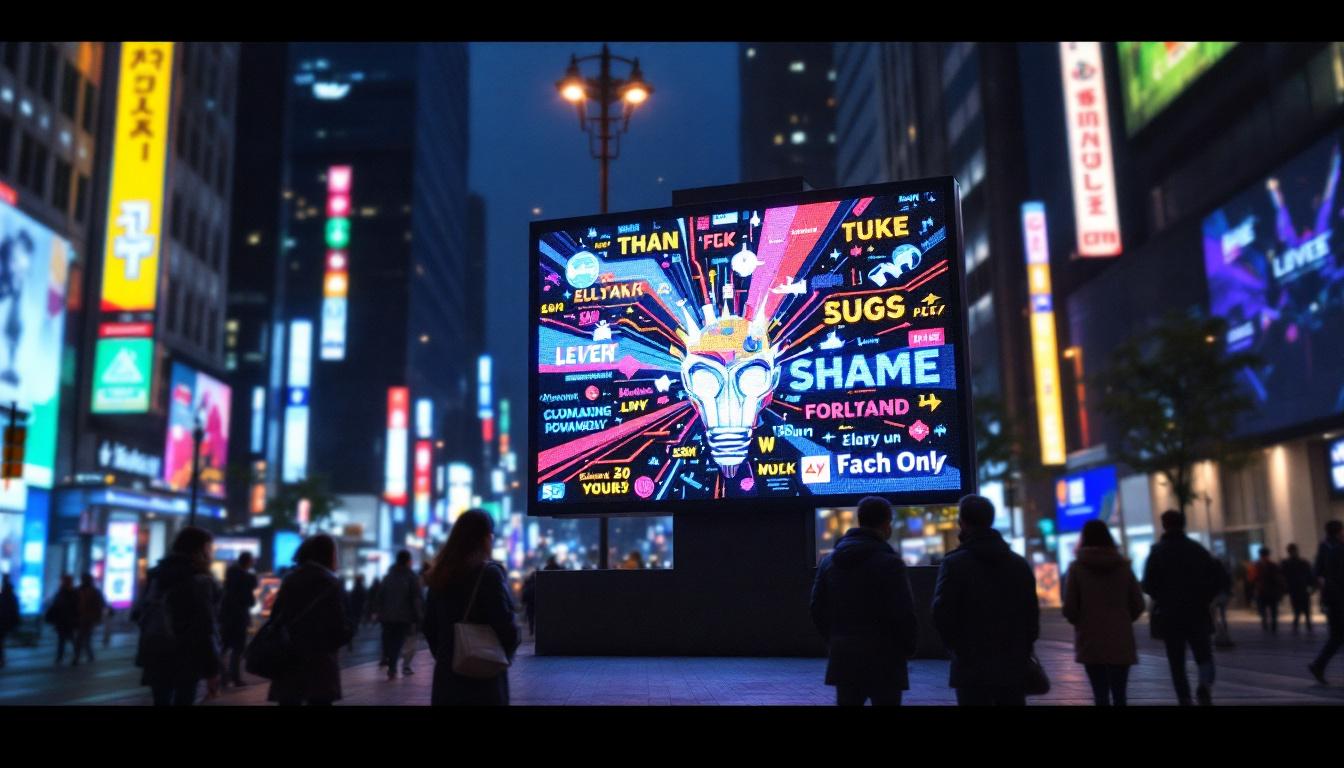
Outdoor advertising has been transformed by LED billboards, which offer dynamic content that can be updated remotely and in real-time. According to the Digital Signage Federation, the global digital signage market is expected to reach $31.71 billion by 2025, driven largely by LED technology. These displays attract attention with vivid colors and high brightness, even under direct sunlight, making them effective tools for brand promotion and customer engagement.
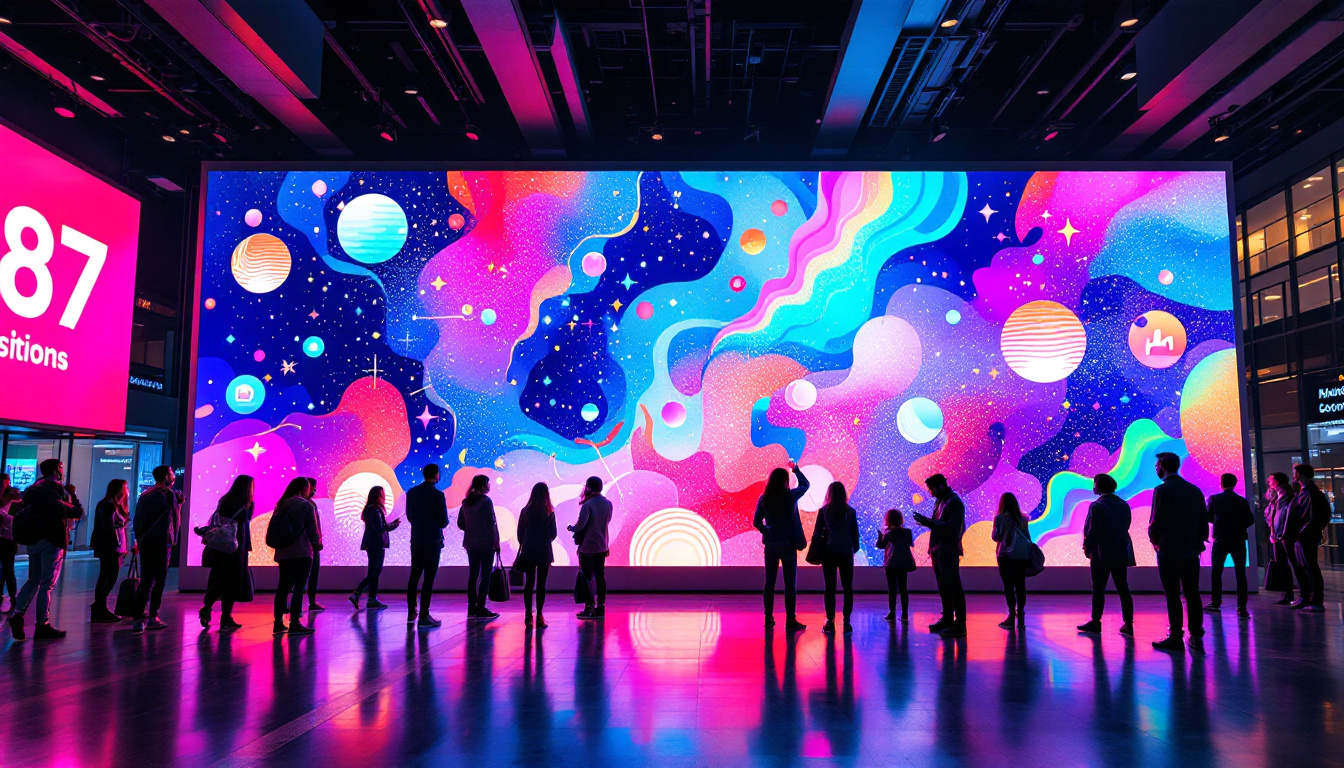
Indoor LED signage is equally impactful, used in shopping malls, airports, and corporate lobbies to convey information, promotions, and wayfinding. The flexibility of LED displays allows for creative content formats, including interactive and touch-enabled screens that enhance user experience.
Sports and Entertainment Venues
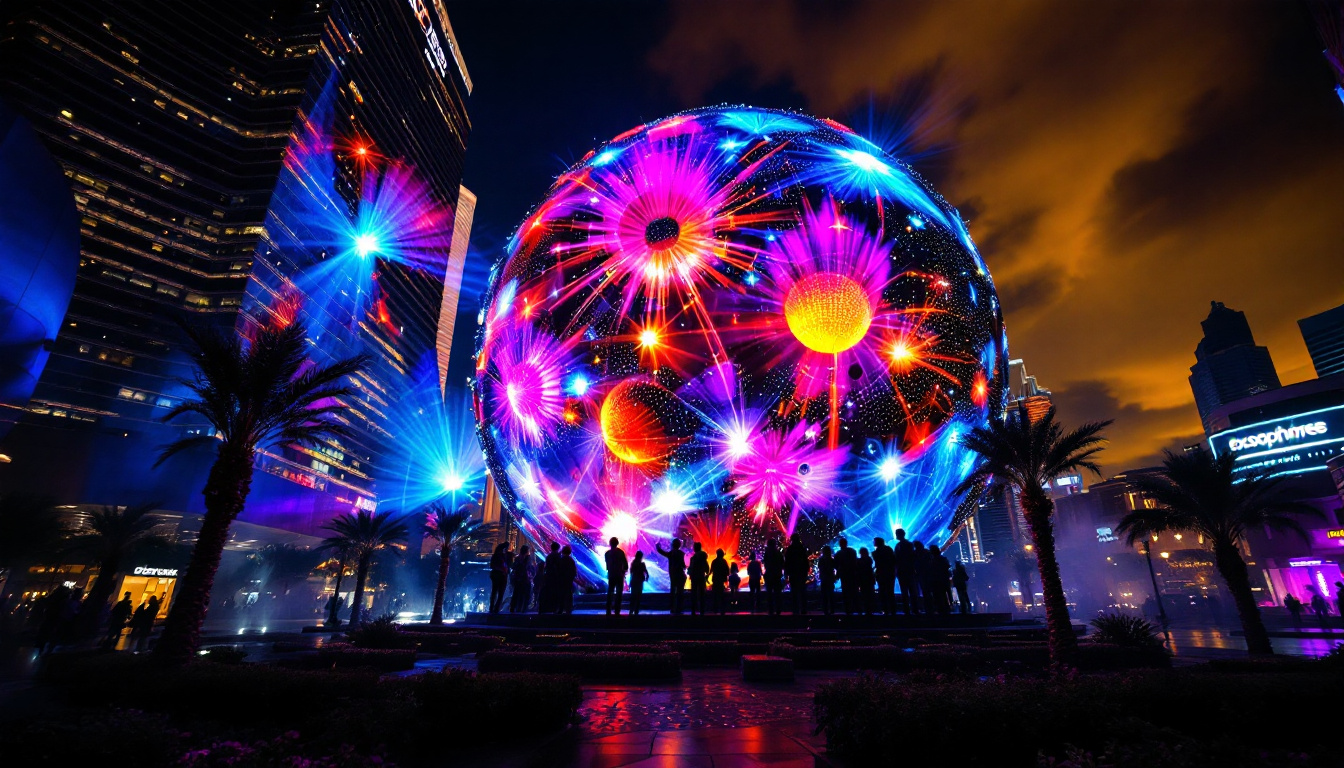
Stadiums and arenas rely heavily on large-scale LED displays to provide spectators with live action replays, scores, and advertisements. The ability to produce ultra-high-definition visuals on massive screens enhances the overall event experience. For example, the AT&T Stadium in Texas features one of the largest LED displays in the world, measuring 160 feet wide and 72 feet tall, delivering stunning visuals visible from every seat.
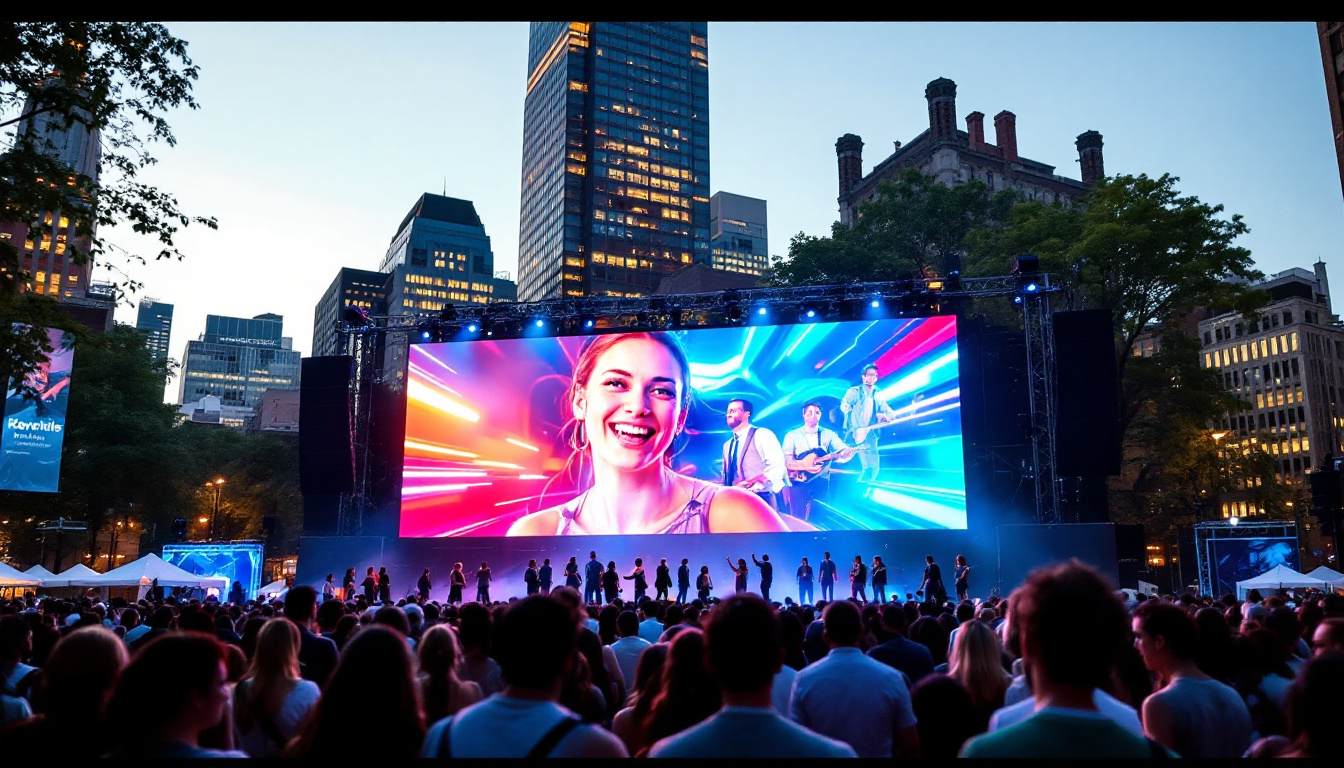
Concerts and festivals also utilize LED walls and panels to create immersive stage backdrops, synchronized lighting effects, and dynamic content that complements performances. The modular nature of LED displays allows for custom configurations tailored to venue size and event requirements.
Transportation and Public Information Systems
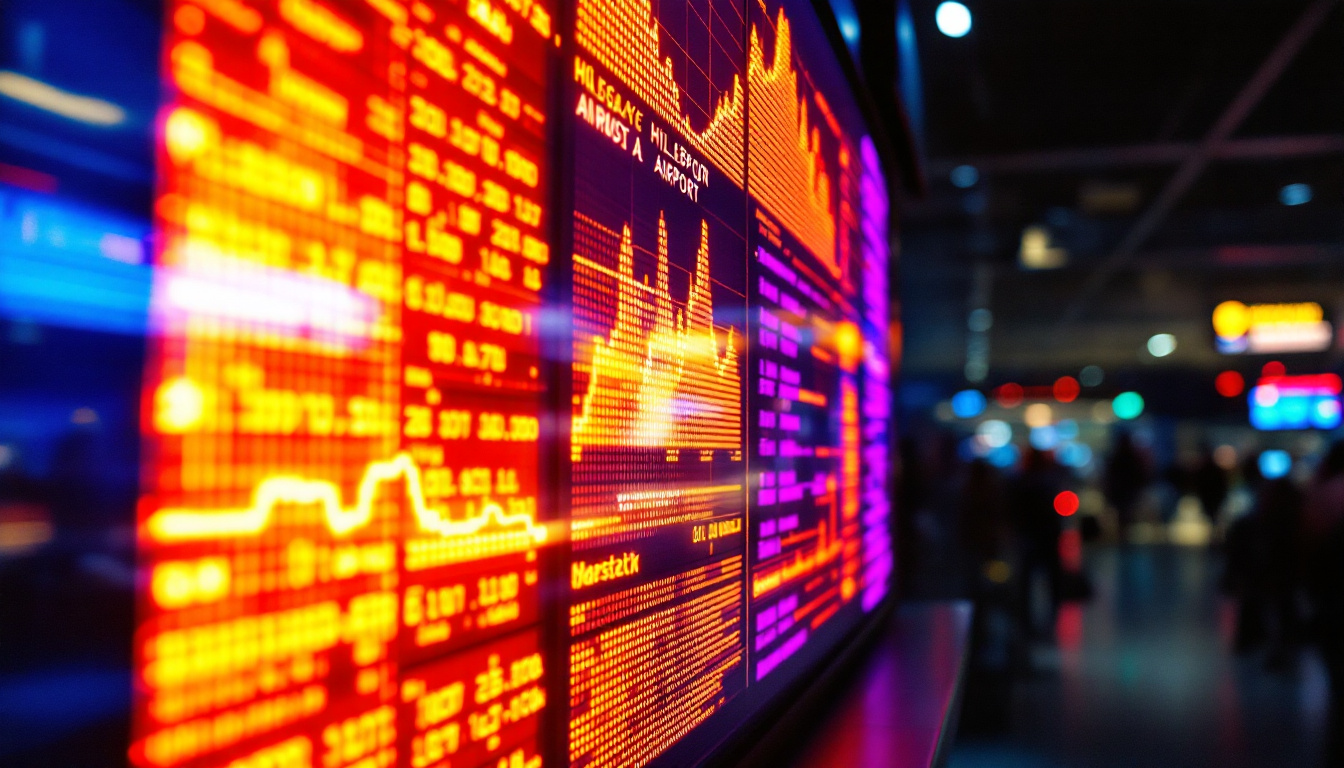
LED displays play a critical role in transportation hubs such as airports, train stations, and bus terminals. They provide real-time updates on schedules, delays, and safety messages, ensuring travelers stay informed. Their high visibility and reliability make them indispensable in these high-traffic environments.
Additionally, smart city initiatives incorporate LED displays for public announcements, emergency alerts, and environmental monitoring data, contributing to enhanced urban management and citizen engagement.
Advantages of LED Displays Over Other Technologies
LED displays offer several benefits that have contributed to their widespread adoption and ongoing innovation. Understanding these advantages helps explain why they are often the preferred choice for both indoor and outdoor applications.
Superior Brightness and Visibility
One of the most significant advantages of LED displays is their exceptional brightness, often exceeding 5,000 nits for outdoor screens. This level of luminance ensures clear visibility even in direct sunlight, a challenge for many other display technologies. The high contrast ratio, with deep blacks and vibrant colors, enhances image clarity and viewer engagement.
Energy Efficiency and Longevity
Compared to traditional lighting and display solutions, LEDs consume less power while delivering higher brightness. This energy efficiency translates into lower operational costs and a reduced environmental footprint. Furthermore, LED displays boast long lifespans, often exceeding 100,000 hours of operation, minimizing maintenance and replacement expenses.
Flexibility and Scalability
LED displays are highly modular, allowing for scalable screen sizes and shapes. This flexibility enables designers and engineers to create custom solutions tailored to specific spatial and aesthetic requirements. Whether it’s a curved display wrapping around a building facade or a seamless video wall in a control room, LED technology adapts to diverse needs.
Durability and Weather Resistance
Outdoor LED displays are engineered to withstand harsh environmental conditions, including rain, wind, dust, and temperature fluctuations. With robust IP-rated enclosures and protective coatings, these displays maintain performance and reliability over time, making them suitable for permanent installations in challenging locations.
Emerging Trends and Innovations in LED Display Technology
The LED display industry continues to evolve rapidly, driven by advancements in materials, manufacturing, and digital integration. Staying abreast of these trends is essential for businesses and professionals seeking to leverage the latest capabilities.
MicroLED and MiniLED Technologies
MicroLED and MiniLED represent the next generation of LED display technology. MicroLEDs are tiny, self-emitting diodes that offer superior brightness, contrast, and energy efficiency compared to conventional LEDs. Their small size enables ultra-high resolution and thinner, lighter displays. MiniLEDs, while larger than MicroLEDs, still provide improved local dimming and contrast for enhanced picture quality, often used in premium televisions and monitors.
Flexible and Transparent LED Displays
Innovations in flexible substrates and transparent LED modules have expanded the design possibilities for displays. Flexible LED screens can bend and curve without compromising image quality, ideal for creative architectural applications. Transparent LED displays allow light and visibility through the screen, enabling unique installations on glass surfaces such as storefront windows and vehicle windshields.
Integration with IoT and AI
The integration of LED displays with Internet of Things (IoT) devices and artificial intelligence (AI) is transforming how content is managed and personalized. Smart LED displays can adjust brightness and content based on ambient conditions, audience demographics, and real-time data inputs. AI-driven analytics optimize advertising effectiveness and operational efficiency, creating more engaging and responsive digital experiences.
Choosing the Right LED Display Solution
Selecting an LED display involves careful consideration of various factors to ensure the solution meets specific needs and delivers optimal performance.
Assessing Environmental Conditions
Understanding the installation environment is critical. Outdoor displays require higher brightness, weatherproofing, and durability, while indoor displays prioritize resolution and viewing angles. Factors such as ambient light, viewing distance, and physical space influence the choice of pixel pitch and panel size.
Determining Resolution and Pixel Pitch
Pixel pitch, the distance between adjacent pixels, directly affects image sharpness and viewing distance. Smaller pixel pitches yield higher resolution and are suitable for close viewing, such as indoor retail displays. Larger pixel pitches are cost-effective for large outdoor screens viewed from a distance. Balancing resolution with budget constraints is essential for an effective installation.
Evaluating Content and Control Systems
The type of content—static images, video, or interactive media—impacts the required processing power and control capabilities. Modern LED displays often come with sophisticated software platforms for content scheduling, remote management, and analytics. Compatibility with existing systems and ease of use should be considered during selection.
Budget and Total Cost of Ownership
Beyond initial purchase price, factors such as installation complexity, maintenance, energy consumption, and potential upgrades contribute to the total cost of ownership. Investing in high-quality LED displays with reliable support can reduce long-term expenses and maximize return on investment.
Conclusion
LED displays have firmly established themselves as a versatile and powerful medium for visual communication. Their superior brightness, energy efficiency, and adaptability make them suitable for a wide range of applications, from advertising and entertainment to public information and smart city initiatives. As technology advances, emerging innovations like MicroLED, flexible displays, and AI integration promise to further enhance the capabilities and impact of LED solutions.
For businesses and organizations looking to harness the potential of LED displays, understanding the technology, applications, and selection criteria is essential. By carefully evaluating needs and staying informed about industry trends, stakeholders can implement framed LED solutions that captivate audiences, convey messages effectively, and deliver lasting value.
Discover LumenMatrix LED Display Solutions
Ready to elevate your visual communication strategy with the latest in LED display technology? LumenMatrix offers a comprehensive range of innovative LED display modules designed to captivate your audience and amplify your brand’s presence. From vibrant Indoor and Outdoor LED Wall Displays to dynamic Vehicle and Sports LED Displays, our solutions are crafted to deliver unparalleled visual experiences. Explore our LED Poster Displays, Floor LED Displays, Custom LED Solutions, All-in-One LED Displays, and LED Transparent Displays, each tailored to meet the unique needs of your business. Experience the future of digital signage with LumenMatrix and transform your message into an impactful visual statement. Check out LumenMatrix LED Display Solutions today and see the difference for yourself.