In the rapidly evolving world of digital signage and display technology, LED screens have emerged as a dominant solution for businesses, event organizers, and advertisers alike. Their vibrant colors, high brightness, and energy efficiency make them ideal for a wide range of applications—from stadiums and shopping malls to corporate lobbies and outdoor billboards. However, one of the most common questions when considering an LED display is: How much does an LED screen panel cost? Understanding the factors that influence LED screen panel prices is crucial for making an informed purchase decision.
This article delves into the key aspects of LED display technology, breaking down the components that affect pricing, and providing a comprehensive overview of what buyers can expect when investing in LED screen panels.
Understanding LED Display Technology
Before exploring pricing, it’s essential to understand what an LED display is and how it works. LED stands for Light Emitting Diode, a semiconductor device that emits light when an electric current passes through it. LED displays are made up of thousands to millions of these tiny diodes arranged in a matrix to form images and videos. The technology behind LED displays has evolved significantly over the years, leading to advancements in brightness, color accuracy, and energy efficiency, making them a popular choice for a wide range of applications.
Types of LED Displays
LED displays come in various forms, primarily categorized into two types: Indoor and Outdoor LED screens. Each type has unique features that influence price.
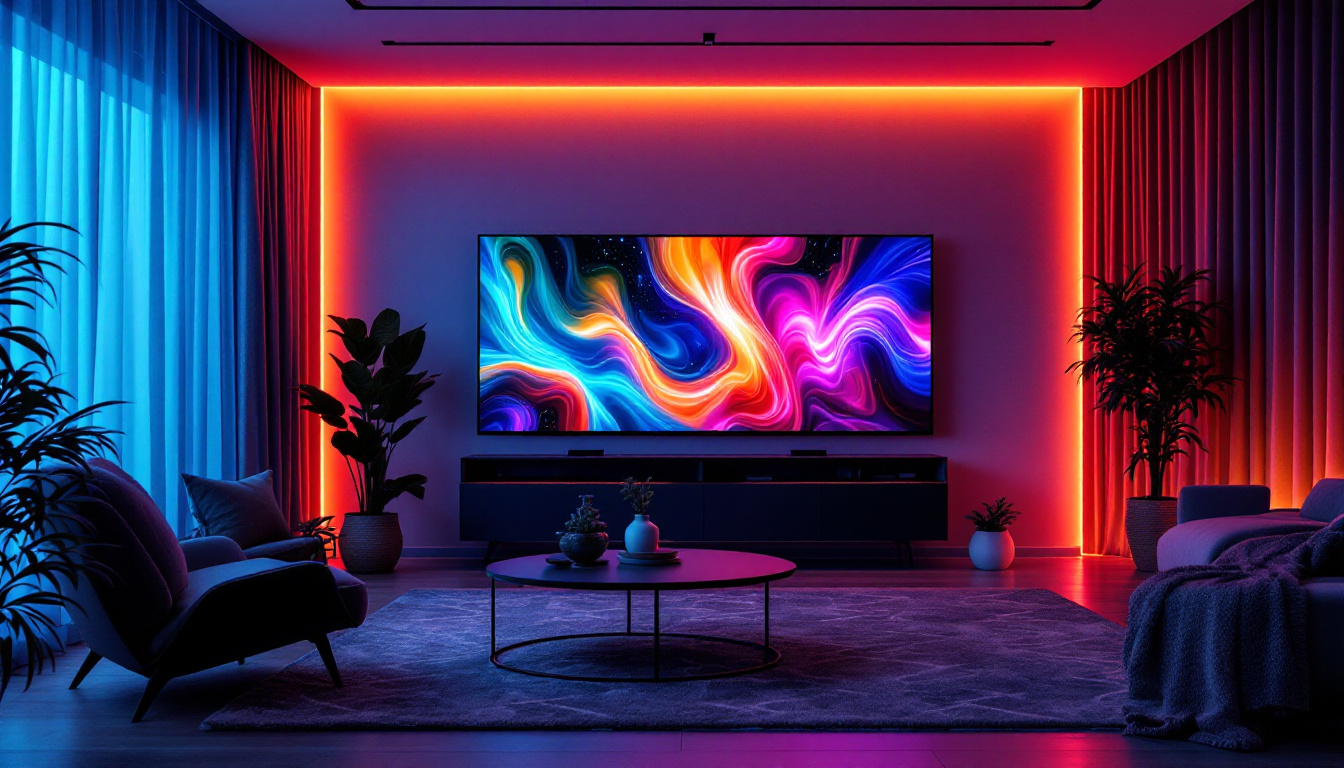
- Indoor LED Displays: These are designed for environments with controlled lighting. They typically have a higher pixel density (smaller pixel pitch), which means better resolution and image clarity at close viewing distances. Indoor LED panels are often used in conference rooms, retail stores, and indoor advertising. Their ability to display vibrant colors and sharp images makes them ideal for engaging presentations and promotional content.
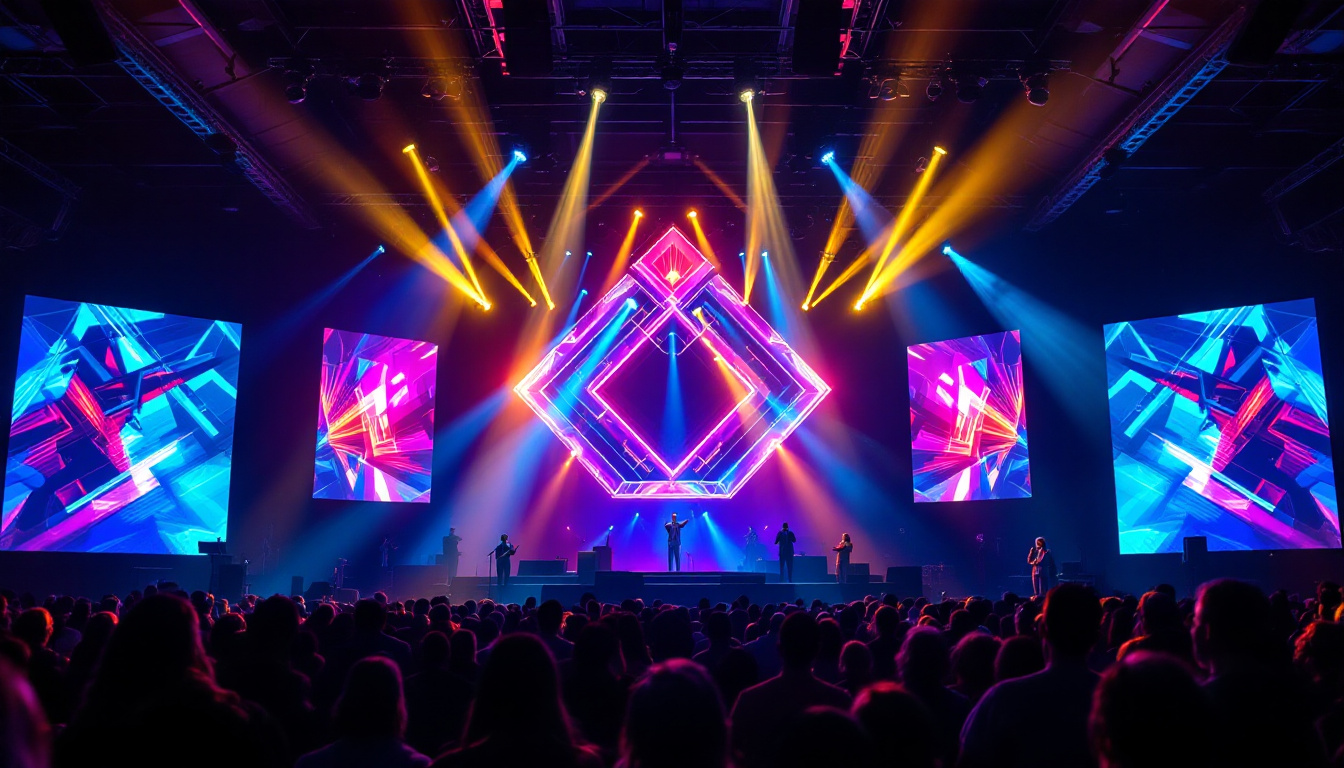
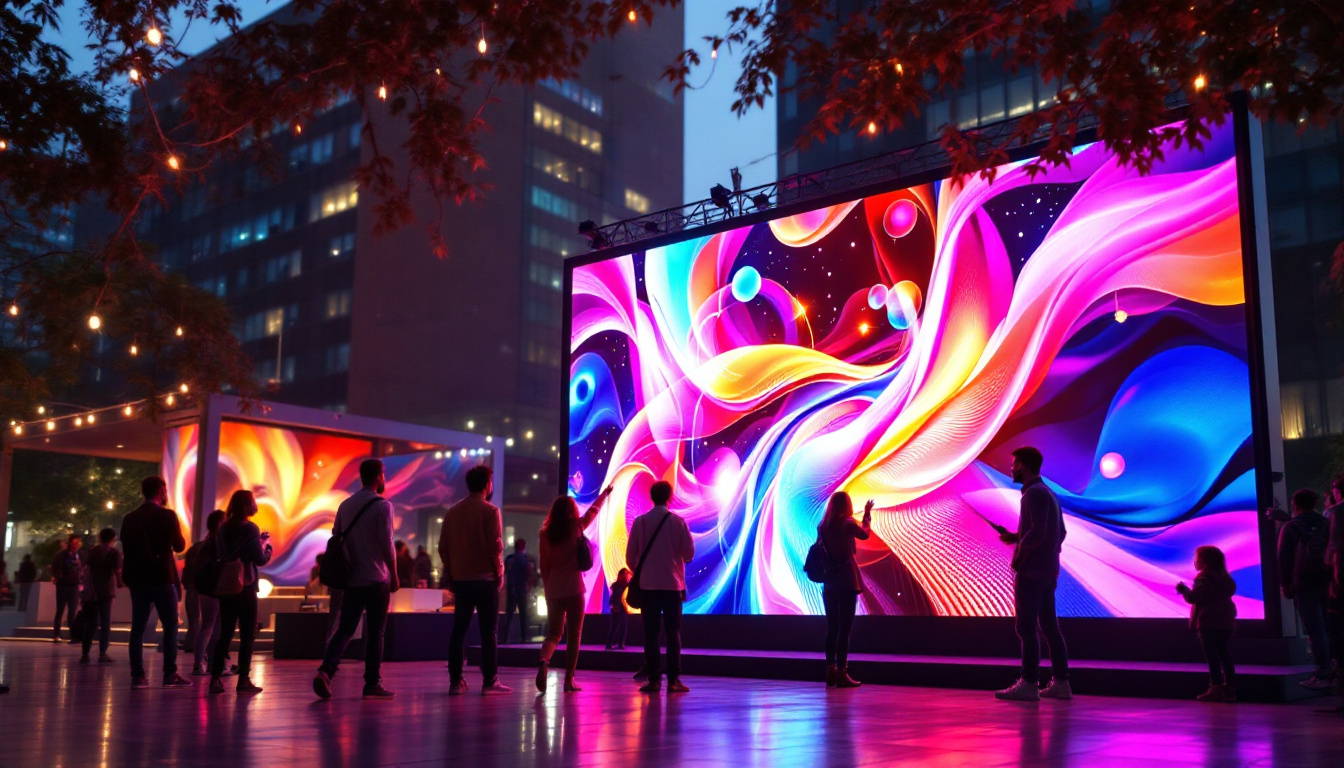
- Outdoor LED Displays: Built to withstand weather conditions such as rain, dust, and extreme temperatures, outdoor LED panels have higher brightness levels to remain visible in direct sunlight. They also feature robust protective casings and waterproofing, which add to their cost. These displays are commonly used for billboards, sports arenas, and public events, where visibility from a distance is crucial.
Pixel Pitch and Resolution
One of the most critical technical specifications influencing LED screen panel price is the pixel pitch. Pixel pitch refers to the distance between the centers of two adjacent pixels, measured in millimeters (mm). A smaller pixel pitch means more pixels per square meter, resulting in higher resolution and sharper images.
For example, an indoor LED display with a pixel pitch of 1.5 mm will provide much finer detail than an outdoor display with a 10 mm pixel pitch. However, smaller pixel pitches require more LEDs and more complex manufacturing, which increases the cost significantly. As technology progresses, manufacturers are continually developing innovations that allow for even smaller pixel pitches, enhancing the viewing experience in various settings.
Moreover, the resolution of an LED display is not just about pixel pitch; it also involves the overall size of the screen and its intended use. For instance, a large outdoor display used for advertising may prioritize brightness and visibility over pixel density, while a smaller indoor display meant for detailed presentations will require a higher resolution to ensure clarity. This interplay between size, pixel pitch, and intended application plays a significant role in determining the final price of the LED display.
Key Factors Affecting LED Screen Panel Price
LED screen panel pricing is not uniform; it varies widely based on several factors. Understanding these will help buyers evaluate options and budget appropriately.
1. Pixel Pitch
As mentioned earlier, pixel pitch is a primary determinant of price. Panels with smaller pixel pitches (e.g., 1.2 mm to 2.5 mm) are more expensive due to the higher density of LEDs and the precision manufacturing required. These are typically used for indoor applications where viewers are close to the screen.
On the other hand, larger pixel pitches (e.g., 6 mm to 20 mm) are more affordable and suited for outdoor use where viewing distances are greater. For instance, a 10 mm pixel pitch LED panel might cost 30-50% less per square meter than a 2.5 mm pitch panel.
2. Screen Size and Resolution
The overall size of the LED display directly impacts the total cost. Larger screens require more panels, power supplies, and structural support. Additionally, higher resolution displays with more pixels per square meter command higher prices due to the increased complexity and component count.
For example, a 100-square-meter LED wall with a 4 mm pixel pitch will cost significantly more than a similarly sized screen with a 10 mm pixel pitch.
3. Indoor vs. Outdoor Specifications
Outdoor LED panels are designed to endure harsh environmental conditions. They require weatherproof enclosures, higher brightness LEDs (often exceeding 5,000 nits), and enhanced cooling systems. These features increase manufacturing costs and, consequently, the price.
Indoor LED panels, while less rugged, often feature finer pixel pitches and more advanced color calibration for close-up viewing, which also affects cost but in a different way.
4. Refresh Rate and Color Depth
The refresh rate, measured in Hertz (Hz), indicates how many times per second the display updates its image. Higher refresh rates (above 3,000 Hz) are essential for applications involving video capture or live broadcasting to avoid flicker. Displays with higher refresh rates tend to be more expensive.
Color depth, or bit depth, affects the number of colors the display can produce. Higher bit depth (e.g., 16-bit vs. 12-bit) provides smoother gradients and more accurate color reproduction, which is important for high-end advertising and broadcast applications.
5. Brand and Manufacturer
Reputable brands with proven quality, warranty, and support often price their LED panels higher than lesser-known manufacturers. While budget options exist, investing in a trusted brand can reduce risks related to durability, maintenance, and image quality.
6. Installation and Maintenance Costs
Beyond the panel price, installation can be a significant expense. Larger LED walls may require custom mounting structures, professional installation teams, and specialized equipment. Maintenance costs, including spare parts and technical support, should also be factored into the total cost of ownership.
Typical LED Screen Panel Price Ranges
To provide a practical sense of pricing, here are typical price ranges for LED screen panels as of 2024. Prices are approximate and can vary based on region, supplier, and specific product features.
| Pixel Pitch (mm) | Application | Price per Square Meter (USD) | Notes |
|---|---|---|---|
| 1.2 – 2.5 | Indoor High-Resolution | $1,500 – $3,500 | Fine detail, close viewing distance |
| 3 – 6 | Indoor/Outdoor Mixed Use | $800 – $1,500 | Moderate resolution, versatile |
| 6 – 10 | Outdoor Standard | $400 – $900 | Good visibility at longer distances |
| 10 – 20 | Outdoor Large-Scale | $200 – $500 | Billboards, stadiums, large venues |
These prices typically include the LED modules themselves but may exclude accessories such as control systems, power supplies, installation, and shipping.
Additional Considerations When Purchasing LED Screen Panels
Viewing Distance and Environment
Determining the appropriate pixel pitch and screen size depends heavily on the typical viewing distance. For example, a retail store might require a 1.5 mm pitch screen for customers standing a few feet away, while a highway billboard can use a 16 mm pitch since viewers are much farther away.
Environmental factors like ambient light levels and weather conditions also dictate whether an indoor or outdoor panel is suitable.
Energy Consumption and Operating Costs
LED screens can consume significant power, especially large outdoor displays with high brightness. Energy-efficient models may have a higher upfront cost but reduce operating expenses over time. Additionally, modern LED panels often incorporate smart brightness controls and power-saving modes.
Warranty and Support
A solid warranty and responsive technical support are vital for minimizing downtime and protecting your investment. Many manufacturers offer warranties ranging from 1 to 5 years, covering defects and performance issues.
Customization and Integration
Some projects require custom-shaped LED displays or integration with existing AV systems. Customization can increase costs but may be necessary for unique branding or architectural needs.
Future Trends Impacting LED Screen Panel Pricing
LED technology continues to advance, influencing both capabilities and costs. Some trends to watch include:
- MicroLED Technology: MicroLEDs offer even higher resolution and brightness with lower power consumption. While currently expensive, prices are expected to decrease as production scales.
- Flexible and Transparent LED Displays: These innovative panels enable new applications in retail and architecture but come at a premium price.
- Improved Manufacturing Techniques: Automation and new materials are gradually reducing costs, making high-quality LED panels more accessible.
Conclusion
LED screen panel pricing is influenced by a complex interplay of technical specifications, environmental requirements, and brand reputation. Understanding pixel pitch, screen size, application environment, and additional features is essential for selecting the right LED display that balances quality and budget.
While upfront costs can be significant, the versatility, durability, and visual impact of LED displays often justify the investment. Careful planning and consultation with experienced suppliers can help ensure that the chosen LED screen meets both performance expectations and financial constraints.
As LED technology continues to evolve, buyers can anticipate more options and potentially lower prices, making LED displays an increasingly attractive choice for dynamic visual communication.
Discover LumenMatrix LED Display Solutions
Ready to elevate your visual communication with cutting-edge LED technology? LumenMatrix is at the forefront of innovation, offering a diverse range of LED display modules designed to captivate and engage your audience. Whether you need an Indoor LED Wall Display for your corporate lobby, a robust Outdoor LED Wall Display for advertising, or any of our specialized solutions like Vehicle, Sports, or Floor LED Displays, we have you covered. Embrace the future of digital signage with LumenMatrix and create unforgettable visual experiences. Check out LumenMatrix LED Display Solutions today and see how we can help you make a powerful statement.