In today’s digital age, LED displays have become an integral part of how we consume information and entertainment. From billboards lighting up city skylines to the screens on our smartphones and televisions, LED technology is everywhere. Understanding how LED displays work, their advantages, and their various applications can provide valuable insight into a technology that continues to shape modern visual communication.
What Is an LED Display?
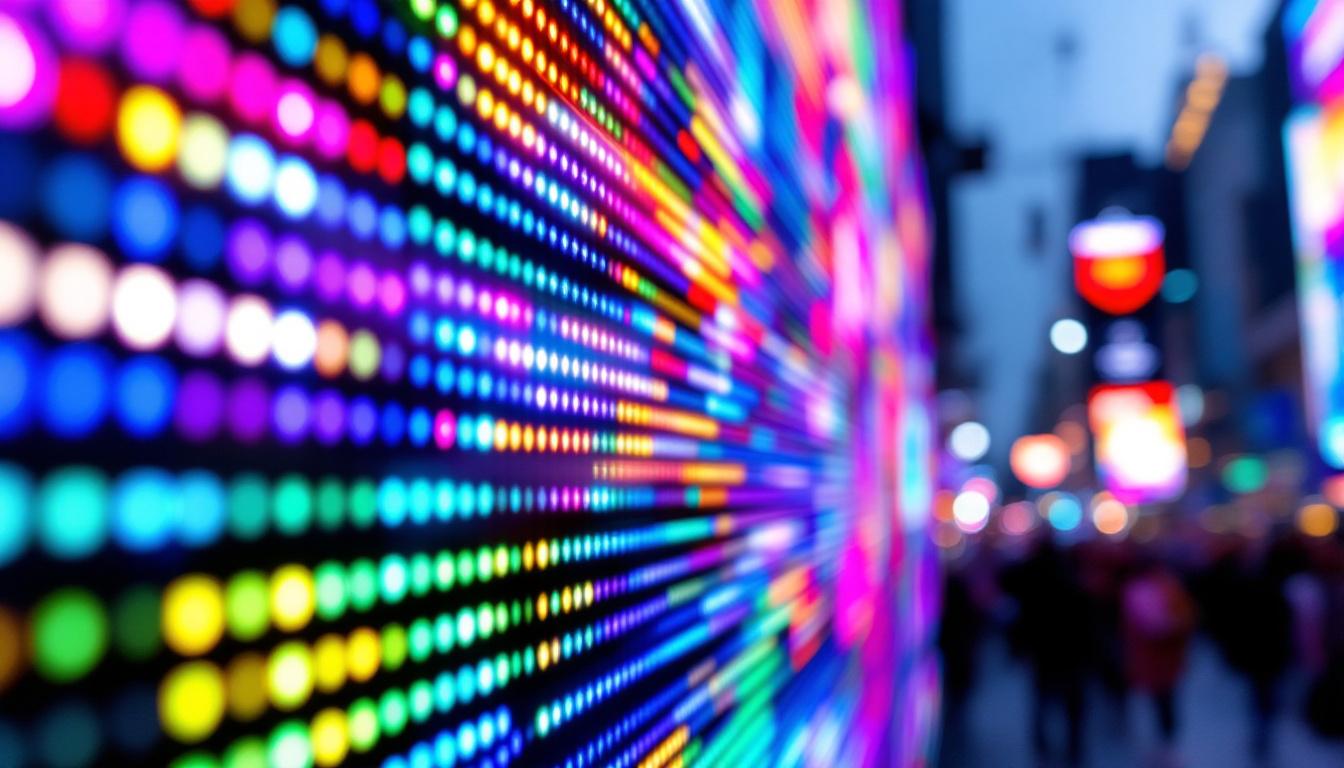
LED stands for Light Emitting Diode, a semiconductor device that emits light when an electric current passes through it. An LED display is essentially a flat panel or screen that uses an array of these tiny LEDs as pixels to produce images, videos, or text. Unlike traditional LCDs that rely on backlighting, LED displays use these diodes as the direct source of light, allowing for brighter and more vibrant visuals.
LED displays come in various forms, including large-scale outdoor billboards, indoor video walls, and smaller screens embedded in consumer electronics. The technology behind these displays has evolved significantly over the past decade, enabling higher resolutions, better color accuracy, and improved energy efficiency.
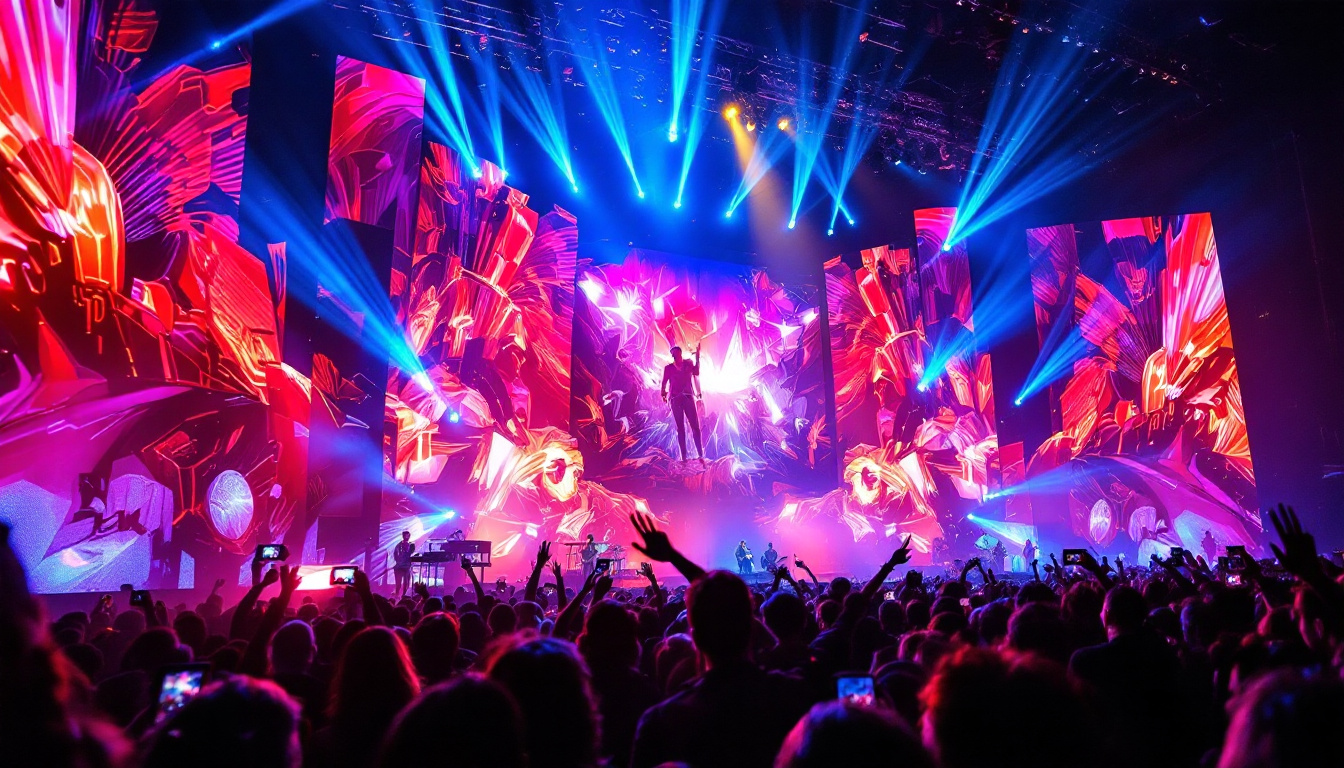
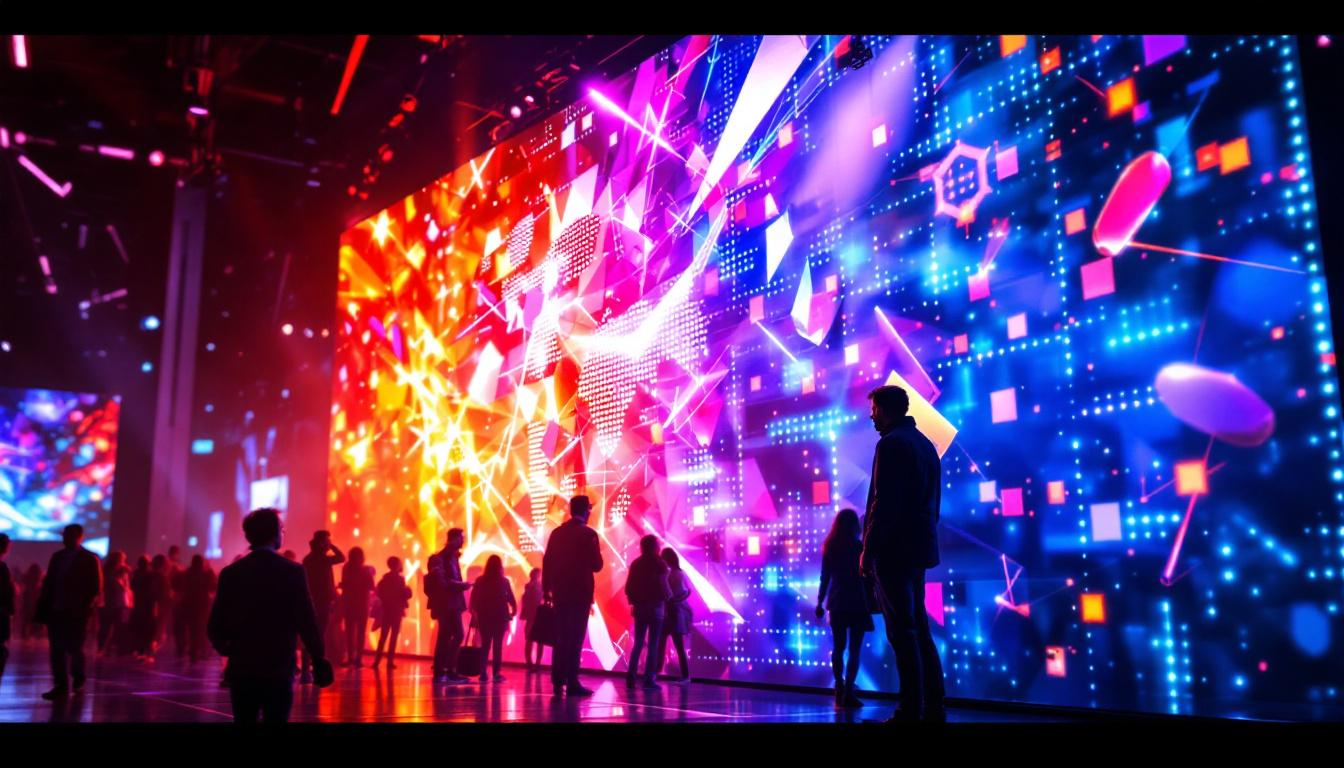
One of the most significant advantages of LED displays is their versatility. They can be configured in various shapes and sizes, making them suitable for a wide range of applications, from advertising and entertainment to information dissemination in public spaces. For instance, stadiums and concert venues utilize massive LED screens to enhance the spectator experience, providing clear visuals from any angle. Furthermore, advancements in flexible LED technology have allowed for curved and even transparent displays, opening new avenues for creative design in architecture and retail.
In addition to their visual appeal, LED displays are also known for their durability and longevity. With a lifespan that can exceed 100,000 hours, they are a cost-effective solution for both businesses and consumers. Moreover, LED technology is inherently more energy-efficient than traditional lighting methods, which not only reduces electricity costs but also contributes to a smaller carbon footprint. As sustainability becomes increasingly important, the adoption of LED displays is likely to grow, further solidifying their place in modern technology.
The Technology Behind LED Displays
How LEDs Produce Light
At the core of LED display technology is the LED itself. When an electrical current passes through the diode, electrons recombine with electron holes within the device, releasing energy in the form of photons — a process known as electroluminescence. The color of the light emitted depends on the materials used in the semiconductor. For instance, using gallium nitride can produce blue light, while gallium phosphide is used for green. This precise engineering allows for a wide range of colors and brightness levels, making LEDs highly versatile for various applications.
Modern LED displays often use red, green, and blue LEDs combined in various intensities to create a full spectrum of colors. By adjusting the brightness of each colored LED pixel, the display can render millions of colors, producing vivid and dynamic images. This RGB color model is fundamental in digital displays, allowing for smooth gradients and lifelike representations. Moreover, advancements in technology have led to the development of white LEDs, which utilize a blue LED coated with a yellow phosphor to produce a warm white light, further expanding the possibilities for display applications.
Types of LED Displays
There are primarily two types of LED displays: direct-view LED and LED-backlit LCD.
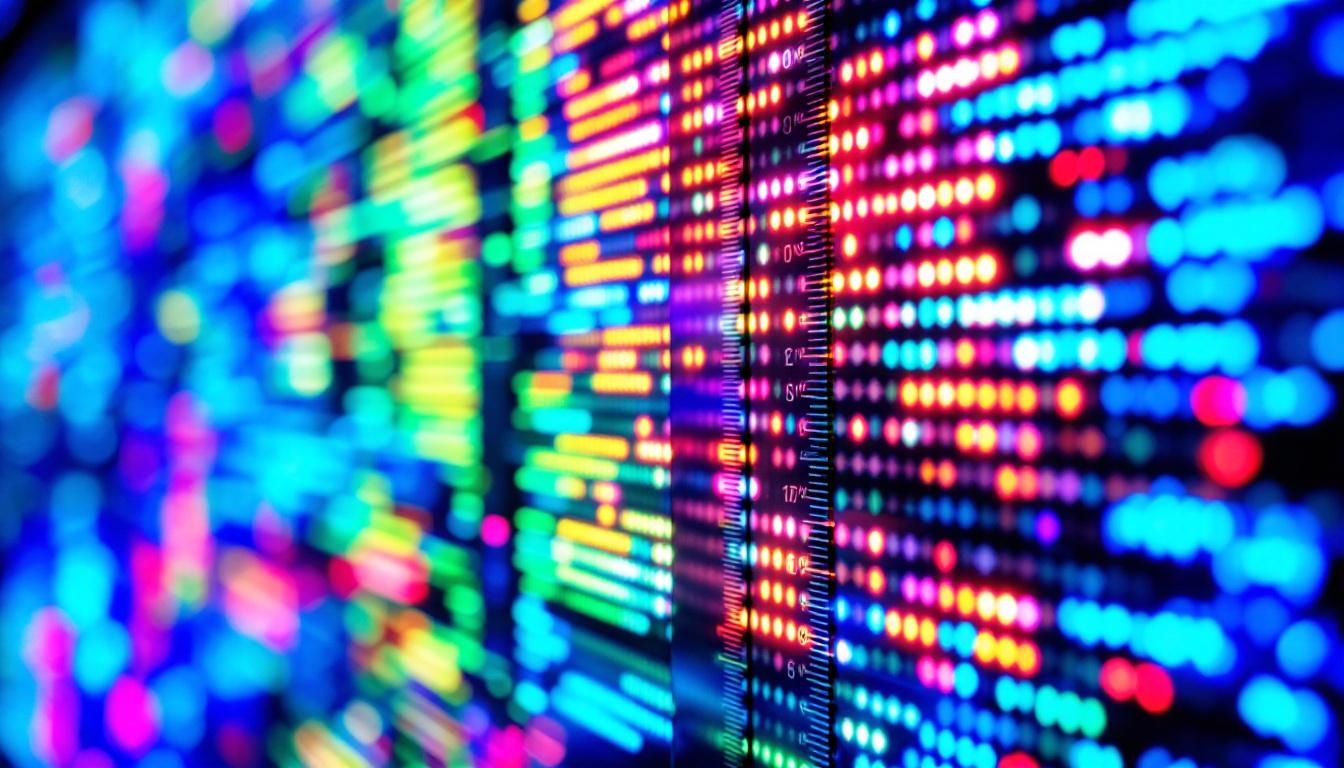
- Direct-view LED displays consist of individual LEDs that act as pixels. These are commonly used in large outdoor screens, stadium displays, and digital billboards. They offer exceptional brightness and visibility even in direct sunlight. The modular design of direct-view LED displays allows for easy scalability, meaning they can be configured to fit any size or shape, making them ideal for creative advertising and immersive experiences at events.
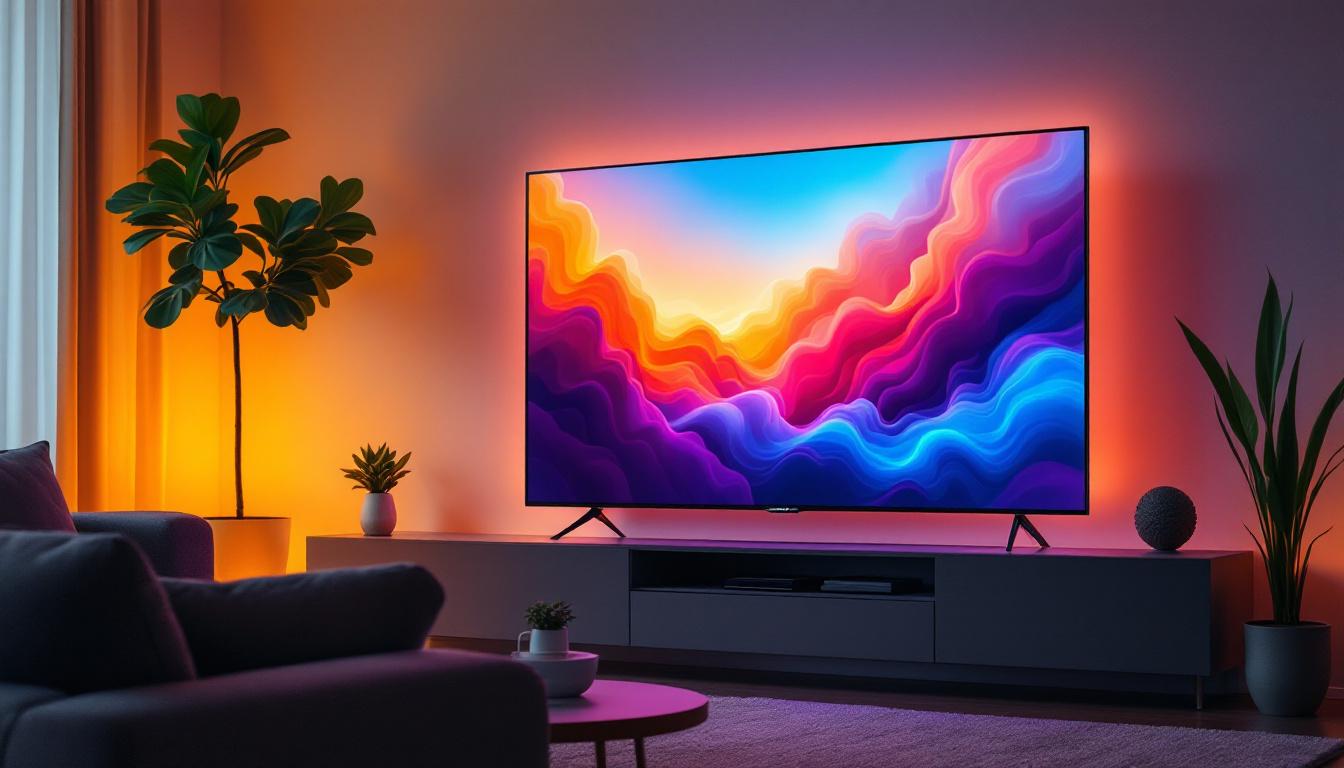
- LED-backlit LCD displays use LEDs as a backlight source behind an LCD panel. This technology is prevalent in televisions, computer monitors, and smartphones. It combines the advantages of LED lighting with the color filtering capabilities of LCDs, resulting in thinner screens with better contrast and energy efficiency compared to older CCFL-backlit LCDs. Additionally, advancements in local dimming technology have enhanced the performance of LED-backlit LCDs, allowing for deeper blacks and improved overall picture quality by selectively dimming or brightening sections of the backlight based on the content being displayed.
Beyond these two primary types, there are also emerging variations such as MicroLED and MiniLED displays. MicroLED technology utilizes microscopic LEDs to create individual pixels, offering superior brightness, contrast, and energy efficiency, while MiniLED enhances traditional LCD displays with thousands of tiny LEDs for backlighting, improving color accuracy and dynamic range. These innovations are paving the way for the next generation of display technology, promising even more immersive and visually stunning experiences for users across various industries.
Advantages of LED Displays
Brightness and Visibility
One of the most significant advantages of LED displays is their superior brightness. Direct-view LED panels can achieve brightness levels exceeding 5,000 nits, making them easily visible even under intense sunlight. This makes them ideal for outdoor advertising and public information displays.
Energy Efficiency
LED technology is more energy-efficient than traditional display technologies. LEDs consume less power while providing higher brightness and better color quality. This efficiency translates into lower operational costs, particularly important for large-scale installations that run continuously.
Longevity and Durability
LED displays are known for their long lifespan, often lasting 50,000 hours or more before significant brightness degradation occurs. Additionally, LEDs are solid-state devices, making them more resistant to shock and vibration compared to other light sources. This durability is crucial for outdoor and industrial applications.
Color Accuracy and Contrast
LED displays offer excellent color reproduction and contrast ratios. Direct-view LEDs can turn off individual pixels completely, achieving true blacks and high contrast ratios that enhance image quality. This capability is especially beneficial for high-definition video content and immersive viewing experiences.
Applications of LED Displays
Outdoor Advertising and Digital Billboards
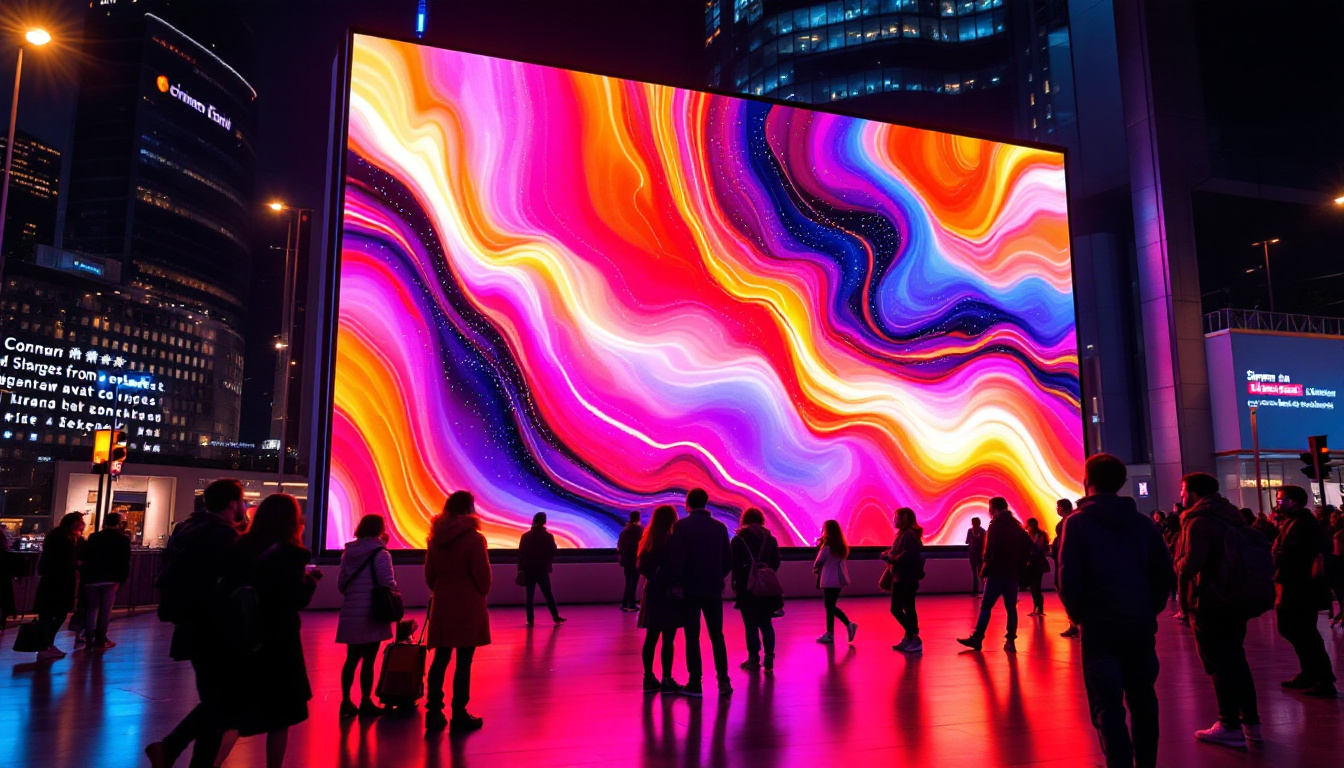
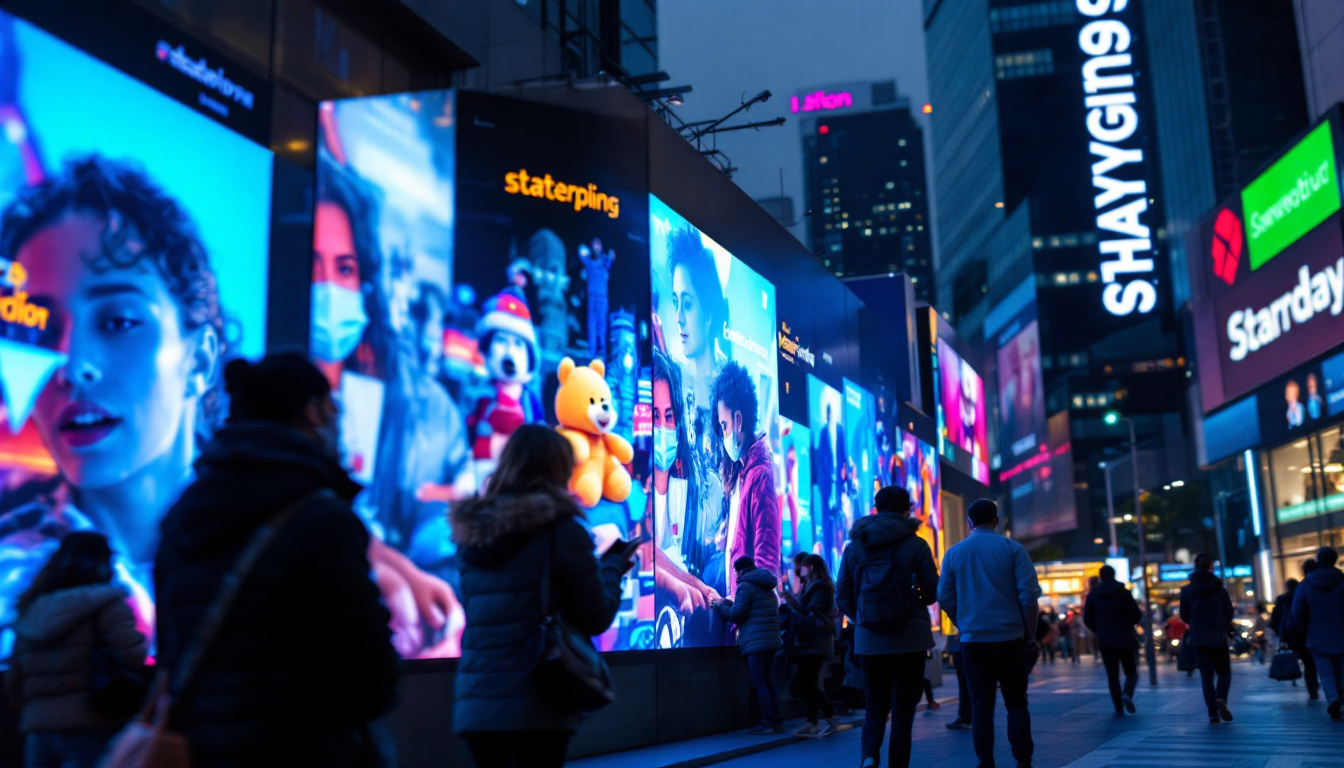
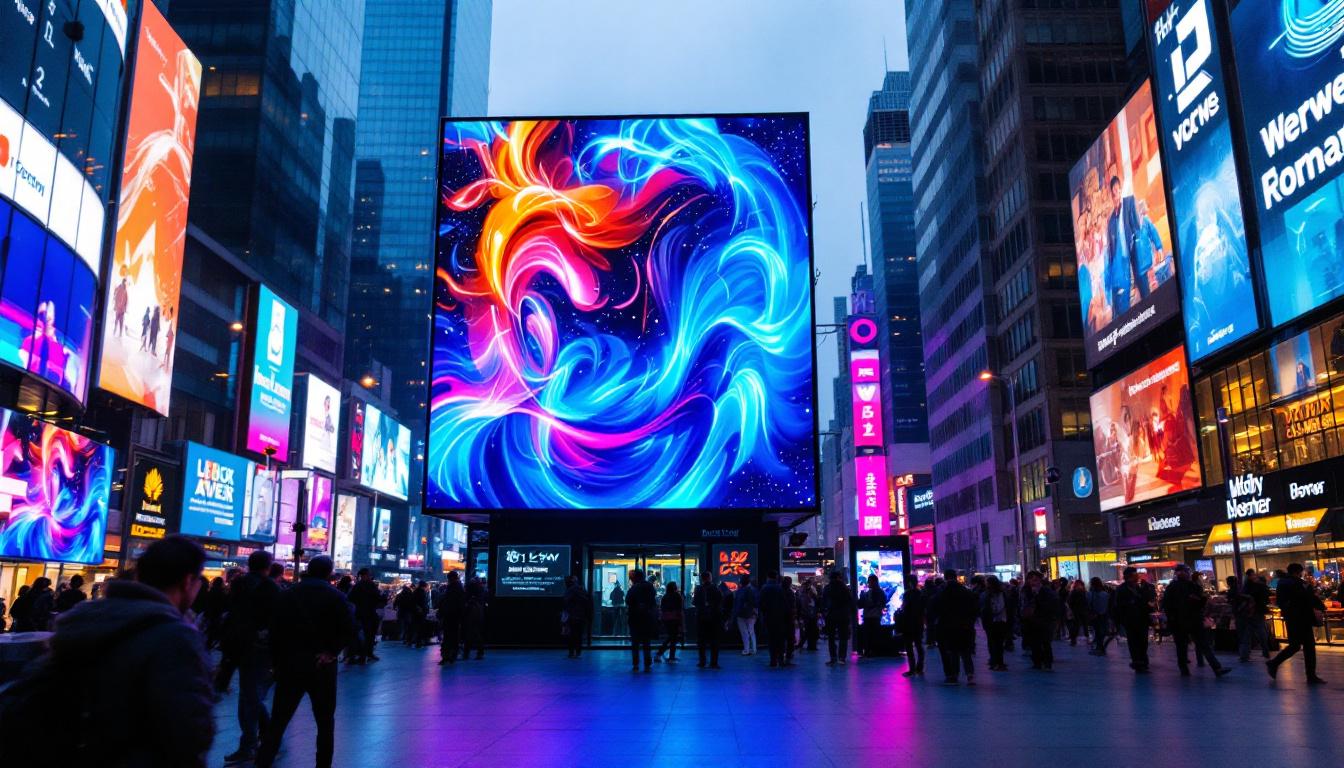
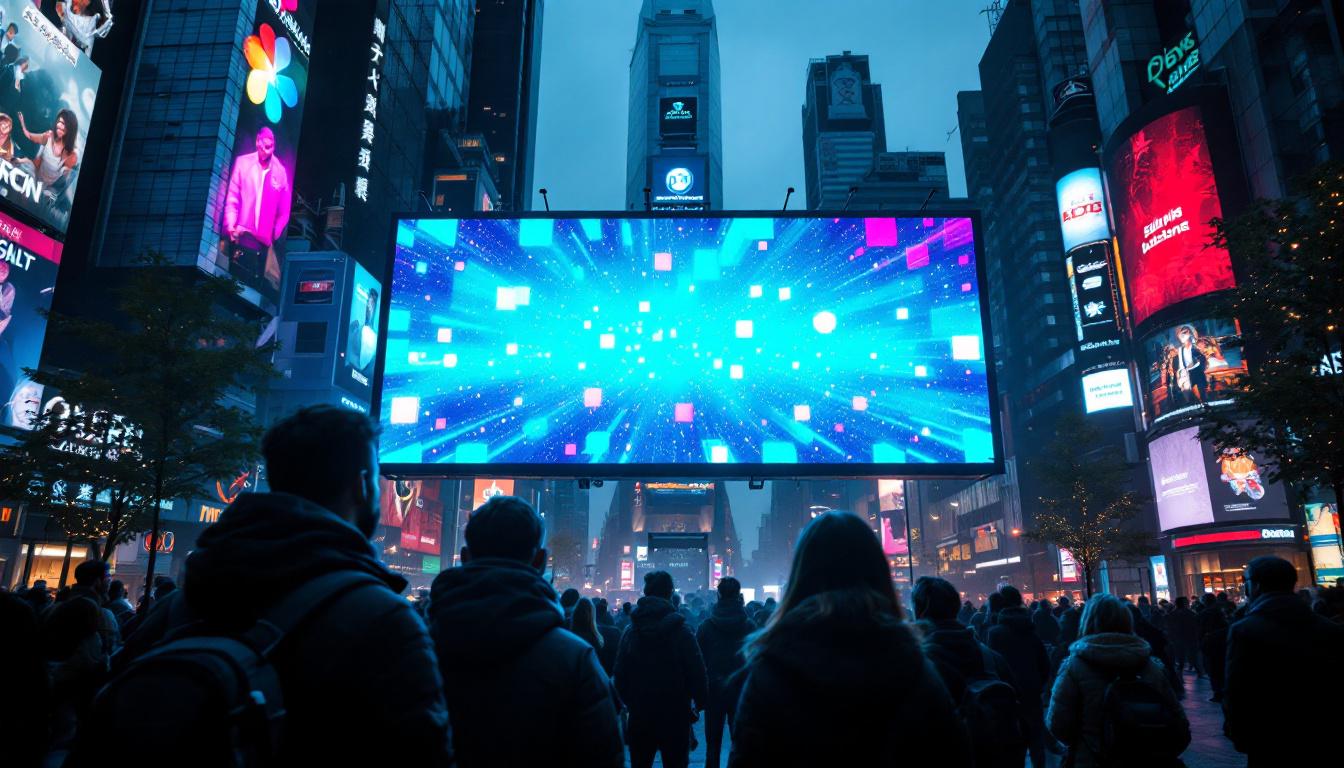
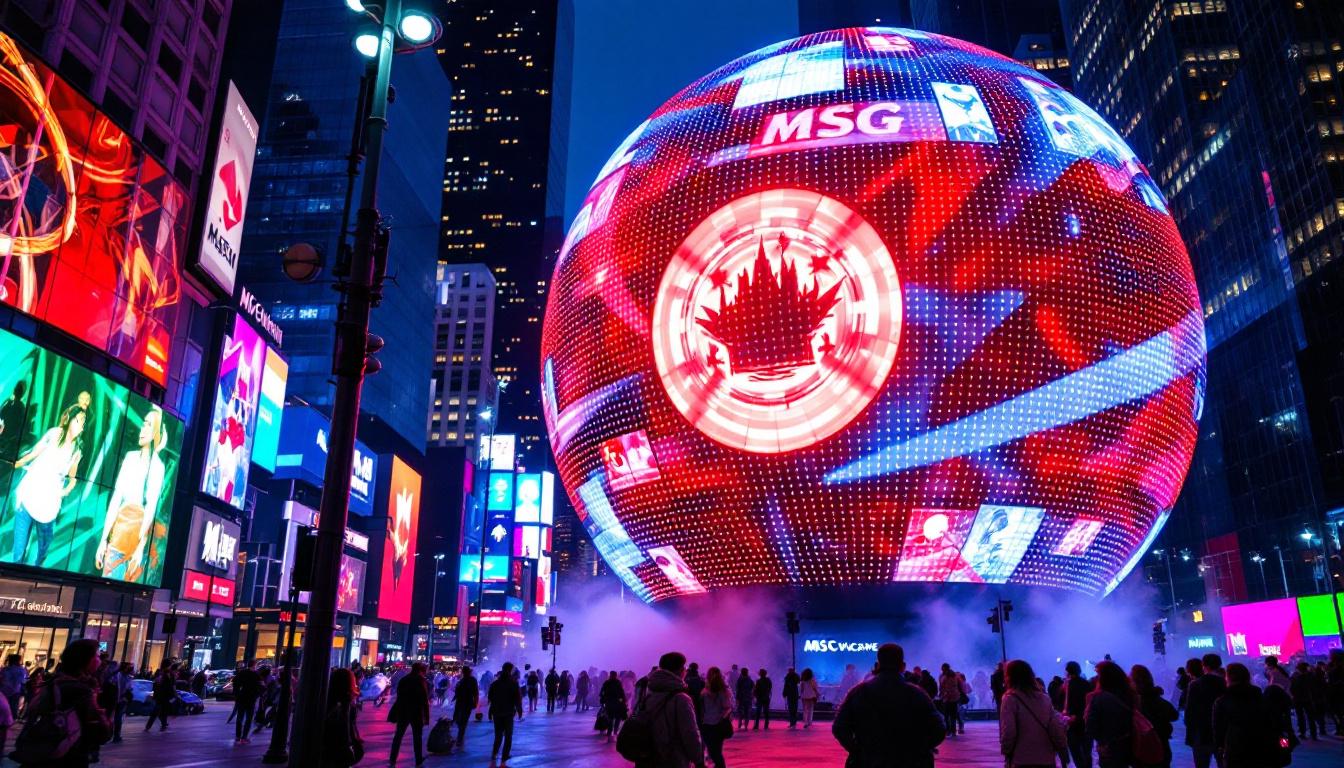
LED displays revolutionized outdoor advertising by enabling dynamic, eye-catching content that can be updated instantly. Cities around the world feature massive LED billboards in commercial districts, such as Times Square in New York City or Shibuya Crossing in Tokyo. These displays attract attention with vibrant colors and motion, making them more effective than static posters.
Sports Arenas and Event Venues
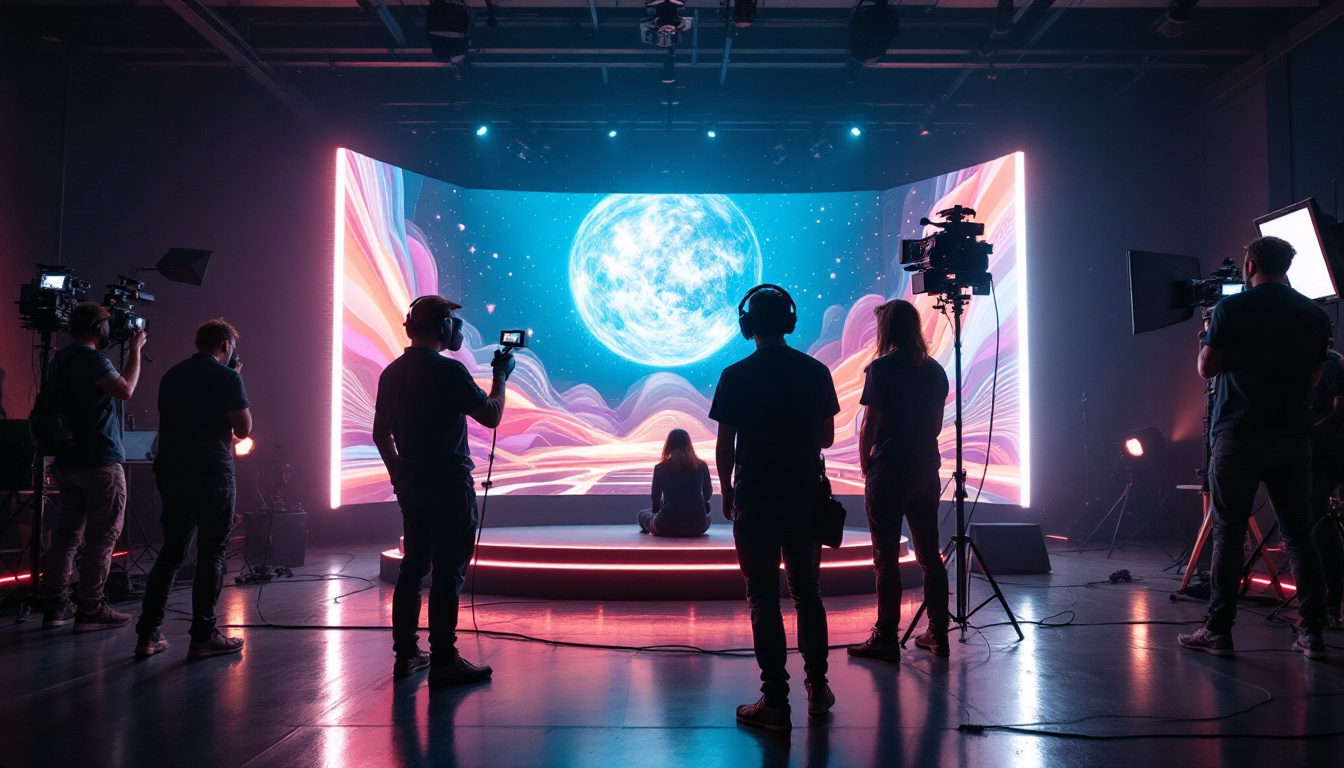
Sports stadiums and concert venues utilize LED video walls for scoreboards, instant replays, and live event broadcasting. The high brightness and wide viewing angles ensure that spectators, regardless of their seat location, have a clear view of the action. Additionally, flexible and curved LED panels allow for creative installations that enhance the spectator experience.
Retail and Indoor Signage
Retailers use LED displays for digital signage to promote products, provide information, and enhance store aesthetics. Indoor LED screens offer sharp images and vibrant colors that attract customers’ attention and improve engagement. The ability to schedule and remotely update content adds convenience and flexibility to marketing strategies.
Consumer Electronics
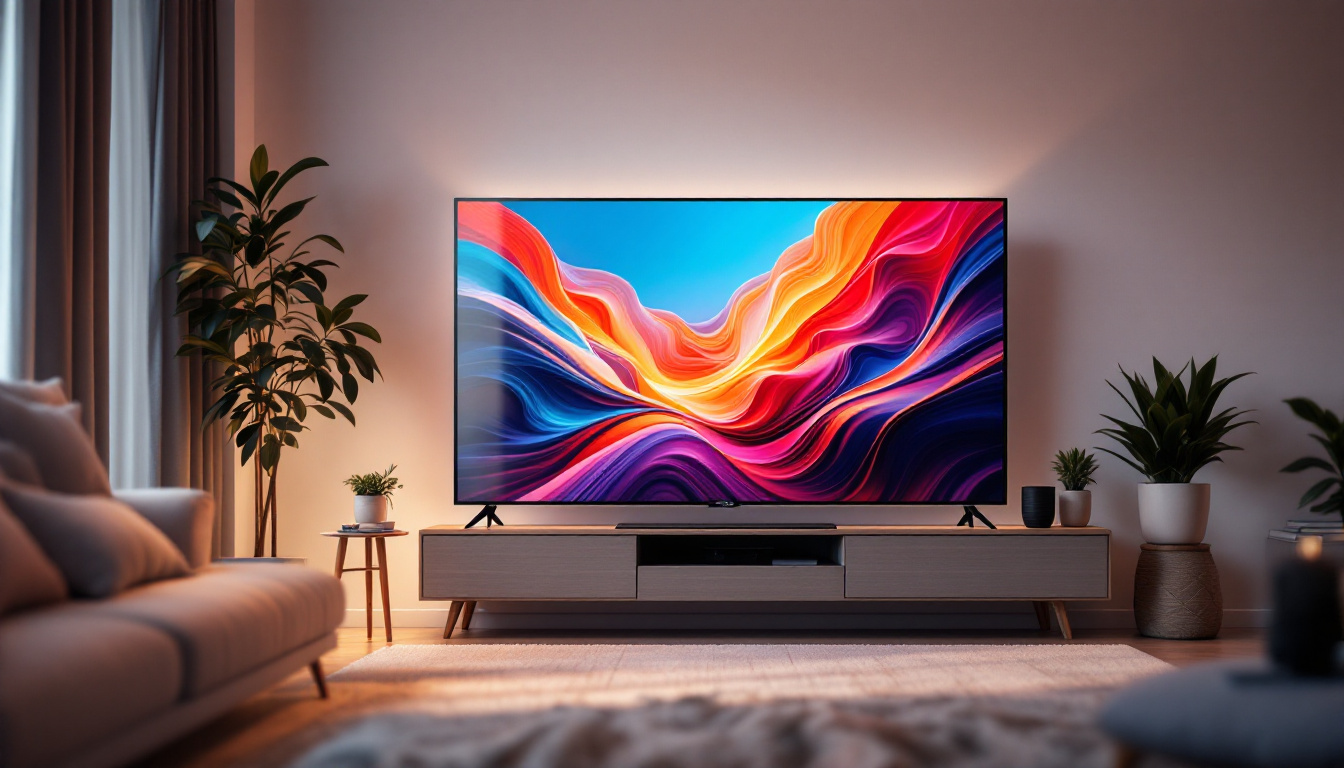
In the realm of consumer electronics, LED technology is ubiquitous. From smartphones and tablets to televisions and computer monitors, LED-backlit LCDs dominate the market. The technology enables slimmer devices with better picture quality and lower power consumption, meeting consumer demand for portability and performance.
Emerging Trends in LED Display Technology
MicroLED and MiniLED Displays
Recent advancements have introduced MicroLED and MiniLED technologies, promising even better performance. MicroLED displays use microscopic LEDs as individual pixels, offering superior brightness, contrast, and energy efficiency without the burn-in issues associated with OLEDs. Although still expensive, MicroLED is gaining traction in premium display markets.
MiniLED technology, on the other hand, uses thousands of tiny LEDs as backlighting for LCD panels, providing improved local dimming and contrast compared to traditional LED-backlit LCDs. This technology is becoming popular in high-end televisions and monitors.
Flexible and Transparent LED Displays
Innovation in materials and manufacturing has enabled flexible and transparent LED displays. These can be integrated into curved surfaces, glass windows, or wearable devices, opening new possibilities for advertising, architecture, and user interfaces. For example, transparent LED panels can transform store windows into interactive displays without obstructing the view.
Integration with IoT and Smart Technologies
LED displays are increasingly integrated with Internet of Things (IoT) platforms and smart technologies. This integration allows for real-time data visualization, remote content management, and interactive capabilities. Smart LED displays can adapt content based on audience demographics, environmental conditions, or user interactions, enhancing engagement and effectiveness.
Challenges and Considerations
Cost and Installation
While LED displays offer numerous benefits, the initial investment can be significant, especially for large-scale direct-view installations. Costs include not only the display panels but also infrastructure, installation, and maintenance. However, the long-term savings in energy and maintenance often justify the upfront expense.
Heat Management
LEDs generate heat during operation, which must be managed to maintain performance and longevity. Effective heat dissipation systems are essential, particularly in high-brightness or densely packed displays. Poor heat management can lead to reduced lifespan and color inconsistencies.
Environmental Impact
Although LEDs are more energy-efficient than traditional lighting, the production and disposal of LED displays involve environmental considerations. Manufacturers are increasingly focusing on sustainable materials and recycling programs to mitigate environmental impact. Consumers and businesses should also consider responsible disposal practices.
Conclusion: The Future of LED Displays
LED display technology continues to evolve rapidly, driving innovation across multiple industries. Its combination of brightness, energy efficiency, durability, and versatility makes it a preferred choice for a wide range of applications. As emerging technologies like MicroLED and flexible displays mature, the potential for more immersive and interactive visual experiences will expand further.
For businesses, understanding LED displays’ capabilities and limitations is crucial for making informed decisions about digital signage, advertising, and consumer electronics. As LED technology becomes more accessible and affordable, it will undoubtedly play an even greater role in shaping how people interact with visual content in everyday life.
Discover LumenMatrix’s Innovative LED Solutions
Ready to elevate your visual experience with the latest in LED technology? LumenMatrix is at the forefront of innovation, offering a diverse range of LED display solutions tailored to your needs. From captivating Indoor and Outdoor LED Wall Displays to dynamic Vehicle and Sports LED Displays, our products are designed to make your brand shine. Explore our cutting-edge Floor, Custom, All-in-One, and Transparent LED Displays, and see how our commitment to revolutionizing visual communication can transform your space. Check out LumenMatrix LED Display Solutions today and step into the future of digital signage.