Custom LCD Manufacturer: LED Display Explained
In today’s fast-evolving digital landscape, LED displays have become an integral part of how information is presented and consumed. From vibrant billboards in bustling city centers to high-definition screens in conference rooms, LED technology powers a vast array of visual communication tools. For businesses and organizations seeking tailored display solutions, understanding the nuances of LED displays is crucial. This article explores the fundamentals of LED displays, the role of custom LCD manufacturers, and key considerations when selecting and designing LED display systems.
Understanding LED Display Technology
LED, or Light Emitting Diode, displays are a type of flat panel display that use an array of light-emitting diodes as pixels for a video display. Unlike traditional LCDs that rely on backlighting, LED displays are self-illuminating, which allows for brighter images, better contrast, and more vibrant colors. This self-illuminating feature not only enhances the visual experience but also contributes to the longevity of the display, as LEDs have a significantly longer lifespan than conventional bulbs.
The core advantage of LED technology lies in its efficiency and flexibility. LEDs consume less power compared to other display technologies and can be manufactured in various sizes and shapes, making them ideal for both indoor and outdoor applications. Additionally, LED displays offer superior viewing angles and faster refresh rates, which are essential for dynamic content such as video playback and live broadcasts. This adaptability has led to their widespread adoption in various sectors, from advertising and entertainment to information displays in public transport systems and retail environments.
Types of LED Displays
There are several types of LED displays, each suited to different applications:
- Direct View LED (DVLED): This type involves LEDs arranged directly on the display surface, providing high brightness and excellent color accuracy. DVLEDs are commonly used in large-scale outdoor billboards and stadium screens, where visibility in bright sunlight is crucial. Their ability to maintain clarity and vibrancy even in challenging lighting conditions makes them a preferred choice for high-impact advertising.
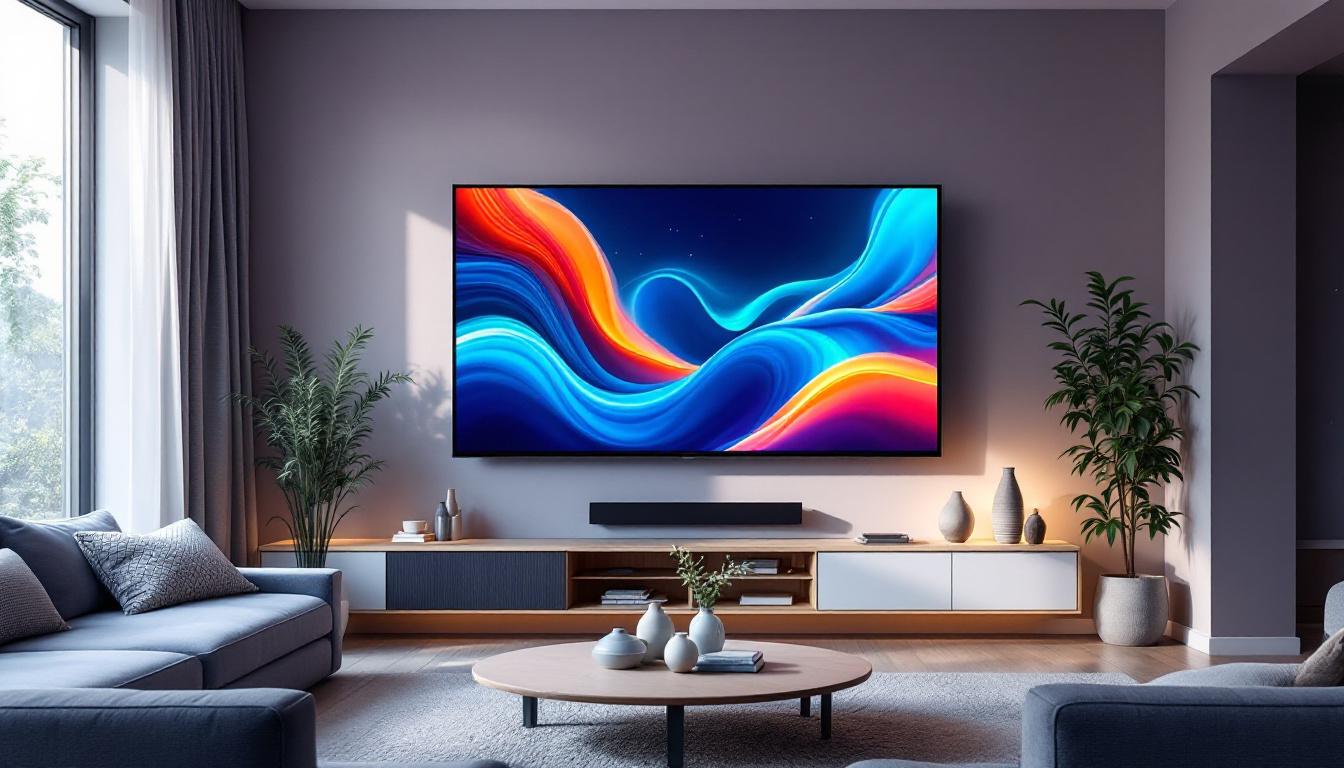
- LED-backlit LCD: These displays use LEDs as a backlight behind an LCD panel, combining the sharpness of LCD with the brightness and energy efficiency of LEDs. This is the most common type of LED display found in consumer electronics like televisions and monitors. The integration of LED backlighting has allowed manufacturers to produce thinner and lighter screens, enhancing the aesthetic appeal of modern devices while also improving energy consumption.
- MicroLED: An emerging technology where microscopic LEDs form individual pixels. MicroLEDs promise even higher brightness, contrast, and energy efficiency, making them a potential game-changer for future display technologies. This innovation is particularly exciting for applications requiring high resolution and pixel density, such as virtual reality headsets and large-scale displays that need to maintain clarity at close viewing distances.
As the technology continues to evolve, the potential applications for LED displays are expanding rapidly. Innovations in flexible LED technology, for instance, are paving the way for curved and bendable screens that can fit into unconventional spaces, offering designers and architects new possibilities for integrating displays into their environments. Furthermore, advancements in smart LED technology are enabling displays to interact with users in real-time, enhancing the overall experience and creating opportunities for personalized content delivery.
Moreover, the environmental impact of LED technology cannot be overlooked. With a lower carbon footprint compared to traditional display technologies, LEDs are becoming the go-to choice for businesses looking to adopt more sustainable practices. The ability to recycle and repurpose LED components also contributes to a more circular economy, making LED displays not only a smart choice for performance but also for environmental responsibility.
The Role of Custom LCD Manufacturers in LED Display Solutions
Custom LCD manufacturers play a pivotal role in the development and deployment of LED display systems. Their expertise enables the design and production of displays tailored to specific client needs, whether for advertising, industrial monitoring, or entertainment purposes.
Customization can involve various aspects, including display size, resolution, pixel pitch, brightness levels, and integration with control systems. Manufacturers work closely with clients to understand their unique requirements and environmental conditions to deliver optimal performance and durability.
Advantages of Custom LED Displays
Opting for a custom LED display offers several benefits:
- Tailored Design: Custom manufacturers can produce displays that fit unconventional spaces or specific aesthetic requirements, ensuring seamless integration into the environment.
- Optimized Performance: By selecting the appropriate pixel pitch, brightness, and refresh rate, custom displays can provide superior image quality tailored to viewing distances and ambient lighting conditions.
- Enhanced Durability: Custom solutions often include ruggedized components and weatherproofing, essential for outdoor or industrial applications.
- Integration Flexibility: Custom manufacturers can incorporate specialized interfaces, sensors, or software to meet unique operational needs.
Key Technical Considerations When Choosing LED Displays
Selecting the right LED display involves evaluating several technical parameters to ensure the display meets the intended use case effectively.
Pixel Pitch and Resolution
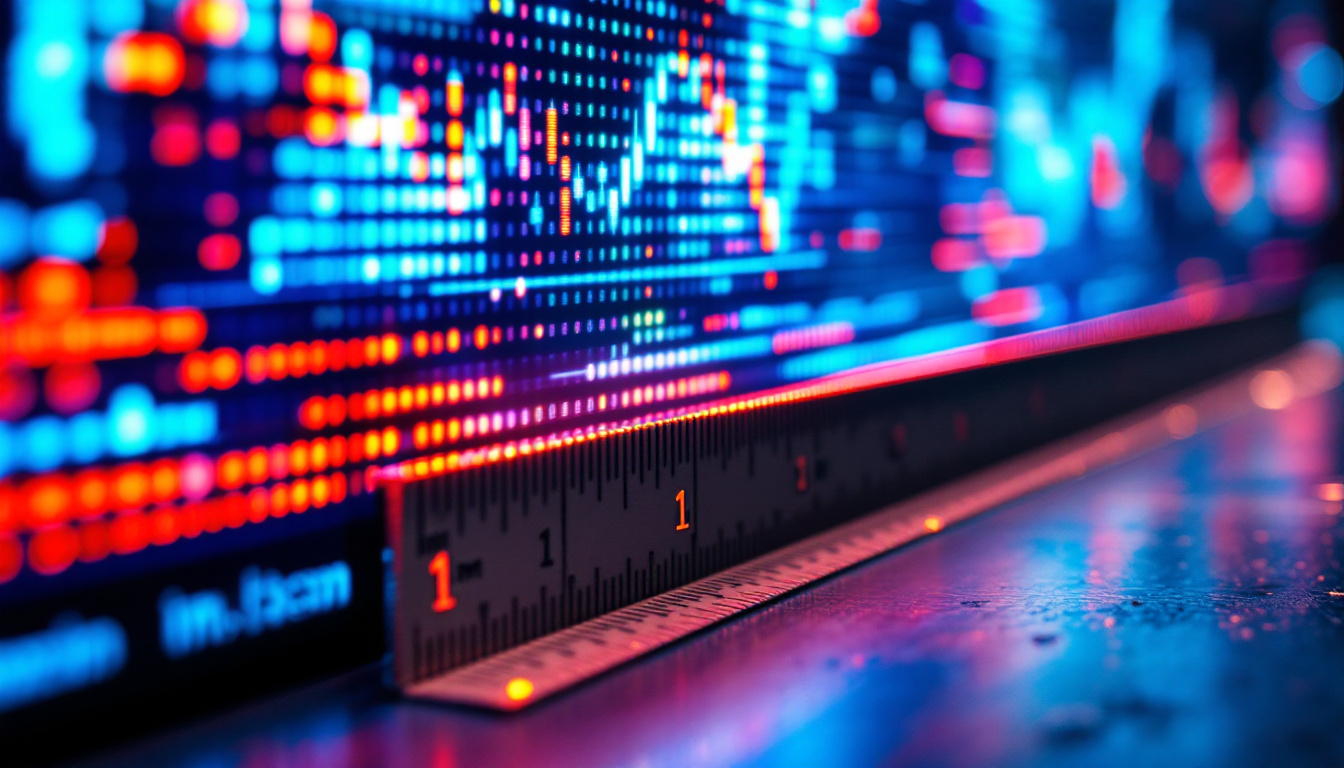
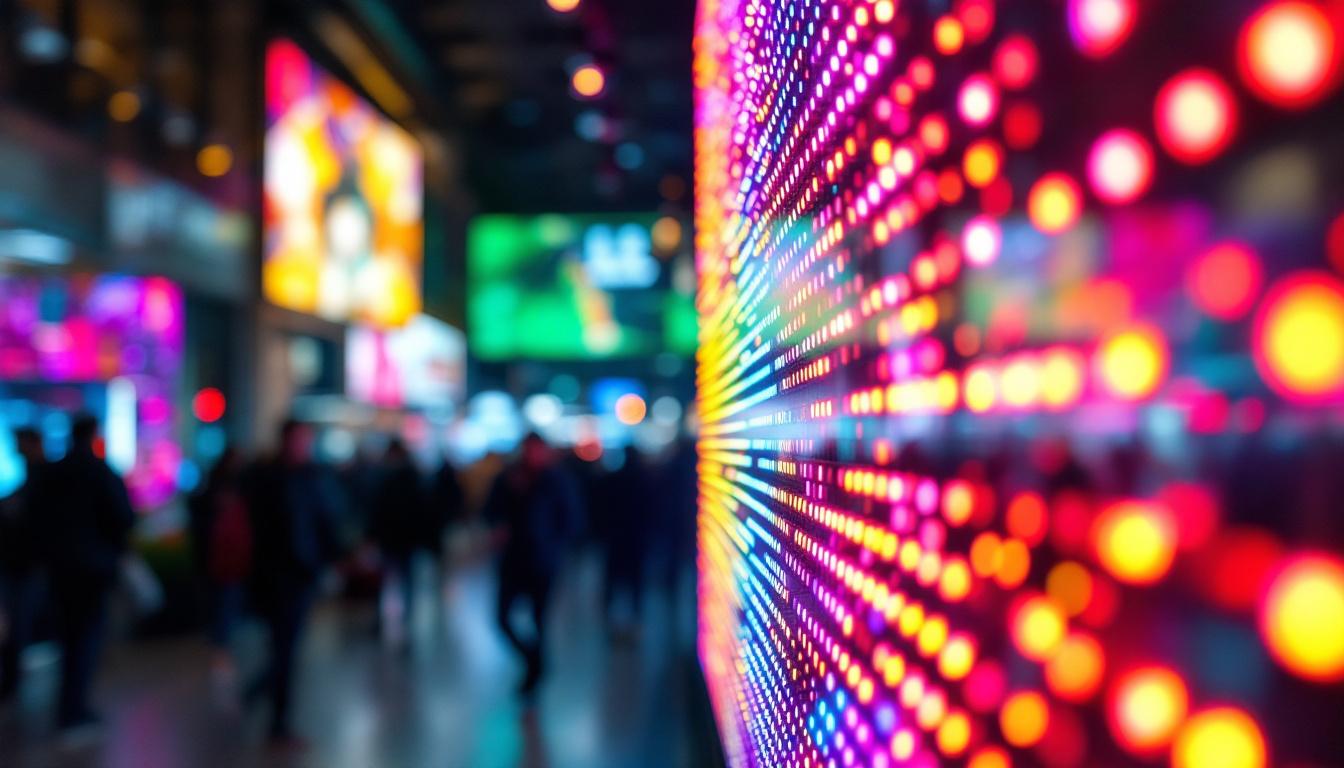
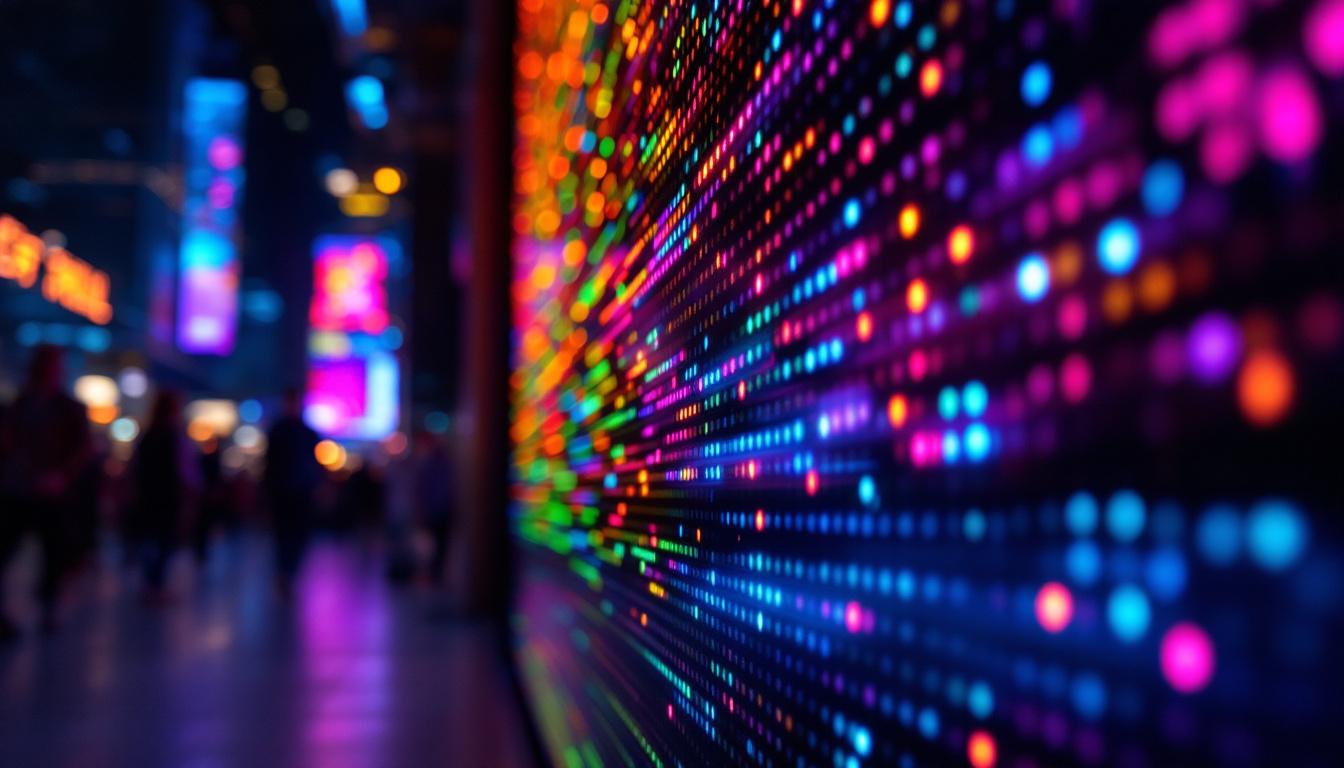
Pixel pitch refers to the distance between the centers of two adjacent pixels, typically measured in millimeters. It directly affects the display’s resolution and viewing distance. A smaller pixel pitch means higher resolution and closer optimal viewing distance, making it suitable for indoor environments where viewers are close to the screen.
For example, a pixel pitch of 1.5mm is ideal for indoor applications such as control rooms or retail signage, while a pitch of 10mm or more is common for large outdoor billboards viewed from a distance.
Brightness and Contrast Ratio
Brightness is measured in nits (cd/m²) and is crucial for visibility, especially in outdoor environments exposed to sunlight. Outdoor LED displays often require brightness levels exceeding 5,000 nits to remain clear and legible under direct sunlight. Indoor displays typically operate at 300 to 1,000 nits.
Contrast ratio, the difference between the darkest black and the brightest white, affects image clarity and depth. LED displays generally offer high contrast ratios, enhancing the viewing experience by producing vivid and lifelike images.
Viewing Angle and Refresh Rate
Viewing angle determines how well the image can be seen from different positions. Wide viewing angles ensure consistent image quality across a broad audience area, which is essential for public displays.
Refresh rate, measured in hertz (Hz), indicates how many times per second the image is updated. Higher refresh rates reduce flicker and motion blur, which is particularly important for video content and live events. A refresh rate of at least 60Hz is standard, with some high-end displays offering 120Hz or more.
Applications of Custom LED Displays Across Industries
LED displays are versatile and find applications across a wide range of industries. Custom manufacturers tailor solutions to meet the specific demands of each sector.
Advertising and Outdoor Signage
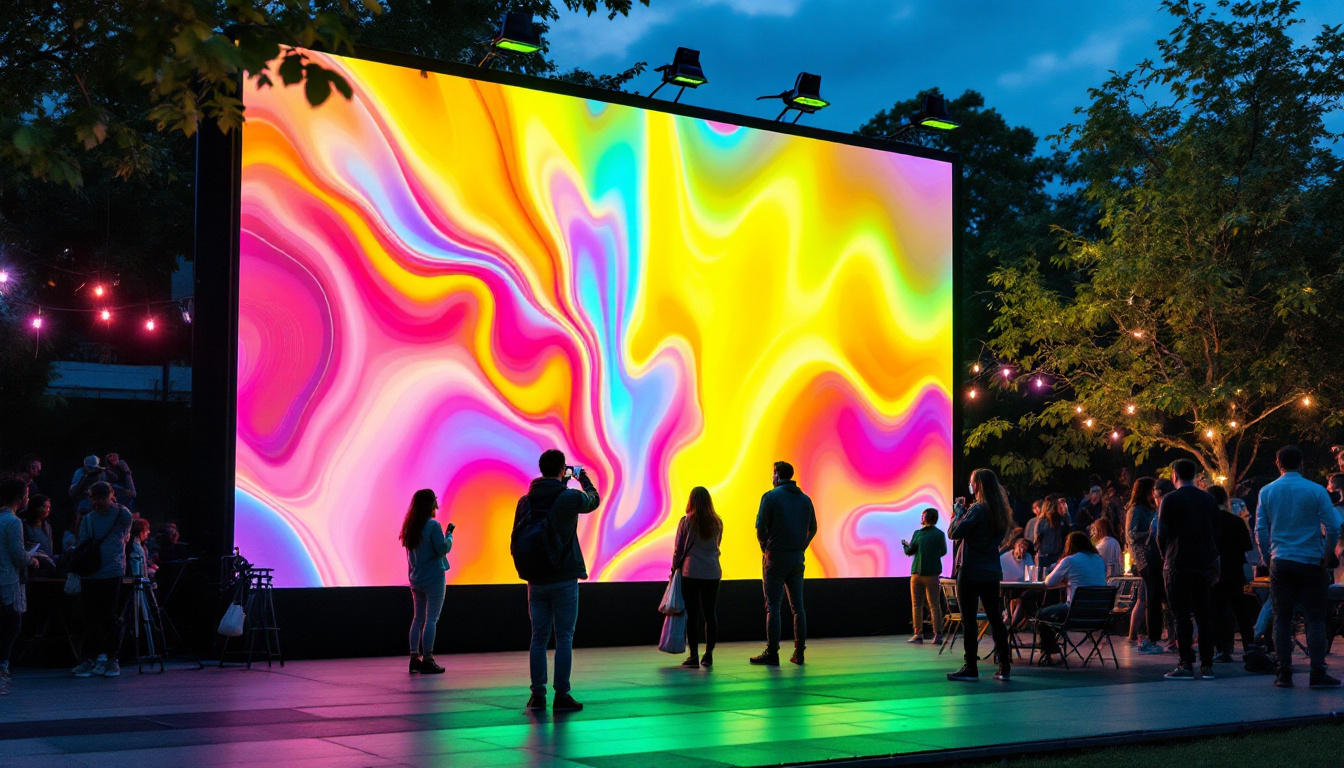
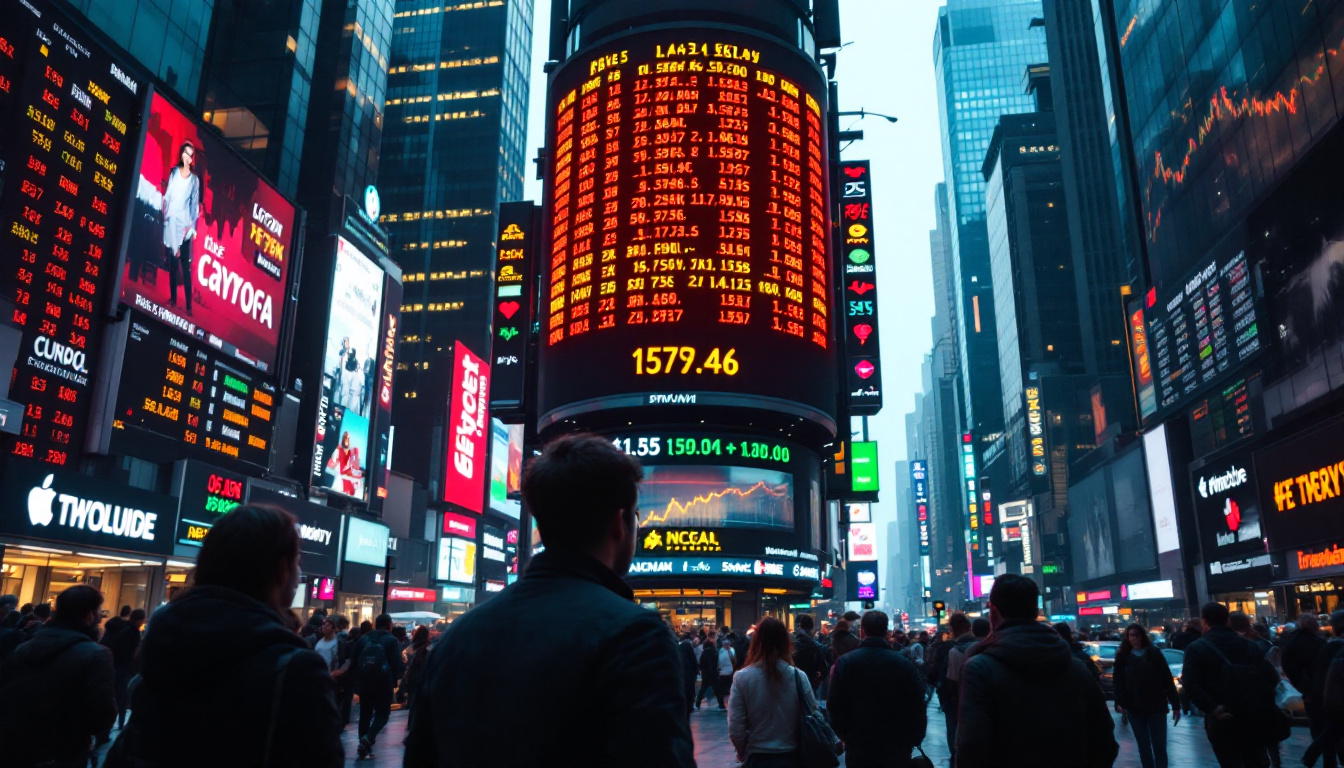
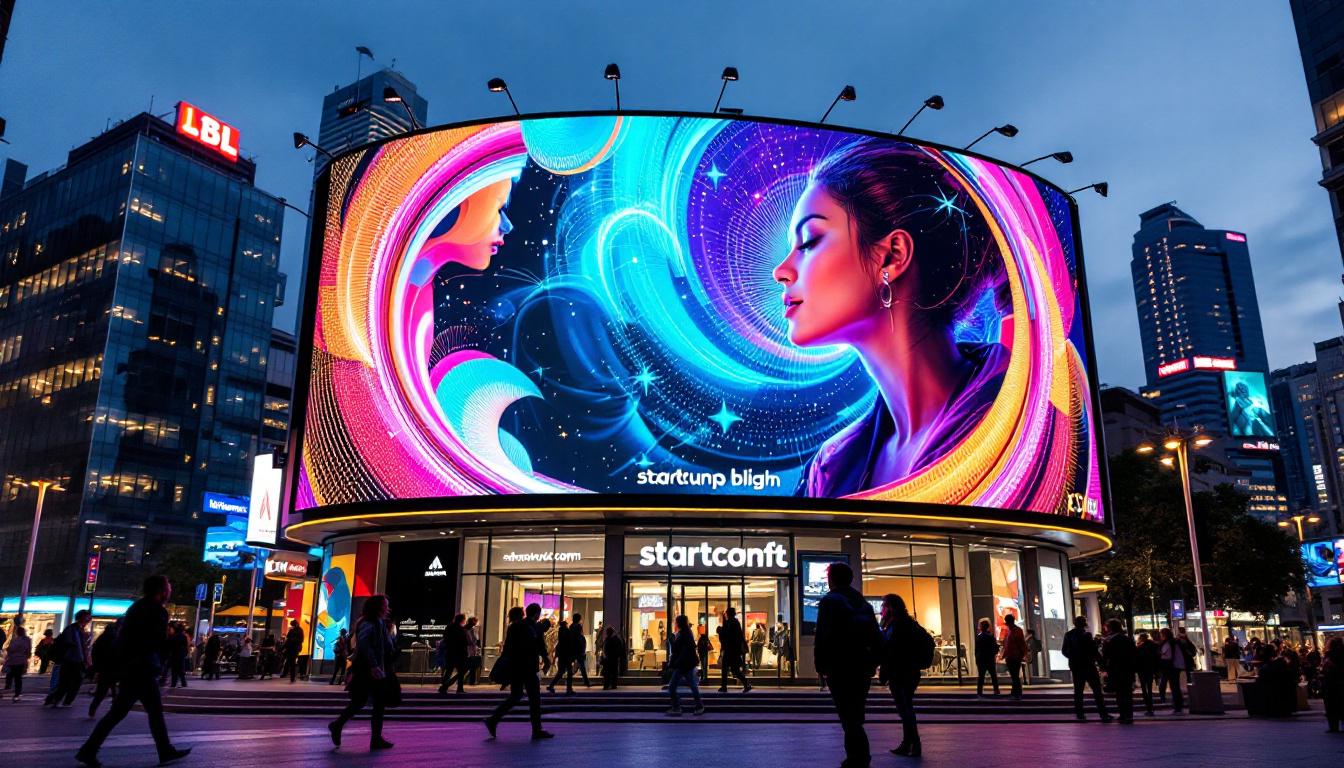
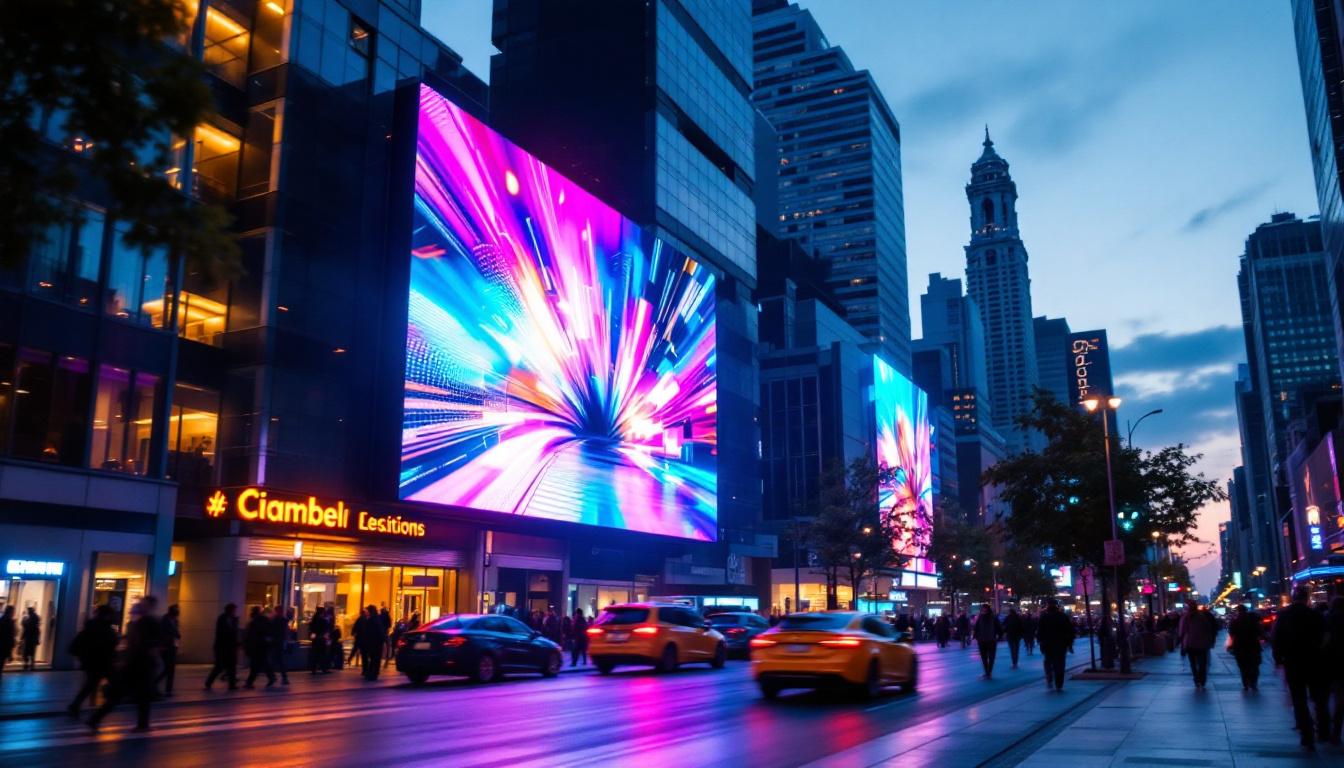
Outdoor LED billboards have revolutionized advertising by enabling dynamic, eye-catching content that can be updated remotely in real-time. Custom displays designed for weather resistance and high brightness ensure visibility in all conditions. According to recent market analysis, the global digital signage market is expected to reach over $32 billion by 2028, driven largely by LED display adoption.
Retail and Hospitality
In retail environments, LED displays enhance customer engagement through interactive signage, product promotions, and wayfinding. Custom sizes and shapes allow integration into store layouts without disrupting aesthetics. Similarly, hotels and restaurants use LED displays for menus, event information, and ambient lighting effects.
Transportation and Public Spaces
LED displays are critical in airports, train stations, and bus terminals for real-time scheduling and emergency notifications. Custom solutions ensure displays are readable under varying lighting conditions and can withstand heavy usage.
Corporate and Control Rooms
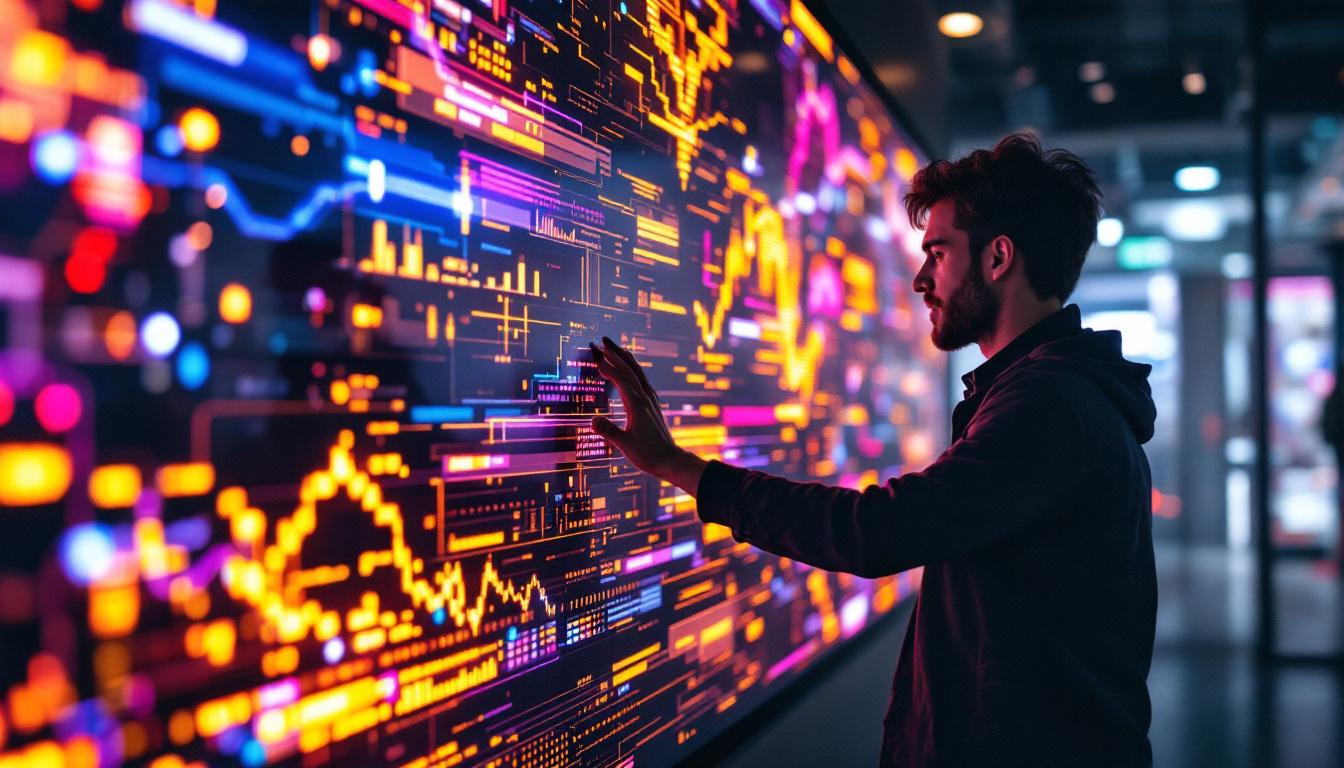
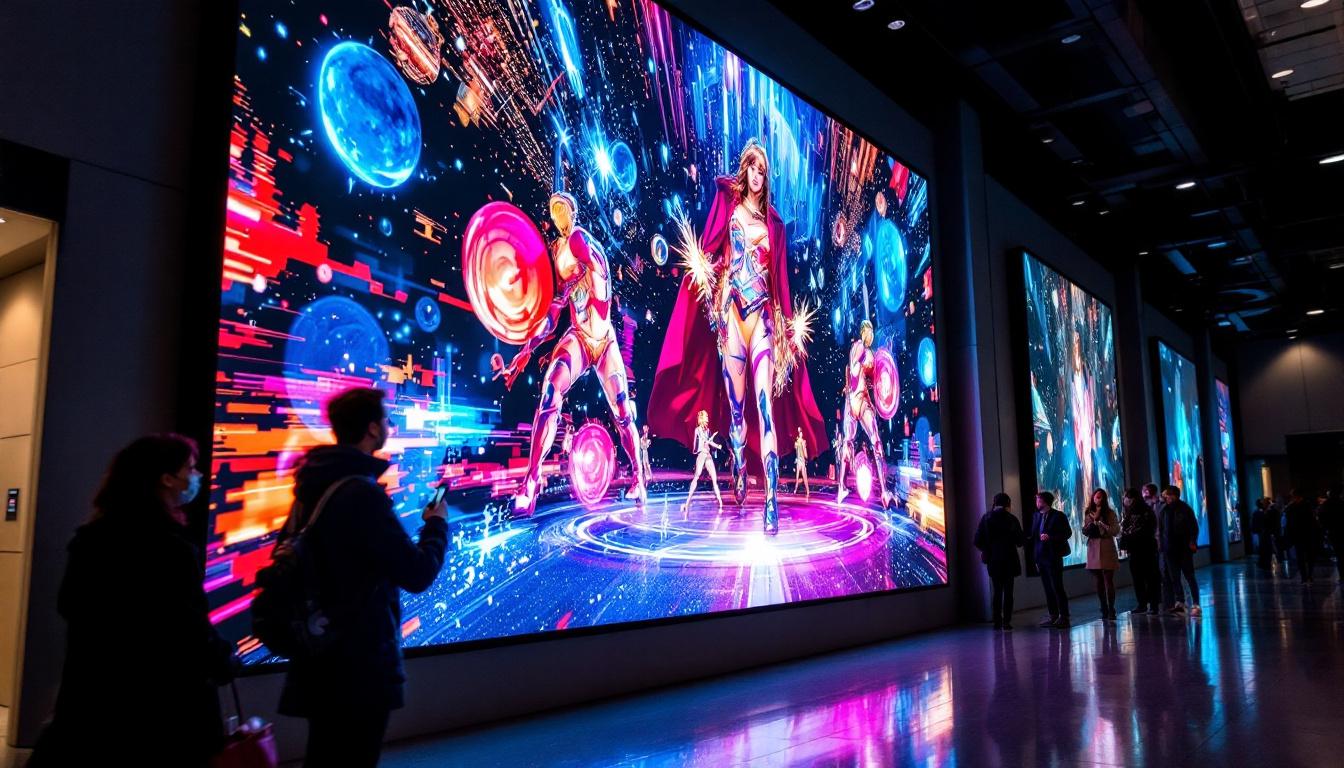
In corporate settings, LED video walls facilitate presentations, video conferencing, and data visualization. Control rooms benefit from high-resolution, large-format LED displays for monitoring complex systems and ensuring operational efficiency.
Future Trends in LED Display Technology
The LED display industry continues to innovate, driven by advancements in materials science, manufacturing processes, and digital integration.
MicroLED and MiniLED Technologies
MicroLED technology promises unparalleled brightness, contrast, and energy efficiency by using microscopic LEDs as individual pixels. While still emerging, MicroLED displays are expected to disrupt markets ranging from consumer electronics to large-scale commercial signage.
MiniLED, a related technology, uses smaller LEDs for backlighting LCD panels, improving contrast and color accuracy. This technology is already gaining traction in premium monitors and televisions.
Flexible and Transparent LED Displays
Flexible LED panels enable curved and foldable displays, expanding design possibilities for architecture and wearable devices. Transparent LED displays offer the ability to overlay digital content on glass surfaces, creating futuristic retail windows and augmented reality experiences.
AI and IoT Integration
Artificial intelligence and Internet of Things (IoT) technologies are increasingly integrated with LED displays to enable smart content management, predictive maintenance, and interactive user experiences. For example, AI-driven analytics can tailor advertising content based on audience demographics and behavior in real-time.
Choosing the Right Custom LCD Manufacturer
Partnering with the right custom LCD manufacturer is essential for achieving a successful LED display project. Key factors to consider include:
- Experience and Expertise: Look for manufacturers with a proven track record in delivering customized LED solutions across relevant industries.
- Quality and Compliance: Ensure the manufacturer adheres to international quality standards and certifications, such as ISO 9001 and RoHS compliance.
- Technical Support and Service: Reliable after-sales support, including installation, maintenance, and troubleshooting, is critical for long-term performance.
- Innovation and Flexibility: Choose partners who invest in research and development and offer flexible production capabilities to accommodate evolving needs.
Conclusion
LED display technology has transformed the way information is communicated across industries, offering vibrant, efficient, and versatile solutions. Custom LCD manufacturers play a crucial role in tailoring these displays to meet specific requirements, ensuring optimal performance and integration.
Understanding the technical aspects of LED displays—such as pixel pitch, brightness, and refresh rate—empowers businesses to make informed decisions that align with their operational goals and audience needs. As the technology continues to advance with innovations like MicroLED and AI integration, the potential applications and benefits of LED displays will only expand.
For organizations seeking impactful visual communication tools, partnering with an experienced custom LCD manufacturer is the first step toward harnessing the full power of LED display technology.
Discover LumenMatrix’s Custom LED Display Solutions
Ready to elevate your visual communication strategy with cutting-edge LED technology? LumenMatrix offers a comprehensive range of LED display solutions tailored to your unique needs. From Indoor and Outdoor LED Wall Displays to innovative LED Posters and Sports Displays, our products are designed to captivate your audience and amplify your message. Experience the future of digital signage with our Custom, All-in-One, and Transparent LED Displays. Check out LumenMatrix LED Display Solutions today and transform your brand’s visibility with unparalleled clarity and impact.