Panel Screen TV: LED Display Explained
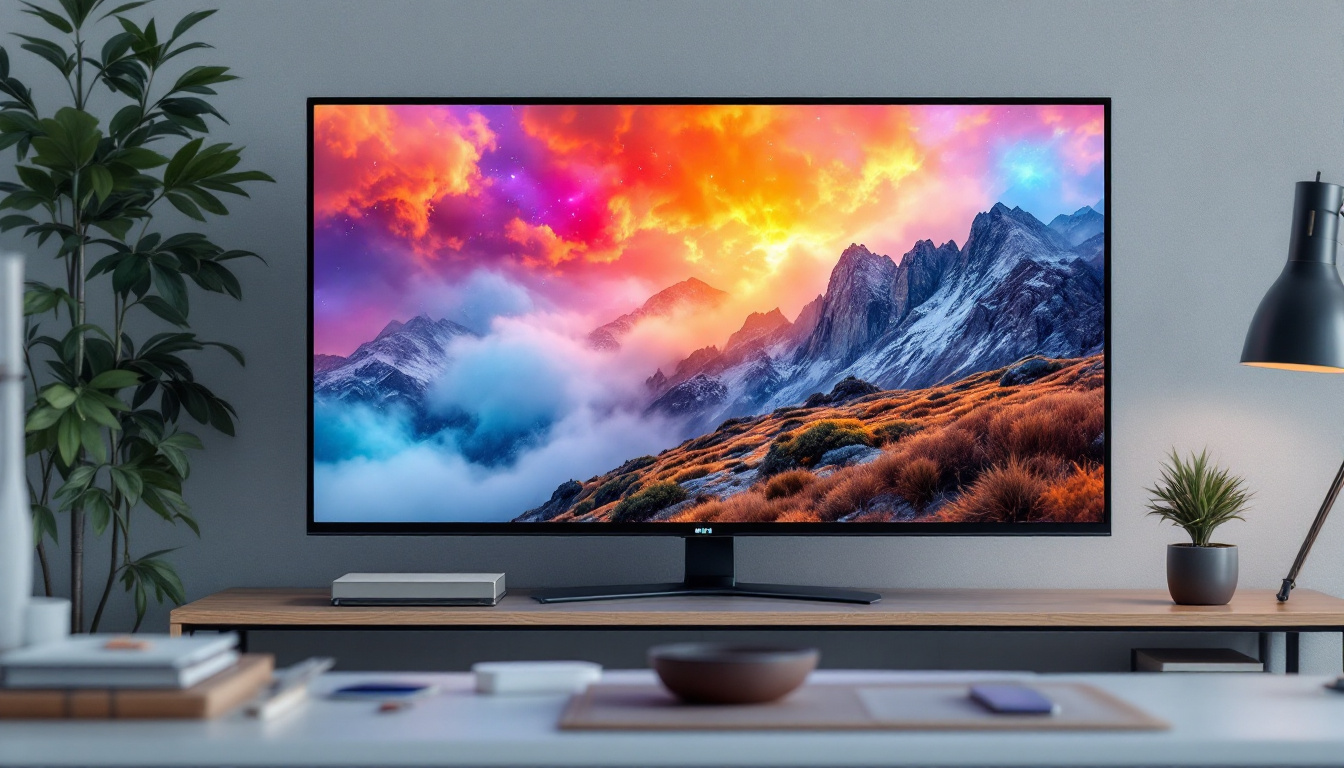
In today’s rapidly evolving world of television technology, understanding the intricacies of display panels is essential for making informed purchasing decisions. Among the various types of TV displays, LED panels have become the dominant technology, offering a blend of performance, efficiency, and affordability. This article delves deep into the world of LED display panels, explaining their structure, advantages, and how they compare to other technologies.
Understanding LED Display Technology
LED, or Light Emitting Diode, technology has revolutionized the way screens are illuminated and displayed. At its core, an LED display TV uses an array of tiny light-emitting diodes to backlight the screen, enhancing brightness and color accuracy compared to older technologies such as CCFL (Cold Cathode Fluorescent Lamp) backlighting. This advancement has not only improved the viewing experience but has also contributed to energy efficiency, making LED displays a popular choice for both consumers and manufacturers alike.
What Is an LED Panel?
An LED panel is essentially an LCD (Liquid Crystal Display) screen illuminated by LEDs. Unlike traditional LCD TVs that rely on fluorescent lamps for backlighting, LED TVs use light-emitting diodes positioned either behind the screen or along its edges. This subtle but crucial difference results in better control over brightness, contrast, and energy consumption. The shift to LED technology has also paved the way for thinner and lighter designs, allowing for sleeker aesthetics in modern televisions.
LED panels come in two primary types: edge-lit and full-array. Edge-lit LED panels place LEDs along the edges of the screen, using light guides to distribute illumination evenly. Full-array LED panels, on the other hand, have LEDs spread uniformly behind the entire screen, allowing for more precise local dimming and improved picture quality. The choice between these two types often depends on the viewer’s preferences and the specific use case, with full-array panels generally favored for high-end home theaters where picture quality is paramount.
How LED Panels Work
The LED panel works by shining light through a liquid crystal layer, which manipulates the light to create images. Each pixel on the screen contains sub-pixels that filter the light into red, green, and blue components. By adjusting the intensity of these sub-pixels, the TV produces the full spectrum of colors seen on the display. This technology allows for vibrant, lifelike images that can captivate viewers, making LED displays ideal for everything from watching movies to playing video games.
Local dimming, a feature enabled by full-array LED panels, allows specific zones of LEDs to dim or brighten independently. This capability enhances contrast by deepening blacks and preventing light bleed, which is a common issue in edge-lit panels. Additionally, advancements in LED technology have introduced features such as HDR (High Dynamic Range), which further enhances the viewing experience by providing a greater range of brightness and color depth. As a result, viewers can enjoy scenes that are not only brighter but also more detailed, with shadows and highlights that are more accurately represented.
Advantages of LED Display Panels
LED display panels have become the standard in modern televisions due to a combination of performance benefits and practical advantages. Understanding these benefits helps consumers appreciate why LED TVs dominate the market.
Superior Picture Quality
One of the most significant advantages of LED panels is their ability to deliver vivid, bright images with excellent contrast. Full-array LED TVs with local dimming can achieve higher contrast ratios, making dark scenes appear richer and more detailed. This is particularly important for viewing high-definition content, including 4K and HDR (High Dynamic Range) videos.
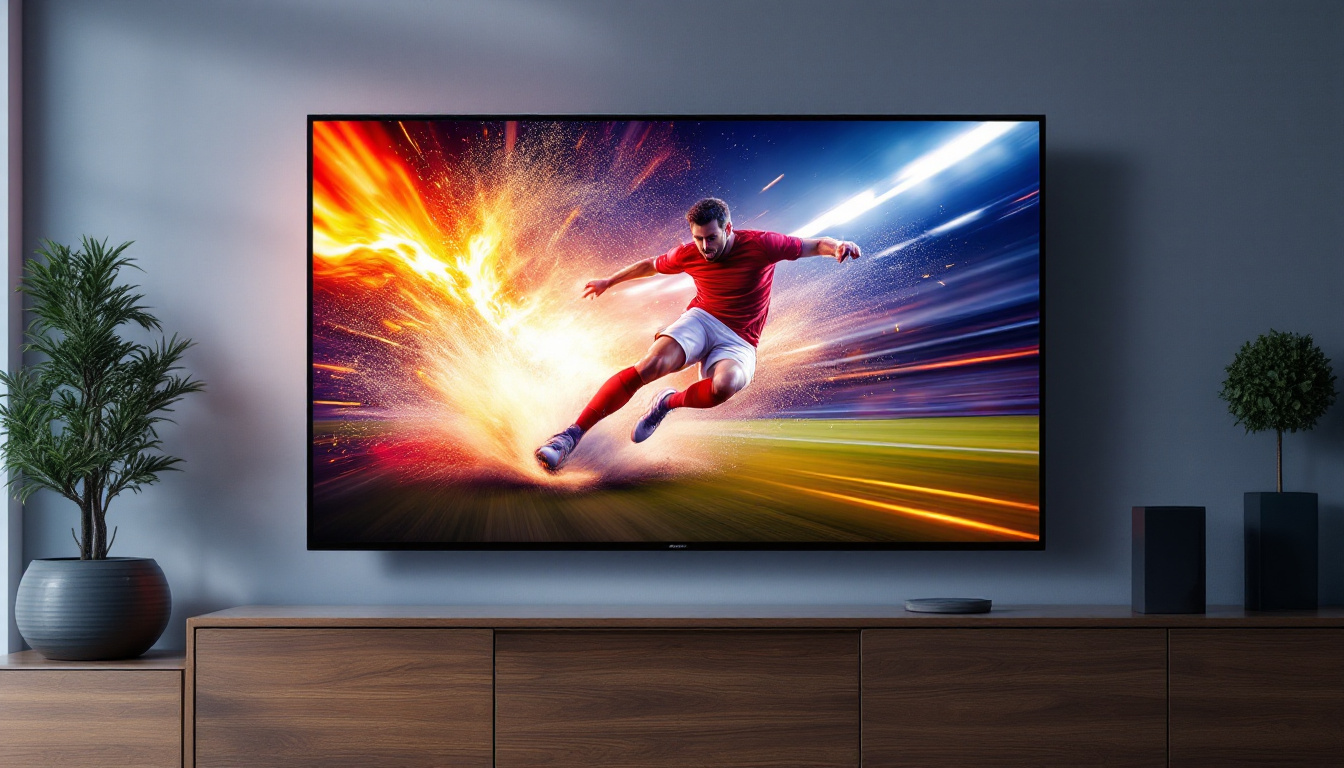
Additionally, LED panels tend to have faster response times compared to older LCD technologies, reducing motion blur during fast-paced scenes such as sports or action movies. This results in a smoother and more immersive viewing experience. The advanced technology behind LED displays also allows for a wider color gamut, meaning that viewers can enjoy more accurate and vibrant colors, enhancing the overall visual experience. Whether watching a nature documentary or an animated film, the rich color reproduction can make scenes come alive in ways that older display technologies simply cannot match.
Energy Efficiency and Longevity
LED backlighting is more energy-efficient than CCFL backlighting, consuming less power while producing brighter images. This efficiency translates to lower electricity bills and a smaller environmental footprint. According to the U.S. Department of Energy, LED TVs can use up to 40% less energy than their CCFL counterparts.
Furthermore, LEDs have a longer operational lifespan, often exceeding 60,000 hours before significant brightness degradation occurs. This durability ensures that LED TVs maintain their performance over many years of use. In addition to their longevity, many LED TVs also come equipped with energy-saving features such as automatic brightness adjustment and sleep timers, which further enhance their energy efficiency. Consumers can enjoy their favorite shows and movies with the peace of mind that they are making a more sustainable choice for their entertainment needs.
Slimmer and Lighter Designs
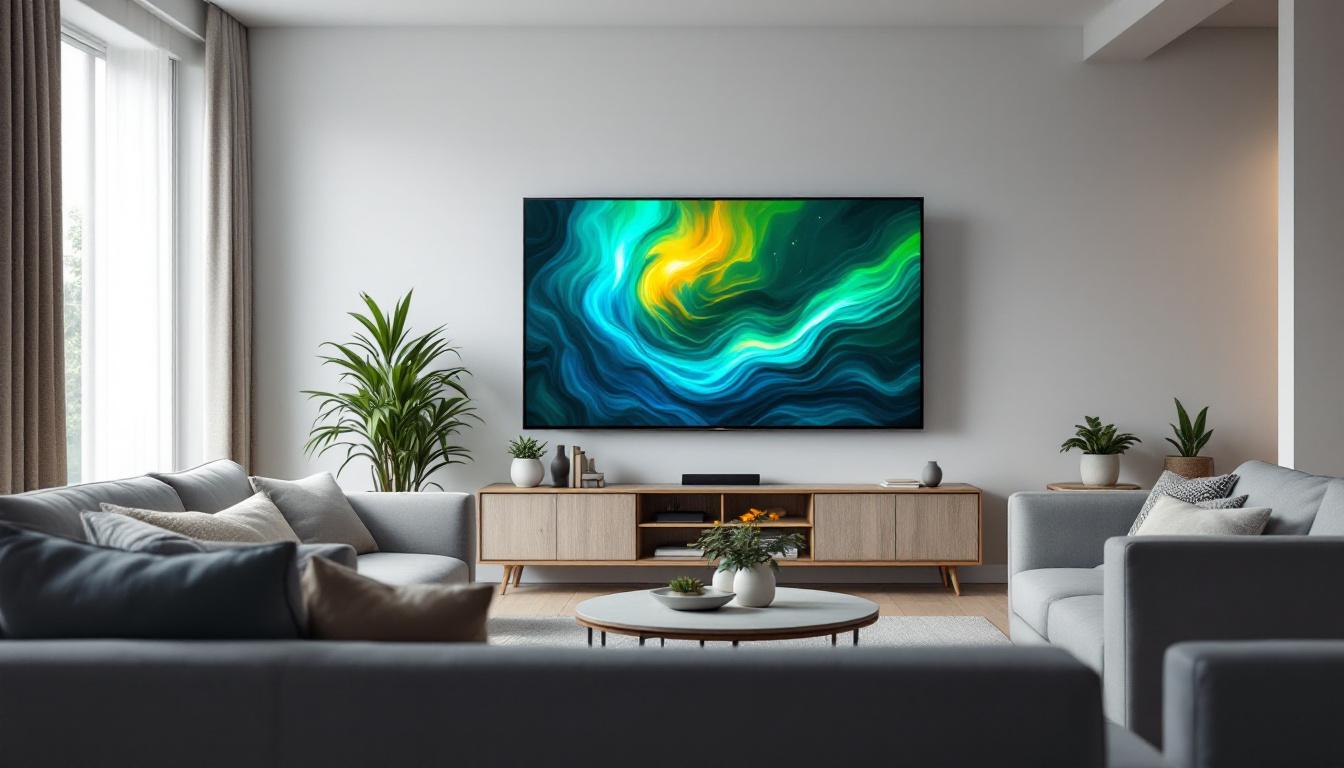
The compact size of LEDs allows manufacturers to design thinner and lighter TVs without compromising screen size or quality. This has led to the widespread availability of ultra-slim panel screen TVs that fit seamlessly into modern living spaces and offer greater flexibility in mounting options.
Moreover, the sleek design of LED TVs not only enhances aesthetic appeal but also facilitates easier installation and mobility. Many models are designed to be wall-mounted, providing a clean and modern look that can transform a room. The lightweight nature of these panels means that even larger screens can be handled with relative ease during setup. Additionally, the reduced weight and thickness of LED TVs have opened up new possibilities for innovative designs, such as curved screens and multi-screen setups, allowing users to customize their viewing experience to an even greater extent.
Comparing LED Panels with Other Display Technologies
While LED panels are prevalent, it’s important to understand how they stack up against other popular display technologies such as OLED and QLED. Each technology offers unique strengths and trade-offs.
LED vs. OLED
OLED (Organic Light Emitting Diode) displays differ fundamentally from LED TVs. Instead of using a backlight, OLED panels have self-emissive pixels that generate their own light. This allows for perfect blacks and infinite contrast ratios because pixels can be turned off completely.
However, OLED TVs tend to be more expensive and may be susceptible to burn-in issues over time, where static images leave a permanent mark on the screen. LED TVs, especially those with full-array backlighting, offer excellent brightness and are less prone to burn-in, making them a practical choice for many consumers.
LED vs. QLED
QLED (Quantum Dot LED) is a marketing term used primarily by some manufacturers to describe LED TVs enhanced with quantum dot technology. Quantum dots are microscopic semiconductor particles that emit precise colors when illuminated by LEDs, resulting in a wider color gamut and improved brightness.
QLED TVs are essentially advanced LED TVs with enhanced color performance and brightness capabilities, making them well-suited for brightly lit rooms. They also tend to be more affordable than OLEDs while delivering superior color accuracy compared to standard LED panels.
Key Features to Consider When Choosing an LED Panel TV
When selecting a panel screen TV with LED display technology, several factors should be considered to ensure the best viewing experience and value for money.
Screen Size and Resolution
Screen size is a personal preference but also depends on viewing distance and room size. Larger screens provide a more immersive experience, especially for 4K content, which offers four times the resolution of Full HD. For optimal clarity, it’s recommended to sit at a distance where individual pixels are not discernible, typically about 1.5 times the screen’s diagonal size for 4K TVs.
Refresh Rate and Response Time
The refresh rate, measured in Hertz (Hz), indicates how many times the screen updates per second. Higher refresh rates (120Hz or above) provide smoother motion, which is beneficial for gaming and sports. Response time measures how quickly pixels can change color, with lower times reducing motion blur.
HDR Support
High Dynamic Range (HDR) enhances the contrast and color range of the display, making images more lifelike. Popular HDR standards include HDR10, Dolby Vision, and HLG. When choosing an LED TV, ensure it supports HDR formats compatible with your content sources.
Smart TV Features
Most modern LED TVs come equipped with smart platforms that provide access to streaming services, apps, and voice control. The choice of operating system—such as Android TV, Roku, or proprietary systems—can affect user experience and app availability.
Future Trends in LED Panel TV Technology
The LED panel TV market continues to evolve, driven by innovations aimed at improving picture quality, energy efficiency, and user experience.
Mini-LED and Micro-LED Advances
Mini-LED technology uses thousands of tiny LEDs for backlighting, enabling even more precise local dimming zones and better contrast than traditional full-array LED TVs. This results in improved black levels and brightness, narrowing the gap with OLED displays.
Micro-LED is an emerging technology where microscopic LEDs act as individual pixels, combining the benefits of OLED’s self-emissive properties with the brightness and longevity of LED. Though currently expensive and limited in availability, Micro-LED promises to be a game-changer in display technology.
Integration with AI and Enhanced Processing
Artificial intelligence (AI) is increasingly integrated into LED TVs to optimize picture settings dynamically based on content and ambient lighting. Advanced processors can upscale lower-resolution content, reduce noise, and improve color accuracy in real-time, enhancing overall viewing quality.
Conclusion
LED panel TVs represent a mature and versatile technology that balances picture quality, energy efficiency, and affordability. Understanding the fundamentals of LED displays, including their types, advantages, and how they compare with other technologies, empowers consumers to make informed choices tailored to their viewing preferences and budgets.
As innovations like Mini-LED and AI-driven enhancements continue to emerge, LED TVs are poised to maintain their leadership in the market, offering increasingly immersive and vibrant viewing experiences for years to come.
Discover the Future of Visual Experience with LumenMatrix
Ready to elevate your viewing experience with the latest in LED display technology? LumenMatrix is at the forefront of innovation, offering a wide array of LED display solutions that cater to your every need. From the immersive Indoor LED Wall Display to the dynamic Outdoor LED Wall Display, and from the mobile versatility of Vehicle LED Displays to the sleek design of LED Poster Displays, we have it all. Embrace the future with our LED Sports Displays, interactive Floor LED Displays, and customizable Custom LED Displays. Experience the seamless integration of our All-in-One LED Display and the stunning clarity of our LED Transparent Display. Join the visual revolution and check out LumenMatrix LED Display Solutions today to create unforgettable visual narratives and make your message resonate with brilliance and precision.