In recent years, LED video walls have become a cornerstone of modern visual communication, transforming everything from corporate lobbies and retail environments to live events and stadiums. Their vibrant colors, high brightness, and scalability make them a preferred choice for businesses and organizations looking to captivate audiences with dynamic content. However, one of the most common questions for anyone considering an LED video wall is: How much does it cost? Understanding LED video wall pricing requires a deep dive into the technology, components, and factors influencing the final price.
This article aims to demystify LED video wall pricing by explaining the technology behind LED displays, breaking down the cost components, and providing insights into how to make an informed investment. Whether you are a business owner, event planner, or AV professional, this comprehensive guide will help you navigate the complexities of LED video wall pricing.
Understanding LED Video Wall Technology
What Is an LED Video Wall?
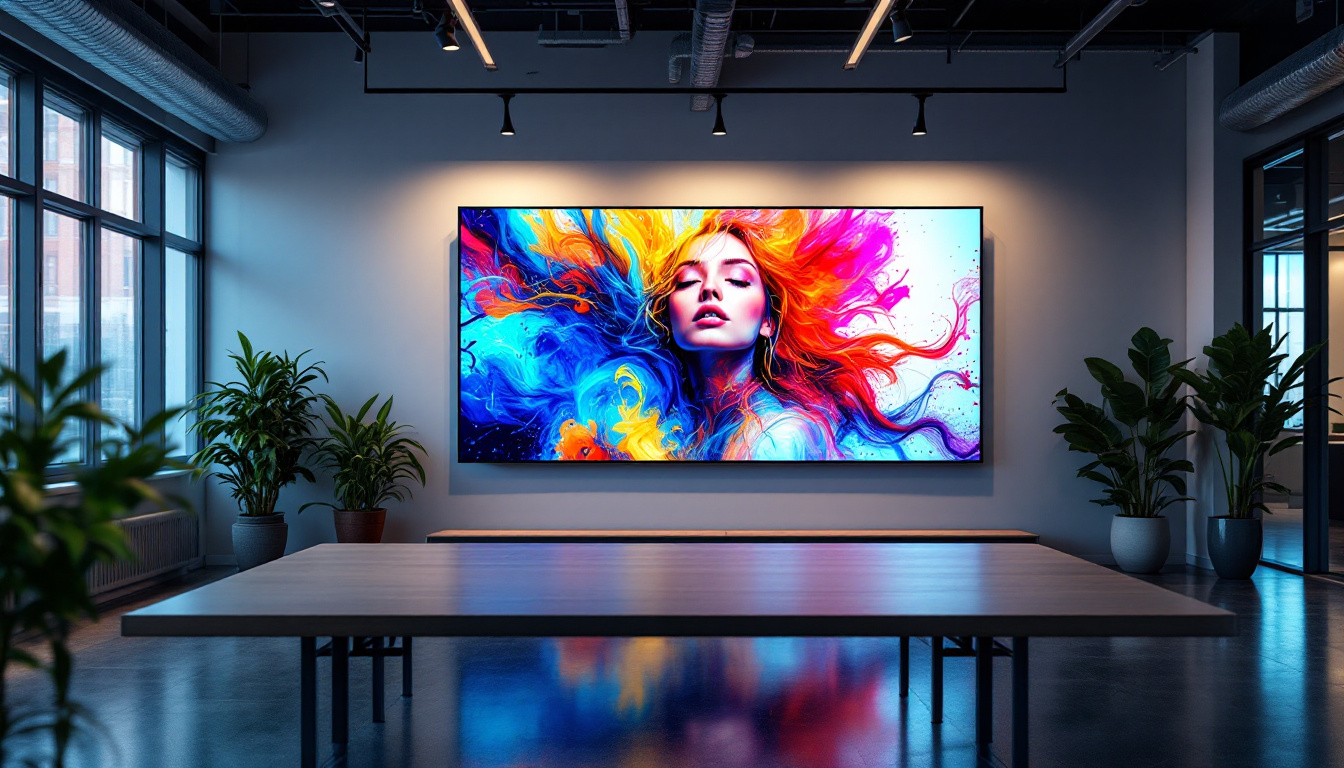
An LED video wall is a large display system composed of multiple LED panels seamlessly tiled together to form one continuous screen. Unlike traditional LCD or projection displays, LED video walls use light-emitting diodes (LEDs) as pixels, which emit their own light. This self-illumination results in higher brightness, better contrast, and wider viewing angles, making LED walls ideal for both indoor and outdoor applications.
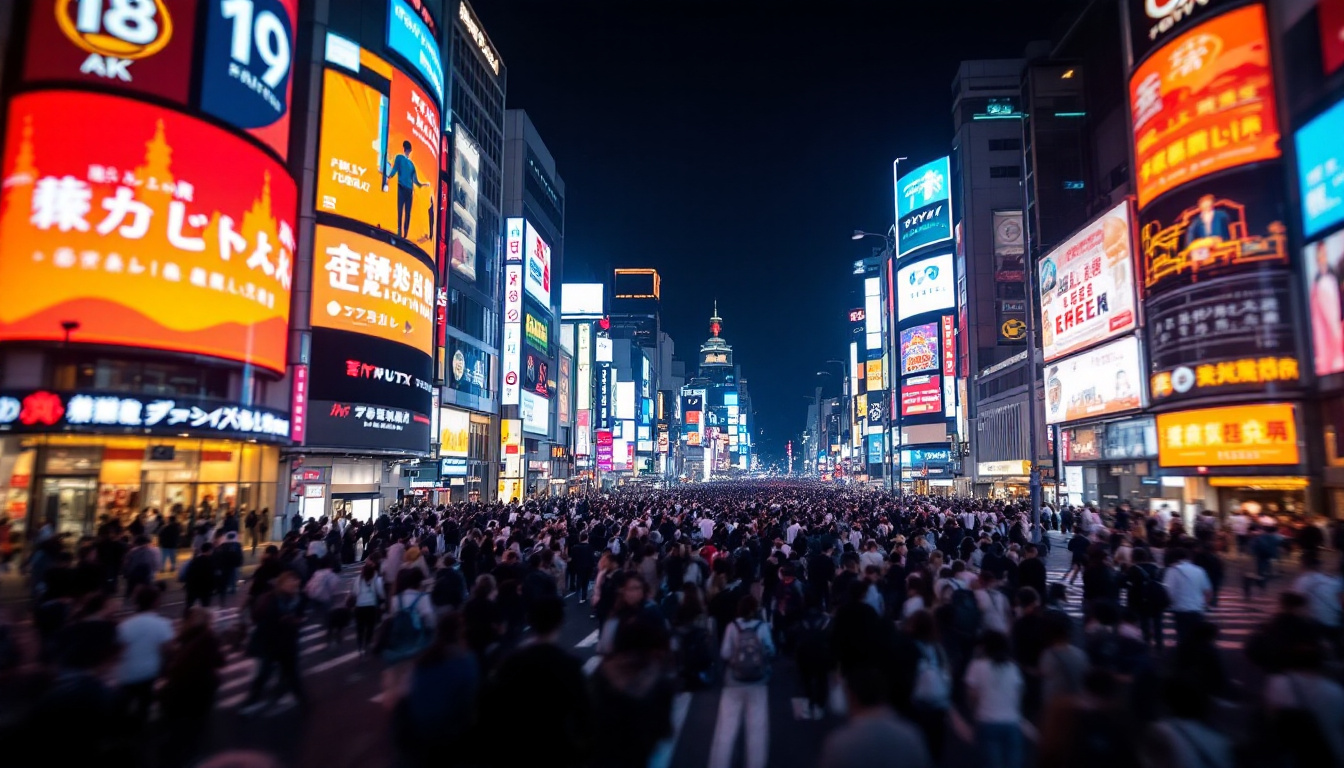
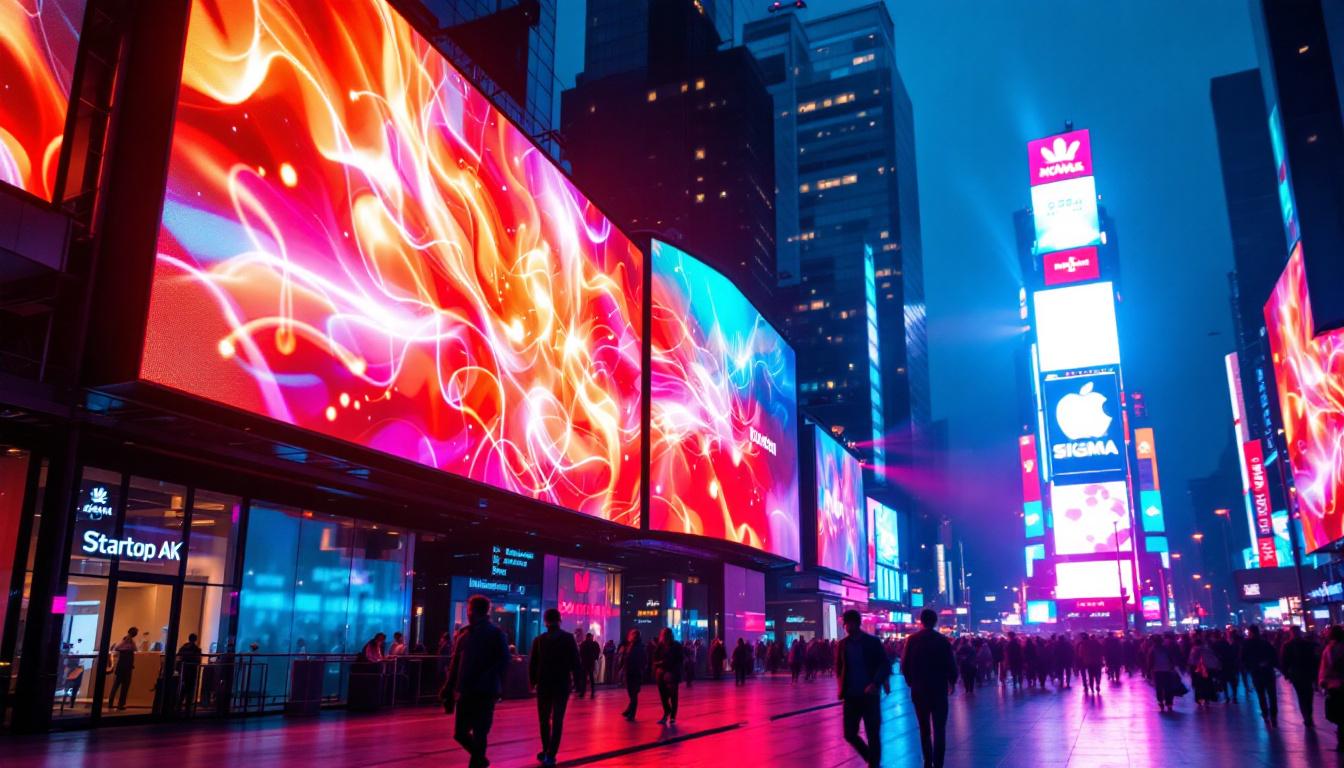
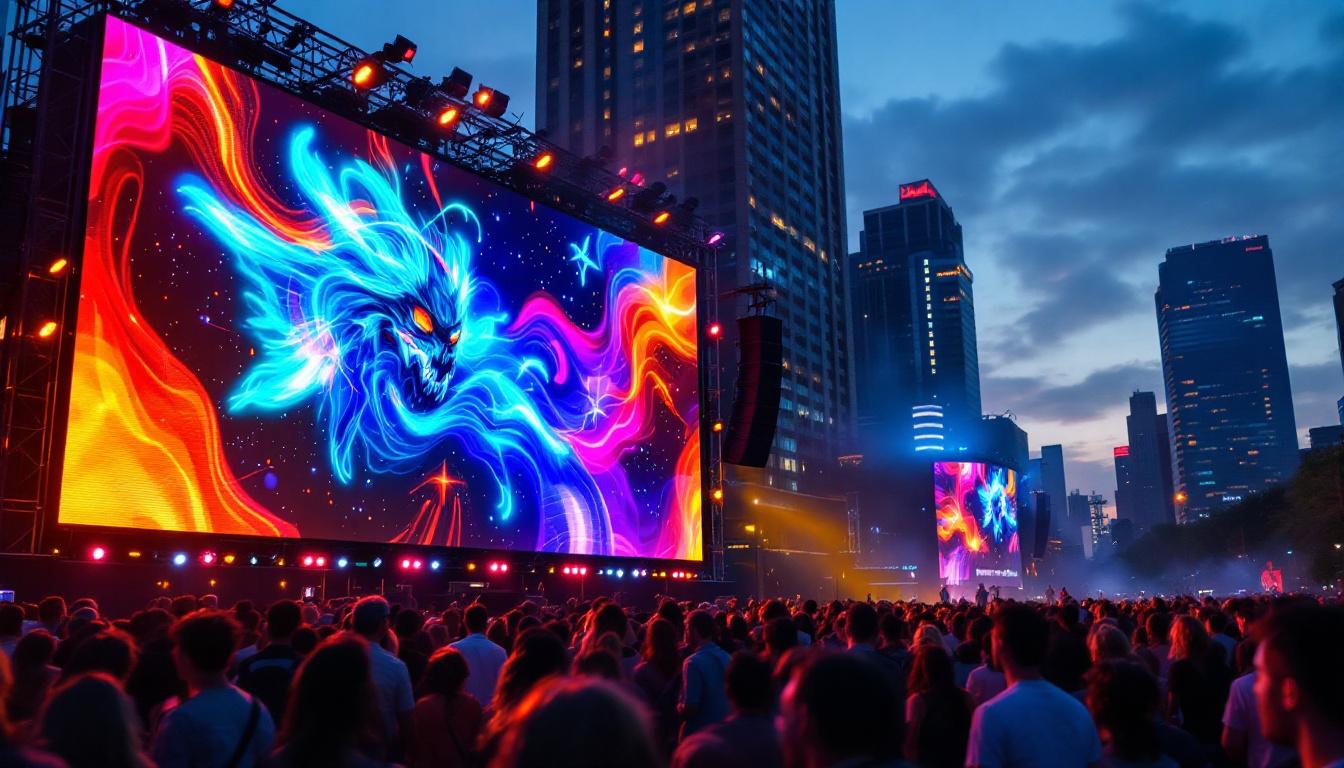
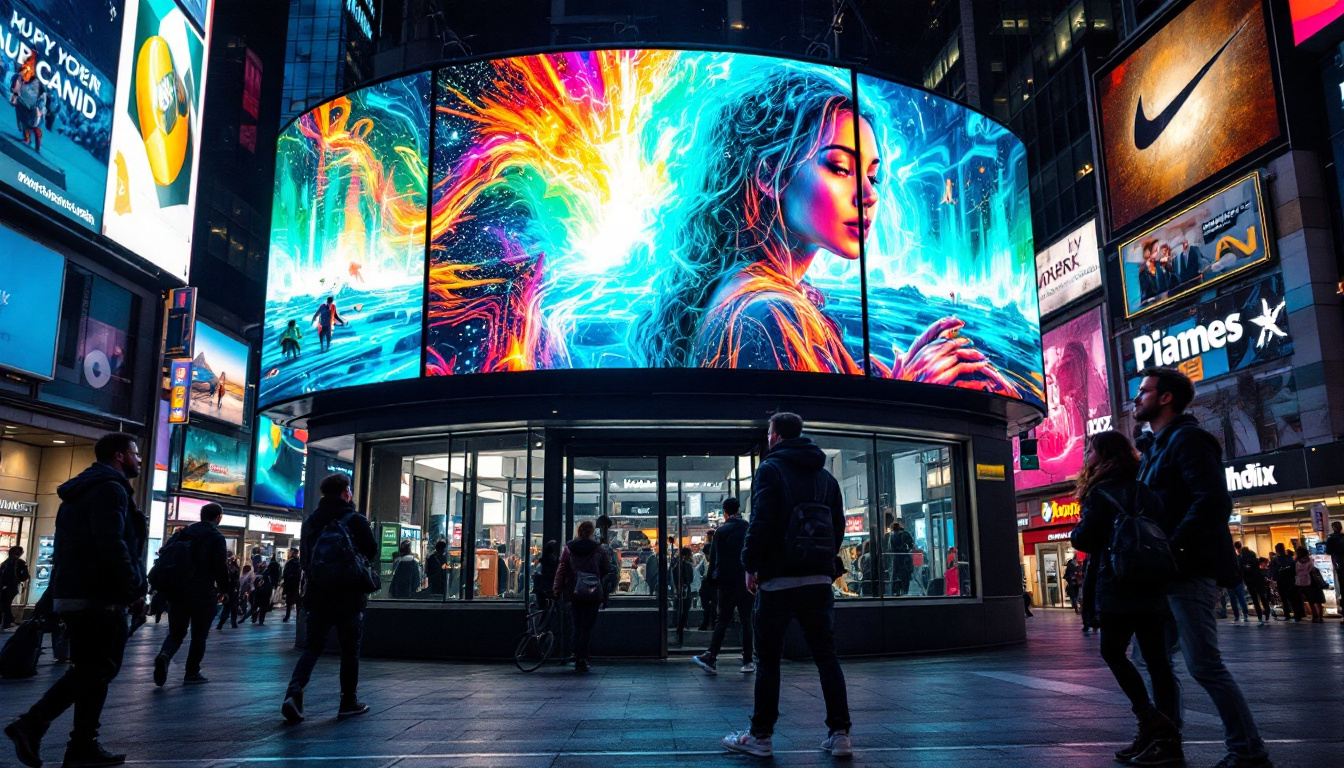
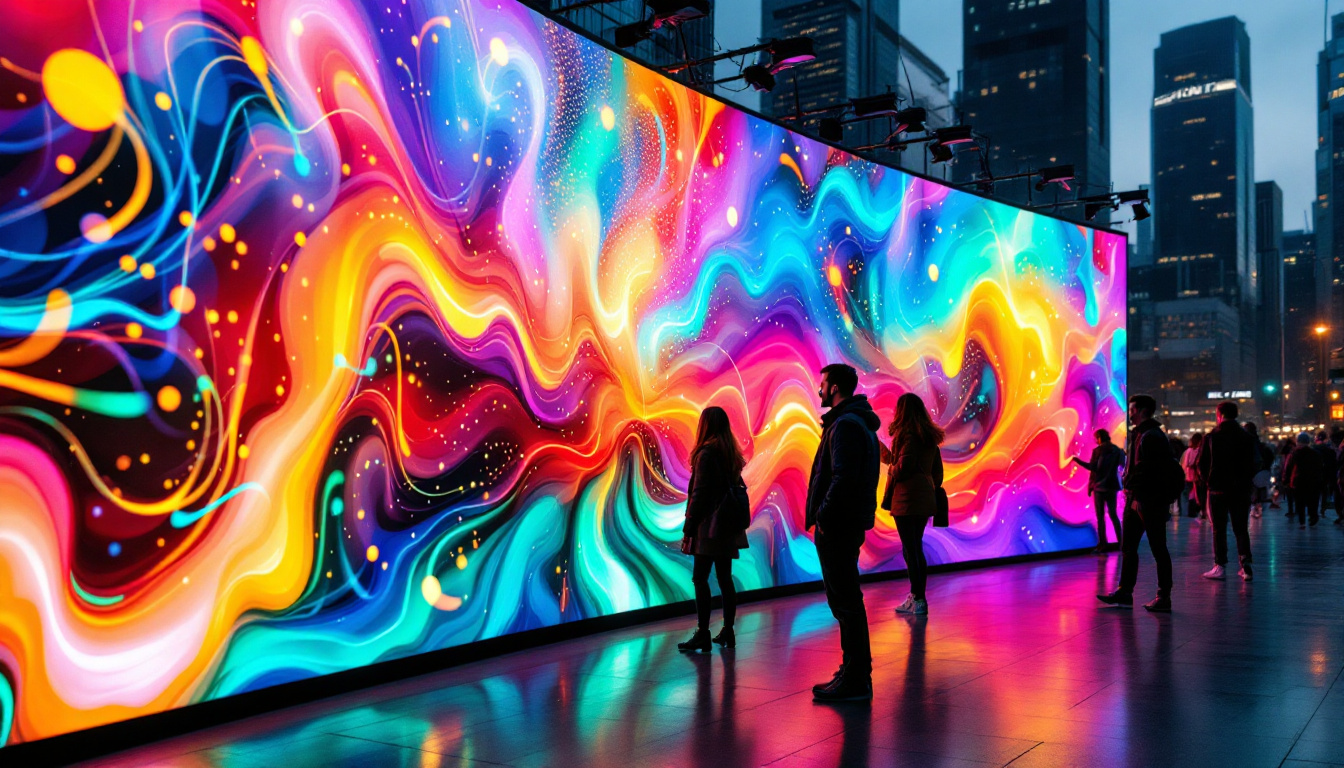
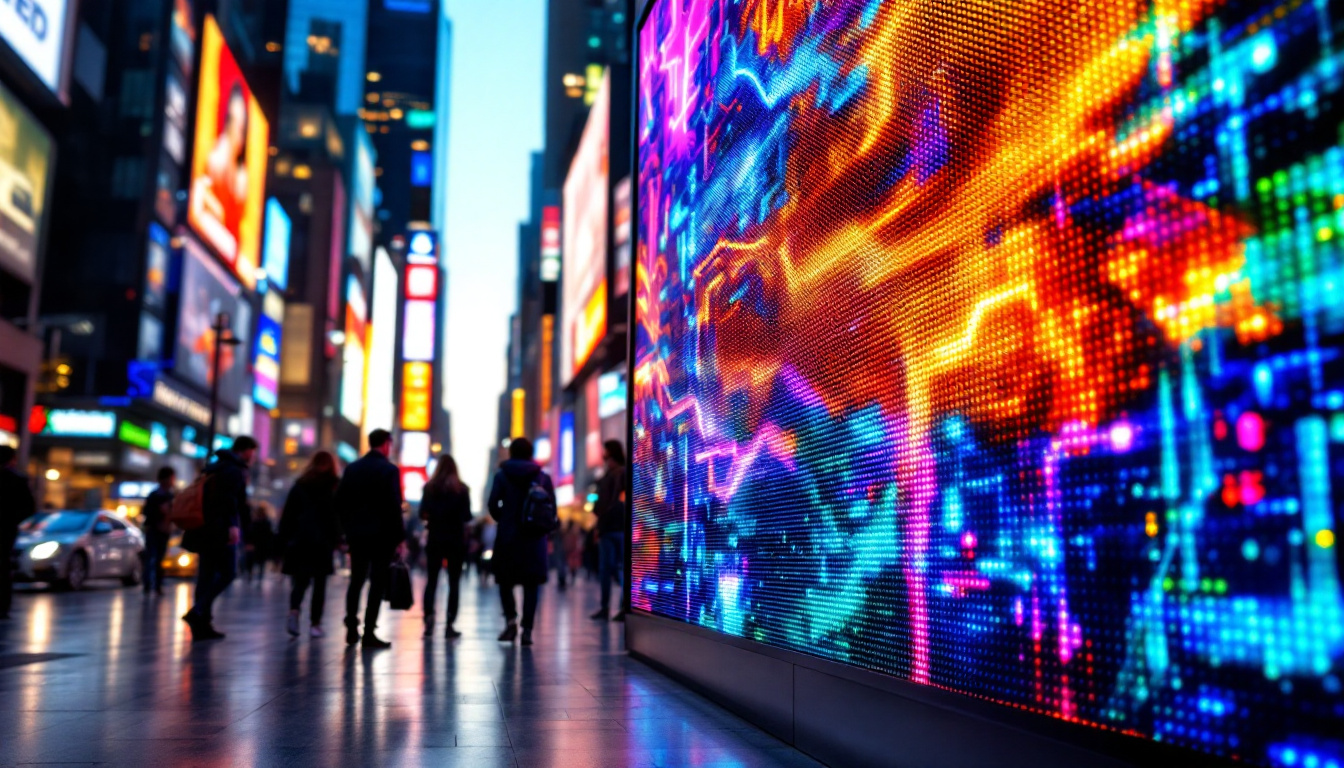
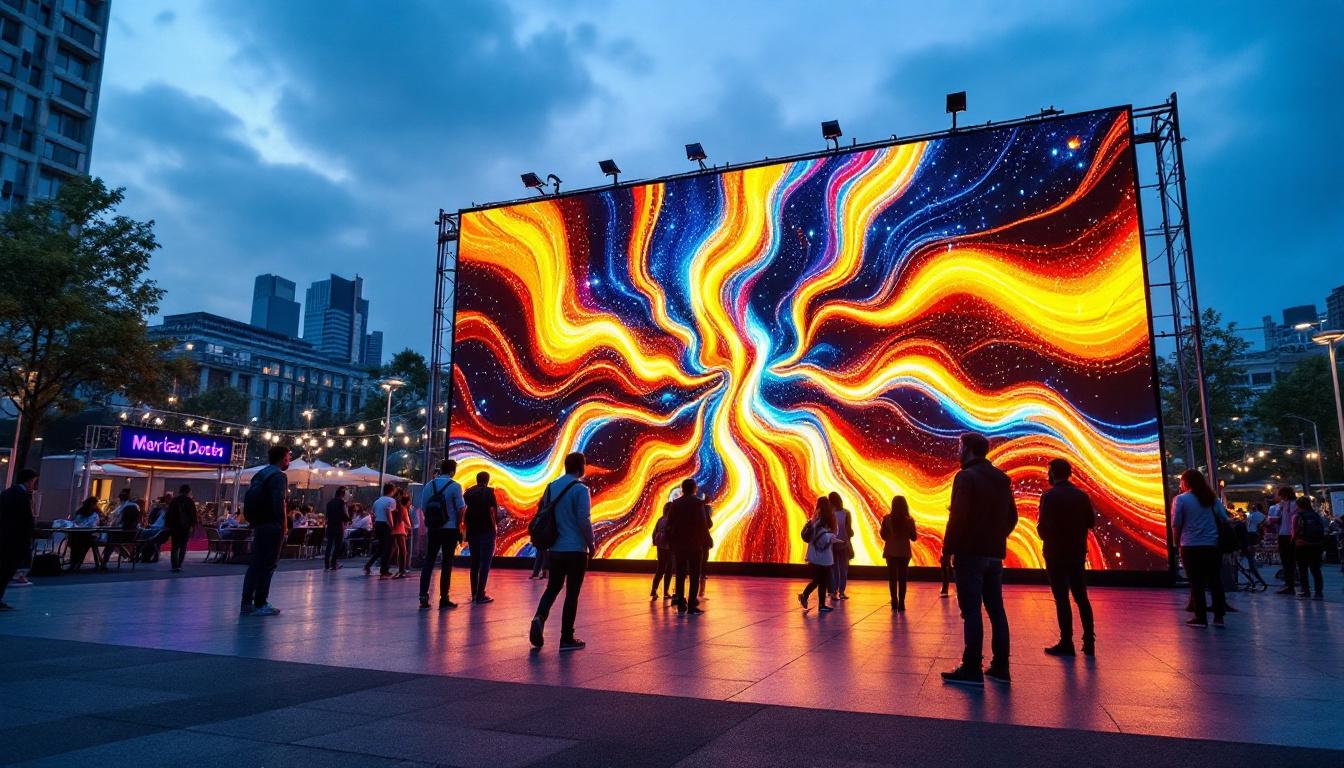
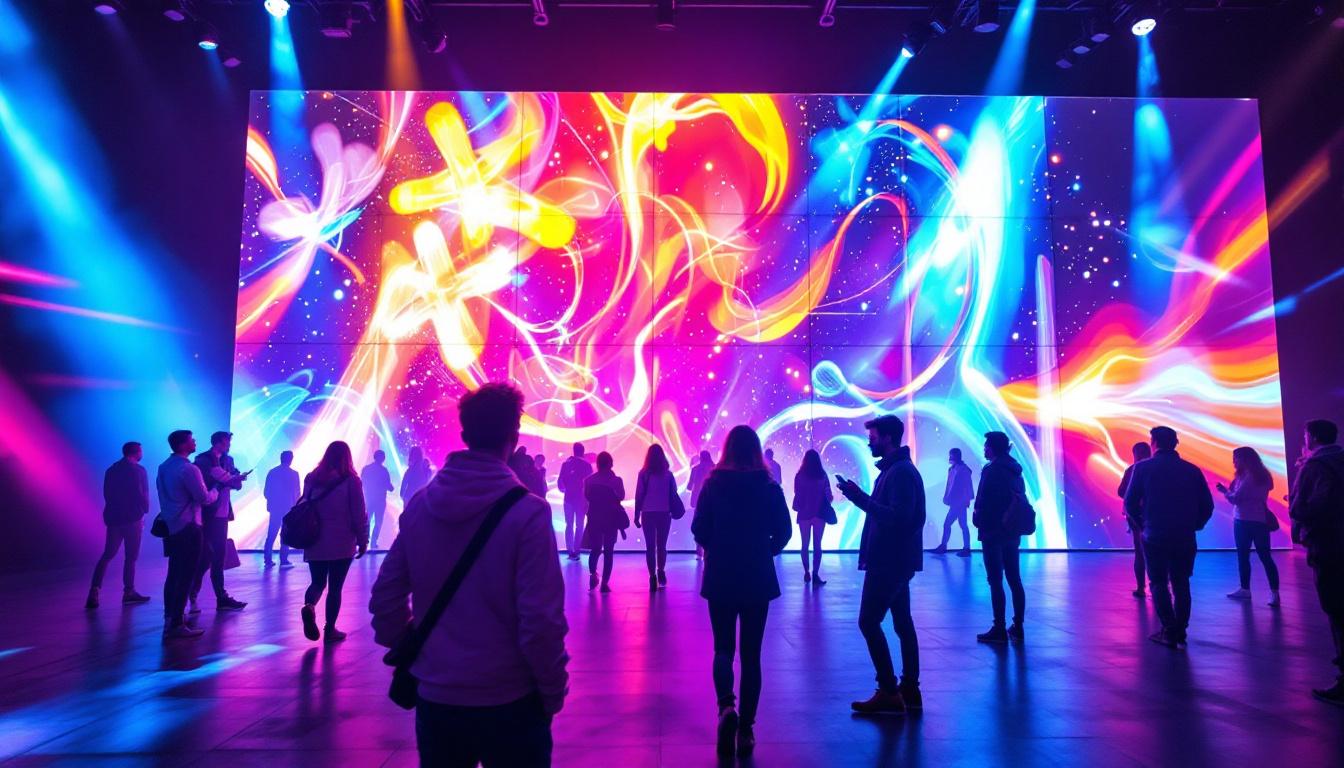
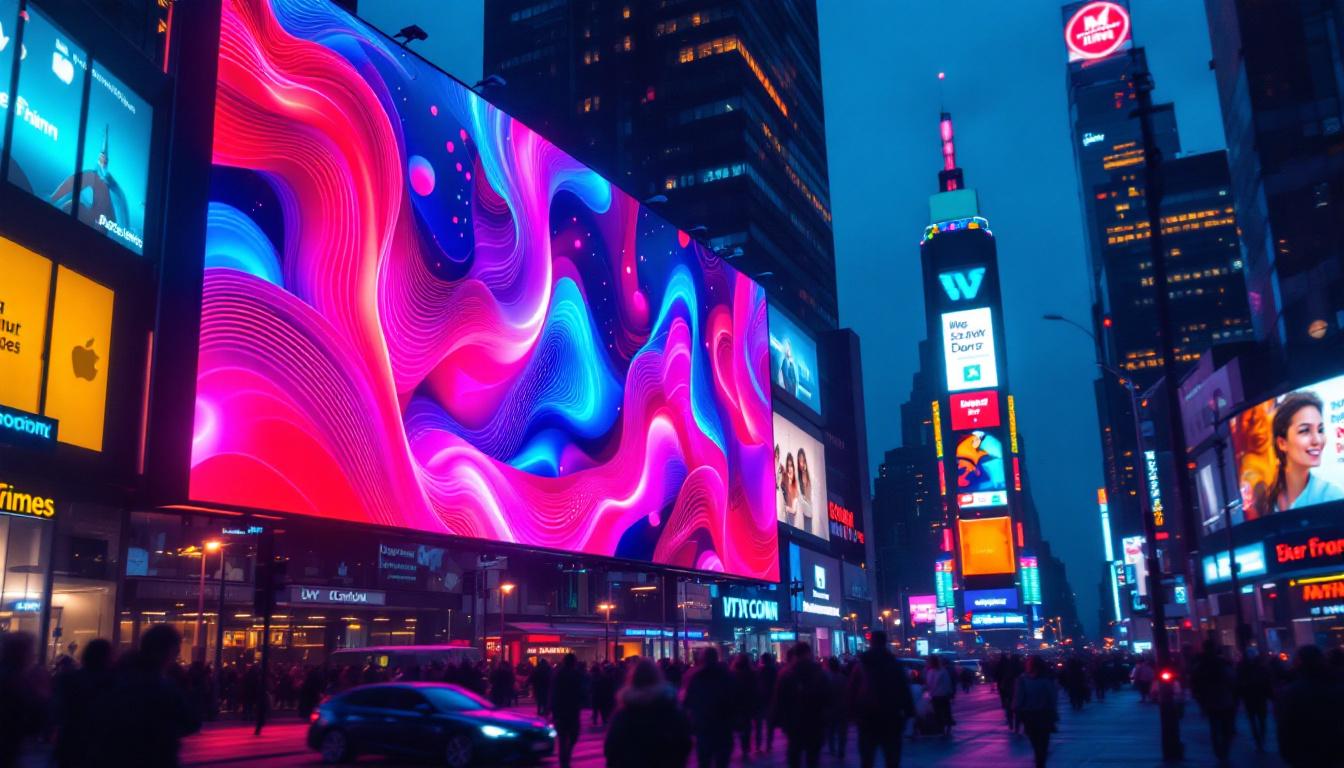
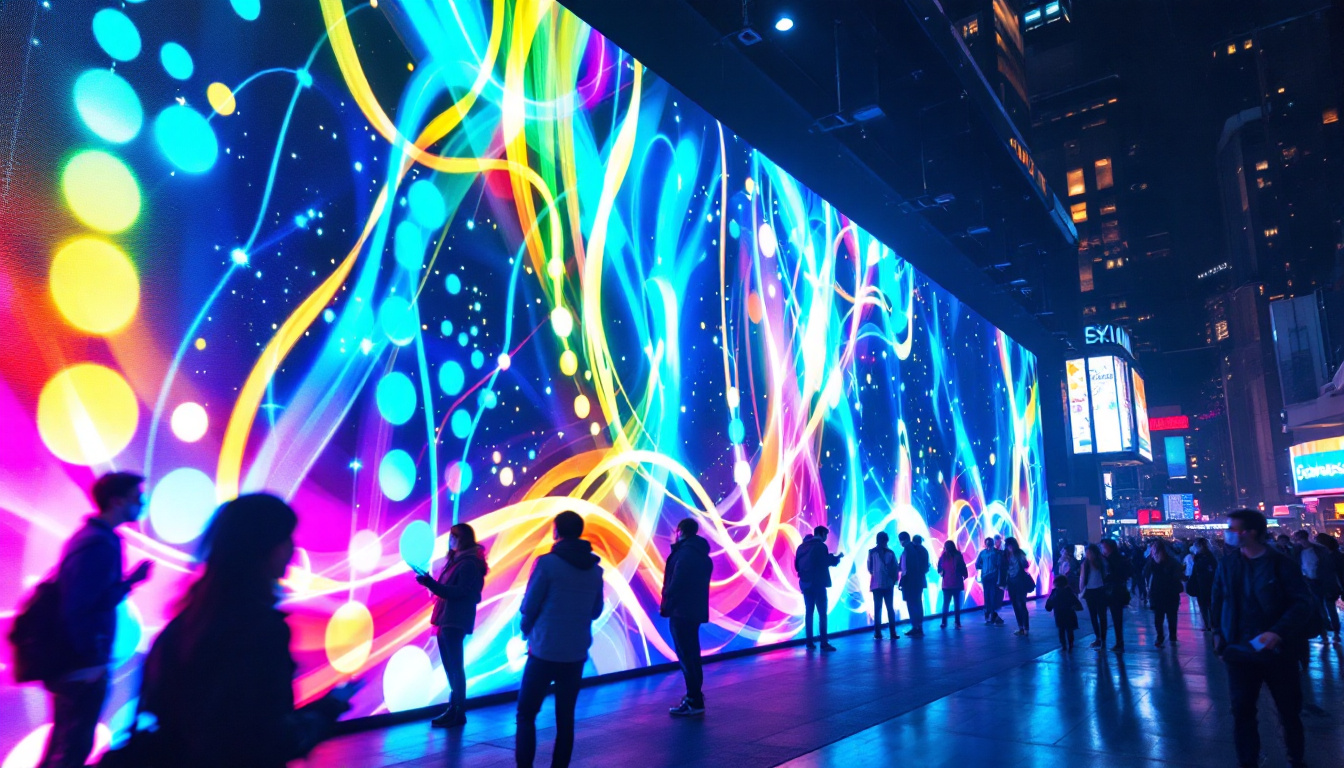
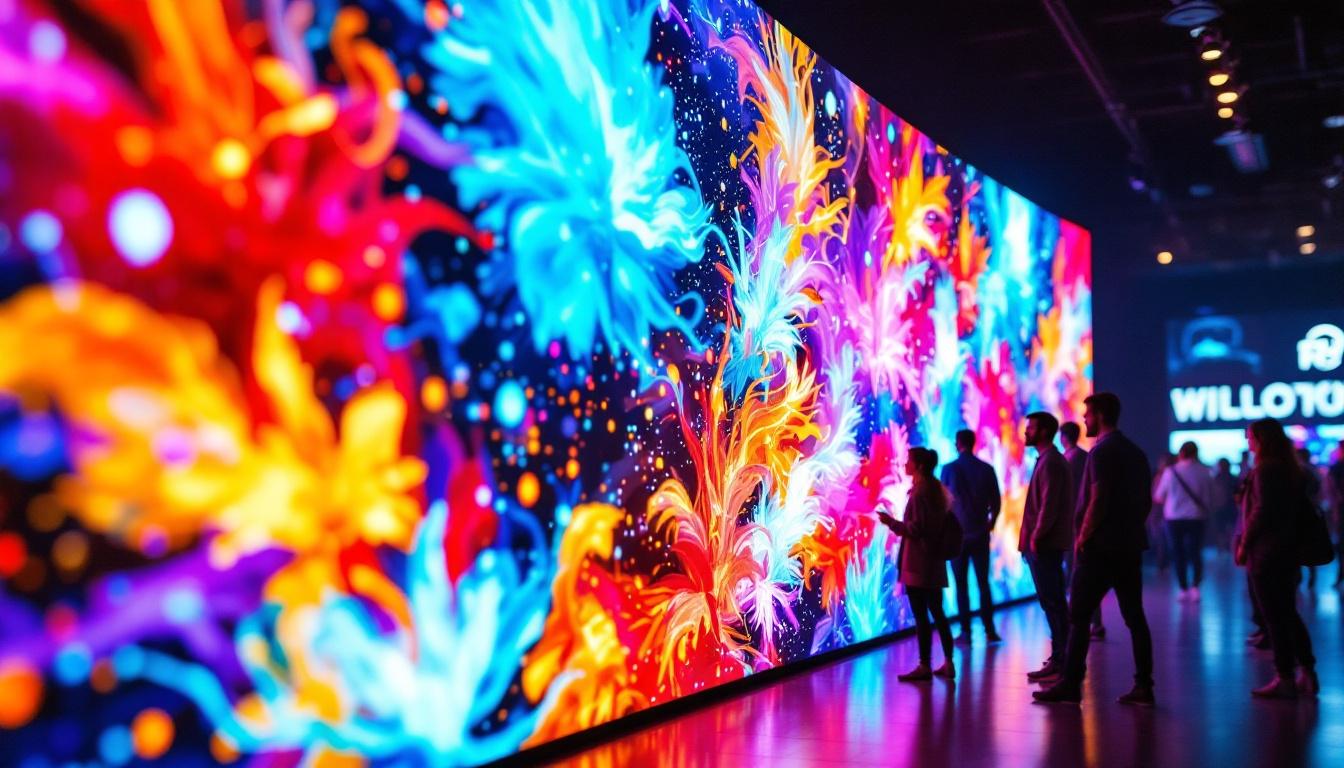
LED video walls can range from small indoor installations to massive outdoor screens spanning thousands of square feet. The flexibility in size and shape allows for creative designs, including curved or irregularly shaped displays. These installations are often seen in high-traffic areas such as shopping malls, airports, and stadiums, where they serve not only as advertising platforms but also as engaging art installations that capture the attention of passersby. The vibrant colors and dynamic content displayed on LED walls can transform ordinary spaces into immersive experiences, drawing in audiences and enhancing the overall atmosphere.
Key Technical Terms to Know
Before diving into pricing, it’s important to understand some technical terms that influence cost:
- Pixel Pitch: The distance between the center of one LED pixel to the next, measured in millimeters. Smaller pixel pitch means higher resolution and sharper images but typically comes at a higher price.
- Brightness: Measured in nits (cd/m²), brightness affects visibility, especially in outdoor or brightly lit environments. Higher brightness LEDs cost more but ensure visibility in direct sunlight.
- Refresh Rate: The number of times the image on the screen is updated per second. Higher refresh rates reduce flicker and are crucial for video content, especially for broadcast or live events.
- Cabinet Size: The physical dimensions of each LED panel. Larger cabinets can reduce installation complexity but may affect resolution and cost.
In addition to these fundamental terms, understanding the concept of “color depth” is essential. Color depth refers to the number of bits used to represent the color of a single pixel, impacting the range of colors that can be displayed. A higher color depth allows for more vivid and accurate color reproduction, which is particularly important for applications requiring precise color matching, such as art exhibitions or corporate branding. Furthermore, the technology behind LED video walls is continually evolving, with advancements in energy efficiency and processing capabilities, leading to even more stunning visual experiences. As manufacturers innovate, we can expect to see improvements in durability and lifespan, making LED video walls a more sustainable choice for long-term installations.
Factors Influencing LED Video Wall Pricing
Pixel Pitch and Resolution
Pixel pitch is arguably the most significant factor affecting the price of an LED video wall. Smaller pixel pitches (e.g., 1.2mm to 2.5mm) provide higher resolution suitable for close viewing distances, such as in control rooms or retail environments. These fine-pitch LED walls can cost anywhere from $1,500 to $3,000 per square meter or more.
On the other hand, larger pixel pitches (e.g., 4mm to 10mm) are more common for outdoor or large venue displays where viewers are farther away. These tend to be more affordable, typically ranging from $500 to $1,200 per square meter.
Choosing the right pixel pitch depends on the intended viewing distance and content type. Investing in a pixel pitch that is too fine for the application can unnecessarily increase costs without noticeable visual benefits.
Indoor vs. Outdoor LED Walls
Outdoor LED video walls are generally more expensive than indoor ones due to the need for weatherproofing, higher brightness LEDs, and robust enclosures to withstand environmental factors such as rain, dust, and temperature fluctuations.
Outdoor LED walls often feature brightness levels exceeding 5,000 nits to combat daylight glare, whereas indoor walls typically range between 800 and 1,500 nits. The additional engineering and materials required for outdoor durability can increase costs by 20% to 50% compared to indoor models.
Size and Aspect Ratio
The overall size of the LED video wall directly impacts the total cost. Larger walls require more LED panels, power supplies, and supporting infrastructure such as mounting systems and control hardware. However, economies of scale may apply; the cost per square meter can decrease slightly as the size increases due to bulk purchasing and installation efficiencies.
Aspect ratio also plays a role, especially if the display is customized to non-standard dimensions. Custom sizes or shapes may require additional engineering, increasing both production and installation costs.
Installation and Infrastructure Costs
Installation is a critical but sometimes overlooked component of LED video wall pricing. Costs here include:
- Mounting and Rigging: Depending on whether the wall is wall-mounted, free-standing, or suspended, specialized hardware and labor may be necessary.
- Structural Reinforcement: Large or heavy LED walls might require reinforcement of existing structures or custom-built frames.
- Power and Data Cabling: LED walls require significant power and data bandwidth, necessitating professional wiring and sometimes upgrades to electrical systems.
- Calibration and Testing: Post-installation calibration ensures uniform brightness and color accuracy across all panels, which is essential for a seamless display.
Installation costs can range from 10% to 30% of the total project budget, depending on complexity and location.
Control Systems and Software
The LED video wall’s control system manages content playback, synchronization, and sometimes interactive features. Basic systems for static images or simple video loops are less expensive, while advanced controllers supporting live feeds, multiple inputs, and complex scheduling can add substantially to the cost.
Software licenses, content management systems, and ongoing support contracts also contribute to the total investment. Businesses should consider these operational expenses alongside initial hardware costs.
Maintenance and Warranty
LED video walls require regular maintenance to ensure longevity and optimal performance. Maintenance contracts can include cleaning, firmware updates, and replacement of faulty modules. Some manufacturers offer extended warranties or service plans, which can add upfront costs but reduce long-term risks.
Factoring in maintenance and warranty costs is essential for budgeting the total cost of ownership over the lifespan of the LED video wall, which typically ranges from 5 to 10 years.
Typical Price Ranges and Examples
Small Indoor LED Video Walls
For small indoor applications such as retail displays or corporate signage, LED video walls with pixel pitches between 1.5mm and 2.5mm are common. A 3m x 2m (6 square meters) wall with a 2mm pixel pitch might cost between $12,000 and $18,000 for the panels alone.
Including installation, control systems, and calibration, the total project cost could reach $20,000 to $30,000. These walls are ideal for environments where viewers are close to the screen and image clarity is paramount.
Medium-Sized Outdoor LED Walls
A medium-sized outdoor LED wall of approximately 20 square meters with a 6mm pixel pitch might cost around $15,000 to $25,000 for the display panels. Adding weatherproofing, high-brightness LEDs, and robust enclosures increases the price.
Installation and infrastructure costs, especially for outdoor mounting and electrical work, can push the total investment to $30,000 to $50,000. These walls are well-suited for billboard advertising, event backdrops, or sports venues.
Large-Scale LED Video Walls
Large-scale LED walls used in arenas, concert venues, or city centers can exceed 100 square meters in size. With pixel pitches ranging from 4mm to 10mm, panel costs alone can surpass $100,000.
When factoring in installation, control systems, structural support, and maintenance, total project costs often reach several hundred thousand dollars. These projects require careful planning and professional consultation to optimize performance and budget.
How to Make an Informed LED Video Wall Investment
Assess Your Viewing Environment and Needs
Understanding where and how the LED video wall will be used is the first step. Consider the typical viewing distance, ambient lighting conditions, and content type. For example, a retail store with close-up viewing will benefit from a fine-pitch indoor wall, while a sports stadium needs a bright, large-pitch outdoor display.
Balance Quality and Budget
While it might be tempting to opt for the highest resolution and brightness, it’s important to balance these features with budget constraints. Overspending on unnecessary specifications can reduce ROI, while underspecifying can lead to poor visual impact and higher replacement costs.
Choose Reputable Manufacturers and Integrators
Investing in LED video walls from established manufacturers ensures better product quality, warranty support, and access to service networks. Additionally, working with experienced integrators can reduce installation risks and optimize system performance.
Plan for Future Scalability and Maintenance
Consider whether the LED video wall might need to be expanded or upgraded in the future. Modular designs and scalable control systems can provide flexibility. Also, factor in ongoing maintenance costs to keep the display functioning at its best over time.
Conclusion
LED video walls offer unparalleled visual impact and versatility, but their pricing can vary widely based on technical specifications, application environments, and project scope. By understanding the core components such as pixel pitch, brightness, size, and installation requirements, businesses can make informed decisions that align with their goals and budgets.
Whether investing in a small indoor display or a massive outdoor billboard, careful planning and consultation with industry professionals are essential to maximize value and ensure a successful LED video wall installation.
As LED technology continues to advance, prices are gradually becoming more accessible, opening new opportunities for creative and effective visual communication across industries.
Discover LumenMatrix LED Display Solutions
Ready to elevate your space with a visually stunning LED video wall? LumenMatrix specializes in a wide array of LED display technologies that cater to every need, from vibrant indoor and outdoor displays to innovative custom solutions. Embrace the future of visual communication with our cutting-edge displays designed to captivate and engage your audience. Check out LumenMatrix LED Display Solutions today and transform your brand’s visibility with unparalleled clarity and impact.