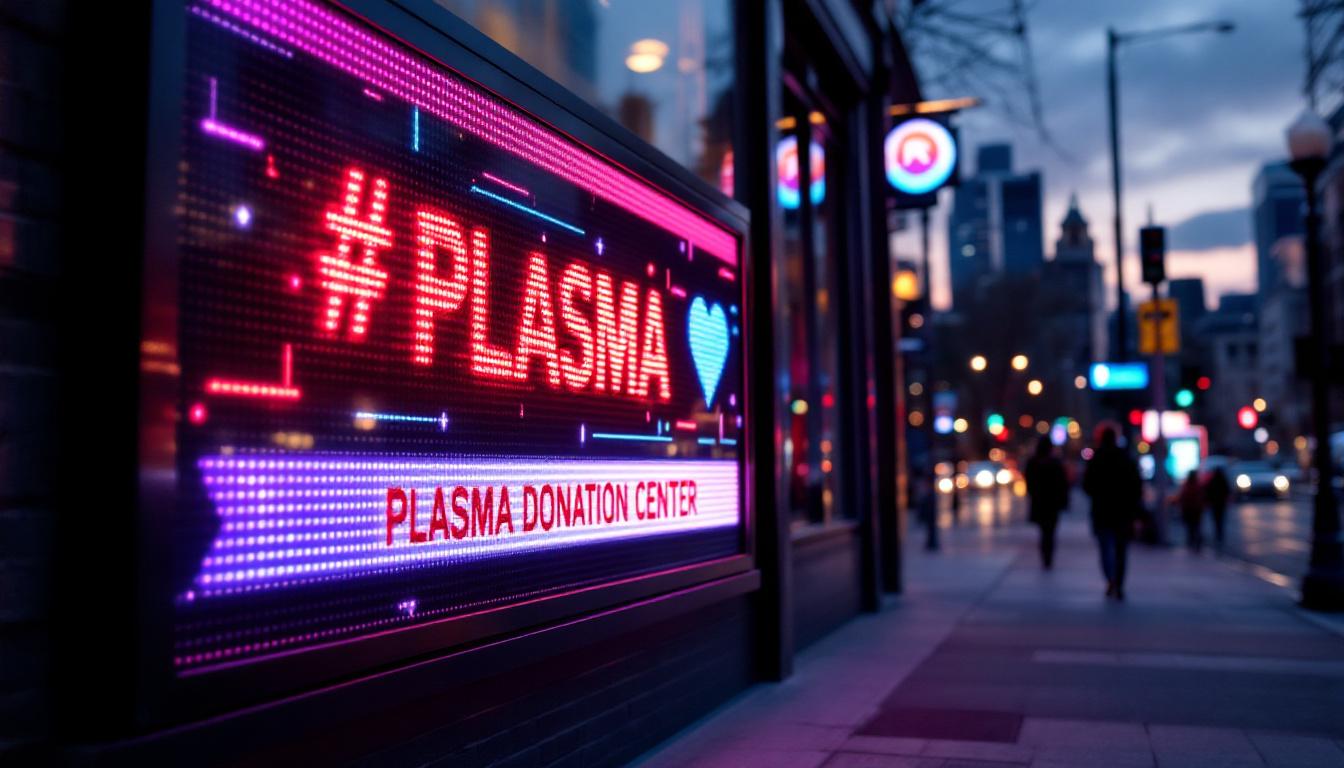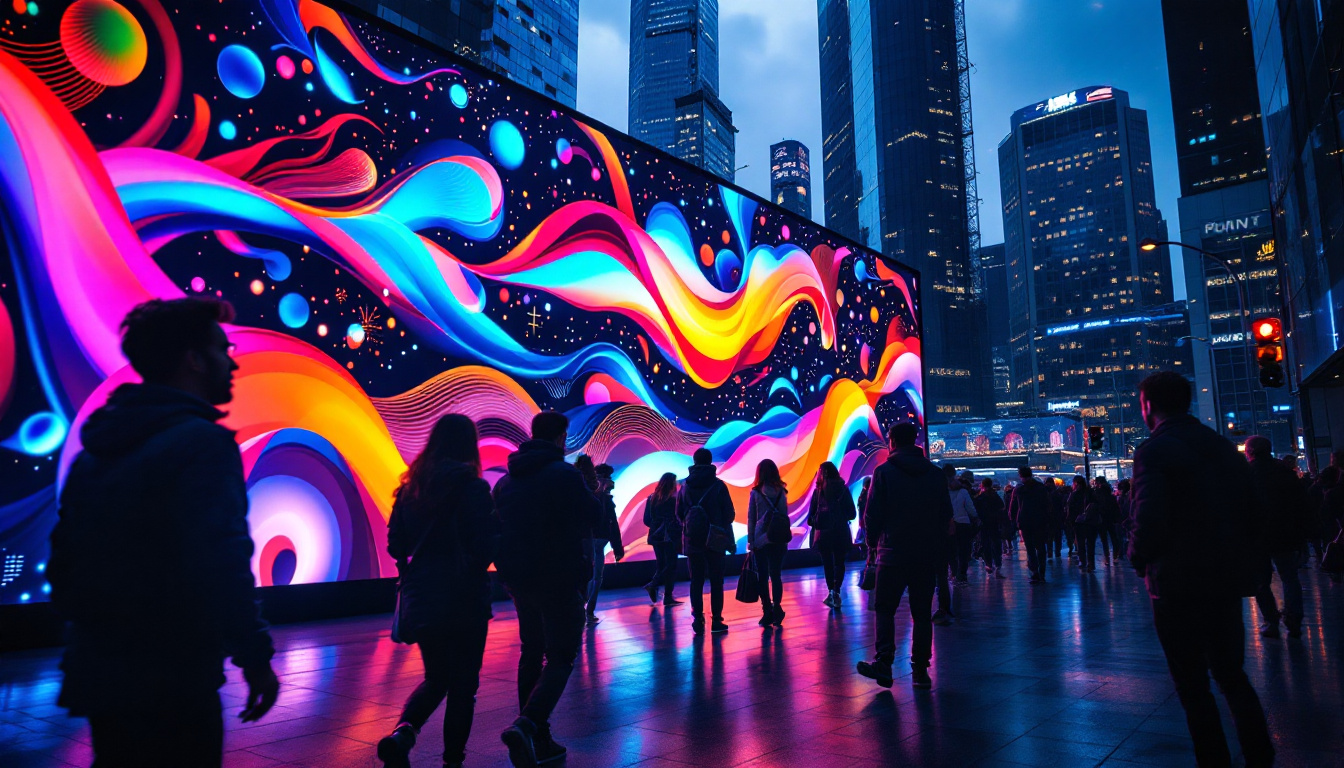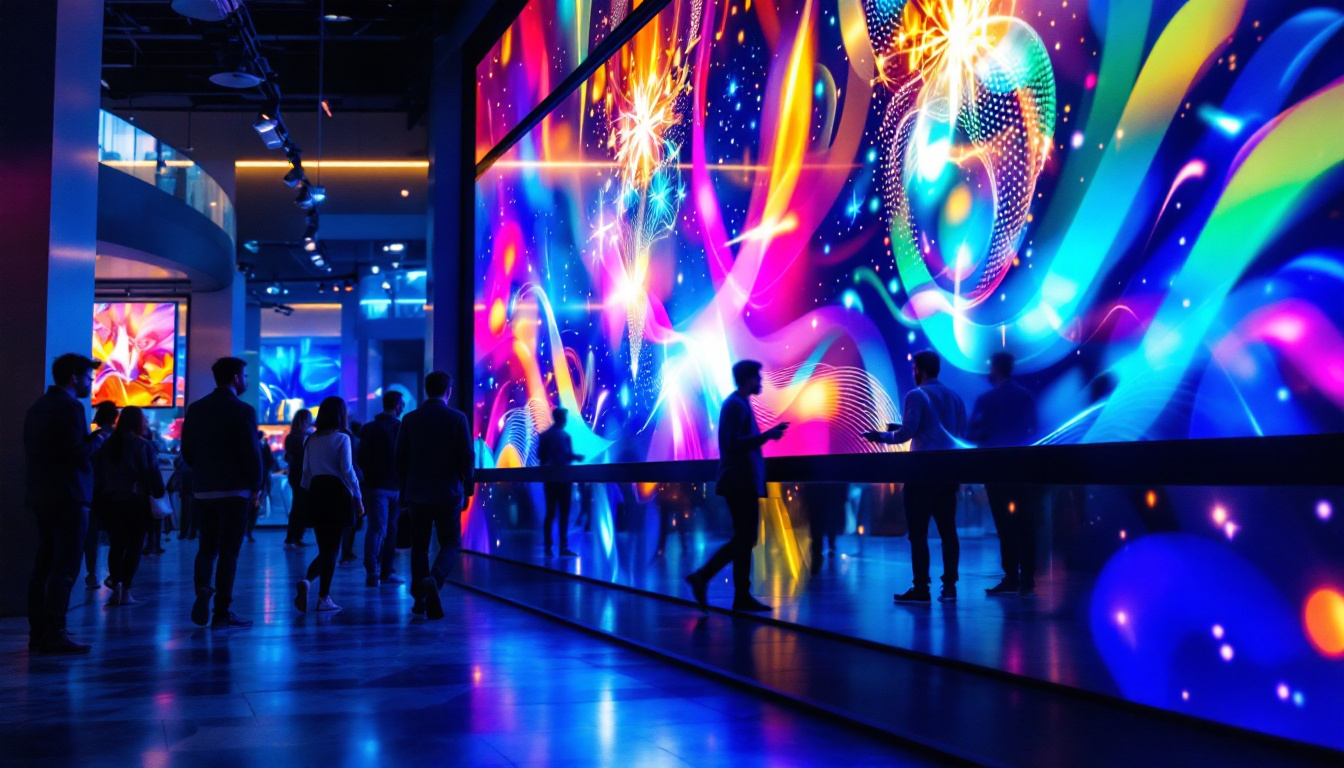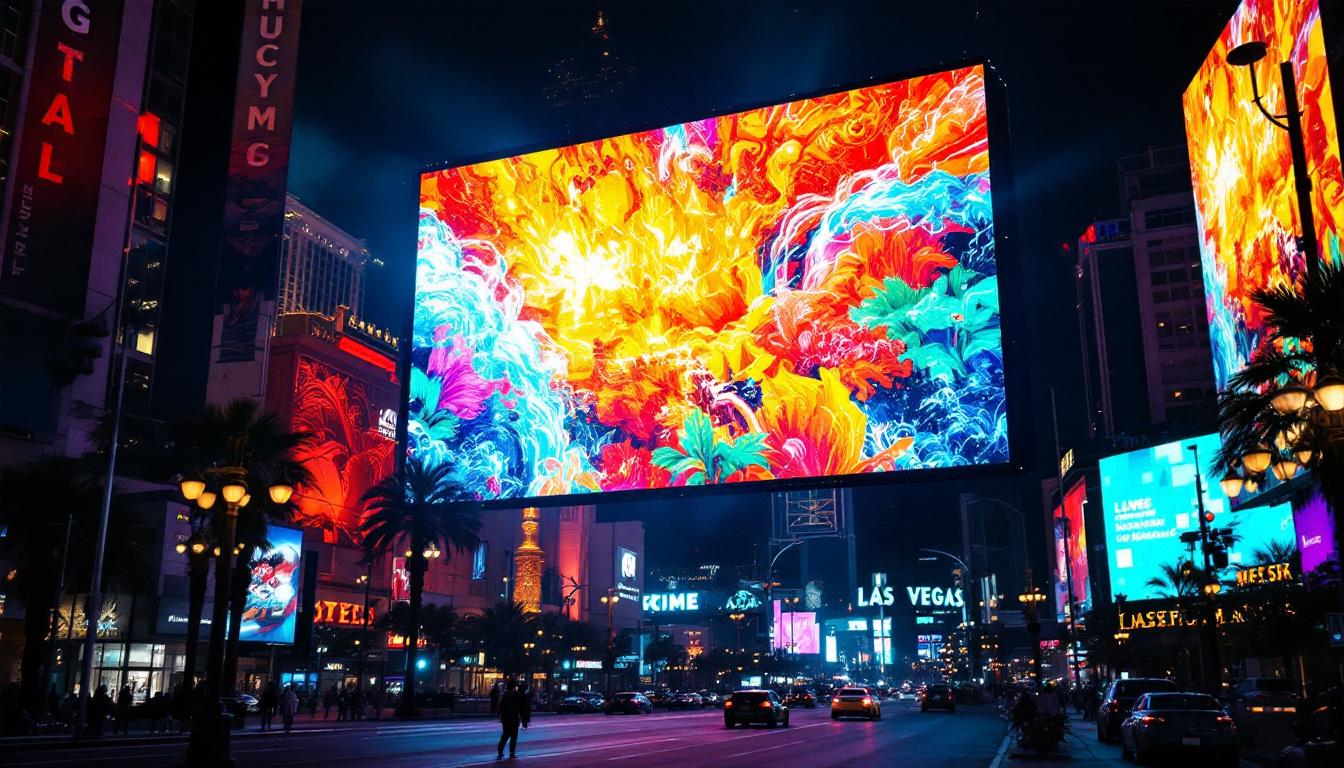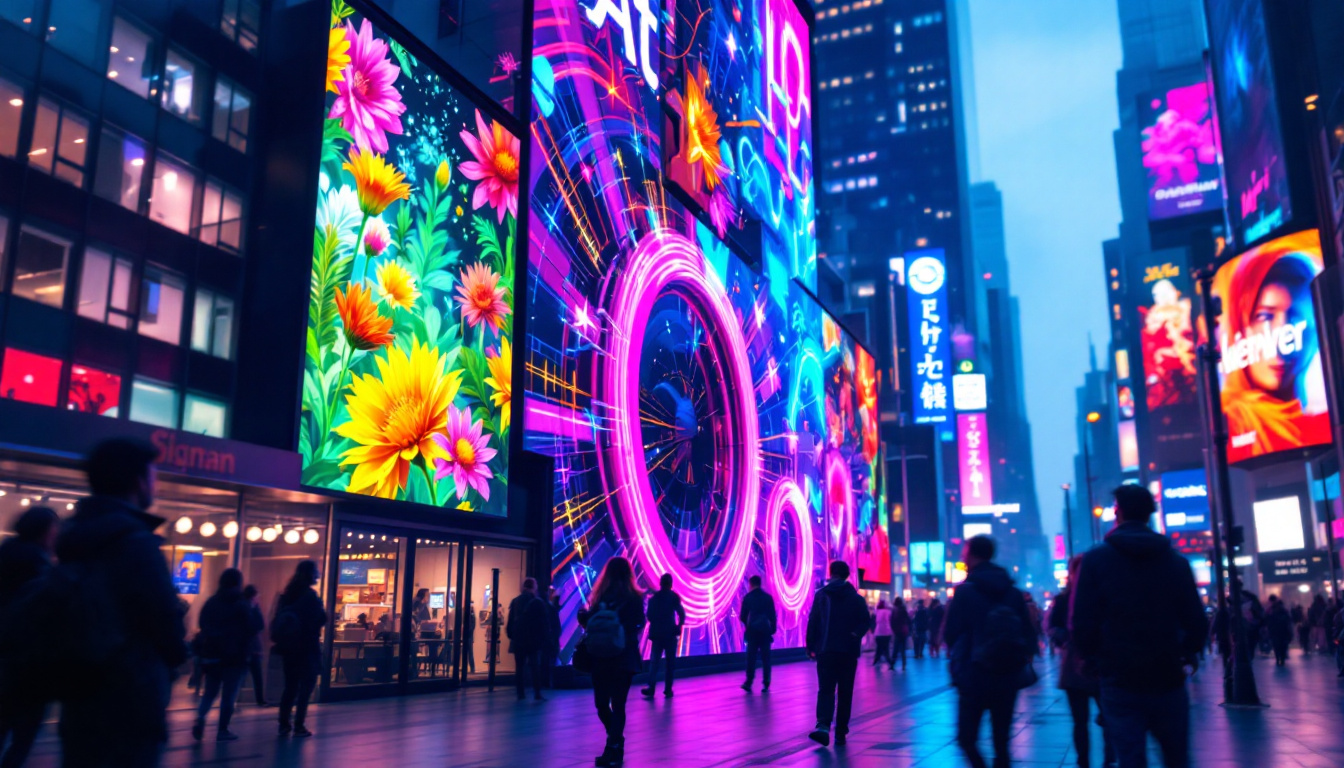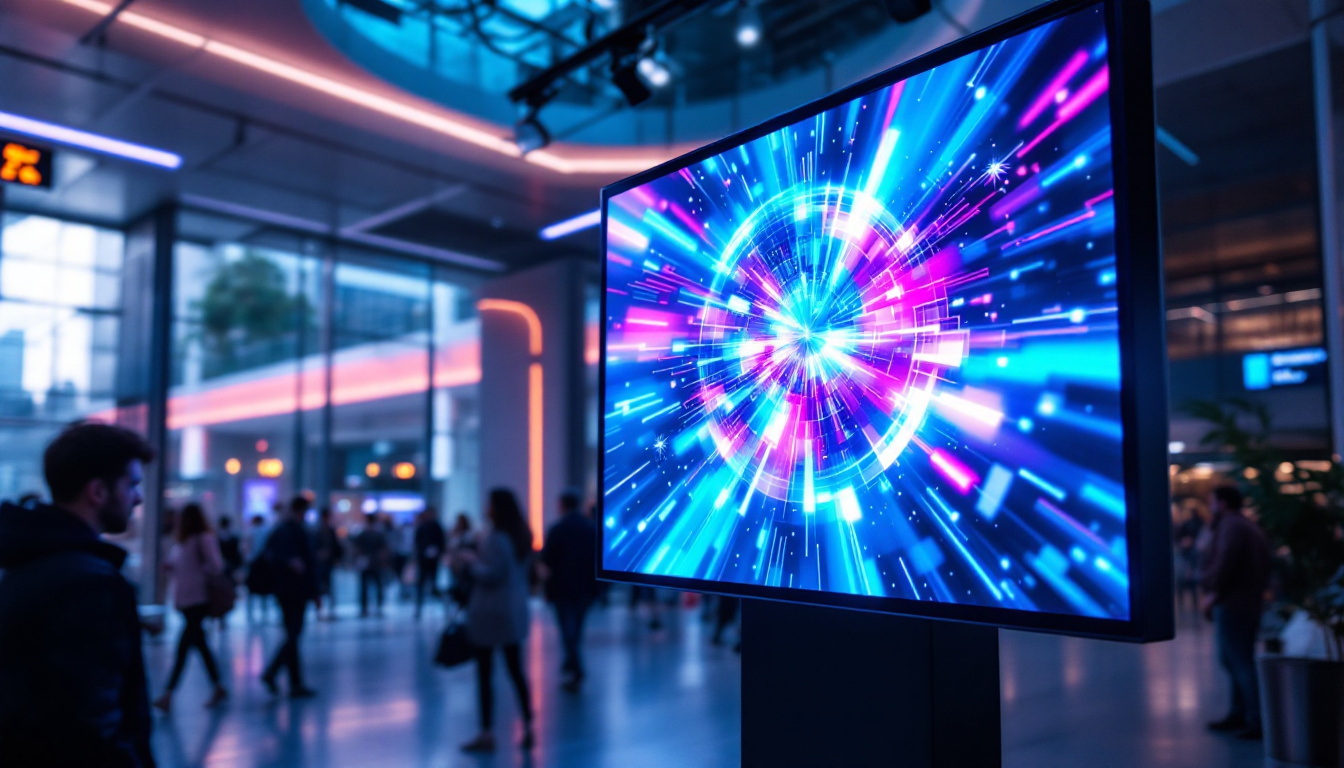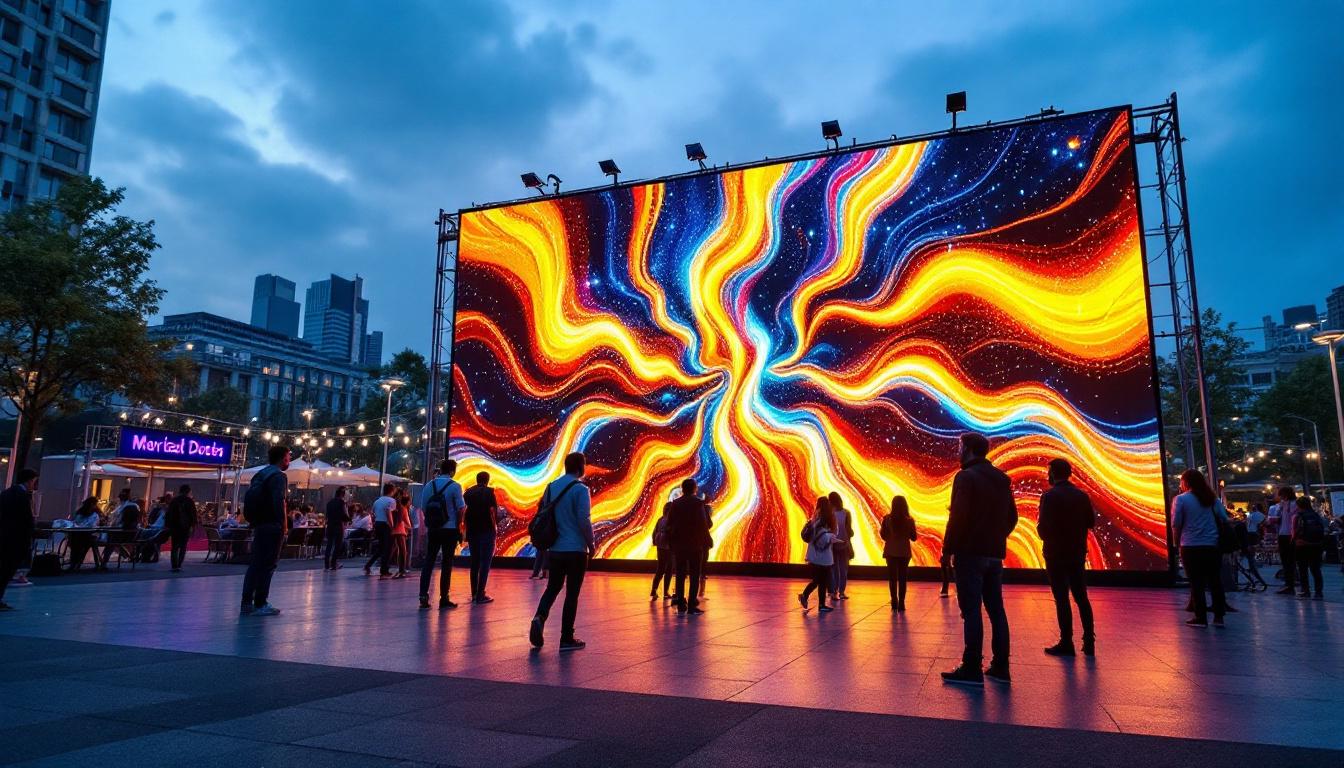
Outdoor LED display technology has revolutionized the way businesses, cities, and event organizers communicate with their audiences. From massive digital billboards on city streets to dynamic scoreboards in stadiums, LED screen panels provide vibrant, high-impact visuals that capture attention in any environment. This article offers a comprehensive explanation of outdoor LED displays, covering their technology, benefits, applications, and key considerations for selecting the right screen panel.
Understanding Outdoor LED Display Technology
At its core, an outdoor LED display is a large screen made up of numerous tiny light-emitting diodes (LEDs) arranged in a grid. Each LED acts as a single pixel that can emit red, green, or blue light, and by combining these colors at varying intensities, the screen produces a full spectrum of colors. This technology enables outdoor LED panels to deliver bright, vivid images that remain visible even under direct sunlight. The advancements in LED technology have also led to energy-efficient designs, which consume less power while providing higher brightness levels, making them an environmentally friendly choice for outdoor advertising and information dissemination.
How LED Panels Work
Each LED pixel consists of three sub-pixels: red, green, and blue. By adjusting the brightness of these sub-pixels, the panel can display millions of colors. The panels are connected to a control system that processes video or image data and translates it into signals that control the LEDs’ brightness and color. This control system can be programmed to display dynamic content, such as videos, animations, and real-time information, allowing for engaging and interactive advertising experiences. Furthermore, many modern LED displays come equipped with advanced features like automatic brightness adjustment, which optimizes visibility based on ambient light conditions, ensuring that the content is always clear and impactful.
Outdoor LED screens are designed with weatherproof enclosures and cooling systems to withstand harsh environmental conditions such as rain, wind, dust, and extreme temperatures. This durability ensures consistent performance and longevity, making them ideal for long-term outdoor use. In addition to their robust construction, many outdoor LED displays are equipped with advanced thermal management systems that prevent overheating, thereby enhancing their reliability and extending their operational lifespan. This resilience makes them a preferred choice for various applications, from sports stadiums and concert venues to corporate advertising and public information displays.
Pixel Pitch and Resolution
One of the most important technical specifications for outdoor LED displays is the pixel pitch, which refers to the distance between the centers of two adjacent pixels, measured in millimeters. A smaller pixel pitch means higher pixel density, resulting in sharper images and better resolution. This characteristic is particularly crucial for applications where viewers are closer to the display, as it directly impacts the quality of the visual experience.
For outdoor applications, pixel pitches typically range from 3mm to 20mm or more. Larger pixel pitches are suitable for displays viewed from greater distances, such as billboards along highways, while smaller pitches are used for closer viewing, like digital signage in public squares. As technology continues to evolve, manufacturers are developing even finer pixel pitches, enabling ultra-high-definition displays that can captivate audiences with stunning clarity. This trend is paving the way for innovative uses of LED technology, including immersive advertising experiences and interactive installations that engage viewers on a deeper level, transforming the way information is communicated in public spaces.
Advantages of Outdoor LED Screen Panels
Outdoor LED displays offer numerous benefits that make them a preferred choice over traditional signage and other digital display technologies.
Exceptional Brightness and Visibility
LED technology delivers brightness levels often exceeding 5,000 nits, which is essential for visibility in direct sunlight. This brightness surpasses that of LCD or projection-based displays, which can struggle outdoors. The high contrast ratio also ensures clear images and text, even in bright daylight conditions.
Energy Efficiency and Longevity
Compared to older lighting technologies, LEDs consume significantly less power while providing superior luminosity. Modern outdoor LED panels are engineered to be energy-efficient, reducing operational costs for businesses and municipalities. Additionally, LEDs have a long lifespan, often rated for 50,000 to 100,000 hours, minimizing maintenance and replacement expenses.
Dynamic Content and Flexibility
Unlike static billboards, LED screens can display dynamic content such as videos, animations, real-time data, and interactive elements. This flexibility allows advertisers and event organizers to update messages instantly, tailor content to specific audiences, and engage viewers more effectively.
Furthermore, LED displays can be configured in various sizes and shapes, from small digital signs to massive video walls, enabling creative and impactful installations that suit diverse environments.
Weather Resistance and Durability
Outdoor LED panels are built to withstand environmental challenges. Their IP65 or higher ratings indicate protection against dust and water ingress, making them reliable in rain, snow, or dusty conditions. Robust frames and protective coatings safeguard the delicate LEDs and electronic components from physical damage and corrosion.
Common Applications of Outdoor LED Displays
Outdoor LED screen panels have become ubiquitous across many industries and public spaces due to their versatility and effectiveness.
Advertising and Digital Billboards
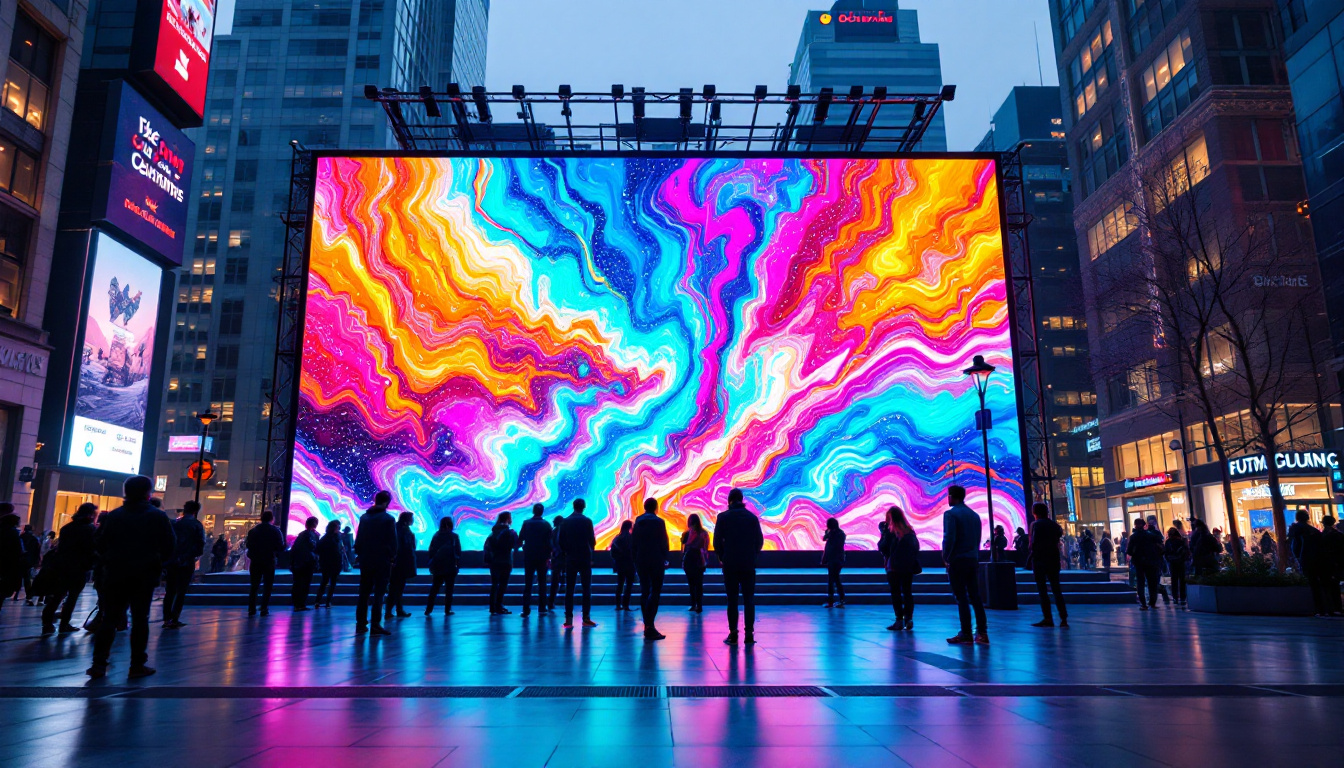
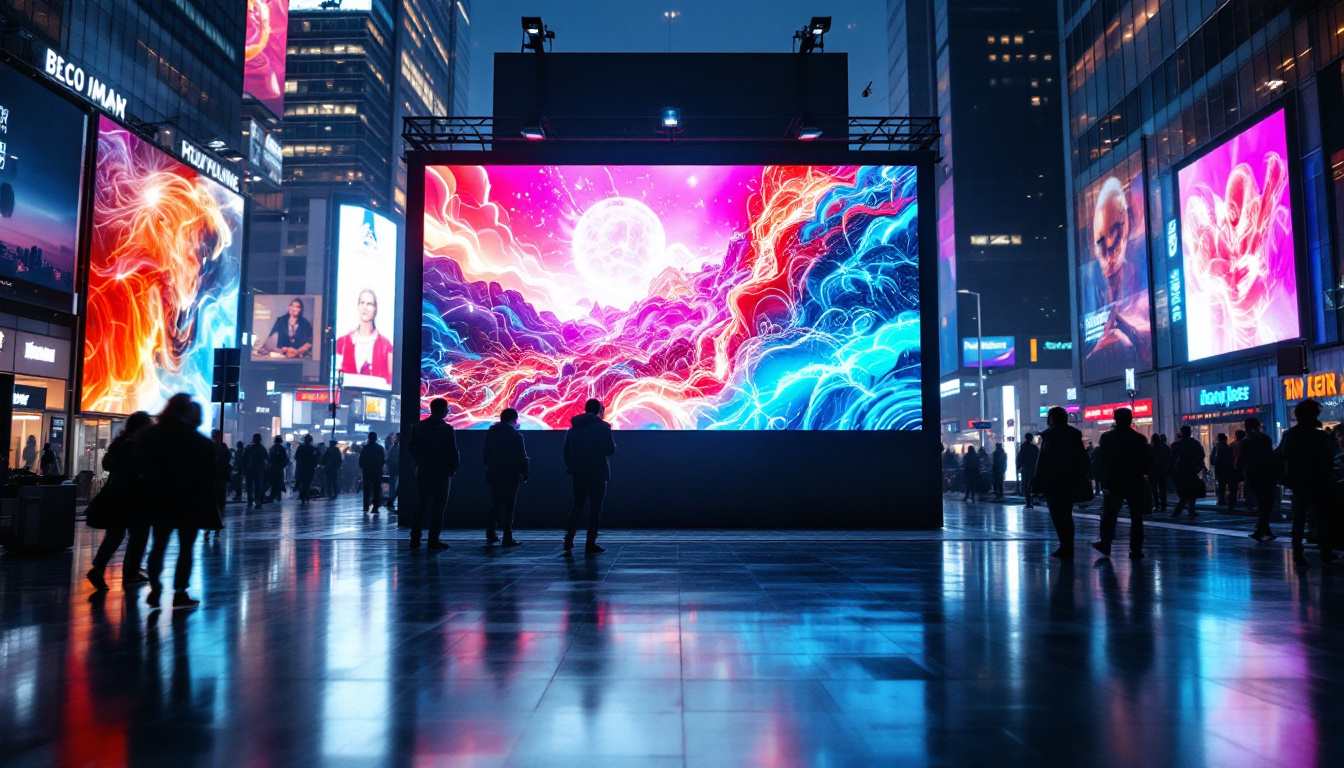
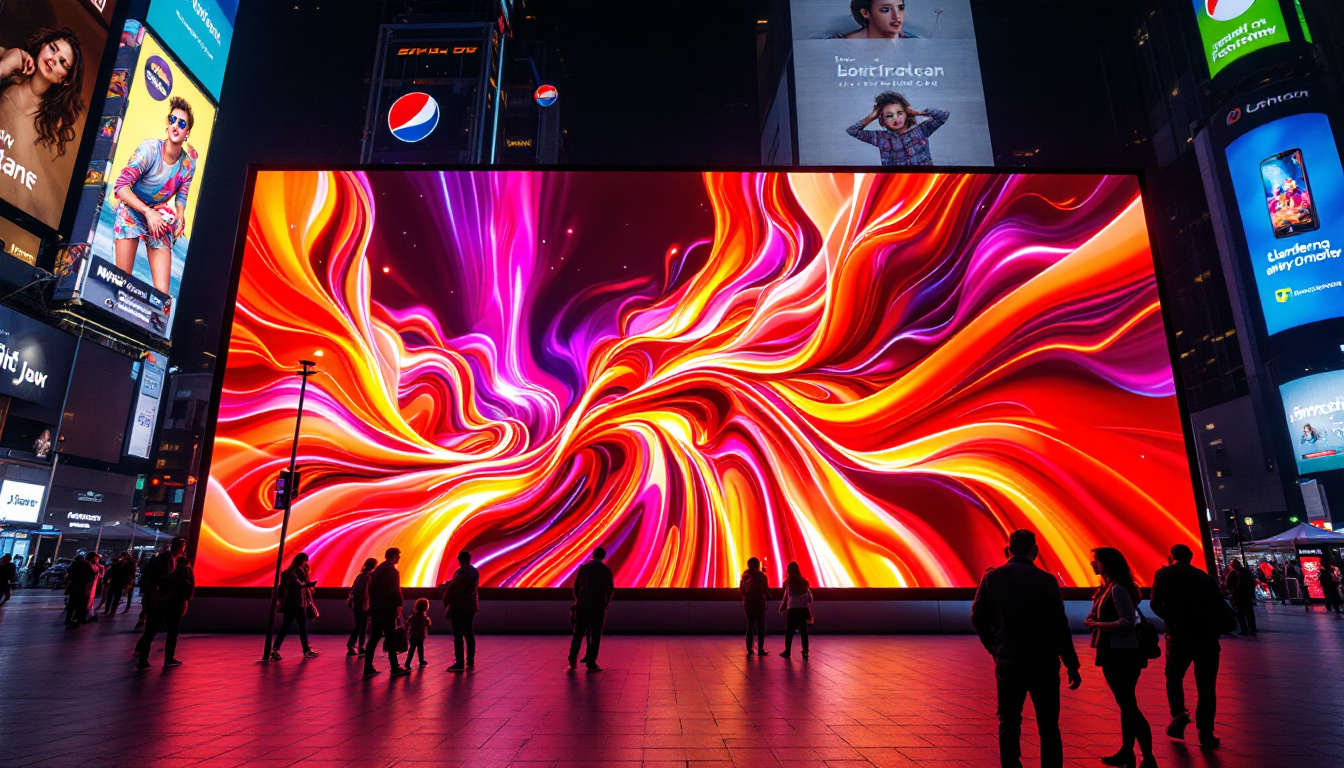
One of the most visible uses of outdoor LED displays is in advertising. Digital billboards equipped with LED panels dominate urban landscapes, offering advertisers a platform to deliver eye-catching campaigns with high visibility. According to industry reports, digital out-of-home (DOOH) advertising revenues have been growing steadily, projected to reach over $20 billion globally by 2025, driven largely by LED technology adoption.
Sports and Entertainment Venues
Stadiums and arenas utilize large outdoor LED screens to enhance the spectator experience. These displays show live game footage, replays, scores, and advertisements. Their ability to deliver bright, crisp images ensures fans can enjoy clear visuals regardless of their seating location or lighting conditions.
Public Information and Transportation Hubs
LED panels are also instrumental in providing real-time information at airports, train stations, and bus terminals. They display schedules, alerts, weather updates, and emergency messages, improving passenger experience and safety. Cities increasingly use LED screens for public announcements and community engagement in parks and plazas.
Events and Festivals
Outdoor concerts, festivals, and exhibitions often deploy LED screens to broadcast performances, display event information, and create immersive visual effects. Their portability and modular design allow for temporary installations that can be quickly assembled and dismantled.
Key Considerations When Choosing Outdoor LED Screen Panels
Selecting the right outdoor LED display involves evaluating multiple factors to ensure the screen meets the specific needs of the application.
Viewing Distance and Pixel Pitch
Determining the typical viewing distance is crucial for choosing an appropriate pixel pitch. For example, a billboard viewed from 50 meters away can use a pixel pitch of 16mm or higher, while a display intended for close-up viewing at 5 meters requires a pixel pitch of 4mm or less to maintain image clarity.
Brightness and Contrast Requirements
Brightness must be sufficient to overcome ambient light, especially in direct sunlight. Displays with brightness ratings above 5,000 nits are generally recommended for outdoor use. Contrast ratio also affects image quality, with higher ratios providing deeper blacks and more vivid colors.
Durability and Weatherproofing
Check the IP rating of the LED panels to confirm protection against dust and water. For harsh climates, additional features such as temperature control systems and anti-corrosion coatings may be necessary to extend the display’s lifespan.
Installation and Maintenance
Consider the ease of installation and access for maintenance. Modular panels that can be quickly replaced or serviced reduce downtime. Also, ensure the mounting structure is sturdy enough to support the display and withstand environmental forces like wind.
Control System and Content Management
The control system should support the desired content formats and offer user-friendly software for scheduling and updating content. Integration with remote management platforms can simplify operations, especially for networks of multiple screens.
Future Trends in Outdoor LED Display Technology
The outdoor LED display industry continues to evolve rapidly, driven by advances in materials, electronics, and software.
Higher Resolution and Smaller Pixel Pitch
As manufacturing techniques improve, LED panels with smaller pixel pitches are becoming more affordable, enabling ultra-high-definition outdoor displays. This trend allows for more detailed and immersive visual experiences, even at close viewing distances.
Energy Efficiency and Sustainability
Manufacturers are focusing on reducing power consumption and using environmentally friendly materials. Innovations such as organic LEDs (OLEDs) and microLEDs promise even greater efficiency and image quality in the future.
Interactive and Smart Displays
Integration of sensors, cameras, and AI technologies is paving the way for interactive outdoor LED screens that respond to audience behavior, weather conditions, or time of day. Smart displays can personalize content, enhance engagement, and provide valuable data analytics for advertisers and operators.
Flexible and Transparent LED Panels
New form factors like flexible and transparent LED panels are expanding design possibilities. Transparent LED screens can be installed on glass surfaces without obstructing views, while flexible panels enable curved or irregular shapes, opening creative avenues for architects and designers.
Conclusion
Outdoor LED screen panels represent a powerful medium for communication, advertising, and entertainment. Their superior brightness, durability, and versatility make them indispensable in today’s visually driven world. Understanding the technology, benefits, and key considerations helps businesses and organizations make informed decisions when investing in outdoor LED displays.
As the technology advances, outdoor LED displays will continue to offer richer, more engaging experiences while becoming more energy-efficient and adaptable. Whether for a roadside billboard, a sports arena, or a public information kiosk, LED screen panels are set to remain at the forefront of outdoor digital signage for years to come.
Explore Cutting-Edge LED Display Solutions with LumenMatrix
Ready to elevate your outdoor space with vibrant, energy-efficient, and dynamic LED displays? Discover LumenMatrix’s innovative range of LED display modules, from Outdoor LED Wall Displays to Custom and Transparent LED solutions. Our commitment to revolutionizing visual communication ensures your message resonates with brilliance and clarity. Check out LumenMatrix LED Display Solutions today and transform your visual storytelling into an unforgettable experience.