In today’s fast-paced digital world, advertising has evolved far beyond traditional print and static billboards. One of the most transformative technologies in outdoor advertising is the LED screen billboard. These vibrant, dynamic displays have revolutionized how brands communicate with audiences, offering unparalleled visibility and engagement. This article delves into the world of LED screen billboards, exploring their technology, advantages, applications, and considerations for businesses looking to harness their power.
Understanding LED Screen Billboard Technology
What is an LED Screen Billboard?
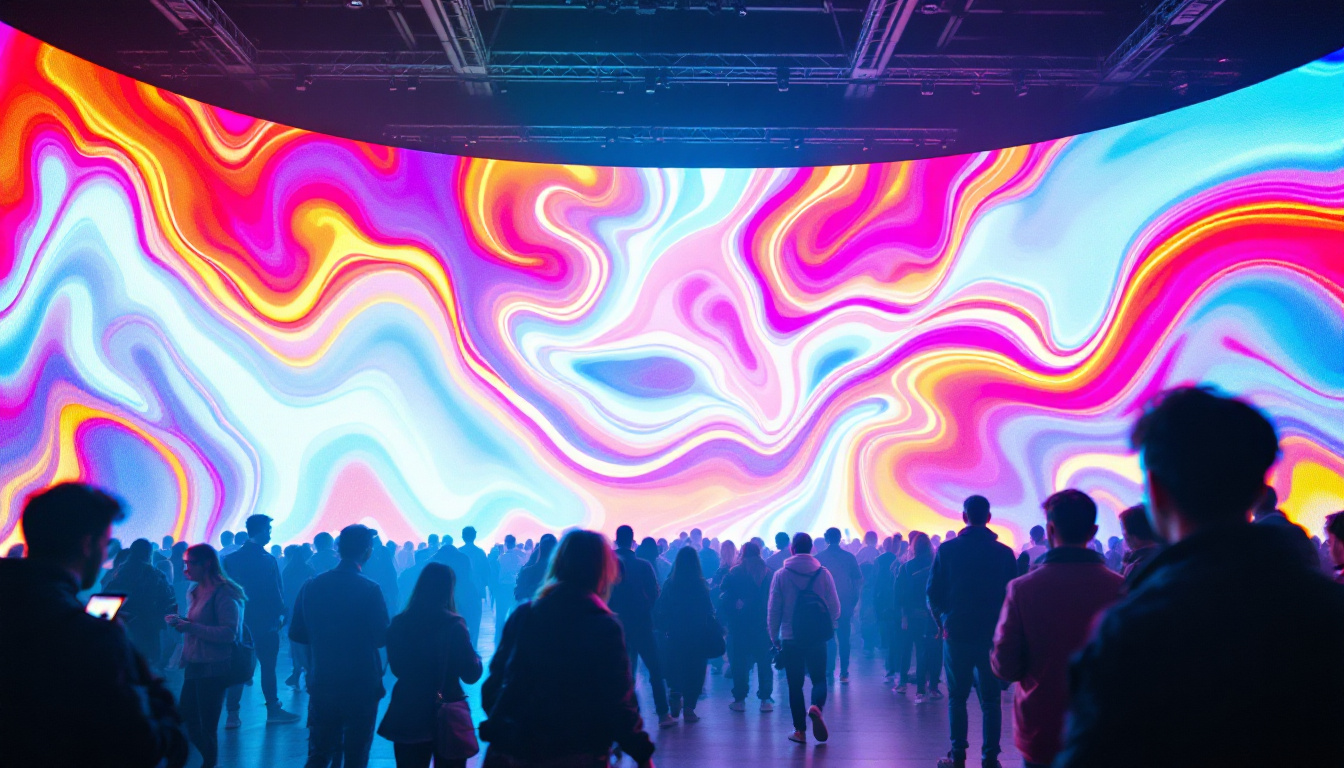
An LED screen billboard is a large-scale digital display that uses Light Emitting Diodes (LEDs) to produce bright, colorful images and videos. Unlike traditional billboards that rely on printed materials, LED billboards can showcase dynamic content that changes in real-time. This flexibility allows advertisers to tailor messages based on time of day, audience demographics, or special events. For instance, a restaurant might display breakfast specials in the morning and switch to dinner promotions in the evening, maximizing the relevance of their advertising to potential customers.
LEDs are semiconductor devices that emit light when an electric current passes through them. In LED billboards, thousands or even millions of these tiny diodes are arranged in a grid to form pixels. Each pixel can display a wide range of colors by adjusting the intensity of red, green, and blue diodes, enabling the creation of vivid, high-resolution images. This technology not only enhances visual appeal but also allows for intricate animations and video content, making advertisements more engaging and effective in capturing the attention of passersby.
Types of LED Displays Used in Billboards
LED billboards come in various forms, primarily distinguished by their pixel pitch — the distance between individual LED clusters. Common types include:
- Outdoor LED Displays: Designed to withstand harsh weather conditions, these displays have a wider pixel pitch (typically 10mm to 20mm) to maintain visibility from long distances. They are often equipped with advanced technologies such as automatic brightness adjustment to ensure optimal visibility in varying light conditions, from bright sunlight to nighttime.
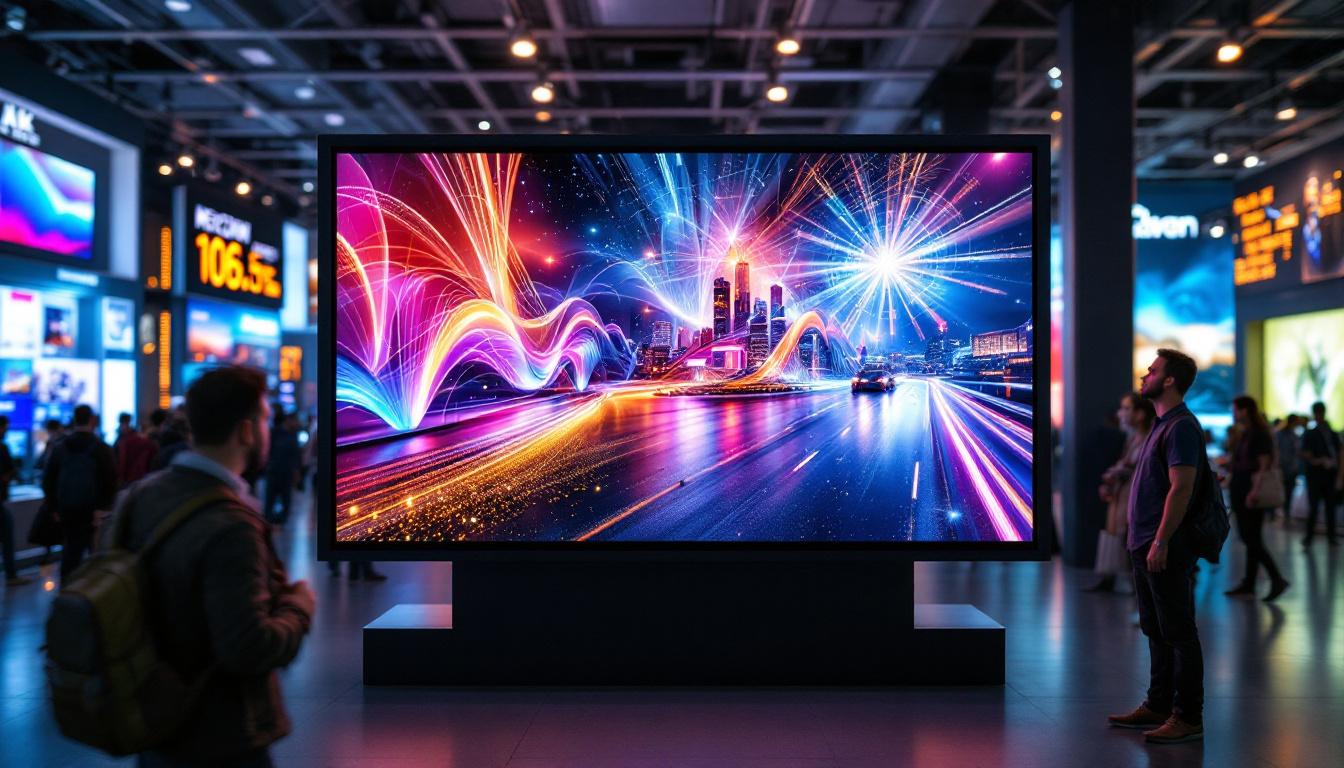
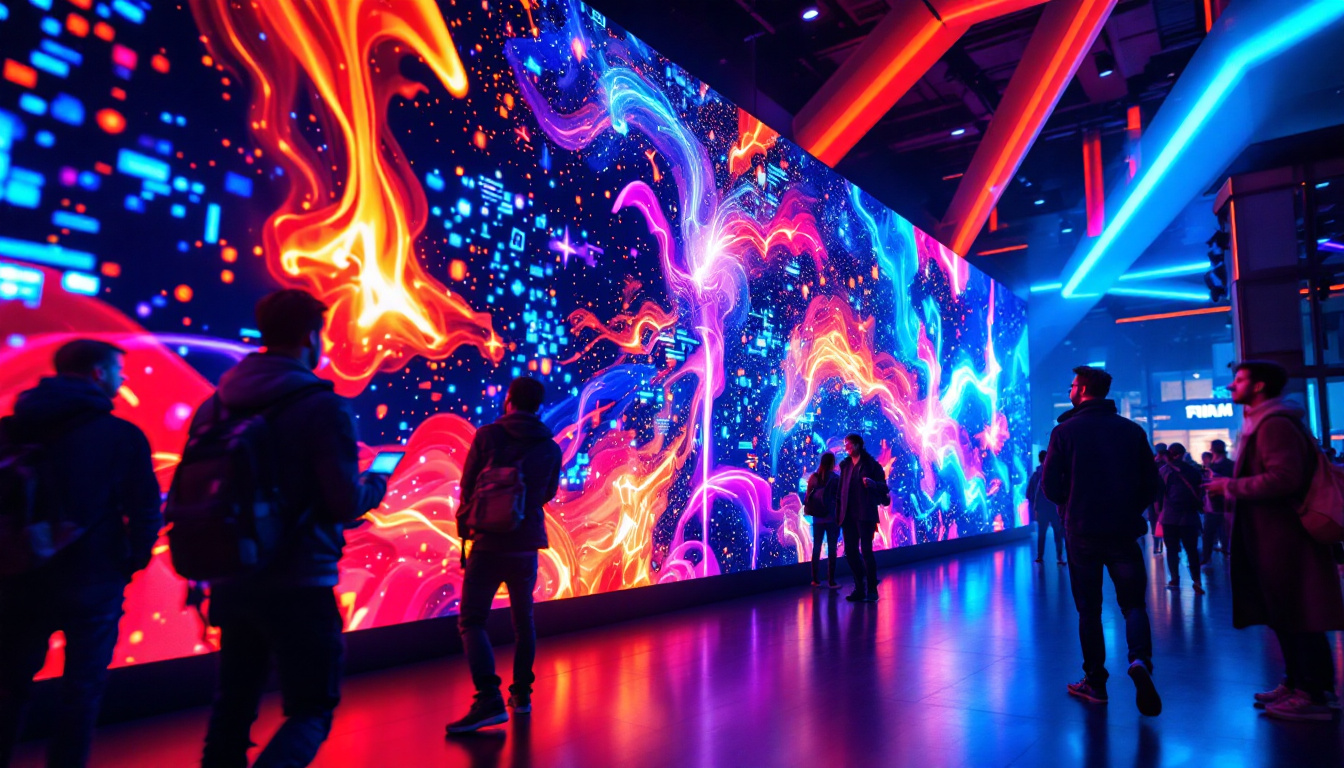
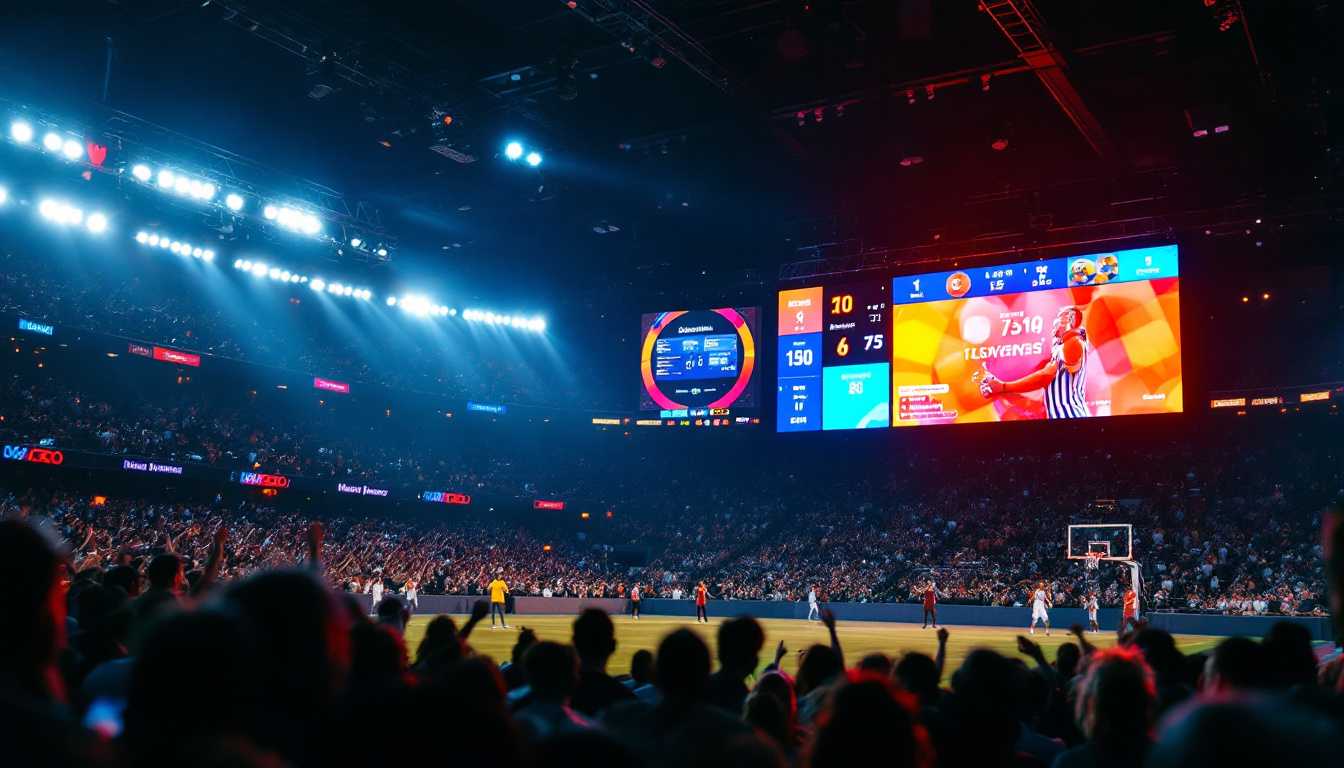
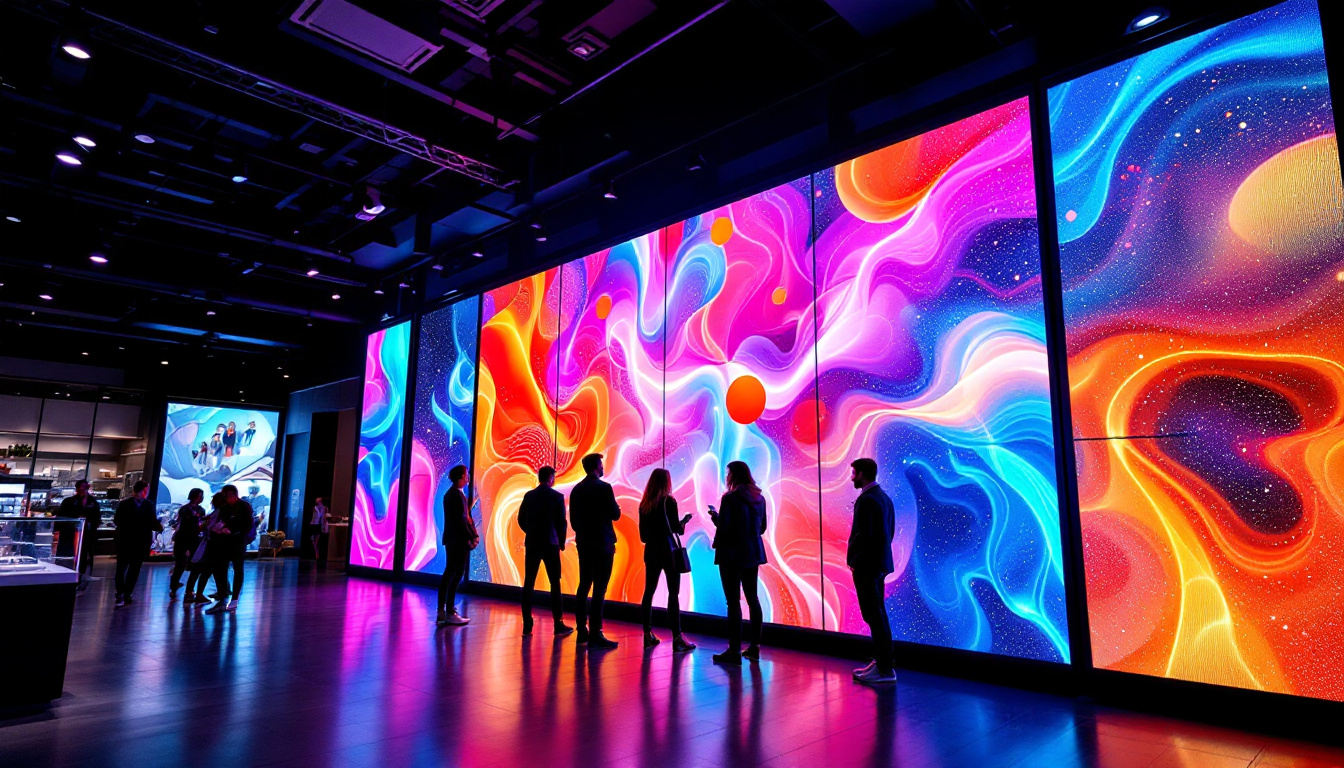
- Indoor LED Displays: Featuring a smaller pixel pitch (often less than 5mm), indoor screens offer higher resolution for close-up viewing but are not suitable for outdoor environments. These displays are frequently used in shopping malls, airports, and sports arenas, where high-quality visuals can enhance the customer experience and provide real-time information.
- Transparent LED Displays: These innovative screens allow light to pass through, making them ideal for storefront windows or architectural applications where visibility inside the building is important. They enable brands to create eye-catching displays without obstructing the view of the products or services inside, effectively merging advertising with the physical environment.
For billboards, outdoor LED displays dominate due to their durability and visibility in various lighting conditions. Additionally, the technology behind these displays continues to evolve, with advancements in energy efficiency and pixel density, allowing for even more stunning visuals. Some modern billboards now incorporate interactive elements, enabling viewers to engage with the content through their smartphones or other devices, further enhancing the advertising experience. This interactivity not only drives consumer engagement but also provides valuable data to advertisers, helping them refine their strategies and maximize their impact.
Advantages of LED Screen Billboards Over Traditional Billboards
Dynamic Content and Real-Time Updates
One of the most significant benefits of LED billboards is their ability to display dynamic content. Advertisers can rotate multiple ads, incorporate animations, videos, and even live feeds. This capability enhances engagement by capturing the attention of passersby more effectively than static images.
Moreover, real-time updates allow marketers to react swiftly to market trends, weather conditions, or special promotions. For example, a restaurant can advertise breakfast specials in the morning and switch to dinner offers in the evening without the need for physical replacement of billboard materials. This flexibility not only saves time but also allows for targeted advertising, where messages can be tailored to specific audiences based on the time of day or current events, thereby increasing the likelihood of conversion.
Enhanced Visibility and Brightness
LED billboards are renowned for their brightness, often reaching up to 5,000 nits or more. This high luminance ensures that advertisements are visible even in direct sunlight, a challenge for traditional printed billboards. The vibrant colors and sharp contrast further improve readability and visual impact, making LED billboards effective 24/7. Additionally, the technology behind LED screens allows for superior image quality, with high-definition displays that can showcase intricate details and vibrant graphics, making them more appealing to viewers.
Energy Efficiency and Longevity
Despite their brightness, modern LED displays are energy-efficient compared to older lighting technologies like neon or incandescent bulbs. Advances in LED technology have reduced power consumption significantly, making these billboards more sustainable and cost-effective over time. This energy efficiency not only benefits the environment but also translates into lower utility bills for advertisers, making it a financially savvy choice.
Additionally, LED modules have a long lifespan, often exceeding 100,000 hours of operation. This durability reduces maintenance costs and downtime, providing a reliable advertising platform. The robust nature of LED technology means fewer replacements and repairs, allowing businesses to focus their resources on creative advertising strategies rather than logistical challenges.
Cost Considerations and ROI
While the initial investment for LED billboards is higher than traditional billboards, the return on investment (ROI) can be substantial. The ability to display multiple advertisements and update content frequently maximizes revenue potential. Digital billboards can generate income from several advertisers simultaneously, unlike static billboards limited to one advertiser per location. This multi-tenant approach not only diversifies revenue streams but also allows smaller businesses to access prime advertising space that might otherwise be out of reach.
Furthermore, the reduced costs associated with printing, installation, and maintenance contribute to long-term savings. Businesses should weigh these factors when considering LED billboards as part of their marketing strategy. The comprehensive analytics provided by many digital billboard platforms also enable advertisers to track performance metrics, allowing for data-driven decisions that can optimize future campaigns and enhance overall effectiveness in reaching target demographics.
Applications of LED Screen Billboards
Outdoor Advertising and Brand Awareness
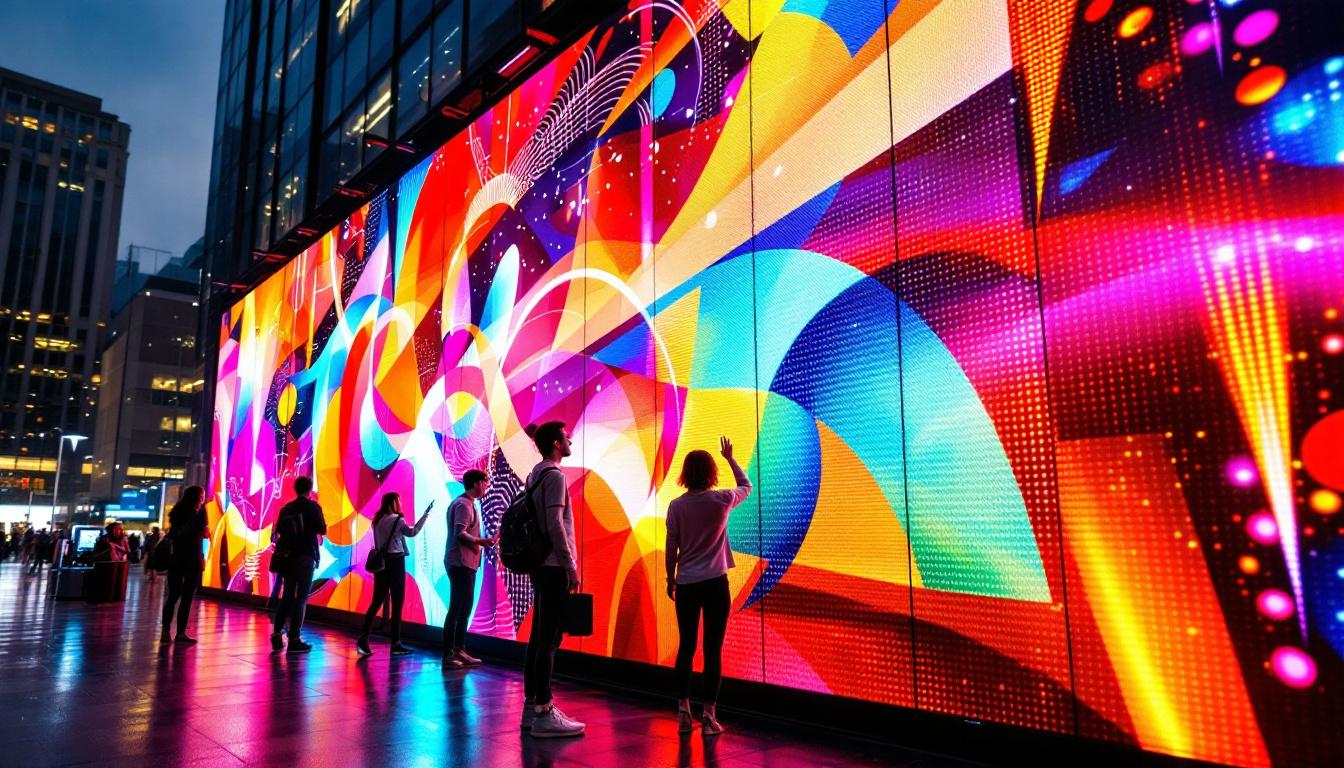
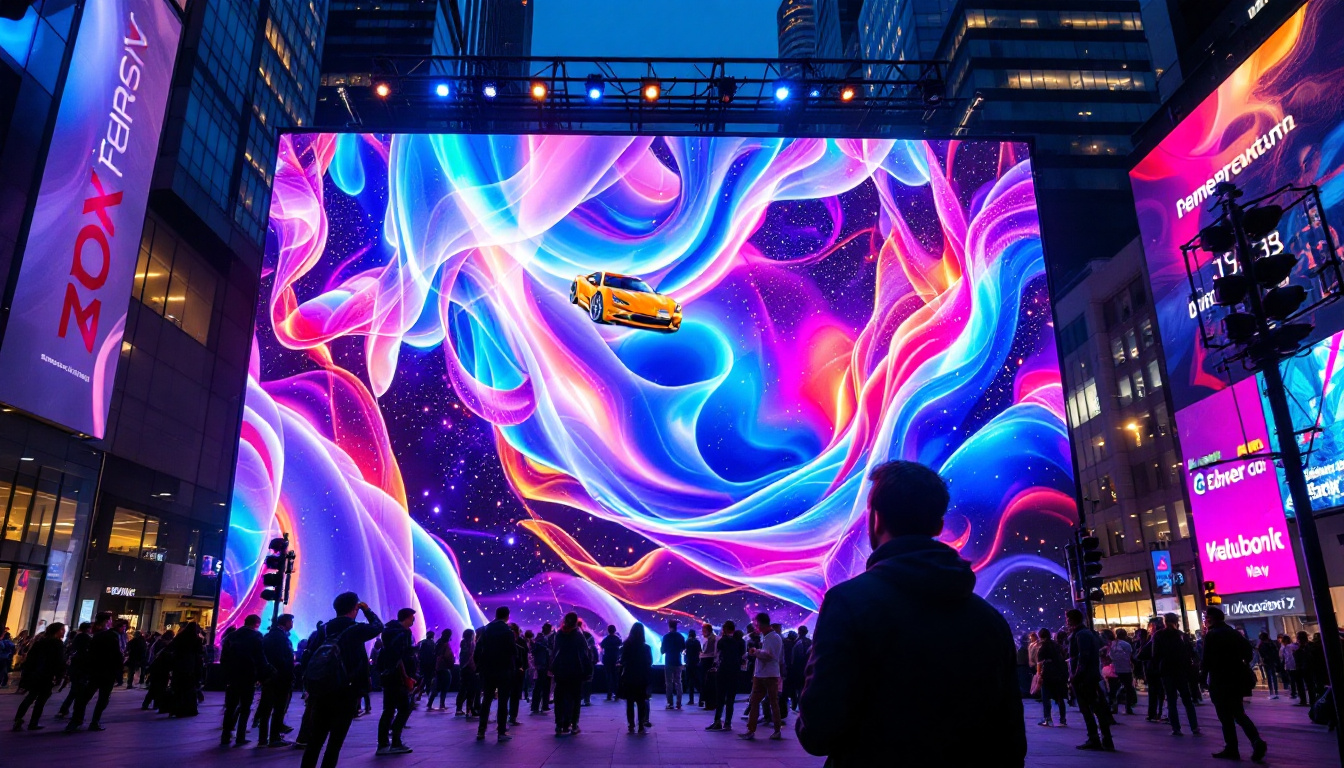
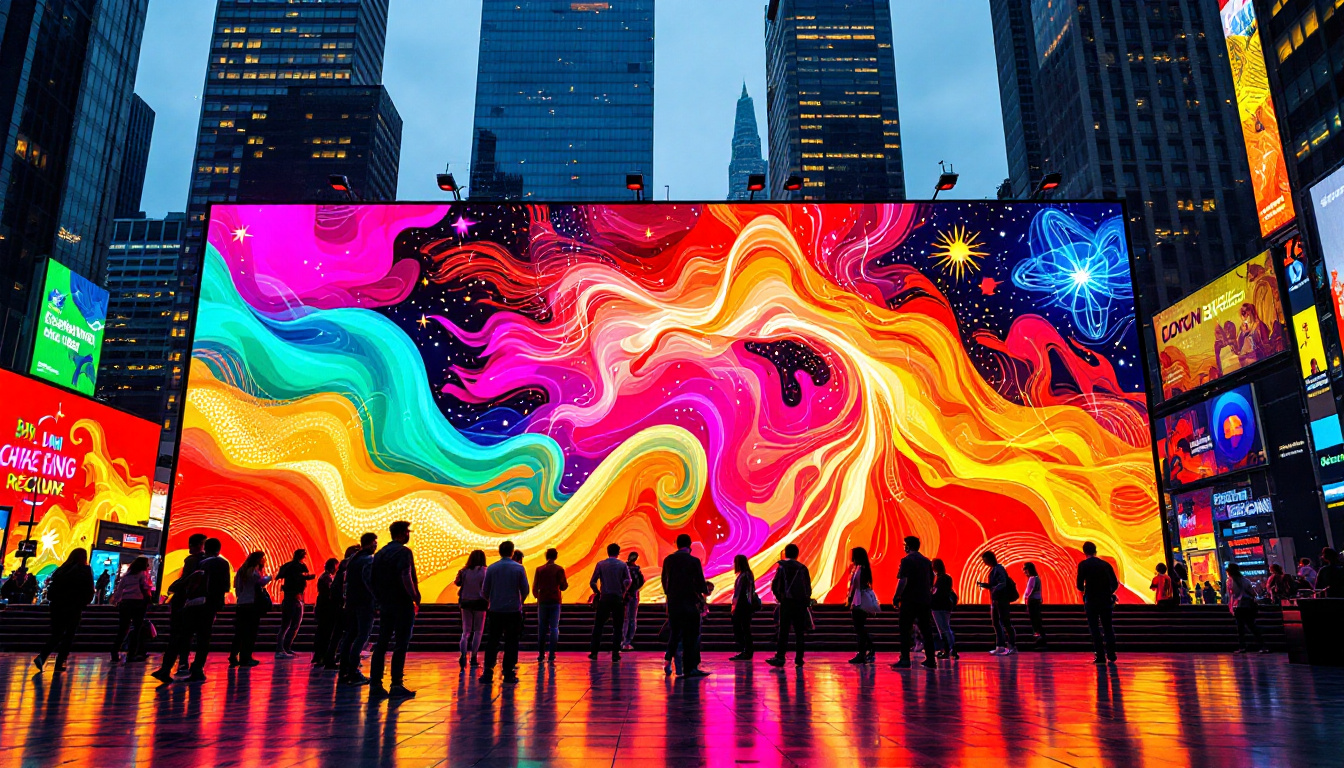
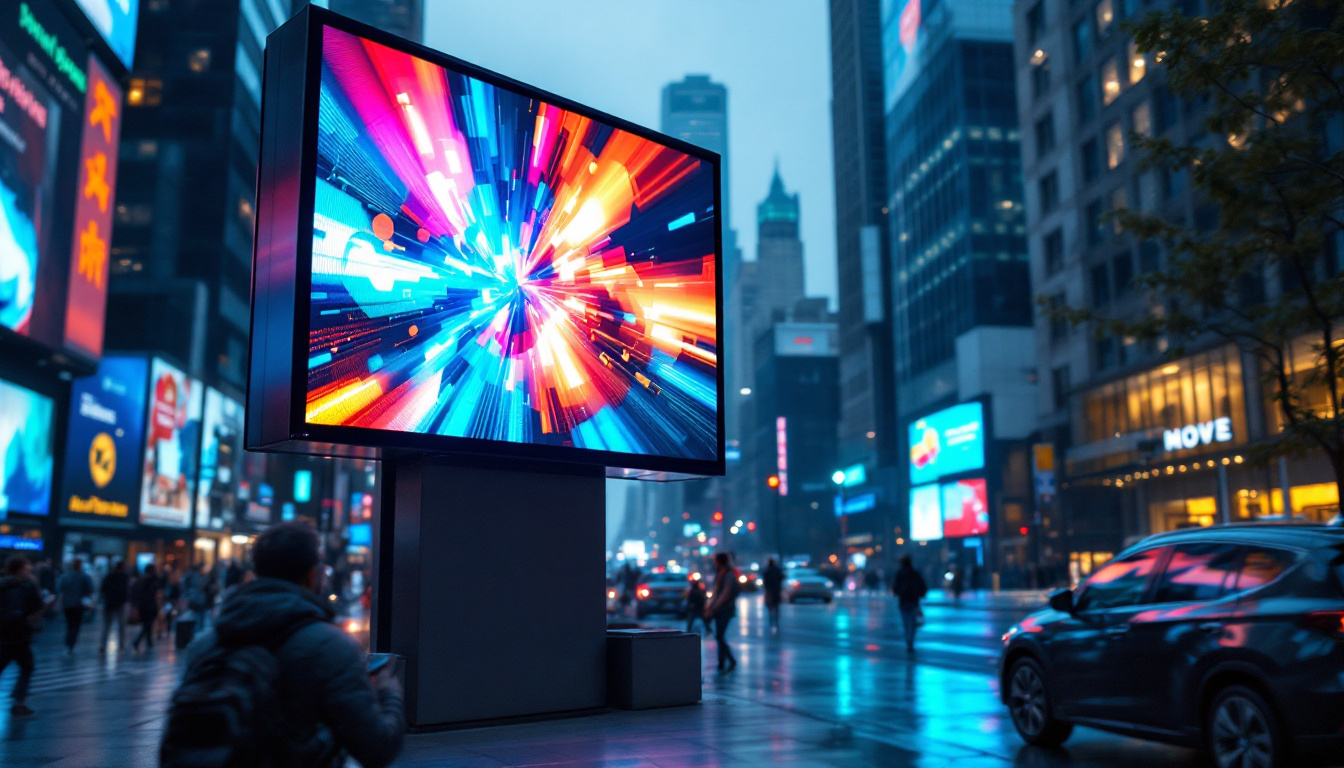
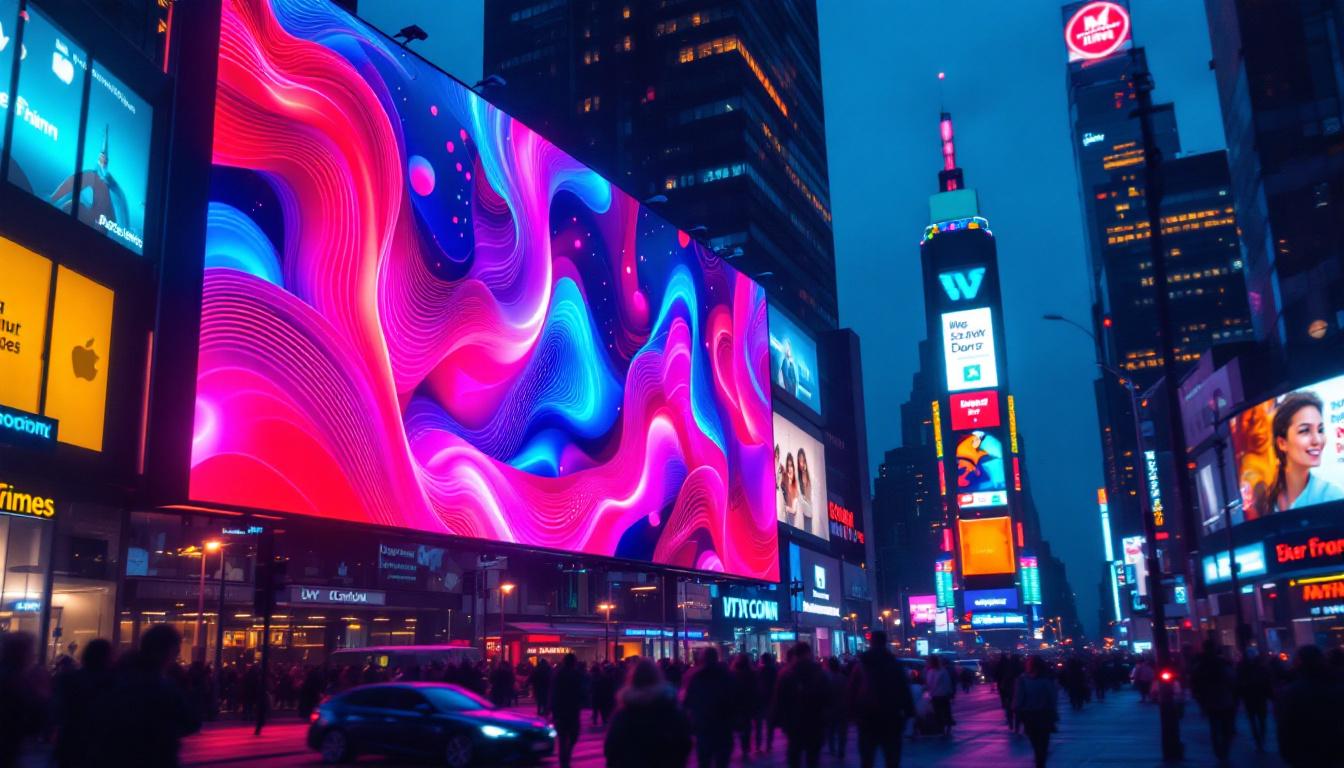
LED billboards are a staple in outdoor advertising, prominently placed in high-traffic areas such as highways, city centers, and shopping districts. Their ability to attract attention makes them ideal for building brand awareness and promoting products or services to a broad audience.
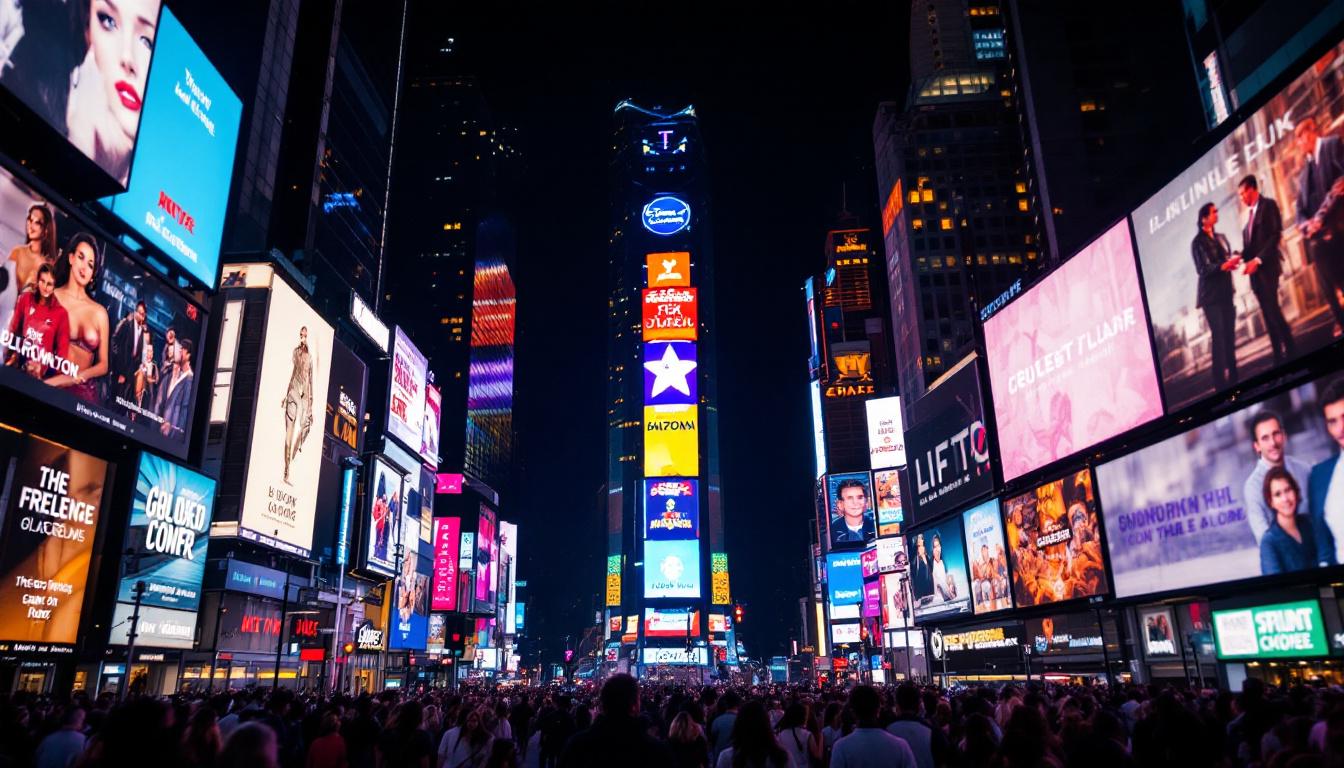
Major cities worldwide, including New York’s Times Square and London’s Piccadilly Circus, have embraced LED billboards as iconic advertising mediums. These locations demonstrate the impact of dynamic digital displays in creating memorable brand experiences.
Event Promotion and Public Information
Beyond commercial advertising, LED billboards serve important roles in event promotion and public communication. They can display information about concerts, sports events, festivals, or community announcements, providing timely updates to large audiences.
During emergencies or public safety campaigns, LED displays can broadcast critical messages instantly, enhancing community awareness and response.
Retail and Hospitality Industries
Retailers and hospitality businesses utilize LED billboards to attract customers and highlight promotions. For example, shopping malls use LED displays to advertise sales and new arrivals, while hotels showcase amenities and special offers to passing traffic.
The flexibility of LED content allows these businesses to tailor messages to different times of day or target demographics, increasing marketing effectiveness.
Key Considerations When Choosing an LED Screen Billboard
Location and Viewing Distance
The effectiveness of an LED billboard largely depends on its placement and the typical viewing distance. Pixel pitch should be selected based on how far viewers will be from the screen. Larger pixel pitches are suitable for billboards viewed from hundreds of feet away, while smaller pitches are better for closer proximity.
Additionally, the billboard’s orientation, surrounding lighting conditions, and potential obstructions should be evaluated to maximize visibility and impact.
Content Strategy and Management
Having an LED billboard is only as effective as the content displayed. Businesses must develop a robust content strategy that leverages the dynamic capabilities of LED screens. This includes designing visually appealing ads, scheduling content rotations, and using analytics to measure performance.
Many LED billboard providers offer content management systems that enable remote updates and real-time monitoring, simplifying campaign management.
Regulatory Compliance and Permits
Installing an LED billboard requires adherence to local regulations and obtaining necessary permits. These rules often govern brightness levels, size, location, and operating hours to minimize light pollution and driver distraction.
Consulting with regulatory bodies and experienced installation partners ensures compliance and smooth project execution.
The Future of LED Screen Billboards
Integration with Smart Technologies
The future of LED billboards lies in their integration with emerging smart technologies. Artificial intelligence (AI) and data analytics enable hyper-targeted advertising by analyzing traffic patterns, weather, and audience demographics in real-time.
For instance, AI-powered billboards can change content based on current events or audience engagement metrics, optimizing advertising effectiveness dynamically.
Advancements in Display Technology
Ongoing innovations are pushing LED display technology forward, with developments such as microLEDs promising even higher resolution and energy efficiency. Flexible and curved LED screens are becoming more common, allowing for creative billboard designs that blend seamlessly with urban architecture.
These advancements will expand the possibilities for advertisers and enhance the visual experience for viewers.
Sustainability and Environmental Impact
As sustainability becomes a priority, LED billboard manufacturers are focusing on eco-friendly materials and energy-saving features. Solar-powered LED billboards and recyclable components are emerging trends that reduce environmental footprints.
Businesses adopting these green solutions not only contribute to environmental stewardship but also appeal to increasingly eco-conscious consumers.
Conclusion
LED screen billboards represent a powerful evolution in outdoor advertising, combining technological innovation with marketing flexibility. Their ability to deliver bright, dynamic content in high-traffic areas makes them an indispensable tool for brands seeking to capture attention and engage audiences effectively.
Understanding the technology, benefits, applications, and considerations involved in LED billboard deployment is crucial for businesses aiming to maximize their advertising impact. As the technology continues to advance and integrate with smart systems, LED billboards will remain at the forefront of digital advertising innovation.
Investing in LED screen billboards today positions brands to leverage the full potential of digital outdoor advertising, driving visibility, engagement, and ultimately, business growth.
Illuminate Your Brand with LumenMatrix
Ready to elevate your advertising strategy with the vibrant, dynamic capabilities of LED screen billboards? LumenMatrix is at the forefront of LED display innovation, offering a diverse range of solutions tailored to your unique needs. From Indoor and Outdoor LED Wall Displays to specialized options like Vehicle, Sports, and Floor LED Displays, our mission is to transform your visual communication. Embrace the future of digital signage with LumenMatrix and create unforgettable visual experiences that resonate with your audience. Check out LumenMatrix LED Display Solutions and let your message shine with clarity and impact.