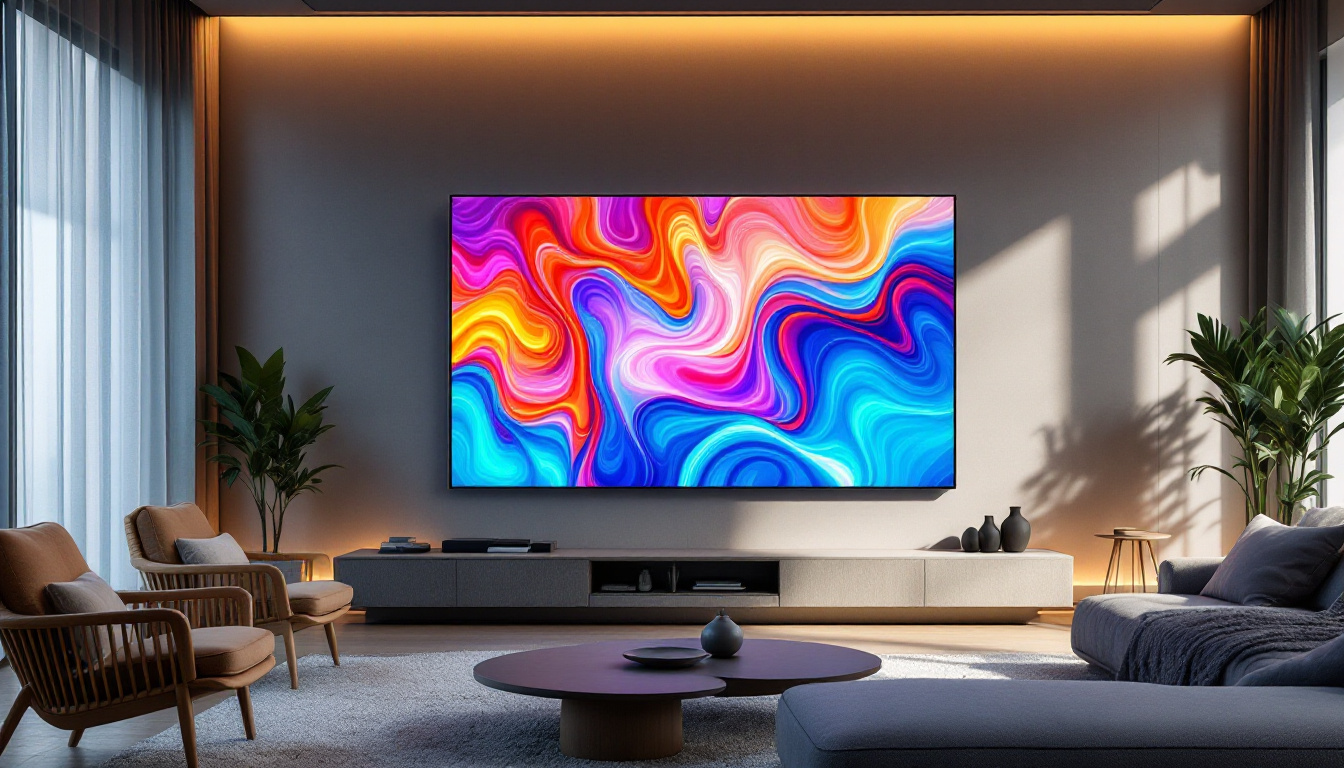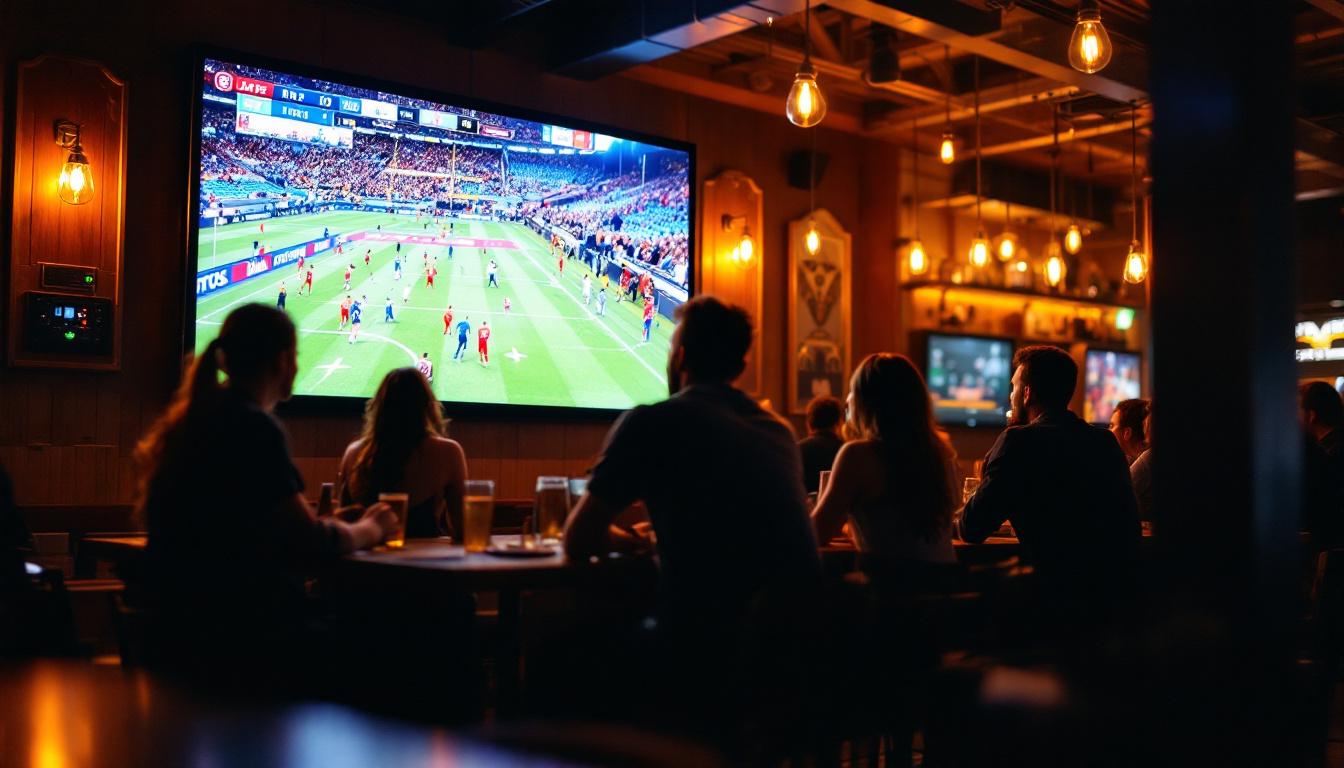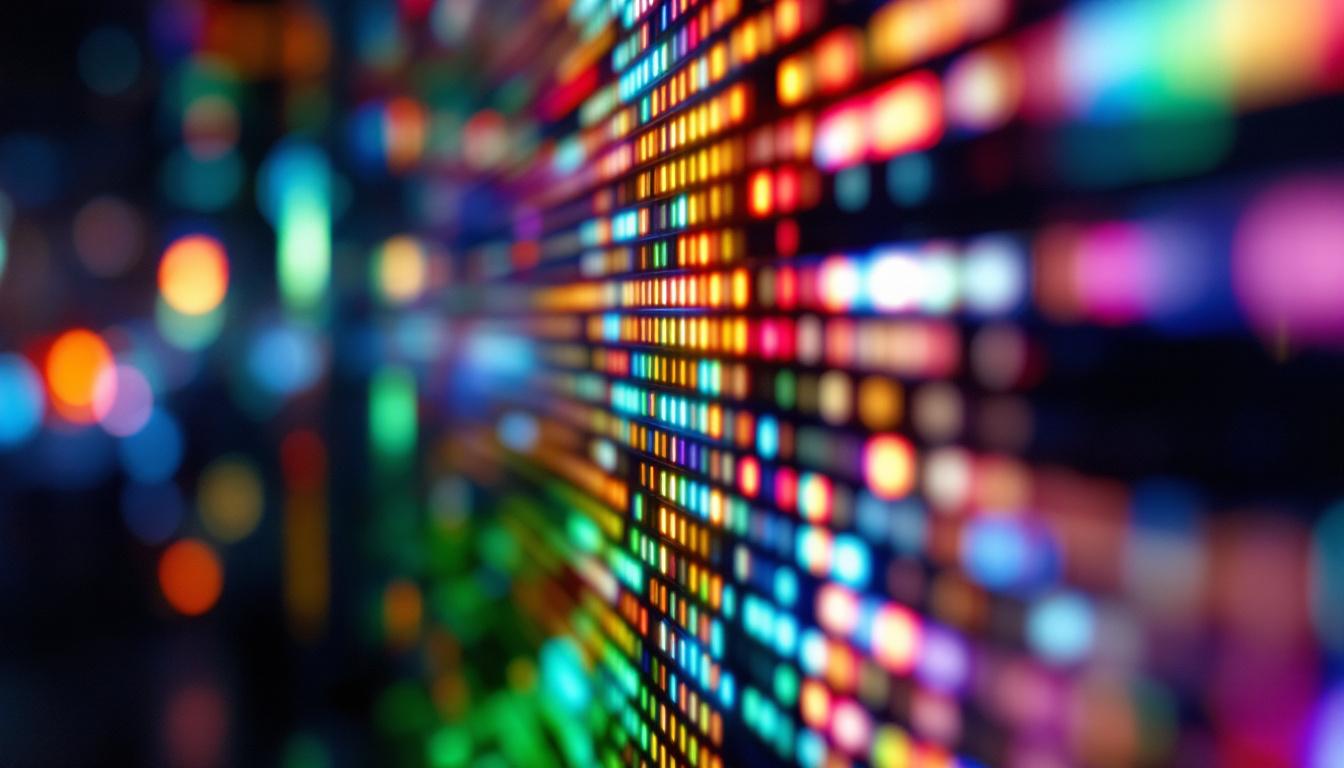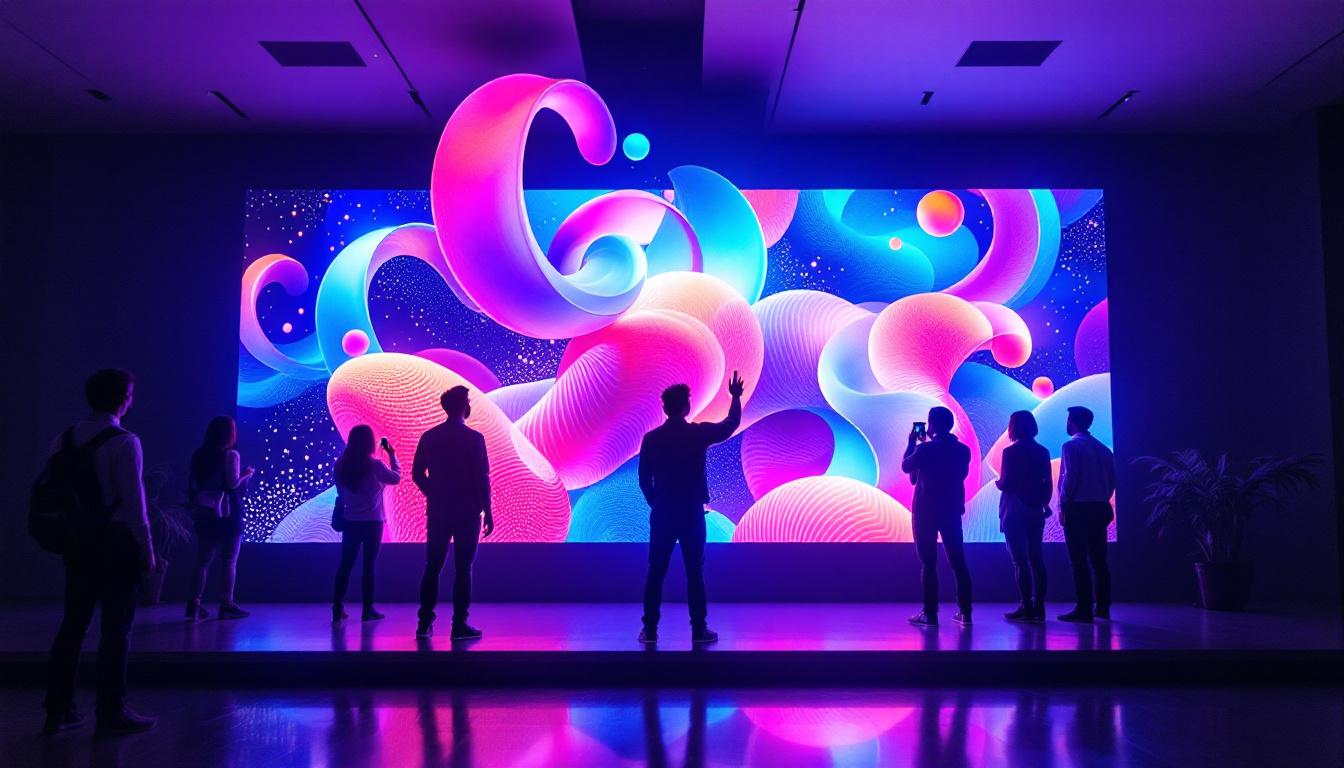
In the rapidly evolving world of digital displays, LED technology stands at the forefront, revolutionizing how information and visuals are presented in public spaces, events, and retail environments. Among various LED display options, the P4 LED screen has emerged as a popular choice for its balance of resolution, brightness, and cost-effectiveness. This article delves into the fundamentals of P4 LED screens, exploring their technical specifications, applications, advantages, and considerations for potential users.
Understanding the Basics of P4 LED Screens
What Does “P4” Mean?
The term “P4” in LED screens refers to the pixel pitch, which is the distance between the centers of two adjacent pixels. Specifically, a P4 LED screen has a pixel pitch of 4 millimeters. This measurement is crucial because it directly influences the display’s resolution and viewing distance. The smaller the pixel pitch, the higher the pixel density, resulting in clearer and sharper images when viewed up close.
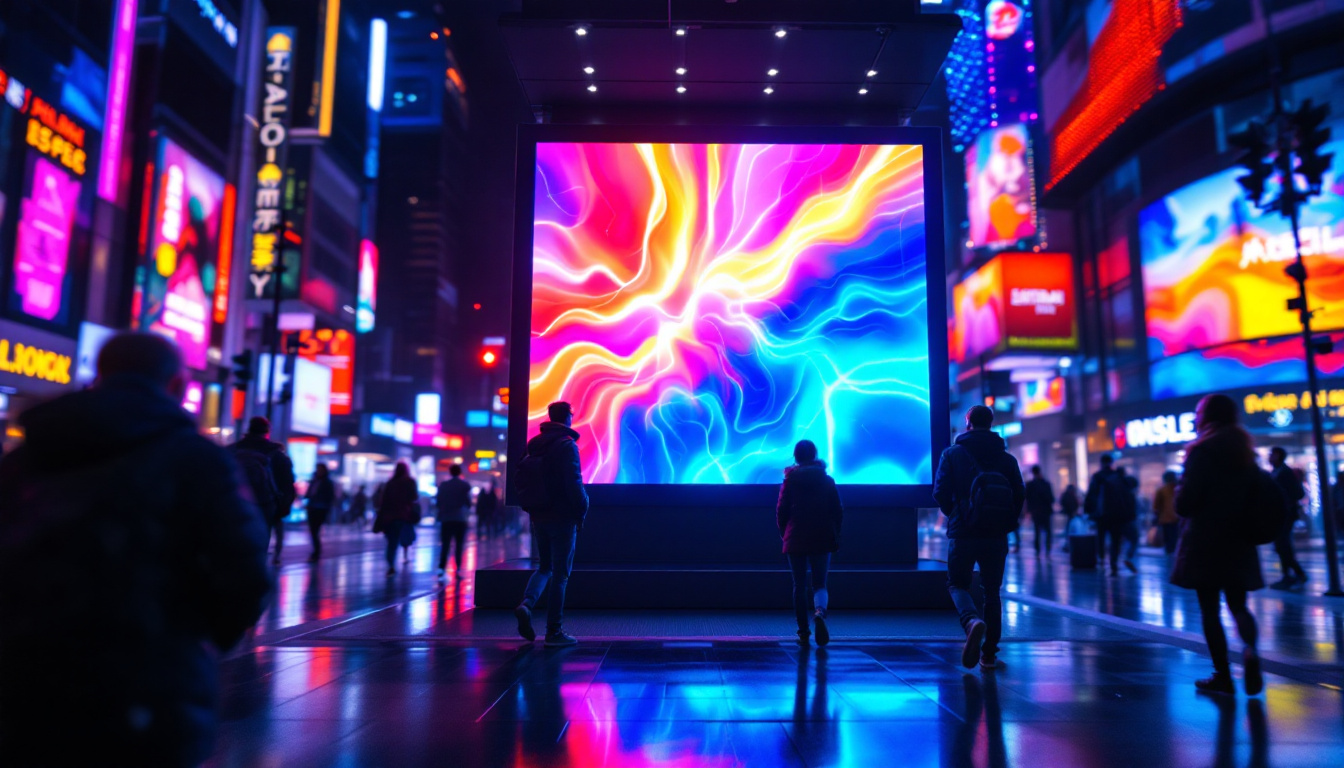
For context, pixel pitch values can range from as low as 0.9mm for ultra-high-resolution indoor displays to 20mm or more for large outdoor billboards. A P4 screen sits comfortably in the mid-range, making it suitable for both indoor and outdoor applications where viewers may be positioned a few meters away. This versatility allows P4 screens to be utilized in various settings, from shopping malls and airports to concert venues and sports arenas, where vibrant visuals are essential for engaging audiences.
How Does Pixel Pitch Affect Image Quality?
Pixel pitch determines the display’s resolution per square meter. A P4 LED screen, with its 4mm pitch, offers approximately 62,500 pixels per square meter (calculated as 1000mm ÷ 4mm = 250 pixels per meter in each direction; 250 x 250 = 62,500 pixels/m²). This density provides a good balance between image clarity and cost. The P4 screens are particularly effective for dynamic content, such as videos and animations, where the rapid changes in visuals can be rendered smoothly, enhancing the viewer’s experience.
For viewers standing closer than 4 meters, a P4 screen will deliver crisp images without visible pixelation. However, for applications requiring extremely close viewing distances, such as control rooms or retail showcases, smaller pixel pitches like P1.9 or P2.5 may be more appropriate. Additionally, the choice of pixel pitch can also affect the overall brightness and color accuracy of the display. P4 screens typically have a high brightness level, making them ideal for outdoor use where sunlight can wash out less powerful displays. This characteristic ensures that the content remains vibrant and eye-catching, even in bright daylight conditions, which is essential for advertising and public information displays.
Technical Specifications and Features of P4 LED Displays
Resolution and Screen Size Flexibility
P4 LED screens are modular, composed of multiple LED panels that can be combined to create screens of various sizes and aspect ratios. Each panel typically measures around 500mm x 500mm or 500mm x 1000mm, containing a fixed number of pixels based on the 4mm pitch.
This modularity allows for custom configurations, from small digital signage to large-scale video walls used in concerts or sports arenas. The resolution of the entire display depends on the number of panels assembled, enabling high-definition content delivery even on massive screens.
Brightness and Visibility
One of the standout features of P4 LED screens is their high brightness levels, often reaching 1,000 to 5,000 nits or more. This brightness range ensures excellent visibility in various lighting conditions, including direct sunlight for outdoor installations.
Compared to LCD screens, LED displays offer superior contrast ratios and vibrant colors, making them ideal for dynamic content such as videos, animations, and live broadcasts. The brightness can also be adjusted automatically based on ambient light sensors, optimizing power consumption and viewer comfort.
Color Accuracy and Refresh Rate
P4 LED screens typically support 16-bit or higher color depth, delivering over 65,000 shades per color channel. This capability results in rich and natural color reproduction, essential for advertising, branding, and entertainment purposes.
Additionally, these screens feature high refresh rates, often exceeding 3,000 Hz, which eliminates flickering and ensures smooth motion display. This is particularly important for live events and broadcasts where camera capture quality can be affected by screen flicker.
Applications of P4 LED Screens
Indoor Use Cases
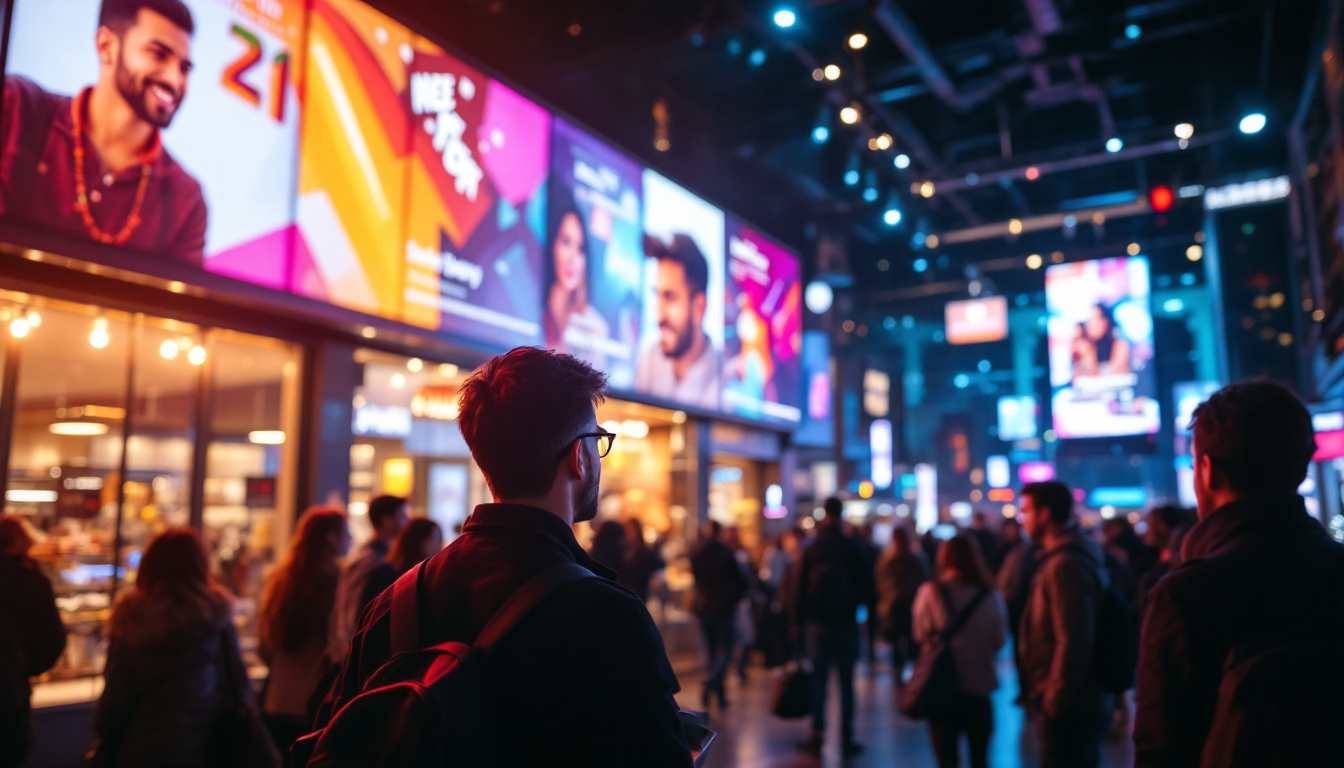
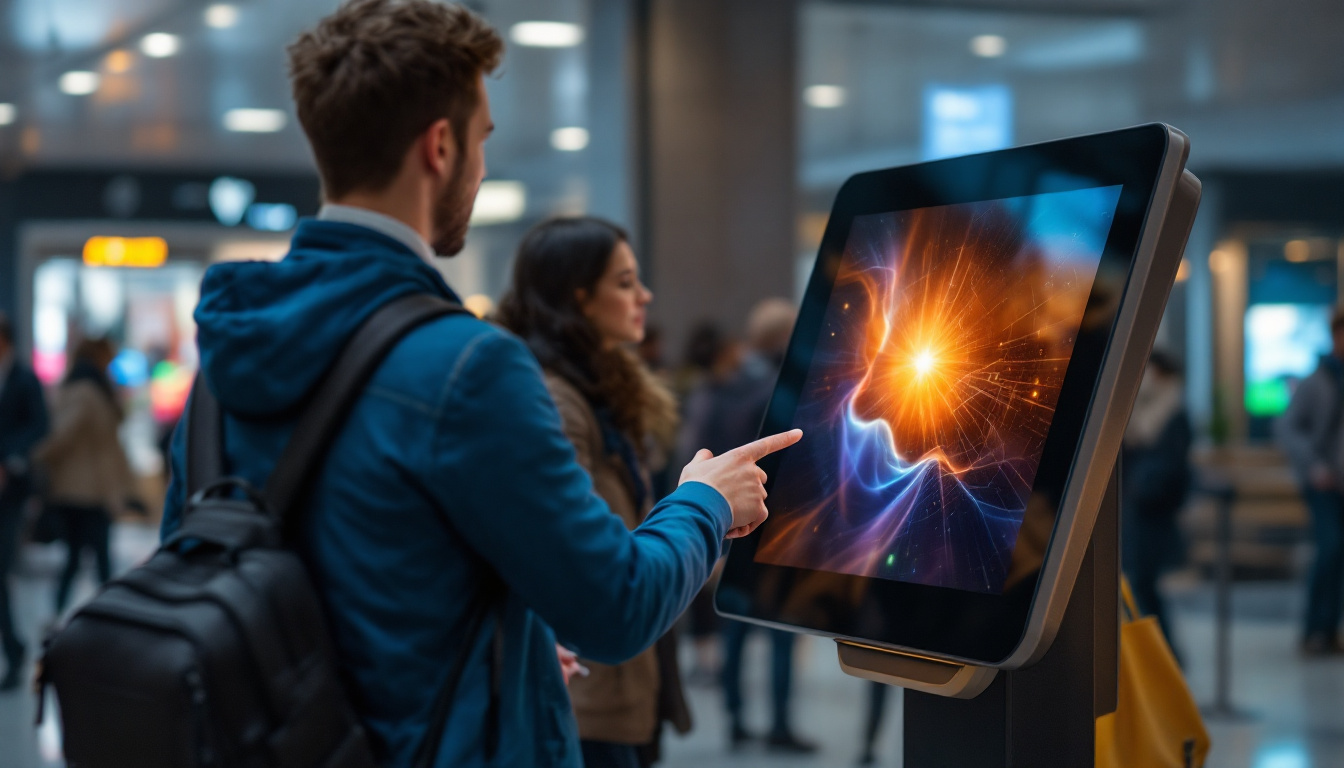
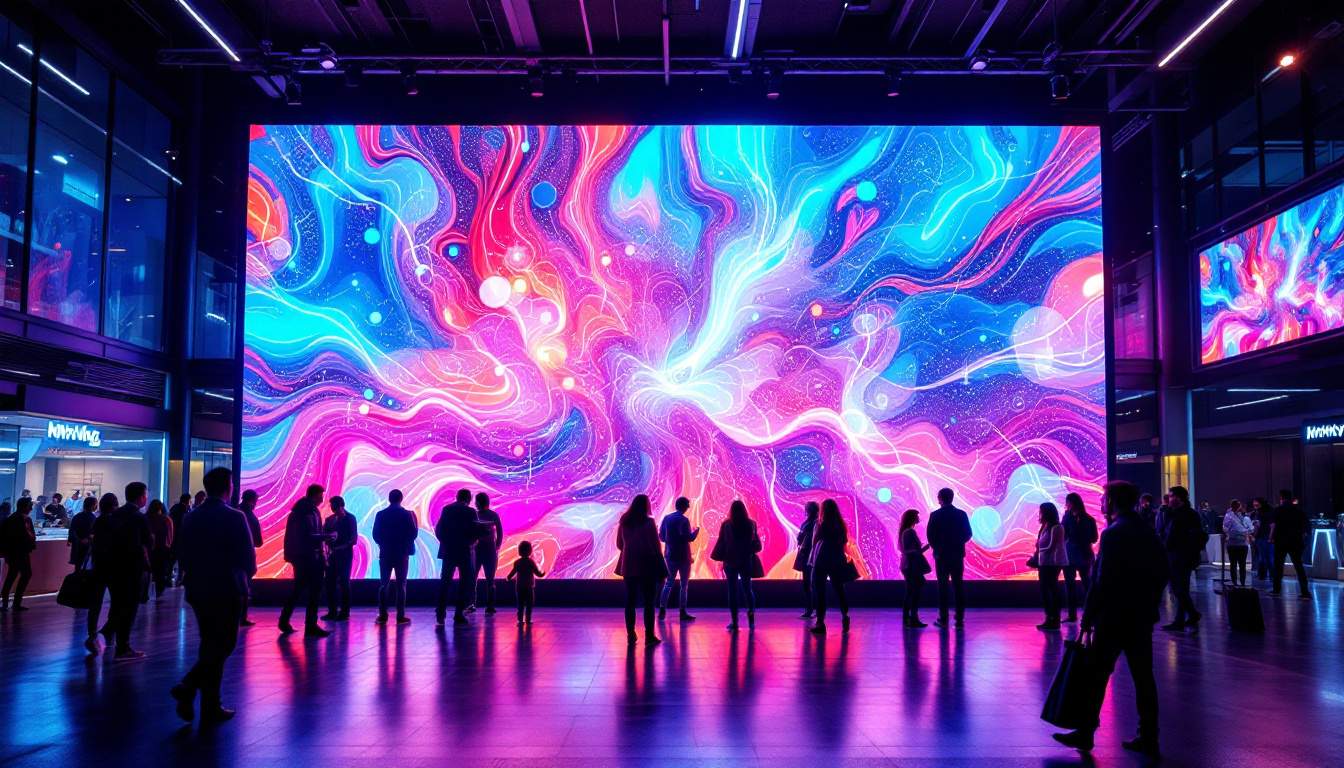
In indoor environments, P4 LED screens are widely used for digital signage, corporate presentations, retail displays, and event backdrops. Their pixel pitch is well-suited for venues such as shopping malls, conference halls, airports, and exhibition centers where viewers are typically located several meters away.
For example, retail stores leverage P4 LED displays to showcase promotional content with vibrant visuals that attract customer attention. Similarly, corporate offices use these screens for video conferencing, data visualization, and branding, enhancing communication effectiveness.
Outdoor Installations
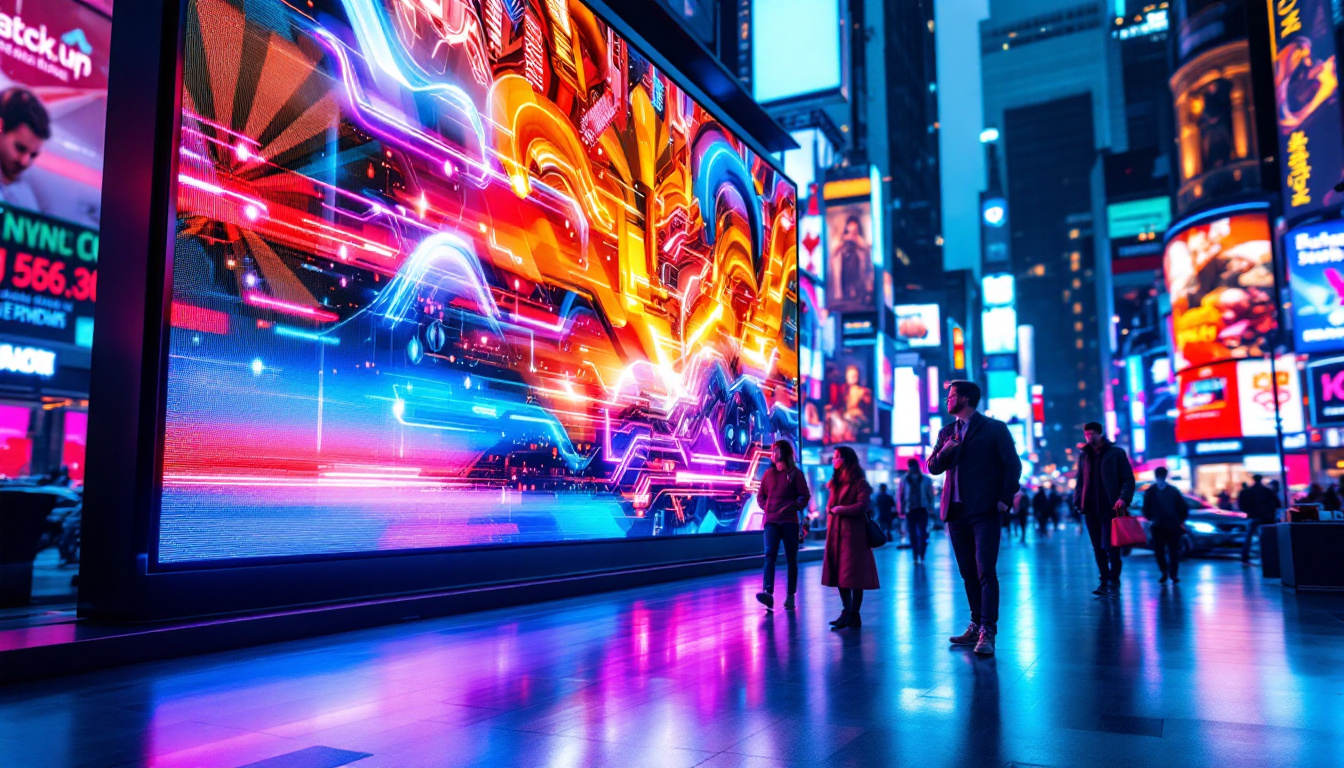
Outdoor P4 LED screens are designed with weatherproofing and enhanced brightness to withstand environmental challenges such as rain, dust, and sunlight. These screens are commonly installed on building facades, billboards, stadiums, and public squares.
One notable example is the use of P4 LED screens in sports arenas for live score updates, advertisements, and instant replays. Their ability to maintain visibility under bright daylight conditions makes them invaluable for outdoor advertising campaigns and public information displays.
Events and Entertainment
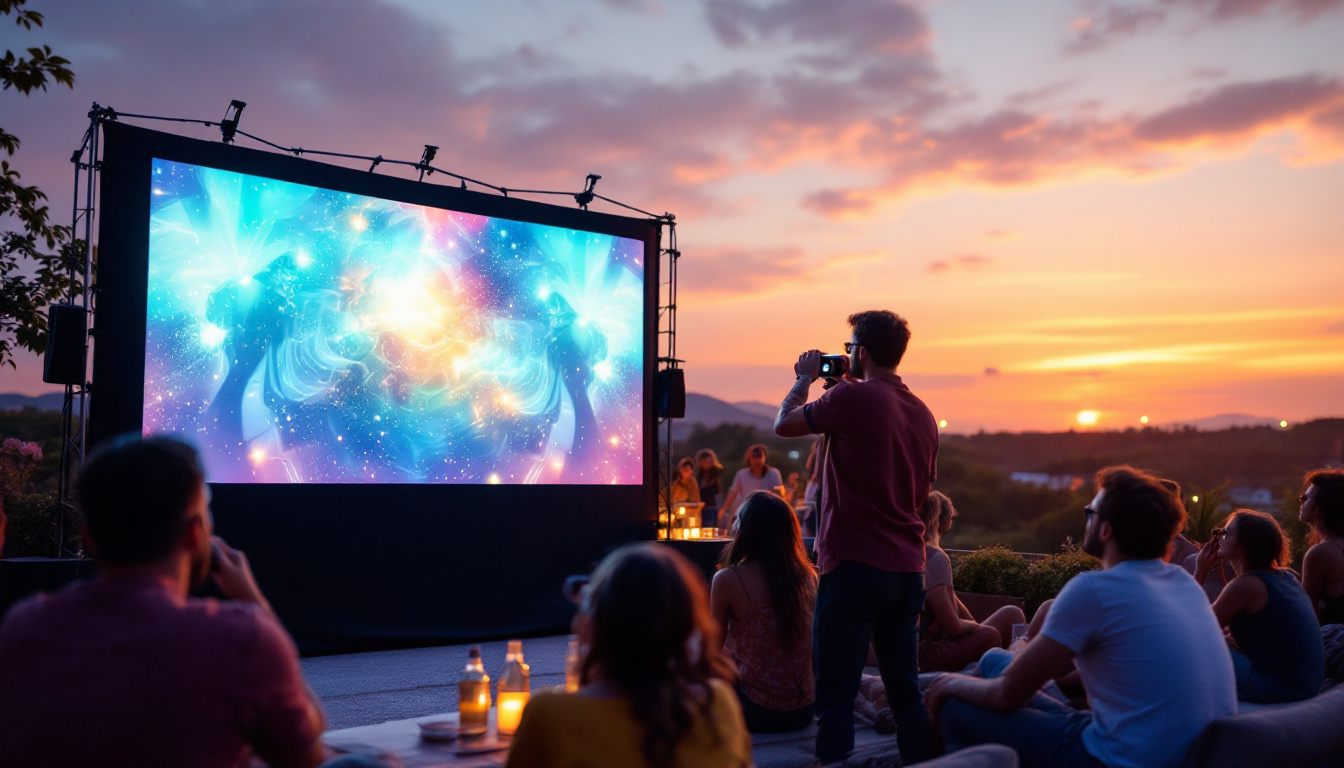
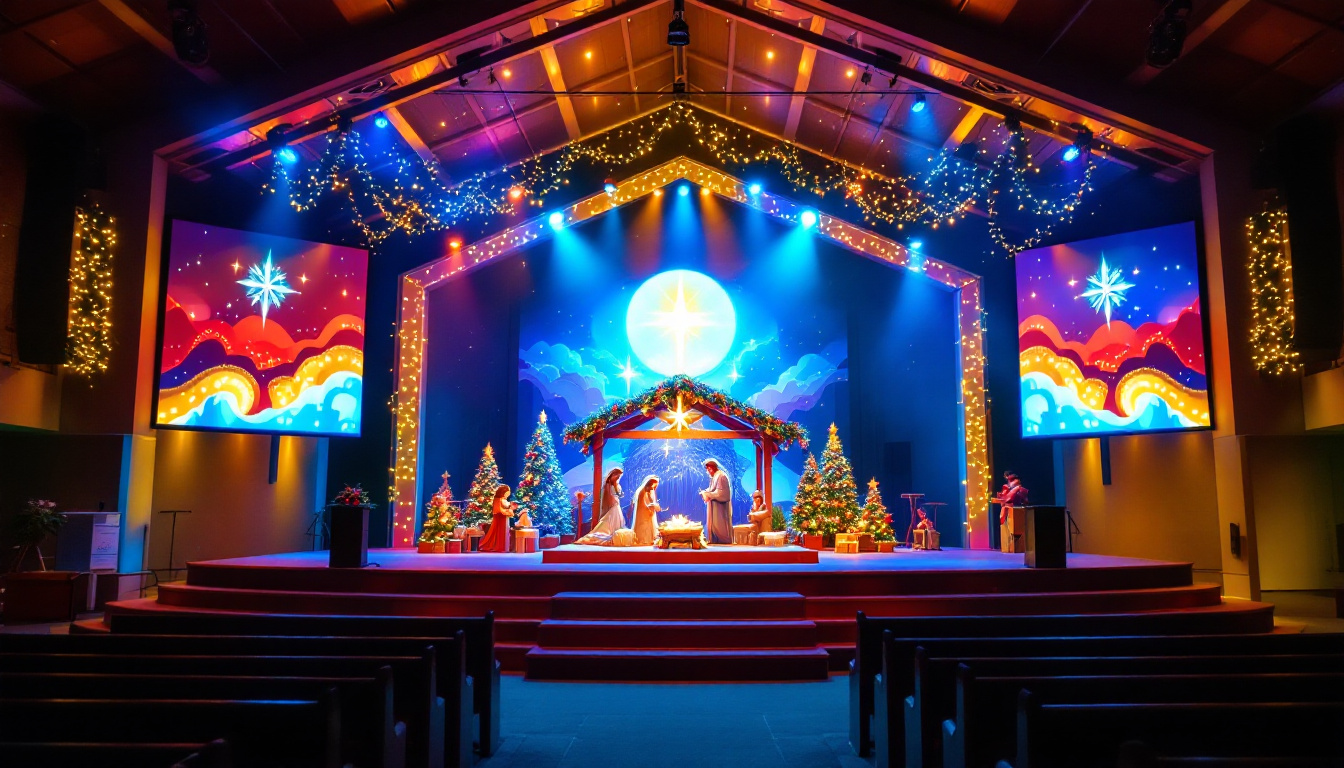
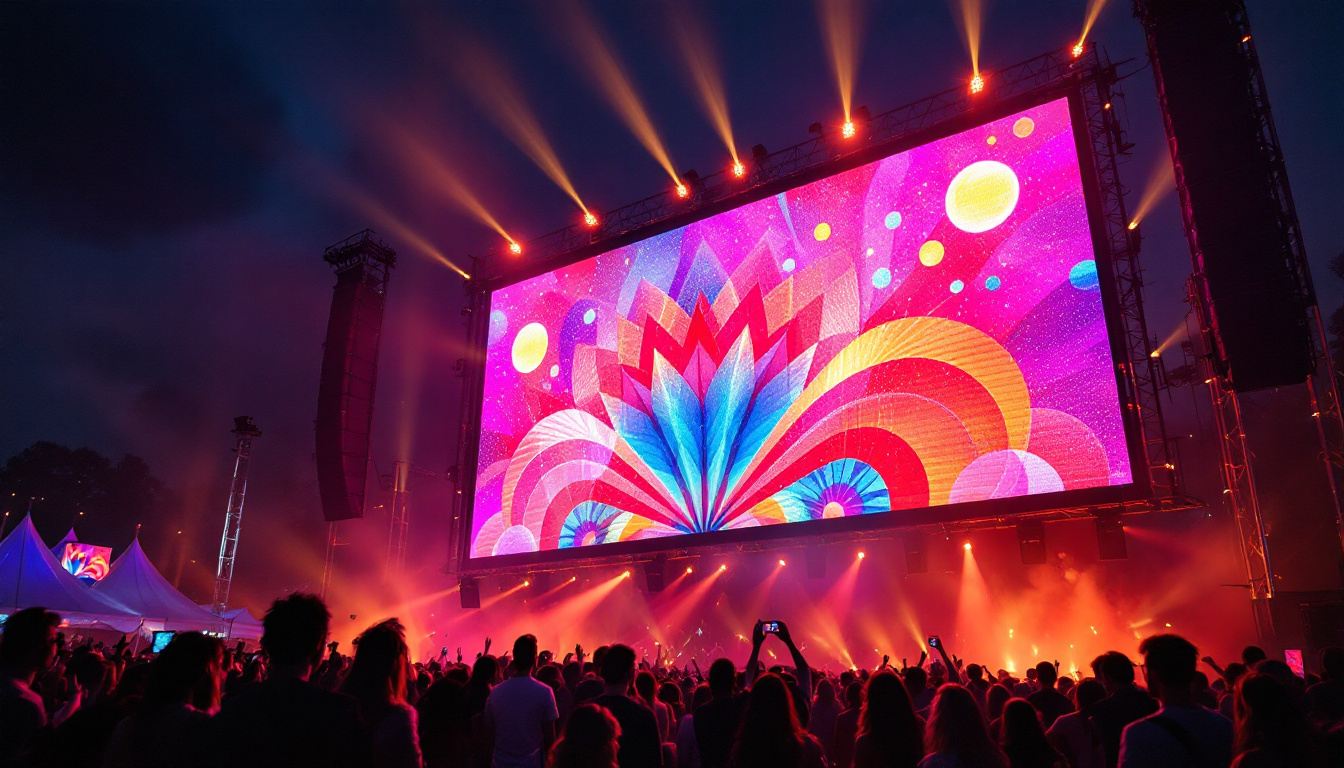
Concerts, festivals, and trade shows frequently employ P4 LED screens to create immersive visual experiences. The modular nature of these displays allows for creative configurations, including curved or irregular shapes, enhancing stage design and audience engagement.
Moreover, the high refresh rate and color accuracy ensure that live video feeds and special effects are rendered smoothly, contributing to the overall production quality.
Advantages and Considerations When Choosing a P4 LED Screen
Benefits of P4 LED Technology
P4 LED screens offer several advantages that make them a versatile choice for many applications:
- Cost-Effectiveness: Compared to higher-resolution LED screens with smaller pixel pitches, P4 displays provide a good balance between image quality and price.
- Versatility: Suitable for both indoor and outdoor use, with customizable sizes and configurations.
- High Brightness and Visibility: Ensures clear viewing in various lighting environments, including direct sunlight.
- Durability: Designed to withstand environmental factors, especially in outdoor models.
- Energy Efficiency: Modern LED modules consume less power than traditional display technologies.
Potential Limitations
Despite their many benefits, P4 LED screens also have some limitations to consider:
- Viewing Distance: The 4mm pixel pitch means the screen is best viewed from 3 to 10 meters away. Closer viewing may reveal pixel structure.
- Installation Complexity: Large LED walls require professional installation and calibration to ensure uniform brightness and color.
- Initial Investment: While cost-effective relative to finer pitch screens, P4 LED displays still represent a significant upfront investment.
- Maintenance: LED modules may require occasional servicing or replacement, especially in outdoor environments.
Key Factors to Evaluate Before Purchasing a P4 LED Screen
Assessing Viewing Distance and Environment
Understanding the typical viewing distance is critical when selecting a P4 LED screen. For indoor applications where viewers are generally 4 meters or more away, P4 is ideal. However, if the audience will be closer, a screen with a smaller pixel pitch might be necessary to avoid visible pixelation.
Environmental conditions also play a role. Outdoor screens need to meet specific IP ratings (Ingress Protection) to resist water and dust. Confirming these specifications ensures longevity and performance under harsh weather.
Content Type and Resolution Requirements
The intended content influences the choice of LED display. For static images or text-based messaging, a P4 screen offers sufficient clarity. For high-definition video or detailed graphics, especially in close proximity, higher resolution screens may be preferred.
Additionally, consider the source content’s resolution. Feeding low-resolution content to a high-resolution screen will not improve image quality and may result in unnecessary costs.
Budget and Total Cost of Ownership
While the initial purchase price is important, evaluating the total cost of ownership (TCO) is essential. This includes installation, maintenance, energy consumption, and potential repairs over the screen’s lifespan.
Many providers offer leasing or rental options for P4 LED screens, which can be cost-effective for short-term events or seasonal campaigns.
Future Trends and Innovations in LED Display Technology
Increasing Resolution and Pixel Density
As LED manufacturing advances, pixel pitches continue to shrink, enabling even higher resolution displays. While P4 remains popular today, emerging technologies are pushing toward sub-2mm pitches for indoor use, delivering near-retina quality visuals.
However, the cost and complexity of ultra-fine pitch screens mean that P4 and similar mid-range pitches will remain relevant for many commercial and outdoor applications.
Improved Energy Efficiency and Sustainability
With growing emphasis on sustainability, LED manufacturers are focusing on reducing power consumption and using eco-friendly materials. Innovations such as dynamic brightness adjustment and improved heat dissipation contribute to longer screen lifespans and lower operating costs.
Additionally, recycling programs for LED modules are becoming more common, addressing environmental concerns associated with electronic waste.
Integration with Smart Technologies
Modern LED screens increasingly incorporate smart features, including remote monitoring, real-time content updates, and integration with IoT devices. These capabilities allow for more dynamic and interactive displays, enhancing user engagement and operational efficiency.
For example, digital billboards can automatically adjust content based on weather, time of day, or audience demographics, maximizing advertising effectiveness.
Conclusion
P4 LED screens represent a versatile and effective solution for a wide range of display needs, balancing resolution, brightness, and cost. Their modular design, high visibility, and adaptability make them suitable for indoor and outdoor environments, from retail and corporate settings to large-scale events and public installations.
When considering a P4 LED screen, it is important to evaluate viewing distance, environmental conditions, content requirements, and budget to ensure the chosen display meets specific needs. As LED technology continues to advance, P4 screens will maintain their relevance by offering a practical middle ground between ultra-high resolution and large-format visibility.
With ongoing innovations enhancing energy efficiency, smart integration, and image quality, LED displays like the P4 will continue to shape the future of digital communication and visual storytelling.
Discover LumenMatrix’s Innovative LED Display Solutions
Ready to elevate your visual storytelling and communication? Explore LumenMatrix’s comprehensive range of LED display solutions, from vibrant Indoor and Outdoor LED Wall Displays to dynamic Vehicle and Sports LED Displays. Each product is crafted with the latest technology to ensure maximum impact for your brand. Whether you need a Floor LED Display, a sleek LED Poster, or a Custom LED Display tailored to your unique requirements, LumenMatrix has the expertise to bring your vision to life. Check out LumenMatrix LED Display Solutions today and experience the future of digital signage.