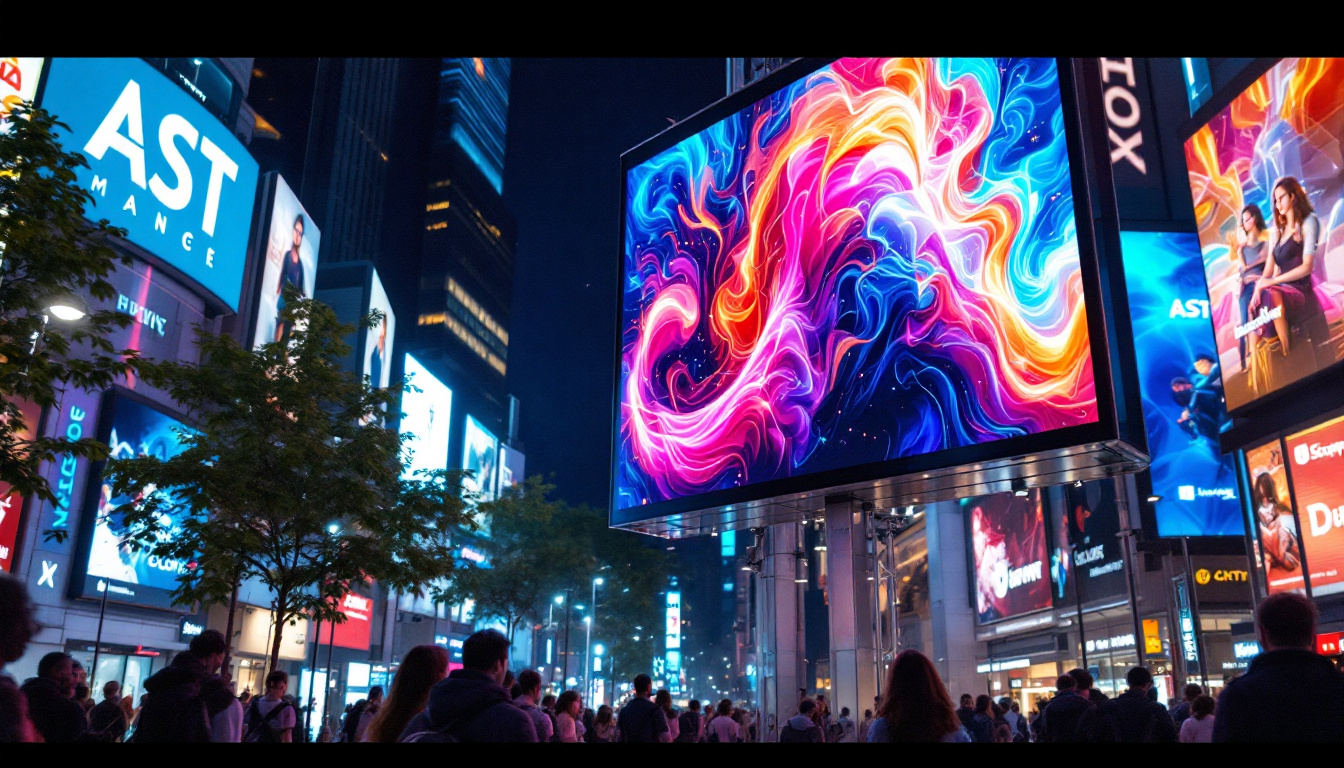
In the rapidly evolving world of digital signage and visual communication, LED walls have become a cornerstone technology. From massive outdoor advertising billboards to immersive indoor event displays, LED walls offer vibrant, dynamic visuals that captivate audiences. However, the cost of new LED walls can be prohibitive for many businesses and organizations. This has led to a growing interest in used LED walls as a cost-effective alternative.
This article delves into the fundamentals of LED display technology, explores the benefits and considerations of purchasing used LED walls, and offers practical guidance for making informed decisions. Whether you’re a business owner, event organizer, or technology enthusiast, understanding the nuances of used LED walls can help you leverage this powerful technology without breaking the bank.
Understanding LED Wall Technology
What is an LED Wall?
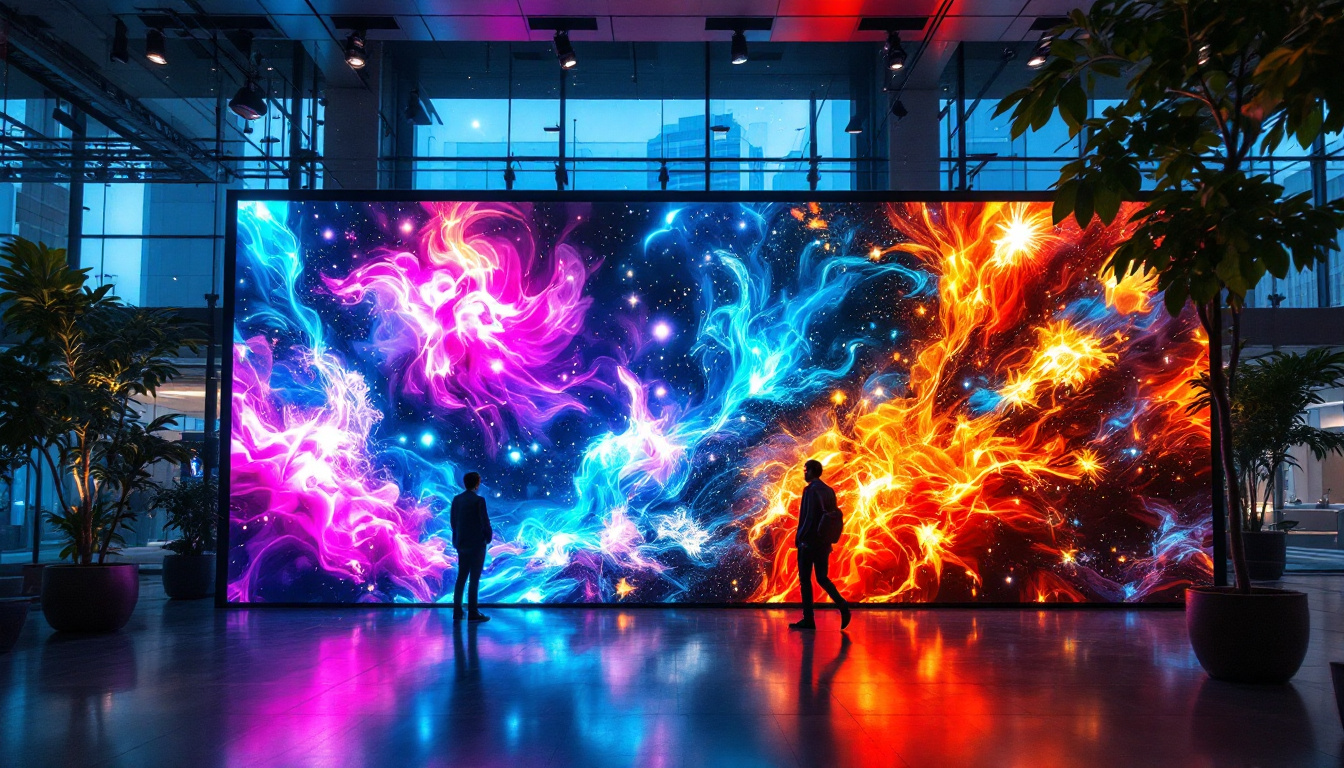
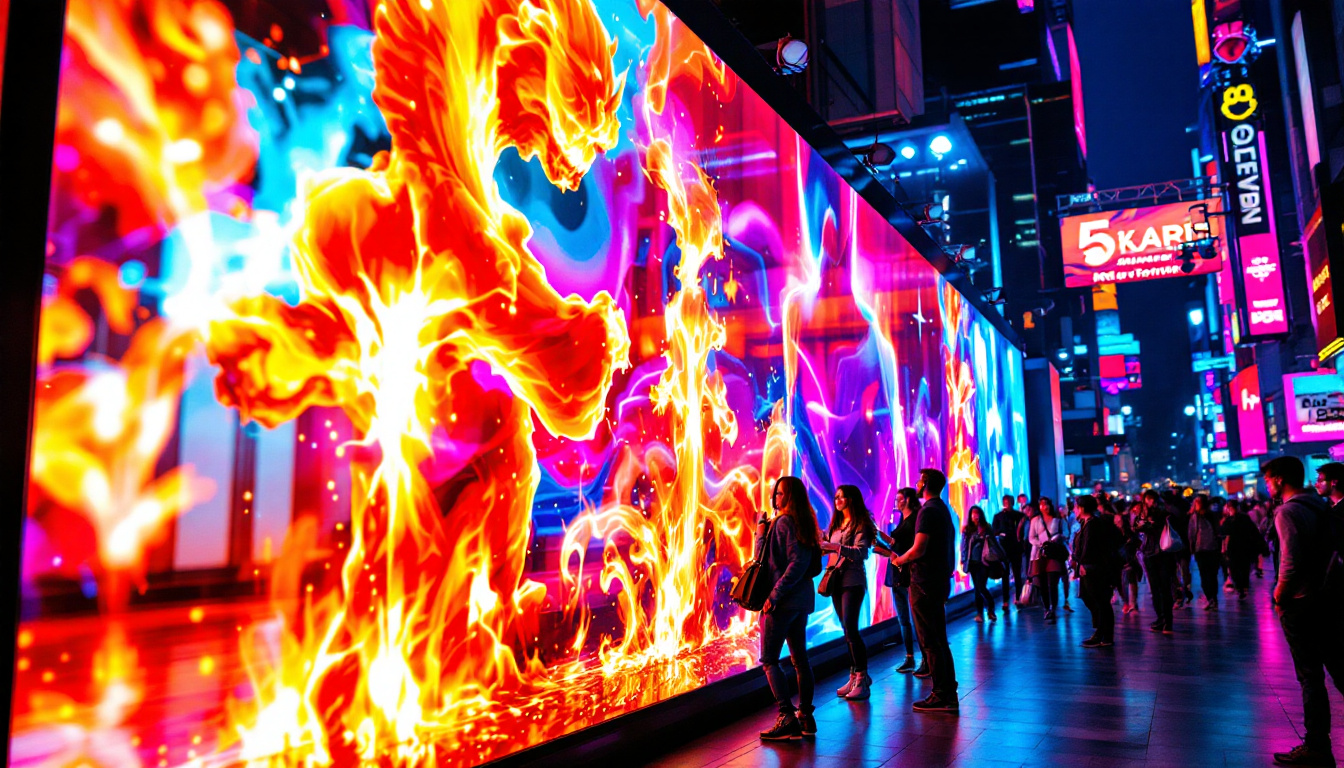
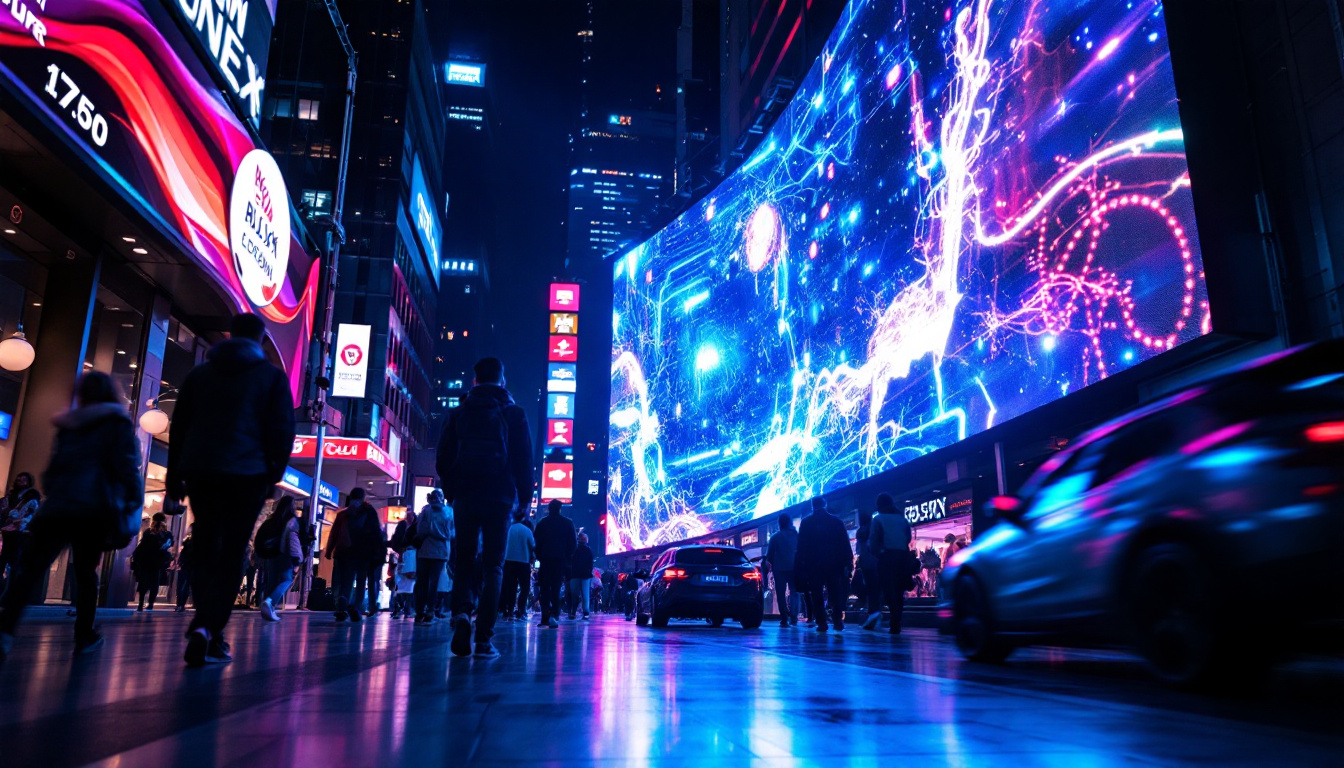
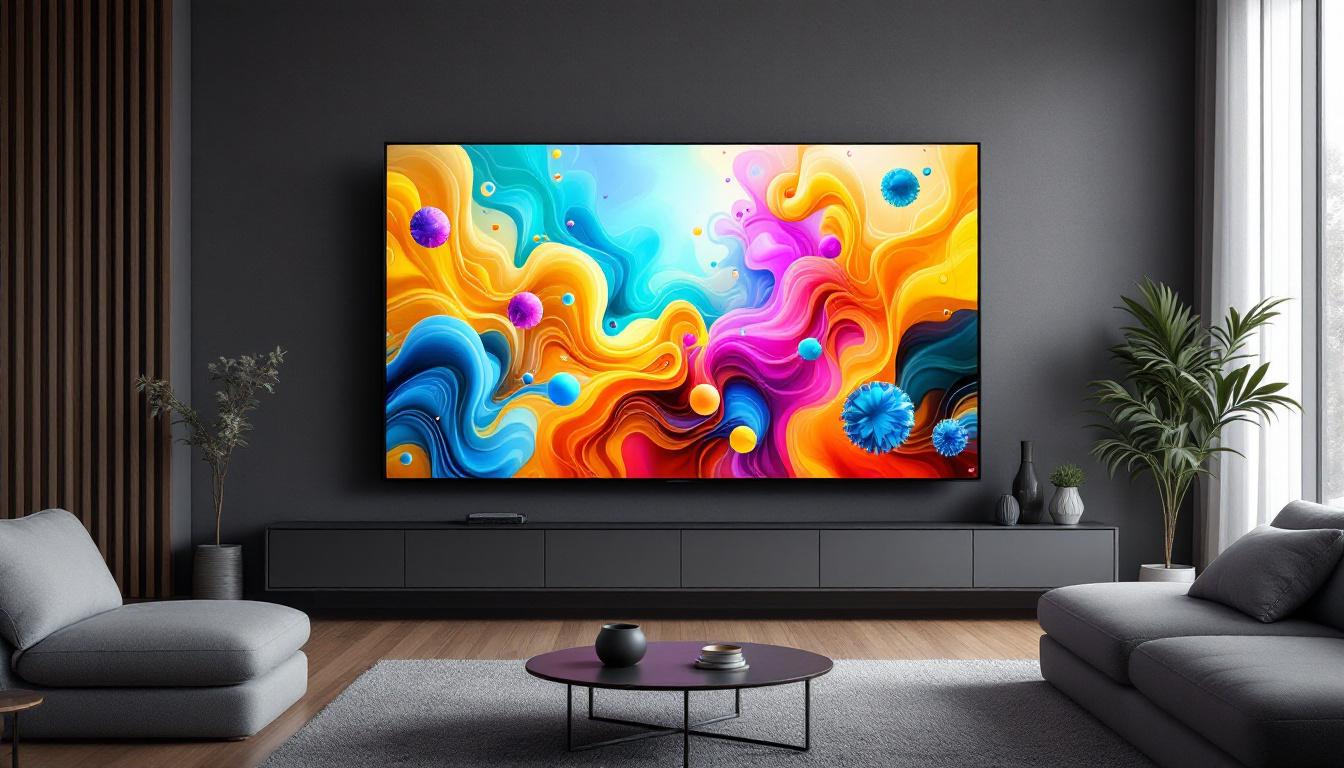
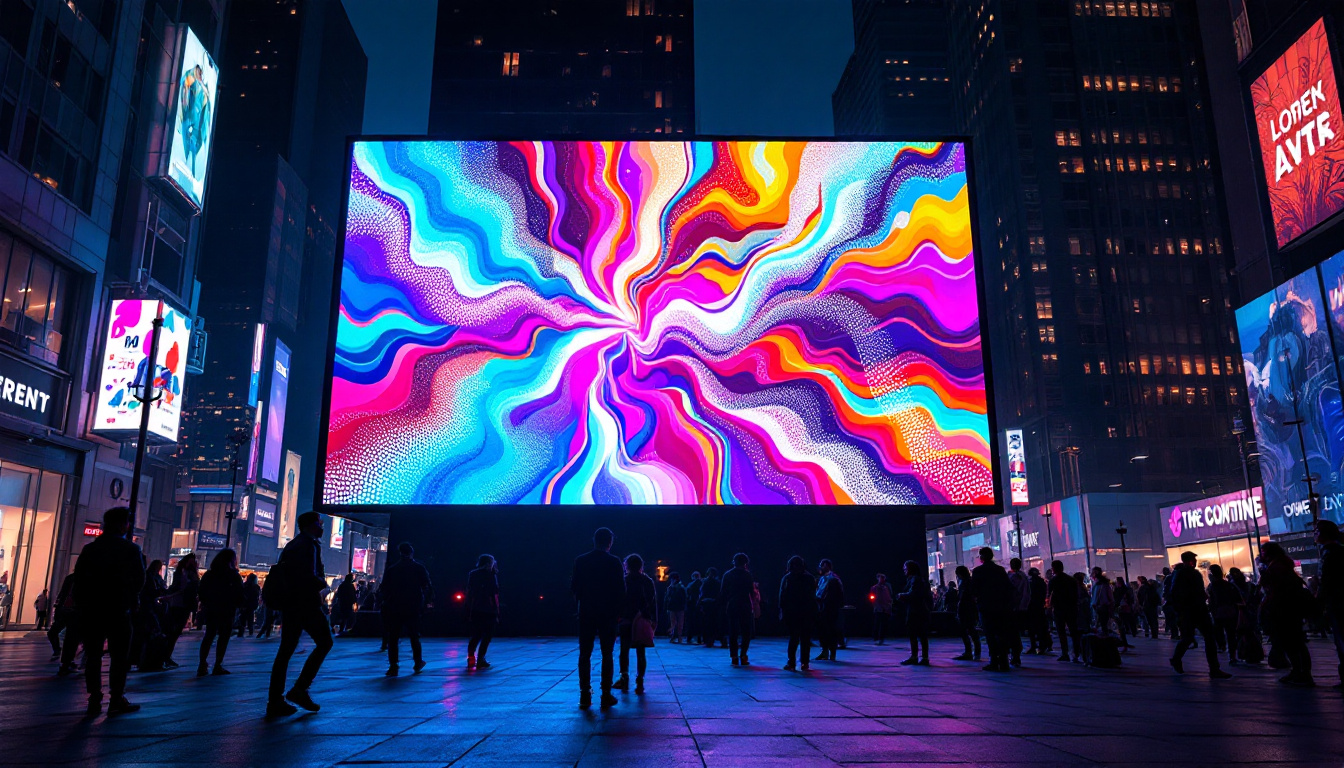
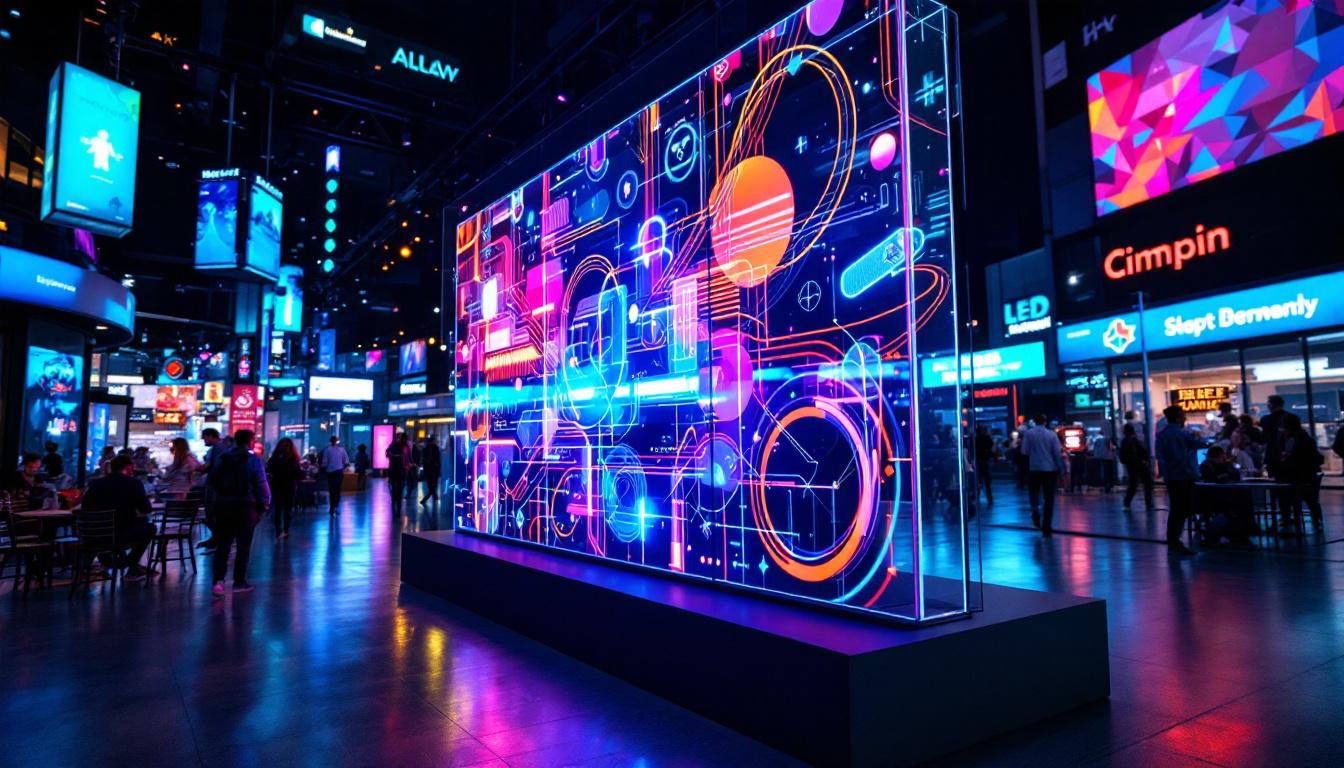
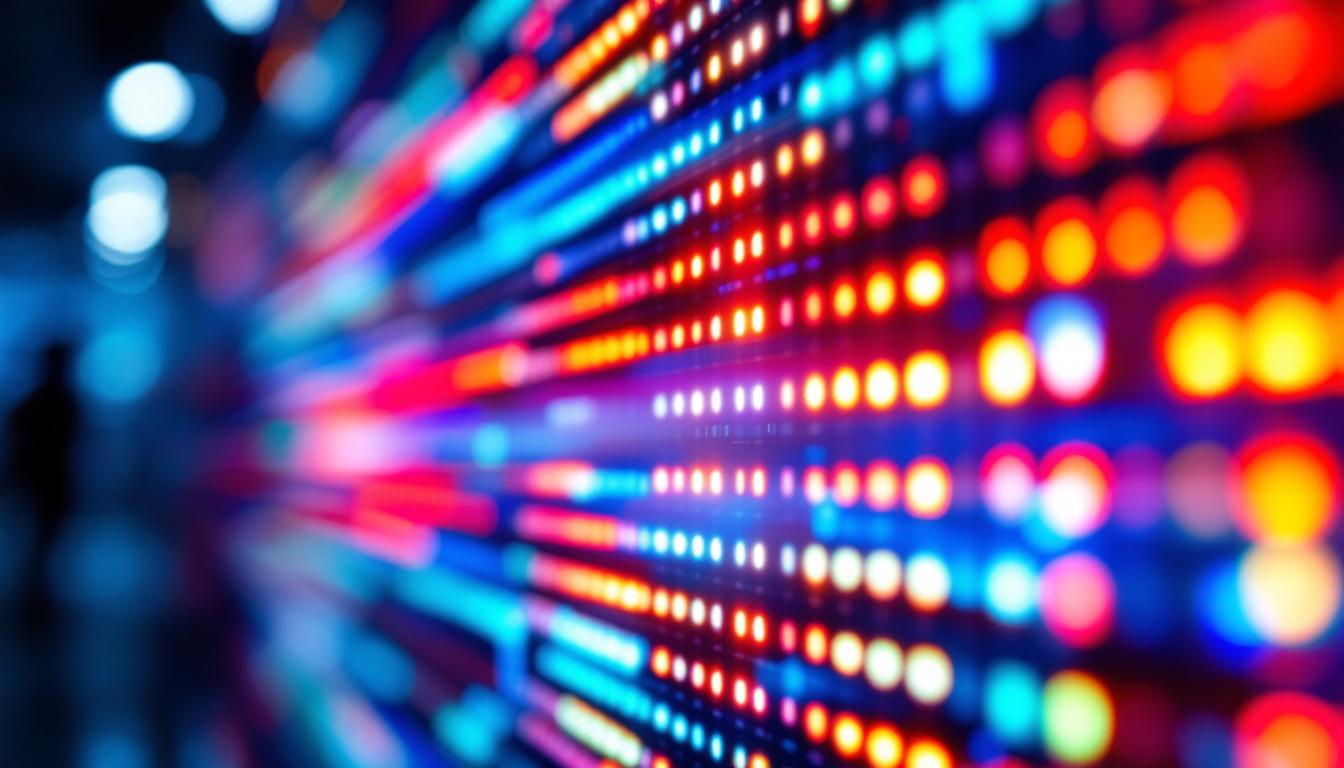
An LED wall is a large-scale display composed of numerous tiny light-emitting diodes (LEDs) arranged in a grid. Each LED acts as a pixel, collectively producing images and videos with exceptional brightness, color accuracy, and contrast. Unlike traditional LCD or projection screens, LED walls emit their own light, making them highly visible even in bright outdoor environments.
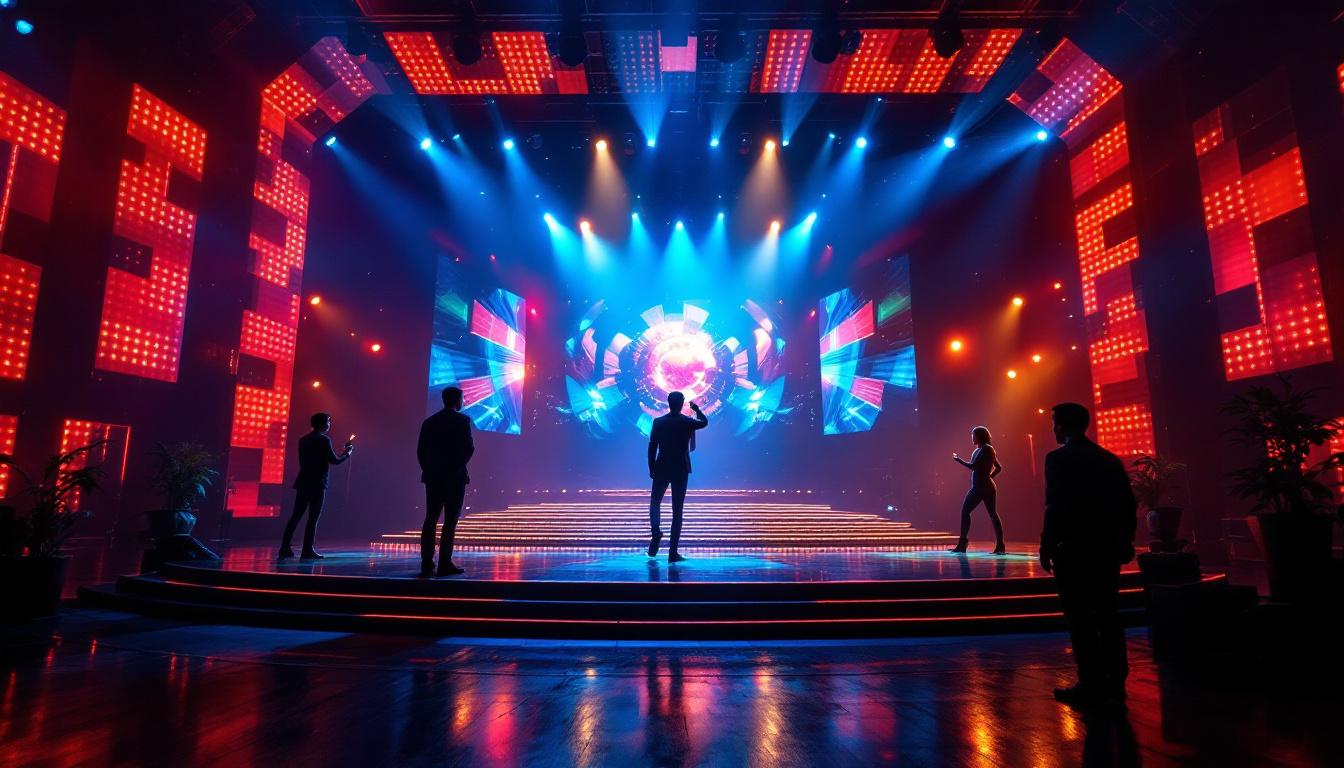
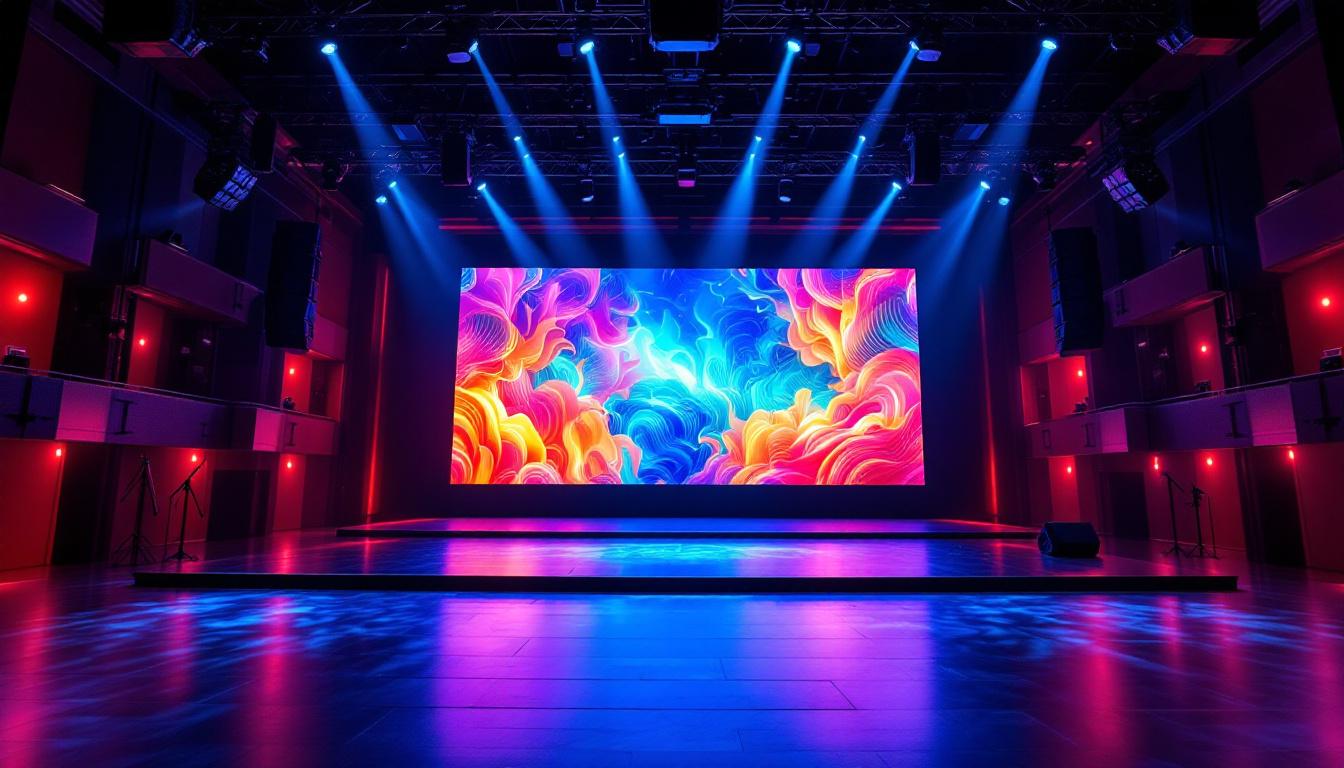
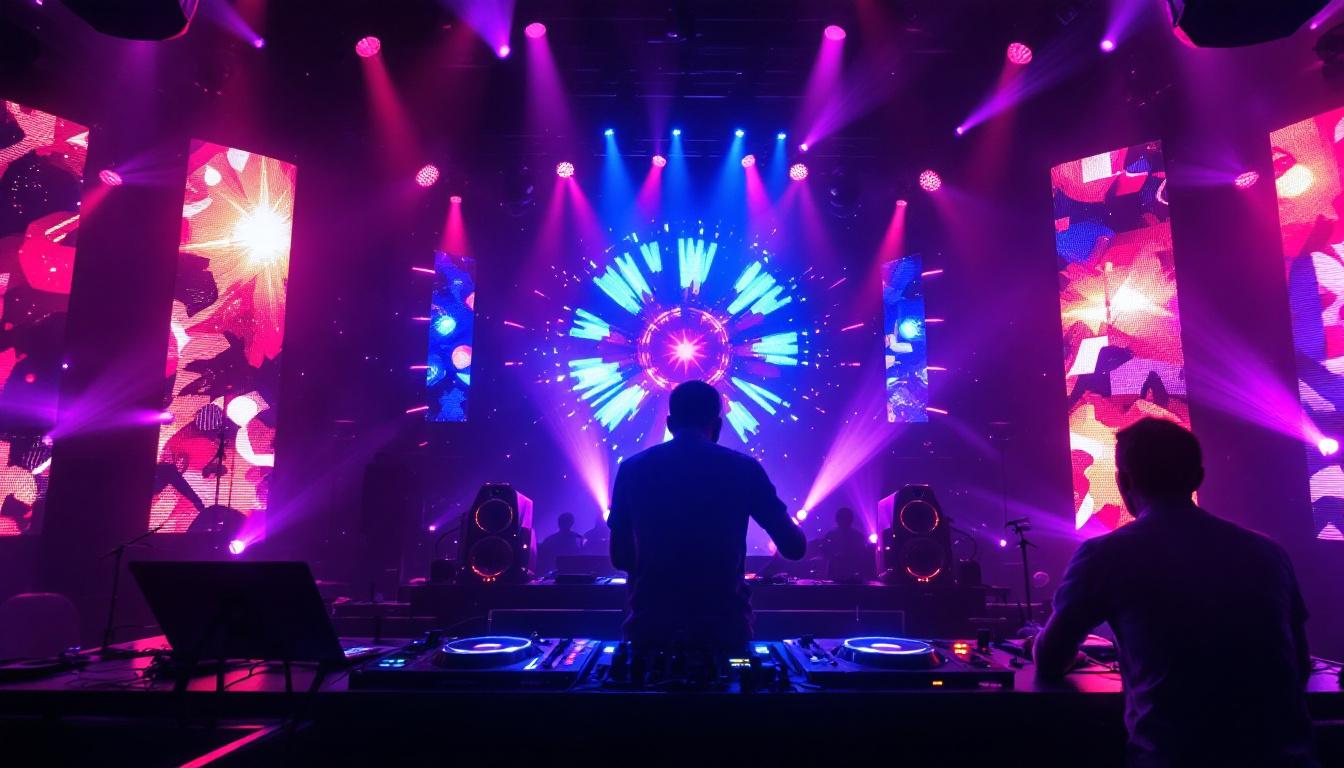
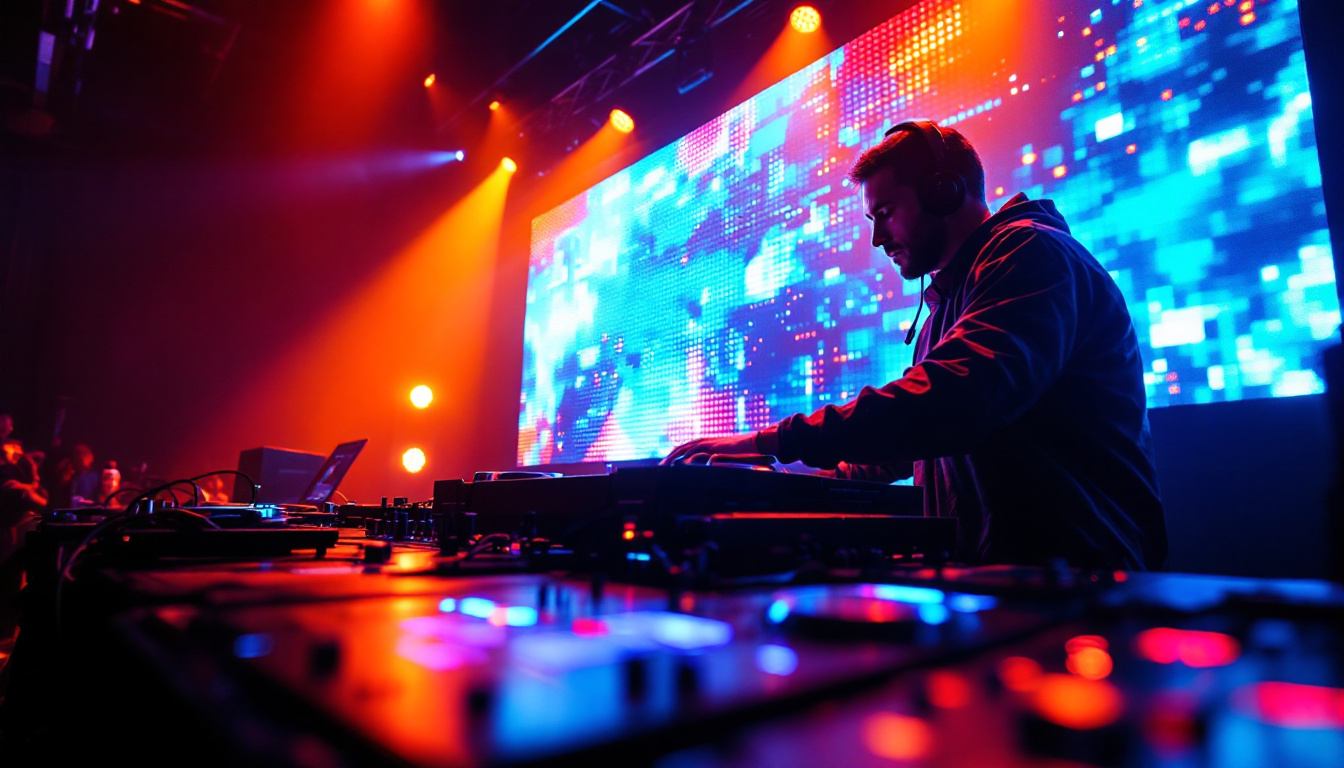
LED walls are modular, meaning they are built from multiple panels or cabinets that can be combined to create displays of various sizes and shapes. This flexibility allows for seamless scalability, from small indoor screens to colossal outdoor installations spanning hundreds of square meters. Their versatility makes them ideal for a wide range of applications, including concerts, sports events, advertising, and corporate presentations. The ability to customize the size and configuration of an LED wall means that they can fit into virtually any space, making them a popular choice for both temporary setups and permanent installations.
Key Components and Specifications
Several technical aspects define the quality and performance of an LED wall:
- Pixel Pitch: The distance between the centers of two adjacent pixels, usually measured in millimeters. A smaller pixel pitch means higher resolution and sharper images, especially important for close viewing distances.
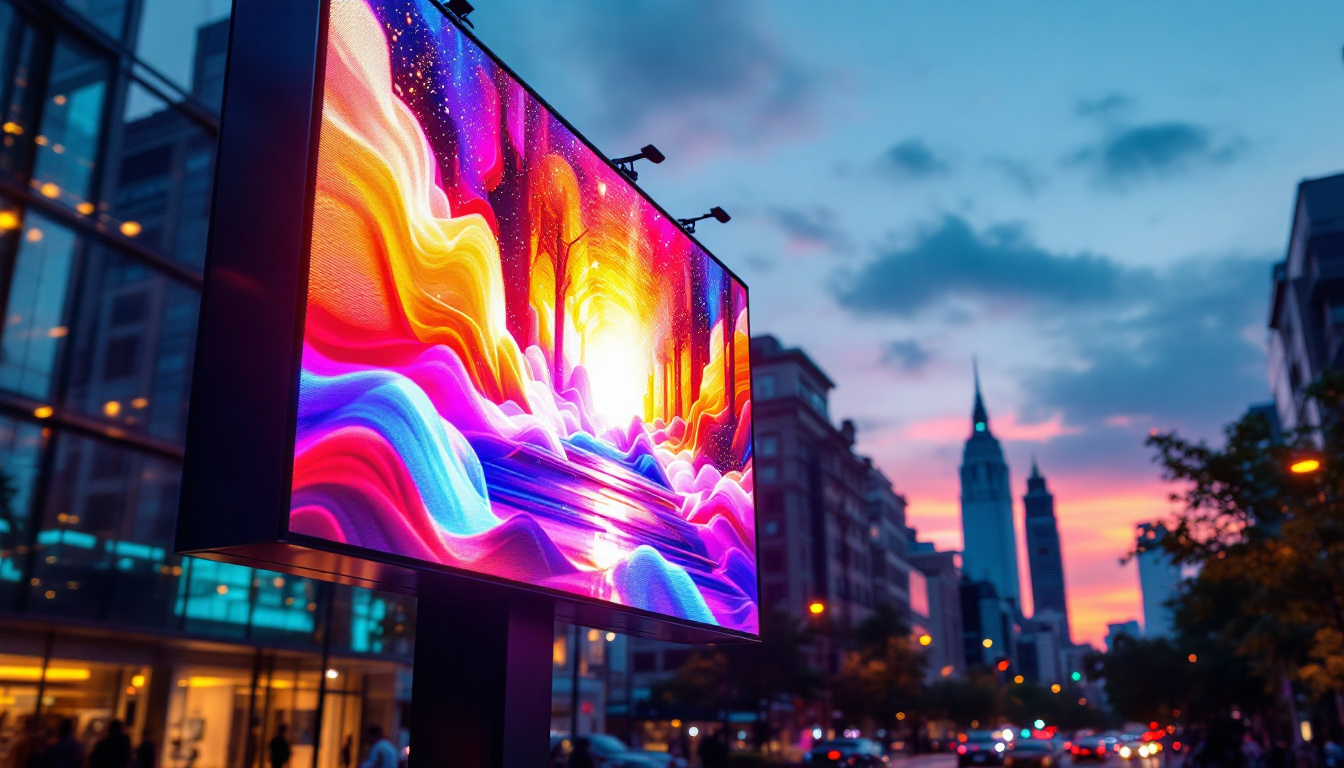
- Brightness: Measured in nits (cd/m²), brightness determines how well the display performs under various lighting conditions. Outdoor LED walls typically require brightness levels above 5,000 nits to remain visible in sunlight.
- Refresh Rate: The frequency at which the display updates its image, measured in Hertz (Hz). Higher refresh rates reduce flicker and improve video smoothness, critical for live broadcasts and fast-moving content.
- Color Accuracy and Bit Depth: These affect the vibrancy and fidelity of colors displayed. Higher bit depth allows for more color gradations, enhancing image realism.
Understanding these specifications is essential when evaluating both new and used LED walls to ensure they meet your visual and operational requirements. Additionally, the choice of LED technology—such as SMD (Surface-Mounted Device) versus DIP (Dual In-line Package)—can significantly impact the display’s performance in different environments. SMD technology is often favored for its superior color blending and wide viewing angles, making it ideal for indoor applications, while DIP technology is typically more robust for outdoor use, providing better durability against the elements.
Furthermore, the integration of advanced features like smart technology and remote management capabilities is becoming increasingly common in modern LED walls. These innovations allow users to control and monitor displays remotely, adjust settings in real-time, and even schedule content playback. As a result, LED walls are not just static displays; they are dynamic tools that can adapt to various contexts and audiences, enhancing engagement and interaction in ways that traditional screens cannot.
The Appeal of Used LED Walls
Cost-Effectiveness and Budget Considerations
One of the primary reasons organizations consider used LED walls is the significant cost savings. New LED walls can cost anywhere from $1,000 to $3,000 per square meter, depending on resolution and quality. In contrast, used LED walls often come at a fraction of the price, sometimes 30-50% less, making high-quality digital displays accessible to smaller businesses and startups.
For events, temporary installations, or projects with limited budgets, purchasing used LED panels can be a strategic decision that balances performance with affordability.
Availability and Rapid Deployment
Used LED walls are often available for immediate purchase and delivery, which is advantageous when project timelines are tight. New LED walls may require manufacturing lead times of several weeks or months, especially for custom sizes or specifications.
Moreover, many used LED walls come from recent generation models that still offer modern features and excellent performance, allowing buyers to deploy cutting-edge technology quickly.
Environmental Impact and Sustainability
Buying used technology contributes to sustainability by extending the lifecycle of electronic components and reducing electronic waste. In an era where corporate social responsibility and environmental consciousness are increasingly important, opting for used LED walls aligns with green business practices.
Risks and Considerations When Buying Used LED Walls
Assessing Condition and Performance
Unlike new LED walls, used units may have varying degrees of wear and tear. It is crucial to thoroughly inspect the physical condition of the panels, including checking for dead pixels, discoloration, and structural integrity. Additionally, verify that the brightness and color uniformity meet your standards.
Requesting a demonstration or sample test can help identify issues that might not be apparent from photos or descriptions alone. Some vendors offer refurbished LED walls with warranties, which can provide additional peace of mind.
Compatibility and Technical Support
Used LED walls may come from different manufacturers or older product lines, potentially complicating integration with existing control systems or software. Ensure that the display’s control hardware and software are compatible with your current setup or that you are prepared to invest in necessary upgrades.
Technical support and spare parts availability are other important factors. Established vendors with a track record of servicing used LED walls can offer ongoing maintenance and troubleshooting assistance.
Installation and Operational Costs
While the initial purchase price of a used LED wall is lower, installation costs can vary depending on the condition and complexity of the system. Used panels may require recalibration, repairs, or additional accessories to function optimally.
Energy consumption should also be considered. Older LED panels might be less energy-efficient compared to newer models, potentially increasing operational costs over time.
How to Choose the Right Used LED Wall
Define Your Use Case and Requirements
Start by clearly outlining the purpose of the LED wall. Will it be used indoors or outdoors? What is the typical viewing distance? What types of content will be displayed? These factors influence the ideal pixel pitch, brightness, and resolution.
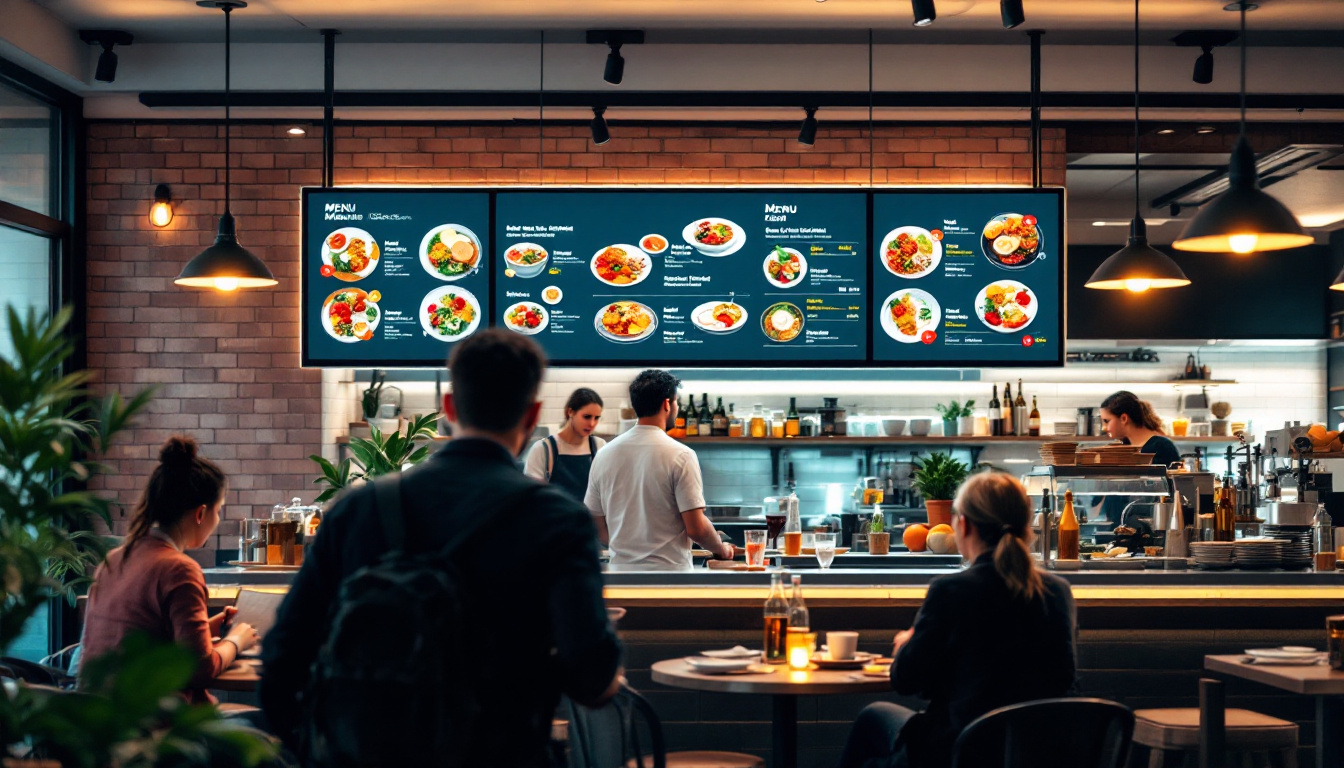
For example, an indoor retail display viewed from a few meters requires a much finer pixel pitch (1.5-2.5mm) compared to a large outdoor billboard viewed from a distance (10mm or more).
Evaluate Vendor Reputation and Warranty Options
Purchasing from reputable vendors who specialize in used LED walls reduces the risk of fraud or substandard products. Look for companies that provide detailed product histories, testing reports, and warranty coverage.
Some vendors offer refurbished LED walls that have been professionally serviced and come with limited warranties, which can be a valuable safeguard.
Inspect and Test Before Purchase
If possible, arrange an in-person inspection or request a live demonstration. Check for uniform brightness, color consistency, and the presence of any dead or stuck pixels.
Ask about the panel’s age, previous usage conditions, and any repairs or refurbishments performed. The more information you gather, the better your decision-making will be.
Plan for Installation and Maintenance
Ensure you have access to qualified technicians who can install, calibrate, and maintain the LED wall. Proper installation is critical to achieving optimal performance and longevity.
Discuss maintenance plans and the availability of replacement parts to avoid costly downtime in the future.
Case Studies: Successful Use of Used LED Walls
Retail Chain Enhances Customer Experience
A mid-sized retail chain upgraded its in-store digital signage by purchasing used LED walls with a 2.5mm pixel pitch. The cost savings allowed them to outfit multiple locations with high-resolution displays, enhancing promotional campaigns and customer engagement. The vendor provided a one-year warranty and on-site support, ensuring smooth installation and operation.
Event Production Company Expands Capabilities
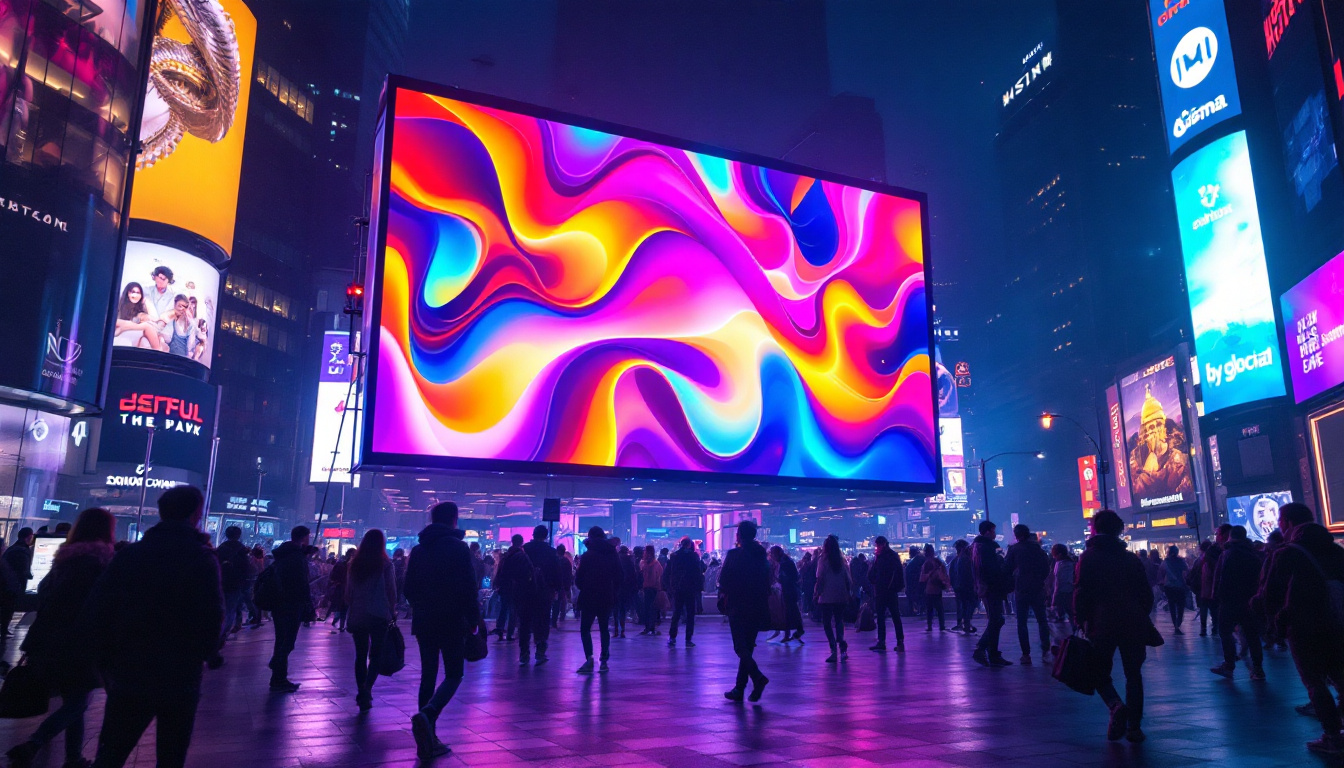
An event production company acquired several used outdoor LED panels with 10mm pixel pitch to expand its inventory for concerts and festivals. The panels were refurbished and tested before purchase, enabling rapid deployment for multiple events. This investment improved the company’s competitive edge by offering larger and more visually impactful displays at a lower cost.
Corporate Office Implements Sustainable Signage
A multinational corporation replaced aging LCD displays in its headquarters with used LED walls sourced from a reputable vendor. This move reduced electronic waste and energy consumption while delivering brighter, more dynamic content. The company highlighted this initiative as part of its sustainability goals, demonstrating environmental responsibility to stakeholders.
Future Trends in LED Wall Technology
Advancements in Pixel Density and Resolution
LED technology continues to evolve rapidly, with pixel pitches shrinking below 1mm for indoor applications. This ultra-fine pitch enables stunningly detailed visuals, rivaling traditional LCD displays while maintaining the brightness and scalability advantages of LEDs.
Integration with Smart Technologies
Modern LED walls are increasingly integrated with IoT (Internet of Things) and AI-driven content management systems. This allows for dynamic, data-driven displays that can adapt content in real-time based on audience demographics, weather, or other variables.
Energy Efficiency and Sustainability
Newer LED panels are designed to consume less power without compromising brightness or color quality. Innovations in materials and manufacturing processes are also reducing the environmental impact of LED wall production and disposal.
Conclusion
Used LED walls present a compelling option for organizations seeking high-impact visual displays without the expense of new equipment. By understanding the technology, carefully evaluating condition and compatibility, and choosing reputable vendors, buyers can enjoy the benefits of LED walls while managing costs and sustainability.
As LED technology advances and market options expand, used LED walls will continue to play a vital role in digital signage, events, and corporate communications. With proper due diligence and planning, investing in a used LED wall can be a smart, strategic move that elevates your visual presence and engages your audience effectively.
Discover LumenMatrix’s Innovative LED Solutions
Ready to elevate your visual experience with a high-impact LED display? LumenMatrix is at the forefront of LED technology, offering a diverse range of solutions tailored to your needs. Whether you’re looking for Indoor, Outdoor, Vehicle, Poster, Sports, Floor, Custom, All-in-One, or Transparent LED Displays, we have the expertise to bring your vision to life. Embrace the future of visual communication and captivate your audience with our cutting-edge displays. Check out LumenMatrix LED Display Solutions today and see how we can enhance your brand visibility and create unforgettable visual experiences.