In the rapidly evolving world of digital displays, LED technology has become a cornerstone for visual communication. While large LED screens dominate stadiums, billboards, and concert venues, small LED screens are equally transformative in various industries. This article delves into the intricacies of small LED screens, explaining their technology, applications, advantages, and what makes them indispensable in today’s digital landscape.
Understanding Small LED Screens: Technology and Components
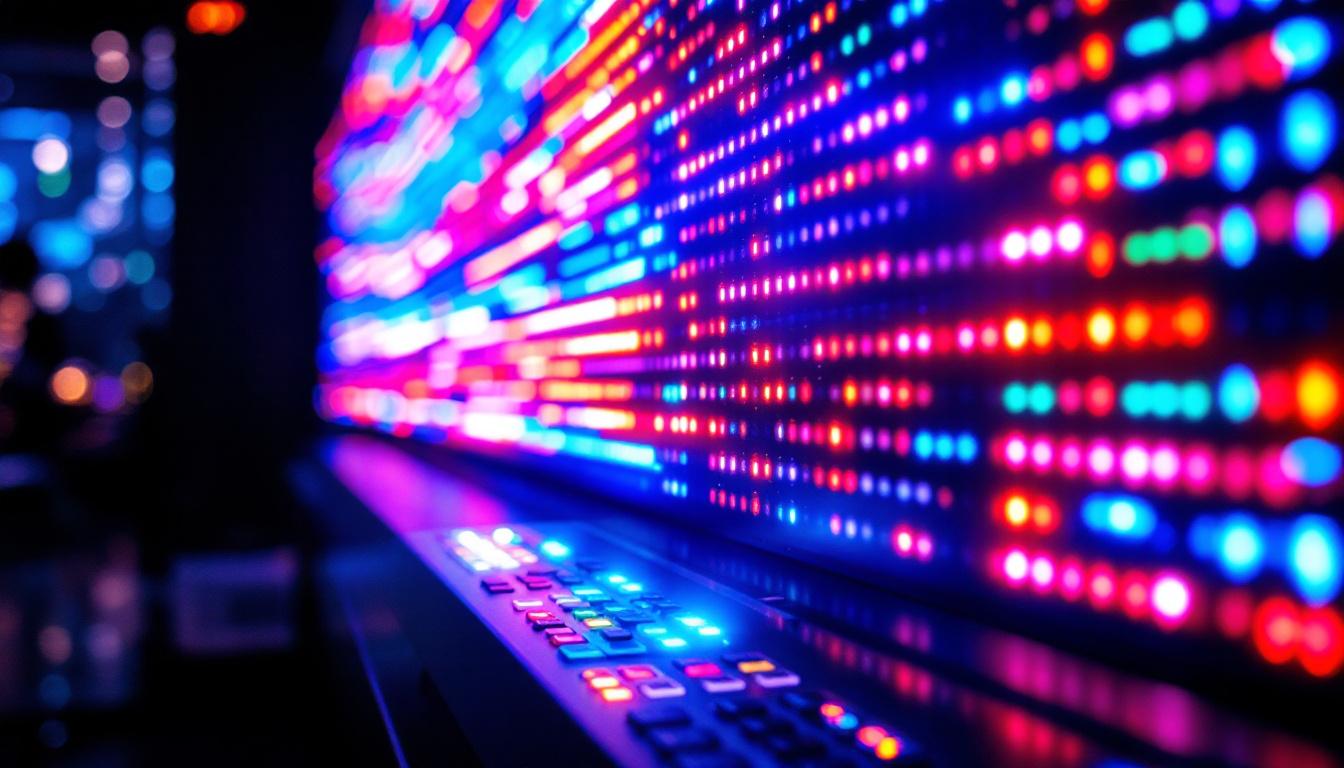
Small LED screens, often referred to as mini LED displays or compact LED panels, are digital screens composed of light-emitting diodes (LEDs) arranged in a matrix. Unlike traditional LCDs or OLEDs, LED screens use discrete diodes as individual pixels, which emit light directly, resulting in superior brightness and contrast.
At the core of these displays are tiny LEDs, sometimes as small as 0.5 millimeters in pitch (the distance between the centers of two adjacent LEDs). The smaller the pitch, the higher the pixel density, which translates to sharper images and finer detail. Small LED screens typically range from pixel pitches of 0.5 mm to 2 mm, making them ideal for close-up viewing scenarios such as retail signage, control rooms, and medical devices.
The construction of a small LED screen involves several key components:
- LED Modules: These are the building blocks containing clusters of LEDs arranged in a grid.
- Driver ICs: Integrated circuits that regulate the power and control the illumination of each LED.
- Control System: This includes the processing unit and software that manage image rendering and synchronization.
- Protective Housing: A casing that safeguards the delicate components and often includes heat dissipation elements.
Advancements in semiconductor manufacturing have enabled the production of increasingly smaller and more efficient LEDs, which has driven the proliferation of small LED screens across multiple sectors. These screens are not only energy-efficient but also provide a longer lifespan compared to traditional display technologies, making them a cost-effective solution for businesses and consumers alike.
Moreover, the versatility of small LED screens allows them to be utilized in a variety of applications beyond just visual displays. For instance, in the realm of advertising, dynamic content can be showcased in real-time, allowing businesses to engage customers with tailored messages. In the medical field, small LED screens can be used for monitoring patient vitals in a clear and concise manner, ensuring that healthcare professionals have immediate access to critical information. Additionally, the lightweight and modular nature of these screens facilitates easy installation and maintenance, further enhancing their appeal in both permanent and temporary setups.
Applications of Small LED Screens
Small LED screens have found widespread use due to their versatility, brightness, and durability. Their compact size and high resolution make them suitable for a variety of applications where clarity and reliability are paramount.
Retail and Advertising
Retail environments leverage small LED screens for dynamic product displays, interactive signage, and promotional content. Unlike static posters, LED displays can be updated in real-time, allowing retailers to tailor messaging based on time of day, inventory, or customer demographics. For example, luxury brands use high-resolution small LED screens in window displays to showcase detailed product visuals that attract and engage shoppers. Additionally, small LED screens can be strategically placed at checkout counters to promote impulse buys or highlight loyalty programs, effectively enhancing the shopping experience and driving sales.
Healthcare and Medical Devices
In medical settings, small LED screens are integral to diagnostic equipment, patient monitoring systems, and surgical displays. Their high brightness and color accuracy are critical for displaying medical images such as X-rays, MRIs, and ultrasound scans. Moreover, the reliability and longevity of LED technology ensure that these devices perform consistently in demanding environments. Beyond diagnostics, small LED screens are also used in patient rooms to display vital information, entertainment options, or educational content, thereby improving patient engagement and comfort during their stay in healthcare facilities.
Control Rooms and Command Centers
Control rooms for utilities, transportation, and security rely on small LED screens to present real-time data and video feeds. The ability to customize screen size and resolution allows operators to monitor multiple information streams simultaneously with exceptional clarity. For instance, air traffic control centers use high-density LED displays to track aircraft movements with precision. Furthermore, these screens can be integrated with advanced analytics software, enabling operators to visualize complex data trends and respond swiftly to any anomalies, thereby enhancing overall operational efficiency and safety.
Wearable Technology and Consumer Electronics
Small LED screens are also embedded in wearable devices like smartwatches and fitness trackers. Their energy efficiency and brightness make them ideal for outdoor visibility and prolonged battery life. Additionally, consumer electronics such as digital cameras and handheld gaming consoles utilize small LED displays for user interfaces and content playback. The integration of small LED screens in these devices not only enhances user interaction through vibrant graphics but also supports features like touch sensitivity and gesture control, paving the way for more intuitive user experiences. As technology advances, we can expect to see even more innovative applications of small LED screens in emerging devices, further blurring the lines between functionality and design.
Advantages of Small LED Screens Over Other Display Technologies
When compared to LCD, OLED, and other display technologies, small LED screens offer several unique benefits that make them a preferred choice in many applications.
Superior Brightness and Visibility
LEDs emit their own light, enabling small LED screens to achieve brightness levels far exceeding those of LCDs, which rely on backlighting. This intrinsic brightness ensures excellent visibility even under direct sunlight or in brightly lit environments, a critical factor for outdoor advertising and industrial applications.
Enhanced Durability and Longevity
LEDs are solid-state devices with no filaments or fragile components, making small LED screens resistant to shock, vibration, and temperature fluctuations. Their lifespan often exceeds 50,000 hours, significantly longer than traditional display technologies. This durability reduces maintenance costs and downtime, especially in mission-critical environments.
Energy Efficiency
Small LED screens consume less power than comparable LCD or plasma displays, primarily because they do not require backlighting and can selectively illuminate pixels. This efficiency is particularly beneficial for battery-powered devices and large-scale installations where energy costs are a concern.
Flexible Design and Customization
Due to their modular nature, small LED screens can be configured into various shapes and sizes. This flexibility allows designers to create curved, irregular, or multi-panel displays tailored to specific spatial constraints or aesthetic requirements. Such adaptability is difficult to achieve with rigid LCD panels.
Key Considerations When Choosing a Small LED Screen
Selecting the right small LED screen depends on multiple factors tailored to the intended use case. Understanding these considerations helps ensure optimal performance and return on investment.
Pixel Pitch and Resolution
The pixel pitch directly affects the screen’s resolution and viewing distance. For applications requiring close viewing, such as handheld devices or control panels, a smaller pixel pitch (0.5 mm to 1 mm) is essential for crisp images. Conversely, for displays viewed from several meters away, a slightly larger pitch may suffice, balancing cost and clarity.
Brightness and Contrast Ratio
Brightness is measured in nits, with small LED screens typically ranging from 800 to over 2,000 nits. Higher brightness improves visibility in bright environments but can increase power consumption. Contrast ratio, the difference between the darkest black and brightest white, impacts image depth and color vibrancy. High contrast ratios are vital for detailed graphical content.
Color Accuracy and Refresh Rate
Accurate color reproduction is crucial for applications like medical imaging or retail displays where true-to-life visuals matter. Refresh rate, measured in Hertz (Hz), determines how smoothly motion appears on the screen. Higher refresh rates (above 60 Hz) reduce flicker and motion blur, enhancing the viewing experience.
Durability and Environmental Resistance
Depending on the installation environment, factors such as waterproofing, dust resistance, and operating temperature range must be considered. For outdoor or industrial use, screens with IP65 or higher ratings ensure protection against harsh conditions.
Connectivity and Control Options
Modern small LED screens offer various input interfaces including HDMI, DVI, and wireless connectivity. The control system should support seamless integration with existing hardware and software, enabling remote management and content scheduling.
Future Trends in Small LED Screen Technology
The small LED screen market continues to evolve, driven by advances in materials science, manufacturing techniques, and consumer demand. Several emerging trends are shaping the future of this technology.
Mini and Micro LED Innovations
Mini LED technology, which uses thousands of tiny LEDs as a backlight for LCD panels, is gaining traction for delivering improved contrast and brightness. Micro LED, an even smaller variant, involves direct emission from microscopic LEDs, promising OLED-like image quality with greater durability and efficiency. These innovations are expected to revolutionize small screen displays in smartphones, tablets, and wearables.
Integration with IoT and Smart Environments
Small LED screens are increasingly integrated into Internet of Things (IoT) ecosystems, enabling real-time data visualization and interactive experiences. Smart homes, factories, and cities utilize these displays for status updates, alerts, and personalized content delivery, enhancing connectivity and user engagement.
Advancements in Flexible and Transparent Displays
Research into flexible LED substrates is enabling bendable and foldable small LED screens, opening new possibilities for wearable tech and innovative product designs. Transparent LED displays, which can overlay digital content onto glass surfaces without obstructing views, are also becoming more viable for retail and architectural applications.
Conclusion
Small LED screens represent a dynamic and essential segment of the digital display industry. Their combination of brightness, durability, and flexibility makes them suitable for a wide range of applications from retail and healthcare to control rooms and consumer electronics. As technology advances, the capabilities and applications of small LED screens are set to expand further, offering even more immersive and efficient visual experiences.
Understanding the technical aspects, advantages, and use cases of small LED screens is crucial for businesses and professionals seeking to leverage this technology effectively. Whether for enhancing customer engagement, improving operational efficiency, or delivering critical information, small LED screens provide a powerful and adaptable solution in the modern digital age.
Explore Cutting-Edge LED Display Solutions with LumenMatrix
Ready to elevate your visual communication strategy with the latest in LED display technology? LumenMatrix is at the forefront of innovation, offering a diverse range of LED display modules designed to captivate and engage your audience. From Indoor and Outdoor LED Wall Displays to specialized solutions like Vehicle LED Displays, LED Sports Displays, and even Custom LED Displays, we have the tools to bring your brand to life. Experience the future of digital signage with our All-in-One LED Displays and LED Transparent Displays. Don’t miss out on the opportunity to transform your space and message. Check out LumenMatrix LED Display Solutions today and see the difference for yourself.