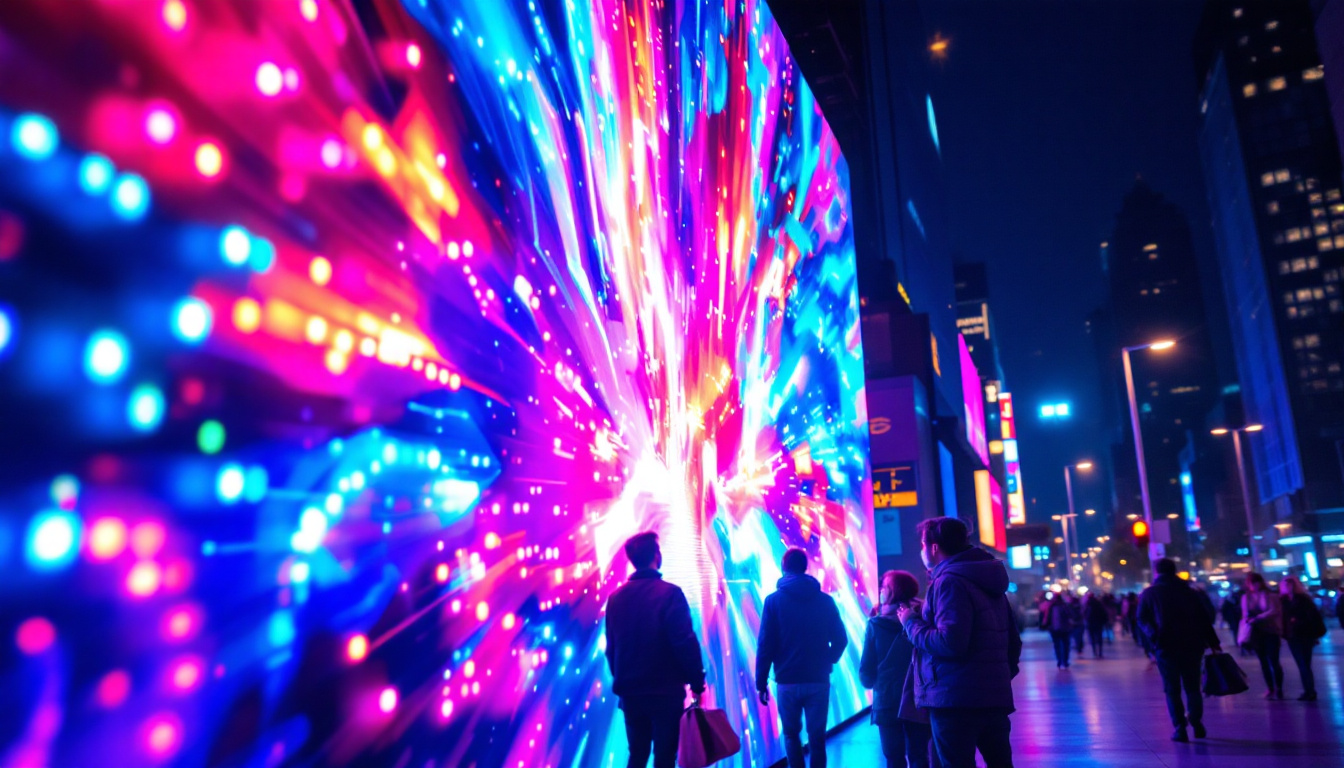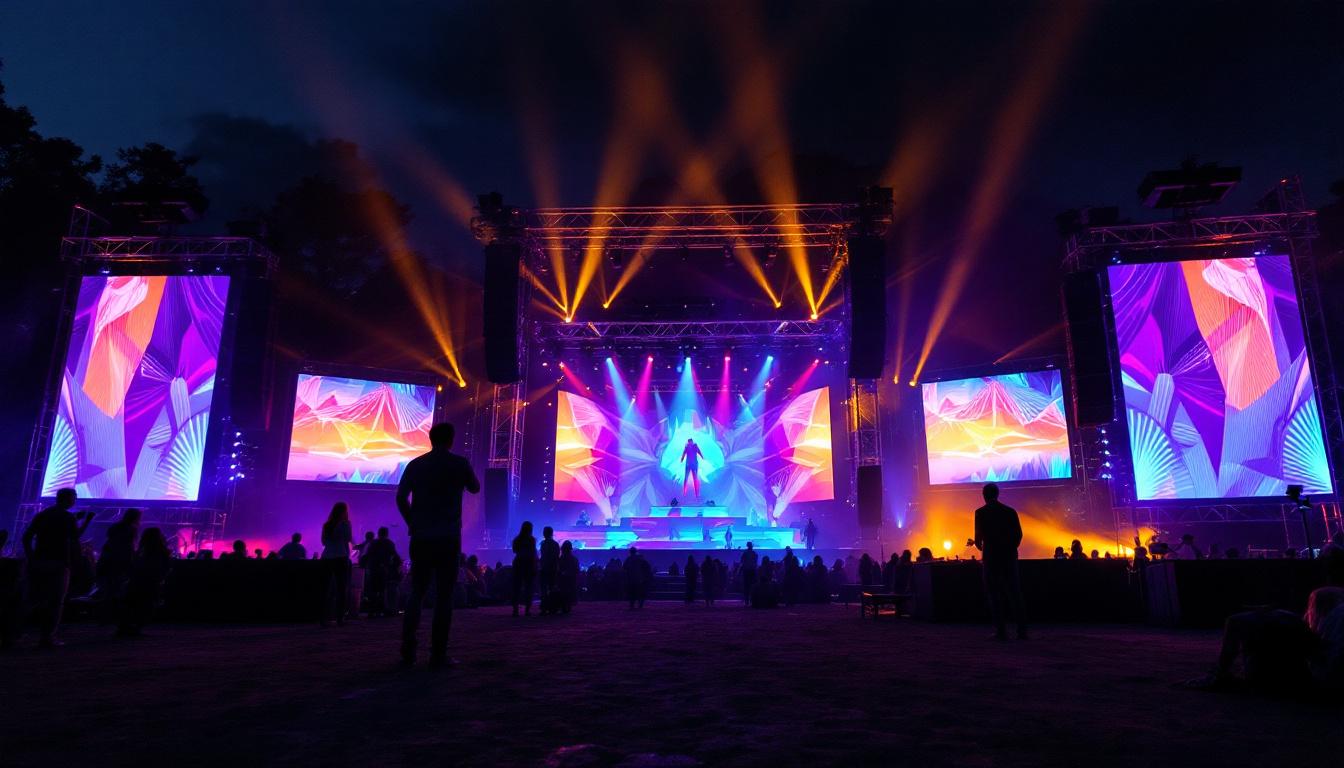
In the world of event production, staging, and advertising, the combination of truss systems and LED displays has revolutionized how content is presented to audiences. Among the various configurations, the 20 foot truss paired with LED displays is a standout solution, offering a perfect balance of size, stability, and visual impact. This article delves into the details of what a 20 foot truss is, how it integrates with LED displays, and why this setup has become a popular choice across multiple industries.
Understanding the 20 Foot Truss: Structure and Purpose
A truss is a structural framework typically made from aluminum or steel, designed to support lighting, audio equipment, and displays at events. The “20 foot truss” refers to the length of the truss segment, measuring approximately 20 feet (6.1 meters) long. This length is a common standard in event production due to its versatility and ease of transport.
Trusses are engineered to distribute weight evenly and provide a stable platform for mounting equipment. The 20 foot truss is often used as a horizontal beam or a vertical support in larger structures, making it a key component in building stages, exhibition booths, and LED display frames.
Materials and Design Considerations
Most 20 foot trusses are constructed from high-grade aluminum alloys, which offer an excellent strength-to-weight ratio. This makes them both durable and lightweight—critical for quick assembly and disassembly during events. The truss design typically features a triangular or square lattice pattern, which enhances rigidity while minimizing material use.
When selecting a 20 foot truss, event planners and riggers consider factors such as load capacity, connection compatibility, and weather resistance. For outdoor events, corrosion-resistant finishes and waterproofing measures are essential to protect the truss and attached equipment.
In addition to the materials used, the design of a 20 foot truss can vary depending on its intended application. For instance, some trusses are designed with additional cross-bracing to provide extra stability for heavy lighting rigs, while others may feature integrated cable management systems to keep power and signal lines organized. These thoughtful design elements not only enhance functionality but also contribute to the overall safety of the installation, ensuring that all equipment remains securely in place throughout the duration of the event.
Moreover, the versatility of the 20 foot truss extends beyond just its structural capabilities. It can be customized with various accessories such as clamps, hooks, and mounting plates, allowing for a wide range of configurations to suit different event layouts. This adaptability makes the 20 foot truss an indispensable tool for production teams, enabling them to create dynamic and visually stunning environments that can be tailored to the specific needs of each event, whether it be a concert, trade show, or corporate gathering.
LED Displays: The Visual Powerhouse
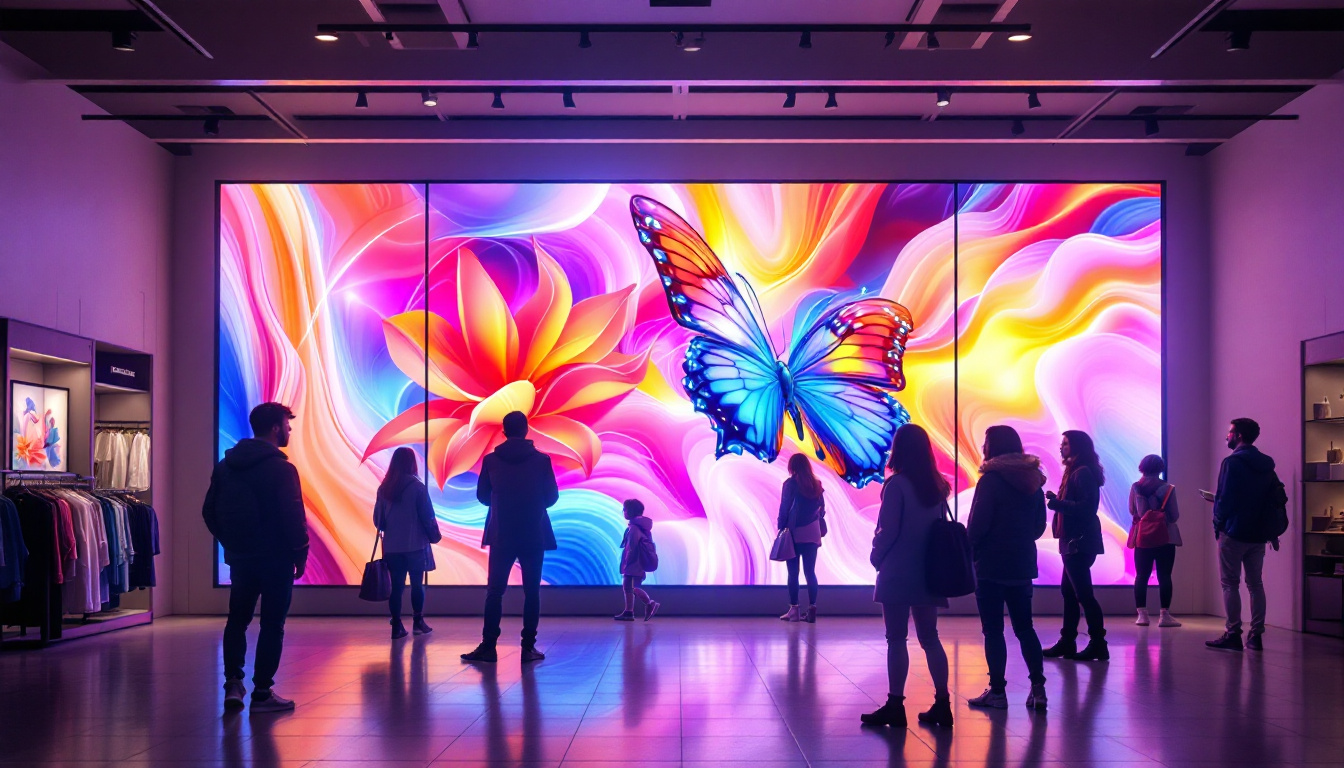
LED (Light Emitting Diode) displays have transformed visual communication in public spaces. Their brightness, color vibrancy, and energy efficiency make them ideal for both indoor and outdoor use. LED displays can range from small panels to massive video walls, and when combined with truss systems, they create dynamic and immersive experiences.
Key Features of LED Displays
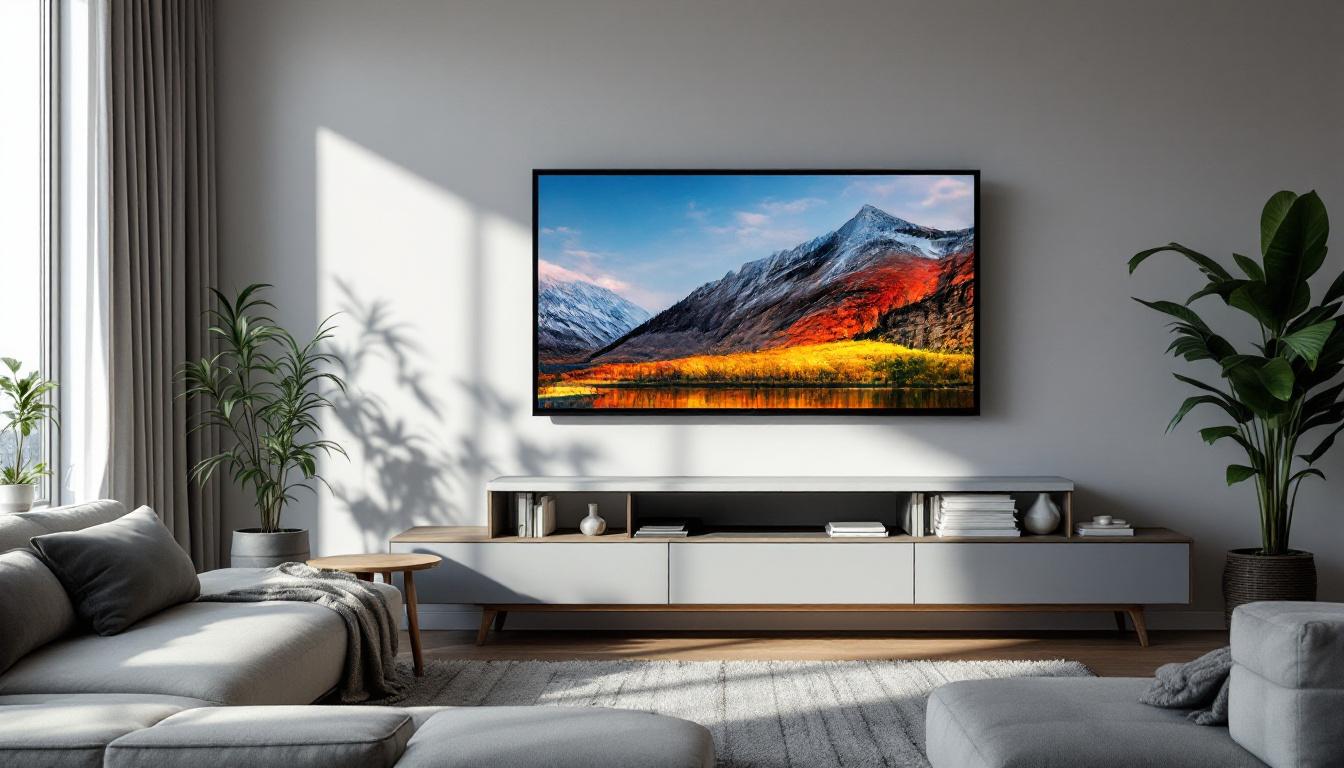
Modern LED displays boast high resolution, excellent contrast ratios, and wide viewing angles. These features ensure that content remains clear and engaging even in bright daylight or large venues. Additionally, LED technology allows for seamless video playback, live streaming, and interactive content, making it a versatile tool for marketers and event organizers.
Another important aspect is modularity. LED panels are designed to be connected in various configurations, allowing for customized screen sizes and shapes. This flexibility is crucial when mounting displays on truss structures, such as the 20 foot truss, to fit specific spatial and design requirements.
Integrating the 20 Foot Truss with LED Displays
The synergy between the 20 foot truss and LED displays lies in their complementary strengths. The truss provides a robust and adaptable framework, while the LED panels deliver visually compelling content. Together, they enable event producers to create large-scale digital signage and video walls that captivate audiences.
Structural Integration and Mounting Techniques
Mounting LED displays on a 20 foot truss requires careful planning to ensure safety and optimal viewing angles. Specialized mounting brackets and clamps are used to secure LED panels to the truss framework. These fixtures allow for precise alignment and easy adjustments during setup.
Weight distribution is a critical consideration. LED panels, depending on their size and pixel pitch, can be heavy. The 20 foot truss must be rated to support the combined weight of the display and any additional equipment such as speakers or lighting. Professional riggers often perform load calculations to verify the truss’s capacity and stability.
Power and Data Management
LED displays require reliable power sources and data connections to function seamlessly. When mounted on a 20 foot truss, cable management becomes essential to maintain a clean appearance and prevent hazards. Cable ties, conduits, and cable trays are commonly used to organize power and data lines along the truss.
Wireless data transmission is also gaining popularity, reducing the need for extensive cabling and increasing setup efficiency. However, wired connections remain the industry standard for ensuring consistent signal quality, especially in large-scale installations.
Applications and Benefits of 20 Foot Truss LED Display Setups
The combination of a 20 foot truss and LED displays is widely used across various sectors, each benefiting from the unique advantages this setup offers.
Live Events and Concerts
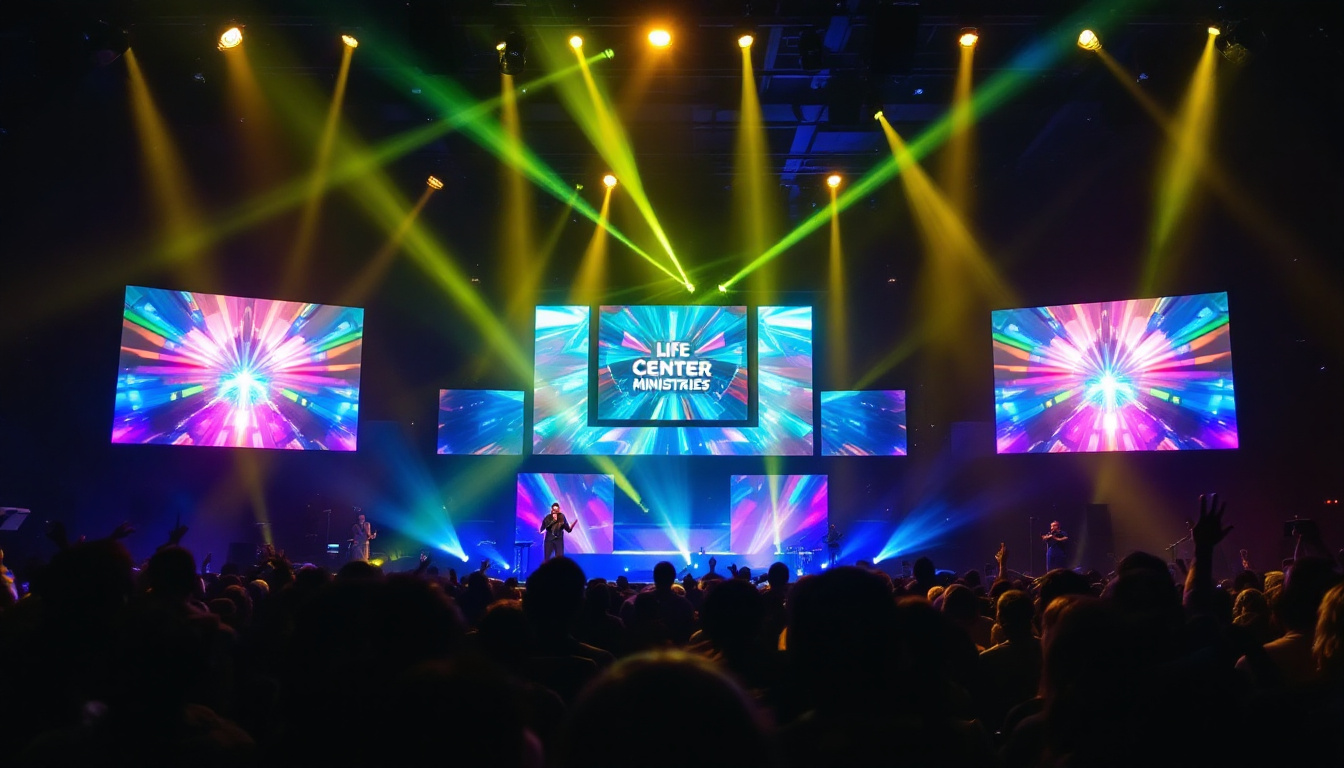
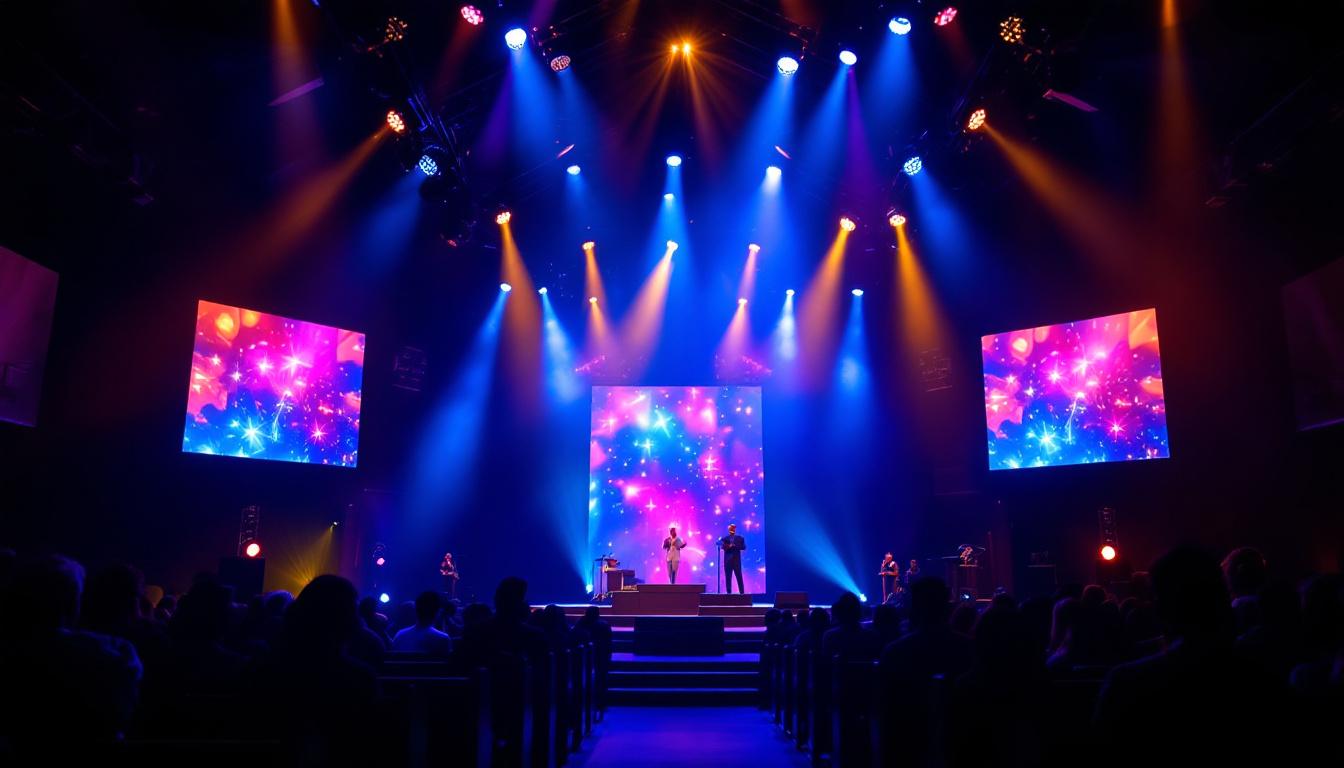
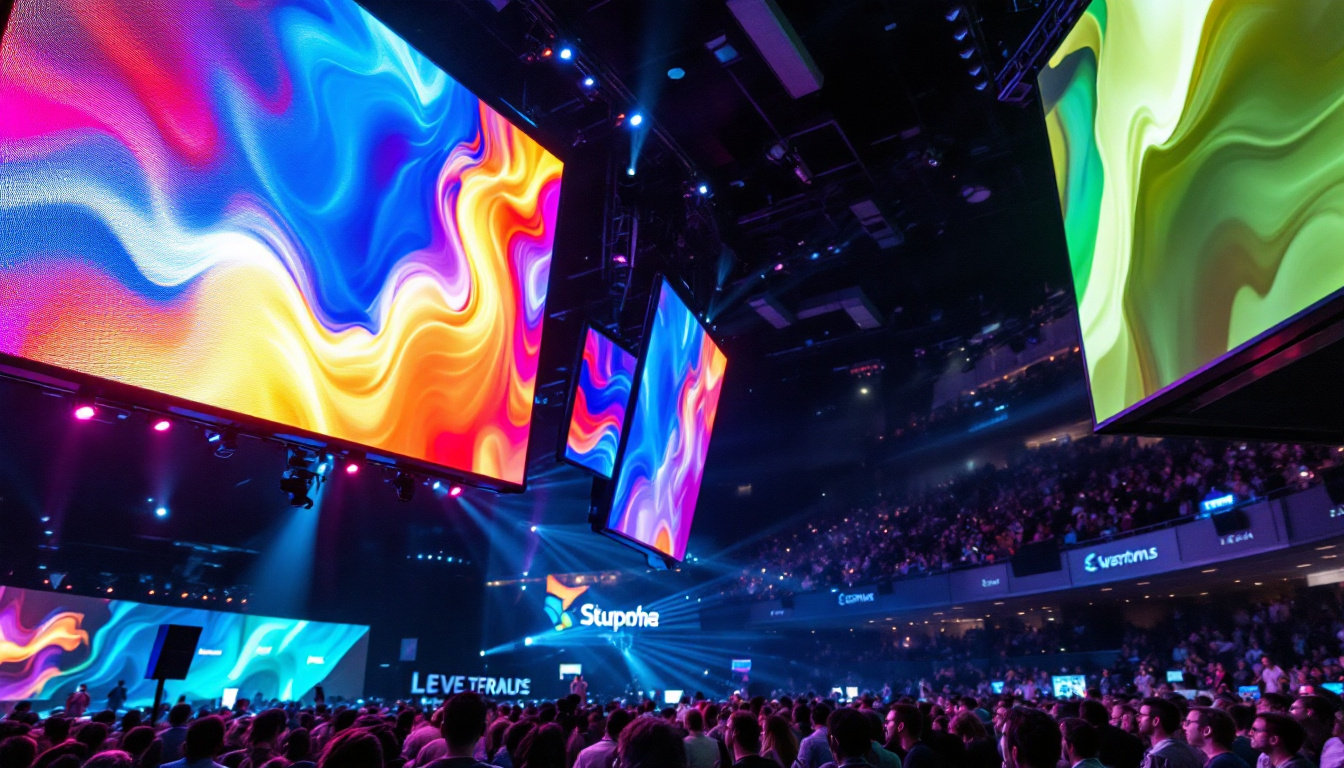
In concerts and festivals, large LED screens mounted on 20 foot trusses enhance the audience experience by displaying live video feeds, graphics, and special effects. The truss system allows for elevated positioning, ensuring visibility even in crowded venues. This setup supports immersive environments that engage attendees and amplify the event’s atmosphere.
Trade Shows and Exhibitions
Trade shows rely heavily on visual impact to attract visitors. Using 20 foot trusses to construct LED display walls creates eye-catching booths that stand out on the exhibition floor. The modularity of LED panels combined with the structural integrity of the truss enables exhibitors to design custom configurations that align with their branding and messaging goals.
Advertising and Digital Signage
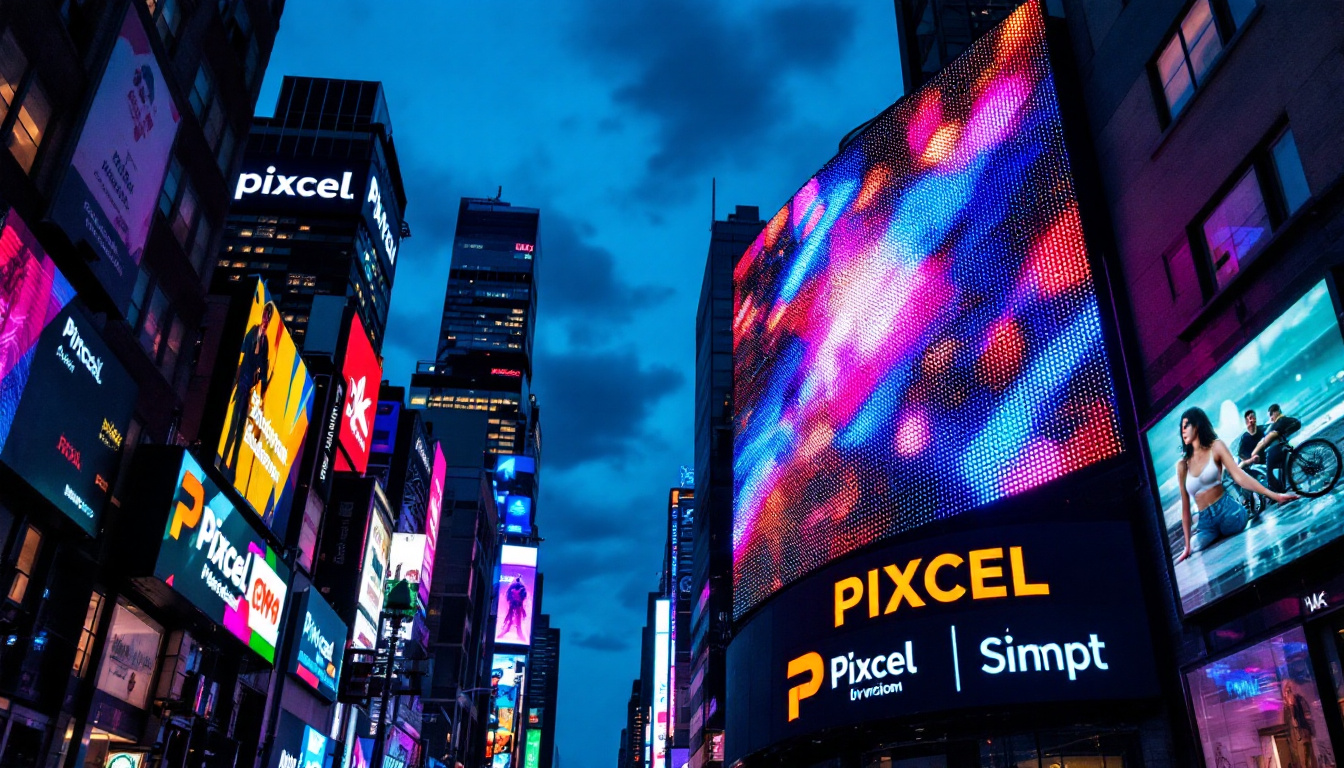
Outdoor advertising benefits from the durability and brightness of LED displays mounted on trusses. The 20 foot truss provides a stable frame for large digital billboards, which can be installed on building facades or standalone structures. This approach allows advertisers to deliver dynamic content that can be updated in real-time, increasing engagement and return on investment.
Corporate Events and Conferences
Corporate presentations and conferences often incorporate LED displays for keynote speeches, data visualization, and branding. The 20 foot truss supports flexible stage designs, enabling organizers to create professional and visually appealing environments. The easy assembly and disassembly of truss systems also reduce setup times and labor costs.
Safety and Best Practices for Using 20 Foot Truss LED Displays
Safety is paramount when working with heavy equipment like trusses and LED panels. Proper installation, inspection, and maintenance protocols must be followed to prevent accidents and ensure longevity.
Load Ratings and Engineering Standards
Always verify that the 20 foot truss being used meets the required load ratings for the intended LED display and any additional equipment. Industry standards such as those from the Entertainment Services and Technology Association (ESTA) and the European Norm (EN) provide guidelines for safe rigging practices.
Consulting with structural engineers or certified riggers is advisable when designing complex setups. They can perform detailed analyses to confirm that the truss will withstand wind loads, dynamic forces, and the weight of the display.
Regular Inspections and Maintenance
Frequent inspections of the truss connections, mounting hardware, and LED panels help identify wear and potential failures early. Maintenance routines should include checking for loose bolts, corrosion, and damage to cables or panels. Proper storage of truss components when not in use also prolongs their service life.
Training and Professional Installation
Only trained personnel should assemble and operate truss-mounted LED displays. Professional riggers understand the nuances of load distribution, safety harnessing, and emergency procedures. Investing in skilled labor reduces risks and ensures a smooth event experience.
Future Trends in 20 Foot Truss and LED Display Technology
As technology evolves, the integration of truss systems and LED displays continues to advance, offering new possibilities for event production and digital communication.
Lightweight and Modular Innovations
Manufacturers are developing lighter truss materials such as carbon fiber composites, which maintain strength while reducing weight. This innovation simplifies transportation and setup, particularly for large-scale events requiring multiple 20 foot trusses.
On the LED front, microLED and miniLED technologies promise higher resolution and greater energy efficiency. These advancements will enable even more impressive visual displays mounted on truss systems.
Smart Integration and Automation
Integration with smart control systems allows for automated adjustments of LED displays and truss-mounted lighting based on environmental conditions or audience engagement metrics. This level of automation enhances the interactivity and responsiveness of event setups.
Sustainability and Eco-Friendly Practices
There is a growing emphasis on sustainability in event production. Recyclable truss materials, energy-efficient LED panels, and reduced power consumption are becoming standard considerations. The 20 foot truss and LED display combination is adapting to these trends, helping organizers minimize their environmental footprint.
Conclusion
The 20 foot truss paired with LED displays represents a powerful combination in modern event production and digital signage. Its balance of structural integrity, versatility, and visual impact makes it a preferred choice for a wide range of applications—from concerts and trade shows to advertising and corporate events. Understanding the technical aspects, safety considerations, and future trends of this setup equips event professionals to create memorable and effective visual experiences.
As LED technology and truss design continue to evolve, the potential for innovative, immersive, and sustainable displays will only grow, solidifying the 20 foot truss and LED display as staples in the industry’s toolkit.
Discover LumenMatrix LED Display Innovations
Ready to elevate your event production or advertising campaign with the latest in LED display technology? LumenMatrix is at the forefront of creating immersive visual experiences that captivate and engage. From versatile Indoor and Outdoor LED Wall Displays to specialized solutions like Vehicle LED Displays, LED Sports Displays, and Custom LED Displays, we have the cutting-edge technology to bring your vision to life. Experience the future of visual communication with our All-in-One and Transparent LED Displays. Check out LumenMatrix LED Display Solutions today and transform your space into a dynamic visual spectacle.