In today’s digital age, visual communication plays a crucial role in how information is shared and consumed. Among the many technologies available, LED displays have emerged as a dominant solution for wall-mounted visual presentations, ranging from advertising billboards to indoor informational screens. This article explores the fundamentals of LED displays, their applications, advantages, and what makes them a preferred choice for wall-mounted installations.
Understanding LED Display Technology
What is an LED Display?
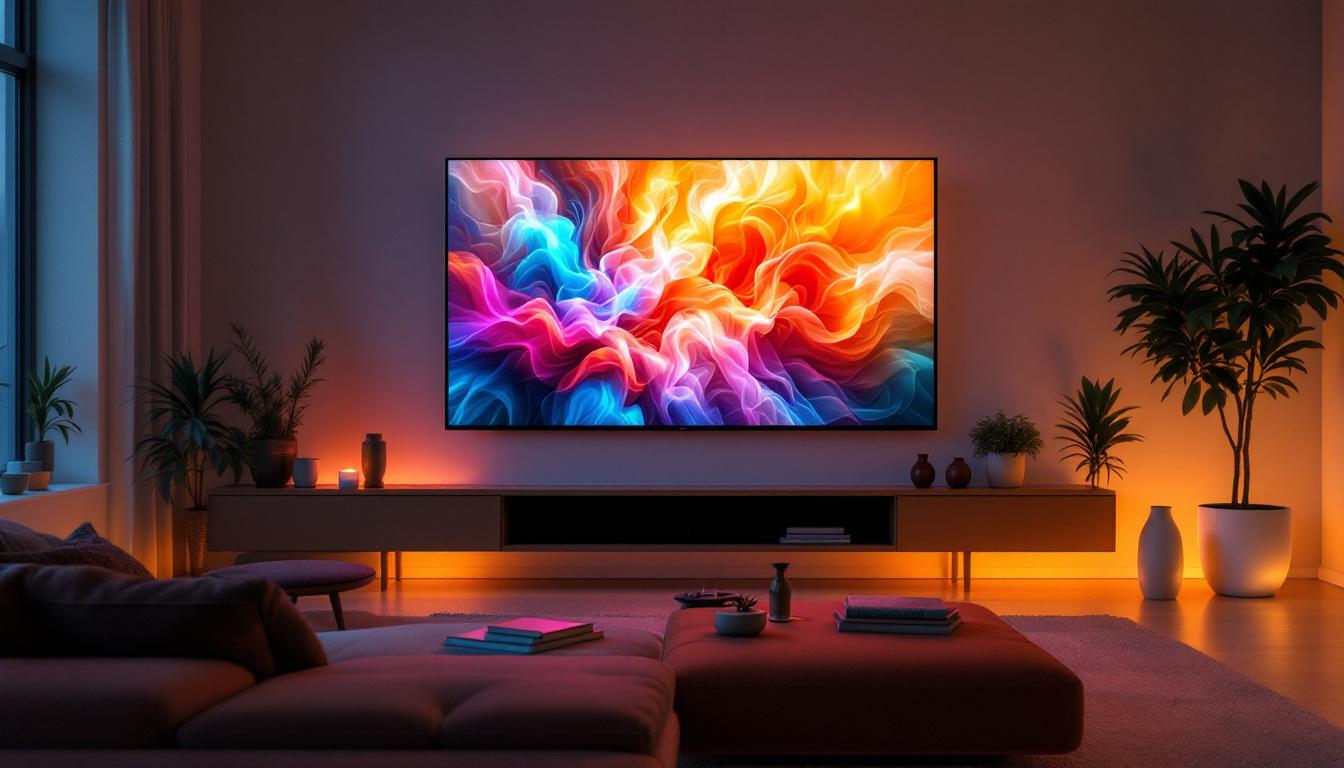
An LED (Light Emitting Diode) display is a flat panel display that uses an array of light-emitting diodes as pixels to create images and videos. Unlike traditional LCD screens that rely on backlighting, LED displays generate their own light, resulting in brighter and more vivid visuals. This self-illumination capability allows LED displays to perform exceptionally well in various lighting conditions, including direct sunlight. The ability to maintain high visibility even in bright environments makes LED technology a popular choice for outdoor advertising and public information displays.
LED displays come in two main types: direct-view LED panels and LED-backlit LCDs. Direct-view LED panels consist of thousands of tiny LEDs arranged in a grid, each capable of emitting red, green, or blue light. By adjusting the intensity of these LEDs, the display can produce a full spectrum of colors. This technology is commonly used for large-scale wall displays, both indoors and outdoors. Additionally, the modular nature of direct-view LED panels allows for flexible configurations, enabling designers to create unique shapes and sizes that can fit various architectural and artistic needs.
How Do LED Displays Work?
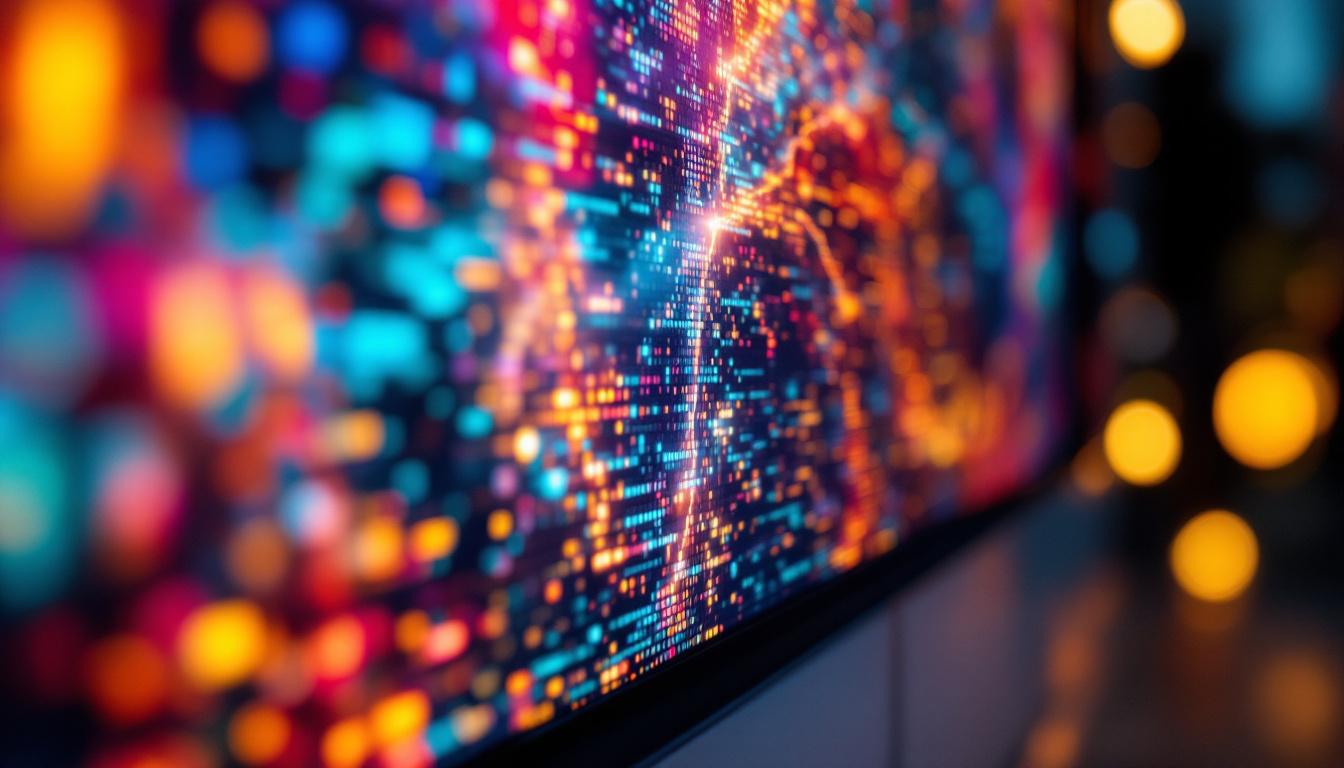
At the core of an LED display are the individual diodes that emit light when an electrical current passes through them. These diodes are grouped into pixels, with each pixel containing red, green, and blue LEDs. By varying the brightness of each LED within a pixel, the display can reproduce millions of colors. The pixels are controlled by a driver circuit that receives video signals and translates them into electrical impulses for each diode. This intricate process allows for real-time image rendering, making LED displays ideal for dynamic content such as live broadcasts and interactive installations.
The resolution of an LED display depends on the pixel pitch, which is the distance between the centers of two adjacent pixels. A smaller pixel pitch means higher resolution and sharper images, making it ideal for close viewing distances. Conversely, larger pixel pitches are suitable for displays viewed from afar, such as outdoor billboards. The advancements in pixel pitch technology have led to the development of ultra-high-definition displays that can deliver stunning clarity and detail, even in large formats. Furthermore, the longevity and energy efficiency of LED technology contribute to lower operational costs, making it an attractive option for businesses looking to invest in long-term display solutions.
Applications of Wall-Mounted LED Displays
Commercial Advertising and Digital Signage
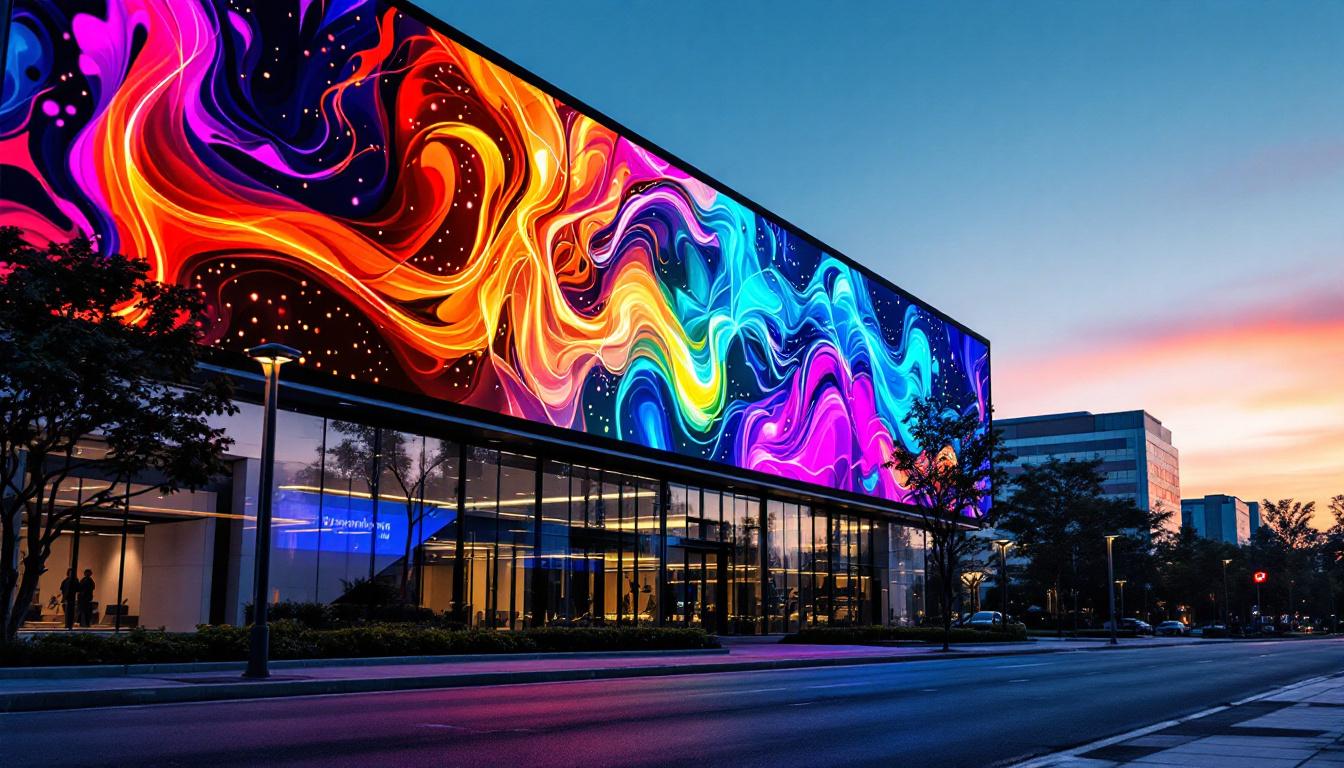
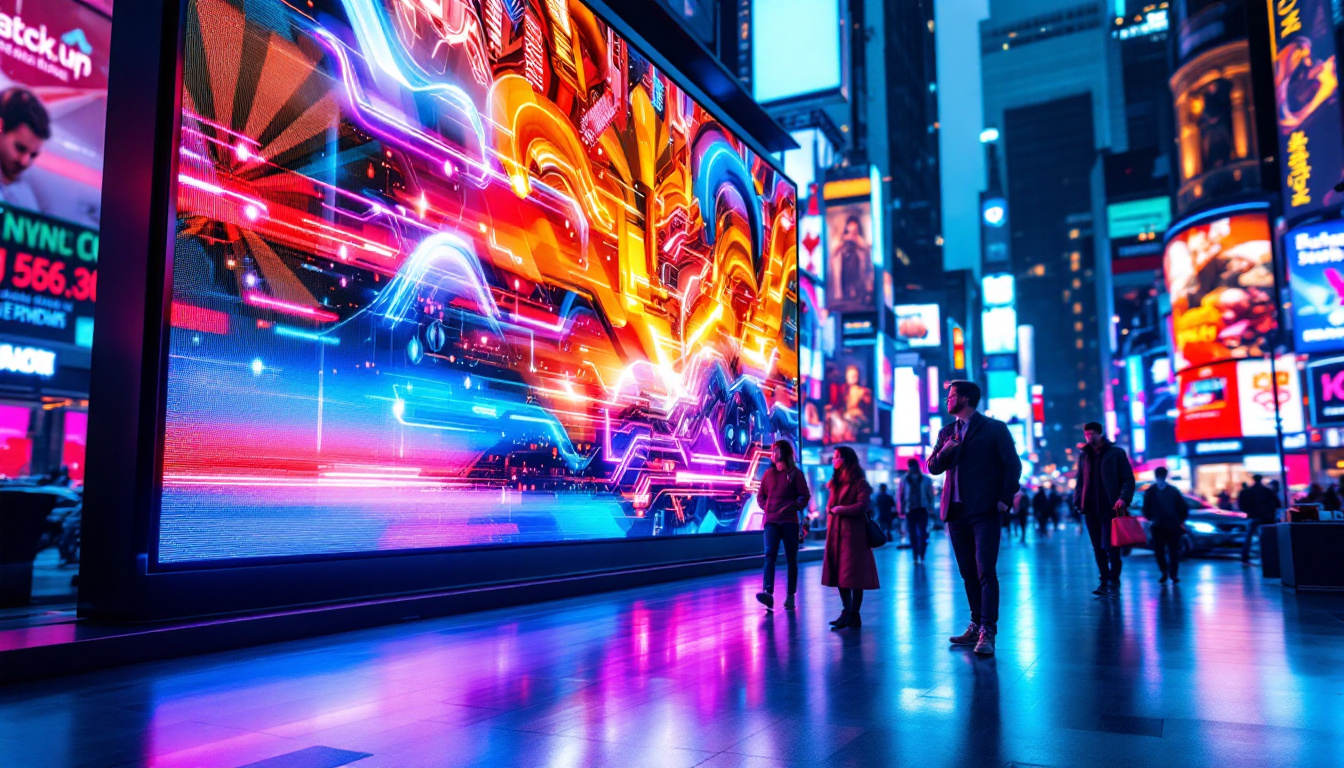
One of the most widespread uses of wall-mounted LED displays is in commercial advertising. Retail stores, shopping malls, and transportation hubs utilize LED walls to capture consumer attention with dynamic content. According to a report by Grand View Research, the global digital signage market is expected to reach $31.71 billion by 2027, driven largely by the adoption of LED technology.
LED displays enable advertisers to deliver high-impact visuals that can be updated in real-time, allowing for targeted campaigns and promotions. Their brightness and color accuracy make them effective in both indoor and outdoor environments, ensuring visibility regardless of ambient lighting. Additionally, the integration of advanced analytics tools allows businesses to track viewer engagement and optimize content based on audience behavior, further enhancing the effectiveness of advertising strategies.
Corporate and Educational Environments
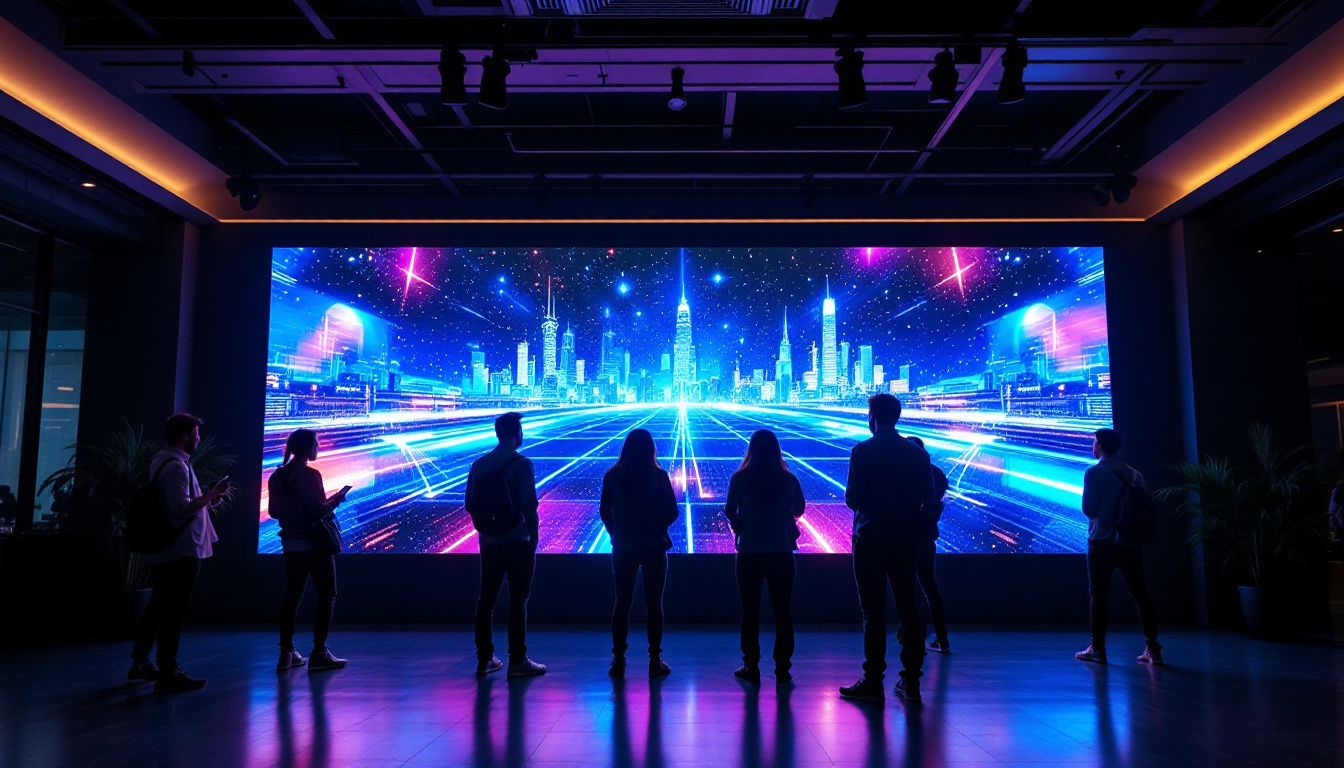
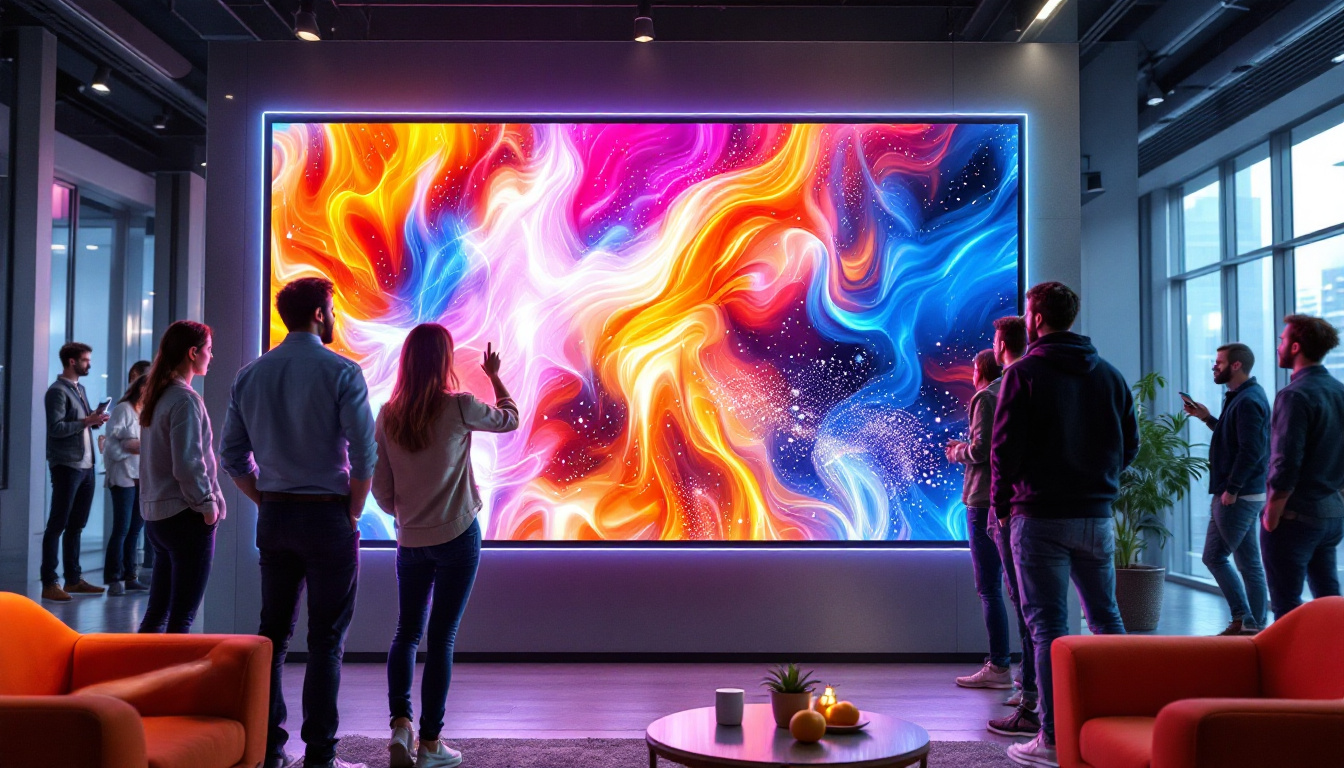
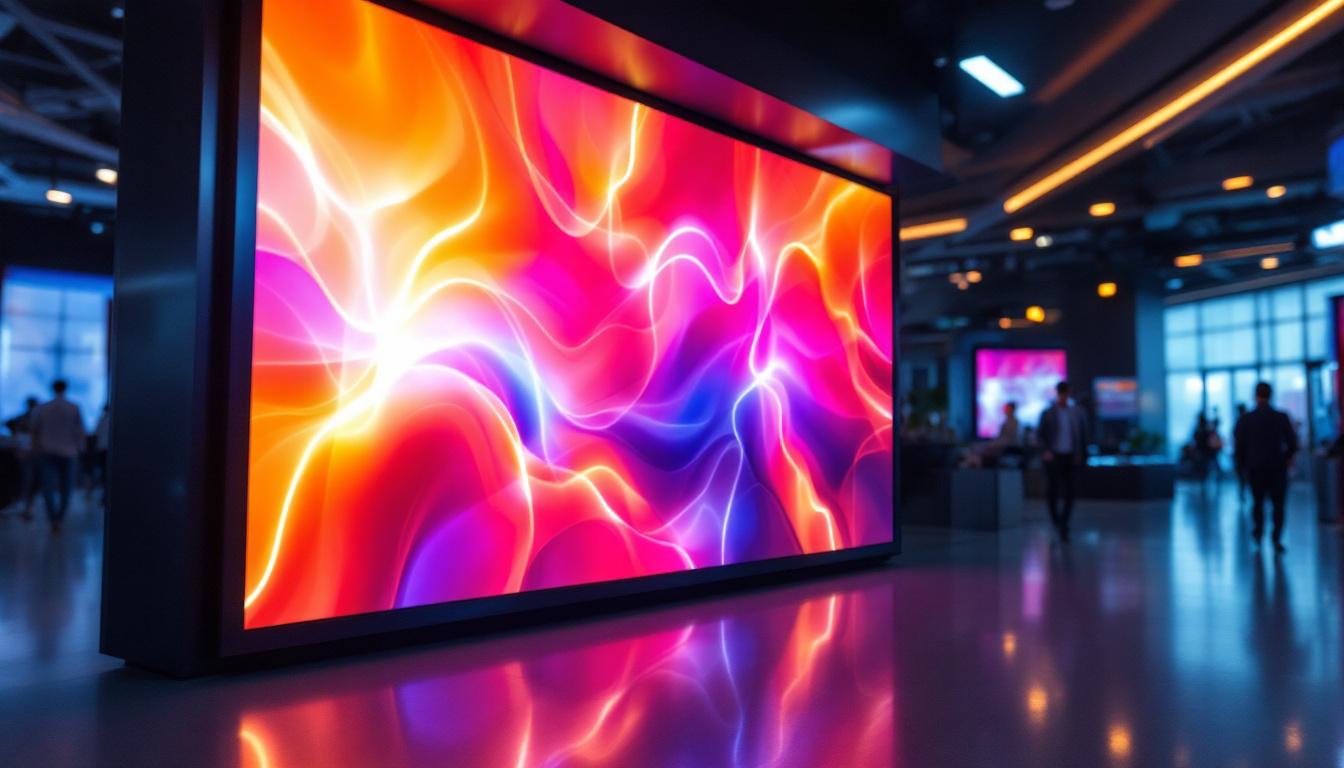
In corporate settings, LED wall displays are used for presentations, video conferencing, and information dissemination. Large LED screens in boardrooms and auditoriums facilitate clear communication and enhance audience engagement. Similarly, educational institutions deploy LED walls to support interactive learning, digital notice boards, and event broadcasting.
The flexibility of LED displays allows them to be configured in various sizes and shapes, accommodating different room layouts and purposes. Their durability and low maintenance requirements make them a cost-effective solution for long-term use in these environments. Furthermore, the ability to integrate with various software platforms enables seamless collaboration and sharing of information, making them an essential tool for modern workplaces and classrooms alike.
Entertainment and Public Spaces
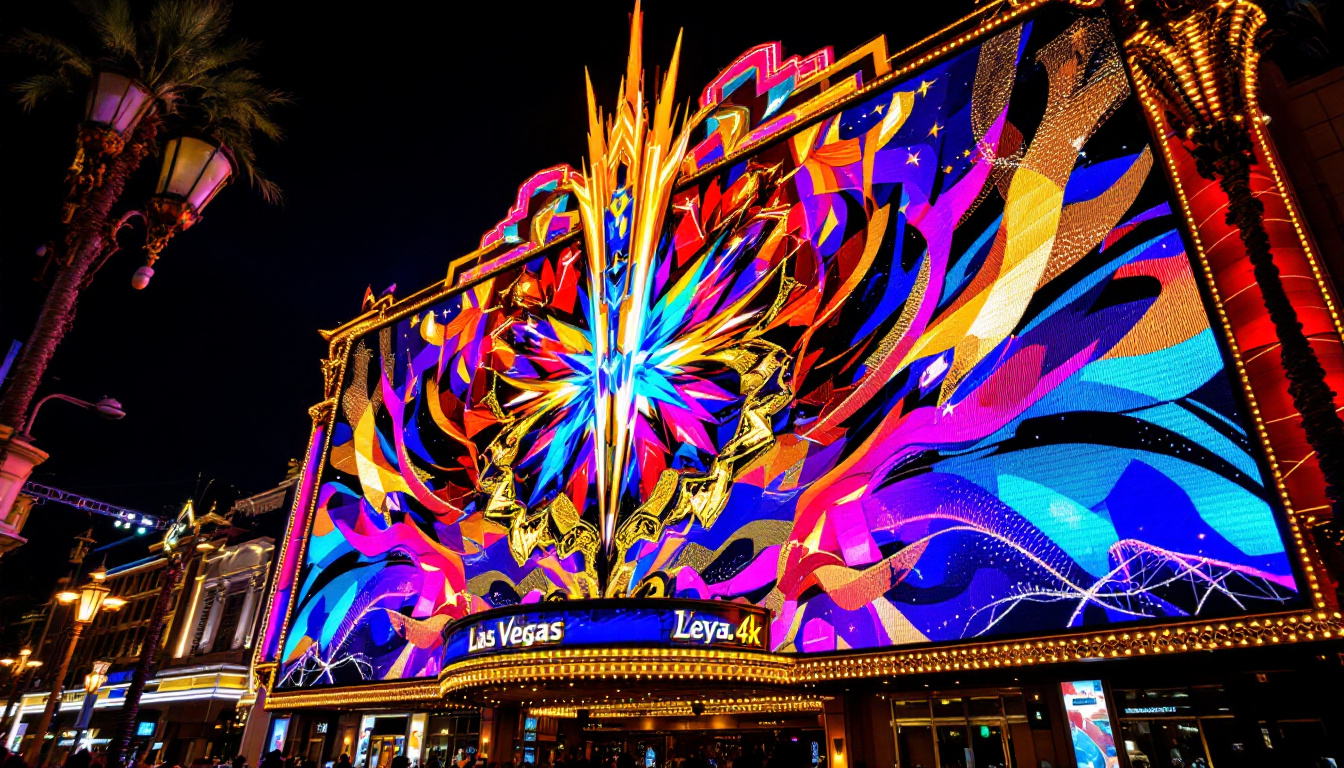
LED walls have become a staple in entertainment venues such as concert halls, theaters, and sports arenas. They provide immersive visual experiences by displaying high-definition video content, live feeds, and special effects. For example, the LED video wall at the AT&T Stadium in Texas spans over 11,000 square feet, offering spectators an unparalleled viewing experience.
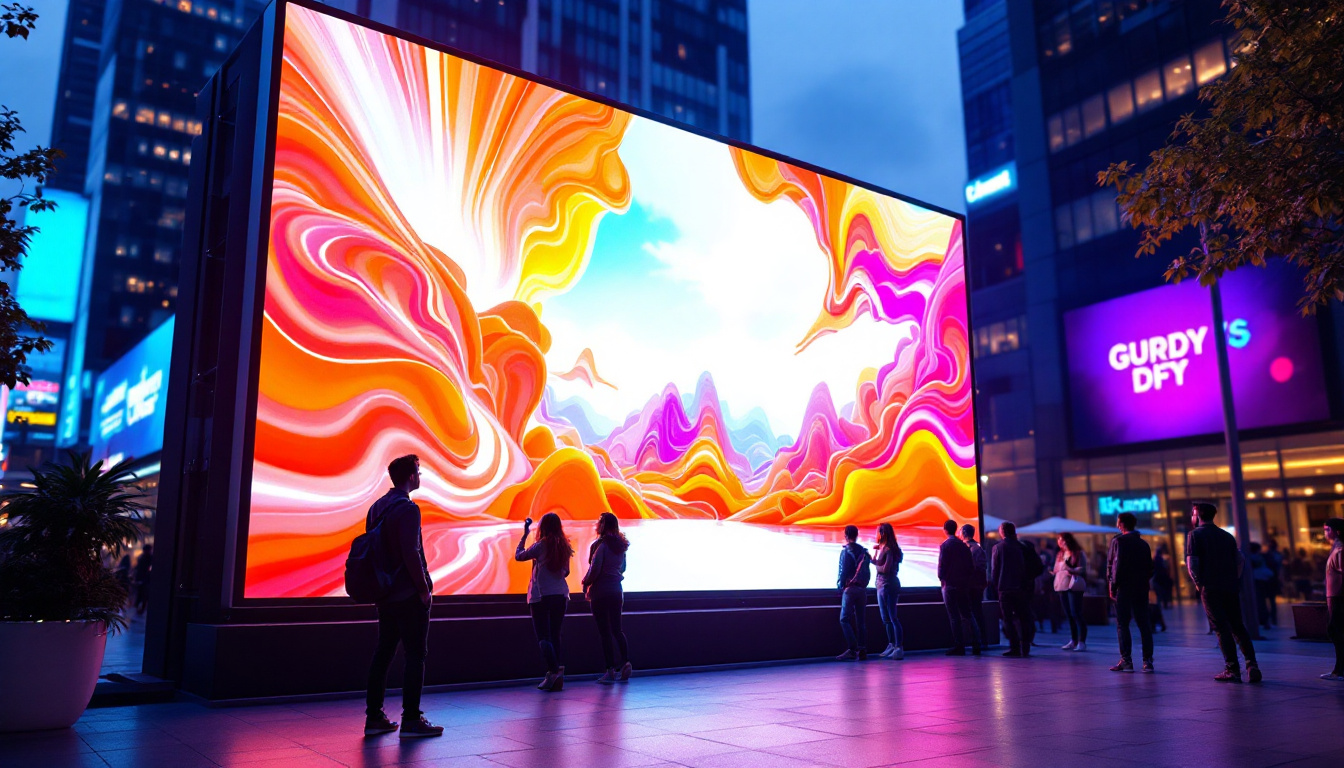
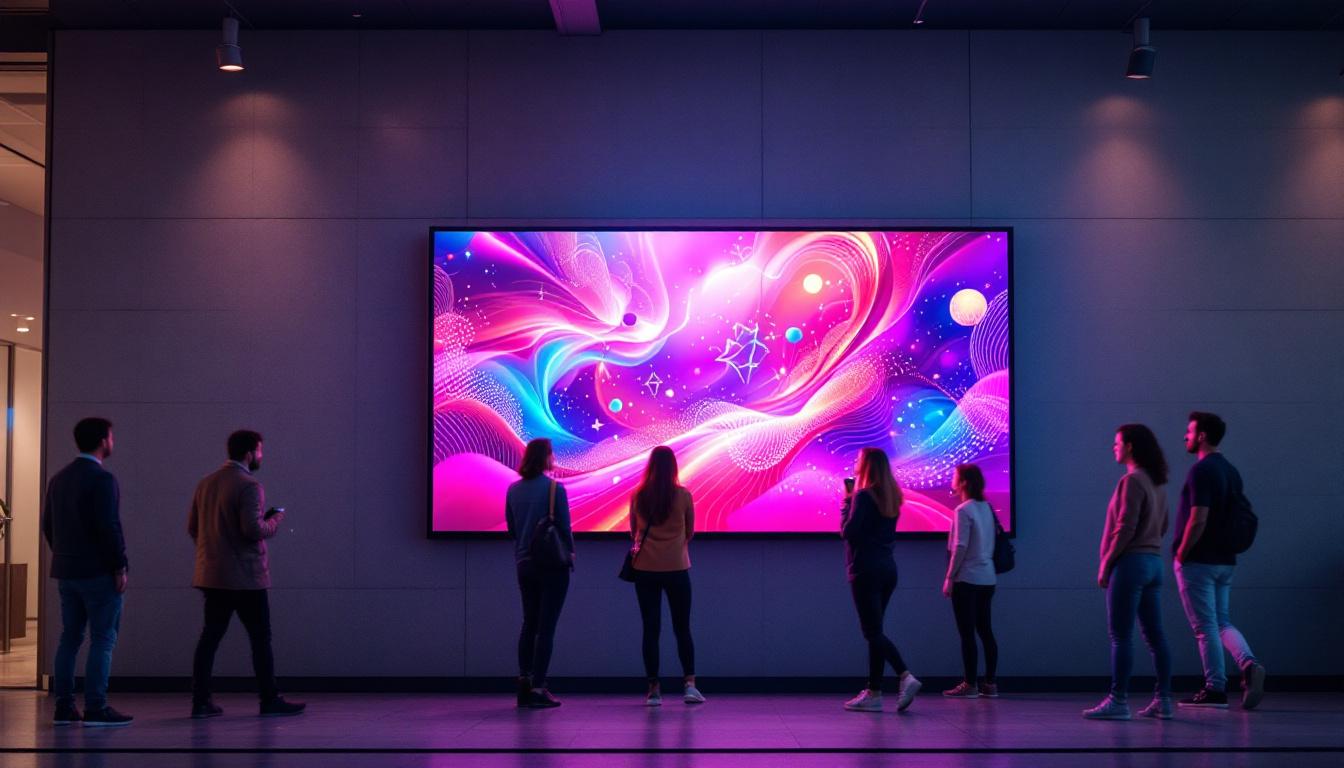
Public spaces like airports, train stations, and city squares also utilize LED displays for real-time information, wayfinding, and public announcements. Their ability to operate continuously and withstand harsh weather conditions makes them ideal for these high-traffic areas. Moreover, the use of LED displays in public art installations has gained popularity, transforming urban landscapes into vibrant, interactive environments that engage passersby and enhance community identity. These displays can showcase local artists’ work, promote cultural events, or even serve as platforms for social messages, thereby enriching the public space experience.
Advantages of LED Displays for Wall Installations
Superior Brightness and Visibility
LED displays are renowned for their exceptional brightness, often reaching up to 5,000 nits or more, which is significantly higher than traditional LCD screens. This high luminance ensures that content remains clear and readable even under direct sunlight or in brightly lit indoor environments. For outdoor wall installations, this is a critical factor in maintaining visibility throughout the day.
Energy Efficiency and Longevity
Compared to other display technologies, LEDs consume less power while delivering higher brightness levels. This energy efficiency translates into lower operational costs, especially for large-scale installations that run for extended periods. Additionally, LED displays have a long lifespan, typically ranging from 50,000 to 100,000 hours, reducing the need for frequent replacements and minimizing downtime.
Flexibility and Scalability
LED displays offer remarkable flexibility in terms of size and configuration. Panels can be seamlessly tiled to create massive video walls of virtually any dimension, making them suitable for diverse applications. This modularity also facilitates easy maintenance and upgrades, as individual panels can be replaced without dismantling the entire display.
Moreover, LED displays support various aspect ratios and can be customized into curved or irregular shapes, enhancing design possibilities for architectural integration and creative installations.
Enhanced Color Accuracy and Contrast
Thanks to the precise control of individual LEDs, these displays deliver superior color accuracy and high contrast ratios. Deep blacks and vibrant colors contribute to more engaging and lifelike images. This quality is particularly important for branding and advertising, where visual impact directly influences consumer perception.
Key Considerations When Choosing an LED Wall Display
Pixel Pitch and Viewing Distance
Selecting the appropriate pixel pitch is crucial to ensure optimal image quality. Displays with a smaller pixel pitch (e.g., 1.2mm to 2.5mm) are ideal for close-range viewing environments such as conference rooms or retail interiors. Larger pixel pitches (e.g., 6mm to 10mm) are better suited for outdoor billboards or large venues where viewers are positioned farther away.
Indoor vs. Outdoor Use
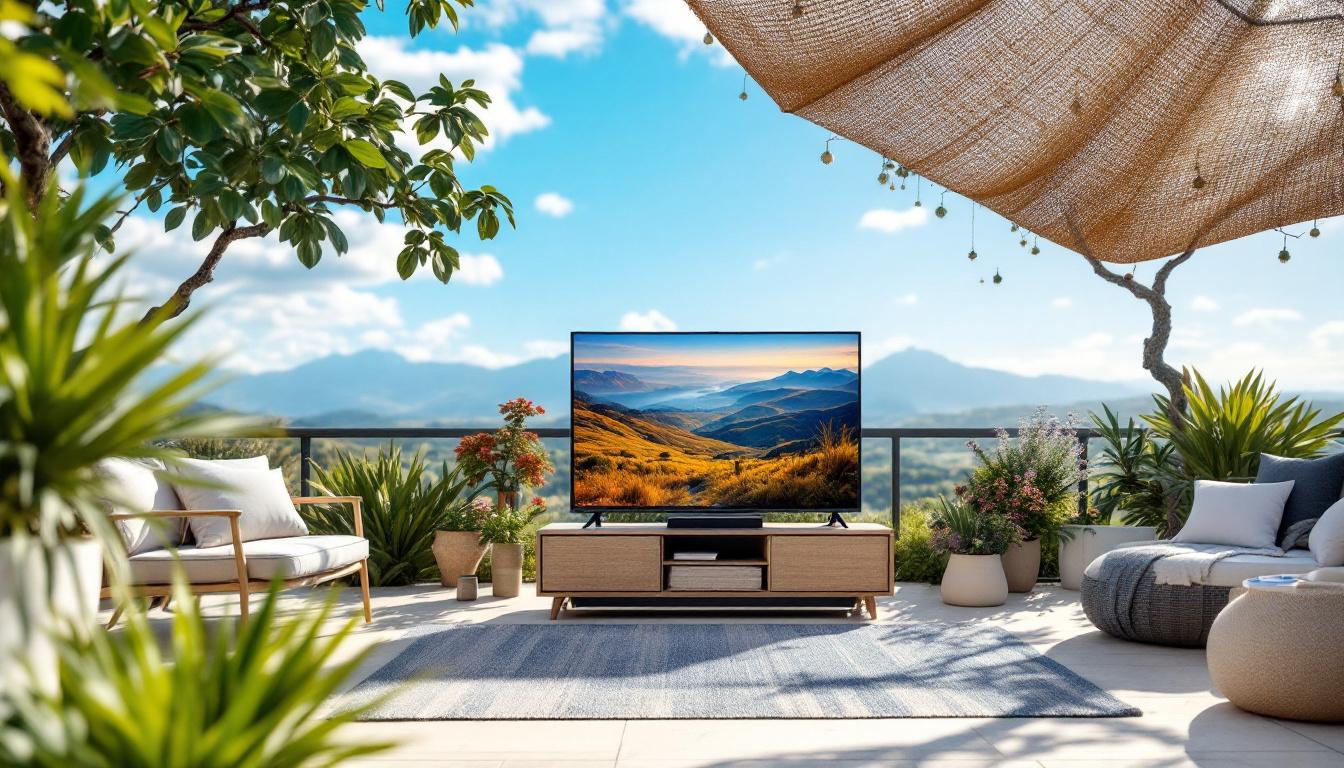
LED displays designed for outdoor use must be weatherproof, resistant to dust, moisture, and temperature fluctuations. They also require higher brightness to combat sunlight glare. Indoor LED displays, while benefiting from lower brightness requirements, often prioritize higher resolution and finer pixel pitch to accommodate closer viewing distances.
Installation and Maintenance
Wall-mounted LED displays require careful planning regarding structural support, electrical supply, and ventilation. Professional installation ensures safety and optimal performance. Additionally, considering ease of maintenance is important; front-accessible panels simplify repairs and reduce downtime.
Content Management and Connectivity
Modern LED displays support a variety of input sources and content management systems (CMS). Choosing a display compatible with your existing infrastructure and capable of integrating with digital signage software enhances operational efficiency. Features such as remote content updates, scheduling, and multi-zone display capabilities add significant value.
Future Trends in LED Wall Displays
MicroLED and MiniLED Technologies
Emerging advancements like MicroLED and MiniLED are poised to revolutionize wall-mounted displays. MicroLED technology offers even smaller pixel sizes, higher brightness, and improved energy efficiency compared to traditional LEDs. This allows for ultra-high-definition displays with exceptional color fidelity and contrast.
MiniLED, which uses smaller LEDs as backlighting for LCD panels, provides enhanced local dimming and better black levels, bridging the gap between traditional LCD and direct-view LED displays. These innovations are expected to expand the range of applications and improve overall display quality.
Interactive and Smart Displays
Integration of touch and gesture controls is becoming more common in LED wall displays, especially in retail and educational settings. Interactive LED walls enable users to engage directly with content, fostering a more immersive experience. Additionally, smart features powered by artificial intelligence can personalize content delivery based on audience demographics and behavior.
Energy Sustainability and Eco-Friendly Designs
As environmental concerns grow, manufacturers are focusing on developing LED displays with lower power consumption and recyclable materials. Innovations in driver electronics and heat dissipation techniques contribute to greener, more sustainable display solutions. This aligns with corporate social responsibility goals and regulatory requirements.
Conclusion
Wall-mounted LED displays have transformed the way visual information is presented across multiple industries. Their brightness, versatility, and durability make them an ideal choice for advertising, corporate communication, entertainment, and public information. Understanding the technology behind LED displays, along with key considerations for installation and use, empowers businesses and organizations to leverage this powerful medium effectively.
As LED technology continues to evolve with innovations like MicroLED and interactive capabilities, the future of wall-mounted displays promises even greater visual impact and user engagement. Investing in LED display solutions today not only enhances communication but also positions organizations at the forefront of digital display technology.
Explore Cutting-Edge LED Display Solutions with LumenMatrix
Ready to elevate your visual presentation to the next level? Discover LumenMatrix’s innovative range of LED display technologies, from vibrant Indoor and Outdoor LED Wall Displays to dynamic Vehicle and Sports LED Displays. Our mission is to revolutionize your visual communication with captivating experiences and crystal-clear messaging. Whether you’re looking to create an immersive environment with a Floor LED Display, make a bold statement with a Custom LED Display, or seek the versatility of an All-in-One LED Display, LumenMatrix has the solution. Experience the future of digital signage with our LED Transparent Displays and see how we can transform your space. Check out LumenMatrix LED Display Solutions today and join the forefront of display technology.