In today’s digital age, display technology plays a crucial role in how we interact with devices, from smartphones and televisions to computer monitors and digital signage. Among the various types of screen technologies, LCD and LED displays are the most prevalent. However, the terminology can often be confusing—especially when terms like “LCD with LED” are used interchangeably. This article aims to clarify what an LCD with LED display actually means, how it works, and why it matters for consumers and professionals alike.
Understanding the Basics: What is LCD?
LCD stands for Liquid Crystal Display. It is a flat-panel display technology that uses liquid crystals to modulate light and produce images. The fundamental principle behind an LCD is that liquid crystals do not emit light directly but instead manipulate light passing through them.
In an LCD screen, a backlight shines through several layers, including polarizers and liquid crystal cells, which control the passage of light to create images. Because the liquid crystals themselves don’t emit light, the quality and type of backlighting are critical to the display’s performance. This is why advancements in backlighting technology have been pivotal in enhancing the overall visual experience, leading to the development of LED backlighting, which offers improved brightness, energy efficiency, and color range.
How LCDs Work
Each pixel in an LCD consists of liquid crystals that can twist or align when an electric current is applied. This alignment controls how much light passes through color filters, producing the desired color and brightness. The backlight provides the necessary illumination, allowing the image to be visible.
Historically, LCDs used Cold Cathode Fluorescent Lamps (CCFL) as backlights. These lamps provided a uniform light source but had drawbacks such as bulkiness, higher power consumption, and limited color accuracy. In contrast, modern LCDs often utilize LED (Light Emitting Diode) technology, which not only reduces the thickness of the display but also enhances color vibrancy and contrast ratios. This shift has allowed manufacturers to create thinner, lighter screens that are capable of displaying a wider gamut of colors, making them ideal for everything from smartphones to large television screens.
Moreover, the integration of technologies such as In-Plane Switching (IPS) and Twisted Nematic (TN) panels has further refined the viewing experience. IPS panels, for instance, are known for their superior color reproduction and wider viewing angles, making them a popular choice for professional graphic design and photography. On the other hand, TN panels are typically favored for gaming due to their faster response times, although they may sacrifice some color accuracy and viewing angles. This diversity in LCD technology allows consumers to choose displays that best suit their specific needs, whether for work, entertainment, or creative endeavors.
Introducing LED Backlighting: What Does “LCD with LED” Mean?
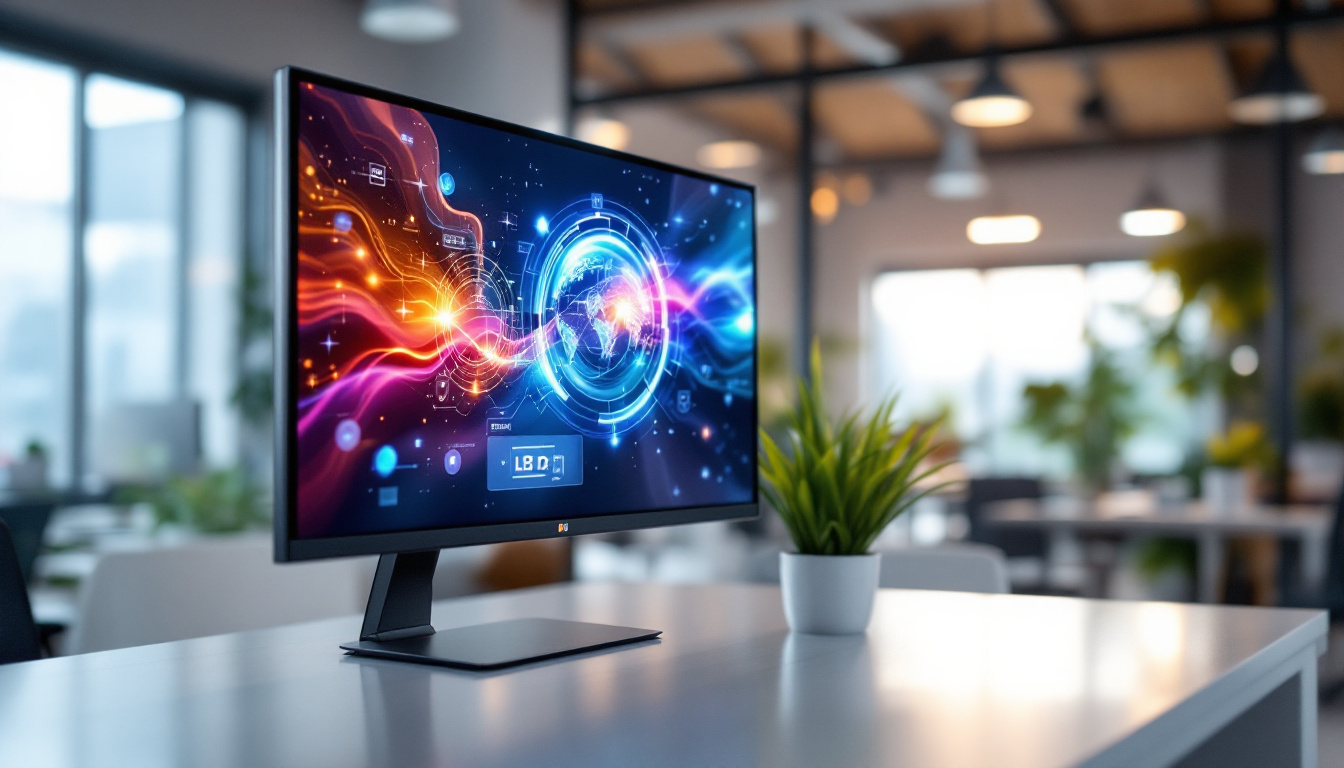
When the term “LCD with LED” is used, it generally refers to an LCD panel that uses Light Emitting Diodes (LEDs) as its backlight instead of traditional CCFLs. This is a significant advancement in display technology, offering numerous benefits over older LCDs.
LED as a Backlight, Not a Display Type
It’s important to note that LED in “LCD with LED” does not mean the display itself is an LED display in the purest sense. The screen is still an LCD panel that relies on liquid crystals to form images. The LEDs are simply the light source behind the panel.
This distinction is often misunderstood, leading to confusion between LED-backlit LCDs and true LED displays, such as OLED or MicroLED screens, where the pixels themselves emit light. Understanding this difference is crucial for consumers who are looking to purchase a new display, as it can significantly affect their viewing experience and expectations regarding color accuracy, brightness, and contrast ratios.
Types of LED Backlighting
There are two primary types of LED backlighting used in LCD displays:
- Edge-lit LED: LEDs are placed along the edges of the screen, and light is spread across the display using light guides. This allows for thinner and lighter designs but can sometimes result in uneven brightness.
- Direct-lit or Full-array LED: LEDs are distributed evenly behind the entire LCD panel. This method provides better brightness uniformity and allows for local dimming, which improves contrast and black levels.
In addition to these two primary types, there are also variations such as Mini-LED technology, which utilizes smaller LEDs to enhance the backlighting system further. Mini-LEDs can provide more precise control over local dimming zones, resulting in deeper blacks and brighter highlights, making them an attractive option for high-end displays. Furthermore, advancements in Quantum Dot technology can be integrated with LED backlighting to produce a wider color gamut, enhancing the overall visual experience. This combination of technologies is paving the way for displays that not only look stunning but also offer improved energy efficiency, making them more environmentally friendly.
As consumers become more discerning about display quality, the demand for LED-backlit LCDs continues to grow. Manufacturers are constantly innovating to improve the performance of these displays, leading to features such as HDR (High Dynamic Range) support, which allows for a greater range of colors and brightness levels. This means that viewers can enjoy a more lifelike and immersive experience when watching movies or playing video games. With the ongoing evolution of display technology, understanding the nuances of LED backlighting can empower consumers to make informed decisions when selecting their next screen.
Advantages of LED-Backlit LCD Displays
The shift from CCFL to LED backlighting has brought several important advantages that have transformed display quality and efficiency.
Improved Energy Efficiency
LED backlighting consumes significantly less power than CCFLs. According to recent industry data, LED-backlit LCDs can use up to 40% less energy, making them more environmentally friendly and cost-effective for consumers and businesses. This reduction in energy consumption not only lowers electricity bills but also contributes to a decrease in carbon footprints, aligning with global sustainability goals. As more consumers become eco-conscious, the demand for energy-efficient technologies continues to rise, further driving innovation in the display industry.
Better Brightness and Contrast
LEDs can achieve higher brightness levels, which improves visibility in bright environments and enhances HDR (High Dynamic Range) content. Full-array LED backlighting with local dimming can also produce deeper blacks and higher contrast ratios, leading to more vibrant and lifelike images. This capability is particularly beneficial for viewing multimedia content, such as movies and video games, where the visual experience is paramount. Furthermore, advancements in LED technology, such as quantum dot enhancements, are pushing the boundaries of color accuracy and saturation, allowing viewers to enjoy a broader spectrum of colors that closely resemble what the human eye perceives in real life.
Thinner and Lighter Displays
Edge-lit LED technology allows manufacturers to design slimmer and lighter screens without sacrificing image quality. This is particularly important for mobile devices, laptops, and ultra-thin televisions. The sleek design not only enhances portability but also allows for more versatile installation options, such as wall-mounting or seamless integration into modern living spaces. As consumer preferences shift towards minimalist aesthetics, the demand for thin and lightweight displays continues to grow, prompting manufacturers to innovate further in design and engineering.
Longer Lifespan and Durability
LEDs have a longer operational life compared to CCFLs and are more resistant to shock and vibration, which contributes to the overall durability of the display. This longevity means that consumers can enjoy their devices for extended periods without worrying about frequent replacements or repairs. Additionally, the robust nature of LED technology makes it suitable for a variety of applications, from industrial settings to outdoor displays, where resilience is crucial. As a result, businesses can benefit from reduced maintenance costs and improved reliability, making LED-backlit displays an attractive option for both personal and professional use.
Common Misconceptions About LED Displays
The terminology surrounding LED and LCD displays can be confusing, leading to several common misconceptions.
Is an LED TV an LED Display?
Many consumers believe that “LED TV” means the screen uses LED pixels that emit light individually. In reality, most LED TVs are LED-backlit LCDs. The LCD panel creates the image, while the LEDs provide the backlight.
Difference Between LED and OLED
OLED (Organic Light Emitting Diode) displays differ fundamentally because each pixel emits its own light, eliminating the need for a backlight. This allows for perfect blacks and superior contrast but at a higher manufacturing cost. LED-backlit LCDs remain popular due to their balance of cost, brightness, and energy efficiency.
Applications and Use Cases of LCD with LED Displays
Understanding the strengths of LED-backlit LCDs helps explain their widespread use across various industries.
Consumer Electronics
From smartphones and tablets to laptops and televisions, LED-backlit LCDs dominate the consumer electronics market. Their ability to deliver bright, sharp images with lower power consumption makes them ideal for portable devices and home entertainment.
Professional and Industrial Displays
In professional environments, such as graphic design, medical imaging, and control rooms, LED-backlit LCDs provide the color accuracy and brightness required for critical tasks. Industrial displays benefit from the durability and energy efficiency of LED backlighting.
Digital Signage and Outdoor Displays
LED-backlit LCDs are widely used in digital signage due to their brightness and reliability. While true LED displays (where pixels are LEDs) are preferred for large outdoor screens, LED-backlit LCDs offer a cost-effective solution for indoor and semi-outdoor applications.
Future Trends in Display Technology
While LED-backlit LCDs remain dominant, emerging technologies are shaping the future of displays.
Mini-LED and MicroLED
Mini-LED technology uses thousands of tiny LEDs for backlighting, allowing for even more precise local dimming and improved contrast. MicroLED goes further by making each pixel an individual LED, combining the benefits of OLED with higher brightness and longevity.
Advances in OLED and Beyond
OLED continues to improve in terms of lifespan and cost, making it more accessible for mainstream devices. Additionally, new materials and manufacturing techniques are being explored to create flexible, transparent, and even foldable displays.
Conclusion
“LCD with LED” refers to an LCD screen illuminated by LED backlighting, a technology that has revolutionized display quality, energy efficiency, and design flexibility. Understanding this distinction helps consumers make informed decisions when purchasing devices and appreciating the technological advancements behind their screens.
As display technology continues to evolve, LED-backlit LCDs will likely remain a key player, balancing performance and affordability while paving the way for next-generation innovations like Mini-LED and MicroLED.
Explore Cutting-Edge LED Displays with LumenMatrix
As you consider the advancements and benefits of LCD with LED technology for your personal or professional needs, LumenMatrix stands at the forefront of these innovations. With a commitment to revolutionizing visual communication, LumenMatrix offers a comprehensive range of LED display solutions, from Indoor and Outdoor LED Walls to specialized formats like Vehicle and Sports Displays. Whether you’re looking to enhance brand visibility or create immersive visual experiences, our state-of-the-art LED display modules are designed to captivate and engage your audience. Check out LumenMatrix LED Display Solutions and take the first step towards transforming your visual storytelling.