In recent years, LED displays have become a cornerstone of visual communication across the United States. From towering billboards in Times Square to dynamic digital signage in retail stores, LED technology is revolutionizing how information and advertising are presented to the public. This article explores the fundamentals of LED displays, their types, applications, and the technological advancements driving their widespread adoption in the USA.
Understanding LED Display Technology
LED, or Light Emitting Diode, displays are screens that use tiny light-emitting diodes to produce images, videos, and text. Unlike traditional LCD or plasma displays, LEDs emit their own light, which results in brighter images, better contrast, and improved energy efficiency.
The core component of an LED display is the diode itself, a semiconductor device that emits light when an electric current passes through it. These diodes can be arranged in various configurations to create pixels, which collectively form the images seen on the screen.
How LED Displays Work
Each pixel on an LED display is composed of one or more LEDs that emit red, green, and blue light. By adjusting the intensity of these three colors, the display can produce a wide spectrum of colors. This RGB (Red, Green, Blue) model is fundamental to most color display technologies.
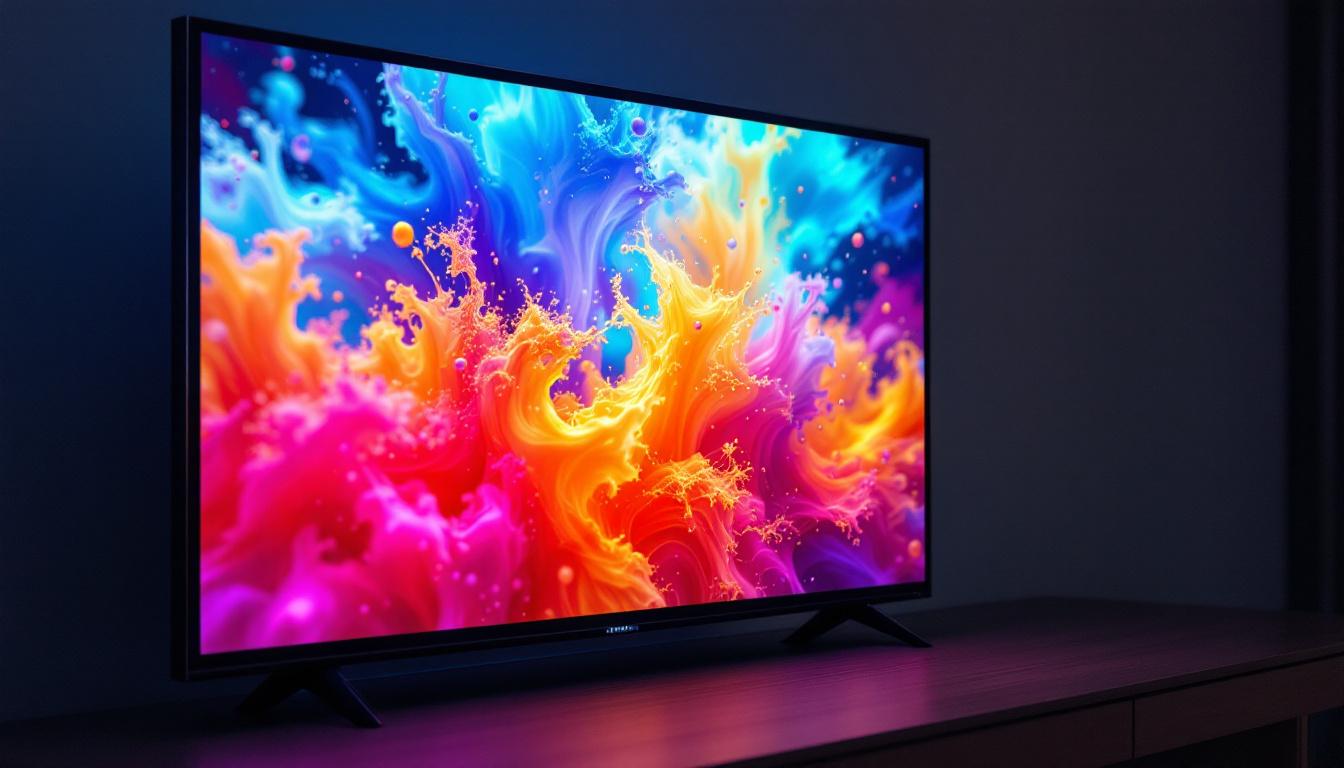
LED displays are typically categorized as either direct-view or backlit. Direct-view LED displays use LEDs as the light source for each pixel, making them ideal for large-scale outdoor and indoor screens. Backlit LED displays, commonly found in TVs and monitors, use LEDs to illuminate an LCD panel from behind.
Key Advantages of LED Displays
One of the primary benefits of LED displays is their superior brightness. They can achieve brightness levels exceeding 5,000 nits, making them highly visible even in direct sunlight. This feature is particularly valuable for outdoor advertising and public information displays.
Energy efficiency is another significant advantage. LED displays consume less power compared to traditional lighting and display technologies, reducing operational costs and environmental impact. Additionally, LEDs have a longer lifespan, often exceeding 100,000 hours, which minimizes maintenance and replacement expenses.
Types of LED Displays in the USA
LED displays come in various forms tailored to different applications. Understanding these types helps businesses and organizations select the most suitable display for their needs.
Outdoor LED Displays
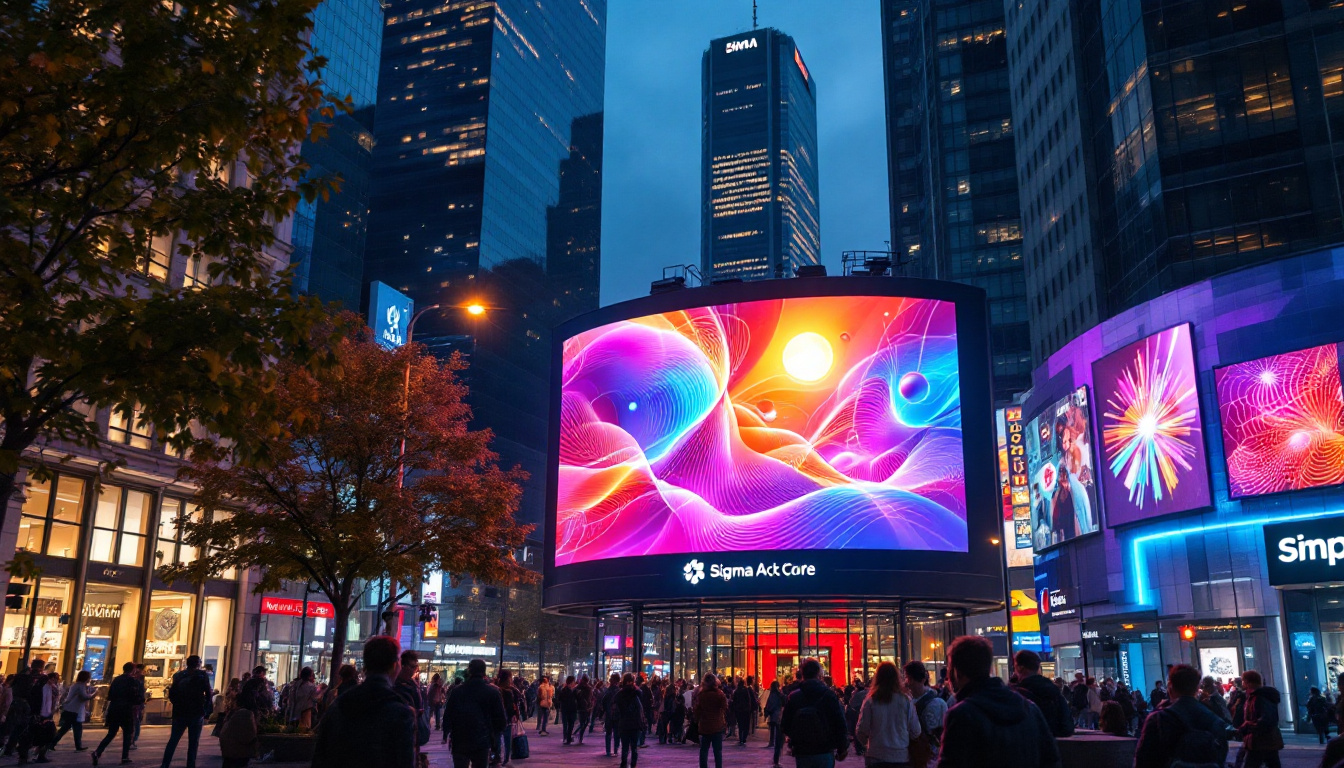
Outdoor LED displays are designed to withstand harsh weather conditions, including rain, wind, and extreme temperatures. They are commonly used for billboards, stadium screens, and transportation signage. These displays feature high brightness and robust construction to ensure visibility and durability.
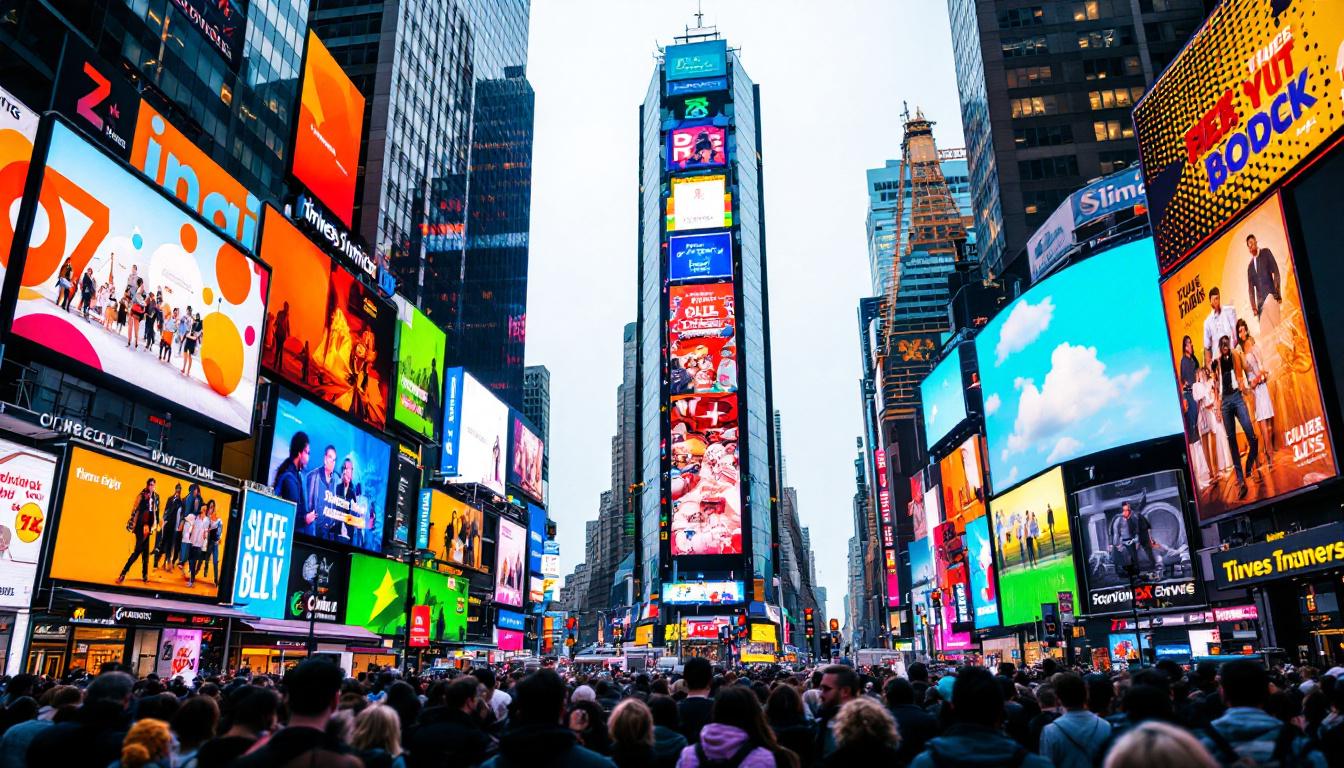
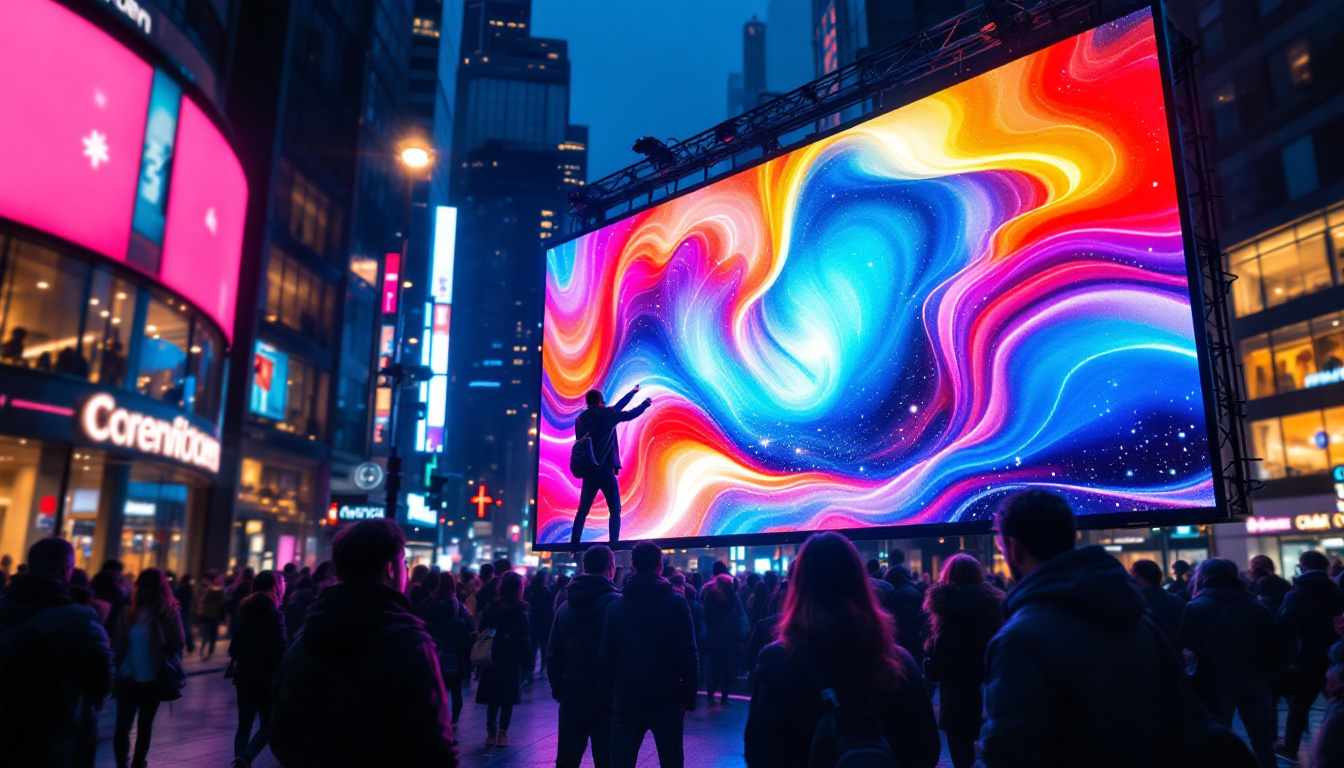
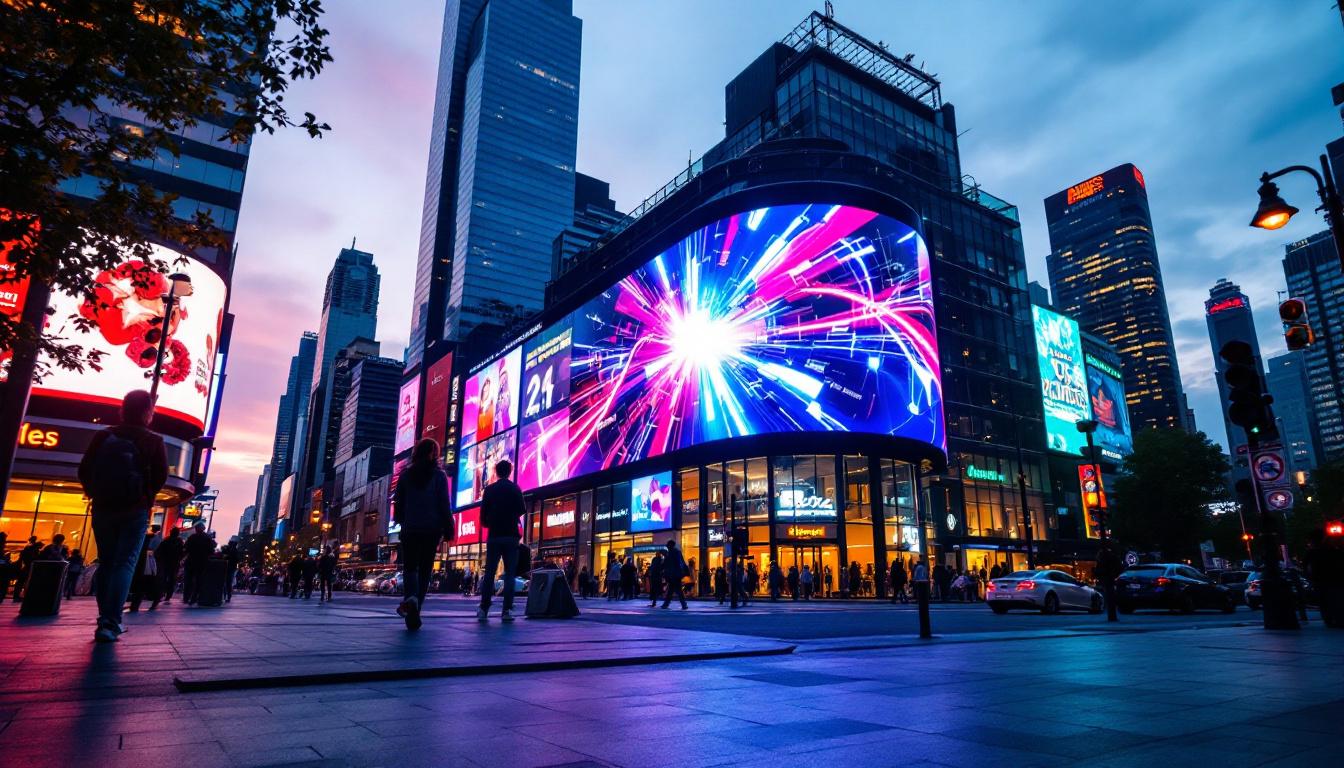
For example, the iconic digital billboards in Times Square utilize outdoor LED technology to deliver vibrant advertisements that captivate millions of viewers daily. These displays often have pixel pitches ranging from 6mm to 20mm, balancing resolution and viewing distance.
Indoor LED Displays
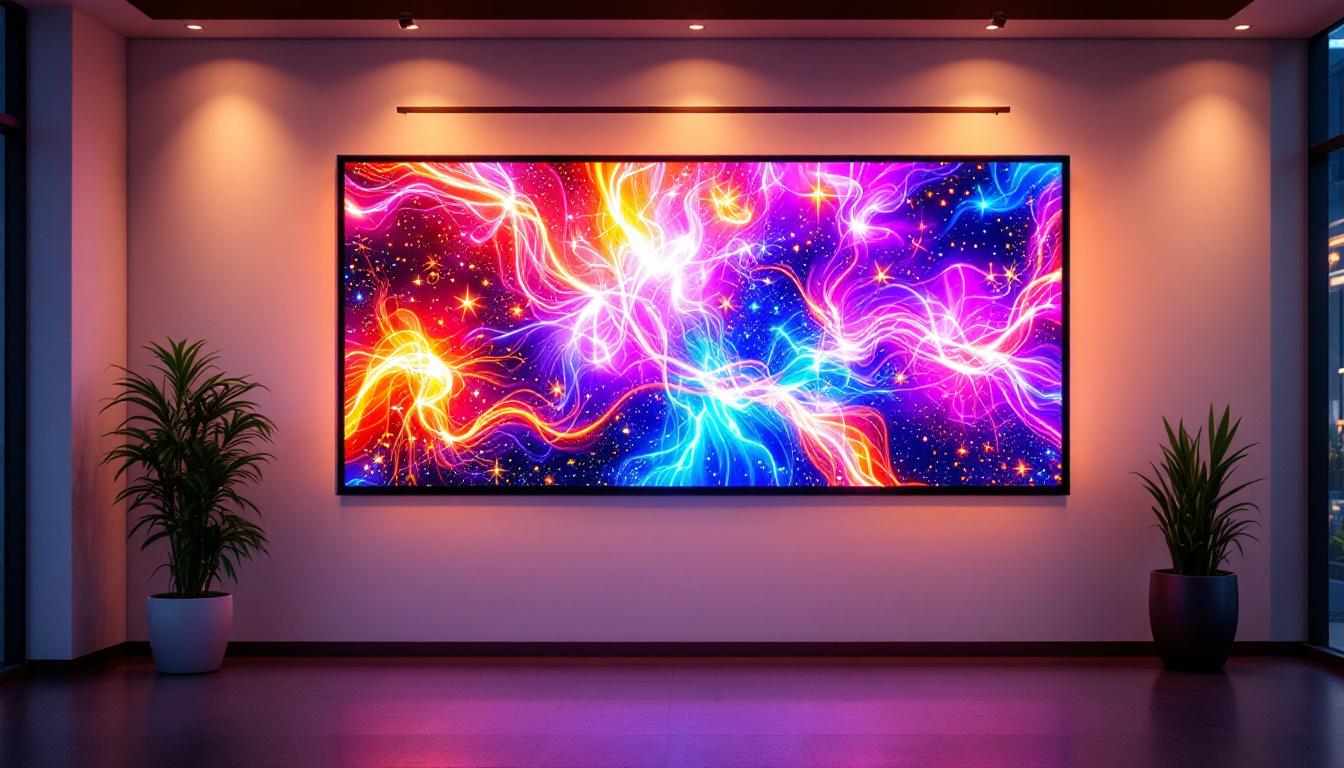
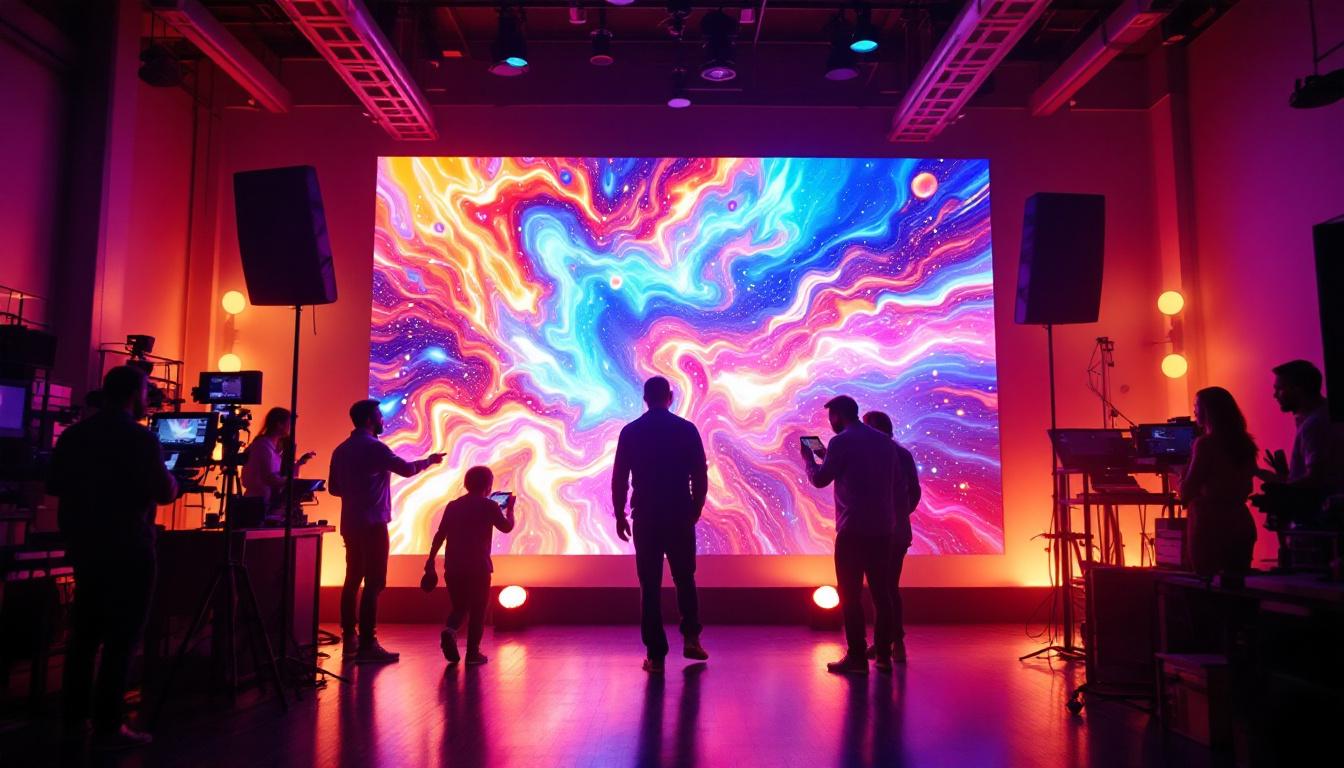
Indoor LED displays are optimized for controlled lighting environments such as shopping malls, conference rooms, and retail stores. They typically have smaller pixel pitches, often between 1mm and 4mm, enabling high-resolution images and close viewing distances.
Retailers in the USA use indoor LED displays to create immersive shopping experiences, showcasing dynamic promotions and interactive content. Their slim profiles and lightweight design also make them suitable for digital signage and event backdrops.
Transparent and Flexible LED Displays
Innovations in LED technology have led to the development of transparent and flexible LED displays. Transparent LED screens allow light to pass through, making them ideal for storefront windows and architectural installations where natural light is desired.
Flexible LED displays can bend and curve, opening new possibilities for creative design in advertising and entertainment. These cutting-edge displays are gaining traction in the USA for their versatility and aesthetic appeal.
Applications of LED Displays Across Industries
The versatility of LED displays has led to their adoption across a wide range of industries in the USA. Their ability to deliver high-impact visuals makes them invaluable tools for communication, marketing, and entertainment.
Advertising and Marketing
Advertising is perhaps the most visible application of LED displays. Digital billboards and signage enable advertisers to deliver timely, targeted messages with vibrant visuals. According to the Outdoor Advertising Association of America (OAAA), digital out-of-home advertising revenue reached over $3 billion in 2022, highlighting the growing importance of LED technology in this sector.
LED displays also allow for dynamic content updates, enabling marketers to tailor campaigns based on time of day, audience demographics, or special events, thereby maximizing engagement and return on investment.
Sports and Entertainment Venues
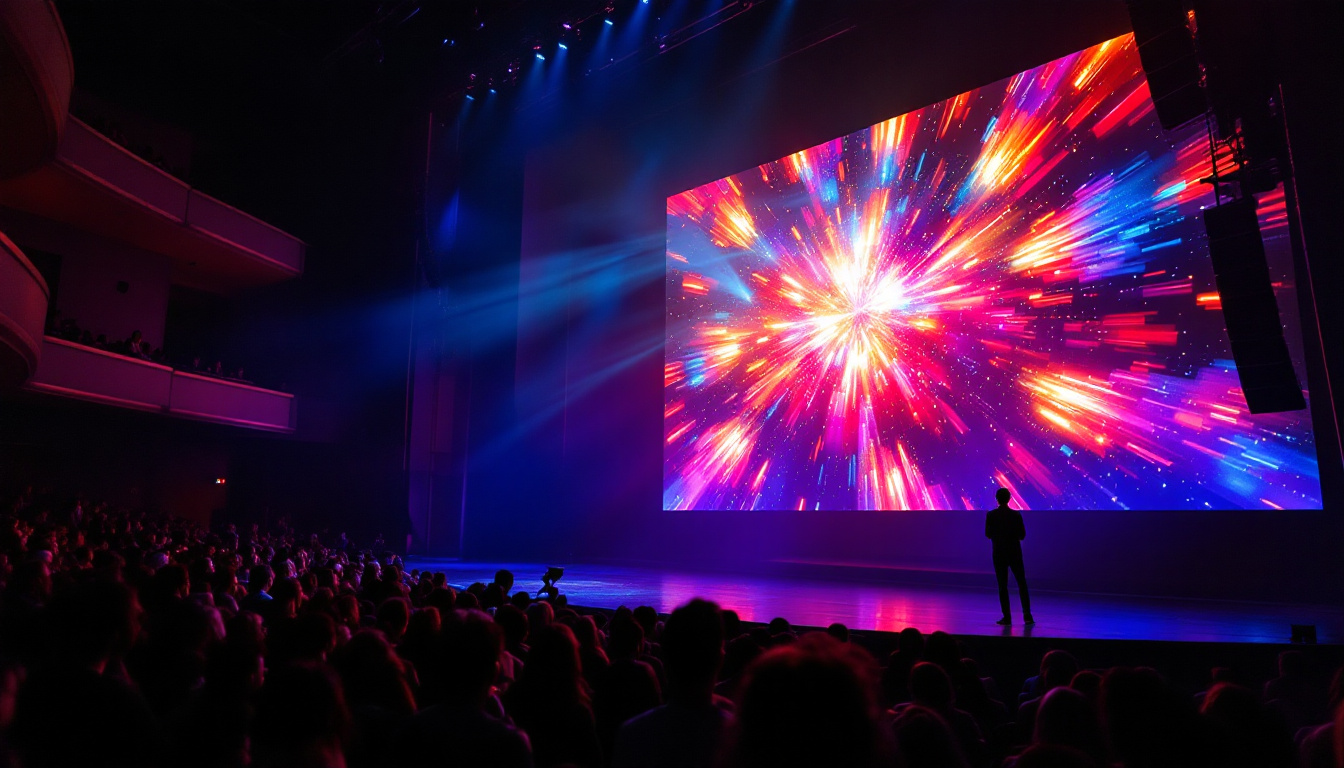
Stadiums and arenas across the USA leverage large-scale LED displays to enhance the spectator experience. From live game statistics to instant replays and interactive fan engagement, LED screens provide immersive content that keeps audiences informed and entertained.
For instance, the Dallas Cowboys’ AT&T Stadium features one of the largest high-definition LED video boards in the world, measuring over 160 feet wide. Such installations underscore the role of LED technology in modern sports entertainment.
Corporate and Educational Environments
LED displays are increasingly common in corporate offices and educational institutions. They facilitate presentations, video conferencing, and digital signage, improving communication and collaboration.
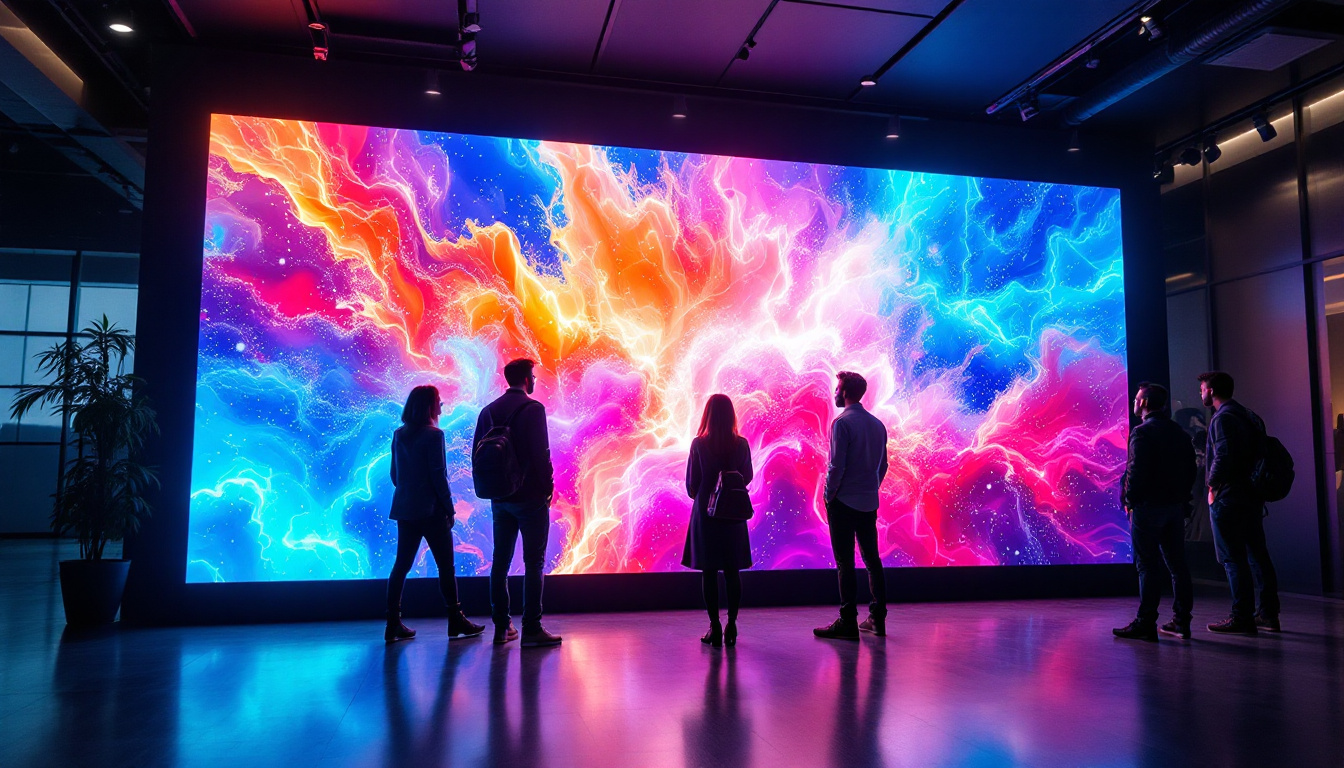
In universities, LED walls are used for lectures, events, and digital art installations, creating engaging learning environments. Corporations use LED displays in lobbies and meeting rooms to showcase branding and real-time data.
Transportation and Public Information
Transportation hubs such as airports, train stations, and bus terminals employ LED displays to provide real-time schedules, alerts, and wayfinding information. Their high visibility and reliability are critical for managing passenger flow and safety.
Public information systems in cities also utilize LED displays for emergency alerts, weather updates, and community announcements, demonstrating their role in public safety and civic engagement.
Technological Trends and Future Outlook
The LED display industry in the USA is rapidly evolving, driven by advancements in materials, manufacturing, and software integration. Understanding these trends provides insight into the future potential of LED technology.
Mini-LED and Micro-LED Innovations
Mini-LED and Micro-LED technologies represent the next generation of LED displays. Mini-LEDs use thousands of tiny LEDs to create higher contrast and better local dimming compared to traditional LED-backlit LCDs. Micro-LEDs go further by using microscopic LEDs as individual pixels, offering superior brightness, color accuracy, and energy efficiency.
These technologies are expected to disrupt markets such as televisions, smartphones, and augmented reality devices, with several American companies investing heavily in their development.
Integration with IoT and Smart Technologies
LED displays are increasingly integrated with Internet of Things (IoT) platforms and smart technologies. This enables real-time data-driven content updates, remote management, and interactive capabilities.
Smart LED displays can adapt content based on environmental sensors, audience analytics, or social media trends, enhancing relevance and engagement. This convergence is transforming LED displays from static signage into dynamic communication hubs.
Sustainability and Energy Efficiency
As sustainability becomes a priority, LED display manufacturers in the USA are focusing on reducing energy consumption and environmental impact. Advances in LED chip design and power management have led to displays that consume up to 50% less energy than earlier models.
Additionally, the use of recyclable materials and modular designs facilitates easier maintenance and end-of-life recycling, aligning LED display technology with broader corporate social responsibility goals.
Choosing the Right LED Display: Considerations for Buyers
For businesses and organizations looking to invest in LED displays, several factors should guide the decision-making process to ensure optimal performance and value.
Resolution and Pixel Pitch
The resolution of an LED display is determined by its pixel pitch, which is the distance between the centers of adjacent pixels. Smaller pixel pitches offer higher resolution and are suitable for close viewing distances, while larger pitches are ideal for long-range visibility.
Buyers should assess the typical viewing distance and desired image quality to select an appropriate pixel pitch. For example, indoor retail displays often require pixel pitches of 1-3mm, whereas outdoor billboards may use 10-20mm.
Brightness and Contrast
Brightness levels must be sufficient for the intended environment. Outdoor displays require high brightness (often above 5,000 nits) to remain visible in sunlight, while indoor displays can operate effectively at lower brightness levels.
Contrast ratio also influences image clarity and color vibrancy. High contrast enhances readability and viewer engagement, especially for text and detailed graphics.
Durability and Maintenance
Environmental factors such as weather, dust, and temperature fluctuations impact the durability of LED displays. Outdoor installations should have robust enclosures with appropriate IP (Ingress Protection) ratings to prevent damage.
Maintenance considerations include ease of access for repairs, availability of replacement parts, and manufacturer support. Modular designs can simplify maintenance and reduce downtime.
Cost and Return on Investment
While LED displays represent a significant upfront investment, their long lifespan, energy efficiency, and advertising impact often justify the cost. Buyers should evaluate total cost of ownership, including installation, operation, and maintenance expenses.
Additionally, the ability to update content dynamically can increase revenue opportunities and improve communication effectiveness, enhancing overall ROI.
Conclusion
LED displays have firmly established themselves as a transformative technology in the United States, reshaping how businesses, governments, and institutions communicate visually. Their brightness, versatility, and energy efficiency make them ideal for a wide array of applications, from advertising and entertainment to public information and corporate communication.
As technological advancements continue to push the boundaries of what LED displays can achieve, their role in the digital landscape is set to expand further. Understanding the fundamentals, types, applications, and emerging trends is essential for anyone considering LED display technology as part of their communication strategy.
With careful selection and strategic implementation, LED displays offer unmatched opportunities to engage audiences, enhance brand visibility, and deliver impactful messages in today’s fast-paced, visually driven world.
Discover LumenMatrix’s Innovative LED Solutions
Ready to elevate your visual communication strategy with the latest in LED display technology? Look no further than LumenMatrix, a pioneer in crafting LED display modules that bring your brand to life. Whether you’re interested in Indoor LED Walls, Outdoor Displays, or specialized solutions like Vehicle and Sports LED Displays, LumenMatrix has a solution tailored to your needs. Experience the power of enhanced engagement and crystal-clear messaging with our cutting-edge digital signage. Check out LumenMatrix LED Display Solutions today and transform the way you connect with your audience.