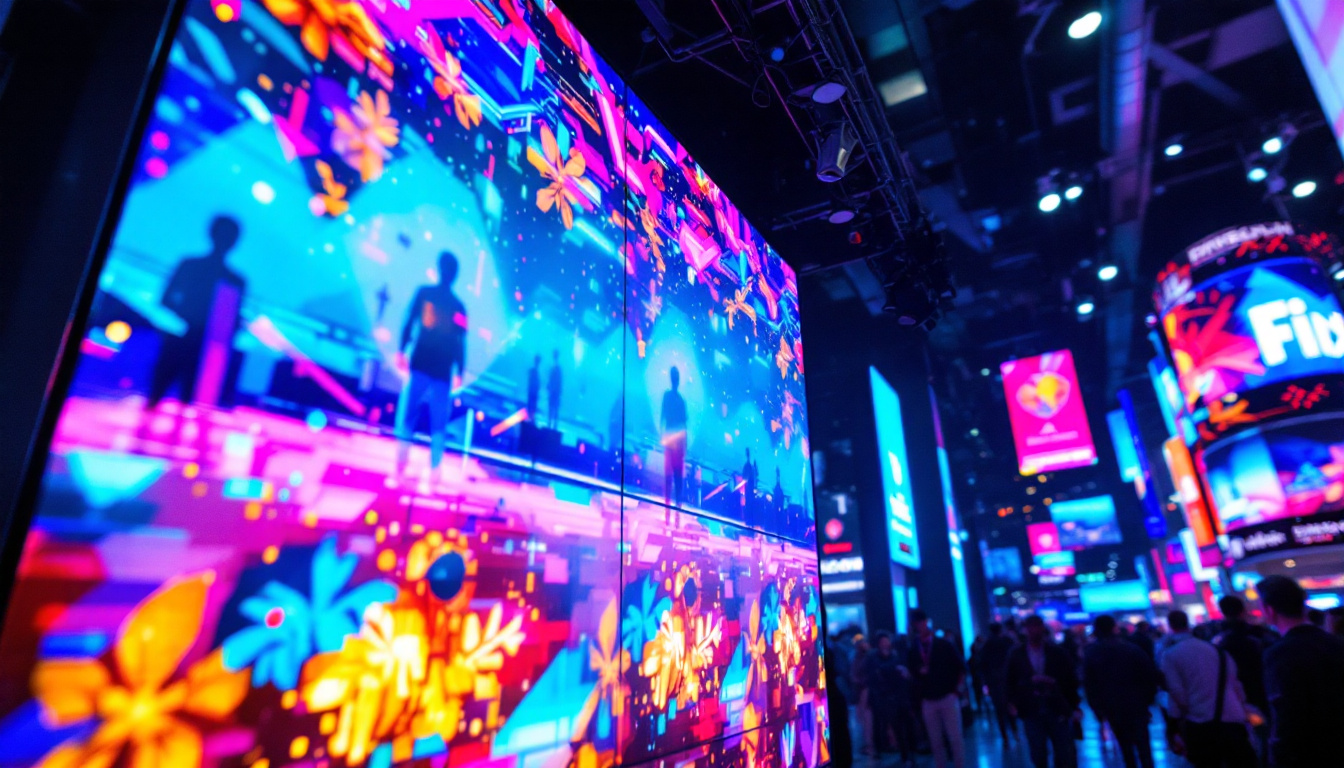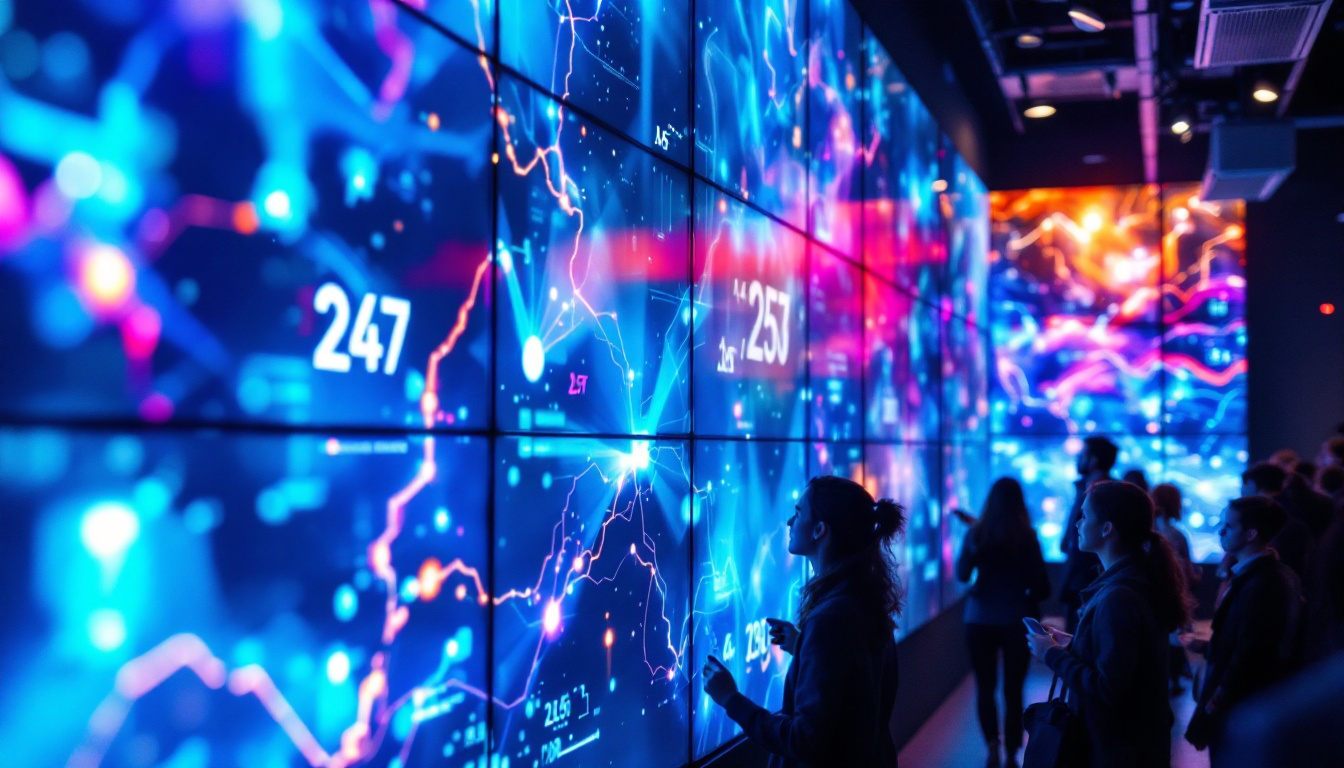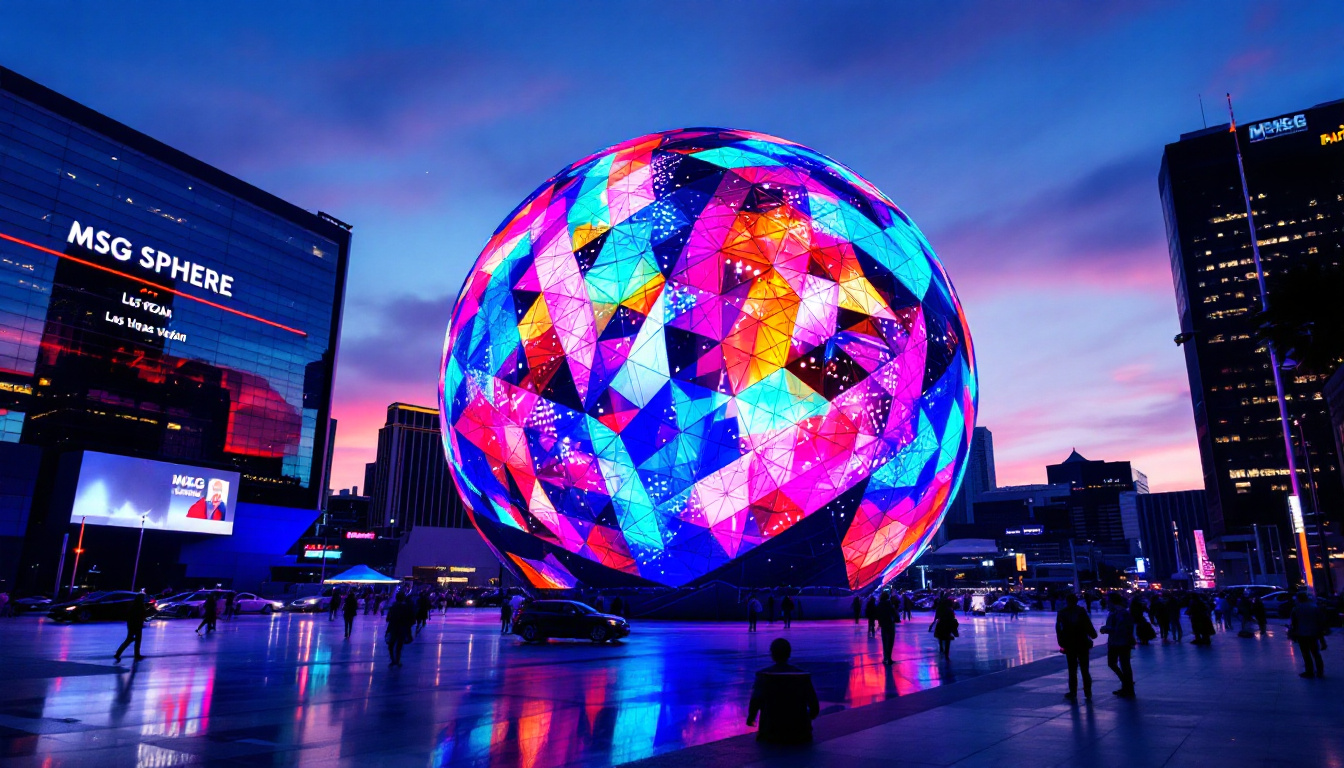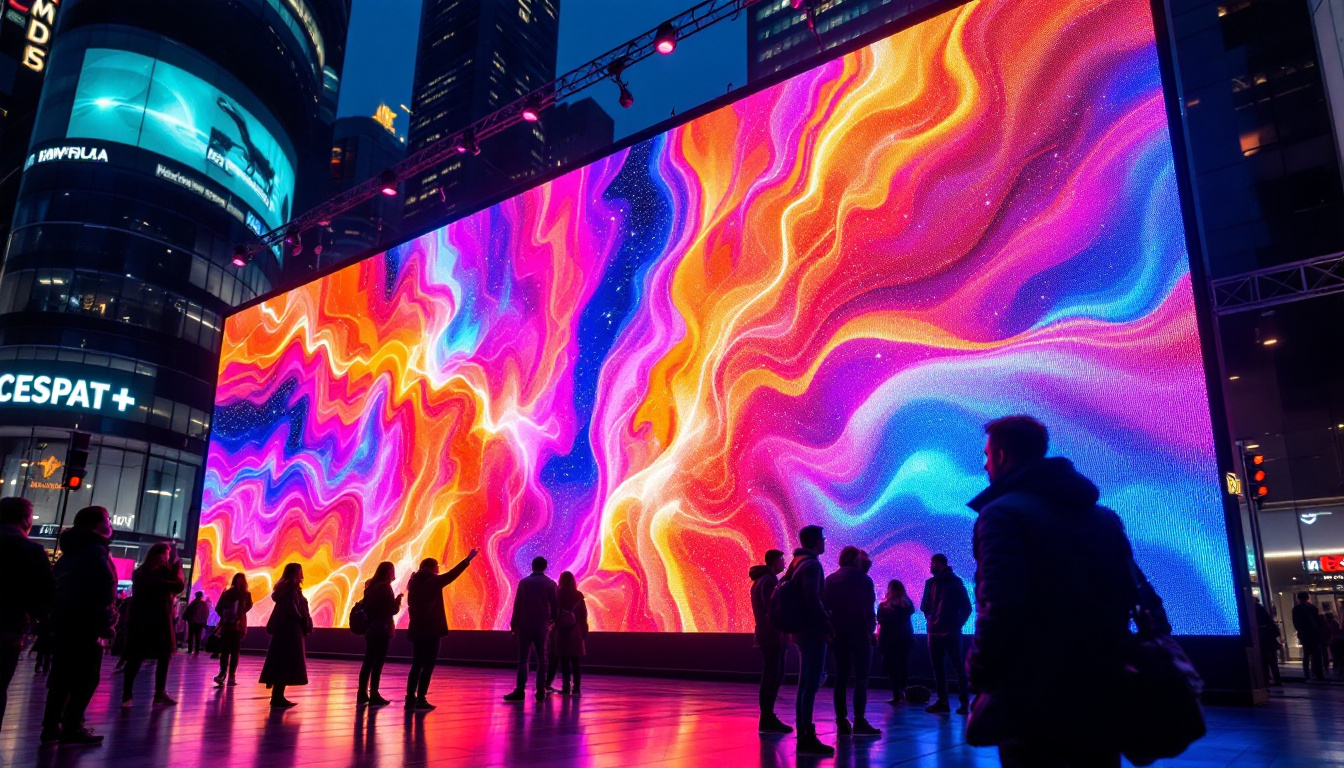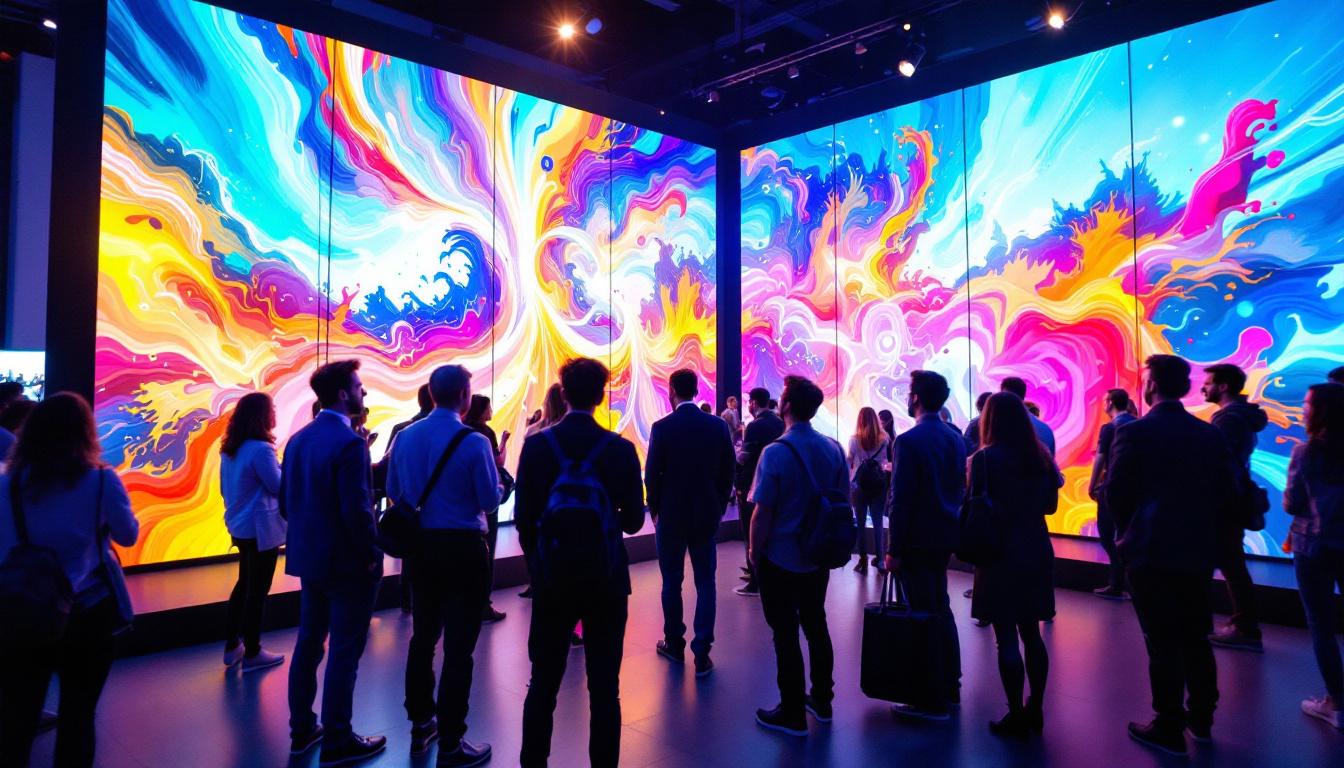
In the competitive world of trade shows and exhibitions, capturing attention is paramount. Among the myriad of display technologies available, LED displays have emerged as a standout choice for trade booth presentations. Their vibrant visuals, flexibility, and ability to engage audiences make them an essential tool for businesses aiming to make a memorable impact. This article delves into the intricacies of LED displays for trade booths, exploring their benefits, types, and best practices to maximize their effectiveness.
Understanding LED Displays in Trade Booths
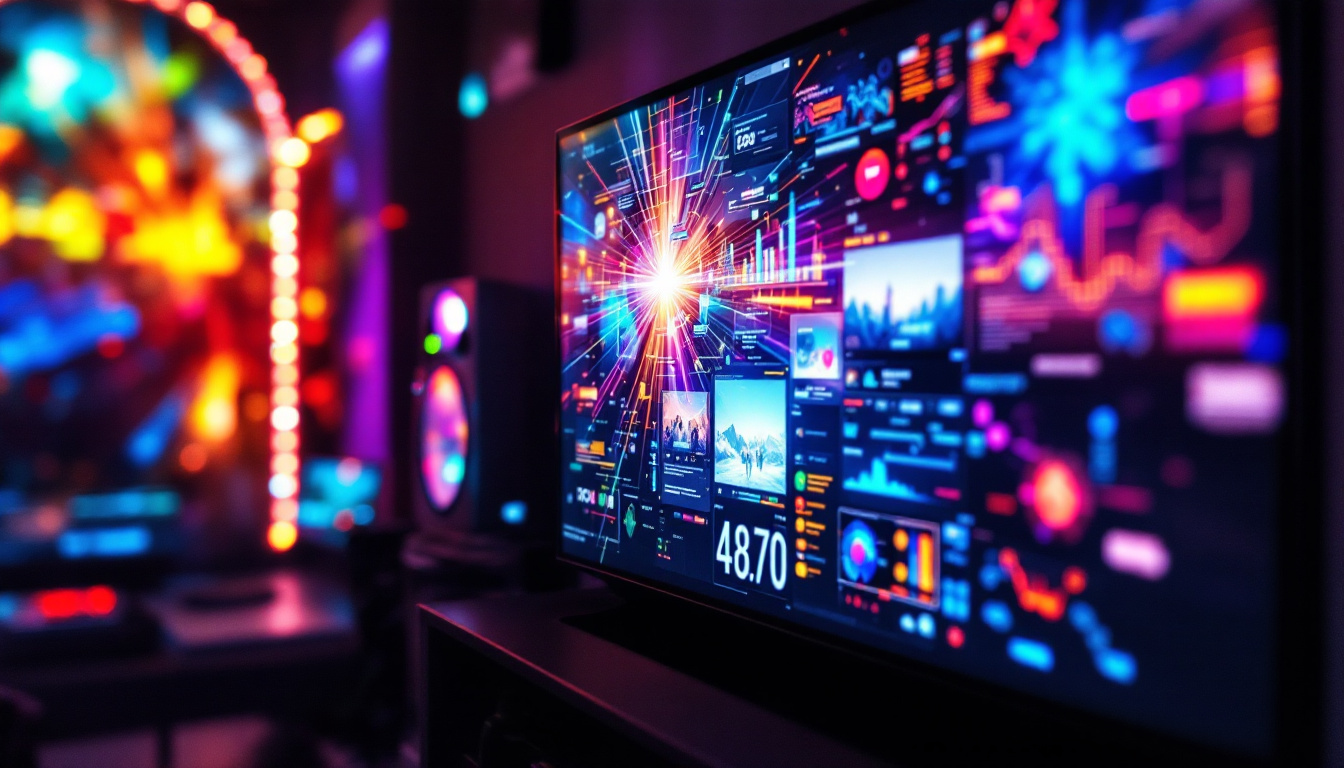
LED, or Light Emitting Diode, technology has revolutionized visual communication by offering bright, energy-efficient, and versatile display solutions. In trade booth settings, LED displays serve as dynamic canvases that can showcase videos, animations, product information, and interactive content. This technology not only enhances the aesthetic appeal of a booth but also provides a platform for storytelling, allowing brands to convey their message in a captivating manner.
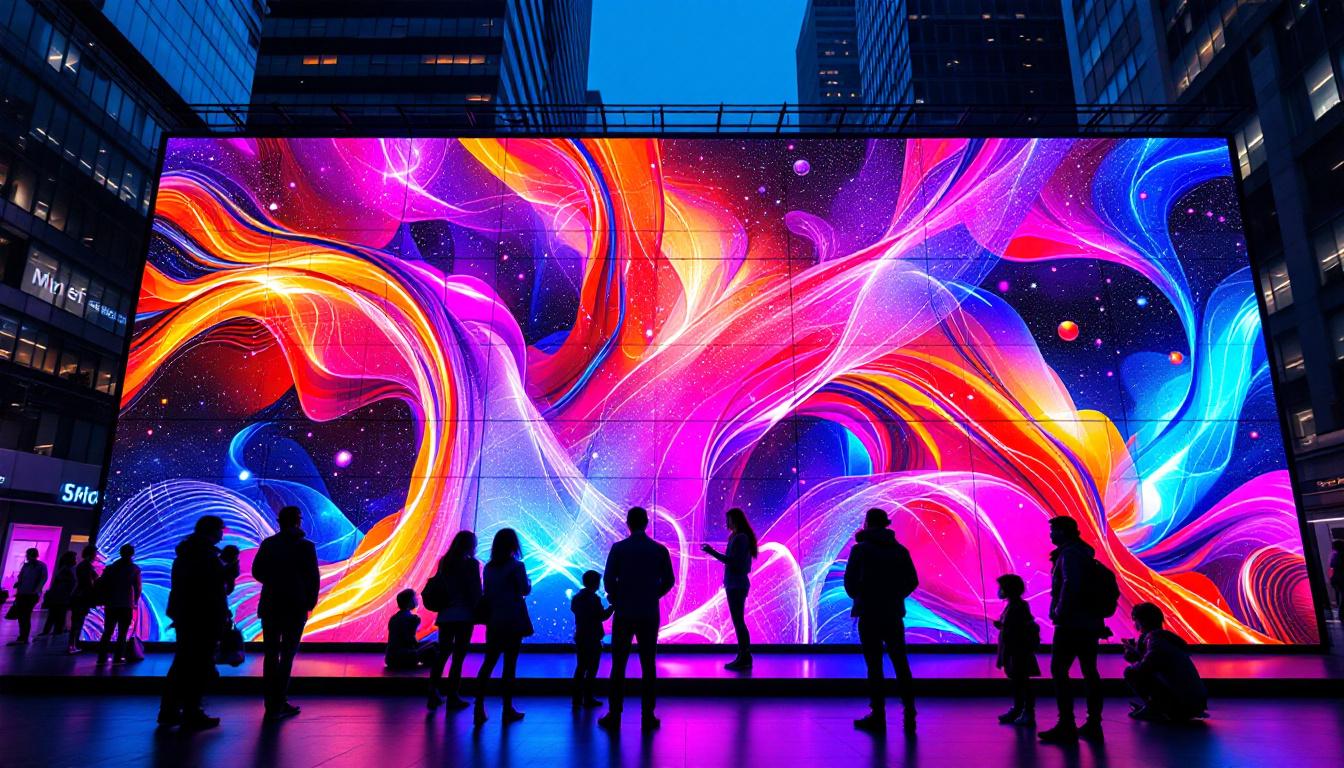
Unlike traditional printed banners or static displays, LED screens provide motion and color depth that capture the human eye more effectively. This capability is critical in environments like trade shows where hundreds of exhibitors compete for visitor attention. The vibrant colors and high contrast of LED displays can evoke emotions and create memorable experiences, making them a powerful tool for brand differentiation and engagement.
What Makes LED Displays Ideal for Trade Shows?
Trade shows are fast-paced environments where first impressions count. LED displays offer several advantages that make them particularly suited for this context:
- Brightness and Visibility: LED screens can be seen clearly even in brightly lit exhibition halls, ensuring messages are not lost in ambient light.
- Customizability: Content can be easily updated and tailored to different audiences or time slots without reprinting materials.
- Engagement: Motion graphics and video content tend to hold visitor attention longer than static images.
- Durability: Modern LED panels are designed to withstand the rigors of transport and repeated setup, making them a practical investment.
These factors contribute to the growing adoption of LED displays in trade booth design, with industry reports indicating that over 60% of exhibitors now incorporate digital signage into their booths. Furthermore, the ability to integrate interactive elements, such as touch screens or augmented reality features, allows exhibitors to create immersive experiences that encourage visitor participation. This interactivity not only enhances engagement but also provides valuable data on visitor preferences and behaviors, which can be leveraged for future marketing strategies.
Additionally, LED displays can be synchronized with social media feeds or live event updates, creating a sense of immediacy and relevance that resonates with attendees. This real-time interaction fosters a connection between the brand and its audience, making it easier to build relationships and generate leads. As technology continues to evolve, the potential applications for LED displays in trade booths are expanding, paving the way for even more innovative and impactful marketing solutions.
“`html
Types of LED Displays for Trade Booths
LED technology comes in various forms, each suited to different booth sizes, budgets, and design goals. Understanding these types helps exhibitors choose the right solution for their needs.
Indoor LED Panels
Indoor LED panels are the most common choice for trade booths. They are designed for close viewing distances and offer high resolution with fine pixel pitches, typically ranging from 1.2mm to 4mm. This means images and text appear crisp and clear, even up close.
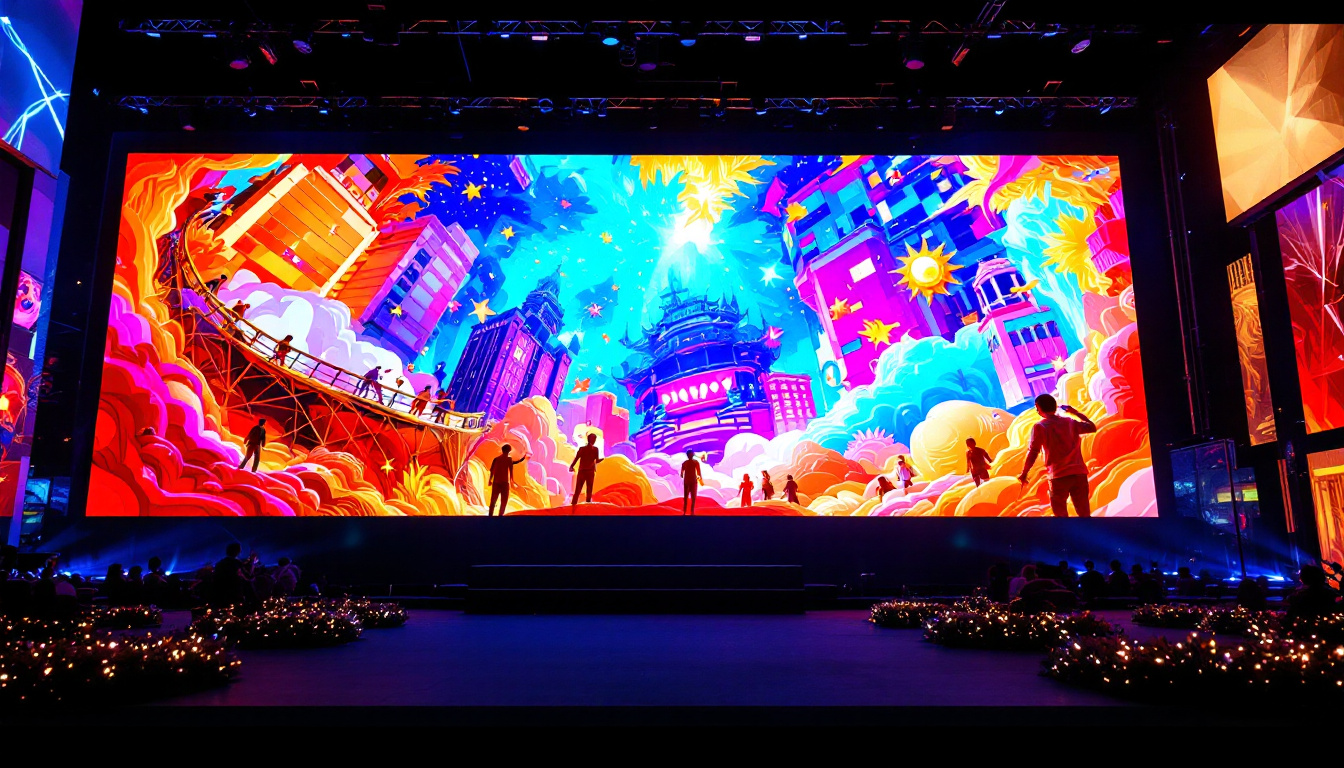
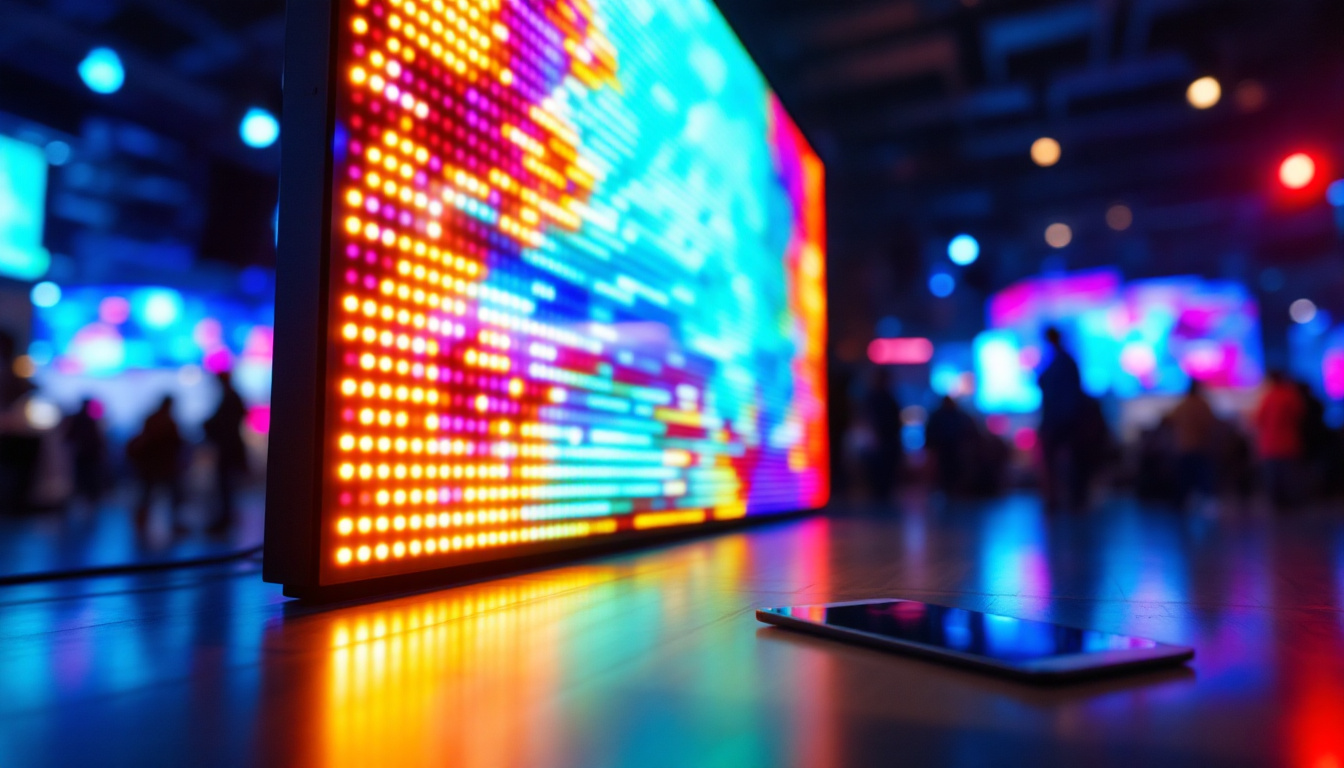
These panels can be configured into video walls, curved displays, or irregular shapes, allowing for creative booth designs that stand out. Their modular nature also makes transportation and installation manageable. Additionally, indoor LED panels often come equipped with advanced features such as touch interactivity and integrated content management systems, enabling exhibitors to engage visitors in innovative ways. By showcasing dynamic content, such as promotional videos or live social media feeds, these displays can significantly enhance visitor interaction and retention.
Outdoor LED Displays
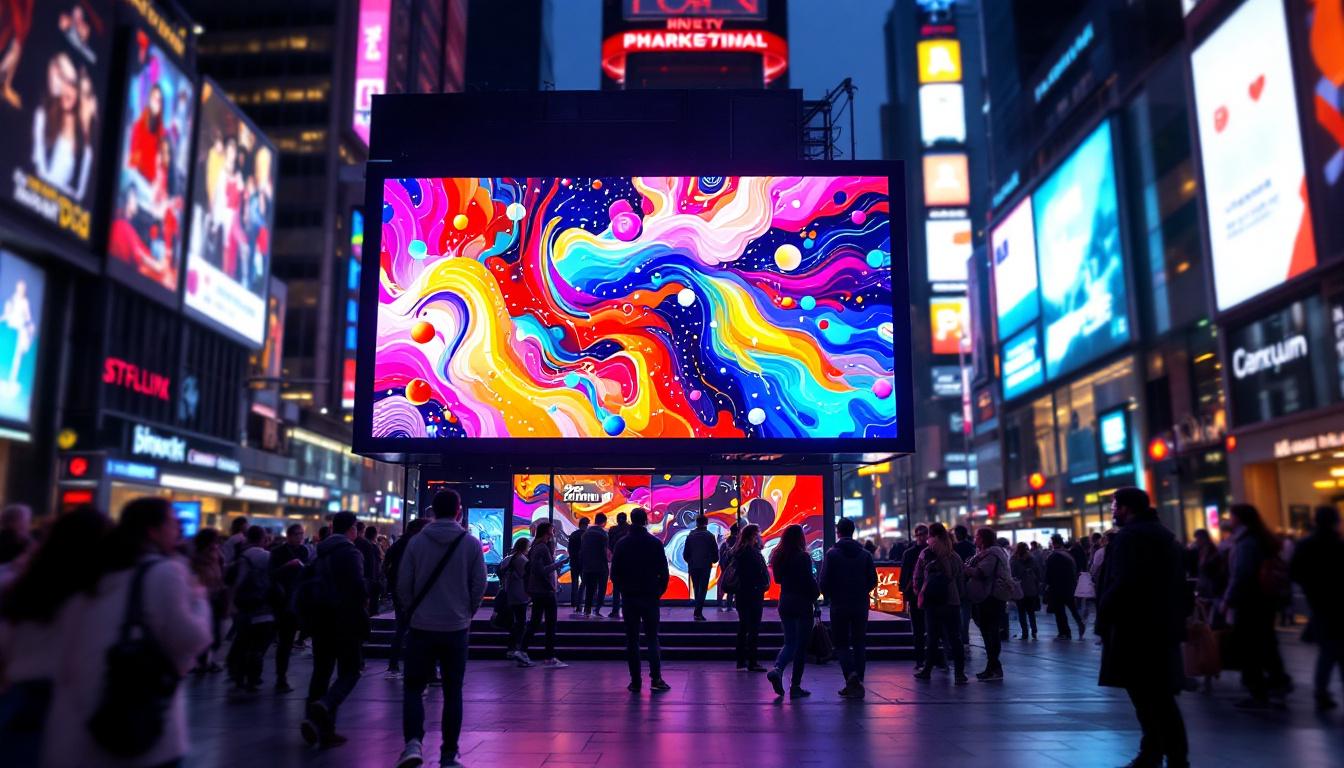
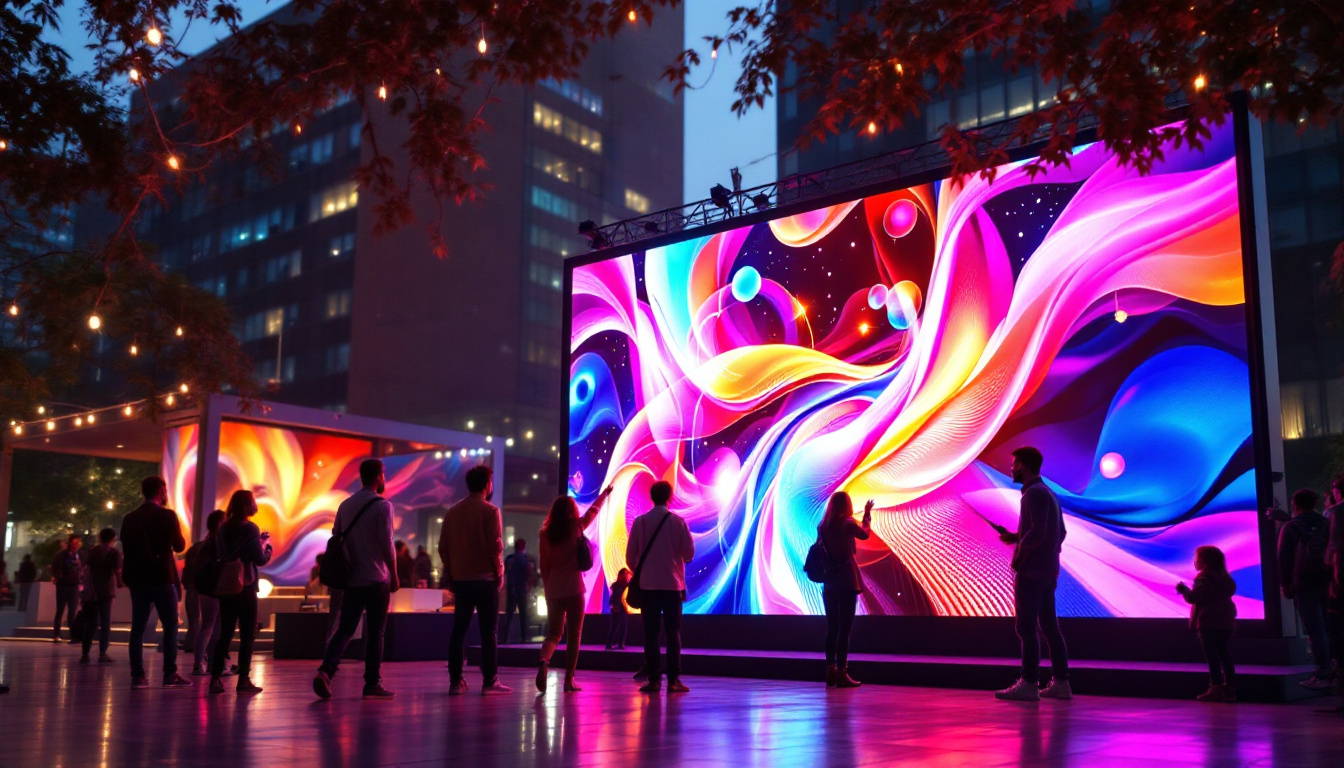
While less common inside exhibition halls, outdoor LED displays are used for booths with open-air setups or events that extend beyond the indoor space. These displays have higher brightness levels, often exceeding 5,000 nits, to combat sunlight glare. They are also weather-resistant, ensuring reliable performance in various conditions.
Moreover, outdoor LED displays can be equipped with advanced features like automatic brightness adjustment, which optimizes visibility based on ambient light conditions. This adaptability not only enhances the viewing experience but also conserves energy, making them a more sustainable choice for long-term use. Many exhibitors utilize outdoor displays to broadcast live events, product launches, or promotional campaigns, effectively drawing in foot traffic and creating a vibrant atmosphere that captivates potential customers.
Transparent LED Displays
Emerging as a sophisticated option, transparent LED displays combine visibility with see-through capabilities. These are perfect for trade booths with glass walls or windows, allowing for dynamic content without obstructing natural light or sightlines.
Though more expensive, transparent LEDs create a futuristic aesthetic that can elevate brand perception and attract tech-savvy visitors. They are particularly effective for luxury brands looking to convey sophistication and innovation. The ability to display high-resolution images and videos while maintaining transparency means that exhibitors can showcase their products in an unobtrusive manner, allowing natural light to flow through the booth and creating an inviting atmosphere. This technology also encourages creative storytelling, as brands can blend visual content with the physical environment, enhancing the overall experience for attendees.
Flexible and Curved LED Displays
Flexible LED panels enable curved or irregular shapes, offering unique design possibilities. This flexibility allows exhibitors to break away from traditional rectangular screens and create immersive environments that invite exploration.
These displays can be used to form stunning backdrops or even three-dimensional structures that draw attention from all angles. Their lightweight design makes them easy to transport and install, while their versatility means they can adapt to various booth layouts. Additionally, flexible LED displays can be programmed to create dynamic visual effects, such as animations or transitions, that can mesmerize passersby and encourage them to engage with the booth. By incorporating these innovative displays, exhibitors can craft a memorable experience that resonates with visitors long after the event concludes.
“`
Key Benefits of Using LED Displays in Trade Booths
Integrating LED displays into trade booth design offers tangible benefits beyond mere aesthetics. These advantages contribute directly to lead generation, brand awareness, and overall event success.
Enhanced Visitor Engagement
Studies show that digital signage can increase visitor dwell time by up to 30%. LED displays, with their vibrant colors and motion capabilities, naturally draw attention and encourage visitors to stop and interact with the booth.
Interactive LED screens can further boost engagement by allowing visitors to explore product catalogs, watch demonstrations, or participate in contests, creating memorable experiences that foster brand loyalty.
Flexibility and Real-Time Content Updates
Trade show schedules and messaging often change at the last minute. LED displays allow exhibitors to update content instantly, whether to highlight a new product, announce a special offer, or respond to competitor activity.
This adaptability ensures that the booth’s messaging remains relevant and impactful throughout the event.
Cost-Effectiveness Over Time
While the initial investment in LED displays may be higher than traditional printed materials, the ability to reuse and update content digitally reduces long-term costs. Exhibitors save on printing, shipping, and labor expenses associated with static displays.
Moreover, LED technology has become more affordable in recent years, with prices dropping by approximately 15% annually, making it accessible to a wider range of businesses.
Improved Brand Perception
A modern, high-tech booth equipped with LED displays signals innovation and professionalism. Visitors often associate digital displays with cutting-edge companies, enhancing brand credibility and trust.
This perception can be particularly valuable in industries like technology, healthcare, and finance, where trust and innovation are key differentiators.
Design and Implementation Best Practices for LED Trade Booth Displays
Maximizing the impact of LED displays requires thoughtful design and strategic implementation. The following best practices can help exhibitors leverage LED technology effectively.
Optimize Content for Viewing Distance and Environment
Content should be designed with the typical viewing distance in mind. For close-up viewing, high-resolution graphics and readable fonts are essential. For larger screens viewed from afar, bold visuals and concise messaging work best.
Additionally, consider the exhibition hall’s lighting conditions and ambient noise to ensure that the display’s brightness and audio (if applicable) are appropriately calibrated.
Integrate with Overall Booth Design
LED displays should complement the booth’s physical layout and branding elements. Seamless integration creates a cohesive and professional appearance that reinforces brand identity.
For example, using LED video walls as backdrops or incorporating LED strips into structural elements can enhance visual appeal without overwhelming the space.
Plan for Technical Support and Maintenance
Reliable operation during the event is critical. Exhibitors should arrange for on-site technical support or have trained staff familiar with the LED system to troubleshoot any issues quickly.
Regular maintenance, including cleaning and software updates, ensures optimal performance and longevity of the displays.
Leverage Interactive Features
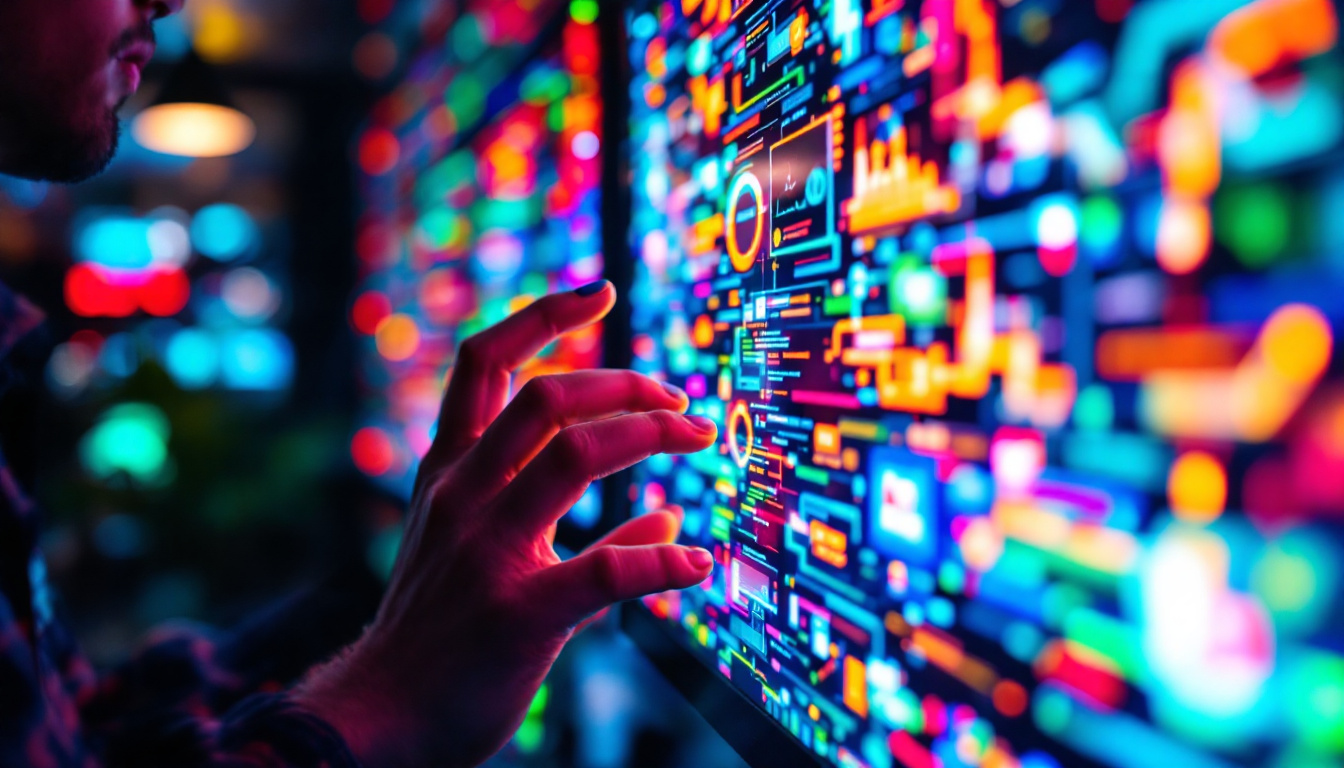
Where possible, incorporating touchscreens or gesture controls can transform the LED display from a passive element into an interactive experience. This interactivity can increase visitor engagement and provide valuable data on visitor preferences and behavior.
Emerging Trends and Future Outlook for LED Displays in Trade Booths
The landscape of LED display technology continues to evolve, driven by advancements in hardware, software, and user experience design. Staying informed about these trends can help exhibitors maintain a competitive edge.
Mini and Micro LED Technologies
Mini and micro LED displays offer even higher resolution and brightness with improved energy efficiency. These advances enable ultra-fine pixel pitches, making displays sharper and more vibrant, even at very close viewing distances.
As these technologies become more affordable, they are expected to become standard in high-end trade booth applications.
Augmented Reality (AR) Integration
Combining LED displays with AR technology can create immersive experiences that blend digital content with the physical environment. For example, visitors might see product demonstrations overlaid onto real objects, enhancing understanding and engagement.
AI-Driven Content Personalization
Artificial intelligence can analyze visitor demographics and behavior in real-time to tailor LED display content dynamically. This personalization increases relevance and impact, making each visitor’s experience unique.
Conclusion
LED displays have transformed trade booth presentations by offering vibrant, flexible, and engaging visual communication solutions. Their ability to capture attention, convey dynamic content, and enhance brand perception makes them indispensable tools for exhibitors aiming to stand out in crowded trade show environments.
By understanding the different types of LED displays, leveraging their benefits, and following best design practices, businesses can create compelling trade booth experiences that drive visitor engagement and generate meaningful leads. As technology continues to advance, embracing innovations like mini LED, AR integration, and AI personalization will further elevate the effectiveness of LED displays in trade exhibitions.
Investing in LED display technology is not just about keeping up with trends—it’s about creating memorable, impactful interactions that turn trade show visitors into loyal customers.
“`html
Discover LumenMatrix’s Innovative LED Display Solutions
Ready to elevate your trade booth experience with cutting-edge LED technology? LumenMatrix is at the forefront of creating immersive visual displays that captivate and engage. From versatile Indoor LED Walls to dynamic Outdoor Displays, and from sleek Transparent LEDs to fully Customized Solutions, our range is designed to make your brand shine. Embrace the future of visual communication with LumenMatrix and transform your trade show presence into an unforgettable spectacle. Check out LumenMatrix LED Display Solutions today and see how we can help you make a lasting impression on your audience.
“`