In the rapidly evolving world of health technology, devices equipped with touch screens and LED displays have become central to monitoring and managing personal health. From fitness trackers to sophisticated medical monitors, these interfaces provide users with real-time data in an accessible and intuitive format. Understanding how LED displays function within health monitors is crucial for both consumers seeking reliable devices and professionals aiming to recommend the best tools for patient care.
The Role of LED Displays in Health Monitoring Devices
LED (Light Emitting Diode) technology has transformed the way health data is presented. Unlike traditional LCD screens, LED displays offer superior brightness, contrast, and energy efficiency, making them ideal for wearable and portable health monitors.
Health monitors rely on LED displays to visually communicate vital signs such as heart rate, blood oxygen levels, blood pressure, and more. The clarity and responsiveness of these screens directly impact user experience, especially for individuals who depend on accurate and timely health information.
Why LED Displays Are Preferred in Health Monitors
LED displays are favored for several reasons. Firstly, their high brightness levels ensure visibility even in direct sunlight, which is essential for outdoor use or well-lit environments. Secondly, LEDs consume less power compared to other display types, extending battery life—a critical factor for wearable devices that need to operate continuously.
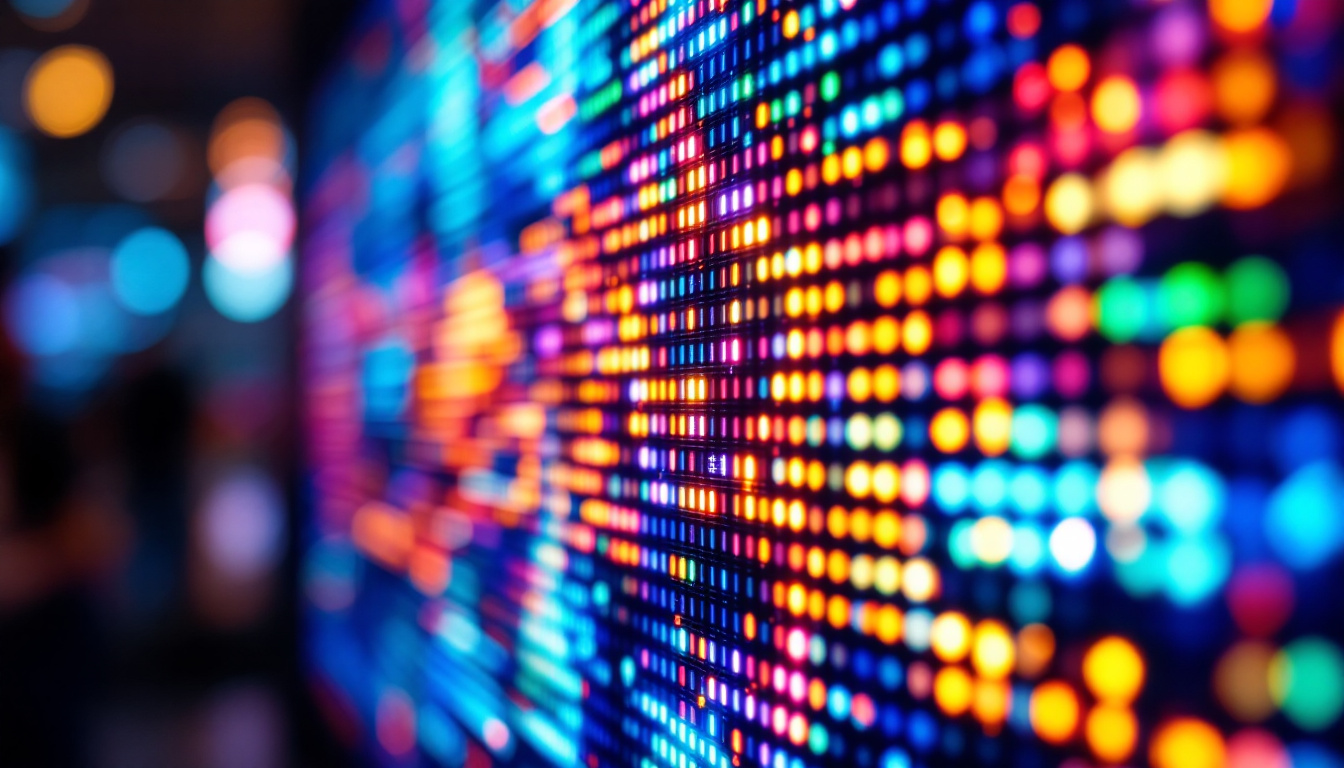
Moreover, LED technology supports vibrant colors and sharp images, which help in differentiating various health parameters at a glance. This visual clarity can be vital in emergency situations where quick interpretation of data is necessary.
In addition to their practical advantages, LED displays can also enhance user engagement through interactive features. Many modern health monitoring devices incorporate touch-sensitive LED screens that allow users to navigate through their health data seamlessly. This interactivity not only makes the experience more intuitive but also encourages users to take a more active role in managing their health. Furthermore, the integration of notifications and alerts on LED displays can provide real-time feedback, prompting users to take necessary actions based on their health metrics.
Another significant aspect of LED displays in health monitoring devices is their durability. Unlike fragile LCD screens, LED technology is generally more resilient to shocks and impacts, making it suitable for devices that are worn during physical activities. This robustness ensures that health monitors can withstand the rigors of daily life, providing reliable performance over time. As health technology continues to evolve, the role of LED displays will likely expand, paving the way for even more innovative applications in personal health management.
Understanding the Touch Screen Interface in Health Monitors
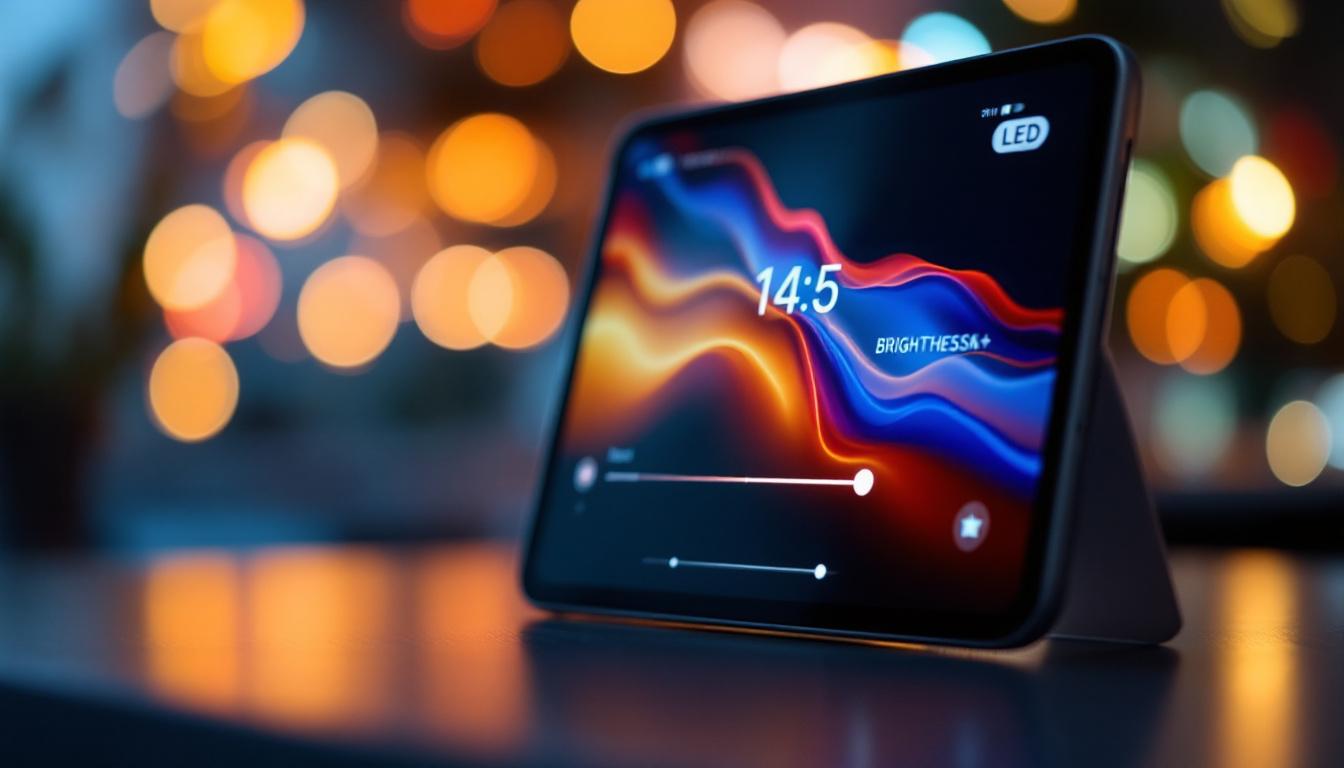
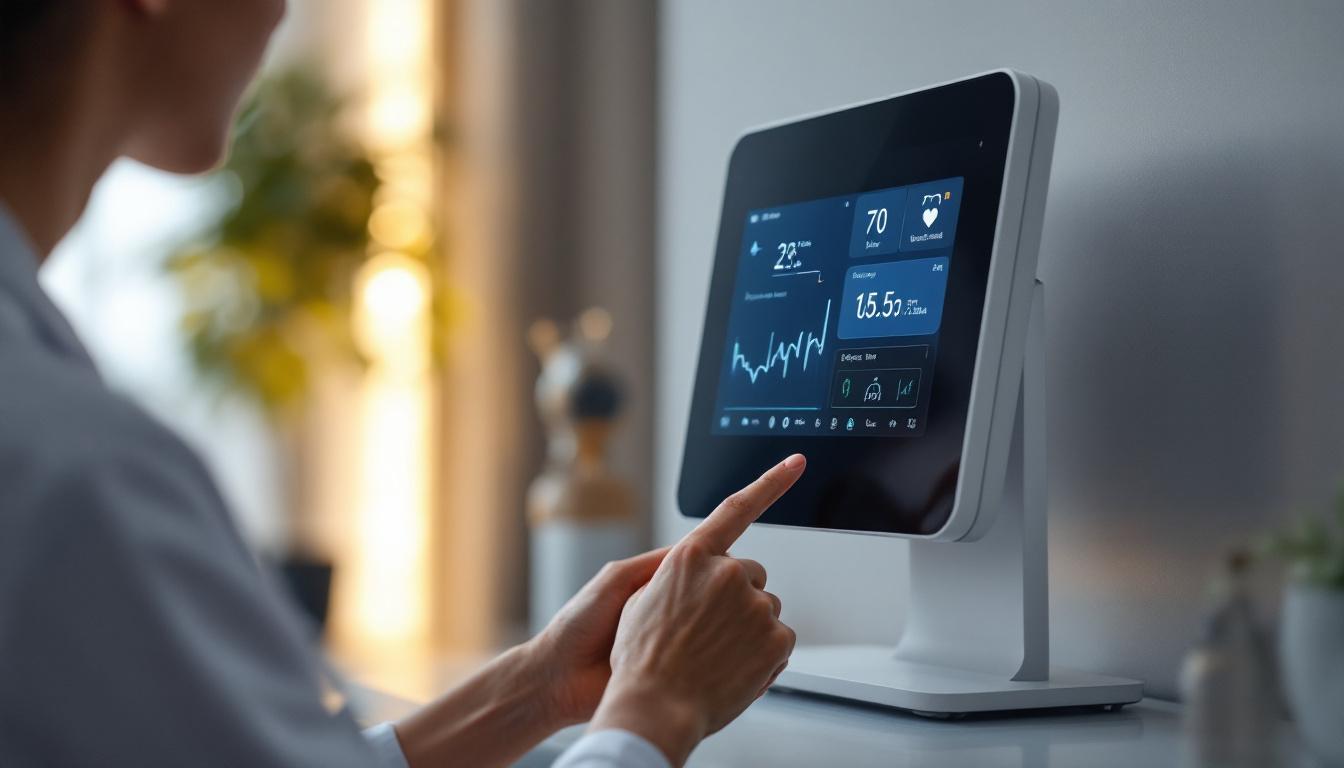
The integration of touch screen technology with LED displays has revolutionized user interaction with health devices. Touch screens enable intuitive navigation through menus, settings, and data logs without the need for physical buttons, which can be cumbersome or less hygienic. This shift not only improves usability but also encourages more frequent interaction with health monitoring devices, leading to better health management practices.
Types of Touch Screen Technologies Used
There are primarily two types of touch screen technologies employed in health monitors: resistive and capacitive. Resistive touch screens respond to pressure and can be operated with a finger, stylus, or even gloved hands. However, they generally offer lower clarity and responsiveness. This can be a drawback in environments where quick access to information is critical, such as in hospitals or during emergency situations.
Capacitive touch screens, on the other hand, detect electrical conductivity from the human skin, providing more precise and faster responses. Most modern health monitors use capacitive touch screens due to their durability and superior user experience. These screens can also support advanced functionalities like multi-touch gestures, enabling users to zoom in on graphs or data points for a closer look, which is particularly useful for analyzing trends over time.
Benefits of Touch Screens in Health Monitoring
Touch screens simplify device operation, allowing users to quickly access different functions such as starting measurements, reviewing historical data, or adjusting alert settings. This ease of use is particularly beneficial for elderly users or those with limited technical skills. Moreover, the visual appeal of touch screens, often enhanced with vibrant colors and clear graphics, can make health monitoring feel less intimidating and more engaging for users of all ages.
Additionally, touch screens facilitate the integration of advanced features like swipe gestures, multi-touch zooming, and customizable interfaces, enhancing the overall functionality of health monitors. For instance, users can personalize their dashboards to prioritize the metrics that matter most to them, such as heart rate, blood pressure, or glucose levels. This level of customization not only empowers users but also fosters a deeper understanding of their health data, encouraging proactive health management and informed discussions with healthcare providers.
Technical Aspects of LED Displays in Health Monitors
To appreciate how LED displays enhance health monitoring, it is important to understand their technical components and performance metrics.
Resolution and Pixel Density
The resolution of an LED display refers to the number of pixels it contains, which directly affects the sharpness and detail of the displayed information. Health monitors typically feature resolutions ranging from 128×128 pixels in compact devices to 320×320 pixels or higher in advanced models.
Higher pixel density allows for clearer visualization of graphs, numerical data, and icons, contributing to better readability and user satisfaction.
Brightness and Contrast Ratios
Brightness is measured in nits, with most health monitors offering between 300 to 600 nits. Higher brightness ensures that the display remains visible under various lighting conditions, including bright outdoor environments.
Contrast ratio, the difference between the darkest black and the brightest white, affects how easily users can distinguish on-screen elements. A high contrast ratio enhances the visibility of critical health data, reducing eye strain during prolonged use.
Refresh Rate and Response Time
While refresh rate is more critical in video applications, it also influences how smoothly data updates appear on health monitors. Typical refresh rates range from 30 to 60 Hz, sufficient for displaying real-time health metrics without lag.
Response time, the speed at which a pixel changes color, affects the clarity of moving elements on the screen. Faster response times prevent ghosting or blurring, which is beneficial when monitoring fluctuating parameters like heart rate variability.
Applications of LED Touch Screen Health Monitors
Health monitors with LED touch screens serve a broad spectrum of users, from fitness enthusiasts to patients with chronic conditions. Their versatility and ease of use make them indispensable tools in modern healthcare.
Wearable Fitness Trackers
Fitness trackers equipped with LED touch screens provide users with immediate feedback on physical activity, sleep quality, and calorie expenditure. These devices often sync with smartphones, allowing for comprehensive health management through companion apps.
According to a 2023 report by the International Data Corporation (IDC), wearable fitness devices saw a 15% year-over-year growth, highlighting the increasing demand for accessible health monitoring solutions.
Medical-Grade Health Monitors
In clinical settings, LED touch screen monitors are used for continuous monitoring of vital signs such as blood pressure, oxygen saturation (SpO2), and electrocardiograms (ECG). Their high precision and real-time data display support timely medical interventions.
For example, pulse oximeters with LED displays allow patients with respiratory conditions to track oxygen levels at home, reducing hospital visits and enabling proactive care.
Remote Patient Monitoring and Telehealth
The rise of telehealth has accelerated the adoption of health monitors with LED touch screens that can transmit data remotely to healthcare providers. This technology facilitates ongoing patient assessment without the need for frequent in-person appointments.
Devices that combine LED displays with wireless connectivity empower patients to manage chronic diseases such as diabetes and hypertension more effectively, improving outcomes and reducing healthcare costs.
Choosing the Right Health Monitor with LED Touch Screen
Selecting an appropriate health monitor involves considering several factors to ensure it meets individual needs and preferences.
Display Quality and Size
A larger display with higher resolution enhances readability, especially for users with visual impairments. However, bigger screens may increase device size and power consumption, so a balance must be struck based on usage scenarios.
Durability and Water Resistance
Health monitors are often exposed to sweat, moisture, and accidental drops. Devices with robust LED displays and touch screens designed to withstand such conditions offer greater longevity and reliability.
Battery Life and Charging Options
Long battery life is essential for continuous monitoring. LED displays that optimize power consumption contribute significantly to extending operational time between charges. Additionally, convenient charging methods such as USB-C or wireless charging improve user experience.
Compatibility and Connectivity
Compatibility with smartphones, computers, and health platforms is crucial for seamless data management. Devices supporting Bluetooth, Wi-Fi, or cellular connectivity enable users to share health data with caregivers and medical professionals effortlessly.
Future Trends in LED Touch Screen Health Monitors
The intersection of LED display technology and health monitoring continues to evolve, driven by advancements in materials science, artificial intelligence, and user interface design.
Flexible and Transparent LED Displays
Emerging flexible LED displays promise more comfortable and unobtrusive wearable devices that conform to the body’s contours. Transparent LEDs could enable health monitors integrated into clothing or eyewear, offering continuous monitoring without compromising aesthetics.
Enhanced User Interfaces with AI Integration
Artificial intelligence algorithms are being incorporated to interpret health data more accurately and provide personalized recommendations. Combined with responsive LED touch screens, these systems can offer interactive coaching and early warning alerts.
Energy Harvesting and Sustainable Displays
Innovations in energy harvesting, such as solar-powered LED displays, aim to reduce reliance on batteries, making health monitors more environmentally friendly and convenient for users in remote areas.
Conclusion
LED touch screen technology has become a cornerstone of modern health monitoring devices, offering a blend of clarity, responsiveness, and energy efficiency that enhances user engagement and data accessibility. Understanding the technical aspects and practical applications of these displays empowers consumers and healthcare professionals to make informed choices, ultimately contributing to better health outcomes.
As technology advances, the integration of flexible displays, AI-driven interfaces, and sustainable power solutions will further transform health monitors into indispensable tools for proactive and personalized healthcare.
Explore Cutting-Edge Health Monitoring Displays with LumenMatrix
As you consider the future of personalized healthcare and the role of advanced LED touch screen technology in enhancing health outcomes, LumenMatrix stands at the forefront of innovation. Our commitment to revolutionizing visual communication extends to the health sector, where our state-of-the-art LED display modules bring clarity and engagement to health monitoring devices. From Indoor LED Walls to Custom and Transparent Displays, LumenMatrix offers a range of solutions tailored to meet the dynamic needs of modern healthcare. Check out LumenMatrix LED Display Solutions today and experience the transformative power of superior visual technology in health monitoring.