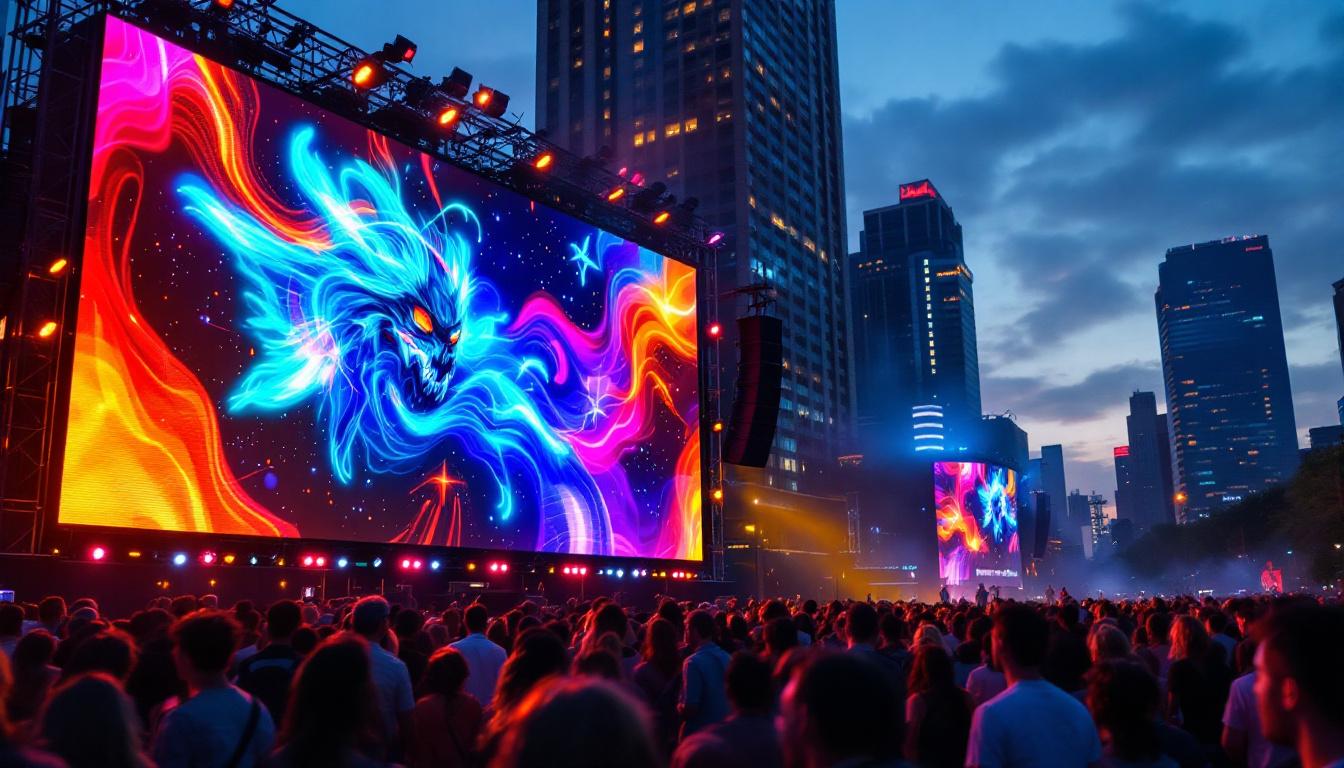
In the world of large-scale visual communication, Jumbotrons have become an iconic technology. These massive LED displays are a staple at sports stadiums, concerts, public events, and urban centers, captivating audiences with vivid imagery and dynamic content. But what exactly are Jumbotrons, how do they work, and why have LED displays revolutionized the way information and entertainment are presented on a grand scale? This article delves into the technology behind Jumbotrons, their evolution, and their impact across various industries.
Understanding Jumbotrons: What Are They?
The term “Jumbotron” was originally a brand name coined by Sony in 1985 for their large-screen video displays. Over time, it has become a generic term used to describe any large-scale video display system, especially those used in stadiums and public venues. Today, most Jumbotrons are LED-based screens that deliver bright, high-resolution images visible even from hundreds of feet away.
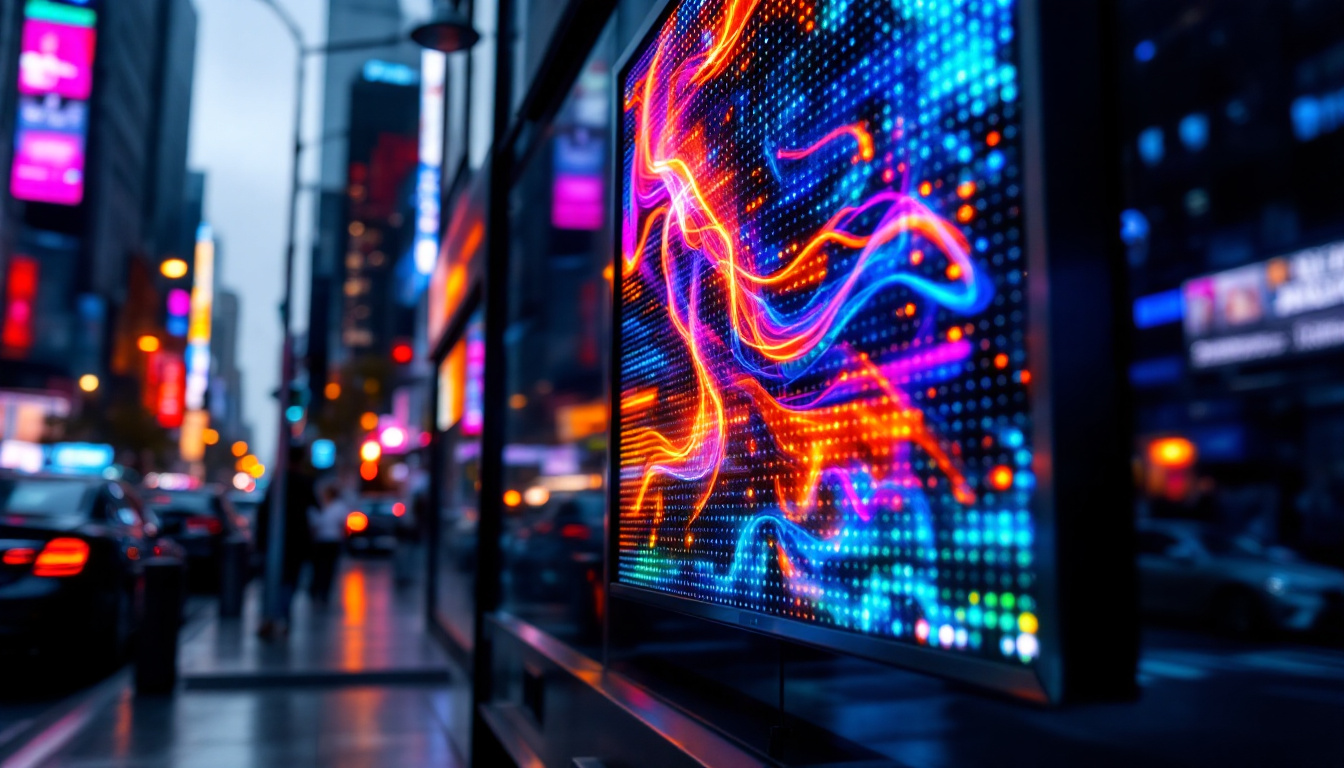
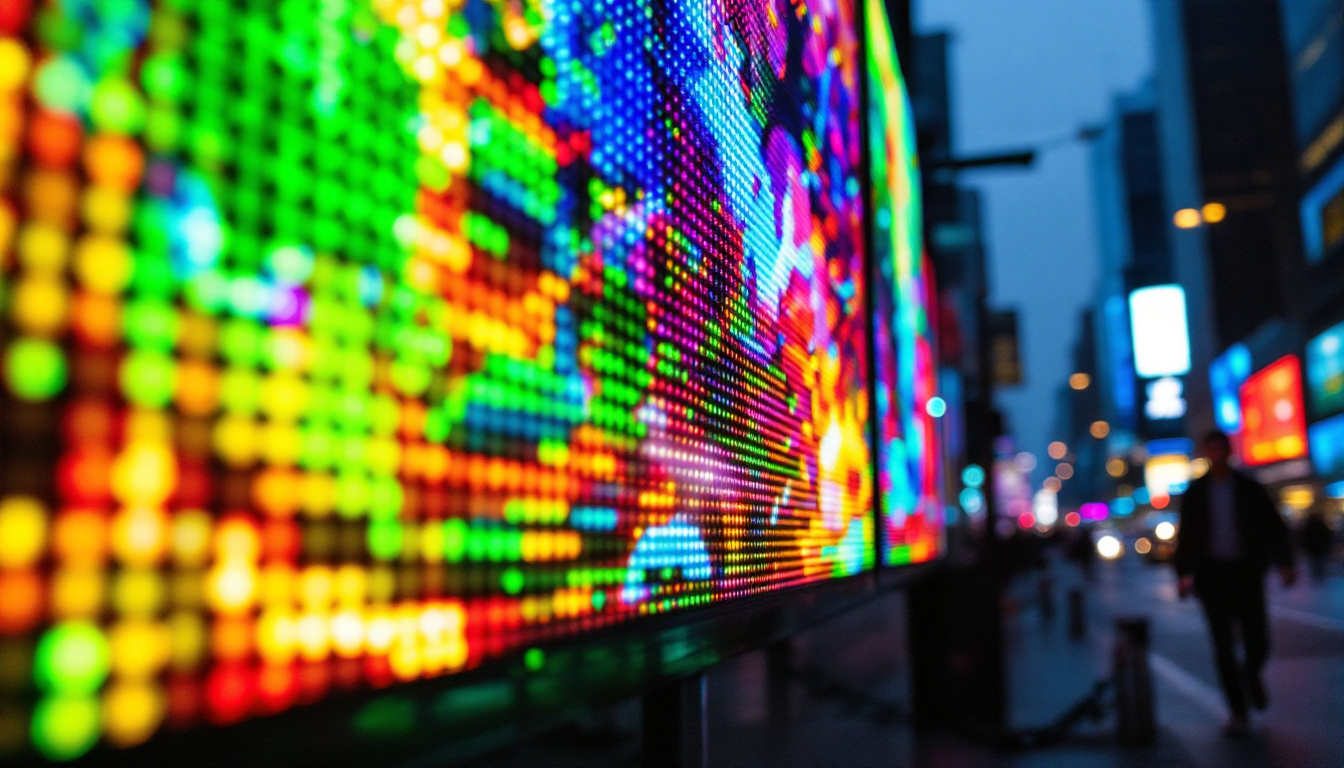
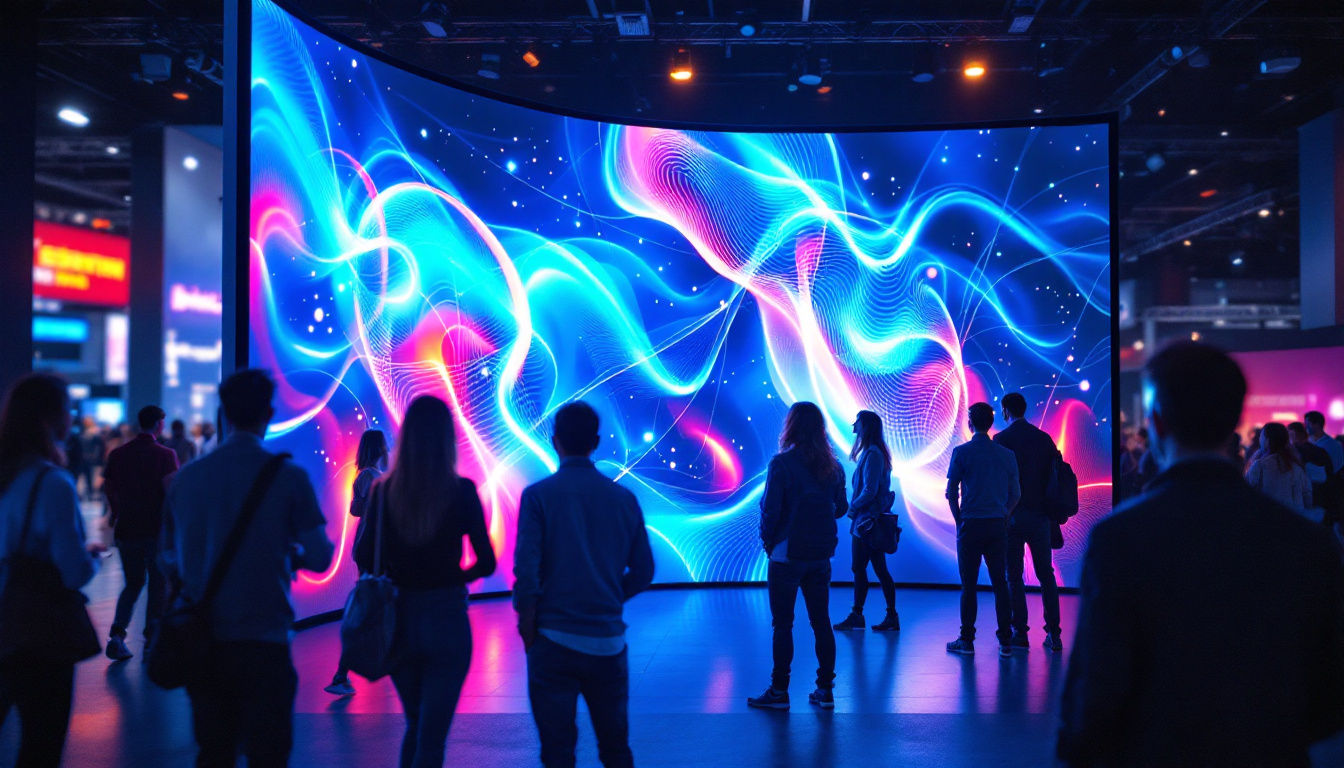
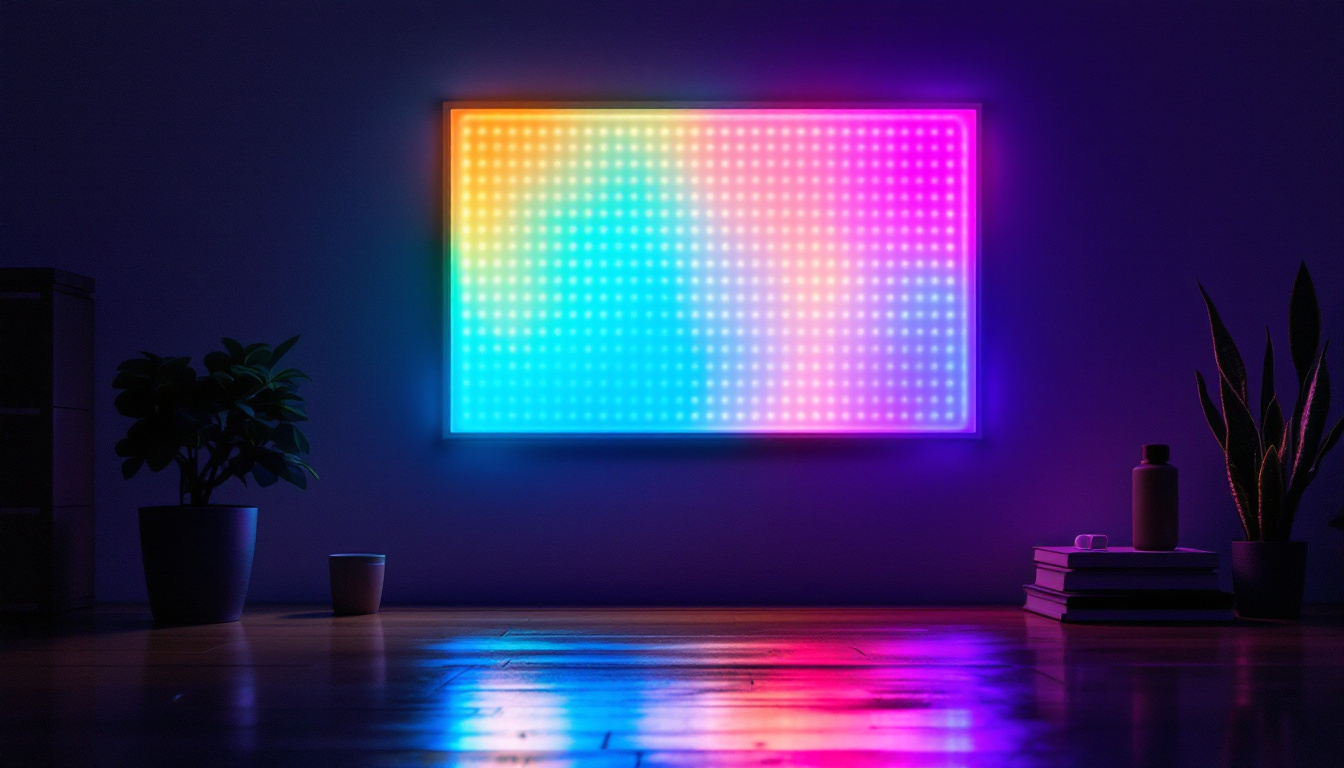
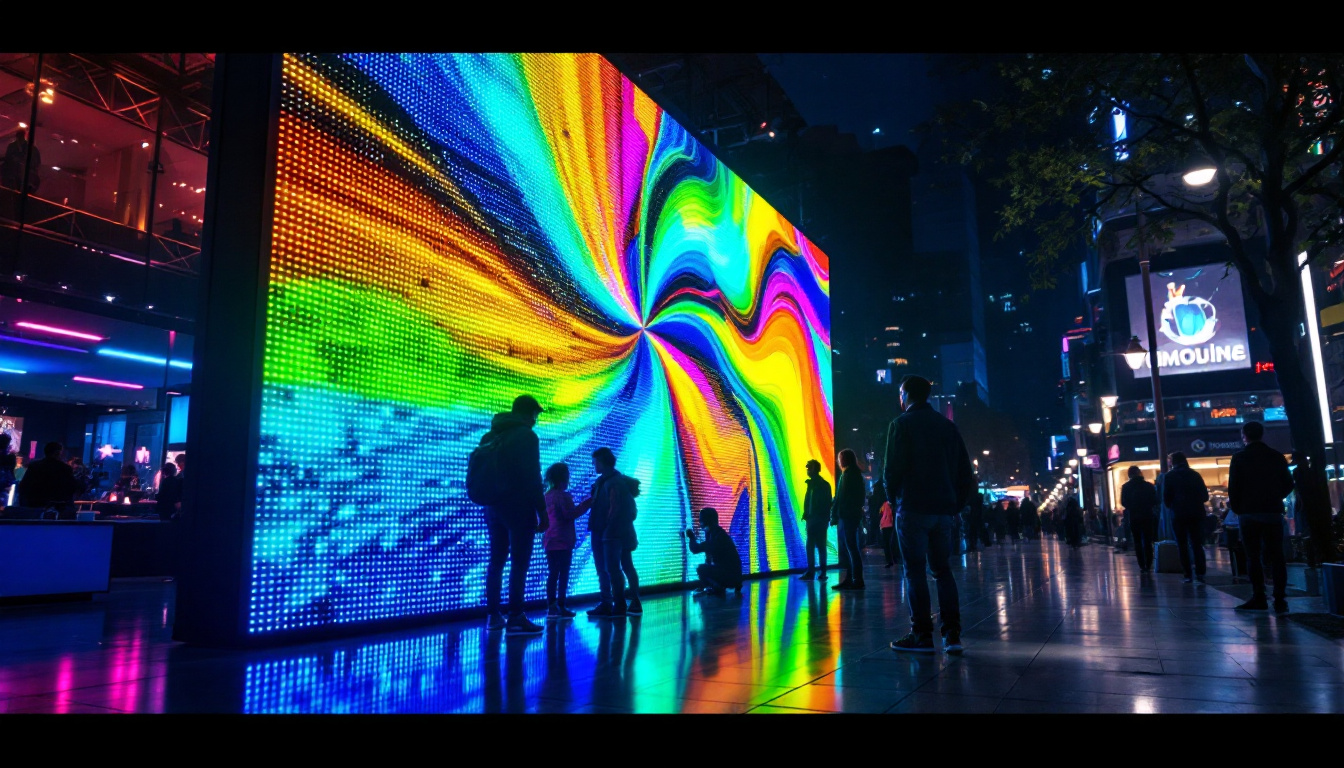
Unlike traditional projection screens or LCD panels, Jumbotrons are composed of thousands of tiny light-emitting diodes (LEDs) arranged in a matrix. Each LED acts as a single pixel, and by controlling the intensity and color of each diode, the display can produce a full-color image. These screens range in size from a few square meters to over a thousand square meters, making them ideal for large audiences. Furthermore, the versatility of Jumbotrons allows them to be used in a variety of settings, from sporting events and concerts to corporate events and advertising displays, showcasing their adaptability and wide-ranging appeal.
The Evolution from Cathode Ray Tubes to LEDs
Before the widespread adoption of LED technology, stadiums and arenas relied on cathode ray tube (CRT) displays or projection systems for large screens. These earlier technologies were bulky, energy-intensive, and often lacked the brightness necessary for outdoor use in daylight. The transition to LED displays marked a significant leap forward due to several key advantages:
- Brightness: LEDs can achieve extremely high brightness levels, often exceeding 5,000 nits, ensuring visibility even in direct sunlight.
- Durability: LED panels are weather-resistant and robust, suitable for outdoor environments.
- Energy Efficiency: LEDs consume less power compared to CRTs or projection lamps.
- Modularity: LED displays are composed of smaller panels that can be combined to create screens of virtually any size and shape.
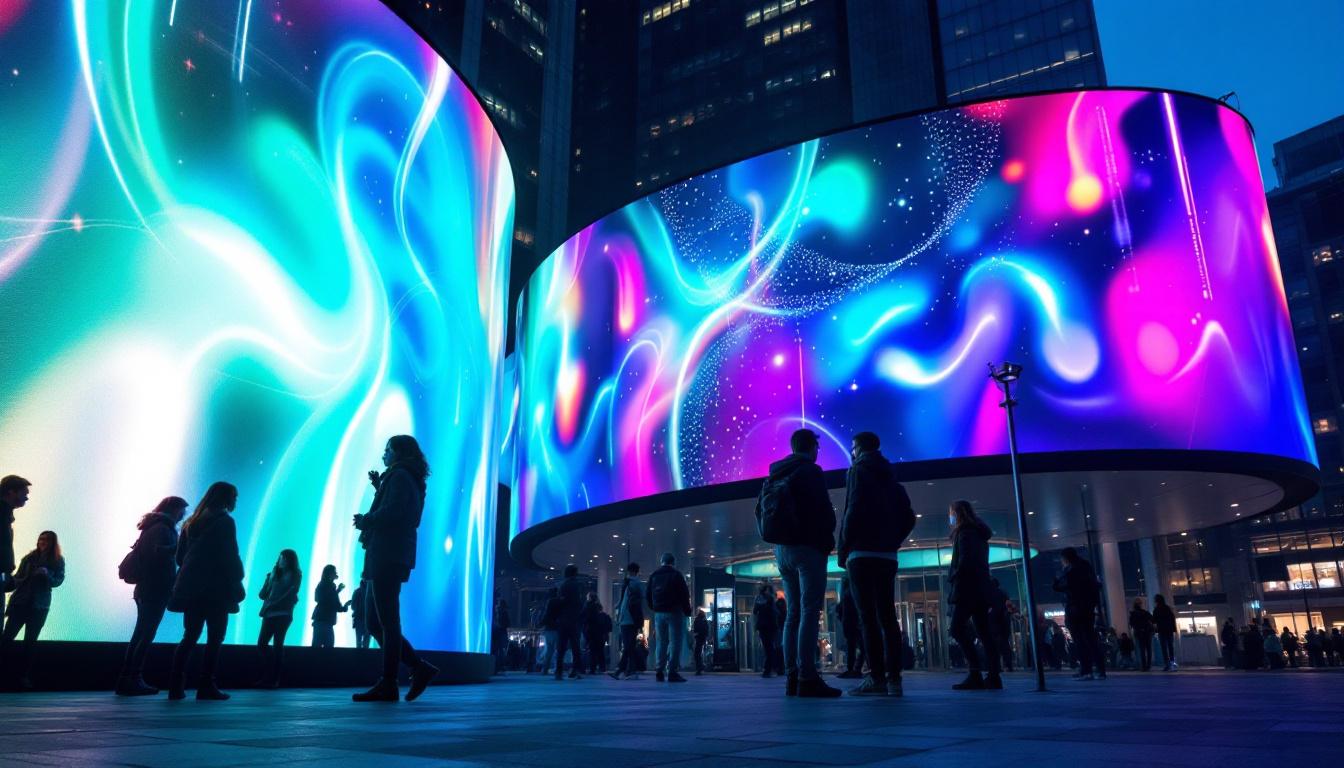
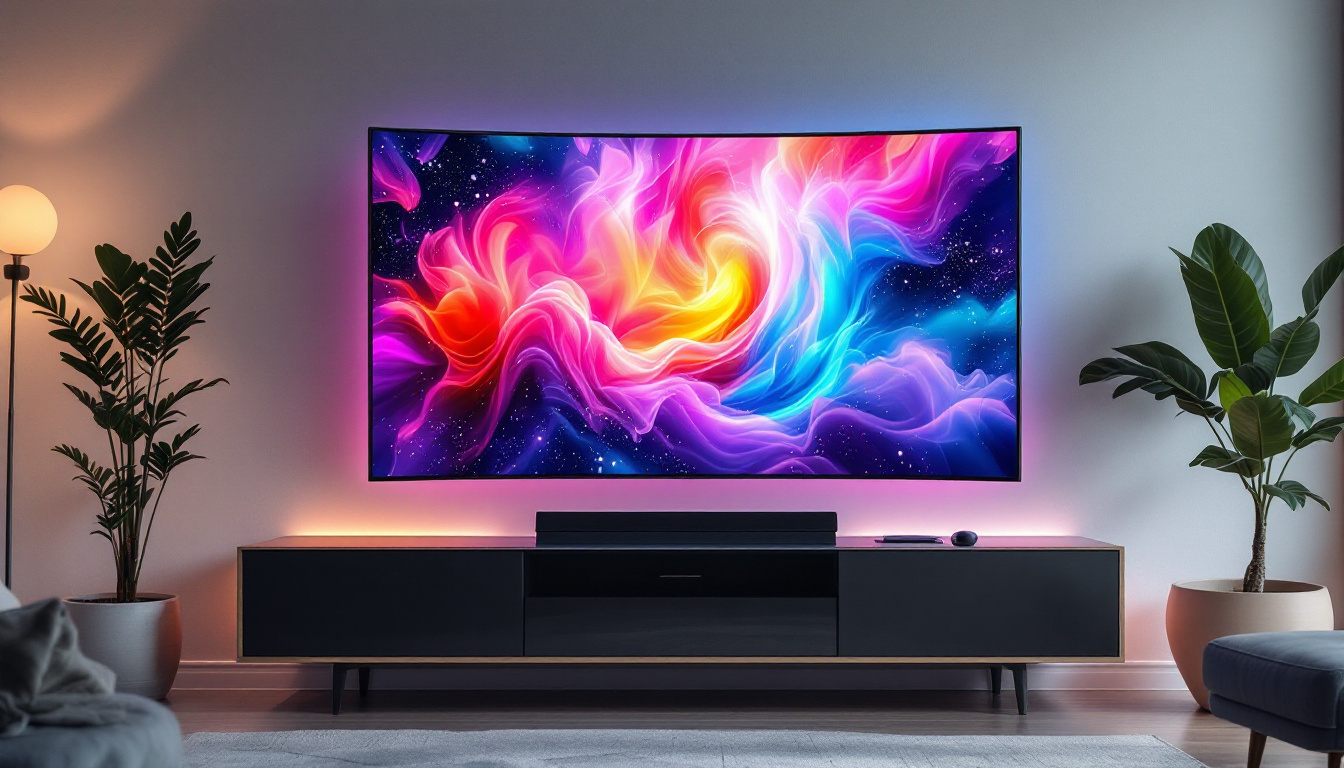
These benefits have made LED Jumbotrons the standard for large-scale displays worldwide. The technology continues to evolve, with advancements in pixel pitch, which refers to the distance between the centers of adjacent pixels. A smaller pixel pitch results in higher resolution and clearer images, allowing for closer viewing distances without sacrificing quality. Additionally, innovations such as curved and flexible LED screens are emerging, enabling even more creative and immersive display configurations that can enhance the viewer’s experience in unique ways.
Moreover, the integration of smart technology into Jumbotrons has transformed how content is displayed and managed. With the ability to connect to the internet, these displays can showcase real-time information, such as live scores, social media feeds, and advertisements that can be updated instantaneously. This interactivity not only engages audiences more effectively but also opens up new revenue streams for venues through targeted advertising and sponsorship opportunities. As technology continues to advance, the potential applications for Jumbotrons seem limitless, making them an integral part of modern entertainment and communication strategies.
How LED Jumbotrons Work: The Technology Behind the Screen
At the heart of every Jumbotron is an intricate system of LEDs, electronics, and software that work together to create seamless, high-quality images. Understanding the technology helps appreciate the complexity and precision involved in these displays.
LED Modules and Pixel Pitch
Jumbotrons are made up of LED modules, which are small panels containing a grid of LEDs. Each LED represents a pixel on the screen. The distance between the centers of two adjacent LEDs is known as the pixel pitch, measured in millimeters. Pixel pitch is a critical factor in determining the resolution and viewing distance of the display.
For example, a pixel pitch of 10 mm means that the LEDs are spaced 10 millimeters apart. Smaller pixel pitches result in higher resolution and better image detail but increase the cost and complexity of the display. Conversely, larger pixel pitches are suitable for very large screens viewed from far away, such as stadium scoreboards.
Color and Brightness Control
Each pixel in a Jumbotron typically consists of three LEDs: red, green, and blue (RGB). By varying the intensity of these three colors, the display can produce millions of colors. Advanced control systems adjust the brightness and color balance in real time to ensure consistent image quality regardless of ambient lighting conditions.
Modern Jumbotrons use sophisticated processing units to handle video input, scaling, color calibration, and synchronization. This ensures smooth playback of live video feeds, animations, advertisements, and other content.
Durability and Maintenance
Because Jumbotrons are often installed outdoors, they must withstand harsh weather conditions including rain, wind, dust, and extreme temperatures. LED panels are sealed with protective coatings and designed with efficient heat dissipation systems to maintain performance and longevity.
Maintenance is facilitated by the modular design; individual LED modules can be replaced without dismantling the entire screen. This modularity also allows for scalability and customization based on venue requirements.
Applications of Jumbotrons: Beyond Sports Arenas
While Jumbotrons are most commonly associated with sports venues, their applications extend far beyond the stadium. Their ability to deliver dynamic, eye-catching content makes them valuable in a variety of settings.
Entertainment and Live Events
Concerts, festivals, and theater productions use Jumbotrons to enhance audience engagement by projecting close-ups of performers, visual effects, and interactive content. This is especially important in large venues where many attendees are far from the stage.
For example, major music festivals like Coachella and Glastonbury employ massive LED screens to ensure that every attendee experiences the event up close, regardless of their physical location within the venue.
Advertising and Digital Signage
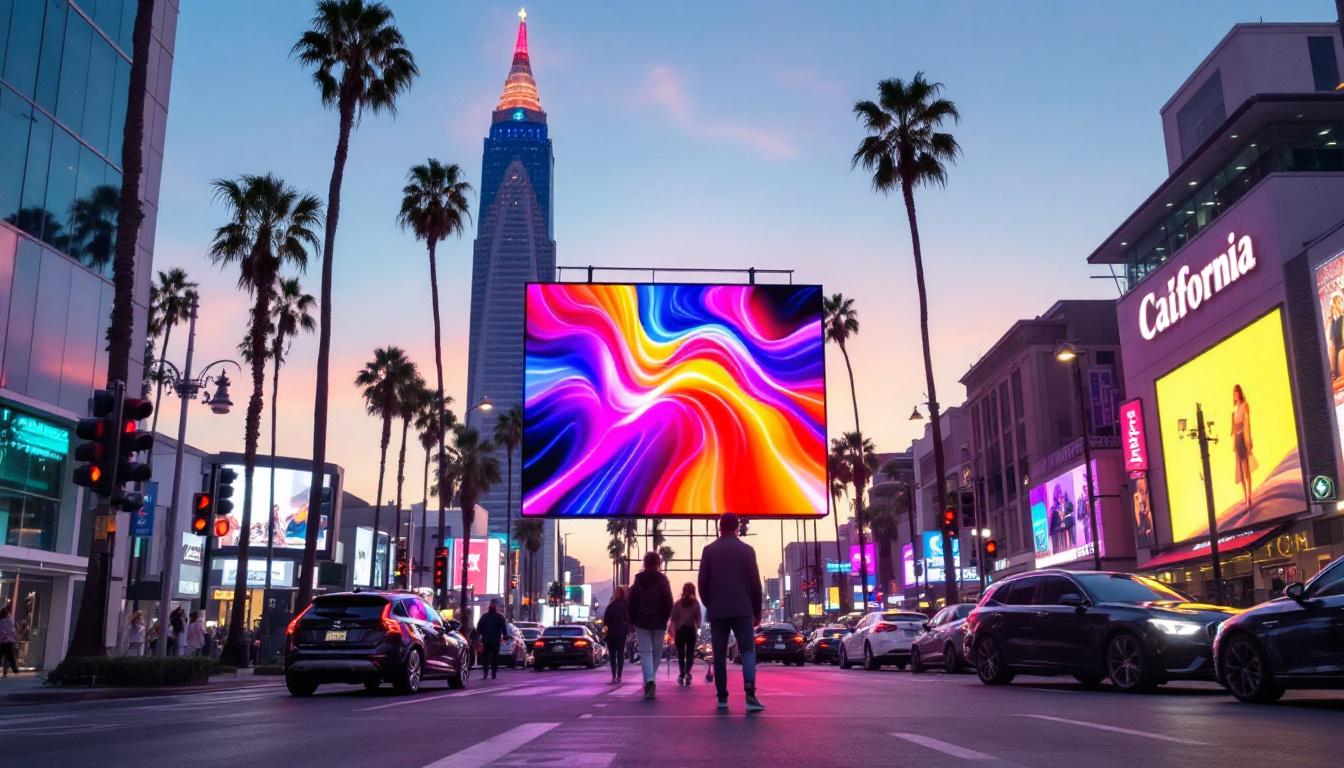
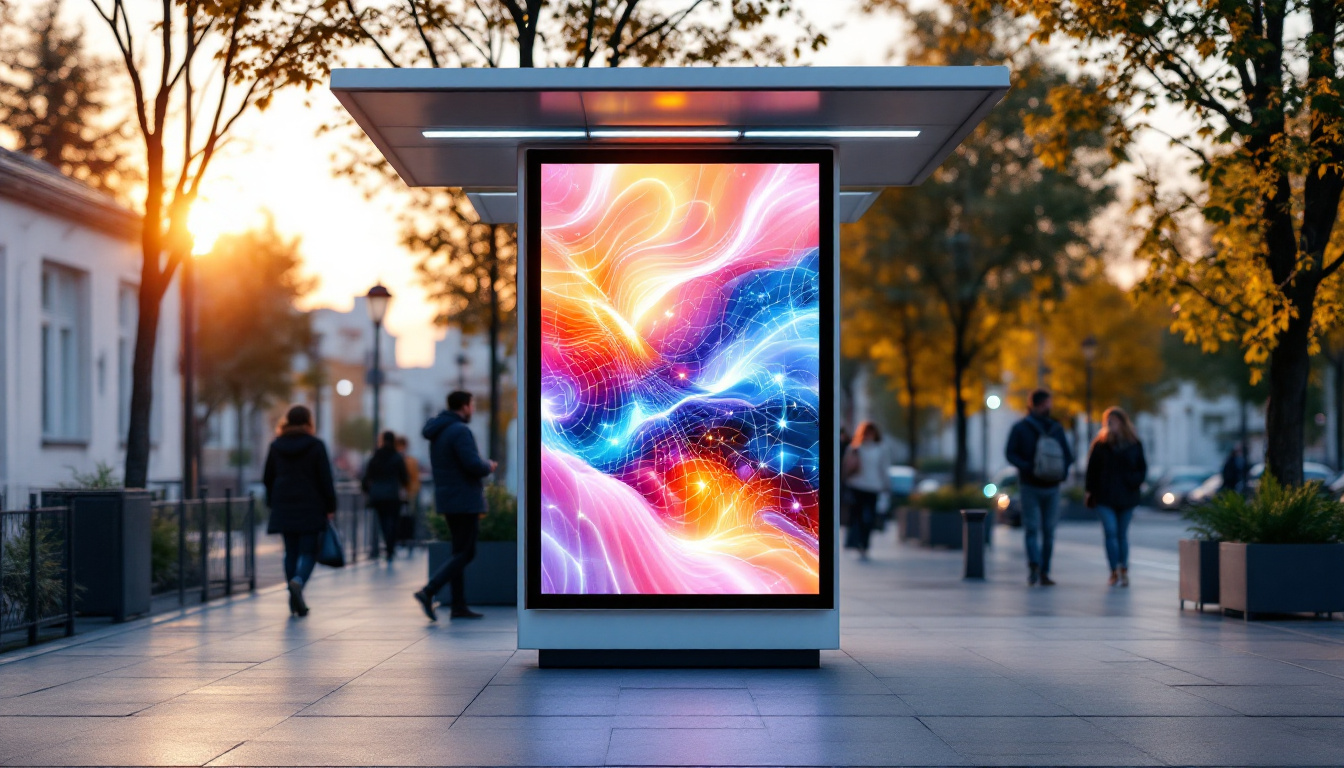
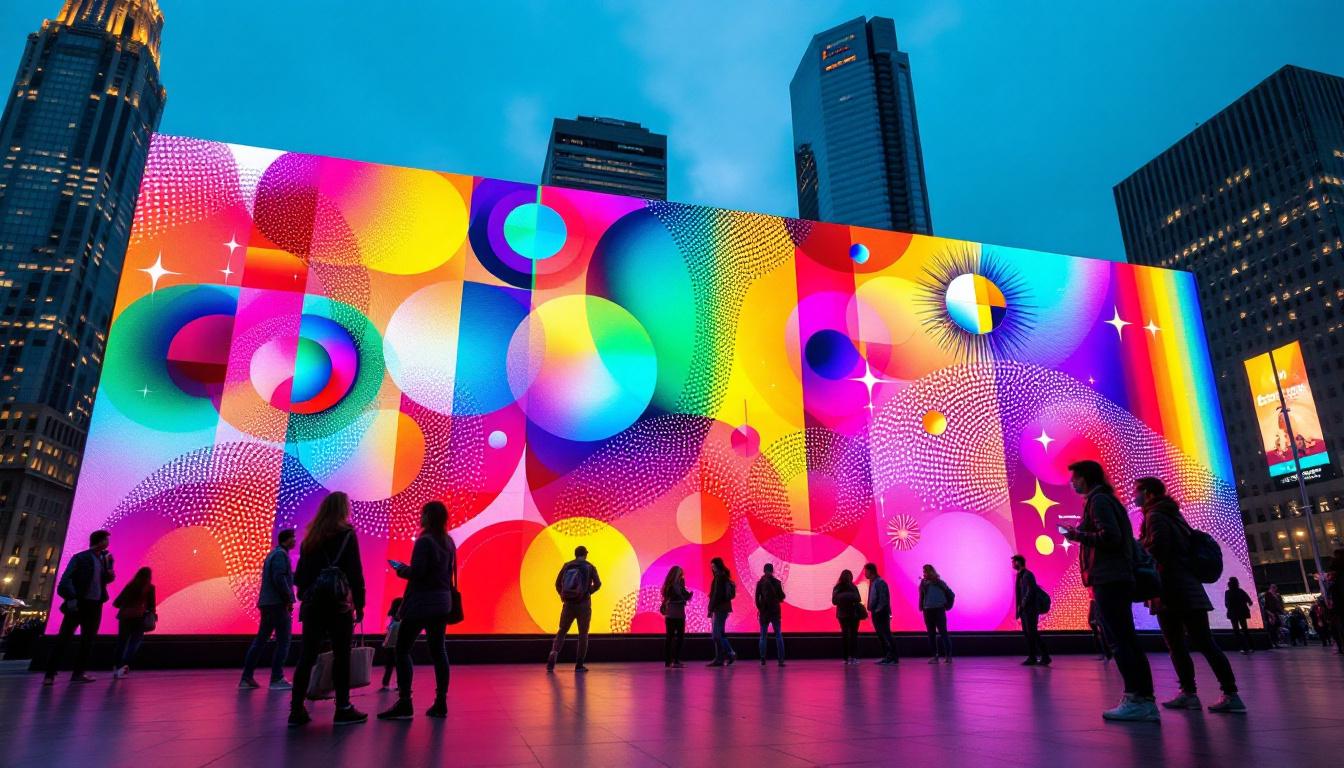
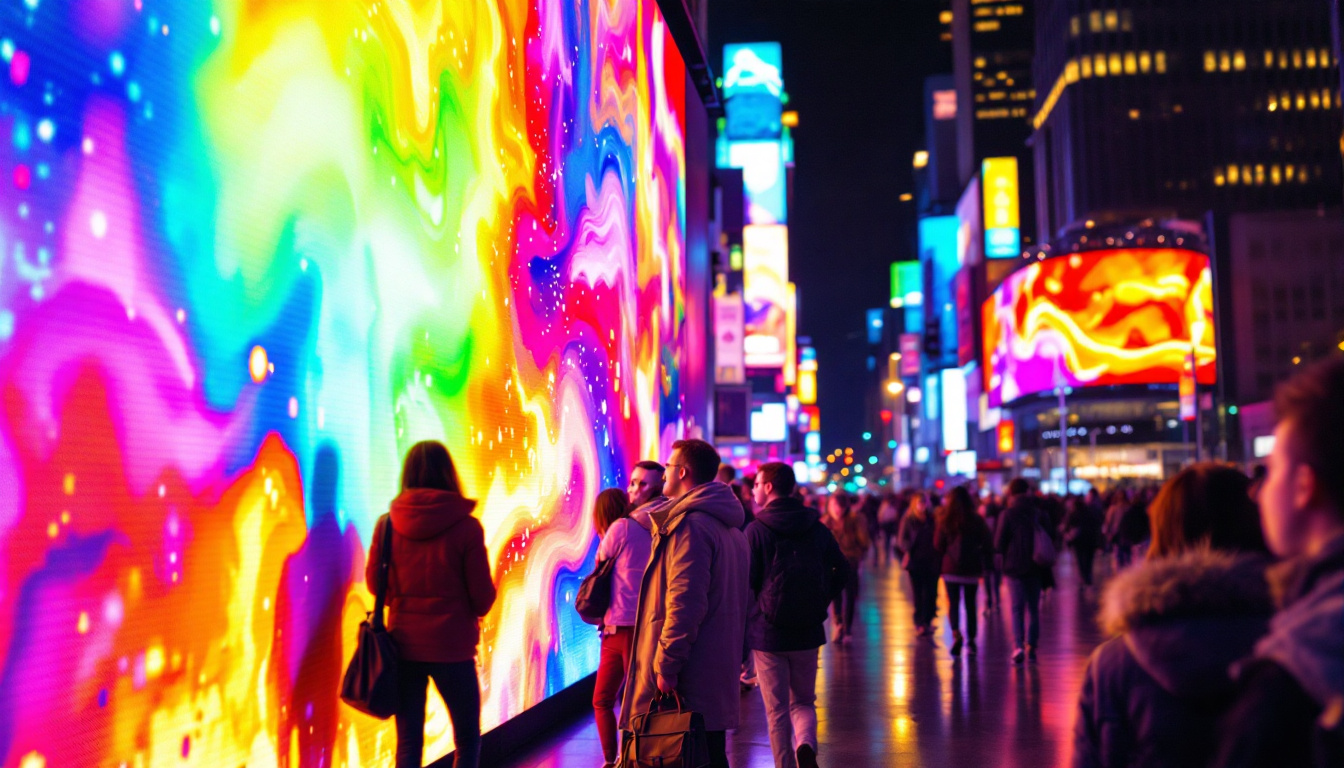
Urban centers and commercial districts leverage Jumbotrons for digital advertising. Times Square in New York City is a prime example, where multiple LED billboards compete for attention with vibrant, high-resolution advertisements. These displays can be updated instantly, allowing for timely promotions and interactive campaigns.
According to market research, the global digital signage market is expected to reach over $30 billion by 2027, driven in part by the adoption of large-scale LED displays in outdoor advertising.
Public Information and Safety
Governments and municipalities use Jumbotrons to disseminate important public information such as emergency alerts, traffic updates, and community announcements. Their high visibility and clarity make them effective tools for reaching large audiences quickly.
During natural disasters or public health crises, these displays can provide real-time updates that help keep communities informed and safe.
Choosing the Right Jumbotron: Factors to Consider
Selecting an LED Jumbotron involves careful consideration of multiple factors to ensure the display meets the specific needs of the venue and audience.
Screen Size and Resolution
The size of the screen should correspond to the viewing distance and the intended audience size. A larger screen with a coarser pixel pitch may be suitable for a stadium where viewers are far away, while a smaller venue may require a higher resolution display with a finer pixel pitch for close-up viewing.
Brightness and Contrast Ratio
Brightness is measured in nits, and for outdoor displays, a minimum of 5,000 nits is recommended to combat sunlight glare. Contrast ratio, which is the difference between the darkest black and brightest white, affects image clarity and color vibrancy.
Installation Environment
Environmental factors such as exposure to weather, wind load, and ambient temperature must be considered. Some Jumbotrons are designed with additional weatherproofing or cooling systems to handle extreme conditions.
Content Management and Connectivity
Modern Jumbotrons require robust content management systems (CMS) that allow operators to schedule, update, and control content remotely. Connectivity options, including fiber optics, wireless, and satellite links, ensure reliable data transmission.
The Future of Jumbotrons: Trends and Innovations
As technology advances, Jumbotrons continue to evolve, incorporating new features that enhance performance and user experience.
Higher Resolution and Pixel Density
Emerging LED technologies enable smaller pixel pitches, allowing for ultra-high-definition displays even on very large screens. This trend supports applications requiring detailed visuals, such as live sports replays and interactive advertisements.
Energy Efficiency and Sustainability
Manufacturers are developing LEDs with improved energy efficiency and longer lifespans. Additionally, innovations in power management and recyclable materials are helping reduce the environmental impact of large-scale displays.
Interactive and Smart Displays
Integration with sensors, cameras, and artificial intelligence is enabling Jumbotrons to become interactive. For example, displays can adjust content based on audience demographics or environmental conditions, or even respond to gestures and voice commands.
Flexible and Transparent LED Screens
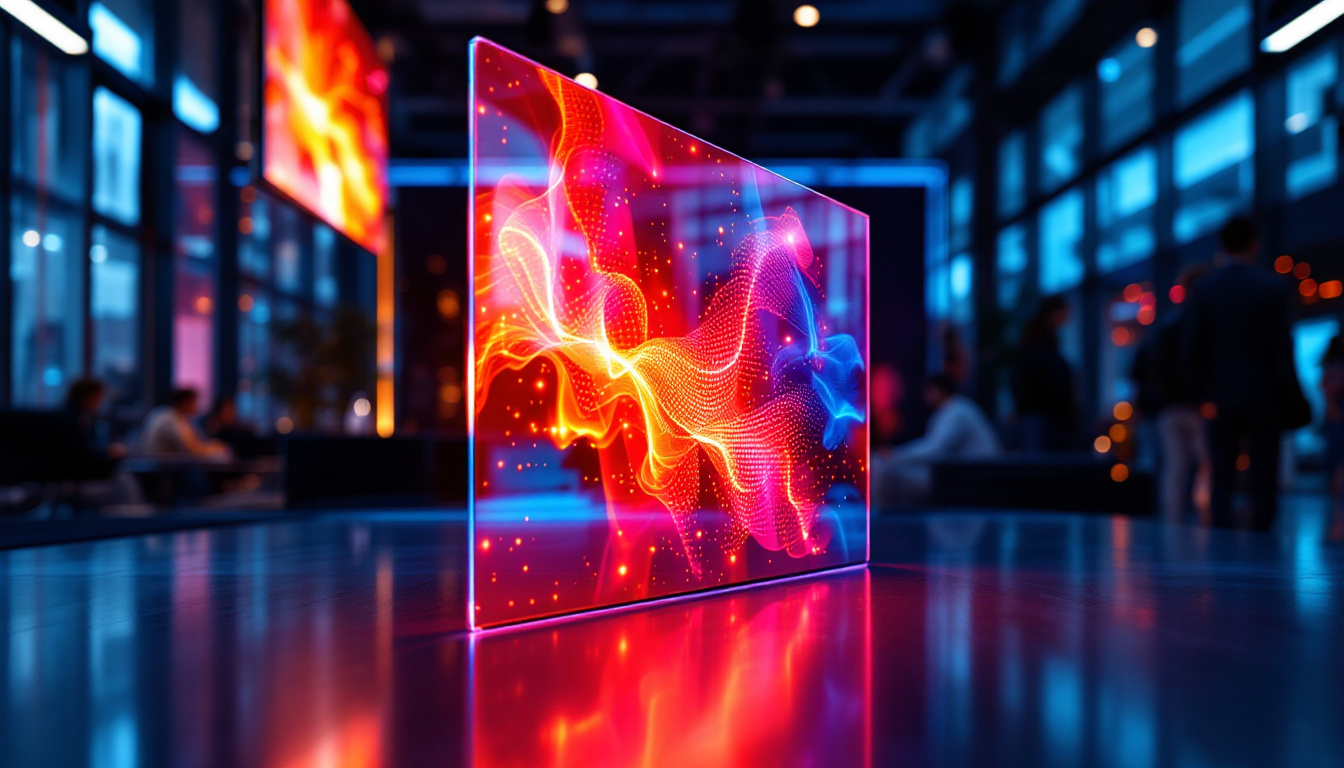
Recent advancements include flexible LED panels that can conform to curved surfaces and transparent LED displays that maintain visibility through windows. These innovations open new possibilities for architectural integration and creative installations.
Conclusion
Jumbotrons are more than just giant screens; they represent a convergence of cutting-edge LED technology, digital content management, and creative communication. Their ability to deliver bright, dynamic, and engaging visuals on a monumental scale has transformed how audiences experience sports, entertainment, advertising, and public information.
As LED technology continues to advance, Jumbotrons will become even more versatile, efficient, and interactive, further embedding themselves into the fabric of modern visual culture. Whether in a packed stadium or a bustling city square, these displays captivate and connect audiences like never before.
Illuminate Your Space with LumenMatrix
Ready to elevate your venue with the ultimate visual experience? LumenMatrix is at the forefront of LED display innovation, offering a wide array of solutions tailored to your unique needs. From vibrant Indoor LED Walls to dynamic Outdoor LED Displays, and from the mobility of Vehicle LED Displays to the creativity of Custom and Transparent LED options, we have the technology to bring your vision to life. Discover how our LED Sports Displays can transform your stadium or how our All-in-One LED Displays can simplify your setup. Embrace the future of visual communication with LumenMatrix and create unforgettable impressions. Check out LumenMatrix LED Display Solutions and start your journey towards unparalleled brand visibility and audience engagement today.