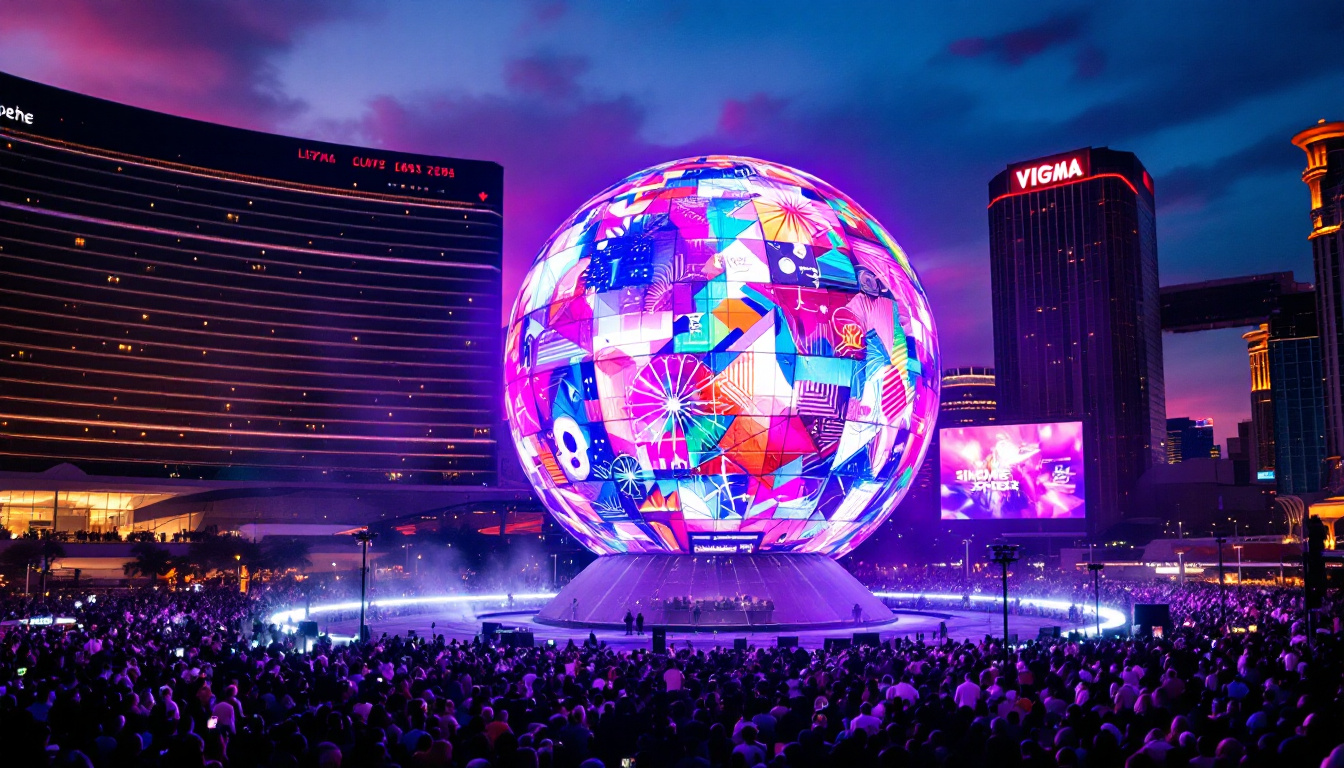
In today’s technology-driven world, display panels are an integral part of our daily lives. From smartphones and televisions to digital billboards and computer monitors, display technology shapes how we interact with digital content. Among the most common display types are LCD (Liquid Crystal Display) panels and LED (Light Emitting Diode) displays. While these terms are often used interchangeably, they represent distinct technologies with unique characteristics and applications. This article aims to clarify the differences, explain the working principles, and explore the advantages and limitations of LCD and LED display panels.
Understanding LCD Display Panels
What is an LCD Panel?
LCD stands for Liquid Crystal Display. It is a flat-panel display technology that uses liquid crystals combined with a backlight to produce images. The liquid crystals themselves do not emit light; instead, they manipulate light passing through them to create visible images. This technology has been widely adopted due to its energy efficiency, slim profile, and ability to produce sharp images.
How Does an LCD Panel Work?
At the core of an LCD panel are liquid crystals sandwiched between two layers of polarized glass. When an electric current passes through these crystals, they align in a way that controls the amount of light that can pass through each pixel. The backlight, traditionally cold cathode fluorescent lamps (CCFLs), shines through the crystals, and the alignment of the crystals determines the brightness and color of each pixel.
The color in LCD displays is created using color filters for red, green, and blue subpixels. By varying the intensity of light passing through these subpixels, the display can produce a wide range of colors. Modern LCDs often use thin-film transistor (TFT) technology to improve image quality and response times.
Common Applications of LCD Panels
LCD panels are ubiquitous in consumer electronics. They are the primary display technology in laptops, desktop monitors, smartphones, tablets, and televisions. Additionally, LCDs are used in automotive dashboards, medical devices, and industrial control panels due to their clarity and reliability.
The versatility of LCDs is also evident in large-scale applications such as digital signage and video walls, where multiple LCD panels are tiled together to create expansive displays.
Demystifying LED Displays
What is an LED Display?
LED stands for Light Emitting Diode. Unlike LCDs, LED displays use tiny light-emitting diodes as the light source to create images. The term “LED display” can refer to two different concepts: LED-backlit LCDs and true LED displays composed of individual LEDs forming each pixel.
LED-backlit LCDs are essentially LCD panels that use LEDs for backlighting instead of traditional CCFLs. This distinction is important because it enhances the display’s brightness, energy efficiency, and color accuracy without changing the fundamental LCD technology.
True LED Displays: Direct Emission Technology
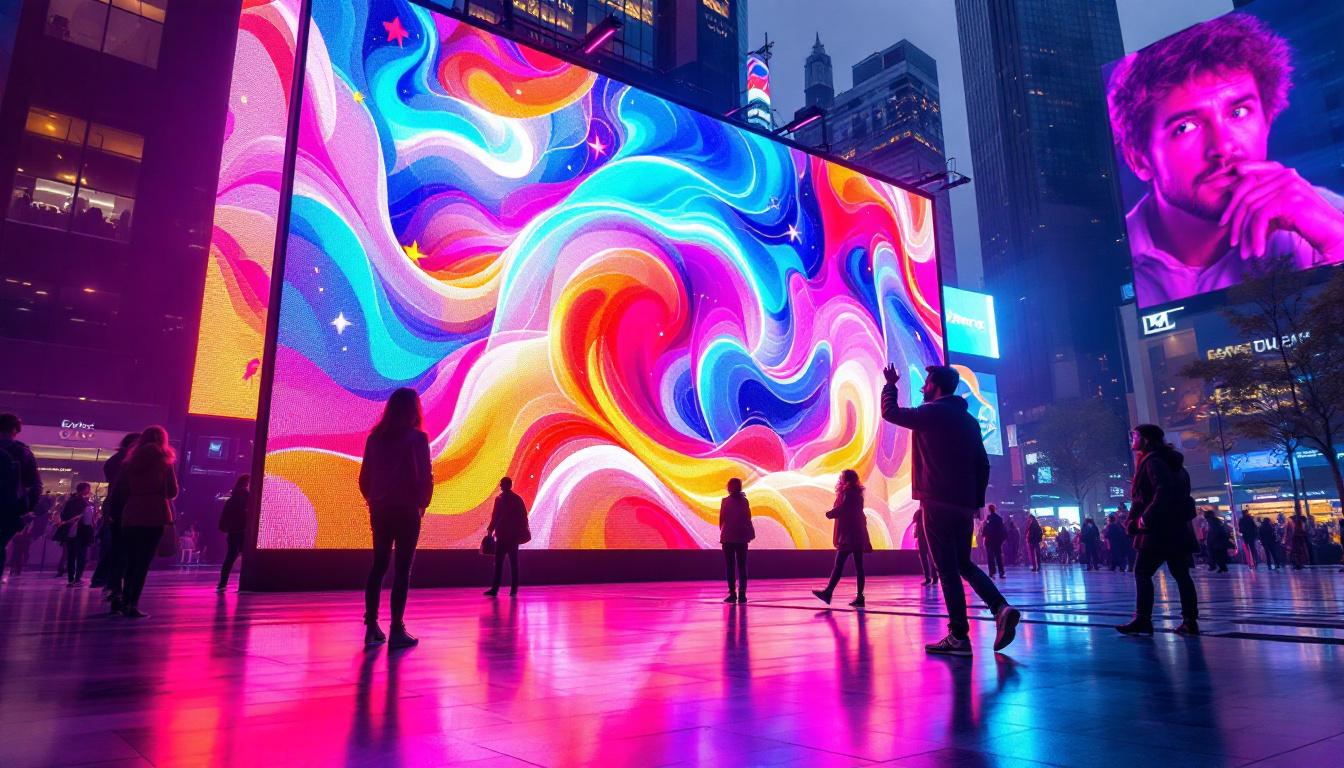
True LED displays, often used in large-scale outdoor screens and digital billboards, consist of arrays of LEDs that emit light directly. These can be further categorized into:
- RGB LED Displays: Each pixel is made up of red, green, and blue LEDs that combine to produce a full spectrum of colors.
- Monochrome LED Displays: Used primarily for simple text or graphics, these displays use LEDs of a single color.
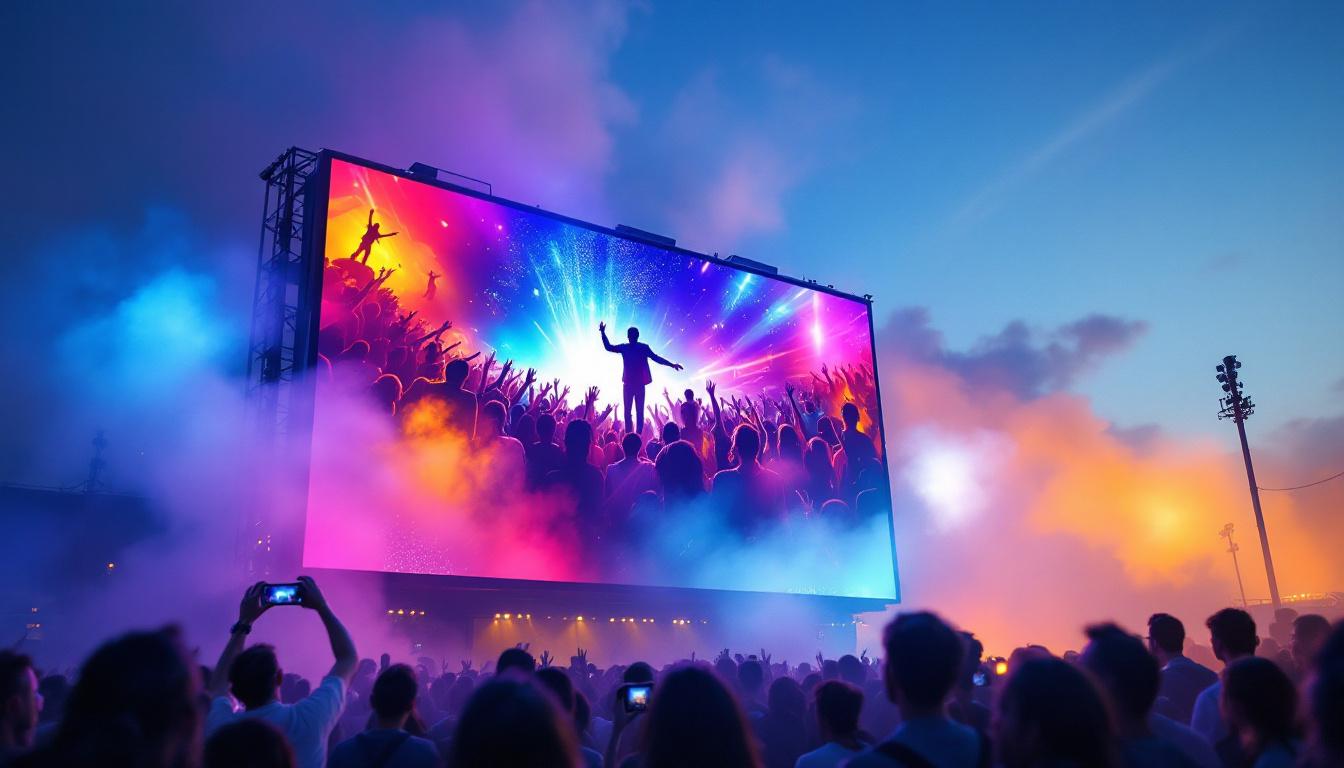
True LED displays are known for their high brightness, durability, and visibility in direct sunlight, making them ideal for outdoor advertising and stadium screens.
How Do LED Displays Work?
In LED-backlit LCDs, LEDs serve as the backlight source behind the liquid crystal layer. This allows for thinner panels and better control over brightness and contrast compared to CCFL backlights. The LEDs can be arranged along the edges of the panel (edge-lit) or directly behind the screen (direct-lit or full-array), with the latter allowing for local dimming and improved contrast ratios.
In true LED displays, each LED emits light independently. By controlling the intensity of each LED, the display can produce vibrant images with high contrast and excellent color accuracy. The modular nature of LED panels also allows for scalable and customizable display sizes.
Comparing LCD and LED Display Technologies
Backlighting and Brightness
One of the primary differences between LCD and LED displays lies in their backlighting methods. Traditional LCDs use CCFL backlighting, which is less energy-efficient and bulkier. LED-backlit LCDs have largely replaced CCFLs due to their superior brightness, lower power consumption, and longer lifespan.
True LED displays, on the other hand, do not rely on backlighting. Their self-emissive nature allows for much higher brightness levels, often exceeding 1,000 nits, which is essential for outdoor visibility.
Color Accuracy and Contrast
LED-backlit LCDs can achieve better color accuracy and contrast than CCFL-backlit LCDs, especially when using full-array local dimming. This technology allows certain areas of the backlight to dim independently, resulting in deeper blacks and more vibrant colors.
True LED displays offer exceptional contrast ratios because each LED can be turned off completely to produce true black. This capability is a significant advantage over LCDs, where some light leakage from the backlight can reduce black levels.
Energy Efficiency and Lifespan
LED-backlit LCDs consume less power than traditional CCFL-backlit LCDs, making them more environmentally friendly and cost-effective over time. The lifespan of LED backlights also surpasses that of CCFLs, often exceeding 50,000 hours of use.
True LED displays are robust and energy-efficient, but their power consumption varies depending on brightness and size. Their modular design also facilitates easier maintenance and longer operational life in harsh environments.
Thickness and Design Flexibility
LED-backlit LCDs enable thinner and lighter displays compared to CCFL-backlit models. Edge-lit LED designs, in particular, allow for ultra-slim profiles, which have become a hallmark of modern TVs and monitors.
True LED displays are generally thicker and heavier due to the physical size of the LEDs and supporting electronics. However, their modularity allows for flexible configurations, including curved and flexible panels used in innovative advertising and architectural applications.
Emerging Trends and Innovations in Display Technology
Mini-LED and Micro-LED Technologies
Recent advancements in LED technology have led to the development of mini-LED and micro-LED displays. Mini-LEDs are smaller than traditional LEDs and can be used as backlights in LCD panels to provide even more precise local dimming, resulting in improved contrast and color performance.
Micro-LED displays take this a step further by using microscopic LEDs as individual pixels, combining the benefits of LED’s self-emissive properties with the resolution and color accuracy demanded by modern applications. These displays promise higher brightness, lower power consumption, and longer lifespans than OLEDs and traditional LCDs.
OLED vs. LED and LCD
Organic Light Emitting Diode (OLED) technology is another major player in the display market. Unlike LCDs, OLEDs are self-emissive and do not require backlighting, similar to true LED displays. OLEDs offer superior contrast ratios, faster response times, and wider viewing angles but face challenges such as potential burn-in and higher production costs.
While OLEDs are gaining popularity in smartphones and high-end TVs, LED-backlit LCDs remain dominant due to their cost-effectiveness and versatility.
Applications Driving Display Innovation
The demand for higher resolution, better color accuracy, and flexible form factors is driving innovation across display technologies. Industries such as gaming, virtual reality, automotive, and digital signage require displays that can deliver immersive and dynamic visual experiences.
For example, the rise of 4K and 8K content has pushed manufacturers to develop panels with higher pixel densities and improved processing capabilities. Similarly, foldable smartphones and rollable TVs are leveraging flexible display technologies to create new user experiences.
Choosing the Right Display Panel for Your Needs
Considerations for Consumers
When selecting a display panel, understanding the distinctions between LCD and LED technologies can help consumers make informed decisions. For everyday use, LED-backlit LCDs offer a great balance of image quality, energy efficiency, and affordability.
For users who prioritize high brightness and outdoor visibility, such as digital signage operators, true LED displays are the preferred choice. Meanwhile, those seeking the best contrast and color performance might consider OLED or emerging micro-LED technologies.
Professional and Industrial Applications
In professional settings, factors like color accuracy, response time, and durability become critical. Graphic designers, video editors, and medical professionals often require displays with precise color calibration, which high-end LED-backlit LCDs and OLEDs can provide.
Industrial applications may prioritize ruggedness and visibility under various lighting conditions, making true LED displays a practical solution for control rooms, transportation hubs, and outdoor environments.
Future-Proofing Your Investment
Display technology continues to evolve rapidly. Investing in a panel that supports the latest standards, such as HDR (High Dynamic Range), wide color gamut, and high refresh rates, can ensure longevity and compatibility with future content.
Additionally, considering the environmental impact and energy consumption of displays is increasingly important. LED-backlit LCDs and newer LED technologies generally offer better sustainability profiles compared to older CCFL-backlit LCDs.
Conclusion
Understanding the distinctions between LCD and LED display panels is essential for making informed choices in an increasingly display-centric world. While LCD technology forms the foundation of many modern screens, the integration of LED backlighting has significantly enhanced performance, energy efficiency, and design flexibility.
True LED displays, with their self-emissive properties, excel in applications requiring high brightness and durability, particularly in outdoor and large-format settings. Emerging technologies like mini-LED and micro-LED promise to further blur the lines between LCD and LED advantages, offering superior image quality and versatility.
By considering factors such as application, environment, and desired image quality, consumers and professionals alike can select the display technology that best meets their needs. As display innovations continue to accelerate, staying informed will remain key to leveraging the full potential of these transformative technologies.
Discover LumenMatrix’s Advanced LED Display Solutions
Ready to experience the future of display technology? LumenMatrix is at the forefront of LED innovation, offering a wide array of cutting-edge LED display modules designed to elevate your visual communication. Whether you’re looking for an Indoor LED Wall Display, a vibrant Outdoor LED Wall Display, or specialized solutions like Vehicle LED Displays and LED Sports Displays, LumenMatrix has the expertise to bring your vision to life. Embrace the power of LED technology and create immersive environments with our Floor LED Displays, Custom LED Displays, and All-in-One LED solutions. For a display that combines elegance with functionality, explore our LED Transparent Display options. Transform how you engage with your audience—Check out LumenMatrix LED Display Solutions today and make a lasting impression with every view.