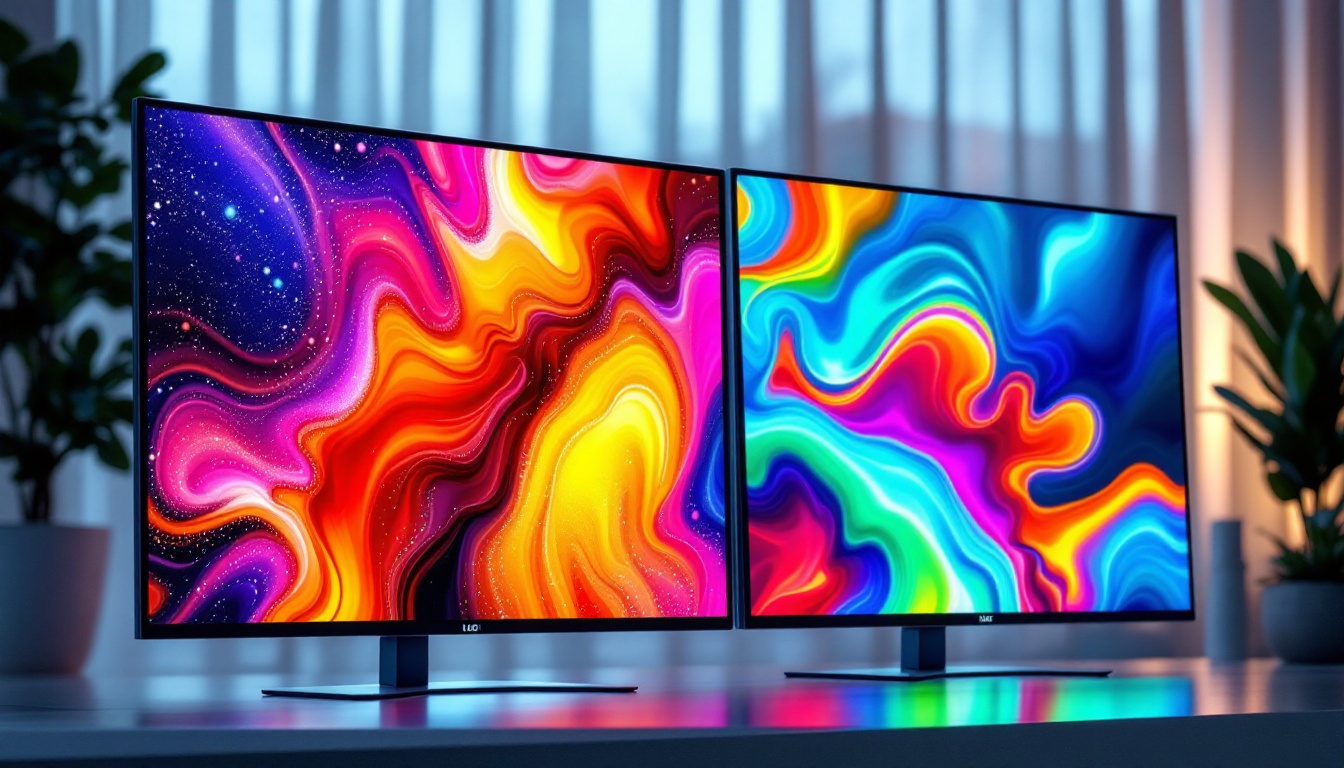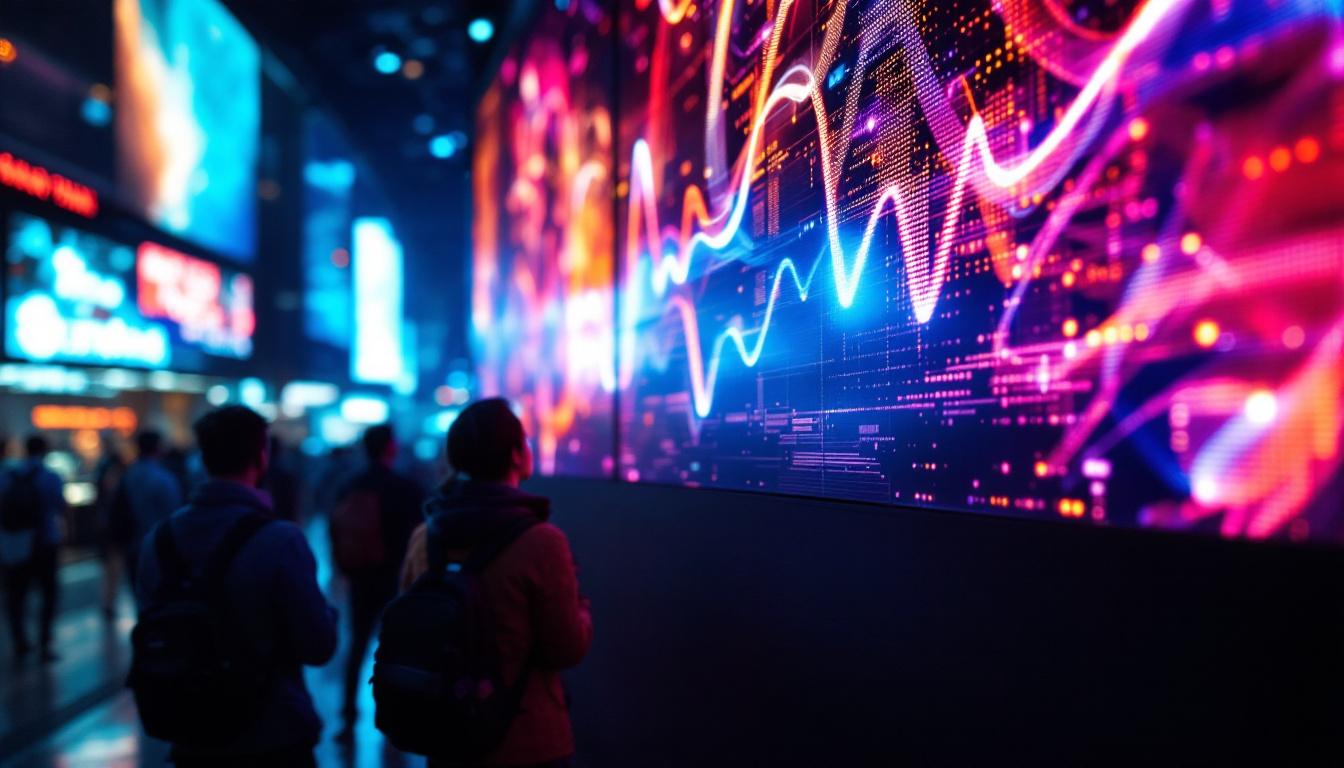
In today’s digital age, LED displays have become ubiquitous, transforming everything from advertising billboards to smartphone screens. Despite their widespread use, many people remain unfamiliar with the technical details that govern their performance, particularly the concept of refresh rate. Understanding the refresh rate of LED displays is essential for consumers, designers, and engineers alike, as it directly impacts image quality, user experience, and device efficiency.
What Is Refresh Rate in LED Displays?
The refresh rate of an LED display refers to how many times per second the screen updates its image. It is measured in hertz (Hz), with common rates ranging from 60 Hz to 240 Hz or higher. Essentially, a refresh rate of 60 Hz means the display redraws the image 60 times every second.
This rapid updating is crucial for creating smooth motion and reducing flicker. Without an adequate refresh rate, images can appear blurry or stutter during movement, which can strain the eyes and degrade the viewing experience.
How Refresh Rate Works in LED Technology
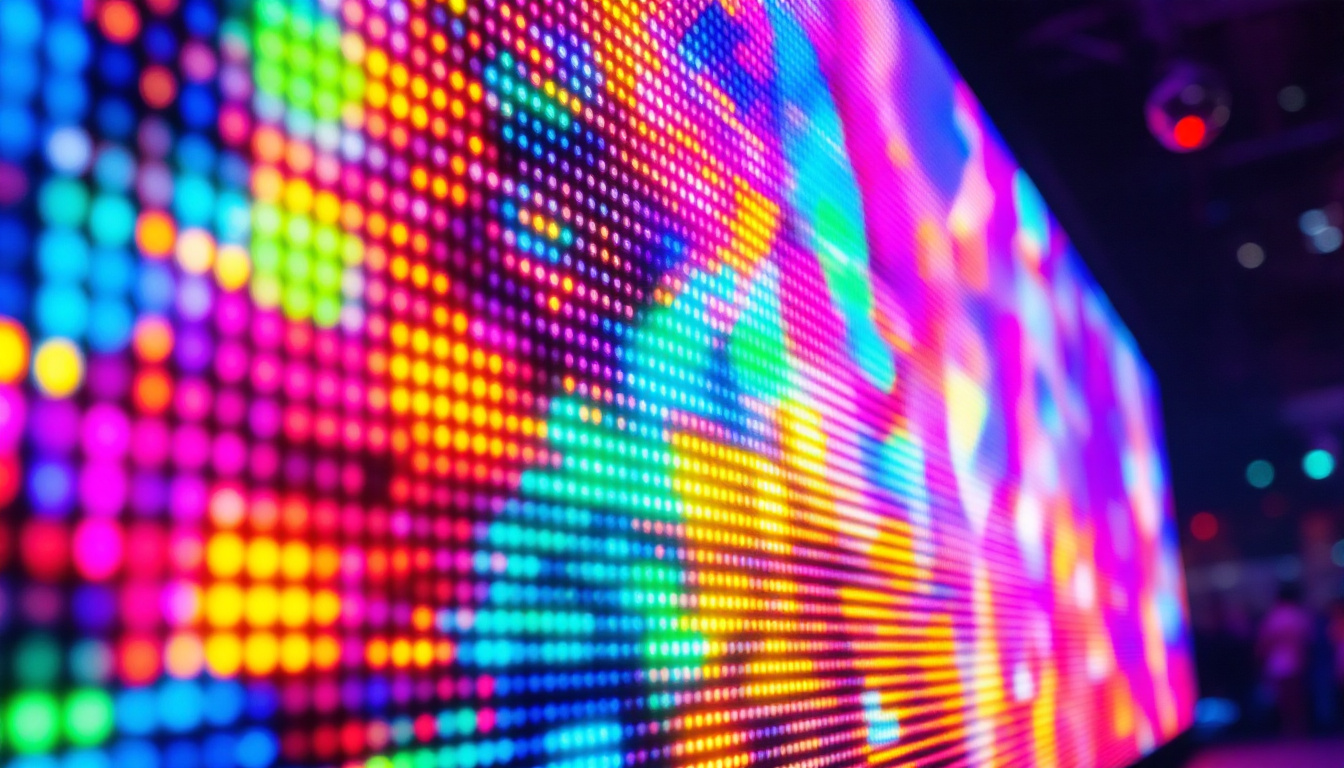
LED displays consist of tiny light-emitting diodes arranged in a grid. Each diode can be individually controlled to emit light at different intensities and colors. When the display refreshes, it sends new data to these diodes to change the image. The speed at which this data is sent and the screen is updated determines the refresh rate.
Unlike older CRT monitors, which physically redraw the screen line by line, LED displays use digital signals to update the entire screen almost instantaneously. However, the refresh rate still plays a vital role in how fluid the motion appears to the human eye.
Why Refresh Rate Matters: Visual Quality and User Experience
Refresh rate is not just a technical specification; it has a tangible impact on how users perceive and interact with a display. Higher refresh rates generally translate to smoother motion, reduced flicker, and less eye strain.
Smoothness and Motion Clarity
One of the most noticeable effects of a higher refresh rate is the smoothness of moving images. For example, in video playback or gaming, a display with a 120 Hz or 144 Hz refresh rate can render fast-paced action more clearly than a 60 Hz screen. This is because the screen updates more frequently, reducing motion blur and making transitions appear seamless.
Studies have shown that gamers and professional video editors often prefer displays with refresh rates of 120 Hz or higher because they provide a competitive edge and improve precision. For everyday users, a 60 Hz refresh rate is usually sufficient, but the benefits of higher rates are becoming more accessible as technology advances.
Reducing Eye Strain and Fatigue
Flicker, which is the rapid dimming and brightening of a screen, can cause significant eye discomfort over time. Lower refresh rates tend to produce more noticeable flicker, especially in poorly calibrated or older displays. This can lead to headaches, eye strain, and fatigue, particularly for individuals who spend long hours in front of screens.
Modern LED displays with higher refresh rates minimize flicker, making them more comfortable for extended use. This is especially important in professional environments where productivity depends on prolonged screen time.
Factors Influencing Refresh Rate in LED Displays
Several technical and design factors determine the achievable refresh rate of an LED display. Understanding these can help consumers make informed decisions when selecting devices or designing digital signage.
Panel Technology and Hardware Limitations
The type of LED panel—whether it is an OLED, microLED, or traditional LED-backlit LCD—affects refresh rate capabilities. OLED and microLED technologies, for instance, offer faster response times and can support higher refresh rates more efficiently than conventional LCDs.
Hardware components such as the display controller, graphics processing unit (GPU), and interface cables also influence the maximum refresh rate. A high-quality GPU paired with a compatible display interface like DisplayPort 1.4 or HDMI 2.1 can support refresh rates up to 240 Hz or beyond.
Resolution and Refresh Rate Trade-offs
There is often a trade-off between resolution and refresh rate. Higher resolutions require more data to be processed and transmitted per frame, which can limit the achievable refresh rate. For example, running a 4K display at 144 Hz demands significantly more bandwidth and processing power than running the same display at 60 Hz.
Manufacturers and users must balance these factors depending on the intended use. Gamers may prioritize higher refresh rates with slightly lower resolutions, while graphic designers might prefer ultra-high resolution at standard refresh rates.
Applications of Refresh Rate in Different LED Display Contexts
Refresh rate considerations vary widely depending on the application of the LED display. From consumer electronics to large-scale digital signage, the optimal refresh rate depends on the specific use case.
Consumer Electronics: Smartphones, TVs, and Monitors
In smartphones and tablets, refresh rates have rapidly evolved. While 60 Hz was standard for years, many modern devices now feature 90 Hz, 120 Hz, or even 144 Hz displays. This shift enhances user experience by making scrolling, animations, and gaming smoother and more responsive.
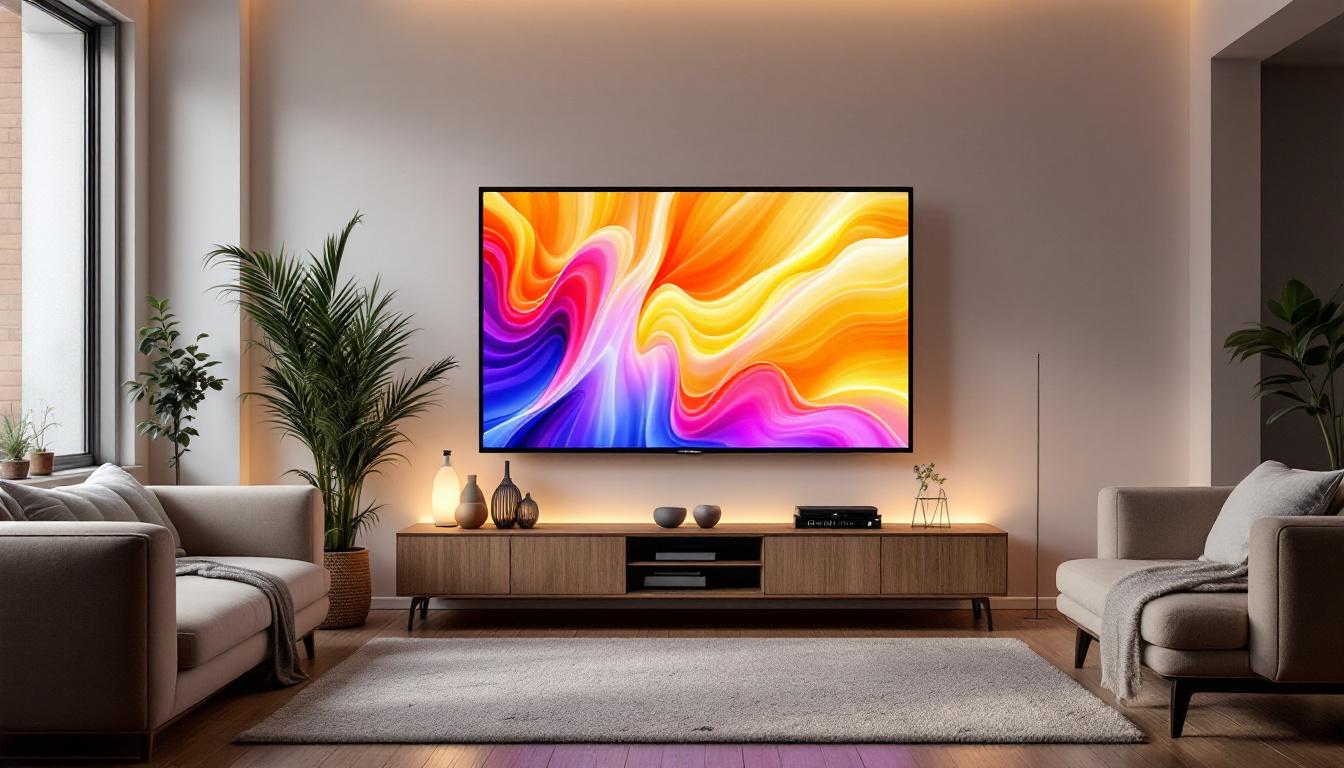
Television manufacturers have also embraced higher refresh rates, especially for sports and action movies. Many 4K TVs offer refresh rates of 120 Hz, sometimes using motion interpolation technology to simulate higher frame rates and reduce motion blur.
Computer monitors tailored for gaming or professional use often support refresh rates from 120 Hz up to 360 Hz, catering to users who demand the highest performance and visual clarity.
Digital Signage and Outdoor LED Displays
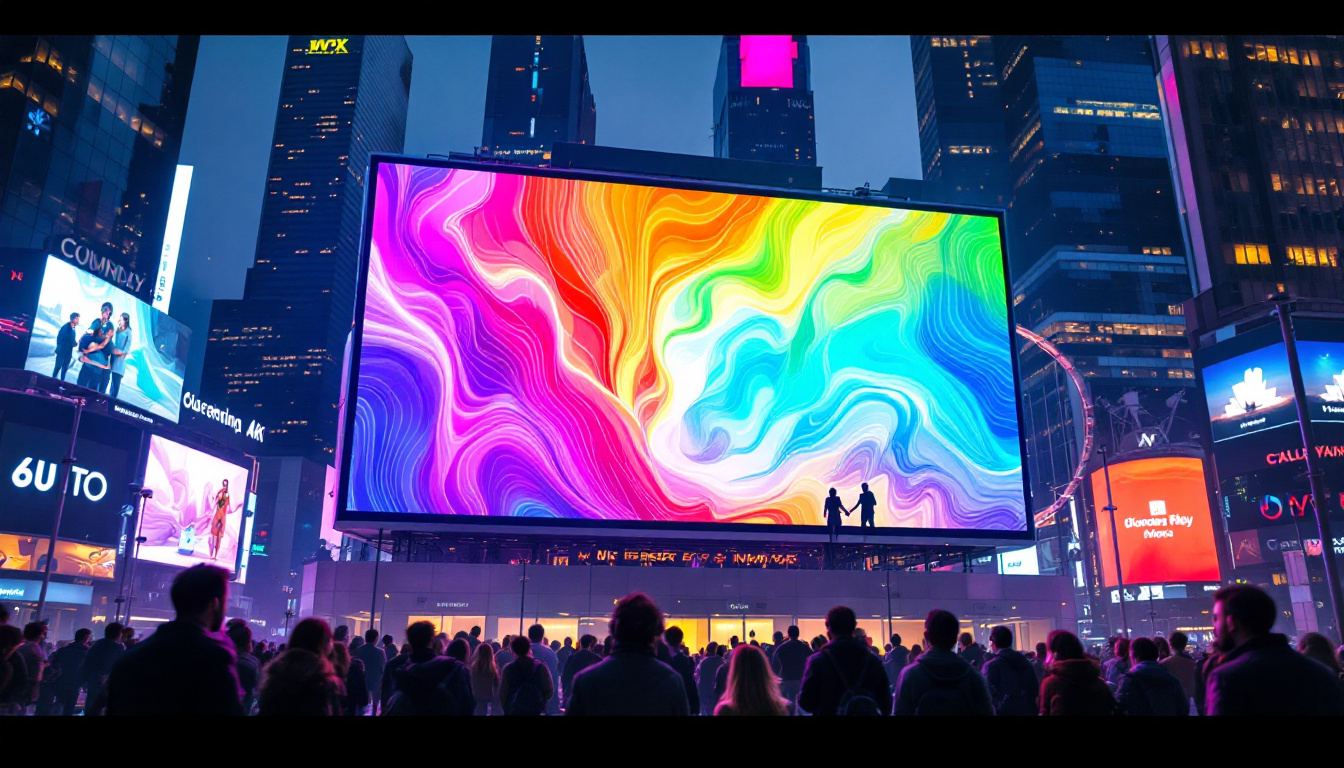
For large outdoor LED displays, such as billboards and stadium screens, refresh rate plays a slightly different role. Since these displays often show static images or slow-changing content, extremely high refresh rates are less critical. However, a minimum refresh rate of 60 Hz is necessary to avoid flicker that can be distracting or uncomfortable for viewers.
Additionally, outdoor LED displays must contend with environmental factors like ambient light and viewing distance. Higher refresh rates can improve image stability and reduce flicker, especially when viewed up close or in dynamic content scenarios.
Virtual Reality and Augmented Reality Displays
In VR and AR headsets, refresh rate is paramount. Low refresh rates can cause motion sickness and discomfort due to lag between head movements and visual updates. Most VR devices aim for refresh rates of 90 Hz or higher to maintain immersion and reduce latency.
Advancements in LED microdisplays for VR and AR are pushing refresh rates even further, with some prototypes targeting 120 Hz and beyond to enhance realism and responsiveness.
Future Trends and Innovations in LED Display Refresh Rates
The LED display industry continues to innovate, driven by consumer demand for better visual experiences and technological breakthroughs. Several trends are shaping the future of refresh rates.
Adaptive and Variable Refresh Rates
Adaptive refresh rate technology dynamically adjusts the display’s refresh rate based on the content being shown. This approach conserves power and reduces unnecessary screen updates, which is particularly beneficial for mobile devices and laptops.
Technologies like NVIDIA’s G-SYNC and AMD’s FreeSync synchronize the refresh rate of the display with the GPU’s frame output, eliminating screen tearing and stuttering in games. These technologies have become standard in gaming monitors and are gradually being integrated into TVs and mobile devices.
Higher Refresh Rates Beyond 240 Hz
While 240 Hz is currently among the highest refresh rates available in consumer displays, research into even faster refresh rates continues. Experimental displays with refresh rates of 360 Hz and beyond are being developed, primarily targeting competitive gaming and professional applications.
These ultra-high refresh rates require advancements in display panel technology, data transmission protocols, and graphics processing capabilities. As these technologies mature, they may become more accessible to a broader audience.
Integration with Emerging Display Technologies
New display technologies like microLED and miniLED promise improved brightness, contrast, and energy efficiency. These advancements also facilitate higher refresh rates due to faster pixel response times and better control over individual diodes.
As these technologies become mainstream, they will likely redefine the standards for refresh rate performance, enabling smoother visuals and more immersive experiences across all types of LED displays.
How to Choose the Right Refresh Rate for Your Needs
Selecting the appropriate refresh rate depends on multiple factors, including intended use, budget, and device compatibility. Here are some guidelines to help make an informed choice.
For Everyday Use and Office Work
A refresh rate of 60 Hz is generally sufficient for typical office work, web browsing, and video playback. Most standard monitors and laptops operate comfortably at this rate without causing eye strain or discomfort.
However, if you spend extended hours in front of the screen, consider displays with higher refresh rates or flicker-free technology to reduce fatigue.
For Gaming and Multimedia
Gamers should look for displays with refresh rates of at least 120 Hz to gain smoother motion and improved responsiveness. Competitive gamers often prefer 144 Hz or 240 Hz monitors to minimize input lag and motion blur.
For watching fast-paced sports or action movies, TVs with 120 Hz refresh rates or motion interpolation features can enhance the viewing experience.
For Professional and Creative Work
Graphic designers, video editors, and content creators may prioritize resolution and color accuracy over ultra-high refresh rates. However, a refresh rate of 75 Hz or higher can still provide a more comfortable and fluid experience during editing and previewing.
High-end professional monitors often balance refresh rate, resolution, and color fidelity to meet the demanding needs of creative workflows.
Conclusion
Refresh rate is a fundamental aspect of LED display technology that significantly influences visual quality and user comfort. From smartphones to massive digital billboards, understanding refresh rate helps users and professionals select the right display for their needs.
As LED technology evolves, higher and adaptive refresh rates are becoming more accessible, offering smoother motion, reduced eye strain, and enhanced immersion. Whether for casual use, gaming, or professional applications, paying attention to refresh rate ensures a better viewing experience and maximizes the potential of LED displays.
Discover the Future of Visual Experience with LumenMatrix
Ready to elevate your visual experience with the latest in LED display technology? LumenMatrix is at the forefront of innovation, offering a wide array of LED display solutions tailored to your unique needs. From captivating Indoor LED Walls to dynamic Outdoor LED Displays, and from versatile Vehicle LED Displays to sleek LED Poster Displays, our products are designed to revolutionize visual communication. Embrace the power of high refresh rates and superior image quality with our LED Sports Displays, Floor LED Displays, Custom LED Displays, All-in-One LED Displays, and LED Transparent Displays. Don’t just share your message—make an unforgettable impact. Check out LumenMatrix LED Display Solutions today and transform your space into a hub of engagement and clarity.