In the rapidly evolving world of digital technology, LED displays have become an integral part of how information is presented and consumed. From towering billboards in Times Square to the screens on your smartphone, LED displays are everywhere. But what exactly are LED displays, how do they work, and why have they become so dominant in both commercial and consumer markets? This article delves deep into the technology behind LED displays, their applications, advantages, and future trends, providing a comprehensive understanding for anyone interested in this ubiquitous technology.
Understanding LED Technology: The Basics
LED stands for Light Emitting Diode, a semiconductor device that emits light when an electric current passes through it. Unlike traditional light sources such as incandescent bulbs or fluorescent tubes, LEDs produce light through electroluminescence, a process where electrons recombine with electron holes within the device, releasing energy in the form of photons.
The first visible-spectrum LED was developed in the early 1960s, but it wasn’t until the 1990s that high-brightness LEDs became commercially viable for display applications. This breakthrough paved the way for LED displays to replace older technologies like cathode ray tubes (CRT) and plasma screens in many sectors.
How LED Displays Work
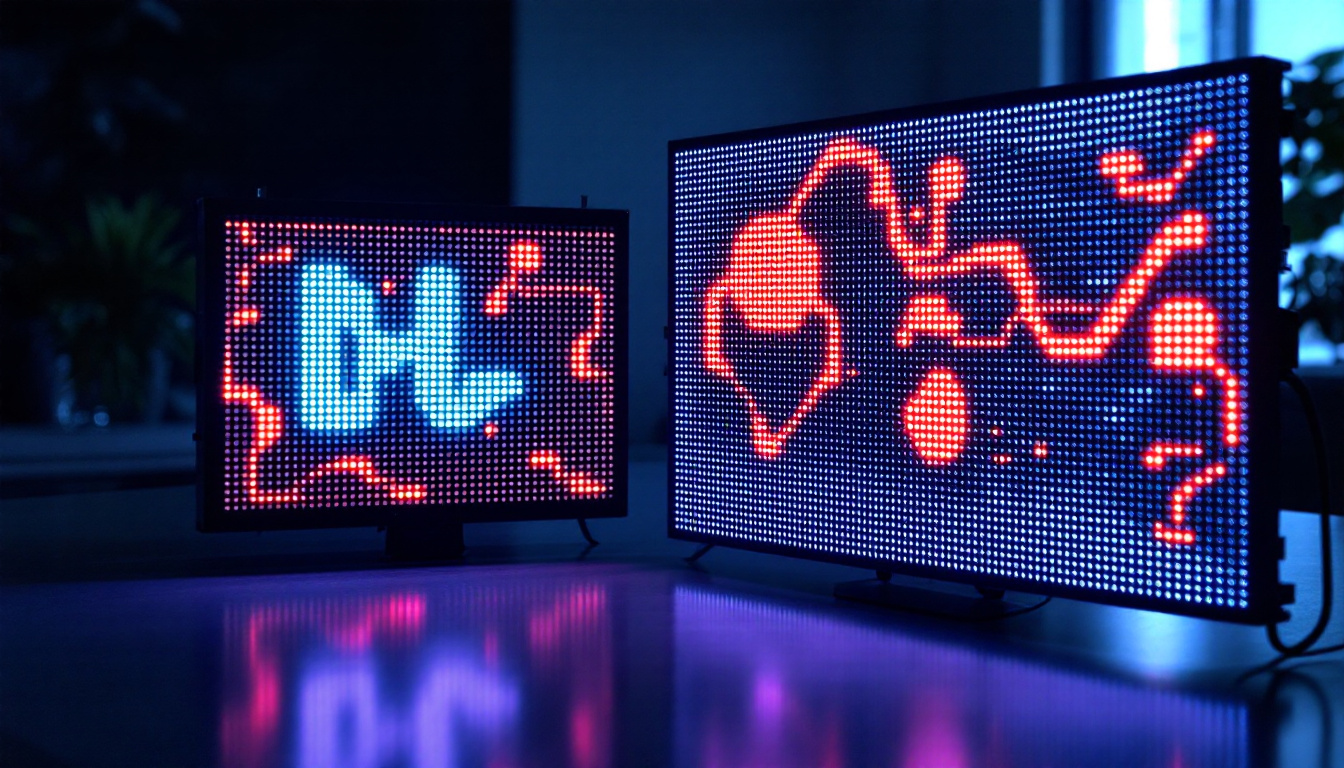
LED displays are made up of numerous tiny LEDs arranged in a grid. Each LED acts as a single pixel or part of a pixel that can be individually controlled to emit light at varying intensities and colors. By adjusting these LEDs, the display can render images, videos, and text with remarkable clarity and brightness.
There are two primary types of LED displays: direct view LED and LED-backlit LCD. Direct view LED displays use LEDs as the actual pixels, while LED-backlit LCDs use LEDs as a backlight behind an LCD panel. This article focuses primarily on direct view LED displays, which are commonly used in large-scale outdoor and indoor digital signage.
One of the key advantages of LED technology is its energy efficiency. Compared to traditional lighting solutions, LEDs consume significantly less power, which not only reduces electricity bills but also contributes to a lower carbon footprint. This energy efficiency is particularly beneficial in large installations, such as stadiums or concert venues, where the lighting requirements can be substantial. Additionally, LEDs have a longer lifespan, often lasting tens of thousands of hours, which minimizes the need for frequent replacements and maintenance.
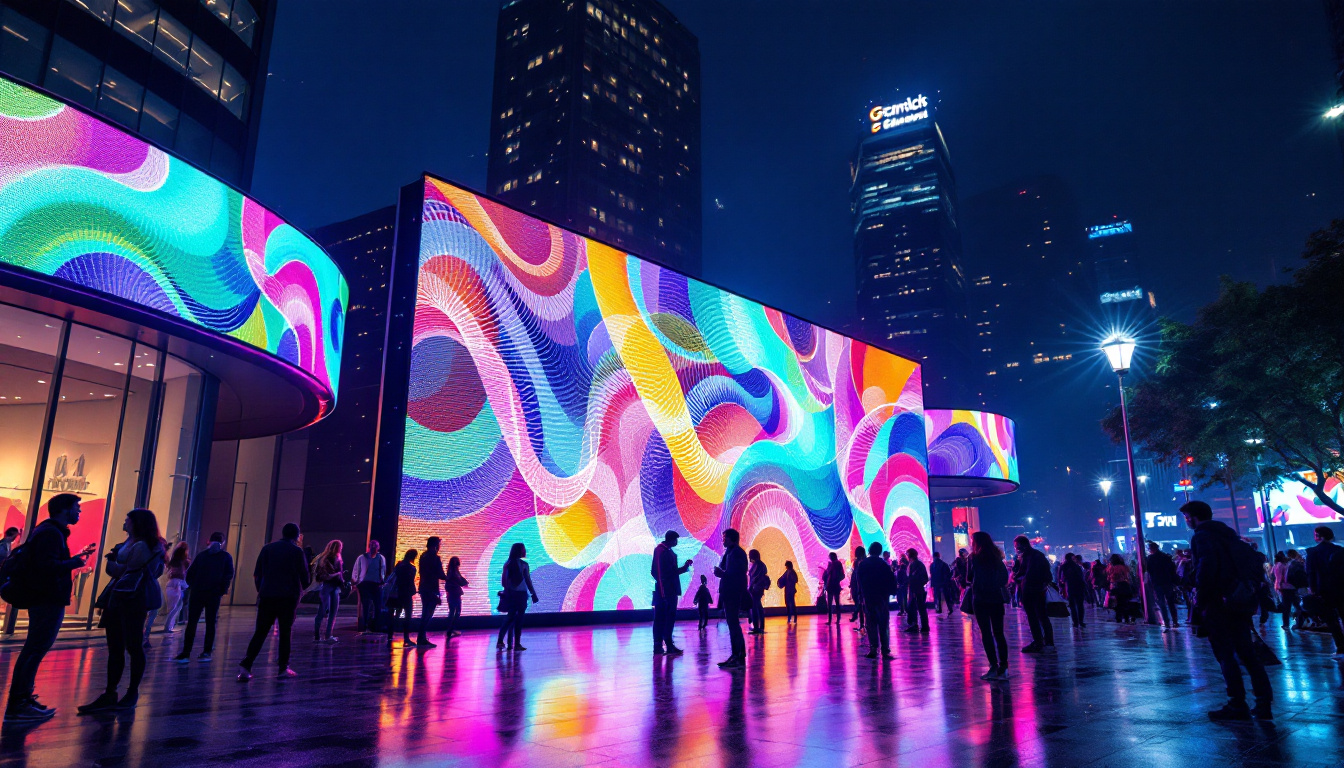
Moreover, the versatility of LED displays allows them to be used in a variety of applications, from advertising billboards to high-definition television screens. The technology can be adapted to various shapes and sizes, enabling creative installations that can fit into unique architectural designs. The ability to create vibrant colors and high contrast ratios makes LED displays particularly appealing for immersive experiences, such as in theme parks or interactive art installations, where visual impact is crucial for engaging audiences.
Types of LED Displays and Their Applications
LED displays come in various forms, each tailored to specific needs and environments. Understanding these types helps in selecting the right display for a particular application.
Indoor LED Displays
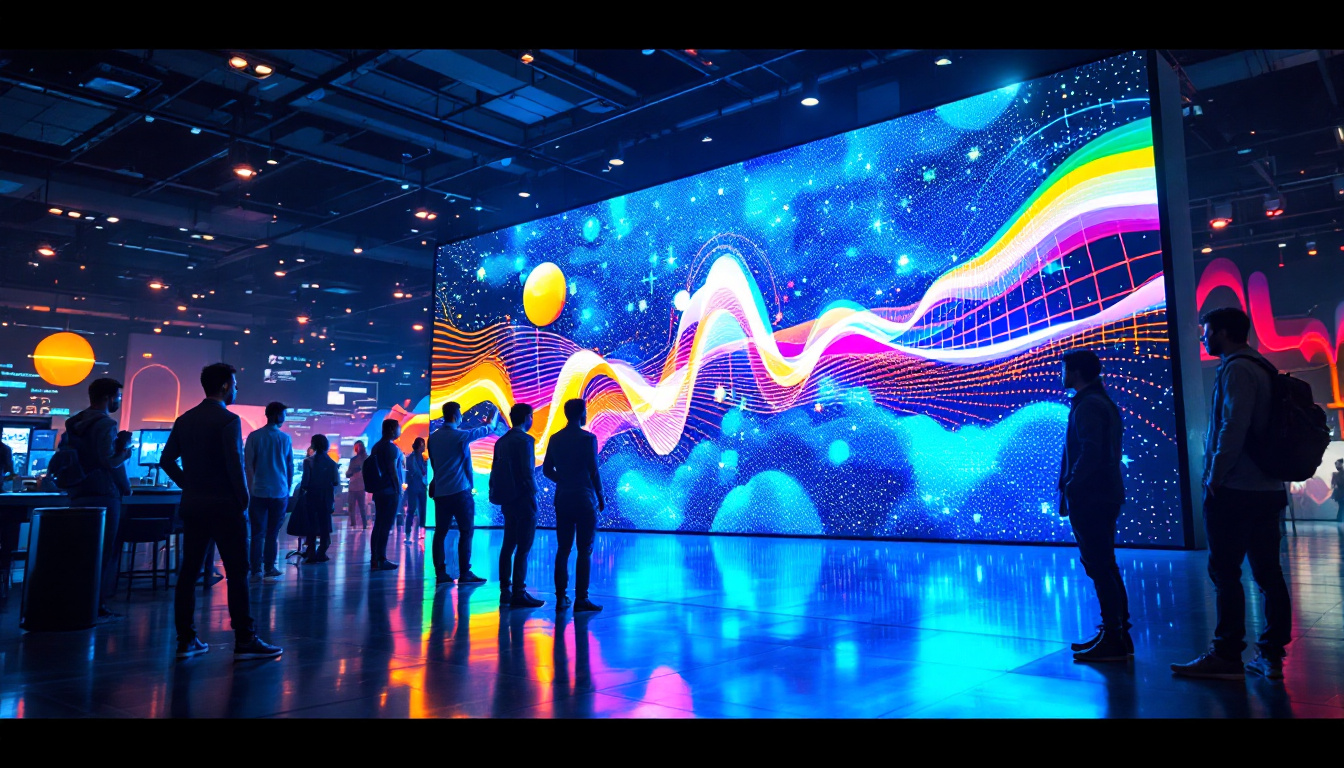
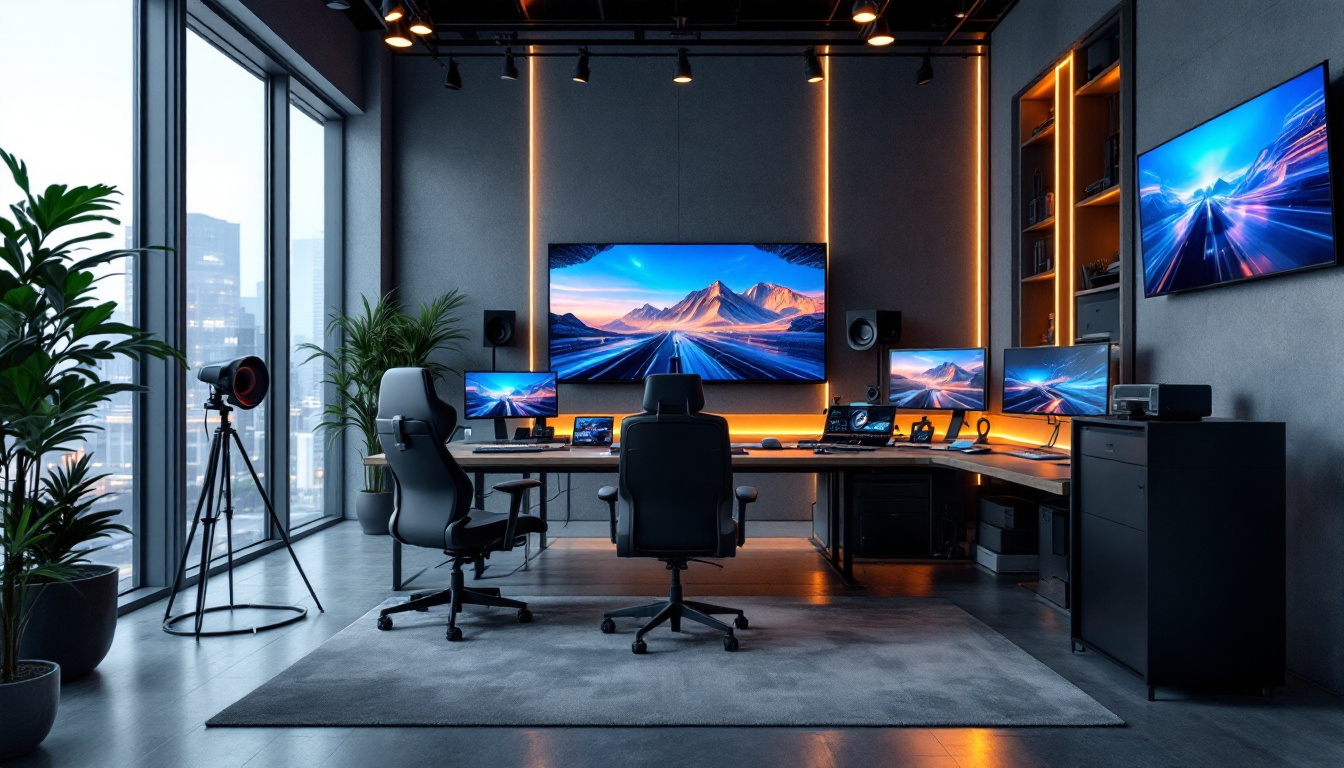
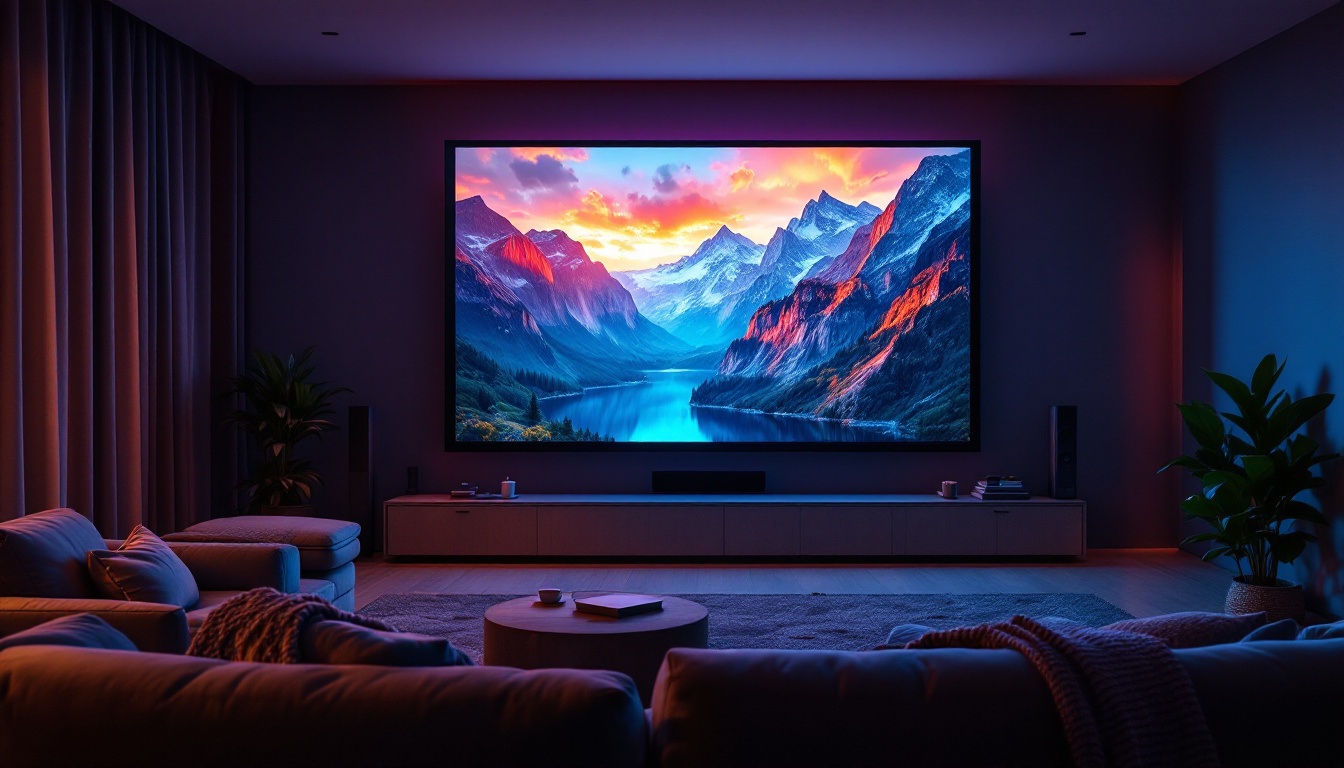
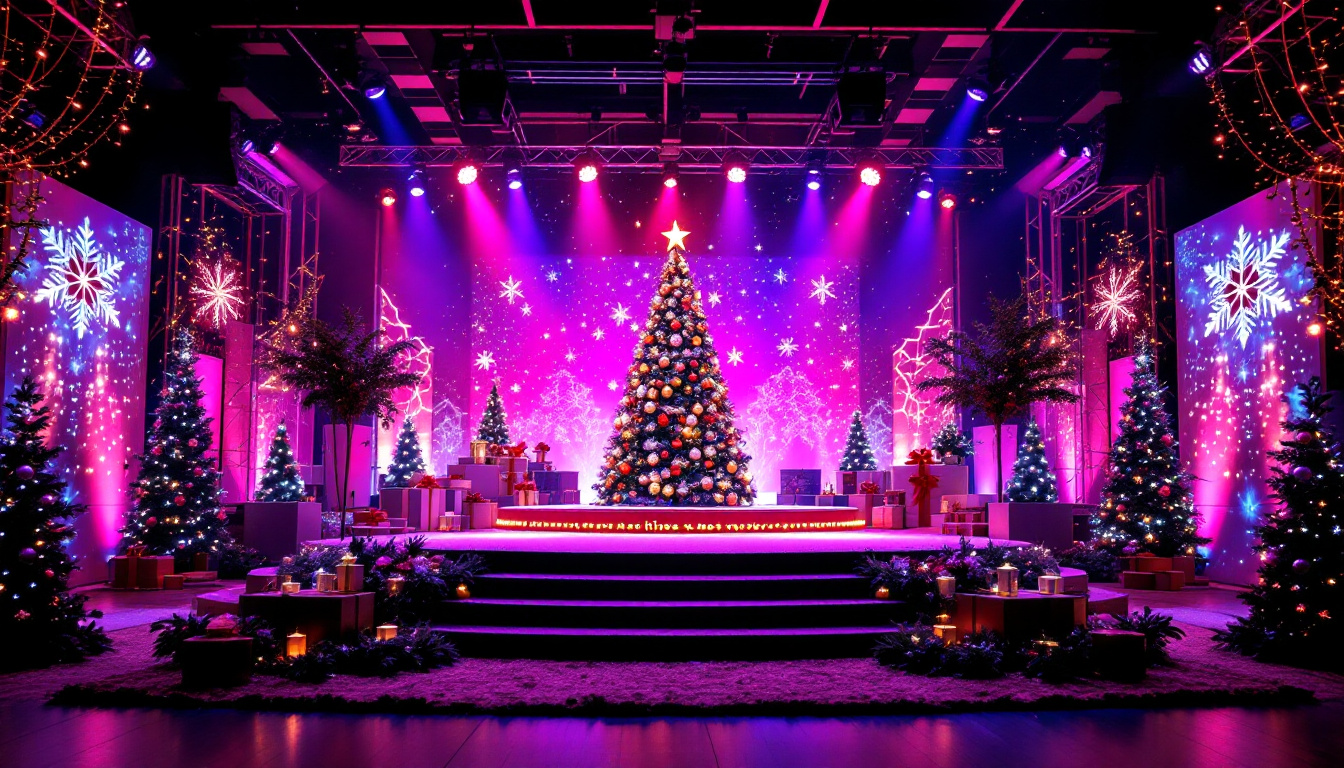
Indoor LED displays are designed for environments with controlled lighting and closer viewing distances. These displays typically have a higher pixel density, meaning the LEDs are packed more closely together to produce sharper images. Pixel pitches for indoor displays can be as small as 0.9mm, enabling ultra-high-definition visuals suitable for conference rooms, retail stores, and broadcast studios.
For example, the use of indoor LED walls in corporate settings has surged in recent years, driven by their ability to deliver dynamic presentations and immersive experiences. According to a 2023 market report by Grand View Research, the indoor LED display segment is expected to grow at a compound annual growth rate (CAGR) of over 12% through 2030, reflecting increasing adoption in commercial and entertainment venues.
Outdoor LED Displays
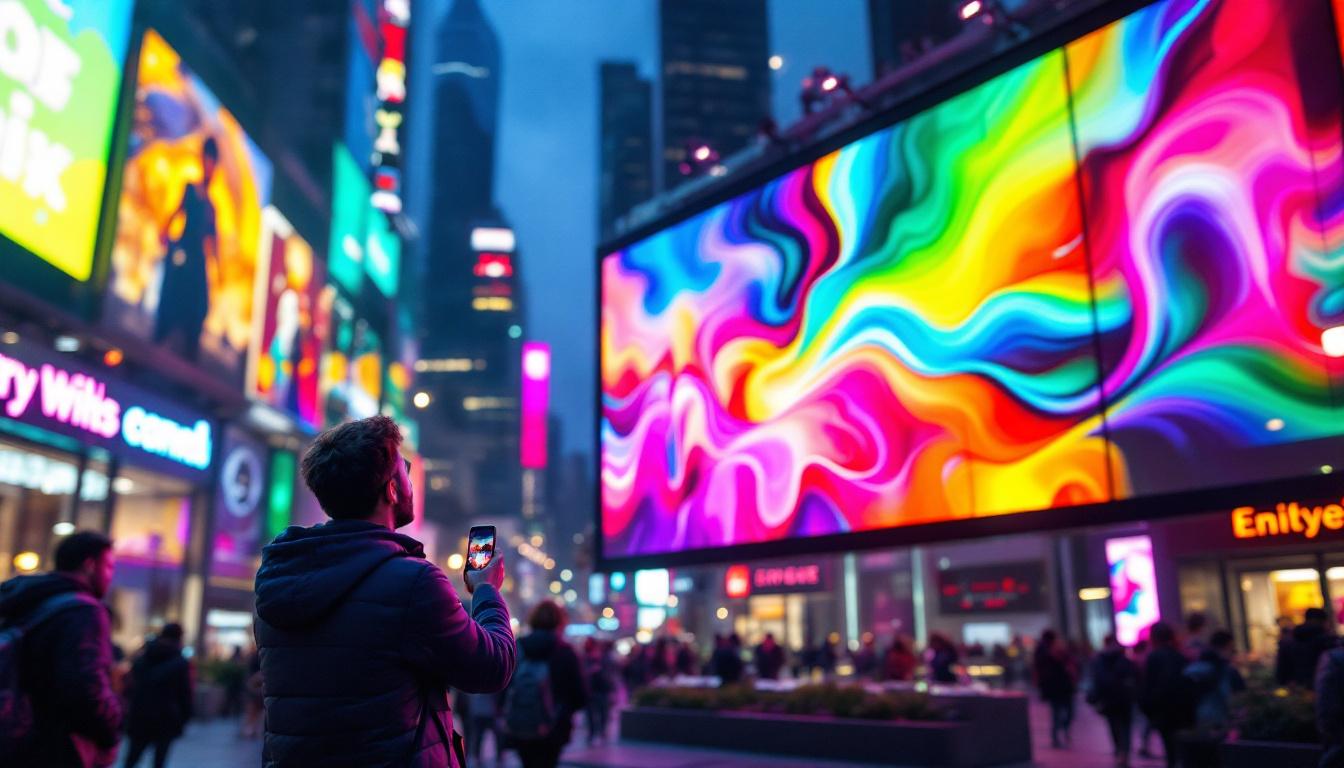
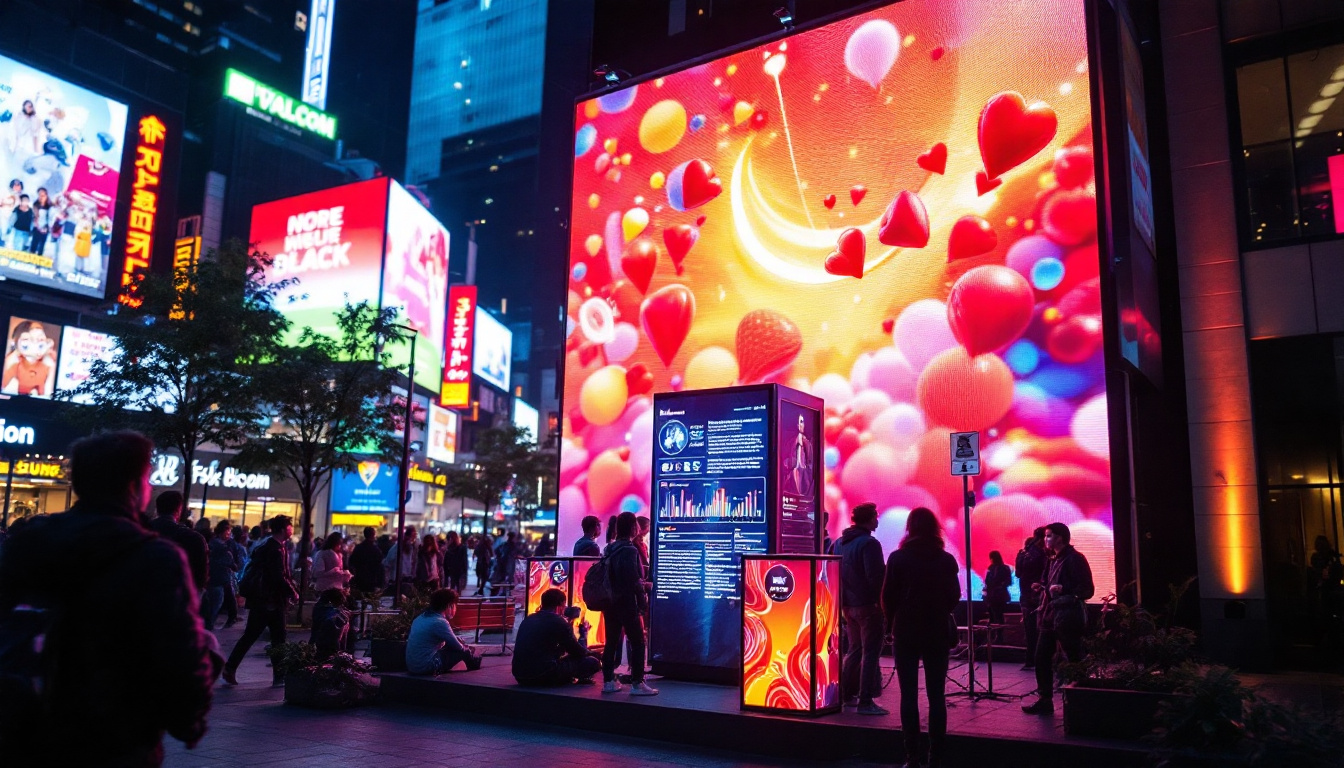
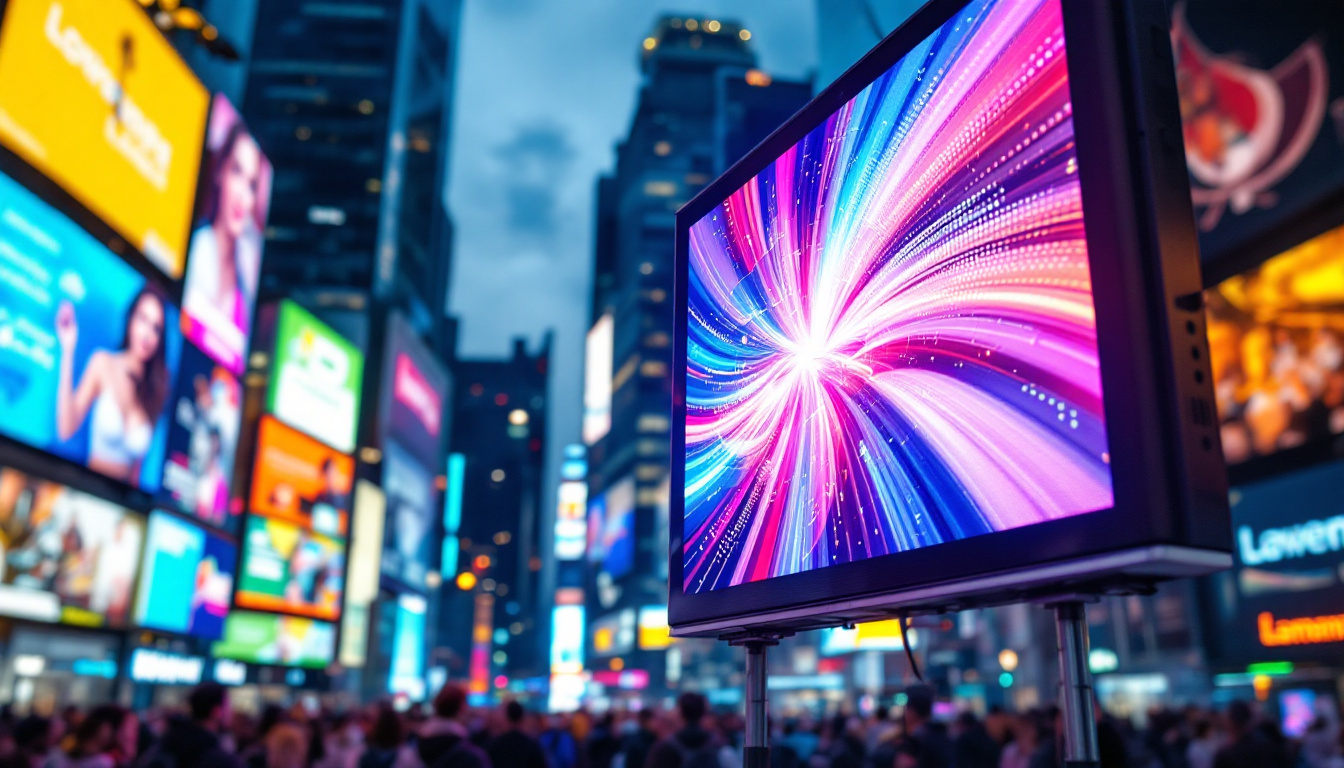
Outdoor LED displays are built to withstand harsh weather conditions and high ambient light levels. They typically have larger pixel pitches, ranging from 2mm to over 10mm, which is acceptable because viewers are usually farther away. These displays are commonly used for billboards, sports arenas, and public information boards.
One notable example is the massive LED billboard in Las Vegas, which spans over 1,500 square meters and can display vibrant, full-motion video visible even in direct sunlight. Advances in LED brightness and durability have made outdoor LED displays a preferred choice for advertisers aiming to capture attention in busy urban environments.
Flexible and Transparent LED Displays
Emerging innovations have introduced flexible and transparent LED displays, expanding the possibilities for creative installations. Flexible LED panels can be curved or bent, allowing for unique architectural designs and immersive environments. Transparent LED displays integrate LEDs into glass surfaces, enabling screens that maintain transparency while displaying content.
These technologies are gaining traction in retail, museums, and automotive industries, where blending digital content with physical spaces enhances user engagement. For instance, transparent LED displays are used in store windows to attract customers without obstructing the view inside.
Advantages of LED Displays Over Other Technologies
LED displays offer several advantages that have contributed to their widespread adoption across industries. These benefits include superior image quality, energy efficiency, and durability.
High Brightness and Contrast
LED displays can achieve brightness levels exceeding 5,000 nits, making them visible even under direct sunlight. This high brightness, combined with excellent contrast ratios, ensures vibrant and clear images. Unlike LCDs, which rely on backlighting, direct view LEDs emit light directly from each pixel, resulting in deeper blacks and more vivid colors.
Energy Efficiency and Longevity
LED technology is inherently energy-efficient, consuming significantly less power than traditional lighting and display technologies. For example, LED displays can use up to 50% less energy than plasma screens of similar size. This efficiency translates into lower operating costs and reduced environmental impact.
Moreover, LEDs have a long operational lifespan, often exceeding 100,000 hours before brightness diminishes significantly. This longevity reduces maintenance requirements and total cost of ownership for large-scale installations.
Durability and Reliability
LED displays are robust and resistant to shock and vibration, making them suitable for outdoor and high-traffic environments. They also perform well across a wide temperature range, from freezing cold to extreme heat, without degradation in performance.
Waterproof and dustproof ratings are common in outdoor LED modules, ensuring consistent operation even in challenging weather conditions. This reliability is critical for applications such as traffic signage and public safety displays.
Key Considerations When Choosing an LED Display
Selecting the right LED display involves evaluating several factors to ensure it meets the specific requirements of the intended application.
Pixel Pitch and Resolution
Pixel pitch, the distance between the centers of adjacent LEDs, directly affects image resolution and viewing distance. Smaller pixel pitches provide higher resolution and are suitable for close viewing, while larger pitches are acceptable for distant viewing.
For example, a pixel pitch of 1.5mm is ideal for indoor displays viewed from a few feet away, whereas a 10mm pitch works well for billboards seen from hundreds of meters. Understanding this relationship helps optimize image quality and cost.
Brightness and Viewing Environment
Brightness requirements vary depending on ambient lighting. Outdoor displays require higher brightness levels to combat sunlight, while indoor displays can operate at lower brightness to reduce eye strain and power consumption.
Additionally, viewing angles are important to consider, especially for displays intended to be seen from multiple directions. LED displays typically offer wide viewing angles, but some models may have enhanced optics to improve visibility in specific scenarios.
Installation and Maintenance
The physical installation environment influences the choice of LED display. Factors such as mounting options, accessibility for maintenance, and ventilation must be considered. Modular designs allow for easier repairs and upgrades, which can extend the lifespan of the display.
Maintenance considerations also include software support for calibration and diagnostics, ensuring consistent performance over time.
Future Trends in LED Display Technology
The LED display industry continues to evolve, driven by advancements in materials, manufacturing, and digital integration. Several emerging trends are set to shape the future landscape of LED displays.
MicroLED and MiniLED Displays
MicroLED technology, which uses microscopic LEDs as individual pixels, promises even higher resolution, brightness, and energy efficiency than current LED displays. Unlike OLEDs, MicroLEDs are inorganic and offer better longevity and brightness without burn-in issues.
MiniLEDs, which are slightly larger than MicroLEDs but smaller than traditional LEDs, are already being integrated into high-end TVs and monitors to improve contrast and HDR performance. As production costs decrease, these technologies will become more accessible across various applications.
Integration with Smart Technologies
Smart LED displays equipped with sensors, cameras, and AI capabilities are enabling interactive and personalized experiences. For instance, digital signage can adjust content based on audience demographics or environmental conditions in real time.
This integration enhances advertising effectiveness and user engagement, making LED displays a key component of smart city infrastructure and retail innovation.
Sustainability and Eco-Friendly Designs
With growing emphasis on sustainability, manufacturers are focusing on reducing the environmental impact of LED displays. This includes using recyclable materials, improving energy efficiency, and developing end-of-life recycling programs.
Advances in low-power electronics and solar-powered LED displays are also contributing to greener solutions, especially for remote or off-grid applications.
Conclusion
LED displays have revolutionized the way visual information is presented, offering unparalleled brightness, durability, and versatility. Their applications span from intimate indoor environments to massive outdoor advertising spaces, underscoring their adaptability and technological sophistication.
As LED technology continues to advance with innovations like MicroLED and smart integration, the potential for more immersive, efficient, and sustainable displays grows. Whether for business, entertainment, or public communication, understanding the fundamentals and trends of LED displays equips stakeholders to make informed decisions and harness the full potential of this transformative technology.
Discover the Future of Visual Display with LumenMatrix
Ready to elevate your visual experience with the latest in LED technology? LumenMatrix is at the forefront of innovation, offering a diverse range of LED display solutions tailored to meet your needs. From vibrant Indoor LED Walls to dynamic Outdoor LED Displays, and from versatile Vehicle LED Displays to sleek LED Posters, our products are designed to captivate and engage. Embrace the future of digital signage with LumenMatrix and transform how you communicate with your audience. Check out LumenMatrix LED Display Solutions today and witness the impact of cutting-edge LED technology firsthand.