Thinnest Bezel TV: LED Display Explained
In the rapidly evolving world of television technology, one feature has become a hallmark of premium design and immersive viewing experience: the thin bezel. The bezel—the frame surrounding the TV screen—has seen remarkable reductions in size over the past decade, allowing manufacturers to deliver sleek, modern aesthetics and larger screen-to-body ratios. Among the various TV display technologies, LED TVs have led the charge in adopting ultra-thin bezels without compromising picture quality or durability.
This article explores the concept of the thinnest bezel TVs with a focus on LED display technology. It covers the importance of bezel size, the engineering innovations behind ultra-thin bezels, and what consumers should consider when shopping for these cutting-edge televisions.
Understanding the Importance of TV Bezels
What Is a TV Bezel?
The bezel is the physical frame that surrounds the television’s screen. Traditionally, bezels were quite thick, sometimes several centimeters wide, serving to protect the screen and house internal components. However, thick bezels can be visually distracting and reduce the overall screen size relative to the TV’s dimensions.
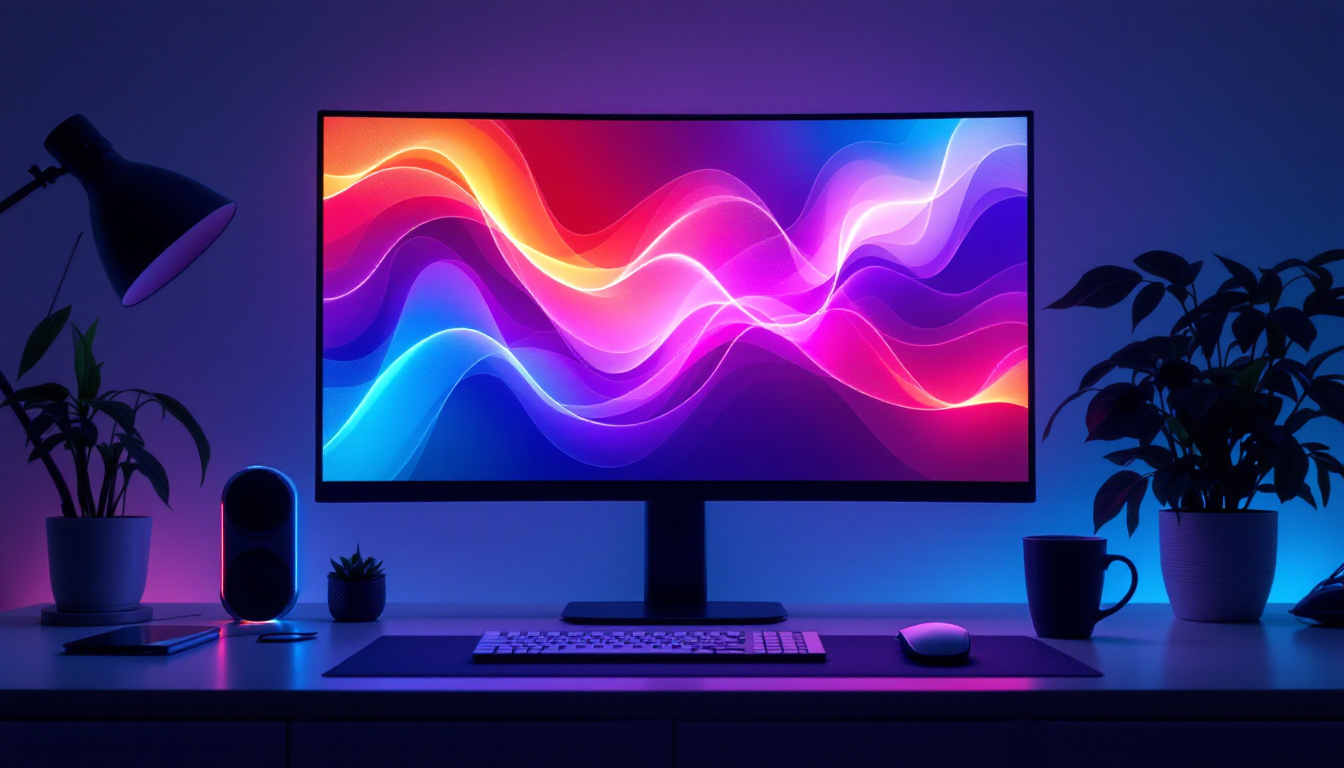
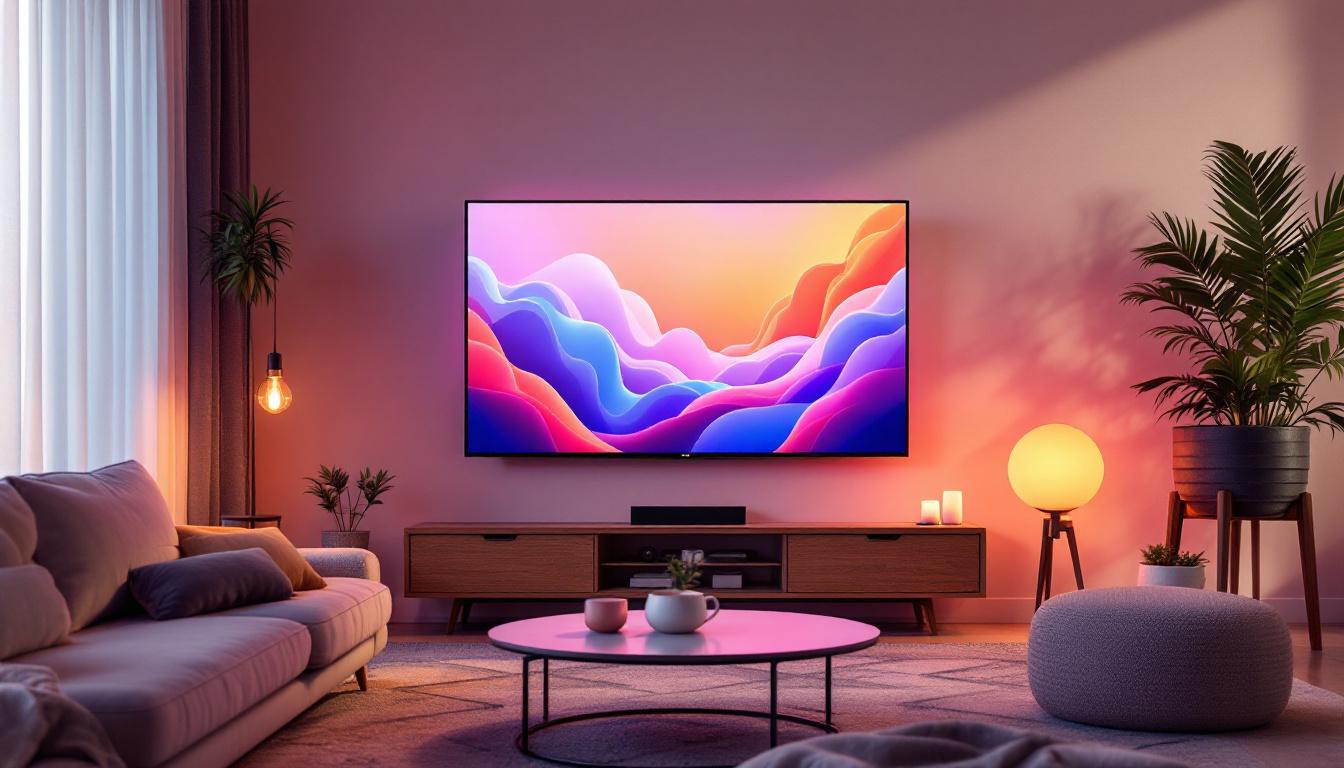
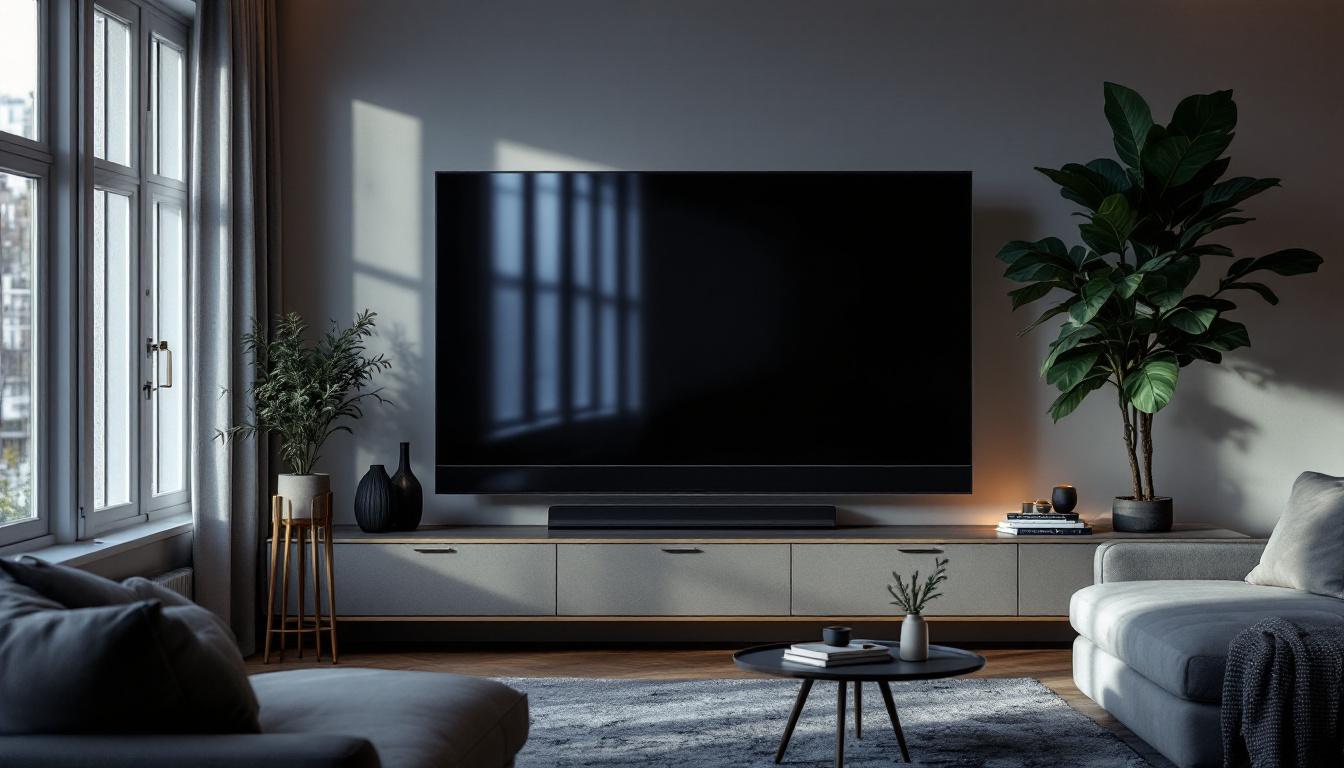
In modern TVs, particularly LED models, manufacturers strive to minimize bezel thickness to maximize the display area and create a more immersive viewing experience. A thinner bezel means less visual interruption and a sleeker, more elegant appearance that fits better in contemporary living spaces. The evolution of bezel design reflects broader trends in consumer electronics, where sleekness and minimalism are highly valued. As technology advances, the materials used for bezels have also improved, with manufacturers opting for lightweight yet durable options like aluminum and high-grade plastics that not only enhance aesthetics but also contribute to the longevity of the product.
Why Does Bezel Thickness Matter?
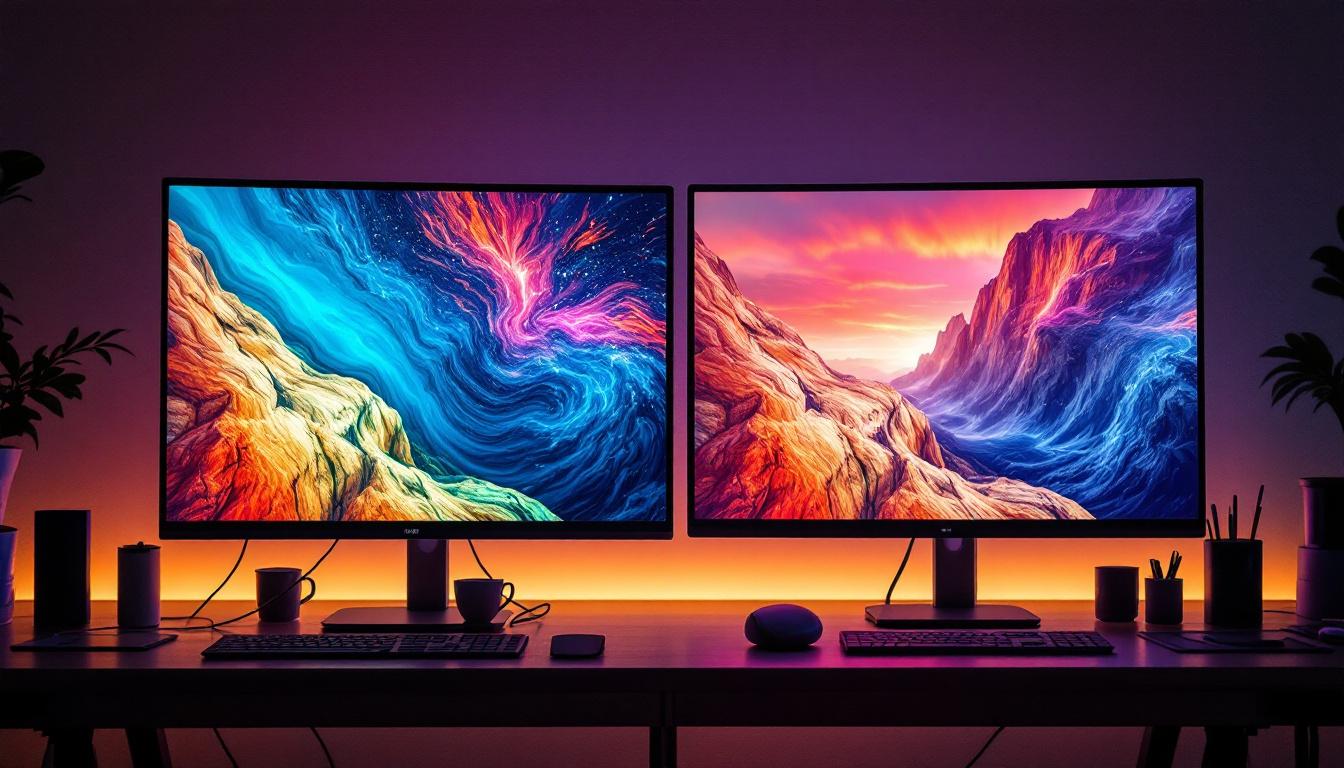
Bezel thickness impacts both aesthetics and functionality. From a design perspective, a thin bezel TV looks more futuristic and blends seamlessly into the room. For multi-screen setups, such as video walls or gaming stations, thin bezels reduce the gap between screens, enhancing continuity and immersion. This is particularly important in environments where visual fidelity is paramount, such as in gaming or professional presentations, where every pixel counts and distractions should be minimized.
Functionally, thinner bezels allow manufacturers to reduce the overall size and weight of the TV. This can make wall mounting easier and reduce the footprint on furniture. However, achieving ultra-thin bezels requires advanced engineering to ensure structural integrity and protect delicate screen components. Additionally, the reduction in bezel size can lead to innovations in screen technology, such as edge-to-edge displays that utilize the entire surface area for viewing. This trend not only enhances the visual experience but also encourages the development of new mounting solutions and furniture designs that cater to the sleek aesthetics of modern televisions. As consumers continue to demand more from their viewing experiences, the role of the bezel will likely evolve, pushing manufacturers to explore even more innovative designs and materials in the future.
LED Display Technology and Its Role in Thin Bezels
What Is LED TV Technology?
LED TVs are a type of LCD (Liquid Crystal Display) television that uses Light Emitting Diodes (LEDs) as a backlight source instead of traditional cold cathode fluorescent lamps (CCFLs). This shift has allowed for thinner panels, improved energy efficiency, and better picture quality.
LED backlighting can be arranged in different ways—edge-lit or full-array being the most common. Edge-lit LED TVs place LEDs along the edges of the screen, enabling thinner panels and, consequently, thinner bezels. Full-array LED TVs have LEDs distributed across the back panel for better local dimming and contrast but tend to be slightly thicker.
How LED Technology Enables Ultra-Thin Bezels
One of the key advantages of LED technology is its compact backlighting system. Edge-lit LEDs allow manufacturers to reduce the depth of the TV panel significantly. This innovation has been instrumental in achieving bezel widths as narrow as a few millimeters.
Moreover, advances in materials and manufacturing processes have allowed for the integration of the display panel and bezel frame in ways that minimize visible borders. Some premium LED TVs use metal or high-quality plastic frames that are both ultra-thin and structurally strong.
Comparison with Other Display Technologies
While OLED (Organic Light Emitting Diode) TVs are often praised for their ability to achieve almost bezel-less designs due to their self-emissive pixels and flexible panels, LED TVs remain the most popular due to cost-effectiveness and bright display capabilities.
MicroLED technology, an emerging display type, promises even thinner bezels and superior image quality but is currently limited to high-end, large-format displays due to manufacturing complexity and cost.
Engineering Innovations Behind the Thinnest Bezels
Material Advances
Manufacturers have leveraged cutting-edge materials such as ultra-thin glass, reinforced plastics, and lightweight metal alloys to create durable yet minimal bezels. These materials not only reduce thickness but also improve heat dissipation and structural rigidity.
For instance, Gorilla Glass and similar chemically strengthened glass variants are sometimes used in premium LED TVs to protect the screen edges without adding bulk.
Display Panel Integration
Innovations in display panel design have allowed the screen itself to extend closer to the edges of the TV chassis. This includes the use of flexible printed circuit boards (FPCBs) and chip-on-glass (COG) technology, which reduce the space required for internal electronics around the screen perimeter.
Additionally, manufacturers have optimized the placement of sensors, cameras, and speakers to avoid increasing bezel size, often embedding these components behind the screen or within the frame.
Manufacturing Precision and Quality Control
Ultra-thin bezel TVs require highly precise manufacturing processes to maintain uniformity and avoid defects such as screen warping or bezel misalignment. Advanced robotics and laser-cutting techniques are employed to achieve tight tolerances and seamless assembly.
Quality control measures, including rigorous stress testing and visual inspections, ensure that the thin bezels maintain durability and aesthetic appeal over the product’s lifespan.
Top Examples of Thinnest Bezel LED TVs in the Market
Samsung’s Frame Series
Samsung’s Frame Series LED TVs are renowned for their minimal bezels and stylish design, which doubles as a digital art frame when not in use. The latest models feature bezels as thin as 6.3 millimeters, blending seamlessly into modern home décor.
These TVs utilize edge-lit LED technology with Quantum Dot enhancements for vivid colors and excellent brightness, making them a popular choice for both aesthetics and performance.
Sony Bravia X90J
Sony’s Bravia X90J LED TV offers a thin bezel design combined with full-array local dimming, delivering superior contrast and picture quality. The bezels measure approximately 7 millimeters, providing an immersive viewing experience without distractions.
This model is also equipped with Sony’s Cognitive Processor XR, which enhances image processing and motion handling, making it a favorite among cinephiles and gamers alike.
LG NanoCell Series
LG’s NanoCell LED TVs feature ultra-thin bezels measuring around 5.9 millimeters, among the thinnest in the LED category. The NanoCell technology enhances color accuracy and viewing angles, making these TVs suitable for a variety of lighting conditions.
LG incorporates edge-lit LED backlighting to achieve the slim profile, balancing design with performance effectively.
Factors to Consider When Choosing a Thin Bezel LED TV
Screen Size and Viewing Distance
While thin bezels contribute to a sleek look, it’s essential to consider the overall screen size and how it fits your viewing environment. Larger screens with thin bezels offer a more immersive experience, but the viewing distance and room size should be factored in to avoid eye strain.
Picture Quality and Panel Type
Not all thin bezel TVs deliver the same picture quality. Full-array LED TVs generally provide better contrast and black levels compared to edge-lit models, though they might have slightly thicker bezels. Consider what matters most—design or image performance—when making a choice.
Connectivity and Smart Features
Modern LED TVs come with a variety of smart features and connectivity options. It’s important to ensure that the thin bezel design does not compromise access to ports or the placement of sensors like remote receivers and cameras.
Price and Warranty
Ultra-thin bezel TVs often come at a premium price due to the advanced materials and manufacturing processes involved. Compare prices across brands and models, and consider the warranty and after-sales support to ensure long-term satisfaction.
The Future of Thin Bezel TVs and LED Displays
The trend toward thinner bezels is expected to continue as consumer demand for sleek, minimalist designs grows. Innovations in microLED and flexible display technologies promise even more radical reductions in bezel size and TV thickness.
Moreover, integration with smart home ecosystems and augmented reality could redefine how TVs are designed and used, potentially making bezels obsolete or transforming them into interactive surfaces.
For now, LED TVs with ultra-thin bezels represent a mature, accessible technology that balances design, performance, and cost effectively, making them an excellent choice for most consumers seeking a modern viewing experience.
Conclusion
The pursuit of the thinnest bezel TV has driven significant advancements in LED display technology and manufacturing. Thin bezels enhance the visual appeal of televisions, increase screen-to-body ratios, and contribute to a more immersive viewing experience. LED TVs, particularly those with edge-lit backlighting, have been at the forefront of this evolution, offering consumers a blend of style and performance.
When selecting a thin bezel LED TV, it is important to balance design preferences with factors such as picture quality, screen size, and features. As technology continues to advance, the line between display and frame will blur further, ushering in an era of virtually borderless televisions that redefine home entertainment.
Discover the Future of Viewing with LumenMatrix
Embrace the cutting edge of home entertainment with LumenMatrix, a pioneer in ultra-thin bezel LED display technology. Our extensive range of LED display solutions, from Indoor and Outdoor LED Wall Displays to innovative LED Transparent Displays, is designed to elevate your viewing experience to new heights. Whether you’re looking to enhance your brand’s visibility or create immersive visual experiences, LumenMatrix has the perfect solution. Check out LumenMatrix LED Display Solutions today and step into the future of visual communication.