In the rapidly evolving world of digital displays, understanding the technical terms behind the technology can be a challenge. One such term that often comes up when discussing LED displays is pixel pitch. Whether you’re a business owner considering a digital signage solution, an event organizer looking for the best screen, or simply a tech enthusiast, grasping what pixel pitch means and how it affects LED display quality is essential.
This article delves deep into the concept of pixel pitch, explaining its significance, how it impacts display performance, and what to consider when choosing an LED screen. By the end, you’ll have a clear understanding of pixel pitch and why it matters for your display needs.
What Is Pixel Pitch?
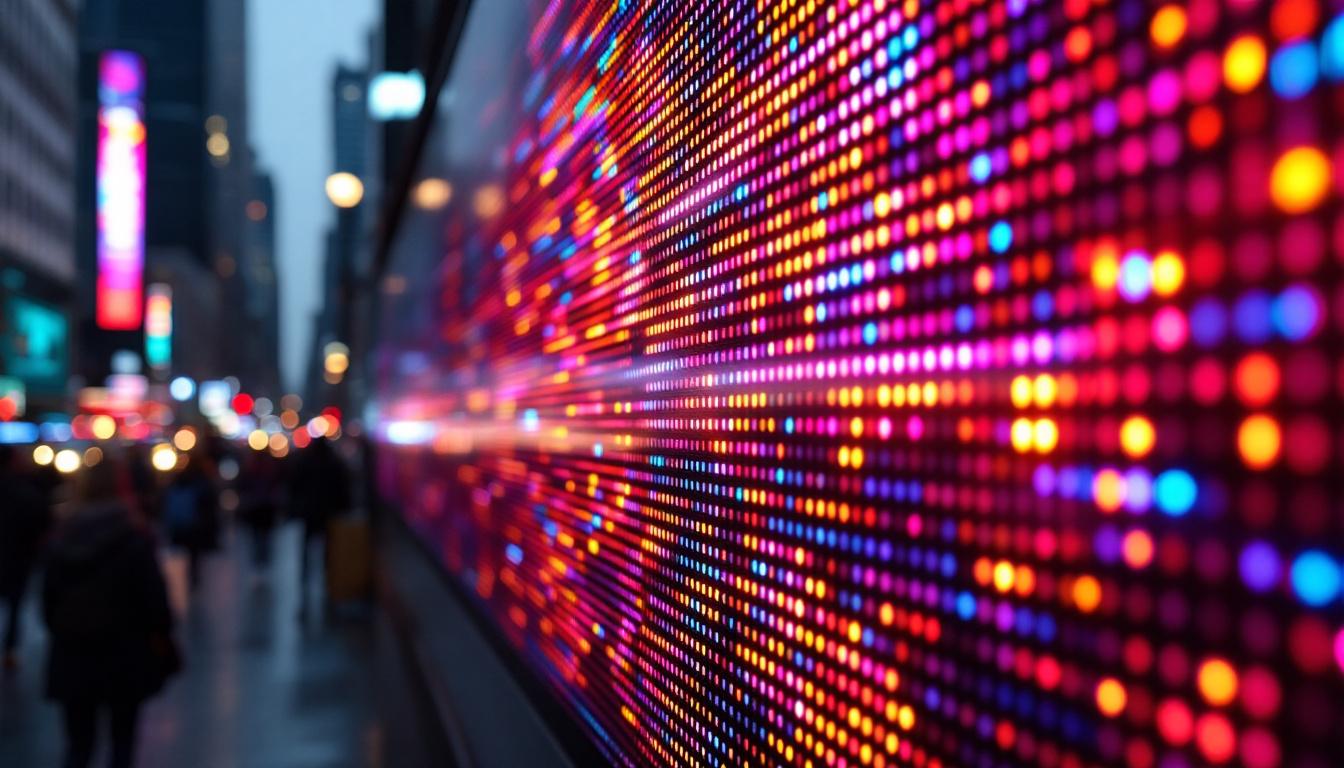
Pixel pitch is a fundamental specification in LED display technology that refers to the distance between the centers of two adjacent pixels on a screen. It is usually measured in millimeters (mm). The term “pixel” in this context refers to the smallest controllable element of the display, which is typically composed of one or more LED diodes.
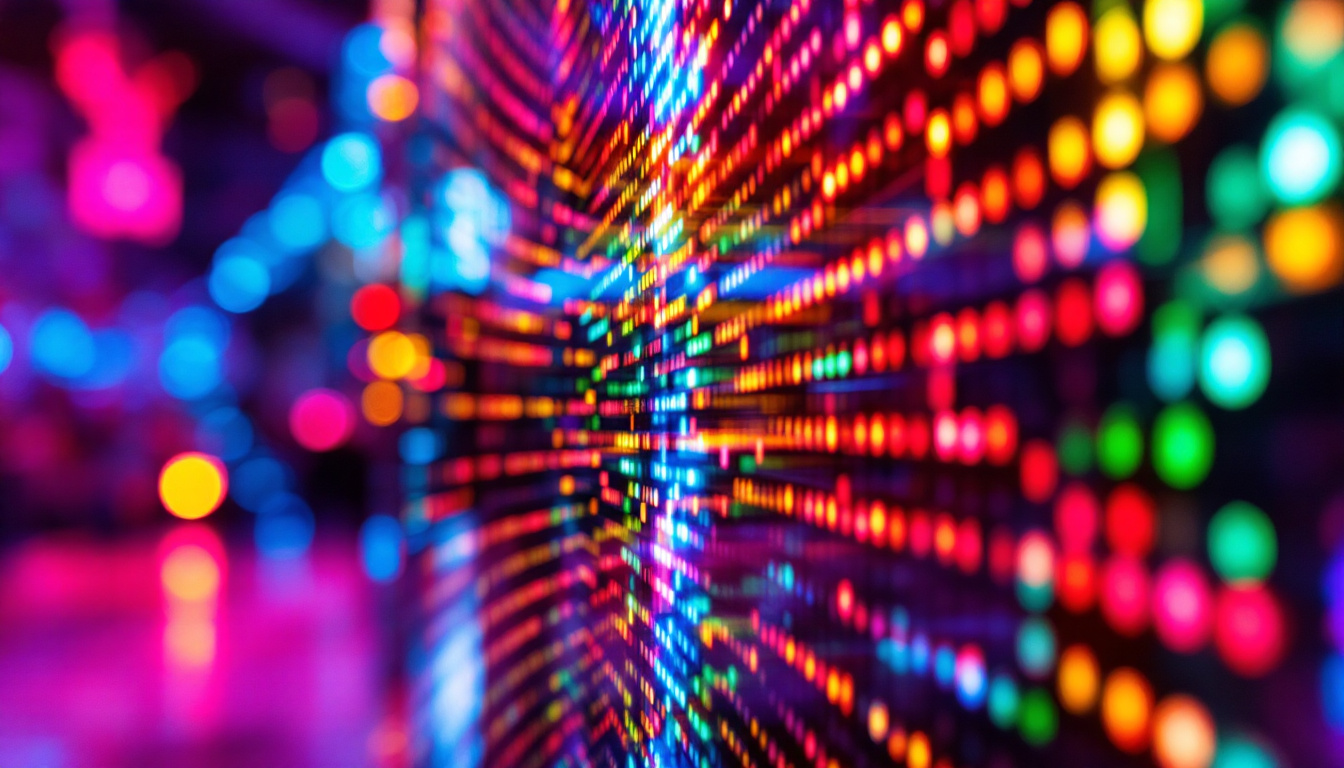
To put it simply, pixel pitch determines how densely packed the pixels are on an LED display. A smaller pixel pitch means the pixels are closer together, resulting in higher pixel density, while a larger pixel pitch indicates that pixels are spaced further apart.
Why Pixel Pitch Matters
The pixel pitch directly influences the resolution and viewing experience of an LED display. A smaller pixel pitch allows for more pixels in a given area, producing sharper and more detailed images. Conversely, a larger pixel pitch results in fewer pixels per area, which can make images appear less sharp, especially when viewed up close.
For example, a display with a 1.5mm pixel pitch will have pixels spaced 1.5 millimeters apart, making it suitable for close viewing distances, such as indoor advertising or control rooms. On the other hand, a display with a 10mm pixel pitch is better suited for outdoor billboards where viewers are typically farther away.
How Pixel Pitch Affects LED Display Quality
Understanding pixel pitch is crucial because it directly impacts several key aspects of LED display quality, including resolution, viewing distance, and overall visual clarity.
Resolution and Image Detail
Resolution is the total number of pixels that make up the display image. Since pixel pitch defines the spacing between pixels, it inherently affects the maximum resolution achievable for a given screen size. A smaller pixel pitch allows more pixels to fit into the same physical space, increasing resolution and enabling finer image details.
For instance, a 55-inch LED display with a 1.2mm pixel pitch will have a much higher resolution than one with a 5mm pixel pitch. This higher resolution is essential for applications requiring detailed visuals, such as retail displays, broadcast studios, or medical imaging.
Optimal Viewing Distance
Pixel pitch also determines the optimal viewing distance for an LED display. The general rule of thumb is that the optimal viewing distance (in meters) is roughly equal to the pixel pitch (in millimeters) multiplied by 1.5 to 2.5.
For example, a display with a 3mm pixel pitch is best viewed from 4.5 to 7.5 meters away. Viewing closer than this range may reveal individual pixels, causing a “screen door” effect where the gaps between pixels become noticeable. Conversely, viewing from too far away may make the display appear less sharp than necessary.
Brightness and Energy Efficiency
While pixel pitch primarily affects resolution and viewing distance, it can also influence brightness and energy consumption. Displays with larger pixel pitches often use bigger LEDs that can emit more light, making them suitable for bright outdoor environments. Smaller pixel pitches use smaller LEDs, which may be less bright but offer superior image quality in controlled lighting conditions.
Manufacturers balance these factors to optimize LED displays for specific environments, ensuring the right combination of brightness, clarity, and power efficiency.
Types of LED Displays and Their Typical Pixel Pitches
LED displays come in various forms, each designed for specific applications and environments. The pixel pitch varies accordingly to meet the needs of different use cases.
Indoor LED Displays
Indoor LED displays are designed for close viewing distances and often require high resolution and image clarity. Typical pixel pitches for indoor screens range from 0.9mm to 4mm.
Examples include:
- Retail signage: Pixel pitches around 1.2mm to 1.9mm provide crisp images that attract shoppers.
- Corporate environments: Meeting rooms and control centers often use pixel pitches from 1.5mm to 2.5mm for clear presentations.
- Broadcast studios: Require very fine pixel pitches (often under 1.5mm) for high-definition visuals.
Outdoor LED Displays
Outdoor LED screens must be visible from greater distances and withstand environmental factors such as sunlight and weather. As a result, they typically have larger pixel pitches, ranging from 6mm to 20mm or more.
Common applications include:
- Billboards: Pixel pitches of 10mm to 20mm are standard, ensuring visibility from hundreds of meters away.
- Sports arenas: Use pixel pitches around 6mm to 10mm to balance visibility and image quality for spectators.
- Public information displays: Often use pixel pitches between 8mm and 12mm for clear messaging in outdoor environments.
Fine Pixel Pitch LED Displays
Advancements in LED technology have enabled the production of ultra-fine pixel pitch displays, sometimes below 1mm. These are primarily used in specialized settings where exceptional image quality is paramount.
Examples include:
- Virtual studios: Where the display acts as a dynamic backdrop requiring seamless visuals.
- High-end retail: Luxury brands often use ultra-fine pitch displays to create immersive experiences.
- Medical imaging: Demands extremely high resolution for accurate diagnostics.
Choosing the Right Pixel Pitch for Your LED Display
Selecting the appropriate pixel pitch depends on several factors, including viewing distance, installation environment, budget, and intended use.
Consider Viewing Distance First
As mentioned earlier, the optimal viewing distance is a critical factor in choosing pixel pitch. If viewers will be close to the screen, a smaller pixel pitch is necessary to avoid visible pixelation. For distant viewing, a larger pixel pitch is more cost-effective and provides sufficient image quality.
Indoor vs. Outdoor Environment
Environmental conditions influence pixel pitch choice. Indoor environments allow for smaller pixel pitches due to controlled lighting and closer viewing distances. Outdoor environments require larger pixel pitches to ensure brightness and durability under sunlight and weather exposure.
Budget and Maintenance Considerations
Smaller pixel pitch displays are generally more expensive due to the higher density of LEDs and more complex manufacturing processes. They may also require more maintenance and power consumption. Larger pixel pitch displays, while less detailed, offer cost savings and easier upkeep, making them suitable for large-scale outdoor applications.
Content Type and Display Purpose
The nature of the content displayed also matters. High-resolution video, detailed graphics, or text-heavy content benefit from finer pixel pitches. Simple messages or static images viewed from afar can be effectively displayed on screens with larger pixel pitches.
Common Misconceptions About Pixel Pitch
Despite its importance, pixel pitch is sometimes misunderstood or overlooked when selecting LED displays. Clearing up these misconceptions helps make informed decisions.
Smaller Pixel Pitch Always Means Better
While smaller pixel pitch generally improves image quality, it is not always the best choice. Using a fine pixel pitch display in an outdoor setting where viewers are far away can be unnecessarily expensive and may not improve the viewing experience.
Pixel Pitch Is the Only Quality Metric
Pixel pitch is a key factor but not the sole determinant of LED display quality. Brightness, color accuracy, refresh rate, contrast ratio, and build quality also significantly impact the overall performance.
Pixel Pitch and Screen Size Are Interchangeable
Screen size and pixel pitch are related but distinct. A large screen can have a fine pixel pitch or a coarse one, affecting resolution and viewing experience. Understanding both parameters is essential for matching display specifications to needs.
Future Trends in Pixel Pitch and LED Display Technology
The LED display industry continues to innovate, pushing the boundaries of pixel pitch and overall display technology.
Ultra-Fine Pixel Pitch Displays Becoming More Accessible
Recent advancements have made sub-1mm pixel pitch displays more affordable and reliable, opening new possibilities for indoor applications requiring ultra-high resolution. As manufacturing techniques improve, these displays will become more common in retail, corporate, and entertainment sectors.
MicroLED and MiniLED Technologies
Emerging technologies like MicroLED and MiniLED offer even greater control over pixel size and density, promising better brightness, contrast, and energy efficiency. These technologies may redefine pixel pitch standards and expand the capabilities of LED displays.
Integration with AI and Smart Systems
AI-driven content optimization and real-time display adjustments are becoming more prevalent. These systems can dynamically adjust brightness, contrast, and even pixel usage to enhance visual quality based on ambient conditions and content type, further refining the impact of pixel pitch in practical use.
Conclusion
Pixel pitch is a cornerstone concept in understanding LED displays. It defines the distance between pixels and directly influences resolution, image clarity, viewing distance, and overall display performance. Selecting the right pixel pitch depends on the viewing environment, application, budget, and content needs.
Whether you’re investing in a large outdoor billboard or a high-definition indoor video wall, knowing the meaning and implications of pixel pitch will help ensure your LED display delivers the best possible visual experience. As technology advances, pixel pitch will continue to evolve, offering even more impressive and immersive display solutions in the years to come.
Discover LumenMatrix’s Advanced LED Display Solutions
Ready to elevate your visual experience with the perfect LED display? LumenMatrix offers a comprehensive range of cutting-edge LED display modules tailored to your unique needs. From captivating Indoor LED Wall Displays to robust Outdoor LED Wall Displays, and from dynamic Vehicle LED Displays to innovative Custom LED Solutions, we have everything to enhance your brand’s visibility. Experience the future of visual communication with our All-in-One LED Displays, LED Transparent Displays, and more. Check out LumenMatrix LED Display Solutions today and transform your space into a mesmerizing visual journey.