In the world of digital screens, the term “pixel” is fundamental yet often misunderstood. Whether you’re watching a movie on a massive LED billboard or checking your smartphone display, pixels are the tiny building blocks that create the images you see. This article dives deep into what a pixel is, how LED displays utilize pixels, and why understanding this technology matters in today’s visually driven world.
Understanding Pixels: The Building Blocks of Digital Images
A pixel, short for “picture element,” is the smallest unit of a digital image or display. Each pixel is a tiny dot that can emit or reflect light in various colors and intensities, collectively forming the images on screens. The concept of pixels is central to all digital imaging technologies, from computer monitors to television screens and LED displays.
Pixels are arranged in a grid pattern, and the total number of pixels on a screen is referred to as its resolution. For example, a Full HD screen has a resolution of 1920 x 1080 pixels, meaning it contains over two million individual pixels. The higher the pixel count, the sharper and more detailed the image appears. This increase in resolution not only enhances visual clarity but also allows for more intricate details to be captured, making it essential for applications ranging from photography to gaming.
How Pixels Work in Digital Displays
Each pixel on a digital display can produce a range of colors by mixing red, green, and blue light at varying intensities—a process known as RGB color mixing. By adjusting these three colors, a pixel can display millions of different hues. When millions of pixels work together, they create the vibrant images and videos we see on screens. This color mixing is not just limited to displays; it also plays a vital role in digital photography, where understanding how pixels capture light can significantly impact the quality of the final image.
Pixels are so small that the human eye cannot distinguish individual dots at a typical viewing distance. Instead, the pixels blend seamlessly to form a coherent image. This phenomenon is why screen resolution and pixel density (measured in pixels per inch or PPI) are critical for image clarity and quality. Furthermore, advancements in display technology, such as OLED and Retina displays, have introduced even higher pixel densities, resulting in richer colors and deeper contrasts. These innovations have transformed how we consume media, making the viewing experience more immersive and lifelike, whether we are watching a movie, playing a video game, or browsing through high-resolution photographs.
What Is an LED Display?
LED stands for Light Emitting Diode, a semiconductor device that emits light when an electric current passes through it. An LED display is a flat panel display technology that uses an array of LEDs as pixels to create images. These displays are widely used in everything from smartphones and televisions to large-scale outdoor billboards and stadium screens.
Unlike traditional LCD screens, which rely on a backlight, LED displays emit their own light. This self-illumination allows for higher brightness, better contrast ratios, and more vibrant colors, making LED displays ideal for both indoor and outdoor environments.
The Structure of an LED Pixel
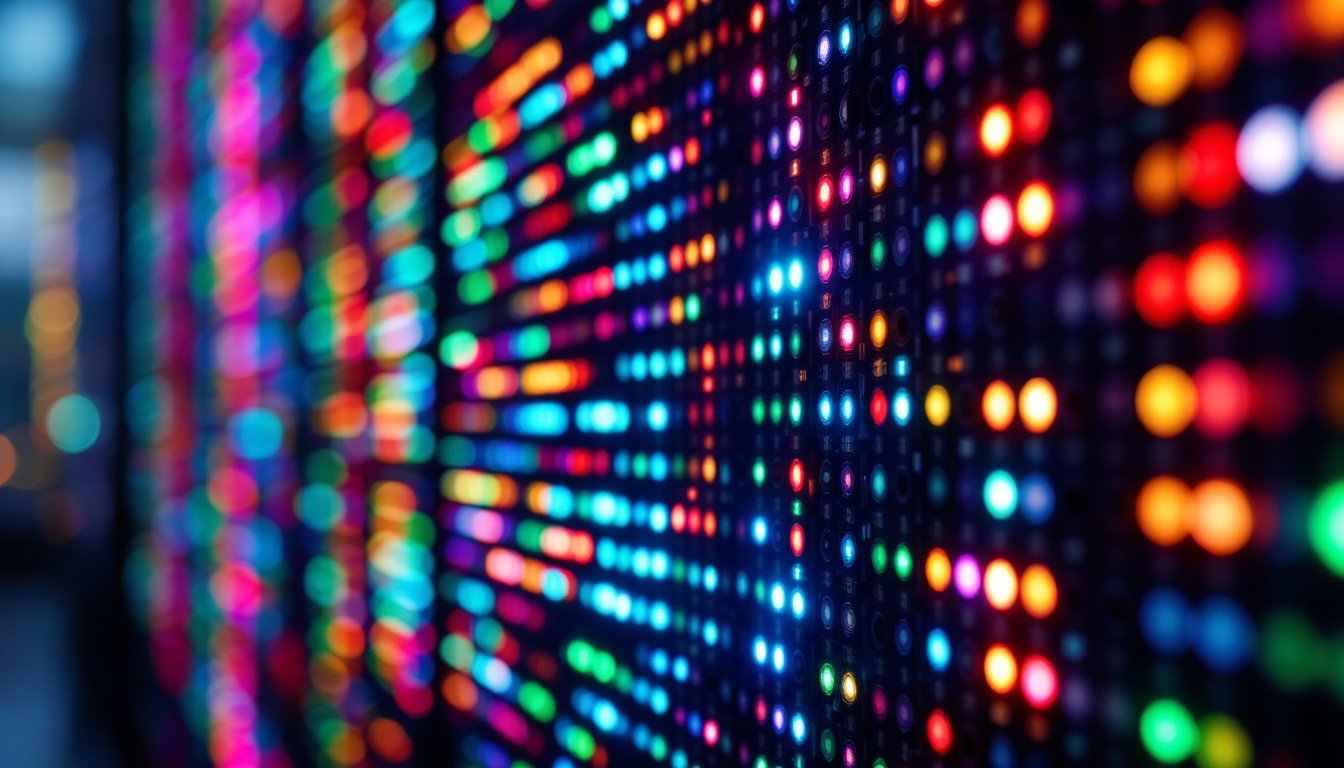
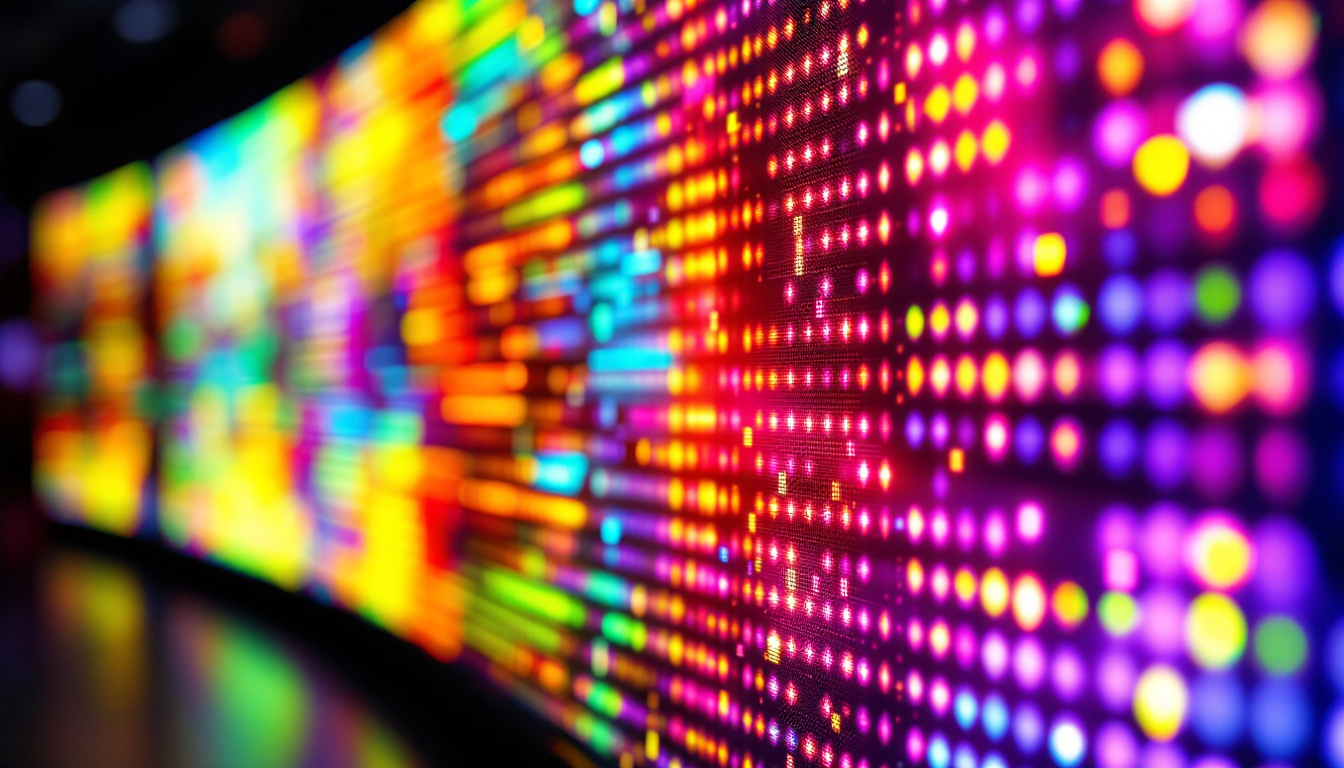
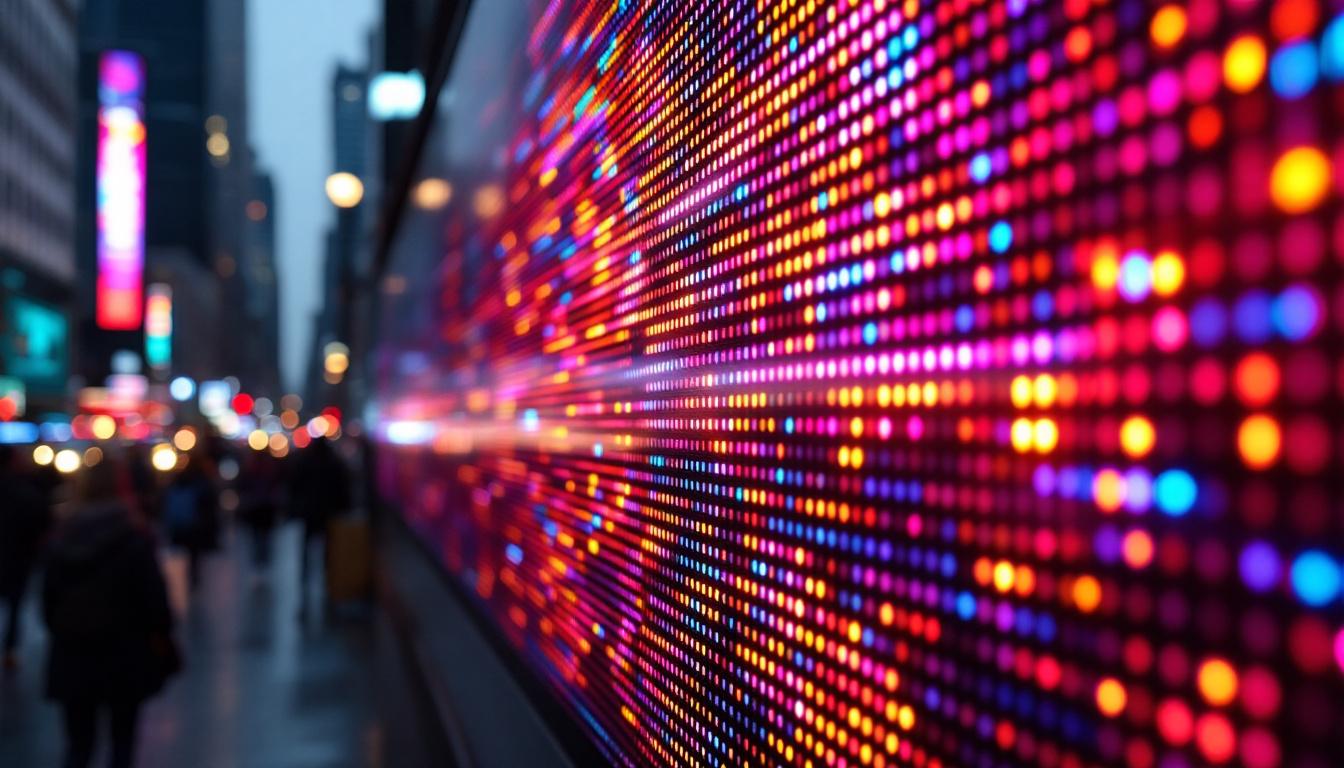
In an LED display, each pixel is composed of one or more tiny LEDs that emit red, green, and blue light. These sub-pixels combine to form a full-color pixel. The brightness of each sub-pixel is controlled independently, allowing the pixel to produce a wide spectrum of colors.
For example, a single pixel on an LED display might contain three LEDs: one red, one green, and one blue. By varying the intensity of each LED, the pixel can display any color in the visible spectrum. This principle is the foundation of all color LED displays.
Types of LED Displays and Their Pixel Configurations
LED displays come in various forms, each with different pixel arrangements and technologies tailored to specific applications. Understanding these types helps clarify how pixels function in different contexts.
1. Direct View LED Displays
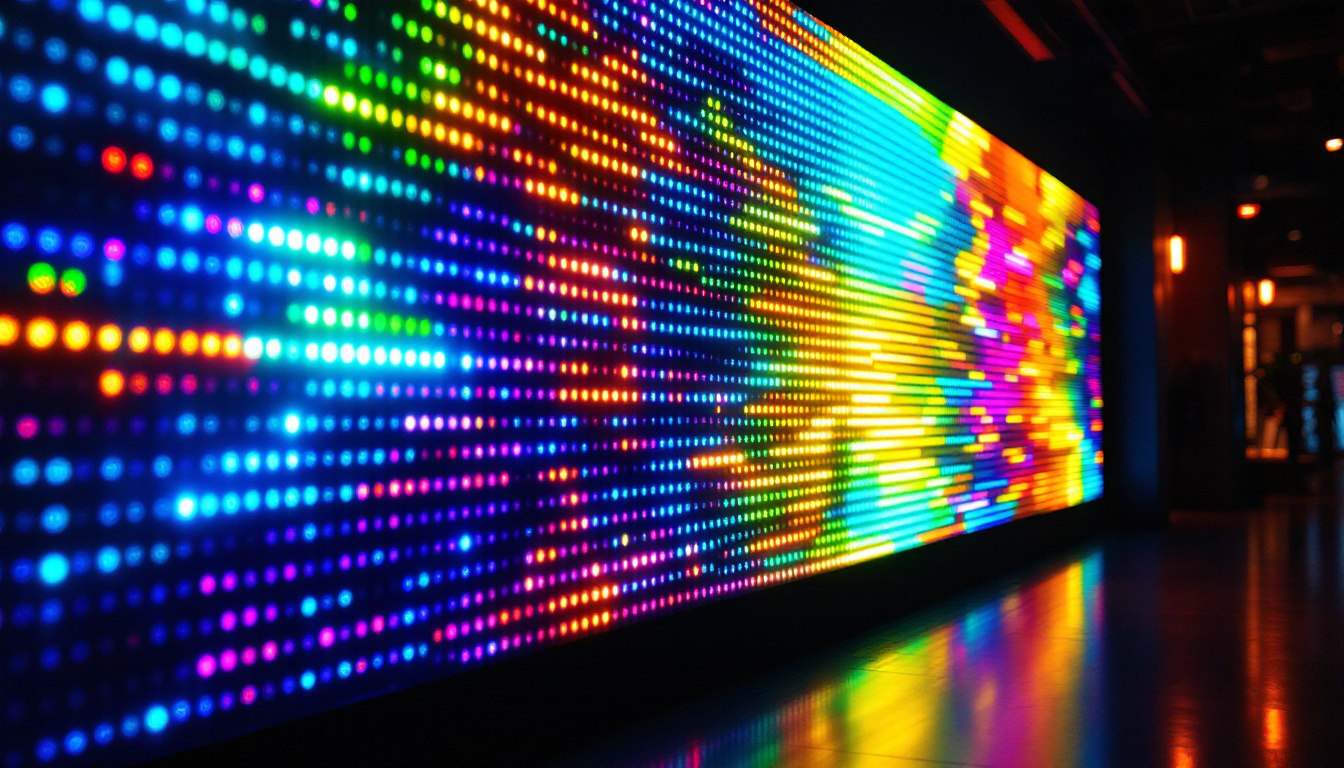
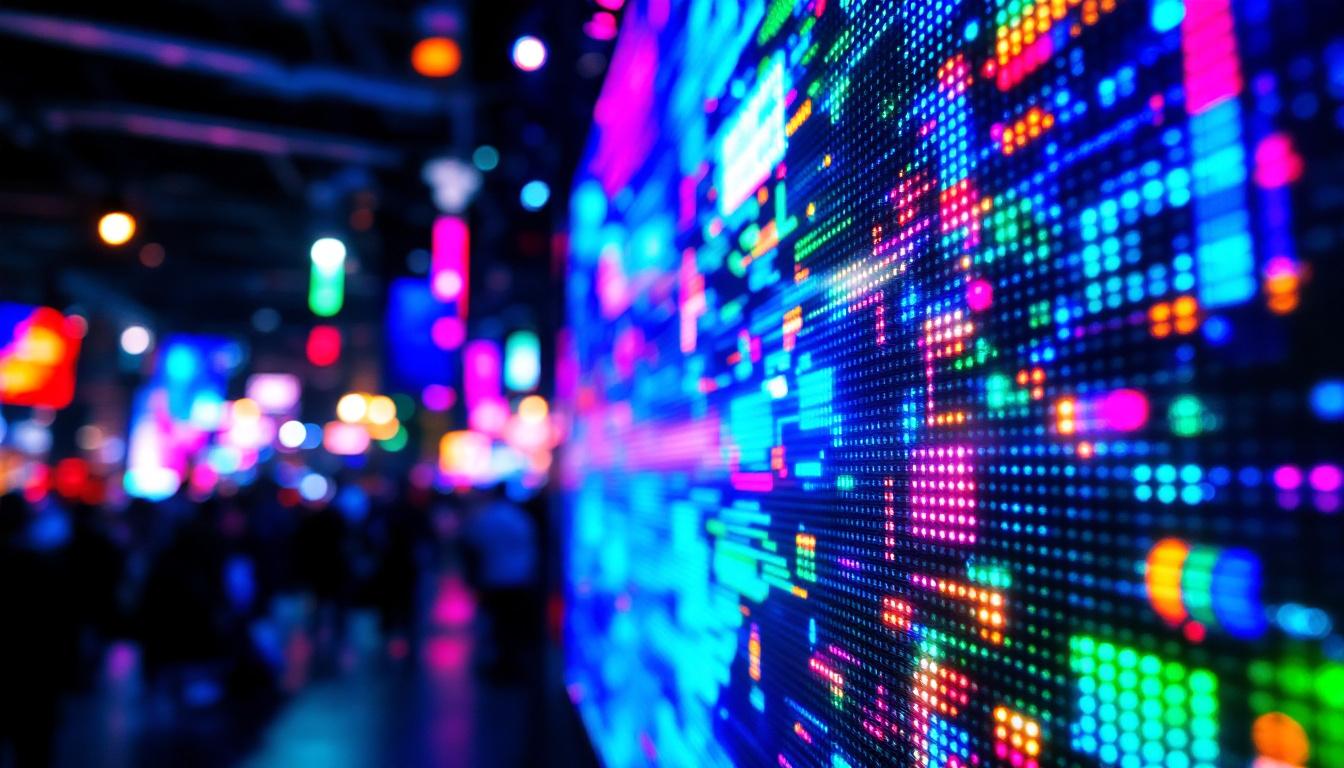
Direct view LED (DVLED) displays are composed of thousands or millions of individual LEDs arranged in a grid. Each LED or cluster of LEDs acts as a pixel or sub-pixel. These displays are popular for large-scale applications such as stadium screens, digital billboards, and concert backdrops.
Because each LED emits light directly, DVLED displays offer exceptional brightness and visibility even in direct sunlight. Pixel pitch—the distance between the centers of two adjacent pixels—is a critical metric here. Smaller pixel pitches mean higher resolution and sharper images, which is why indoor DVLED displays often have pixel pitches as low as 0.9 mm, while outdoor displays typically range from 2 mm to 10 mm or more.
2. LED-Backlit LCD Displays
Many modern LCD screens use LED backlighting to improve brightness and energy efficiency. In these displays, pixels are formed by liquid crystals that modulate light from an LED backlight. The LEDs themselves don’t act as pixels but provide the illumination necessary for the LCD pixels to display images.
This hybrid approach combines the advantages of LCD technology—such as high resolution and color accuracy—with the energy efficiency and slim design of LED backlighting. It’s the most common technology in smartphones, laptops, and televisions today.
3. MicroLED Displays
MicroLED technology represents the cutting edge of LED displays. MicroLED pixels are made from microscopic LEDs, each capable of emitting its own light and color. This allows for incredibly high resolution, brightness, and contrast without the need for backlighting or color filters.
MicroLED displays promise superior performance compared to OLED and traditional LED-backlit LCDs, including longer lifespan and better energy efficiency. However, manufacturing challenges currently limit their widespread adoption, especially in consumer devices.
Why Pixel Quality Matters in LED Displays
The quality and arrangement of pixels in an LED display directly impact the viewing experience. Several factors related to pixels influence image clarity, color accuracy, and overall display performance.
Pixel Pitch and Resolution
Pixel pitch is one of the most important specifications for LED displays. It defines the physical distance between pixels and affects the display’s resolution and viewing distance. A smaller pixel pitch means pixels are packed more densely, resulting in sharper images and finer detail.
For example, a 1.2 mm pixel pitch display is suitable for close-up viewing, such as in retail or control rooms, where viewers are just a few feet away. Conversely, a 10 mm pixel pitch display is better suited for outdoor advertising, where viewers are typically hundreds of feet away.
Color Accuracy and Brightness
The ability of each pixel to accurately reproduce colors is essential for realistic and vibrant images. High-quality LEDs with precise color calibration ensure that pixels display consistent and true-to-life colors. Additionally, LED displays can achieve brightness levels far exceeding those of traditional LCDs, making them ideal for environments with high ambient light.
Refresh Rate and Pixel Response Time
While often overlooked, the refresh rate—the number of times the display updates per second—and pixel response time affect motion clarity and reduce flicker. High refresh rates and fast pixel response times are especially important for video content and gaming, providing smooth and immersive visuals.
Applications of LED Displays and Their Pixel Technology
LED displays are everywhere, and their pixel technology adapts to the needs of diverse industries and environments.
Outdoor Advertising and Digital Billboards
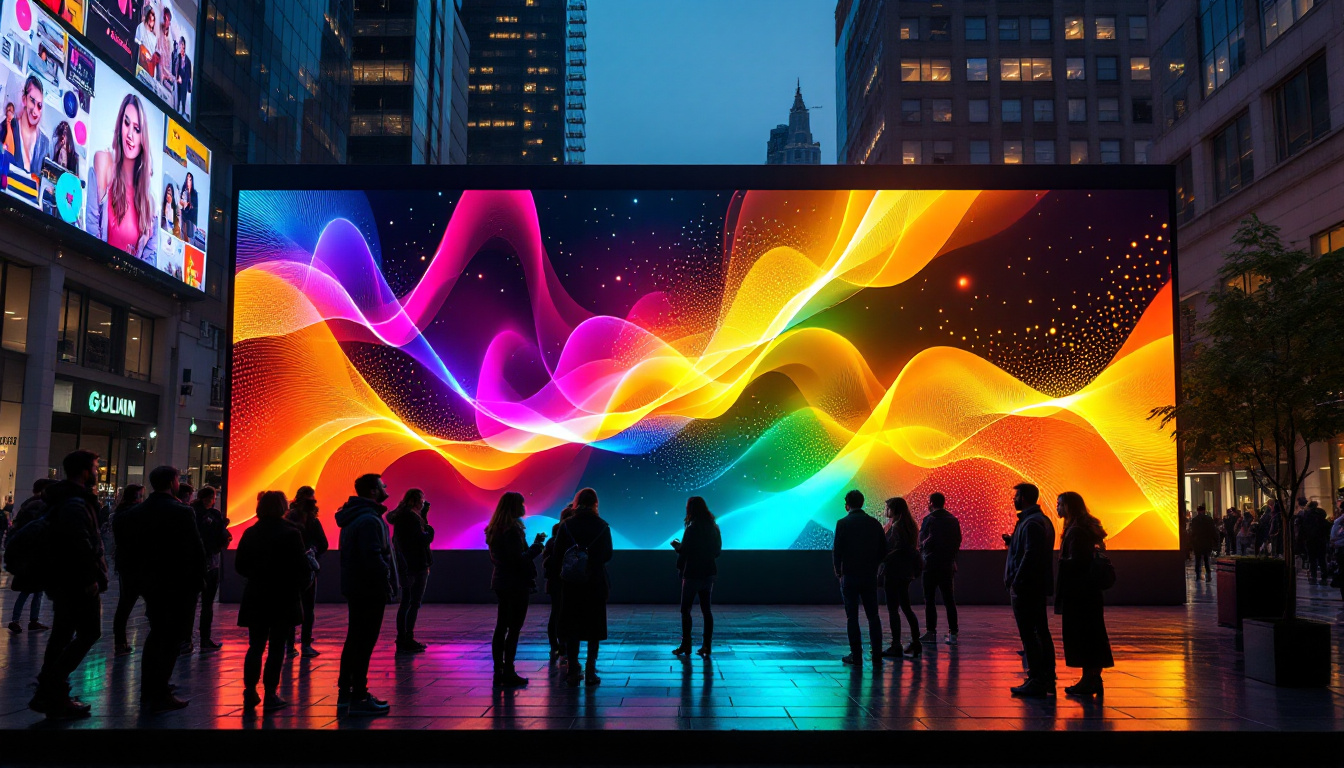
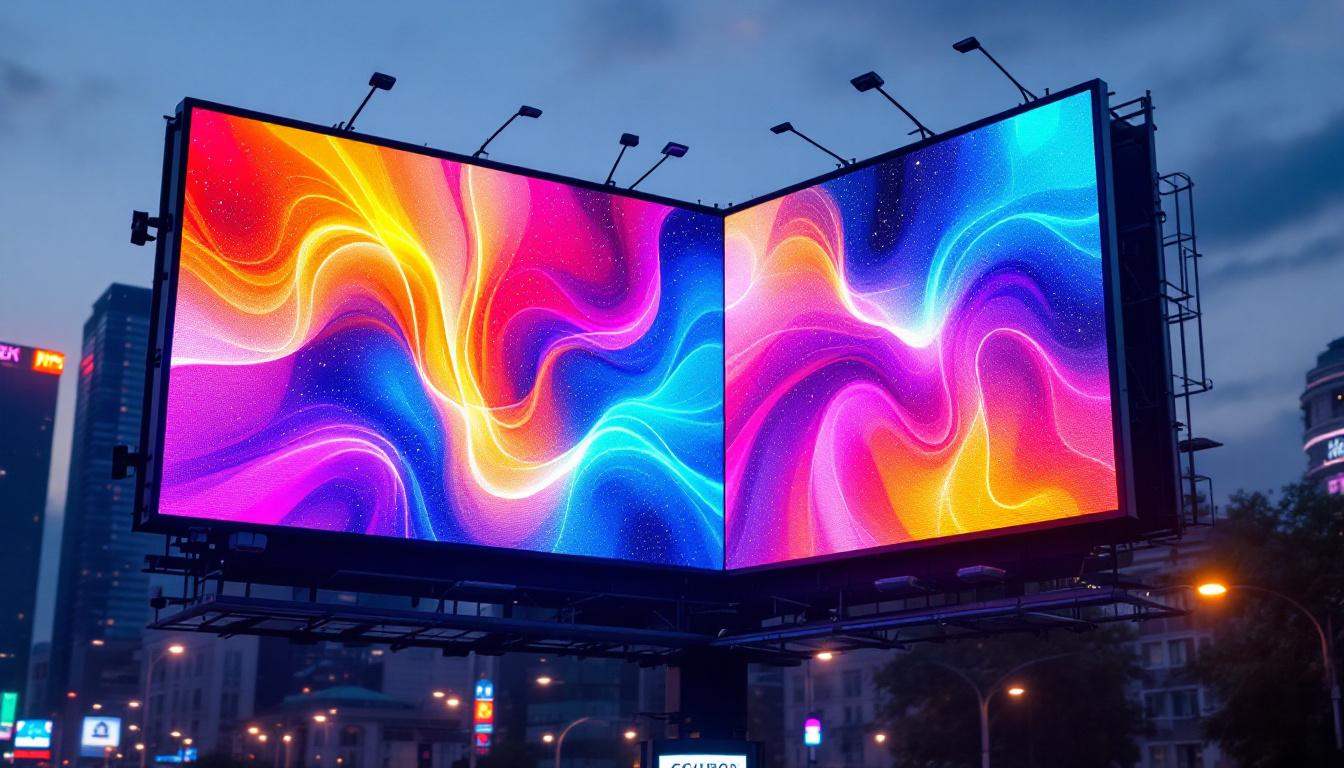
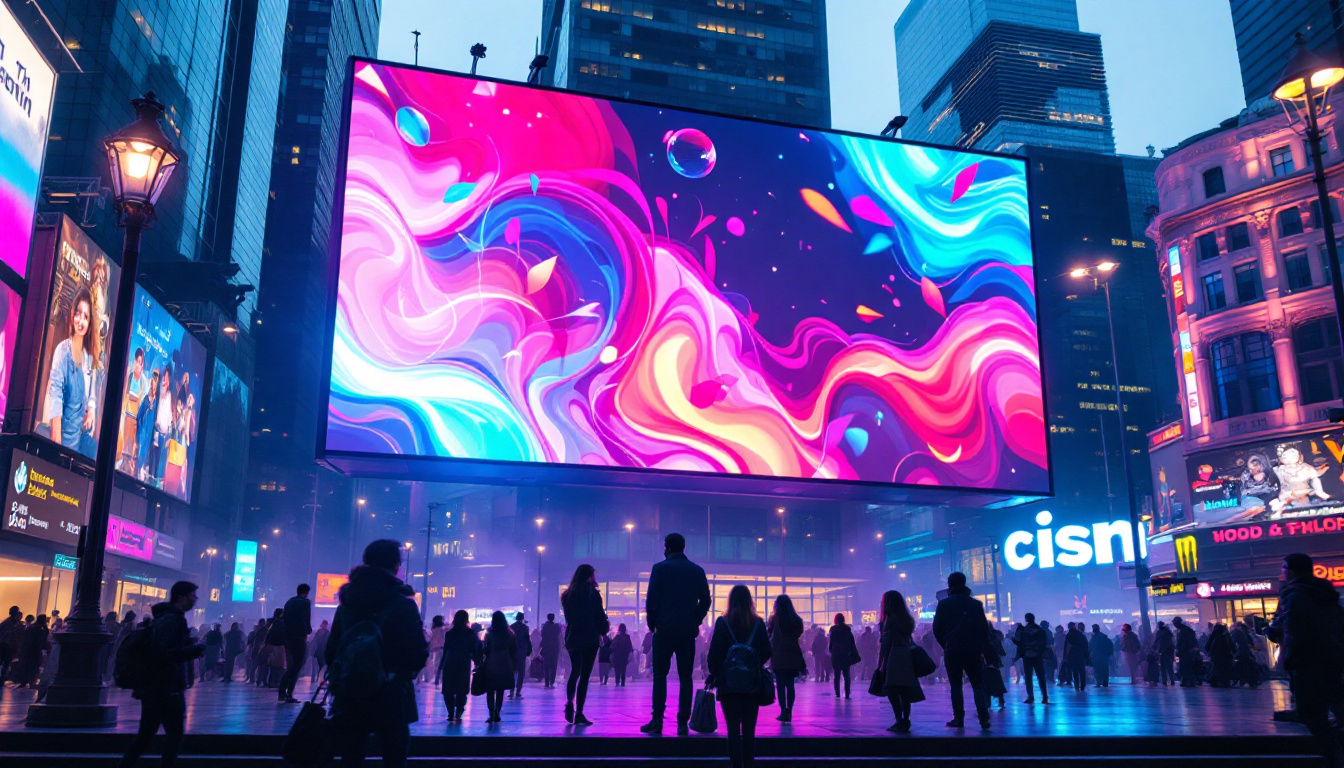
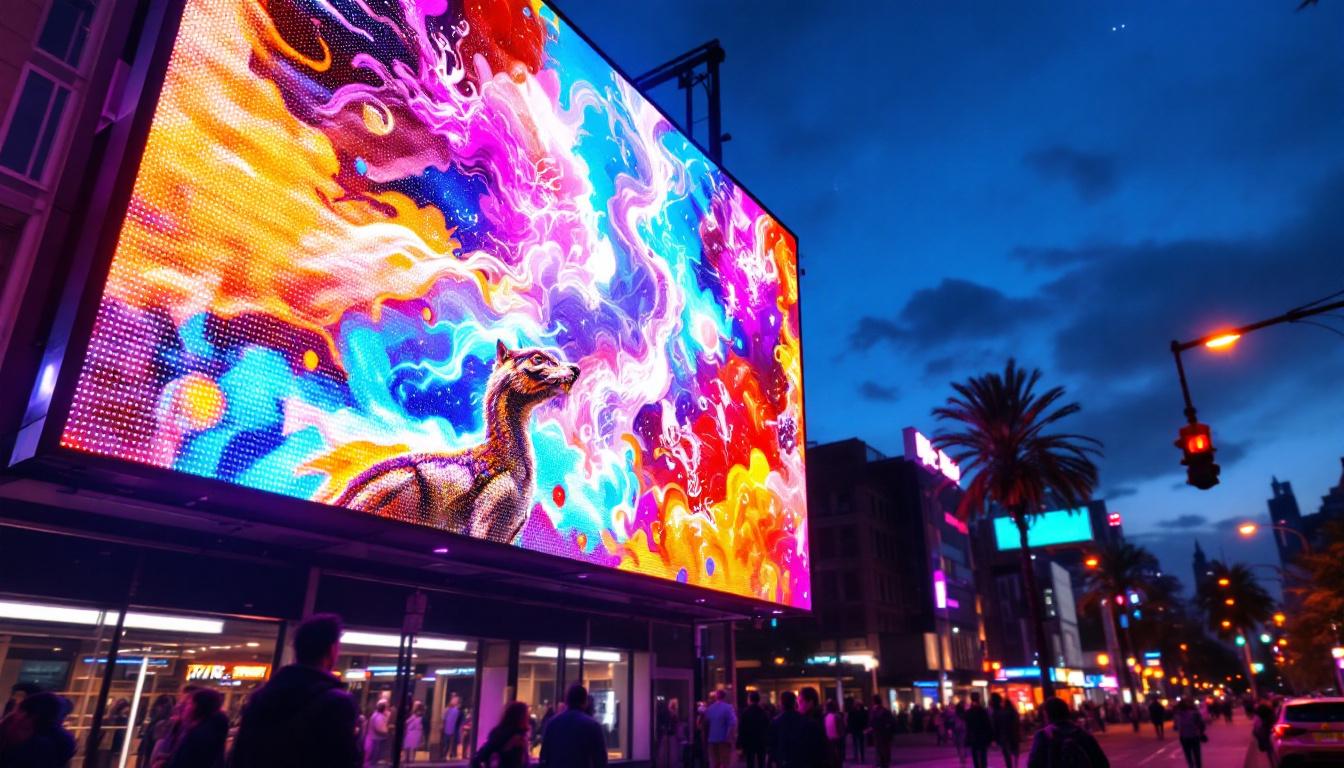
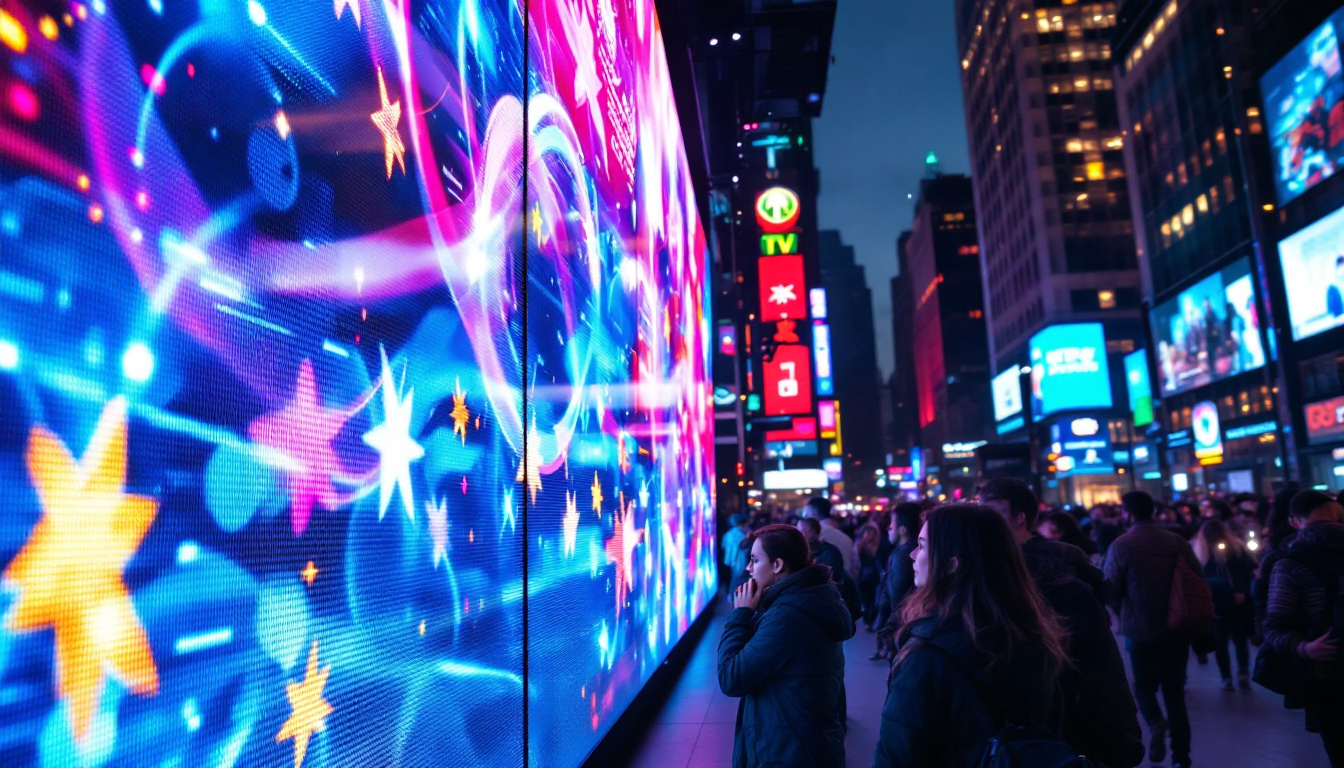
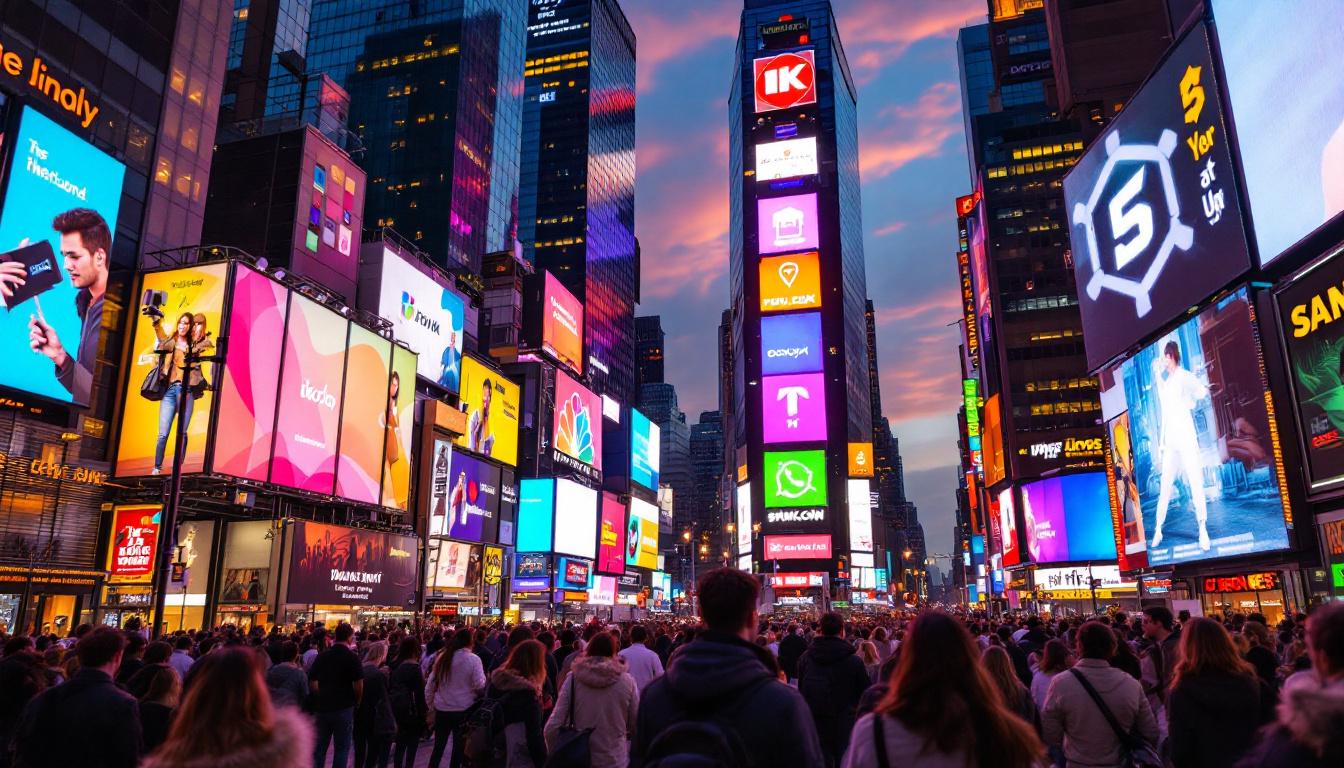
Large outdoor LED billboards rely on pixels that can withstand harsh weather and maintain visibility in bright sunlight. These displays often feature larger pixel pitches to balance resolution with cost and durability. The ability to display dynamic, high-contrast images makes LED billboards more engaging than traditional static signs.
Sports Arenas and Entertainment Venues
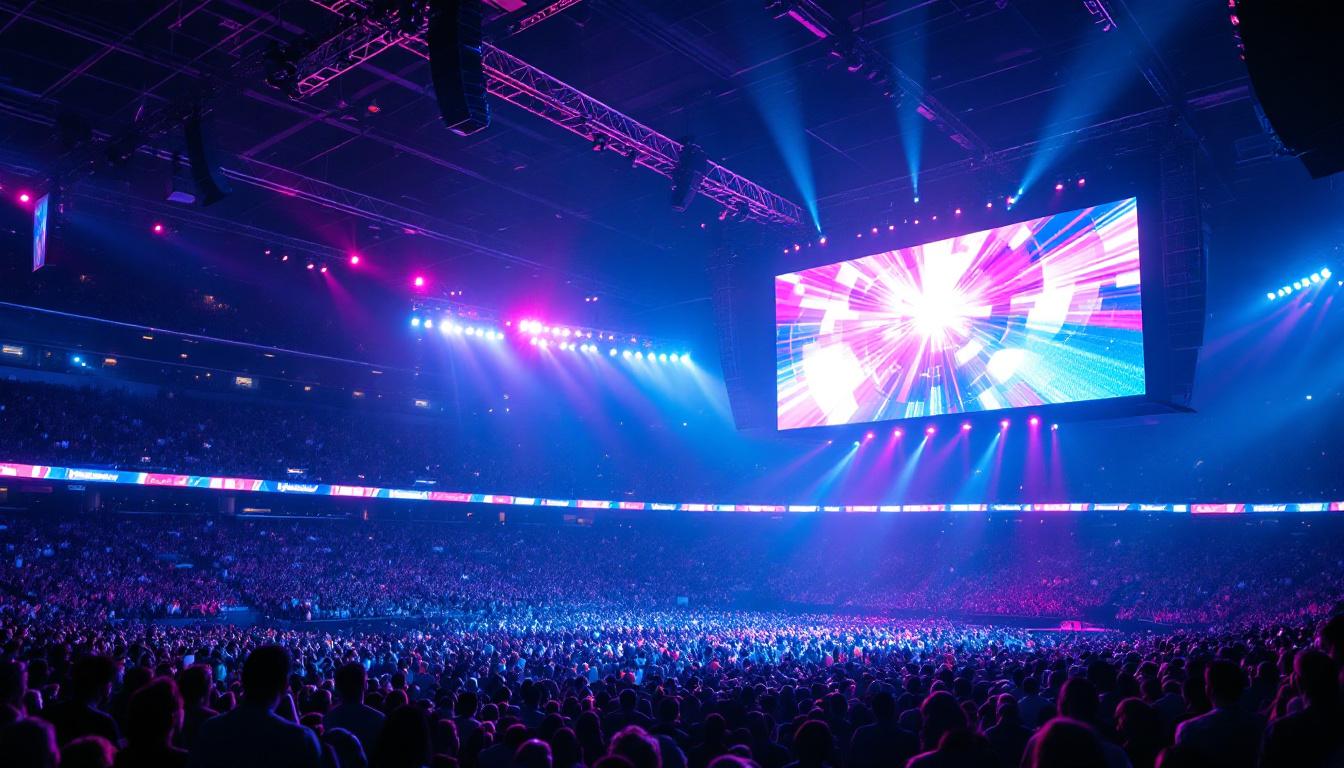
In stadiums and concert halls, LED displays provide vivid visuals that enhance the spectator experience. High-resolution LED screens with fine pixel pitches allow audiences to see replays, statistics, and live feeds clearly, even from a distance.
Retail and Corporate Environments
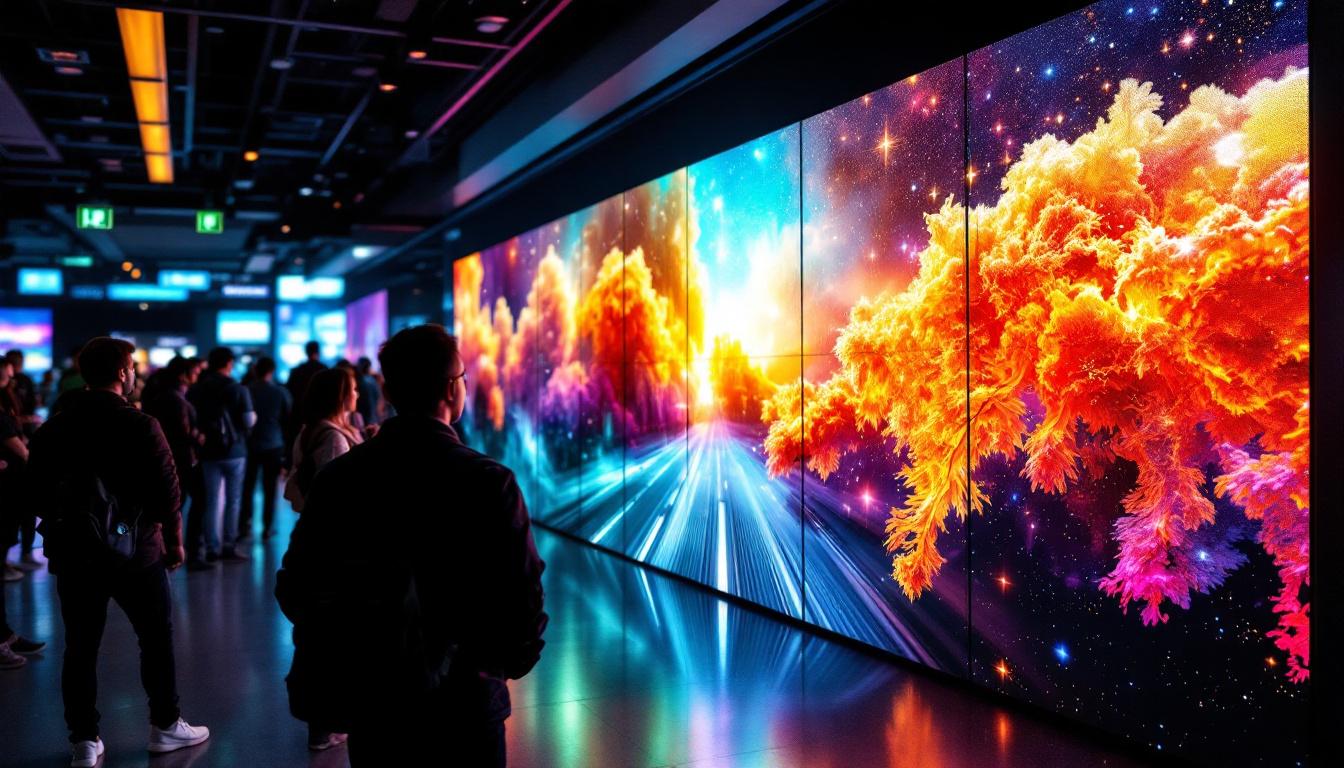
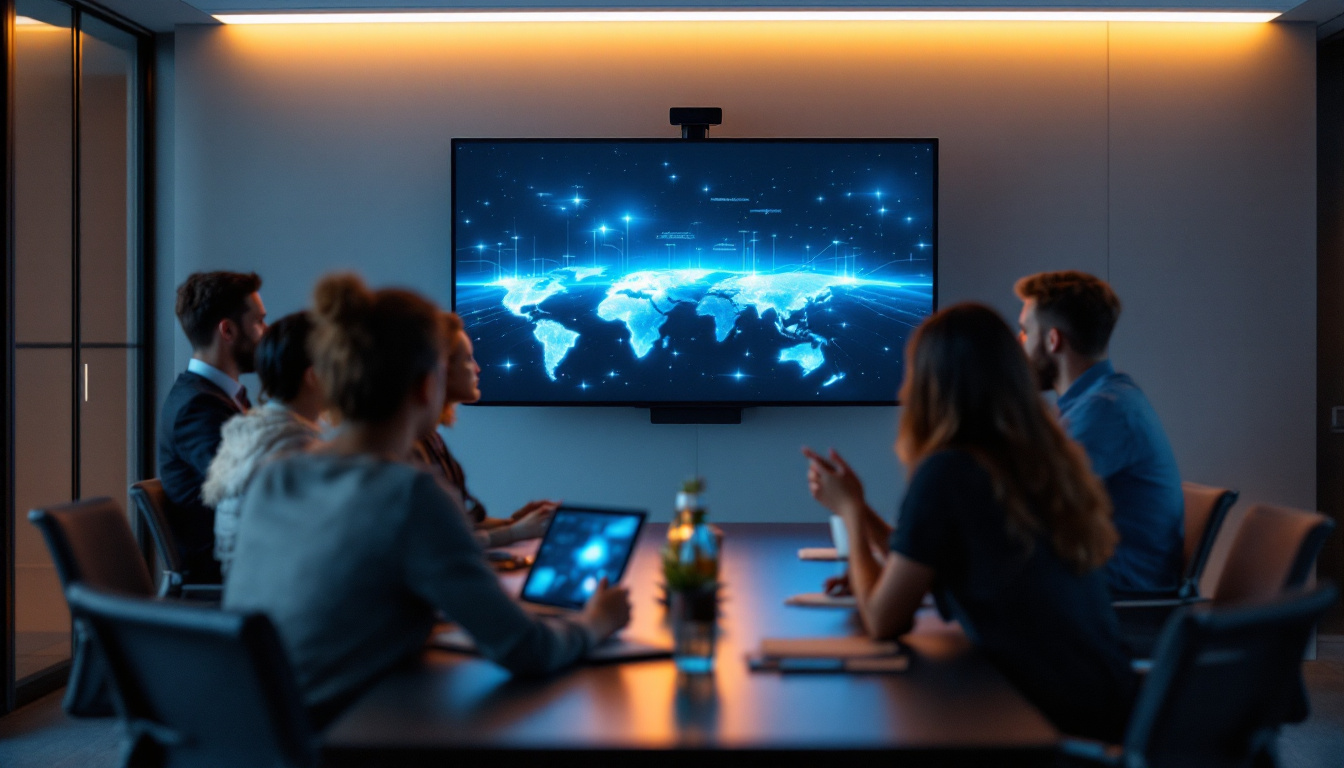
Indoor LED displays are increasingly popular in retail stores and corporate settings for digital signage and presentations. Their high pixel density and color accuracy make them ideal for showcasing products, advertisements, and interactive content.
Consumer Electronics
Smartphones, tablets, and televisions use LED technology in various forms, from LED-backlit LCDs to emerging microLED displays. The pixel quality in these devices directly affects user experience, influencing everything from video streaming to gaming and virtual reality.
The Future of Pixels and LED Display Technology
As display technology continues to evolve, pixels will become even more sophisticated. Innovations such as microLED and quantum dot LEDs (QLED) are pushing the boundaries of color accuracy, brightness, and energy efficiency.
Emerging trends also include flexible and transparent LED displays, which open new possibilities for design and application. These advances will make pixels smaller, more efficient, and capable of producing even more vivid and lifelike images.
Challenges and Opportunities
Despite the rapid progress, challenges remain. Manufacturing microLED displays at scale and affordable prices is a significant hurdle. Additionally, improving pixel uniformity and reducing power consumption are ongoing goals for engineers and designers.
However, the demand for high-quality visual experiences in entertainment, advertising, and communication ensures that pixel and LED display technology will remain a vibrant field of innovation.
Conclusion
Pixels are the fundamental units that create the vibrant images on LED displays, from tiny smartphone screens to massive outdoor billboards. Understanding how pixels function and how LED technology leverages them helps appreciate the complexity behind the screens we interact with every day.
As LED display technology advances, pixels will become smaller, brighter, and more efficient, delivering richer visual experiences across all industries. Whether for advertising, entertainment, or personal use, the pixel remains at the heart of digital display innovation.
Explore the Future of LED Displays with LumenMatrix
Ready to experience the next level of visual communication? LumenMatrix is at the forefront of LED display innovation, offering a wide range of solutions tailored to your needs. From Indoor and Outdoor LED Wall Displays to specialized options like Vehicle, Sports, and Floor LED Displays, our cutting-edge technology is designed to captivate and engage. Discover how our Custom, All-in-One, and Transparent LED Displays can transform your brand’s visibility. Check out LumenMatrix LED Display Solutions and join the revolution in digital signage excellence.