In recent years, LED technology has revolutionized the way visual content is displayed across various industries. From advertising billboards and stadium screens to retail displays and immersive event backdrops, LED displays have become a cornerstone of modern visual communication. Among the innovations in this space, LED film screens have emerged as a versatile and transformative solution. But what exactly are LED film screens, and how do they differ from traditional LED displays? This article delves into the technology, applications, benefits, and future trends of LED film screens, providing a comprehensive understanding of this cutting-edge display medium.
Understanding LED Film Screens: What Are They?
The Basics of LED Display Technology
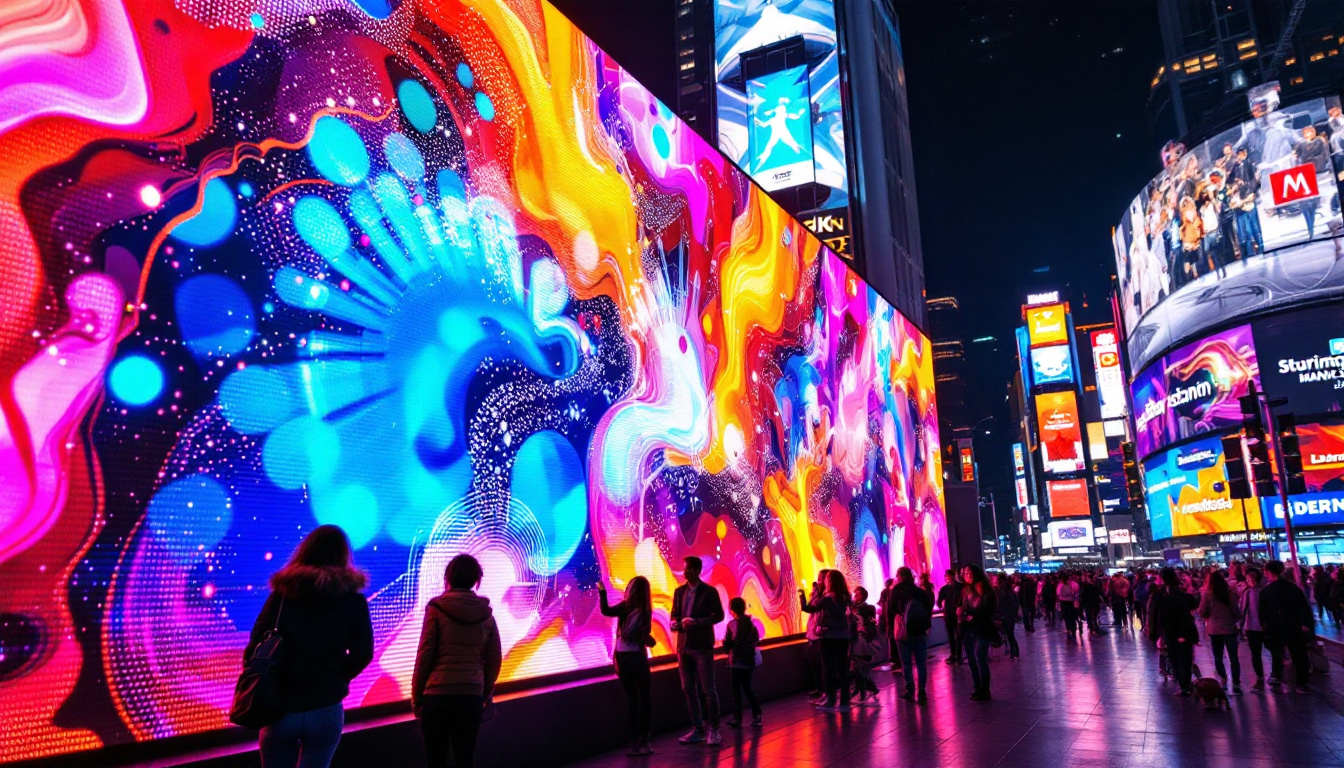
LED stands for Light Emitting Diode, a semiconductor device that emits light when an electric current passes through it. Traditional LED displays consist of a grid of these tiny diodes arranged on a rigid panel, which collectively produce images and videos with vibrant colors and high brightness. These displays are widely used for outdoor advertising, sports arenas, and digital signage due to their visibility even in direct sunlight.
However, conventional LED panels are often bulky, heavy, and inflexible, limiting their installation options. This is where LED film screens come into play, offering a new form factor that maintains the visual quality of LEDs while adding flexibility and ease of installation.
What Is LED Film?
LED film is a thin, flexible sheet embedded with micro-LEDs arranged in a matrix. Unlike traditional LED panels, LED film screens are lightweight, transparent, and can be applied directly onto glass surfaces or curved structures. This transparency allows for natural light to pass through, making it ideal for storefront windows, glass facades, and architectural installations.
The film typically measures just a few millimeters in thickness and can be cut to custom sizes, enabling seamless integration into various environments. The flexibility of LED film allows it to conform to non-flat surfaces, opening up creative possibilities that were previously unattainable with rigid LED panels.
How LED Film Screens Work
Micro-LED Technology and Pixel Density
At the core of LED film screens lies micro-LED technology. Micro-LEDs are significantly smaller than traditional LEDs, often measuring less than 100 micrometers. This miniaturization enables a higher pixel density, resulting in sharper images and finer detail even at close viewing distances.
Pixel pitch—the distance between the centers of adjacent LEDs—is a critical factor in determining image clarity. LED film screens typically feature pixel pitches ranging from 2mm to 10mm, with smaller pitches delivering higher resolution. For example, a 2mm pixel pitch LED film screen can display crisp graphics suitable for indoor retail environments, while larger pitches may be used for outdoor applications where viewers are farther away.
Transparency and Light Transmission
One of the defining characteristics of LED film screens is their transparency, which can range from 30% to 70%, depending on the design. This transparency is achieved by spacing the LEDs apart and using transparent materials for the film substrate and wiring.
High transparency allows natural daylight to enter through the glass surface, maintaining the ambiance inside a building while simultaneously displaying vibrant digital content on the film screen. This feature is particularly valuable for retail stores, museums, and corporate offices seeking to blend advertising or informational displays with natural lighting.
Installation and Control Systems
LED film screens are designed for straightforward installation. They can be adhered directly to glass surfaces using specialized adhesives or mounted with magnetic or mechanical fixtures. Their lightweight nature reduces the need for heavy supporting structures, lowering installation costs and time.
Control systems for LED film screens are similar to those used for traditional LED displays. Content is managed via software platforms that allow real-time updates, scheduling, and remote control. Integration with media servers and networked control systems enables dynamic content delivery tailored to specific audiences or events.
Applications of LED Film Screens
Retail and Advertising
Retail environments have embraced LED film screens for their ability to attract attention without obstructing views. Storefront windows equipped with transparent LED film displays can showcase promotional videos, product launches, or brand messages while allowing customers to see inside the store. This dual functionality enhances customer engagement and foot traffic.
According to a 2023 report by Grand View Research, the digital signage market is expected to grow at a compound annual growth rate (CAGR) of 9.8% through 2030, driven largely by innovations such as LED film technology. Retailers leveraging LED film screens can capitalize on this trend by creating immersive and interactive shopping experiences.
Corporate and Office Spaces
Corporate offices use LED film screens to enhance communication and aesthetics. Transparent displays can be integrated into meeting rooms, lobbies, and glass partitions to present real-time data, company news, or branding elements without compromising open-plan layouts.
The flexibility of LED film also allows for creative architectural installations, such as curved glass walls or atriums, enabling companies to showcase their innovation and design-forward thinking.
Events and Entertainment
In the events industry, LED film screens provide dynamic backdrops that can be quickly installed and adapted to various venues. Their lightweight and flexible properties make them ideal for concerts, trade shows, and exhibitions where rapid setup and teardown are essential.
Moreover, the transparency of LED film enables unique stage designs where visuals appear to float or blend with physical elements, creating immersive experiences for audiences.
Transportation and Public Spaces
LED film screens are increasingly used in transportation hubs such as airports and train stations. They provide real-time information, wayfinding, and advertising without blocking natural light or compromising architectural design.
Public spaces benefit from LED film’s ability to integrate digital content into glass structures, enhancing urban aesthetics and delivering engaging content to passersby.
Advantages of LED Film Screens Over Traditional LED Displays
Flexibility and Lightweight Design
Traditional LED panels are rigid and heavy, requiring substantial support and often limiting placement options. LED film screens, by contrast, weigh a fraction of the mass and can bend to fit curved or irregular surfaces. This flexibility expands creative possibilities and reduces structural demands.
Transparency and Natural Light Integration
The transparency of LED film screens is a game-changer for environments where maintaining natural light is crucial. Unlike opaque LED panels that block light, LED film preserves daylight penetration, enhancing occupant comfort and reducing the need for artificial lighting.
Ease of Installation and Maintenance
Because LED film screens are lightweight and thin, installation is faster and less labor-intensive. They can be applied to existing glass surfaces without major renovations. Maintenance is also simplified since individual micro-LEDs are less prone to damage, and the modular nature of the film allows for easy replacement of sections if needed.
Energy Efficiency
Micro-LED technology consumes less power compared to traditional LED panels, contributing to lower energy costs and reduced environmental impact. This efficiency is particularly important for large-scale installations operating for extended periods.
Challenges and Considerations
Cost Factors
While LED film screens offer numerous benefits, they currently come at a higher price point than traditional LED panels, primarily due to the advanced micro-LED manufacturing processes and materials used. However, as production scales and technology matures, costs are expected to decrease.
Brightness and Viewing Angles
LED film screens generally have lower maximum brightness compared to conventional LED panels, which can affect visibility in extremely bright outdoor environments. Careful consideration of location and ambient lighting is necessary to ensure optimal performance.
Additionally, viewing angles may be narrower, so positioning and content design should account for audience placement to maximize impact.
Durability and Environmental Resistance
Because LED film screens are often applied to glass surfaces, their durability depends on the substrate and protective coatings. Outdoor installations require weatherproofing measures to protect against moisture, dust, and temperature fluctuations.
Manufacturers are continuously improving the robustness of LED film materials to address these concerns, making them more viable for long-term outdoor use.
The Future of LED Film Screens
Technological Advancements
Research and development in micro-LED technology continue to push the boundaries of pixel density, brightness, and energy efficiency. Emerging innovations such as quantum dot-enhanced LEDs and flexible OLED hybrids promise even richer colors and improved transparency.
Furthermore, integration with smart building systems and IoT platforms will enable LED film screens to deliver personalized, context-aware content, enhancing user engagement and operational efficiency.
Market Growth and Adoption
The global transparent LED display market, which includes LED film screens, is projected to grow significantly over the next decade. According to MarketsandMarkets, the market size is expected to reach over $1.5 billion by 2027, driven by demand in retail, advertising, and smart city applications.
As costs decline and technology improves, LED film screens are likely to become a standard feature in architectural design, urban planning, and experiential marketing.
Sustainability and Environmental Impact
With increasing emphasis on sustainability, LED film screens offer an eco-friendly alternative to traditional displays. Their energy efficiency, combined with the ability to reduce artificial lighting needs, aligns with green building certifications such as LEED and WELL.
Future developments may also focus on recyclable materials and longer product lifespans, further minimizing environmental footprints.
Conclusion
LED film screens represent a significant evolution in display technology, combining the brilliance of LED visuals with unprecedented flexibility and transparency. Their ability to seamlessly integrate digital content into architectural glass surfaces opens new avenues for creative expression, advertising, and communication.
While challenges remain in terms of cost and environmental durability, ongoing advancements in micro-LED technology and manufacturing processes are steadily addressing these issues. For businesses, architects, and event organizers seeking innovative, eye-catching, and adaptable display solutions, LED film screens offer a compelling option that blends form and function.
As the technology matures and adoption grows, LED film screens are poised to become a ubiquitous feature in the visual landscape of the future, transforming how we experience digital content in everyday environments.
Discover the Future of Visual Displays with LumenMatrix
Ready to elevate your visual communication and create unforgettable experiences? Look no further than LumenMatrix, the forefront innovator in LED display technology. From mesmerizing Indoor and Outdoor LED Wall Displays to versatile Vehicle and Sports LED Displays, and even Custom and All-in-One solutions, LumenMatrix has the cutting-edge technology to bring your vision to life. Embrace the future of digital signage with our LED Transparent Displays and see how our commitment to excellence can transform your space. Check out LumenMatrix LED Display Solutions today and join the revolution in visual storytelling.