In the world of modern display technology, terms like LED, LCD, and LED LCD are often used interchangeably, leading to confusion among consumers and professionals alike. Understanding the distinctions between these technologies is crucial, whether you’re purchasing a new television, designing digital signage, or working in display manufacturing. This article aims to clarify the differences between LED LCD and LED displays, exploring their underlying technologies, advantages, limitations, and best use cases.
Understanding Display Technologies: The Basics
What is LCD?
Liquid Crystal Display (LCD) technology has been a staple in screens for decades. LCD panels use liquid crystals that do not emit light themselves but manipulate light passing through them to create images. These crystals align in response to electric currents, controlling the amount of light that reaches the viewer’s eyes. Because LCDs require a backlight to illuminate the screen, they rely on external light sources, traditionally cold cathode fluorescent lamps (CCFLs).
LCDs are known for their sharp images and energy efficiency compared to older cathode ray tube (CRT) displays. However, their reliance on backlighting means that the quality of the backlight significantly affects the overall display quality. Over the years, advancements in LCD technology have led to the development of various types, including In-Plane Switching (IPS) and Twisted Nematic (TN) panels. IPS panels are particularly favored for their superior color reproduction and wider viewing angles, making them ideal for graphic design and professional photography. On the other hand, TN panels are often more affordable and provide faster response times, which can be beneficial for gaming.
What is LED?
Light Emitting Diode (LED) technology refers to a type of display where light is generated by tiny semiconductor diodes that emit light when an electrical current passes through them. LEDs can be used in two main ways in displays: as backlighting for LCD panels or as the actual pixels in the display itself.
When LEDs are used as the primary light source behind an LCD screen, the display is often called an LED LCD. Conversely, when LEDs themselves form the pixels, as in OLED or direct-view LED displays, the technology is fundamentally different from LCD. The transition from traditional backlighting to LED backlighting has significantly improved the brightness and contrast ratios of displays, allowing for deeper blacks and more vibrant colors. Furthermore, the introduction of Quantum Dot technology has further enhanced LED displays by providing a wider color gamut, making them increasingly popular in high-end televisions and monitors. As consumers become more discerning about picture quality, the evolution of LED technology continues to push the boundaries of what is possible in display performance.
LED LCD vs LED: What’s the Difference?
LED LCD: An LCD Screen with LED Backlighting
LED LCD displays are essentially LCD panels that use LEDs for backlighting instead of traditional CCFLs. This switch to LED backlighting has several advantages:
- Improved Brightness and Contrast: LEDs provide brighter and more uniform backlighting, enhancing picture quality.
- Energy Efficiency: LEDs consume less power than CCFLs, making devices more energy-efficient.
- Thinner Panels: LED backlights allow for slimmer screen designs.
- Better Color Accuracy: LED backlighting can be tuned to produce a wider color gamut.
Despite these improvements, the display still relies on liquid crystals to modulate light, meaning the pixels themselves are not light-emitting but light-modulating. This results in a display that, while capable of producing stunning visuals, may not achieve the same level of black depth and contrast as its direct-view LED counterparts. Additionally, the viewing angles can sometimes be limited, with color and brightness shifting when viewed from the side. However, advancements in technology, such as IPS (In-Plane Switching) panels, have made significant strides in addressing these limitations, providing better color consistency and wider viewing angles.
LED Displays: Direct-View LED Panels
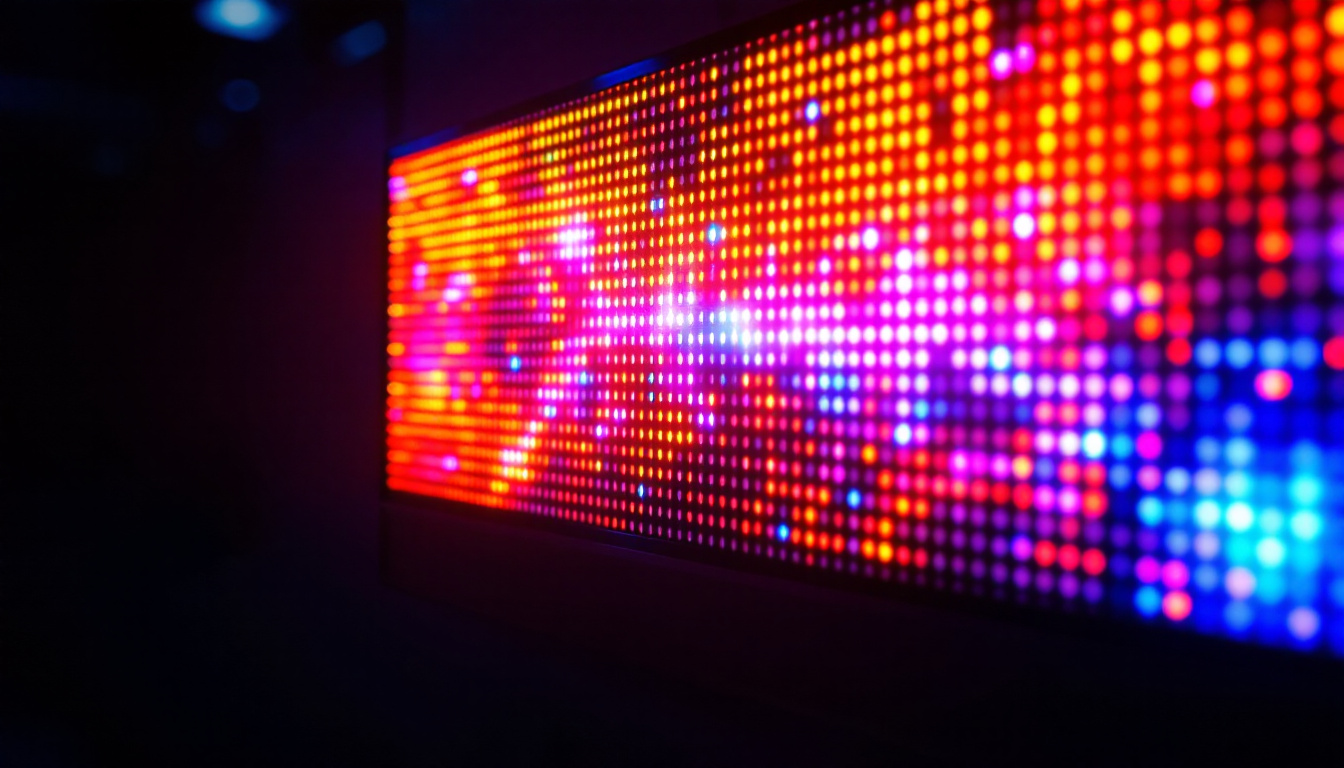
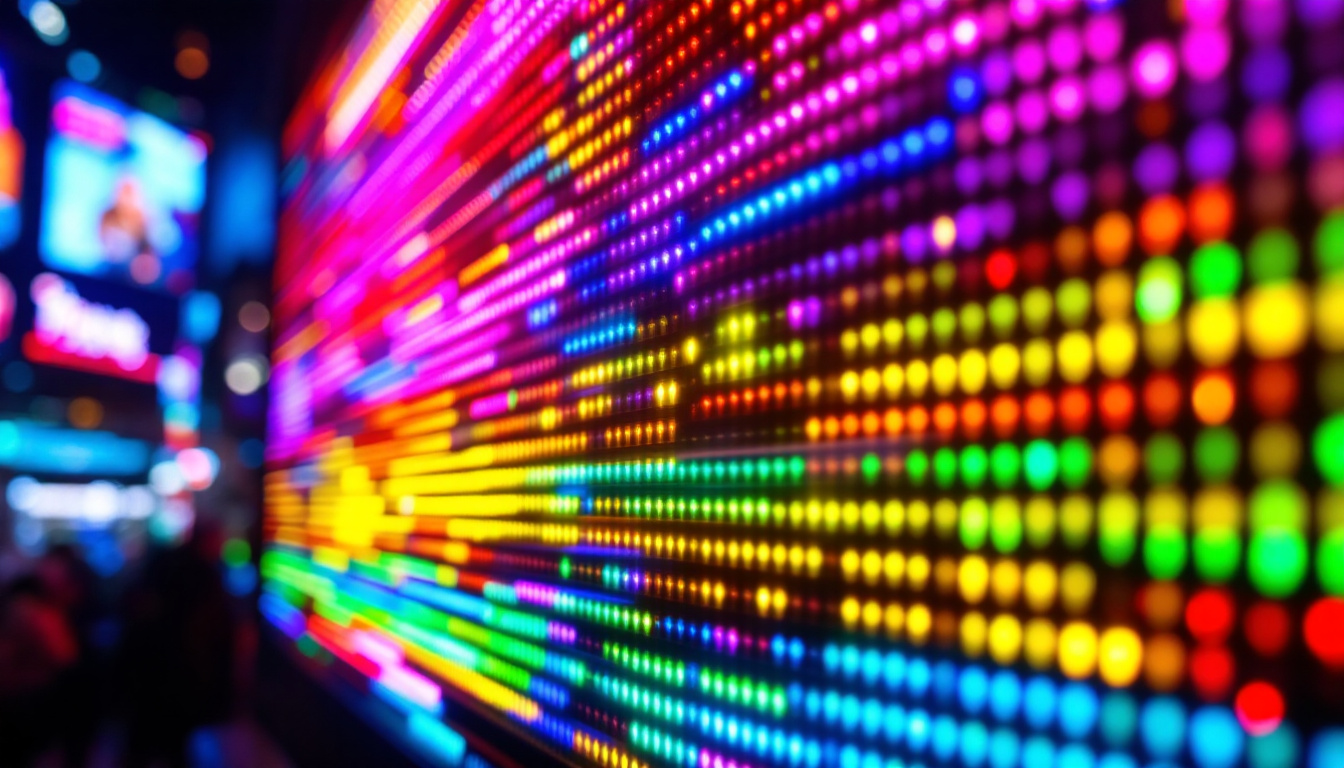
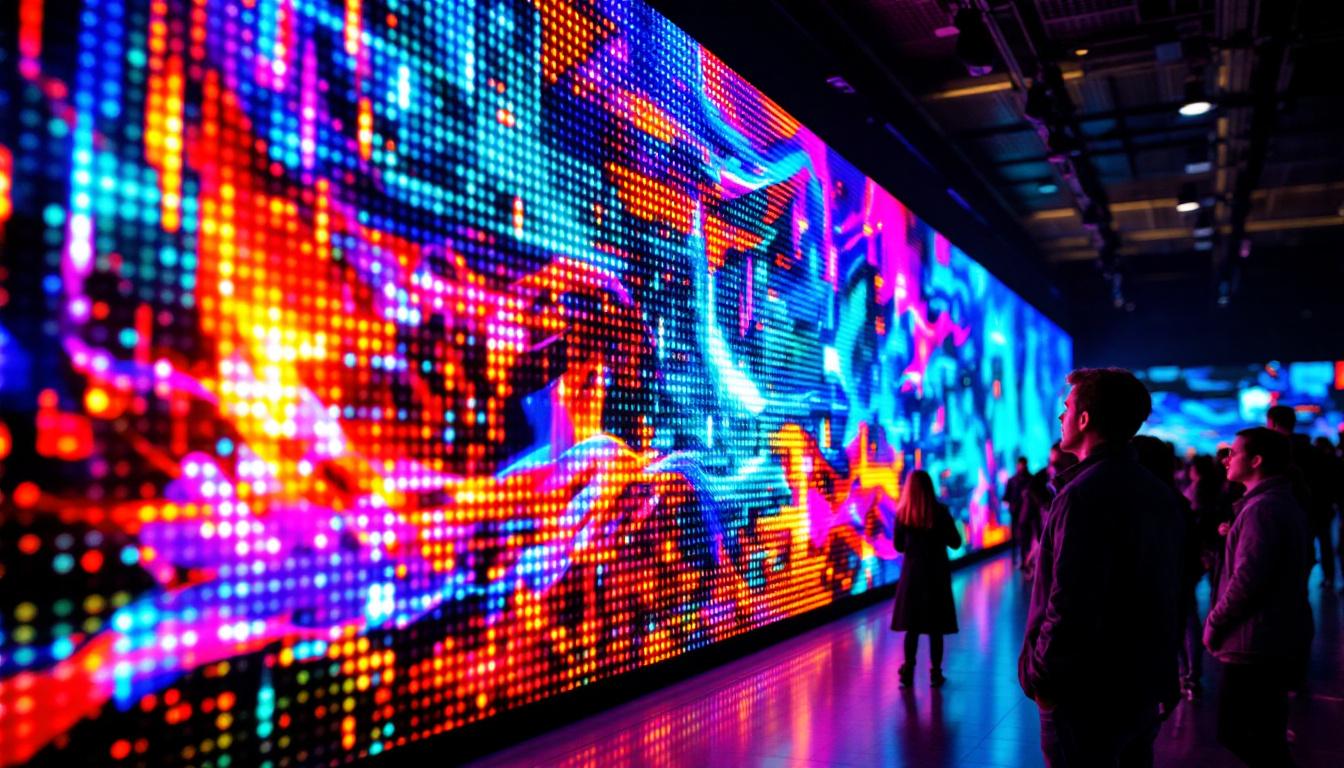
True LED displays, often referred to as direct-view LED (DV-LED) displays, use LEDs as individual pixels that emit light directly. This technology is commonly found in large-scale digital signage, stadium screens, and increasingly in consumer-grade TVs under the term “microLED.” The ability of these displays to produce vibrant colors and deep blacks makes them particularly appealing for high-end applications, where visual impact is paramount.
Key characteristics of direct-view LED displays include:
- Self-Emissive Pixels: Each pixel emits its own light, eliminating the need for backlighting.
- High Brightness: Ideal for outdoor or brightly lit environments.
- Superior Contrast Ratios: True blacks are achievable by turning off individual LEDs.
- Scalability: Panels can be tiled seamlessly for very large displays.
While DV-LED displays offer exceptional performance, they tend to be more expensive and are primarily used in commercial and industrial applications rather than everyday consumer electronics. The technology is also evolving rapidly, with innovations such as microLED promising to bring the benefits of direct-view LED to smaller screens, potentially revolutionizing the home entertainment experience. MicroLED displays boast not only incredible brightness and contrast but also longevity and durability, making them a compelling option for future television and display technologies. As the market continues to grow, consumers can expect to see more affordable options that leverage these advancements, further blurring the lines between traditional LCD and LED technologies.
Technical Comparison: LED LCD vs LED Displays
Brightness and Contrast
LED LCDs benefit from LED backlighting, which can reach brightness levels of 400 to 1000 nits in premium models. However, because the light passes through multiple layers, including the liquid crystals and color filters, some light loss is inevitable.
Direct-view LED displays can achieve brightness levels exceeding 5000 nits, making them suitable for environments with intense ambient light. Their ability to turn off individual pixels allows for near-infinite contrast ratios, as black pixels emit no light.
Color Accuracy and Gamut
LED LCDs with advanced backlighting technologies, such as quantum dots, can cover up to 90-100% of the DCI-P3 color space, offering vibrant and accurate colors for cinema-quality viewing.
Direct-view LED displays also provide excellent color reproduction, especially when calibrated properly. However, the color gamut depends on the LED materials used, with some high-end microLEDs achieving wide color gamuts comparable to OLEDs.
Viewing Angles
LCD panels typically suffer from limited viewing angles due to the way liquid crystals manipulate light. Although modern IPS (In-Plane Switching) LCDs have improved this aspect, color shifting and contrast degradation can still occur at extreme angles.
Direct-view LED displays generally offer wider viewing angles without significant color or contrast shifts, which is essential for large public displays viewed from multiple perspectives.
Response Time and Refresh Rates
LED LCDs have improved response times with advancements in panel technology, often achieving refresh rates of 60Hz to 120Hz or higher, suitable for gaming and fast-moving content.
Direct-view LED displays can support very high refresh rates, often exceeding 120Hz, making them suitable for dynamic content and interactive applications.
Durability and Lifespan
LED LCDs typically have a lifespan of 30,000 to 60,000 hours, depending on usage and backlight type.
Direct-view LED displays are designed for long-term use in commercial settings, often rated for 50,000 to 100,000 hours, with robust construction to withstand environmental factors.
Applications and Use Cases
Consumer Electronics
Most consumer televisions and computer monitors marketed as “LED TVs” are actually LED LCDs. The LED backlighting provides superior image quality compared to older LCDs with CCFL backlights, while keeping costs reasonable.
Direct-view LED technology is emerging in the consumer space through microLED TVs, which promise OLED-like contrast with higher brightness and longer lifespan, but these remain premium products with limited availability.
Commercial and Industrial Displays
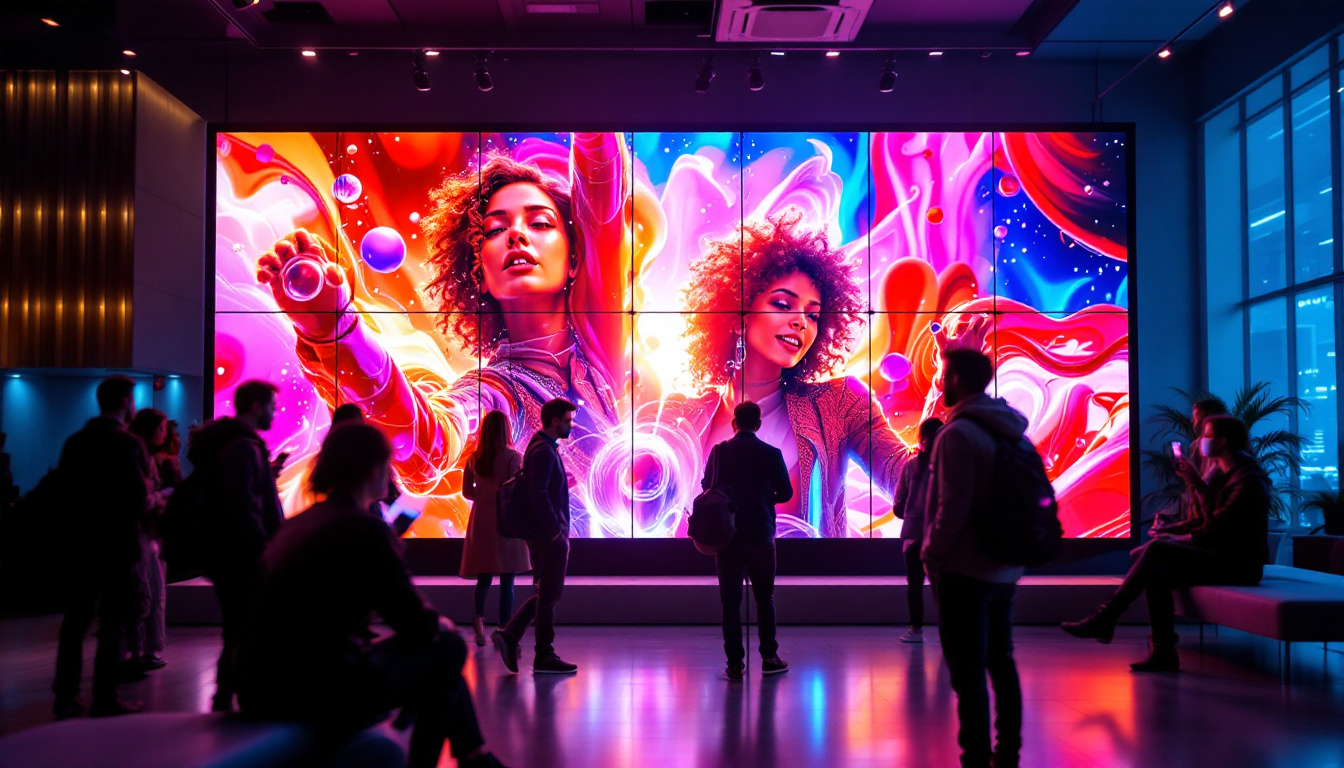
Direct-view LED displays dominate the commercial signage market, including billboards, stadium screens, and transportation hubs. Their high brightness, scalability, and durability make them ideal for these environments.
LED LCDs are also used in commercial applications such as digital menu boards and indoor signage where cost efficiency and image quality are balanced.
Specialized Applications
In medical imaging, control rooms, and broadcast studios, LED LCDs with high color accuracy and brightness are preferred due to their precise image reproduction.
Direct-view LED displays are increasingly used in virtual production and immersive environments, where large, seamless, and bright displays are essential.
Choosing the Right Display: Factors to Consider
Budget Constraints
LED LCDs are generally more affordable and widely available, making them the go-to choice for most consumers and many businesses.
Direct-view LED displays come at a premium price, justified by their performance and durability in demanding environments.
Environment and Usage
For indoor use with controlled lighting, LED LCDs offer excellent performance and value.
For outdoor or brightly lit environments, direct-view LED displays provide unmatched visibility and robustness.
Image Quality Requirements
If deep blacks, wide viewing angles, and high brightness are critical, direct-view LED or emerging microLED technology may be preferable.
For general use, LED LCDs deliver sharp images with good color accuracy and contrast.
The Future of LED Display Technology
Display technology continues to evolve rapidly. MicroLED, a direct-view LED technology with microscopic LEDs as pixels, promises to combine the best features of OLED and LED LCD: perfect blacks, high brightness, long lifespan, and energy efficiency. Although still in early stages of mass adoption, microLED is expected to reshape the market in the coming years.
Meanwhile, quantum dot enhancements and mini-LED backlighting are making LED LCDs more competitive, offering better contrast and color performance at accessible prices.
Understanding the distinctions between LED LCD and direct-view LED displays empowers consumers and professionals to make informed decisions tailored to their specific needs.
Conclusion
While the terms “LED LCD” and “LED display” are often conflated, they represent fundamentally different technologies. LED LCDs combine liquid crystal panels with LED backlighting, offering excellent image quality and affordability for everyday use. Direct-view LED displays use self-emitting LEDs as pixels, delivering superior brightness, contrast, and scalability for commercial and specialized applications.
Choosing between these technologies depends on factors such as budget, environment, and performance requirements. As display technology advances, innovations like microLED are bridging the gap, promising even better visual experiences in the near future.
By understanding these differences, consumers and industry professionals can better navigate the complex landscape of display options and select the right technology for their unique needs.
Discover the Future of Visual Experience with LumenMatrix
As you consider the vast landscape of display technologies for your next investment, let LumenMatrix guide you to the perfect solution. Our commitment to innovation in LED display modules is unmatched, offering a diverse range of products from Indoor and Outdoor LED Wall Displays to specialized options like Vehicle and Sports LED Displays. Whether you’re looking to captivate your audience with a Floor LED Display, make a statement with a Custom LED Display, or streamline with an All-in-One solution, LumenMatrix is here to revolutionize your visual communication. Elevate your brand visibility and engage your audience like never before. Check out LumenMatrix LED Display Solutions and step into the future of display technology.