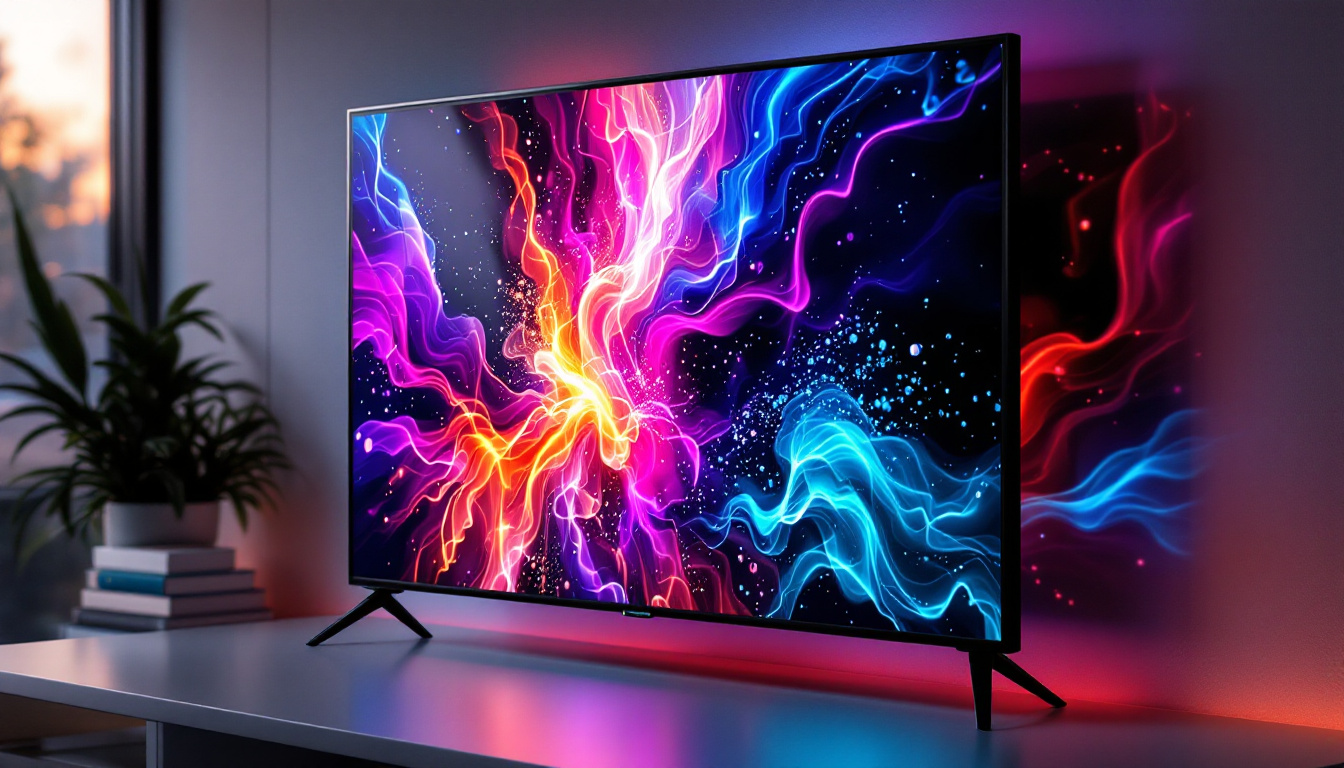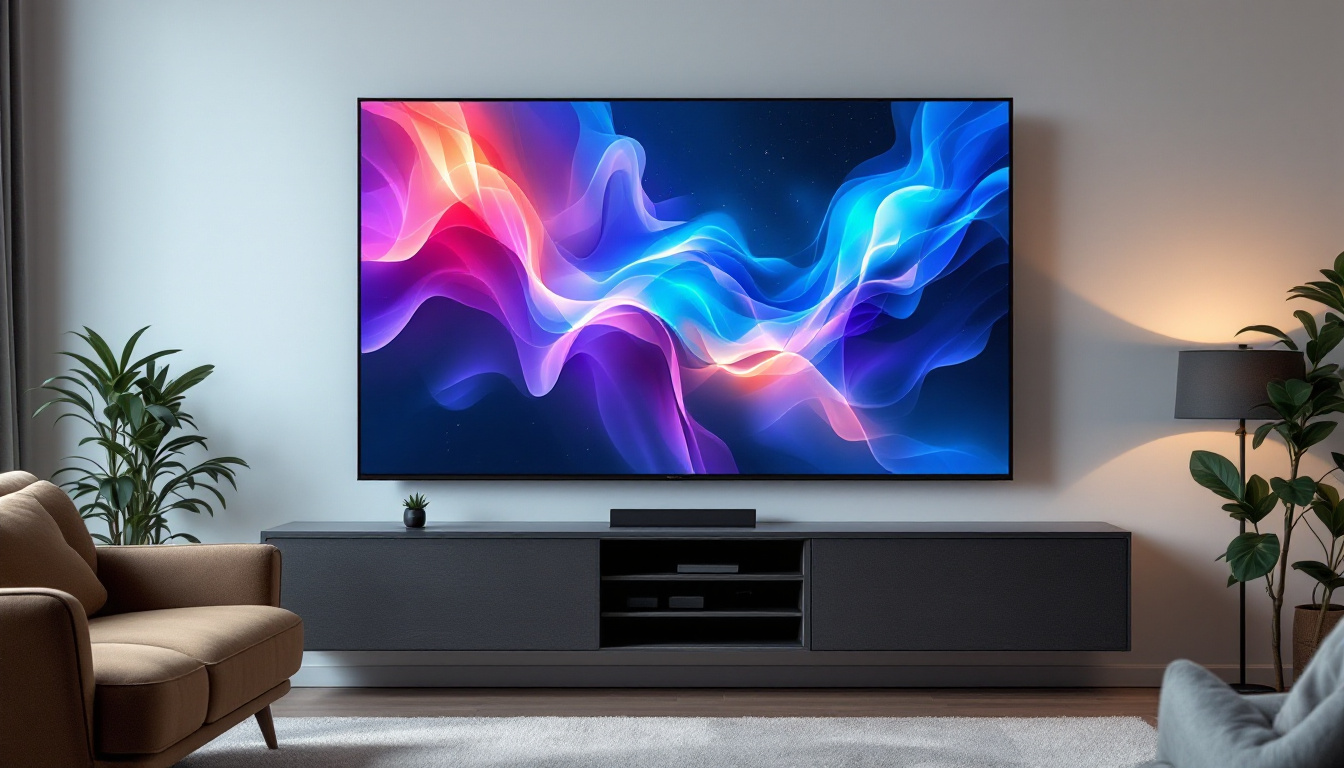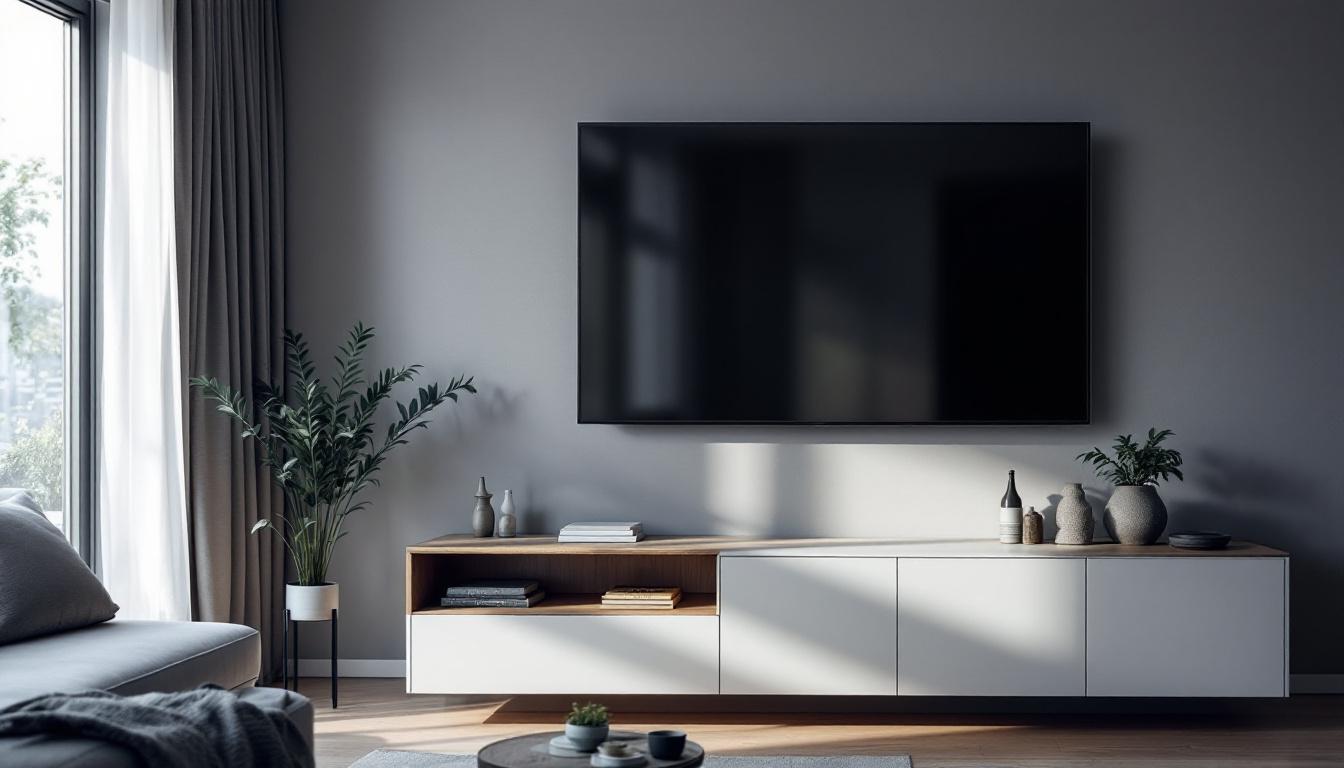
Mounting a TV on the wall has become a popular choice for homeowners and businesses alike, offering a sleek, modern look while saving valuable floor space. With the rise of LED displays dominating the television market, understanding the nuances of TV hangers designed specifically for these screens is essential. This article delves into the world of TV hangers for LED displays, exploring their types, installation considerations, and how to choose the right one for your needs.
Understanding LED Displays and Their Wall Mounting Needs
LED (Light Emitting Diode) technology has revolutionized television displays, offering brighter images, better contrast, and energy efficiency compared to older LCD or plasma screens. These advantages have made LED TVs the preferred choice for many consumers, but they also come with specific considerations when it comes to wall mounting.
Unlike older, bulkier TVs, LED displays tend to be thinner and lighter, which affects the type of hanger or mount required. However, the size and weight of LED TVs can vary significantly—from compact 32-inch models to massive 85-inch screens—so selecting the appropriate wall hanger is critical to ensure safety and optimal viewing experience.
Key Features of LED TVs Influencing Wall Mounting
LED TVs typically feature a flat back panel with standardized mounting holes arranged according to the VESA (Video Electronics Standards Association) pattern. This standardization simplifies the process of finding compatible wall mounts. However, the thinness of LED panels means that some mounts designed for thicker televisions might not be suitable.
Additionally, LED TVs often come with delicate components such as edge-lit or backlit LEDs, which require careful handling during installation to avoid damage. The wall hanger must provide secure support without exerting undue pressure on the screen.
Moreover, many modern LED TVs are designed with features that enhance the viewing experience, such as smart technology and integrated audio systems. These features can add to the complexity of wall mounting, as they may require additional considerations for cable management and accessibility to ports. For instance, if the TV has multiple HDMI or USB ports, ensuring that these connections are easily accessible after installation is crucial for user convenience. Some mounts even offer built-in cable management systems, which can help maintain a clean and organized appearance by concealing wires and cables behind the wall.
Furthermore, the placement of the TV can significantly impact the overall viewing experience. Factors such as room lighting, seating arrangement, and wall color can influence how the picture quality is perceived. For instance, mounting the TV too high can lead to neck strain, while placing it too low may result in poor visibility. Therefore, it’s essential to consider the ideal height for mounting, typically at eye level when seated, to maximize comfort and enjoyment. This thoughtful approach to placement not only enhances the aesthetic appeal of the room but also ensures that the full potential of the LED display is realized.
Types of TV Hangers for LED Displays
When it comes to wall mounting LED TVs, several types of hangers or mounts are available, each offering different levels of flexibility, aesthetics, and ease of installation. Understanding these types helps in making an informed decision tailored to your space and usage.
Fixed Wall Mounts
Fixed mounts are the simplest and most cost-effective option. They hold the TV flush against the wall, providing a clean, minimalist look. These mounts are ideal for rooms where the viewing angle is consistent and doesn’t require adjustment.
Because LED TVs are lightweight, fixed mounts can easily support screens up to 75 inches or more, provided the wall anchors and screws are appropriate for the wall type. However, fixed mounts offer no tilt or swivel capabilities, which can be a limitation in some viewing environments.
Tilt Wall Mounts
Tilt mounts allow the TV to be angled vertically, usually up to 15 degrees. This feature is particularly useful in rooms where the TV is mounted higher than eye level, reducing glare and improving viewing comfort.
For LED displays, tilt mounts must be designed to accommodate the TV’s weight and thickness without compromising stability. Many tilt mounts include safety locks to prevent accidental movement, ensuring the TV stays securely in place.
Full-Motion or Articulating Mounts
Full-motion mounts offer the greatest flexibility, allowing the TV to be pulled away from the wall, swiveled left or right, and tilted up or down. This versatility makes them ideal for multi-purpose rooms or spaces with varying seating arrangements.
While these mounts are generally more expensive and complex to install, they provide excellent functionality for LED TVs, especially larger models that benefit from adjustable viewing angles. It’s important to verify that the mount’s weight capacity matches or exceeds the TV’s weight.
Ceiling Mounts and Specialty Hangers
In some commercial or unconventional residential settings, ceiling mounts or specialty hangers may be used. These options are less common but can be effective in maximizing space or creating unique viewing setups.
LED TVs require mounts that securely fasten to the ceiling joists and provide adequate support. Specialty hangers might include motorized options for remote adjustment, adding convenience but also complexity and cost.
Installation Considerations for LED TV Wall Hangers
Proper installation is crucial to ensure the safety and longevity of both the TV and the wall structure. Several factors must be taken into account when mounting an LED display.
Wall Type and Support
The type of wall—drywall, brick, concrete, or wood paneling—affects the choice of anchors and screws. For drywall, it is essential to locate studs to anchor the mount securely. Using anchors alone without studs can lead to accidents and damage.
Concrete or brick walls require specialized masonry anchors and drills. Consulting with a professional installer or using a stud finder and appropriate tools can prevent costly mistakes.
Weight Capacity and VESA Compatibility
Every wall hanger has a maximum weight capacity, which must not be exceeded. LED TVs vary widely in weight, with larger models sometimes approaching 70 pounds or more. It’s vital to check the TV’s specifications and ensure the mount can handle the load safely.
VESA compatibility is another critical factor. The VESA pattern is the distance between the mounting holes on the back of the TV, measured in millimeters. Common patterns include 200×200, 400×400, and 600×400. Selecting a mount that matches the TV’s VESA pattern ensures a secure fit.
Cable Management and Accessibility
LED TVs often have multiple input ports—HDMI, USB, Ethernet, and more. Wall mounts should allow easy access to these ports for connecting devices without straining cables. Some mounts come with integrated cable management systems that keep wires organized and hidden, enhancing the overall aesthetic.
Additionally, consider the placement of power outlets and whether an extension or relocation is necessary to avoid visible cables running down the wall.
Viewing Height and Angle
Ergonomics play a significant role in mounting height and angle. The ideal height places the center of the screen at eye level when seated. For LED TVs mounted above this level, tilt or full-motion mounts can help adjust the angle to reduce neck strain and improve picture quality.
Lighting conditions also impact placement. Avoid mounting the TV opposite windows or bright light sources to minimize glare on the LED screen.
Choosing the Right TV Hanger for Your LED Display
Selecting the perfect wall hanger involves balancing aesthetics, functionality, and budget. Here are some tips to guide the decision-making process:
Assess Your Room Layout and Viewing Habits
Consider where the TV will be viewed from most frequently. If the seating arrangement is fixed, a fixed or tilt mount might suffice. For rooms with multiple viewing angles or flexible seating, a full-motion mount offers better adaptability.
Measure Your TV and Wall Space Accurately
Measure the dimensions and weight of your LED TV and the available wall space. Ensure the mount fits within the wall area and can support the TV’s size and weight. Don’t forget to factor in space for ventilation and cable connections.
Prioritize Quality and Safety Certifications
Choose mounts from reputable manufacturers that comply with safety standards such as UL (Underwriters Laboratories) certification. High-quality mounts reduce the risk of accidents and provide peace of mind.
Consider Future Upgrades
If you plan to upgrade your TV in the future, select a mount with a higher weight capacity and adjustable VESA compatibility. This foresight can save time and money down the line.
Maintaining and Troubleshooting Wall-Mounted LED TVs
Once your LED TV is securely mounted, proper maintenance ensures it remains in excellent condition and continues to deliver optimal performance.
Regular Inspection
Periodically check the mount and screws for any signs of loosening or wear. Tighten any loose components to maintain stability. Inspect the wall for cracks or damage that could compromise support.
Cleaning and Care
Clean the TV screen with a microfiber cloth and appropriate screen cleaner to avoid scratches. Avoid using harsh chemicals on the mount to preserve its finish and structural integrity.
Troubleshooting Common Issues
If the TV tilts unexpectedly or feels unstable, immediately inspect the mount and wall anchors. Address any issues before resuming use. For cable management problems, reorganize or replace cables to prevent strain or disconnection.
Conclusion
Wall mounting an LED TV enhances both the aesthetic and functional aspects of a room, creating a modern, space-saving entertainment setup. Understanding the types of TV hangers available, installation requirements, and maintenance tips is crucial for a successful and safe installation.
By carefully selecting a mount that matches your LED TV’s size, weight, and VESA pattern, and by considering your room’s layout and viewing preferences, you can enjoy an optimal viewing experience for years to come. Whether opting for a fixed, tilt, or full-motion wall hanger, prioritizing quality and safety will ensure your LED display remains a centerpiece of your home or office entertainment system.
Discover the Perfect LED Display Solution with LumenMatrix
Ready to elevate your space with a cutting-edge LED display? LumenMatrix offers a diverse range of innovative LED display solutions tailored to your unique needs. From captivating Indoor LED Wall Displays to dynamic Outdoor LED Wall Displays and beyond, our mission is to transform your visual communication with unparalleled clarity and impact. Don’t just mount any TV—make it a statement with LumenMatrix. Check out LumenMatrix LED Display Solutions today and experience the future of visual engagement.