In the rapidly evolving world of display technology, terms like LED and LCD are often used interchangeably, yet they represent distinct technologies with unique characteristics and applications. Understanding the difference between LED and LCD displays is essential for consumers, professionals, and tech enthusiasts alike, whether choosing a new television, monitor, or digital signage solution. This article delves into the fundamentals of LED and LCD technologies, explores their advantages and limitations, and clarifies common misconceptions to help readers make informed decisions.
Understanding the Basics: What Are LCD and LED Displays?
LCD: Liquid Crystal Display Technology
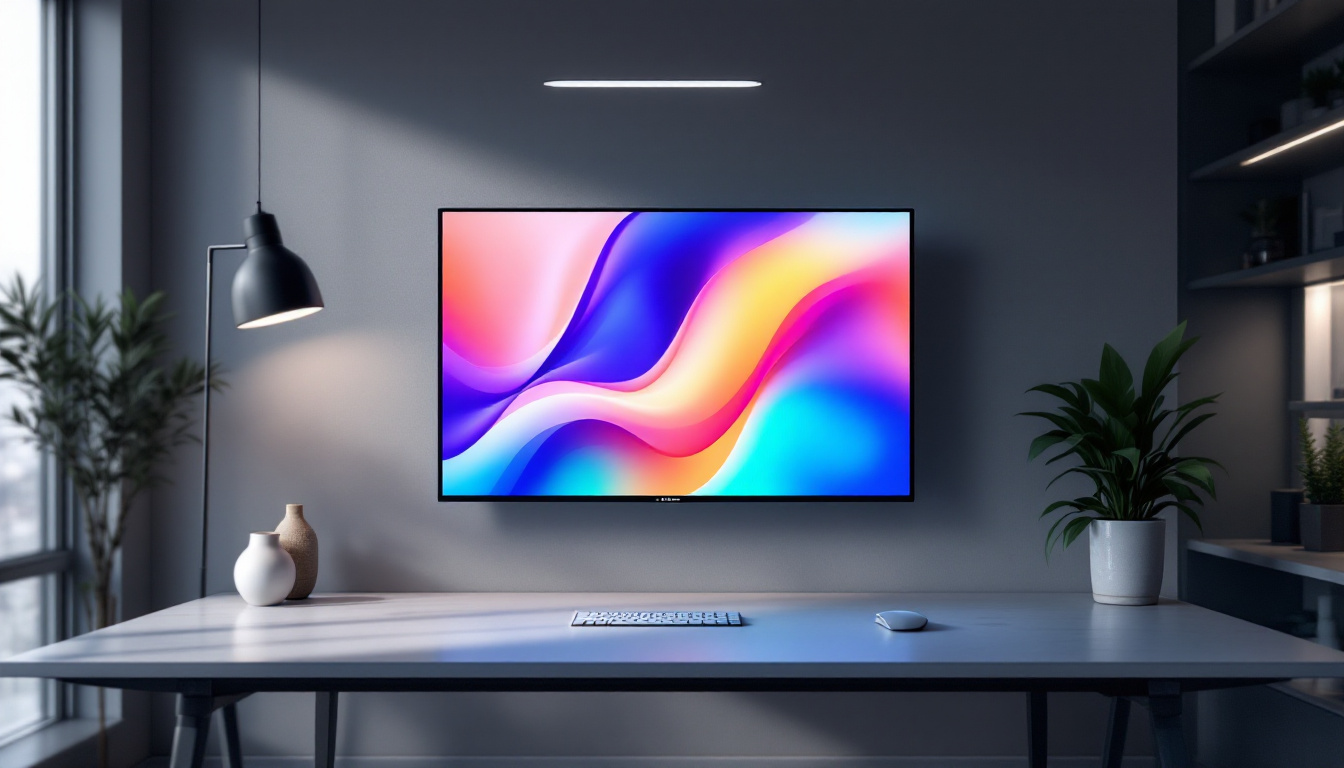
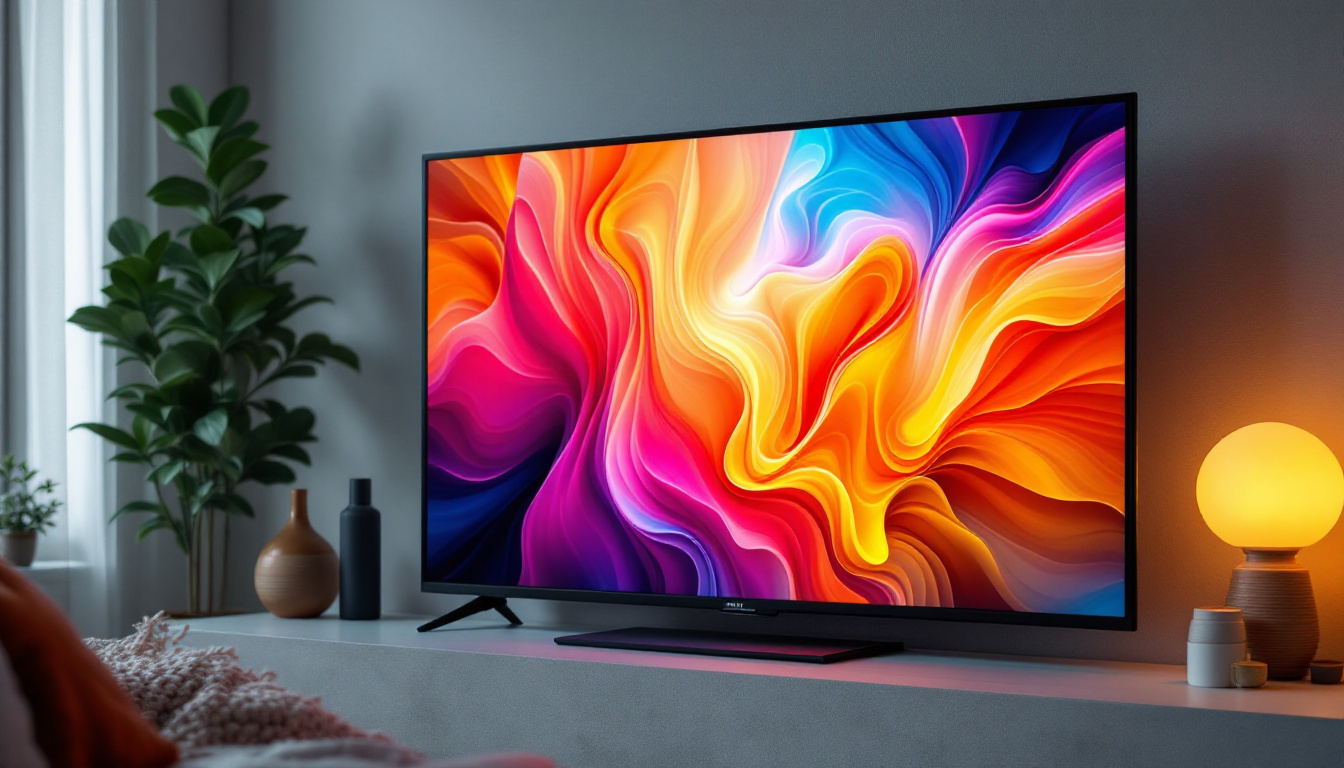
Liquid Crystal Display (LCD) technology has been a cornerstone of modern digital screens for decades. LCD panels utilize liquid crystals that do not emit light directly. Instead, they manipulate light passing through them to create images. The process involves a backlight shining through layers of liquid crystals and color filters, which adjust to block or allow light in specific patterns, producing the images seen on the screen.
LCDs are widely used in devices ranging from smartphones and laptops to televisions and digital signage. Their popularity stems from their relatively low power consumption, thin profile, and ability to produce sharp, vibrant images. Additionally, advancements in LCD technology have led to improvements in color accuracy and viewing angles, making them even more appealing for consumers and professionals alike. For instance, technologies such as In-Plane Switching (IPS) and Vertical Alignment (VA) have enhanced the performance of LCDs, allowing for better color reproduction and wider viewing angles, which are particularly beneficial for graphic design and video editing tasks.
LED: Light Emitting Diode Display Technology
LED, or Light Emitting Diode, refers to a type of lighting technology that uses semiconductor diodes to emit light when an electric current passes through them. In the context of displays, LED technology is primarily used as a backlighting source for LCD panels rather than as a standalone display technology.
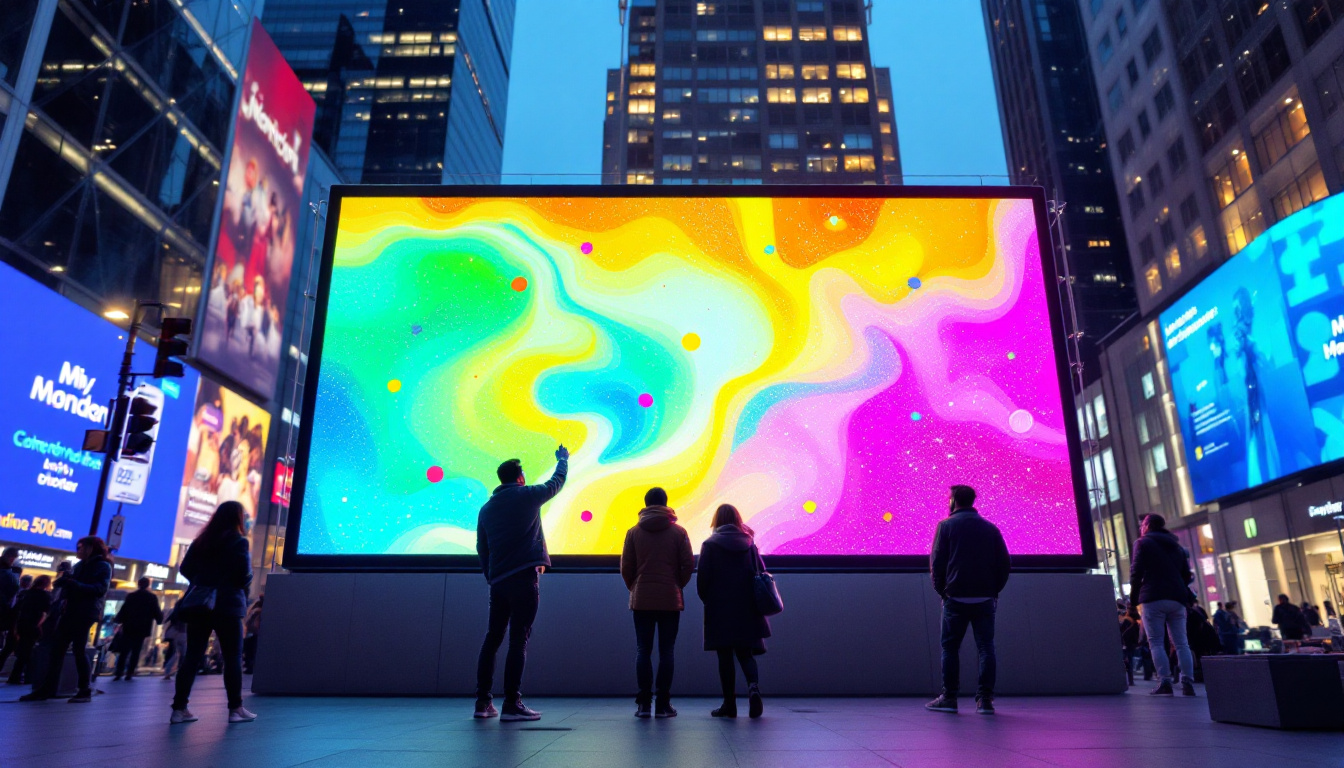
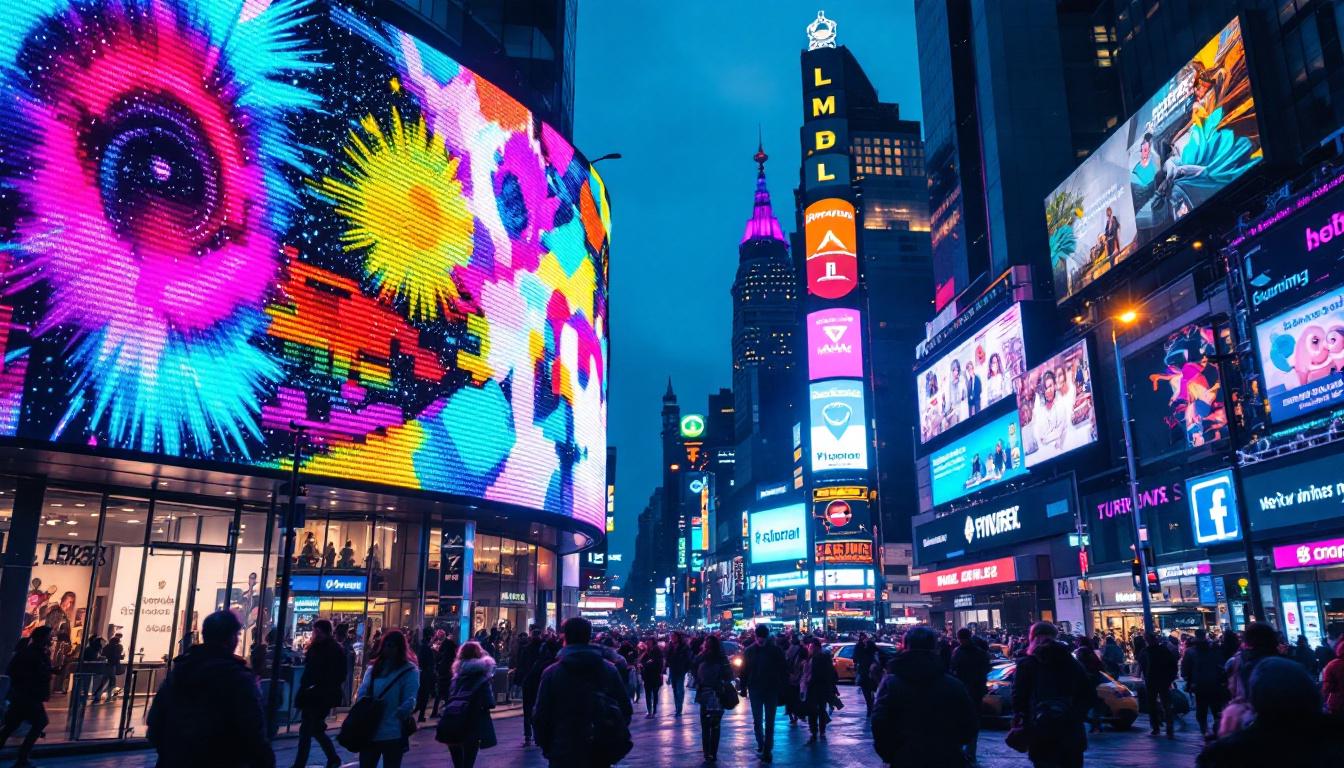
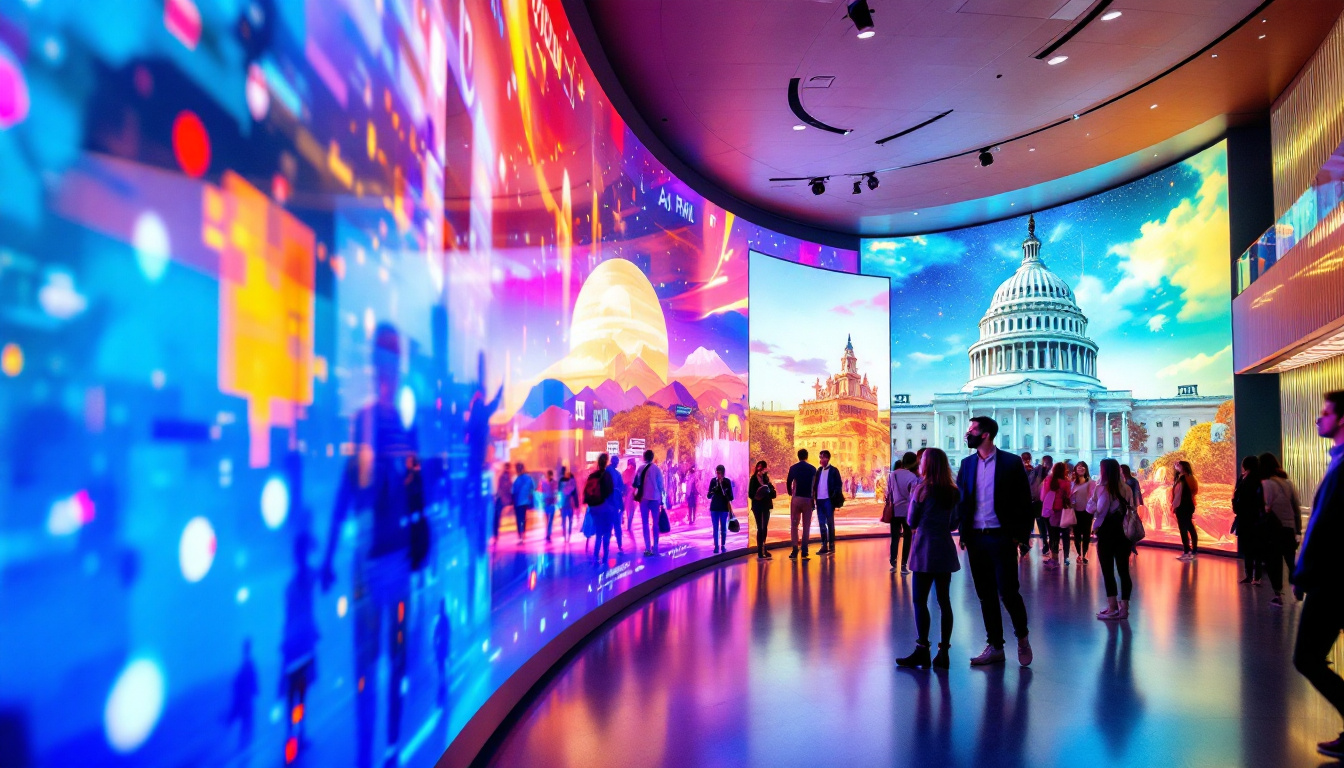
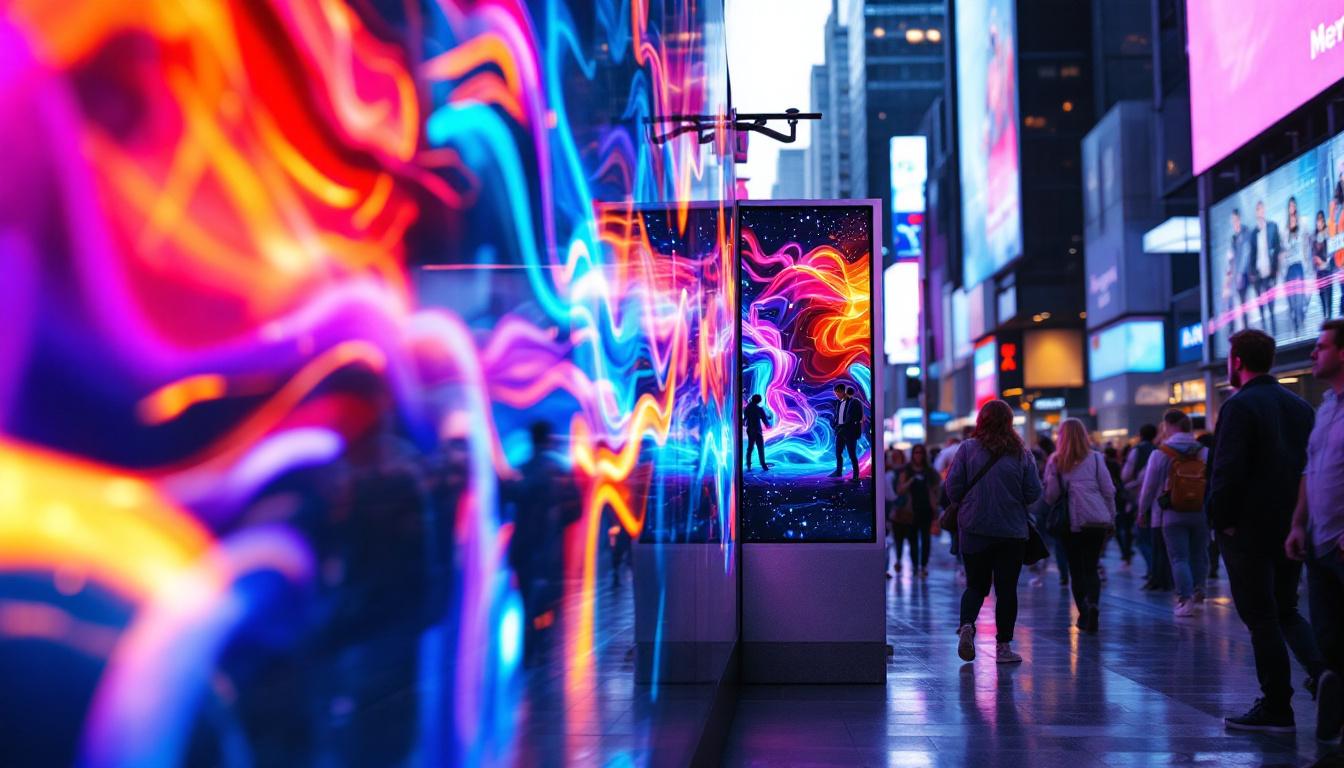
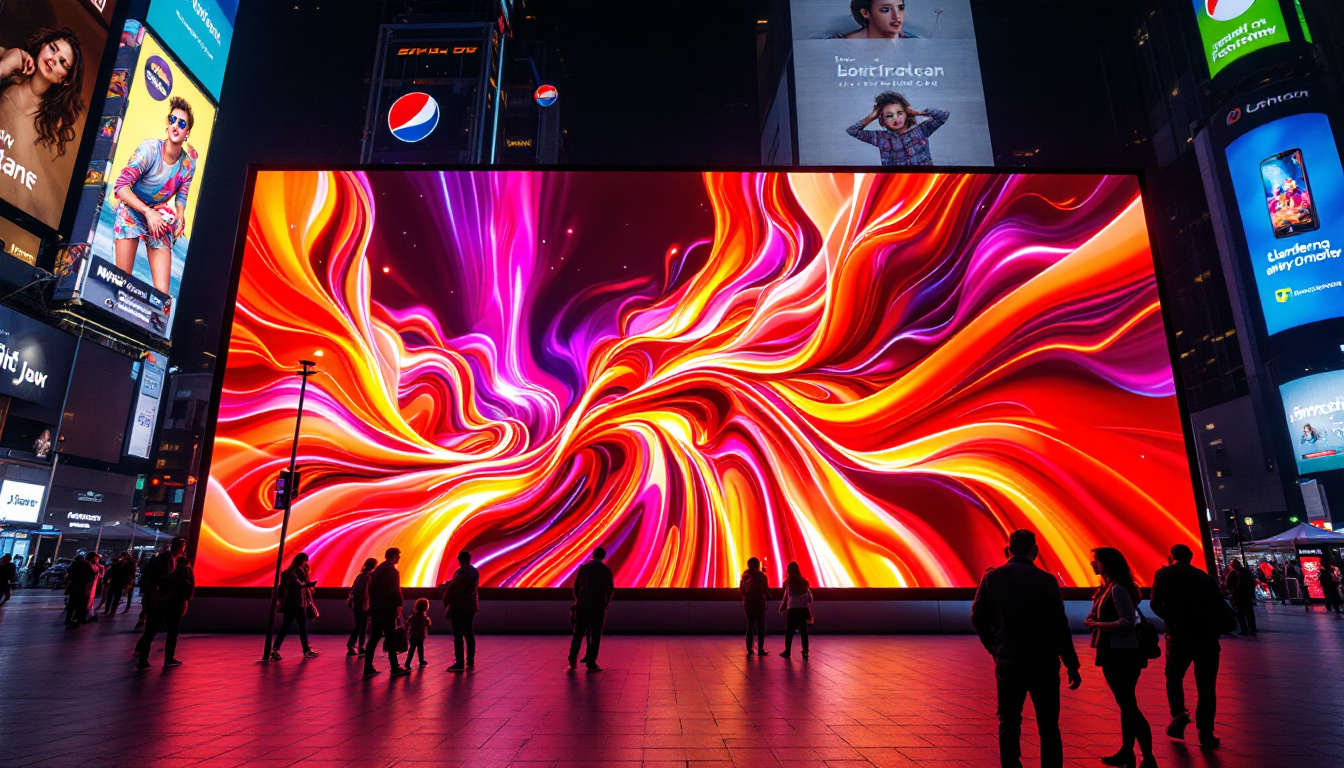
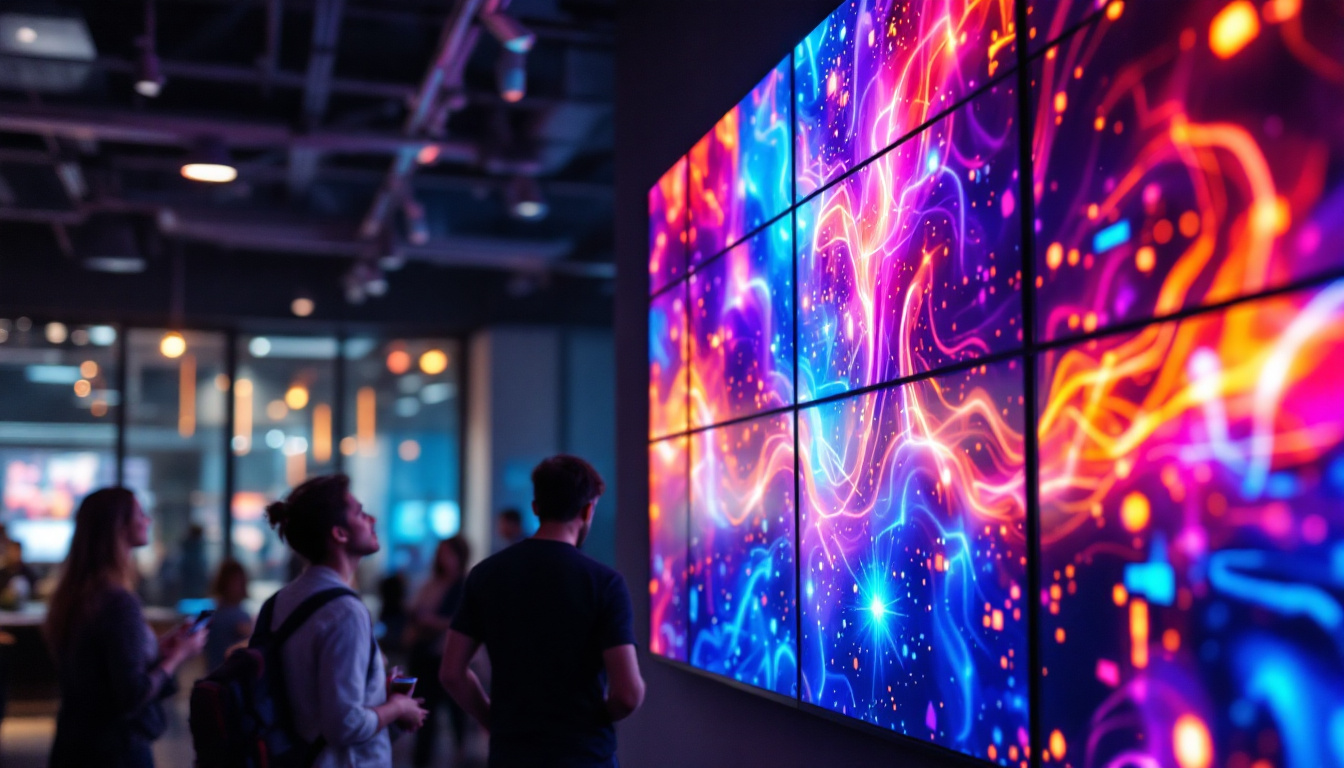
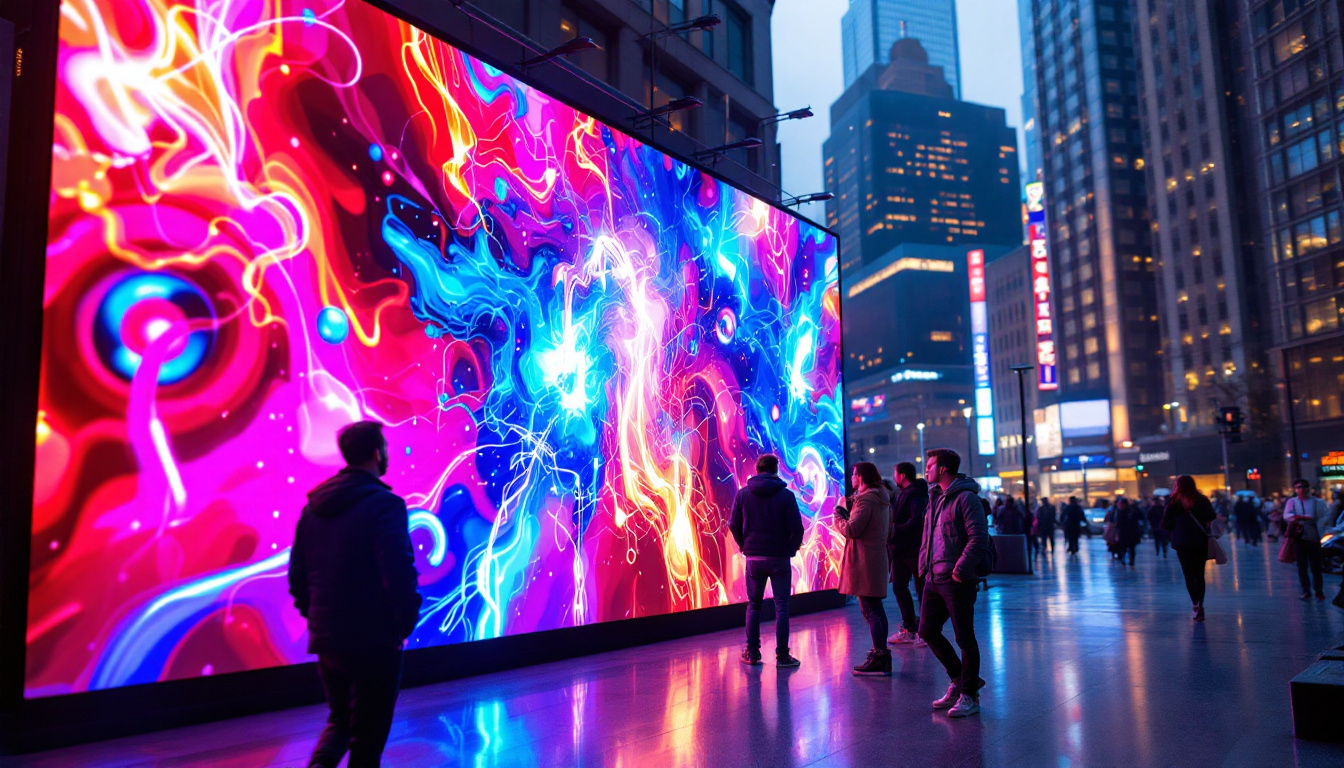
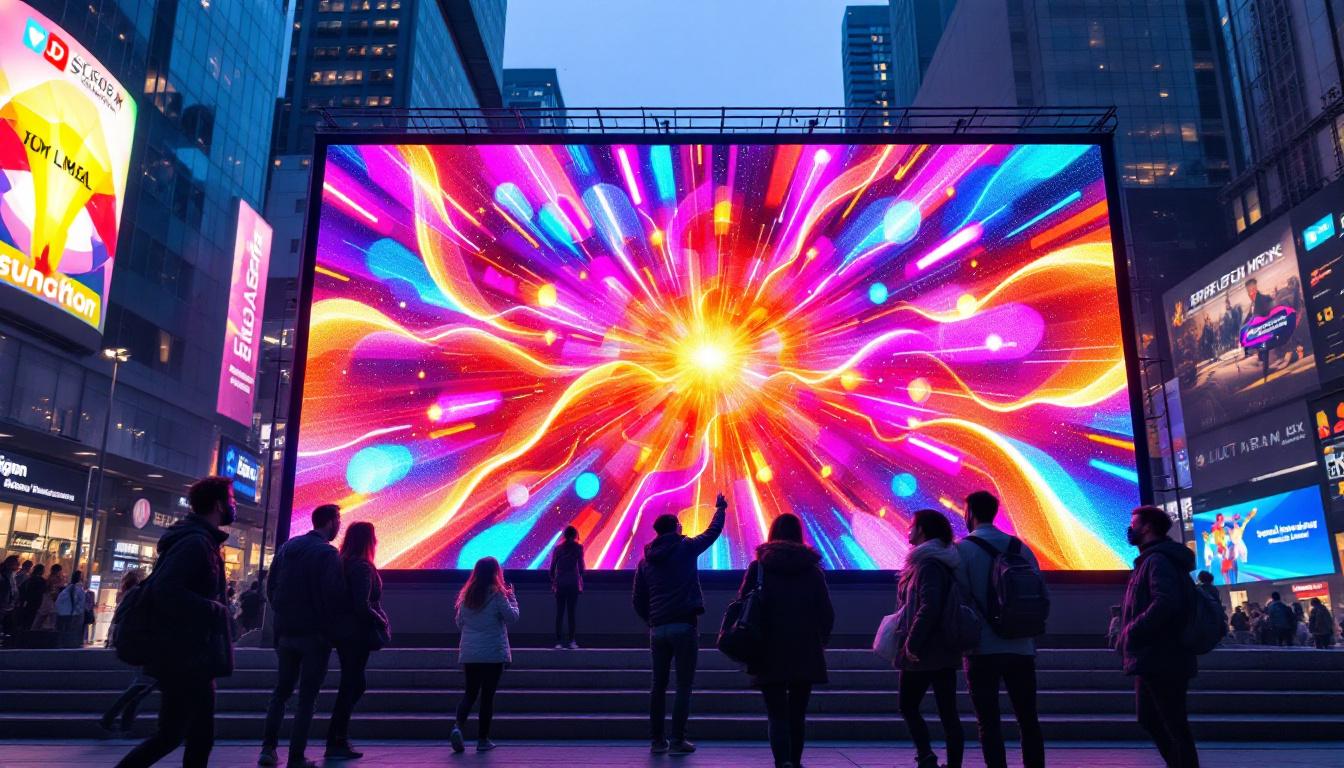
However, the term “LED display” can also refer to displays made entirely of LED pixels, such as those used in large outdoor screens and digital billboards. These displays use arrays of LEDs to form images directly, without the need for a separate backlight. The brightness and energy efficiency of LED technology make it ideal for outdoor applications, where visibility in bright sunlight is crucial. Furthermore, LED displays can be designed to be modular, allowing for flexible sizes and shapes, which has led to their increasing use in creative advertising and public displays. The ability to create dynamic, high-resolution visuals has transformed how brands communicate with audiences, making LED displays a popular choice in urban environments and event venues.
How LED and LCD Work Together: LED-Backlit LCD Displays
The Role of LED Backlighting in Modern LCDs
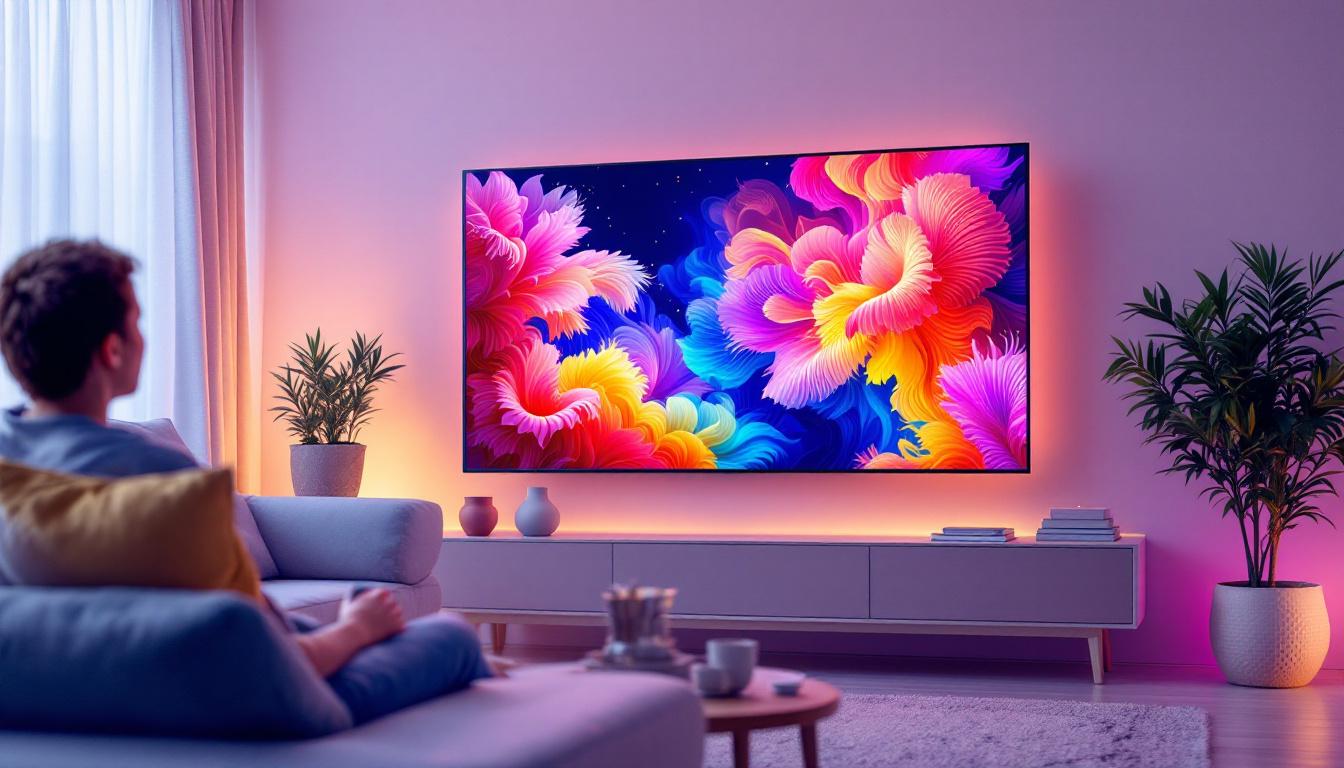
Most modern LCD screens are actually LED-backlit LCDs. This means that while the image is created by liquid crystals controlling light passage, the light source behind the panel consists of LEDs rather than older technologies like cold cathode fluorescent lamps (CCFLs). LED backlighting has revolutionized LCD displays by offering several advantages:
- Improved Energy Efficiency: LEDs consume less power than CCFLs, making devices more energy-efficient.
- Better Brightness and Contrast: LED backlights can be precisely controlled, enabling brighter displays and improved contrast ratios.
- Thinner and Lighter Designs: LEDs are smaller and more flexible in placement, allowing manufacturers to produce thinner and lighter screens.
- Longer Lifespan: LEDs generally last longer than CCFLs, reducing maintenance and replacement costs.
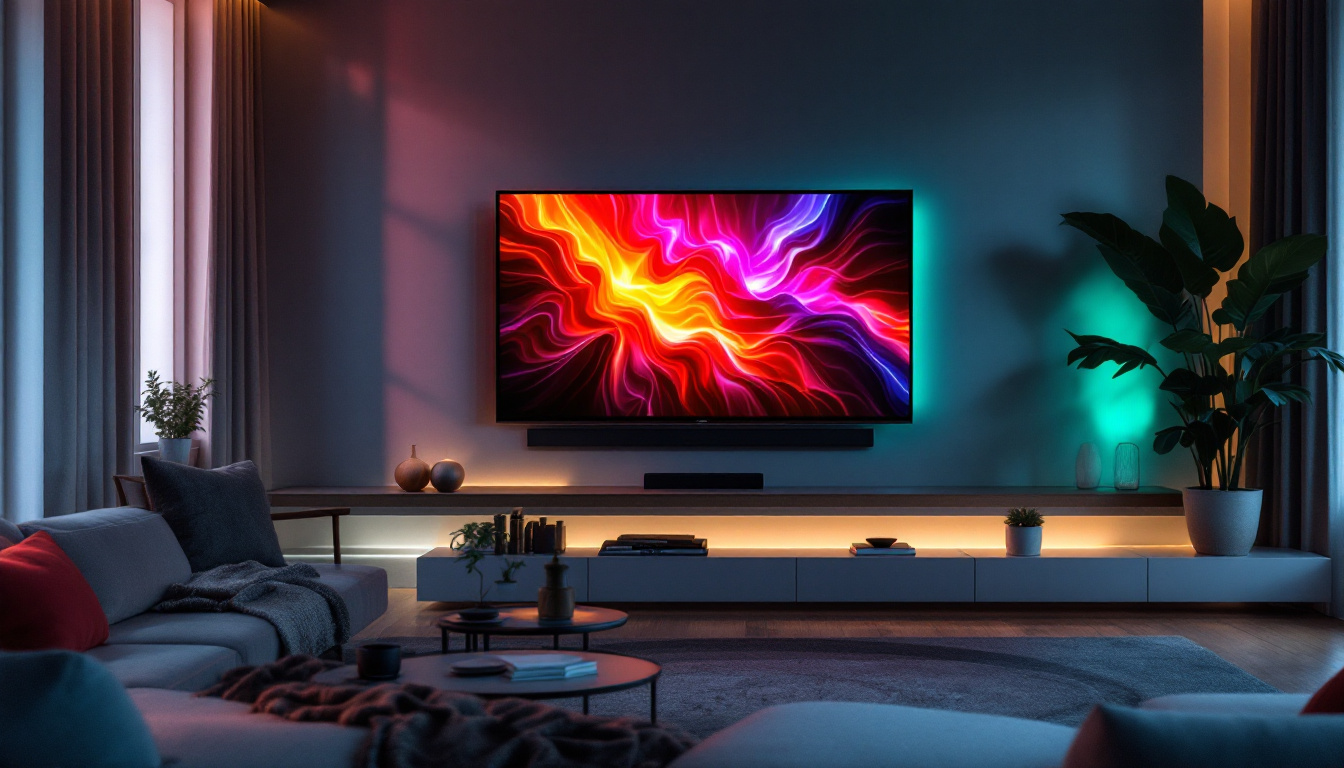
Because of these benefits, LED-backlit LCDs have become the standard in the display industry, often marketed simply as “LED TVs” or “LED monitors,” which can cause confusion among consumers. The shift to LED technology has not only enhanced the viewing experience but also paved the way for innovations in display technology, such as 4K and HDR, which rely on the superior brightness and color accuracy that LED backlighting provides. This advancement has transformed how we consume media, from streaming our favorite shows to playing high-definition video games, making every detail pop with vivid clarity.
Types of LED Backlighting
There are two primary methods of LED backlighting used in LCD displays:
- Edge-Lit LED: LEDs are placed along the edges of the screen, and light is distributed across the panel using light guides. This design allows for ultra-thin displays but can sometimes result in uneven brightness or light bleeding.
- Direct-Lit or Full-Array LED: LEDs are positioned directly behind the entire screen area, often with local dimming zones that can be turned on or off independently. This approach offers better contrast and black levels but can be thicker and more expensive.
Each type of LED backlighting has its own set of advantages and drawbacks, influencing consumer choice based on their specific needs. For instance, edge-lit displays are often favored for their sleek aesthetics and lightweight design, making them suitable for wall mounting in modern homes. Conversely, full-array LED displays are preferred by enthusiasts and professionals who prioritize picture quality, especially in darker viewing environments where the depth of blacks and contrast can significantly enhance the overall experience. As technology continues to evolve, we may see even more hybrid approaches that combine the best features of both types, further enriching our visual experiences.
True LED Displays: Beyond Backlighting
What Are True LED Displays?
True LED displays differ fundamentally from LED-backlit LCDs. Instead of using LEDs as a backlight, these displays consist of millions of tiny LEDs that act as individual pixels. Each LED emits its own light and color, eliminating the need for a liquid crystal layer or backlight.
True LED displays are commonly found in large-scale applications such as outdoor advertising billboards, stadium screens, and digital signage. They can be extremely bright, visible even in direct sunlight, and scalable to very large sizes.
Advantages of True LED Displays
True LED displays offer several unique benefits:
- High Brightness: LEDs can achieve brightness levels far beyond those of LCDs, making them ideal for outdoor use.
- Wide Viewing Angles: LED pixels emit light directly, providing consistent image quality from almost any angle.
- Durability and Longevity: Designed for harsh environments, these displays are weather-resistant and have long operational lifespans.
- Flexible Configurations: LED panels can be configured in various shapes and sizes, including curved or irregular forms.
Limitations of True LED Displays
Despite their advantages, true LED displays have some drawbacks:
- Resolution Constraints: Due to the physical size of LEDs, pixel density is typically lower than that of LCDs, making them less suitable for close-up viewing.
- Cost: High-quality LED panels can be expensive to manufacture and install.
- Power Consumption: True LED displays can consume more power, especially at high brightness levels.
Comparing LED and LCD Displays: Which One Is Right for You?
Image Quality and Viewing Experience
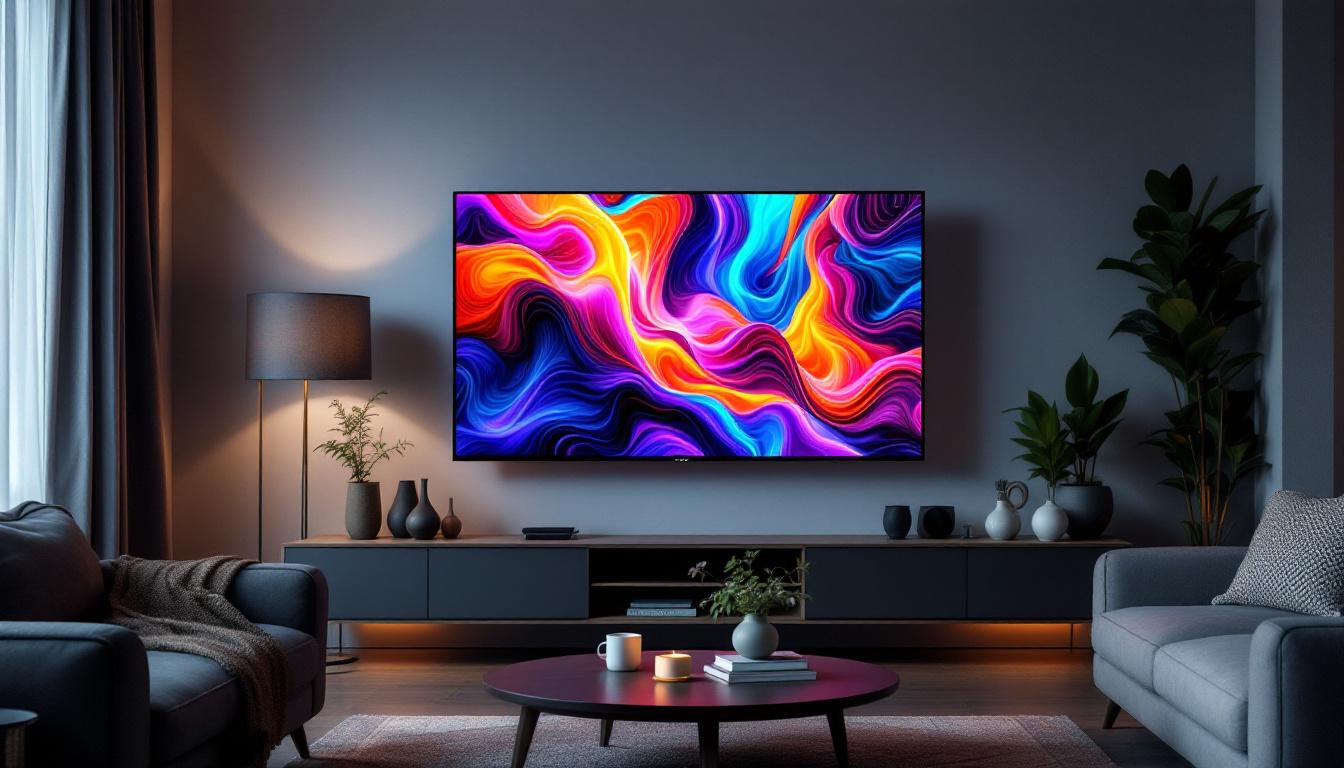
When it comes to image quality, LED-backlit LCDs generally provide excellent resolution and color accuracy suitable for everyday use, including gaming, streaming, and professional work. Full-array LED backlighting with local dimming enhances contrast and black levels, rivaling some OLED displays in performance.
True LED displays, while incredibly bright and durable, are optimized for visibility at a distance rather than fine detail. They excel in environments where ambient light is intense, such as outdoor advertising or large venues, but are not designed for desktop or home use.
Energy Efficiency and Environmental Impact
LED-backlit LCDs offer significant energy savings compared to older CCFL-backlit LCDs and many other display types. Their longer lifespan also reduces electronic waste. True LED displays, while bright, tend to consume more power, especially when operating at maximum brightness for extended periods.
Cost Considerations
For consumers, LED-backlit LCD TVs and monitors are widely available at competitive prices, offering a balance of performance and affordability. True LED displays represent a substantial investment, often justified only in commercial or specialized applications where size and brightness are critical.
Application Suitability
Choosing between LED-backlit LCDs and true LED displays depends largely on the intended use:
- Home and Office: LED-backlit LCDs provide excellent image quality, energy efficiency, and affordability.
- Outdoor and Large Venues: True LED displays offer unmatched brightness, durability, and scalability.
- Specialized Uses: Industries such as retail, transportation, and entertainment often use a combination of both technologies to meet diverse display needs.
Emerging Trends and Future Developments in Display Technology
Mini-LED and Micro-LED Innovations
Recent advancements have introduced Mini-LED and Micro-LED technologies, which aim to combine the best features of LED and LCD displays. Mini-LED uses thousands of tiny LEDs as a backlight, enabling even more precise local dimming and improved contrast. Micro-LED goes further by using microscopic LEDs as individual pixels, similar to true LED displays but with much higher resolution and efficiency.
These technologies promise brighter, more energy-efficient displays with superior image quality, potentially transforming consumer electronics and commercial signage in the coming years.
OLED and QLED: Competing Technologies
Organic Light Emitting Diode (OLED) and Quantum Dot LED (QLED) displays represent alternative approaches to achieving high-quality images. OLEDs emit light from organic compounds, offering perfect blacks and wide viewing angles, while QLEDs enhance LCD performance using quantum dots to improve color accuracy and brightness.
Understanding how these technologies compare to LED and LCD options is crucial for consumers seeking the best display for their needs.
Conclusion: Decoding the LED and LCD Display Landscape
The terms LED and LCD often cause confusion, but understanding their relationship clarifies much about modern display technology. LED-backlit LCDs dominate the consumer market, offering a blend of performance, efficiency, and affordability. True LED displays serve specialized roles where brightness and size are paramount, particularly in commercial and outdoor environments.
As display technologies continue to evolve with innovations like Mini-LED and Micro-LED, consumers and professionals alike will benefit from improved image quality and energy efficiency. By grasping the fundamentals of LED and LCD technologies, users can make informed choices tailored to their specific applications, ensuring the best viewing experience possible.
Explore Cutting-Edge LED Display Solutions with LumenMatrix
Ready to experience the future of display technology? LumenMatrix is at the forefront of LED innovation, offering a wide array of advanced LED display modules designed to bring your visual communications to life. Whether you’re looking for an Indoor LED Wall Display, an eye-catching Outdoor LED Wall Display, or specialized solutions like Vehicle LED Displays and LED Sports Displays, LumenMatrix has the perfect fit for your needs. Elevate your brand’s visibility and captivate your audience with our LED Poster Displays, Floor LED Displays, and Custom LED solutions. Discover the transformative power of our All-in-One and LED Transparent Displays. Check out LumenMatrix LED Display Solutions today and join the revolution in visual storytelling.