In today’s digital age, LED displays have revolutionized the way businesses, event organizers, and advertisers engage with their audiences. Among these, Jumbotron screens stand out as some of the most impactful and visually striking tools available. However, understanding the price of a Jumbotron LED display involves more than just looking at a sticker number. It requires a deep dive into the technology, specifications, and various factors that influence cost.
This article aims to provide a comprehensive explanation of Jumbotron LED displays, breaking down the components that affect pricing, and helping buyers make informed decisions. Whether you are considering a Jumbotron for a sports stadium, concert venue, retail space, or outdoor advertising, this guide will clarify what you should expect and why.
What Is a Jumbotron LED Display?
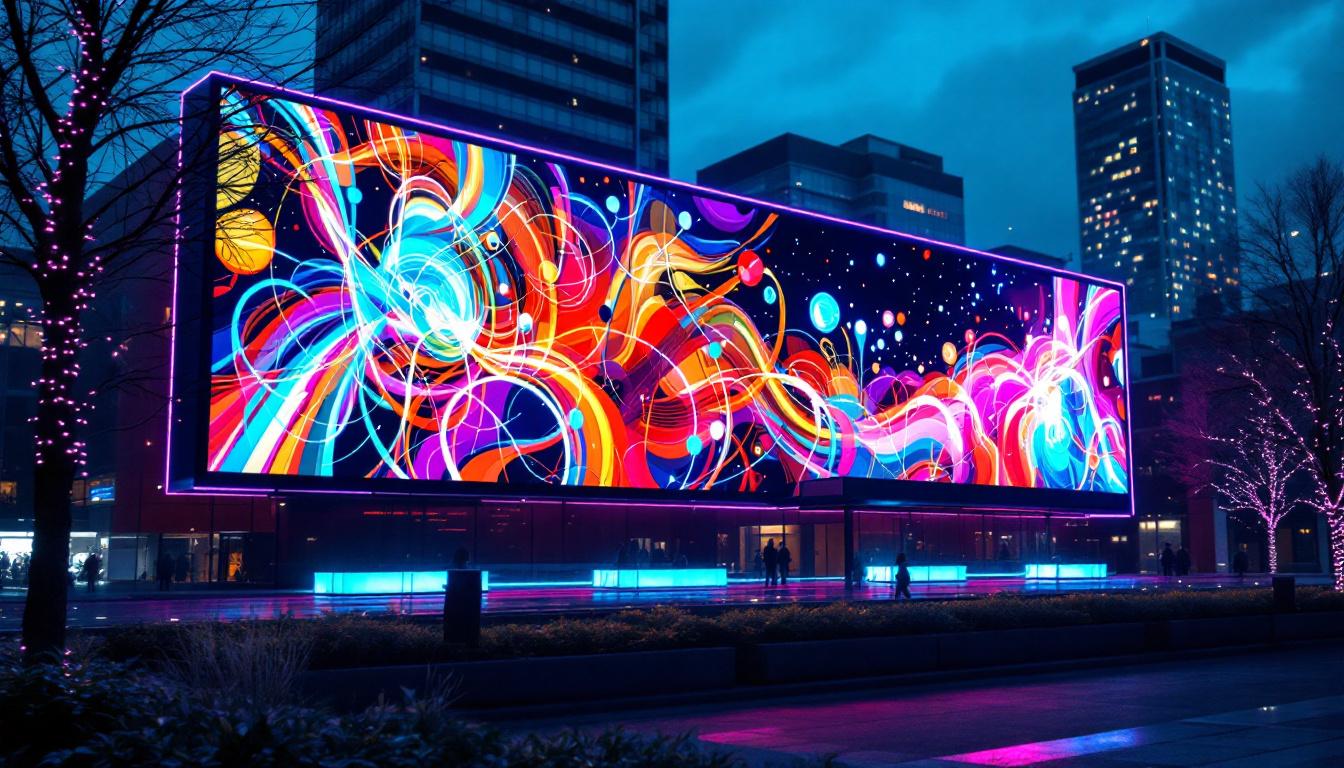
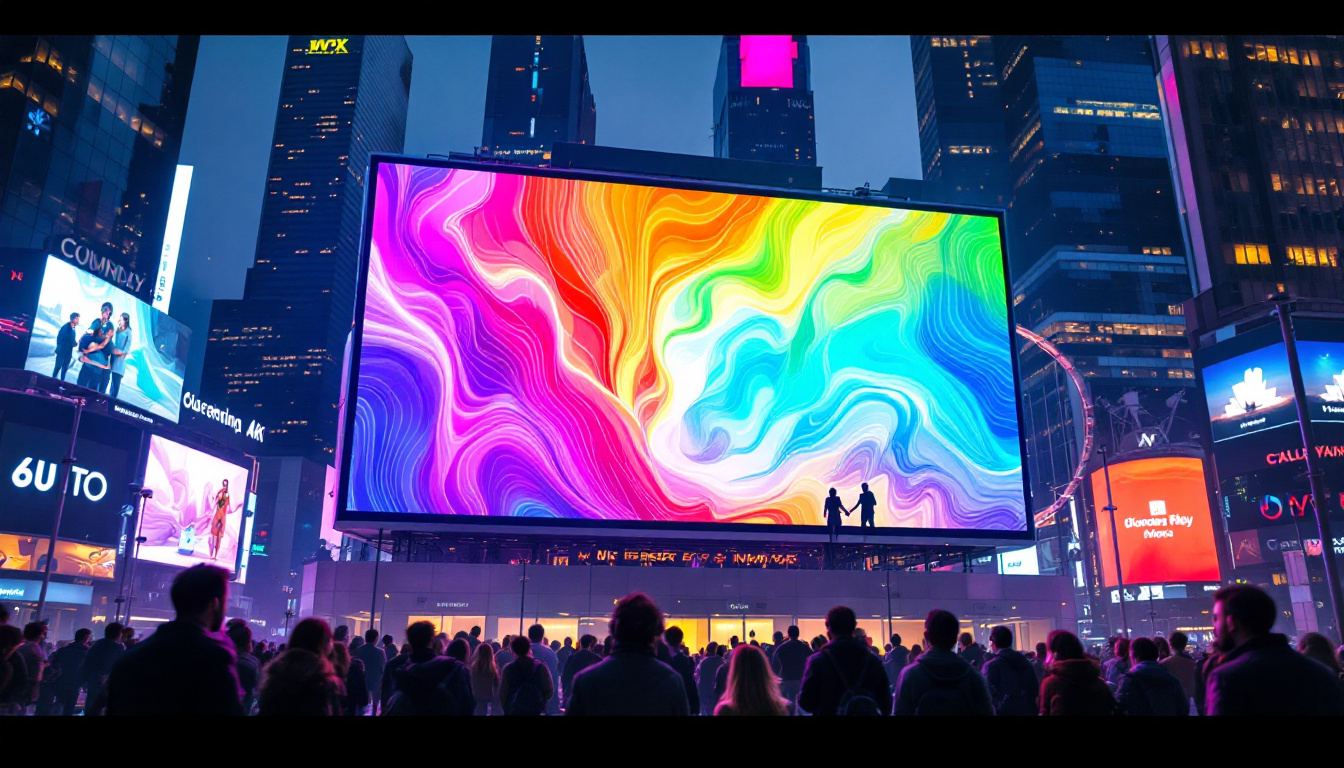
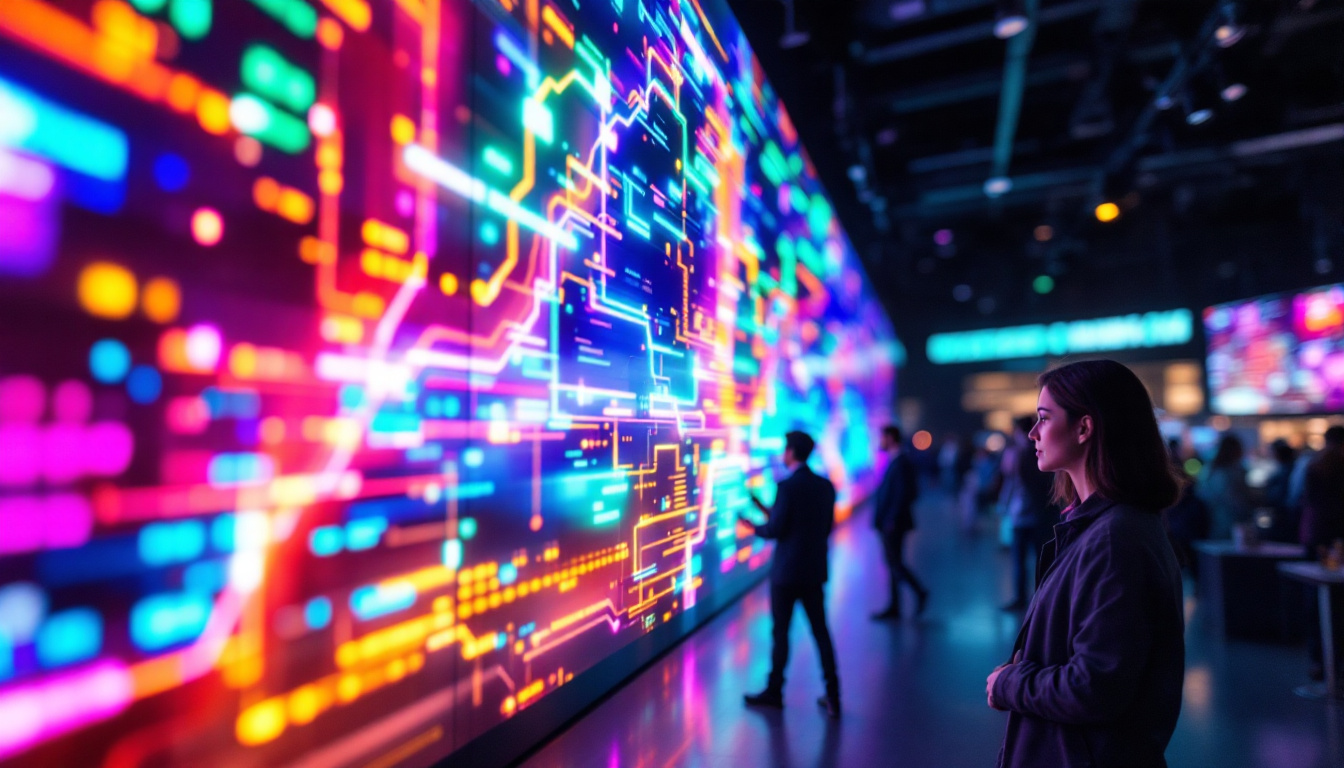
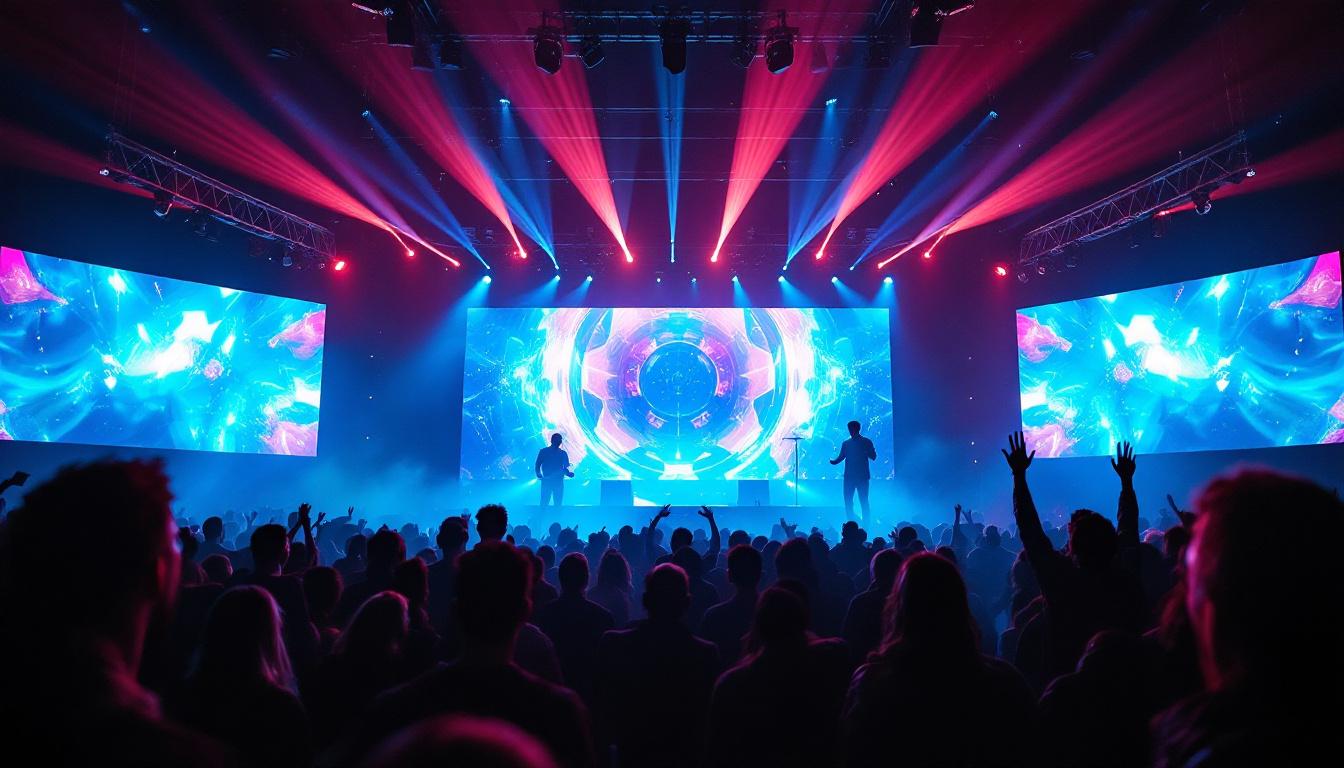
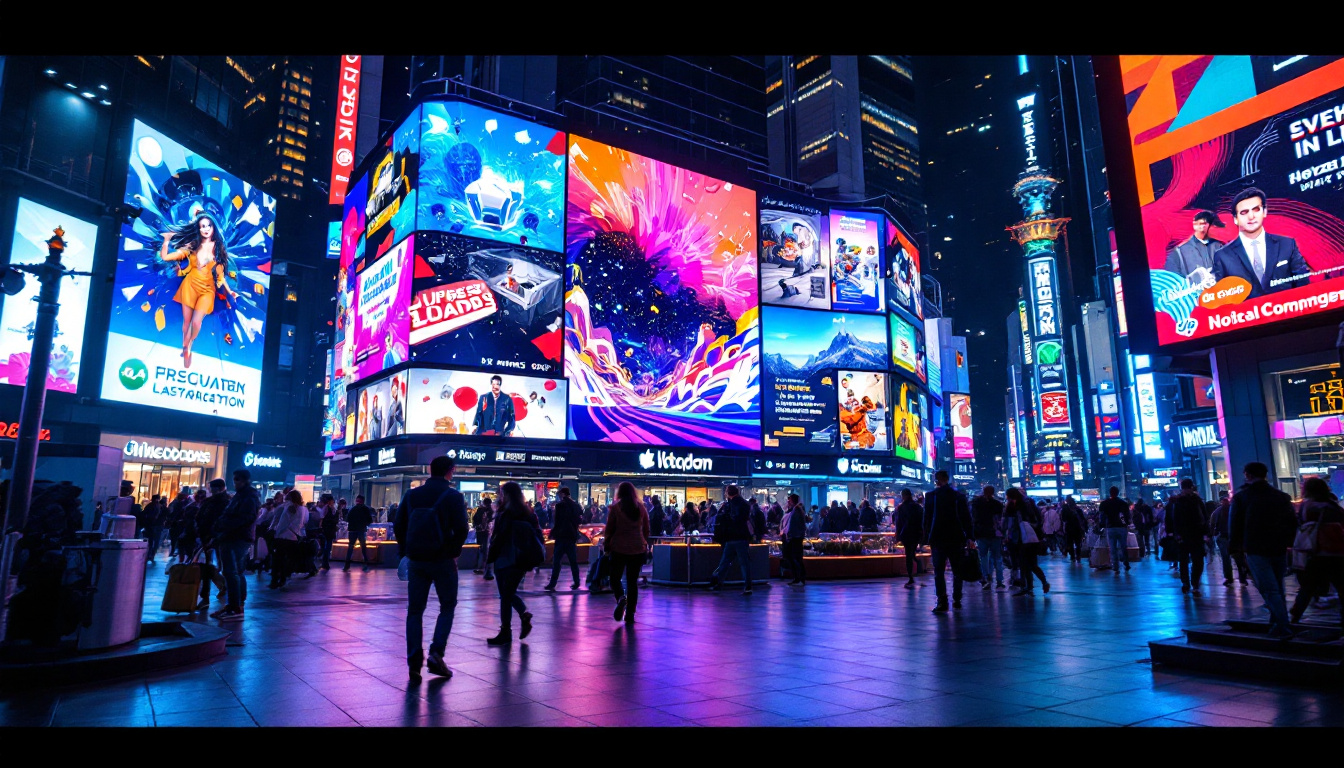
The term “Jumbotron” originally referred to a specific brand of large-screen video displays, but it has since become a generic term for giant LED screens used in public venues. These displays are composed of thousands of tiny LED modules that combine to create a seamless, high-resolution image visible from great distances.
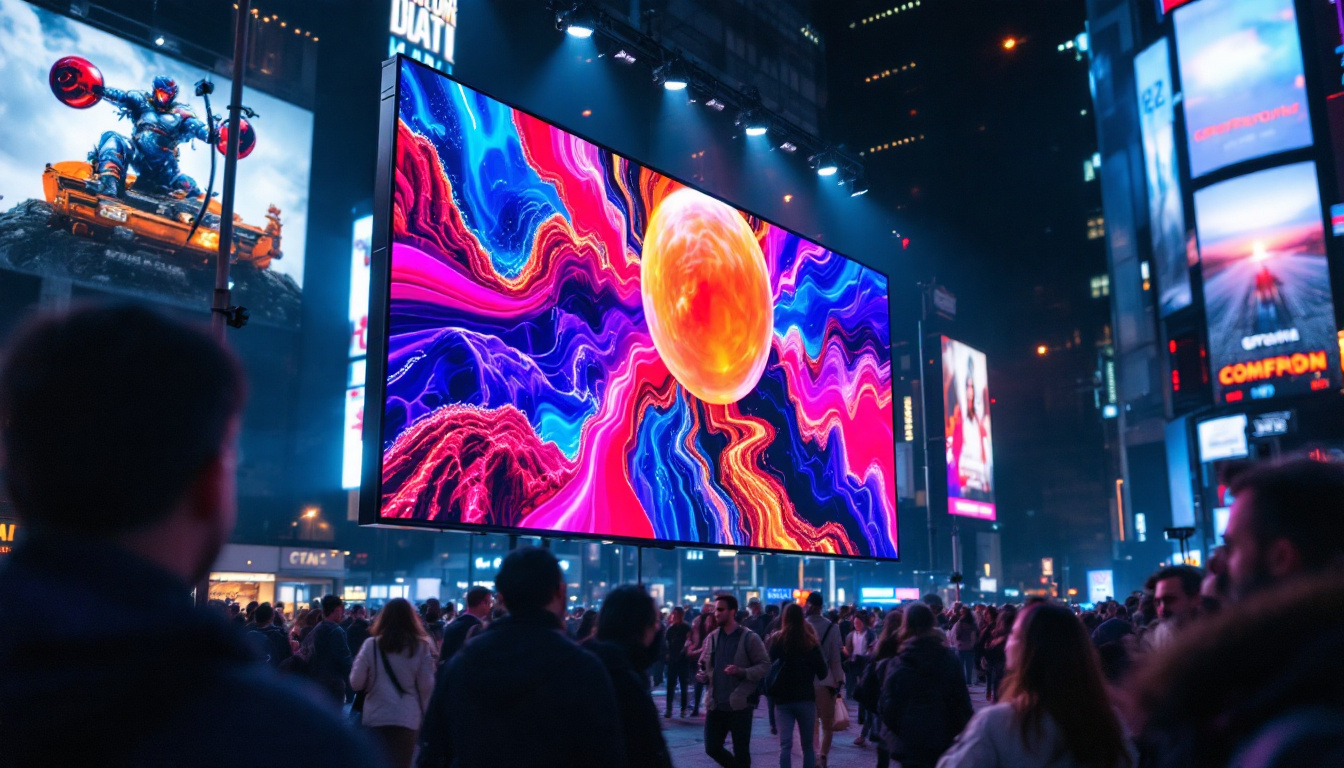
Unlike traditional LCD or projection screens, LED Jumbotrons use light-emitting diodes to produce bright, vibrant colors with excellent contrast. This technology allows them to perform well in various lighting conditions, including direct sunlight, making them ideal for outdoor use. Their ability to maintain clarity and color accuracy even in challenging environments has made them a popular choice for sporting events, concerts, and large public gatherings, where visibility is paramount.
Key Features of Jumbotron LED Displays
Jumbotron LED displays are characterized by several defining features:
- Size: Typically ranging from a few square meters to over 100 square meters, these screens can be customized to fit different venue sizes.
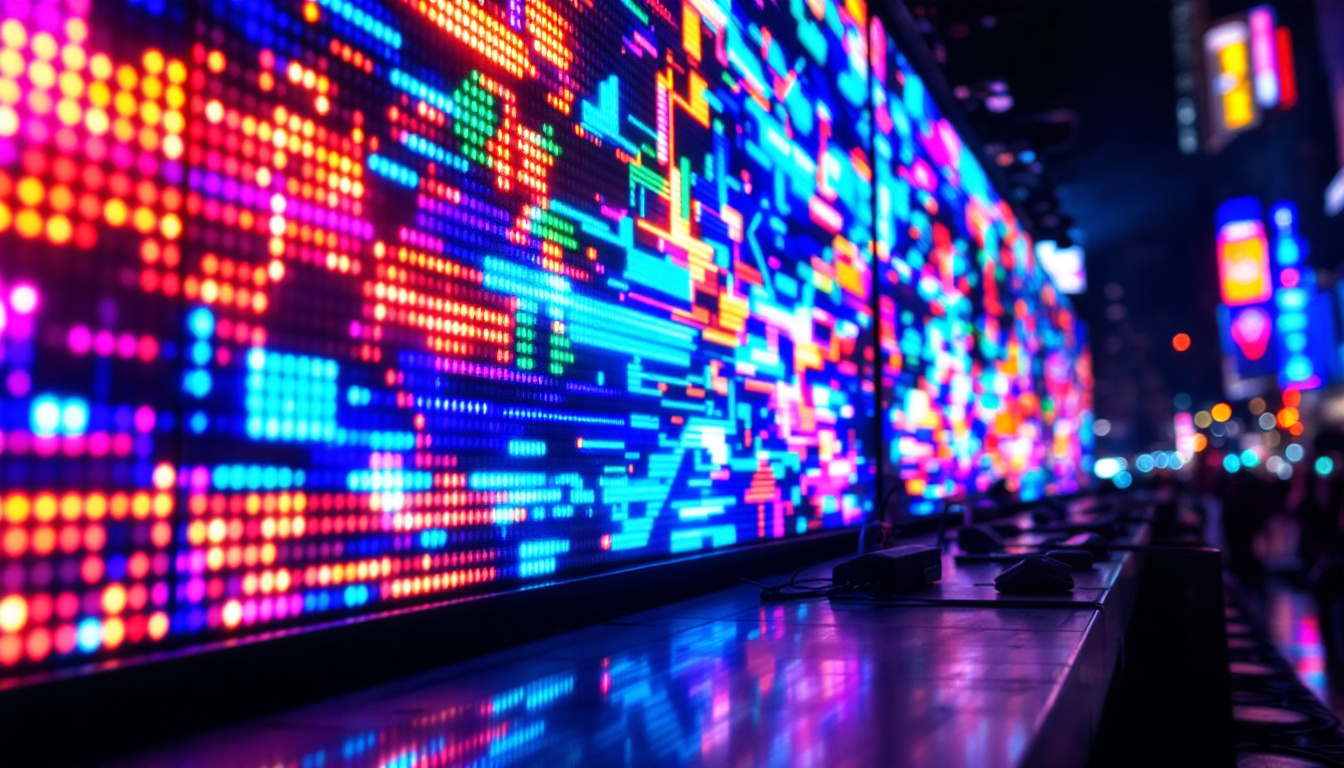
- Pixel Pitch: The distance between individual LEDs, measured in millimeters, which affects image clarity and viewing distance.
- Brightness: Measured in nits, Jumbotrons often exceed 5,000 nits to ensure visibility in bright daylight.
- Refresh Rate: High refresh rates reduce flicker and improve image smoothness, essential for live video broadcasts.
- Durability: Designed to withstand weather elements such as rain, wind, and dust for outdoor installations.
In addition to these features, Jumbotron LED displays often come equipped with advanced connectivity options, allowing for real-time updates and content management. This capability is particularly beneficial for venues that host a variety of events, as it enables them to switch between different types of content—such as advertisements, live feeds, and pre-recorded videos—seamlessly. Furthermore, many Jumbotrons support interactive features, allowing audiences to engage with the display through mobile devices or social media, enhancing the overall experience.
Another notable aspect of Jumbotron LED displays is their energy efficiency. Modern LED technology consumes significantly less power compared to older display technologies, which not only reduces operational costs but also contributes to environmental sustainability. Many manufacturers are now focusing on creating displays that are not only powerful in performance but also eco-friendly, incorporating materials and designs that minimize their carbon footprint. This trend is particularly important as public venues increasingly seek to align with green initiatives and promote sustainable practices.
Factors Influencing Jumbotron Price
The price of a Jumbotron LED display varies widely depending on several critical factors. Understanding these will help potential buyers evaluate options and budget effectively.
1. Screen Size and Resolution
Screen size is the most obvious factor affecting cost. Larger displays require more LED modules, which directly increases the material and manufacturing expenses. For example, a 10-square-meter screen will cost significantly less than a 100-square-meter installation. Additionally, the scale of the project can influence the overall pricing structure; bulk purchases often come with discounts, making it essential for buyers to assess their long-term needs and potential growth.
Resolution, determined by pixel pitch, also plays a major role. A smaller pixel pitch (e.g., 2mm) means more LEDs per square meter, resulting in sharper images but higher costs. Conversely, a larger pixel pitch (e.g., 10mm) reduces resolution and price but is suitable for viewing distances over 20 meters. This trade-off highlights the importance of considering the intended viewing environment—whether it’s a crowded stadium or a spacious convention hall—as it can significantly affect the viewer’s experience and the perceived value of the display.
2. Indoor vs. Outdoor Use
Outdoor Jumbotrons require additional features such as waterproofing, higher brightness levels, and robust casing to protect against weather conditions. These enhancements increase manufacturing complexity and cost. Indoor screens, while still expensive, generally have lower brightness requirements and less stringent durability needs. Furthermore, outdoor displays must meet specific regulatory standards for safety and visibility, which can further complicate the design and installation process. Understanding these distinctions is crucial for buyers to ensure they select a display that meets their environmental demands without overspending on unnecessary features.
3. Technology and Components Quality
The quality of LEDs, power supplies, control systems, and cooling mechanisms influences both performance and price. Premium brands offering superior color accuracy, longevity, and energy efficiency tend to command higher prices. Cheaper alternatives may save upfront costs but can lead to higher maintenance expenses and shorter lifespans. Additionally, the integration of advanced technologies such as HDR (High Dynamic Range) and AI-driven content management systems can enhance the display’s capabilities, allowing for more dynamic and engaging presentations. Buyers should weigh the benefits of these technologies against their budget constraints to make informed decisions.
4. Installation and Maintenance Costs
Installation complexity varies based on the screen’s size, location, and mounting structure. Large outdoor Jumbotrons may require cranes, scaffolding, and specialized labor, adding thousands to the overall project cost. Additionally, ongoing maintenance, including cleaning, repairs, and software updates, should be factored into the total cost of ownership. Regular maintenance is essential for ensuring optimal performance and longevity of the display; thus, buyers should consider service contracts that can help mitigate unexpected repair costs in the future. Understanding the total cost of ownership, including installation and maintenance, is vital for making a sound investment.
5. Customization and Additional Features
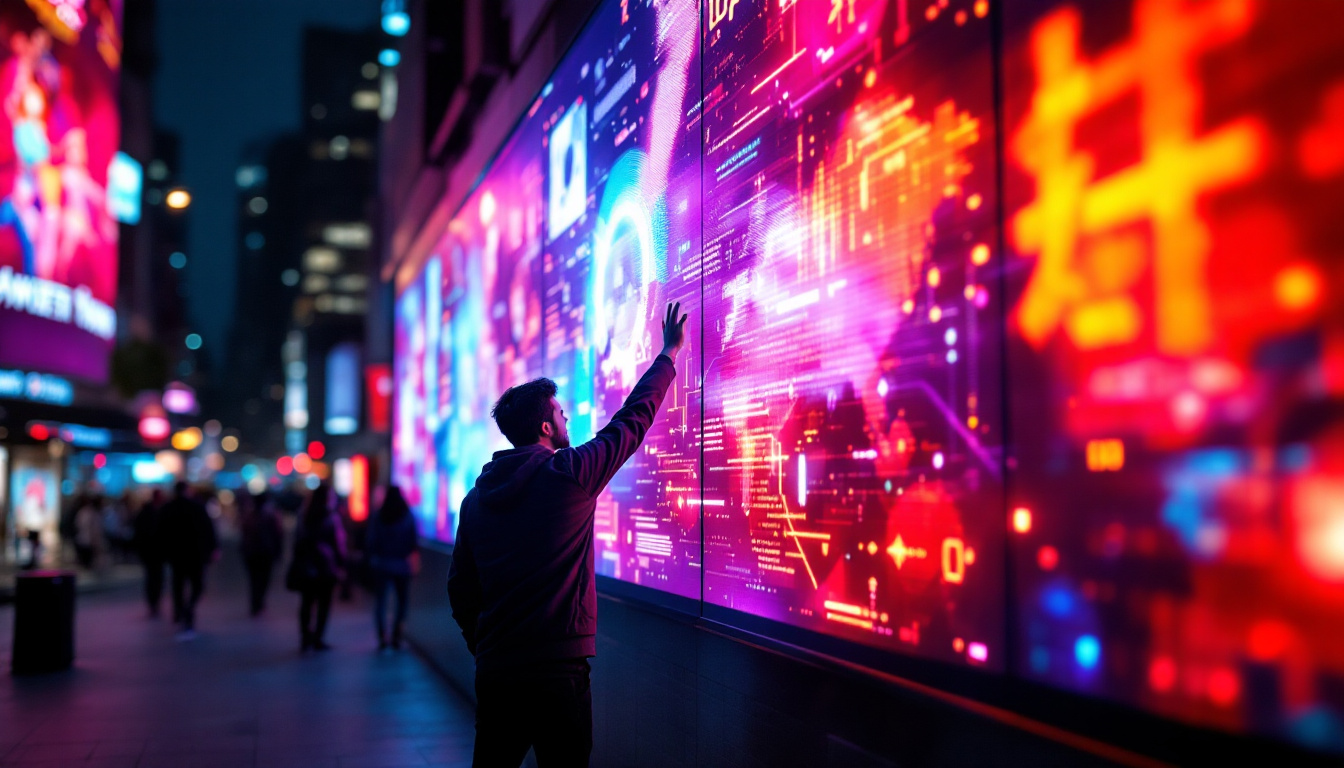
Many buyers require custom shapes, curved screens, or interactive capabilities such as touch sensors or integrated cameras. These customizations increase design and production costs. Similarly, advanced control software, remote monitoring, and integration with other media systems also add to the price. Beyond aesthetics, these features can significantly enhance audience engagement and interaction, making them valuable investments for venues looking to create memorable experiences. Buyers should carefully evaluate their specific needs and how these additional functionalities can align with their marketing and communication strategies, ensuring that the investment yields the desired impact.
Typical Price Ranges for Jumbotron LED Displays
Given the diversity of Jumbotron configurations, prices can vary dramatically. Below is a general overview of price ranges based on typical specifications and use cases.
Small to Medium Indoor Jumbotrons
For indoor applications such as conference halls, retail stores, or smaller event venues, Jumbotron LED displays typically range from 5 to 20 square meters with pixel pitches between 2mm and 4mm. Prices for these setups generally fall between $10,000 and $100,000.
These screens offer high resolution suitable for close viewing distances and can be installed on walls or hanging mounts. They are ideal for digital signage, presentations, and indoor advertising.
Large Indoor and Outdoor Jumbotrons
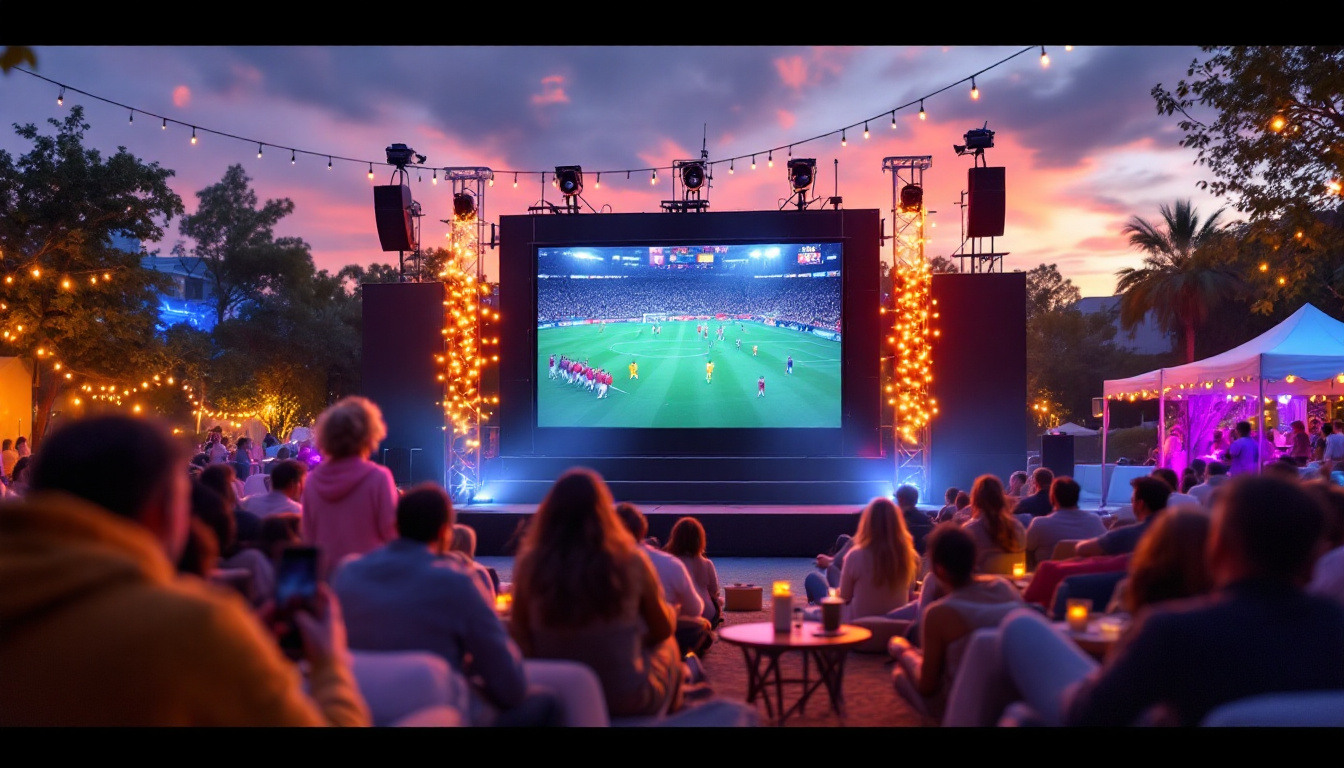
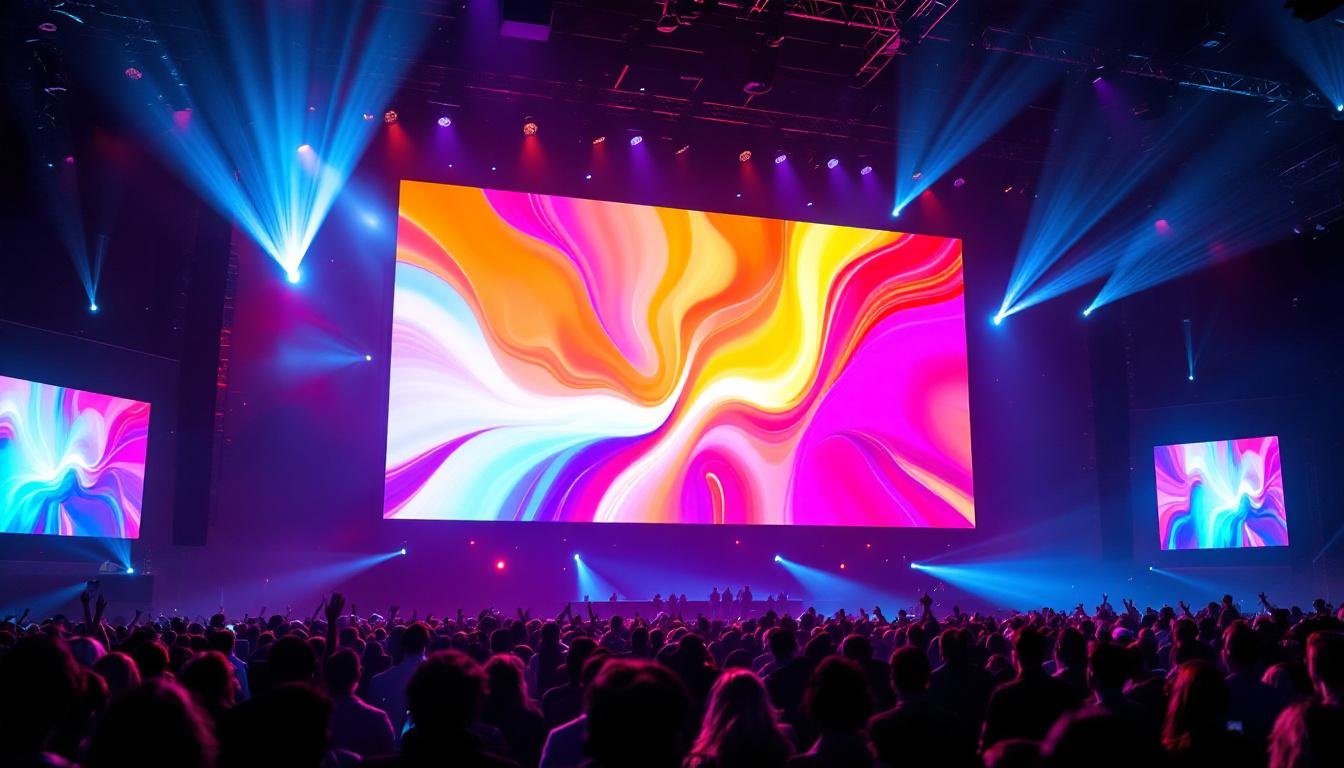
Outdoor stadiums, concert venues, and large public spaces often require screens exceeding 50 square meters with pixel pitches between 4mm and 10mm. These Jumbotrons are built to withstand weather and provide visibility from hundreds of meters.
Prices for such installations typically range from $100,000 to $1 million or more, depending on size, resolution, and additional features. For example, a 100-square-meter outdoor Jumbotron with a 6mm pixel pitch can easily cost around $500,000, including installation.
Ultra-Large and Custom Jumbotrons
Some venues demand massive, custom-designed Jumbotrons spanning several hundred square meters. These projects often involve curved or irregular shapes, interactive elements, and cutting-edge technology.
Costs for these ultra-large displays can reach several million dollars. For instance, the Jumbotron at a major sports stadium might cost $2 million to $5 million, factoring in design, manufacturing, installation, and ongoing support.
How to Evaluate Jumbotron LED Display Suppliers
Choosing the right supplier is crucial to ensure quality, reliability, and value for money. Here are key considerations when evaluating vendors:
Experience and Reputation
Look for suppliers with a proven track record in delivering Jumbotron projects similar in scale and complexity to your requirements. Customer testimonials, case studies, and industry certifications can provide valuable insights into their capabilities.
Technical Support and Warranty
Given the investment involved, comprehensive warranty coverage and responsive technical support are essential. Some suppliers offer extended warranties and service contracts that cover maintenance and repairs, which can save significant future costs.
Customization and Flexibility
A good supplier should be able to tailor the display to your specific needs, including size, shape, resolution, and integration with other systems. Flexibility in design and project management helps ensure the final product meets your expectations.
Delivery and Installation Services
Check whether the supplier provides turnkey solutions, including delivery, installation, and commissioning. Coordinating these services through a single vendor can simplify project management and reduce risks.
Emerging Trends Impacting Jumbotron Prices
As LED technology evolves, several trends are shaping the future of Jumbotron displays and influencing their pricing dynamics.
Mini-LED and Micro-LED Innovations
Advances in Mini-LED and Micro-LED technology promise higher resolution, improved brightness, and greater energy efficiency. While currently more expensive, these technologies are expected to become more affordable, potentially increasing upfront costs but reducing long-term operational expenses.
Smart and Interactive Displays
Integration of AI, sensors, and interactive features is becoming more common, enabling dynamic content and enhanced audience engagement. These capabilities add value but also increase complexity and cost.
Sustainability and Energy Efficiency
Environmental concerns are driving demand for energy-efficient LED displays with recyclable components. Sustainable designs may have higher initial costs but offer savings through reduced power consumption and compliance with regulations.
Conclusion: Making an Informed Investment
Investing in a Jumbotron LED display is a significant decision that requires careful consideration of technical specifications, intended use, and budget constraints. Understanding the factors that influence price—from screen size and resolution to installation and maintenance—empowers buyers to choose the right solution for their needs.
By partnering with reputable suppliers and staying informed about emerging technologies, organizations can maximize the impact of their Jumbotron displays while ensuring a sound return on investment. Whether for advertising, entertainment, or information dissemination, a well-chosen Jumbotron LED display can transform any venue into a captivating visual experience.
Discover LumenMatrix’s Advanced LED Display Solutions
Ready to elevate your venue with a high-impact Jumbotron LED display? LumenMatrix is at the forefront of LED display innovation, offering a diverse range of solutions tailored to your unique needs. From vibrant Indoor and Outdoor LED Wall Displays to dynamic Vehicle and Sports LED Displays, our technology is designed to captivate and engage your audience. Embrace the future of visual communication with our Custom, All-in-One, and Transparent LED Displays. Check out LumenMatrix LED Display Solutions today and transform your space into a mesmerizing visual experience.