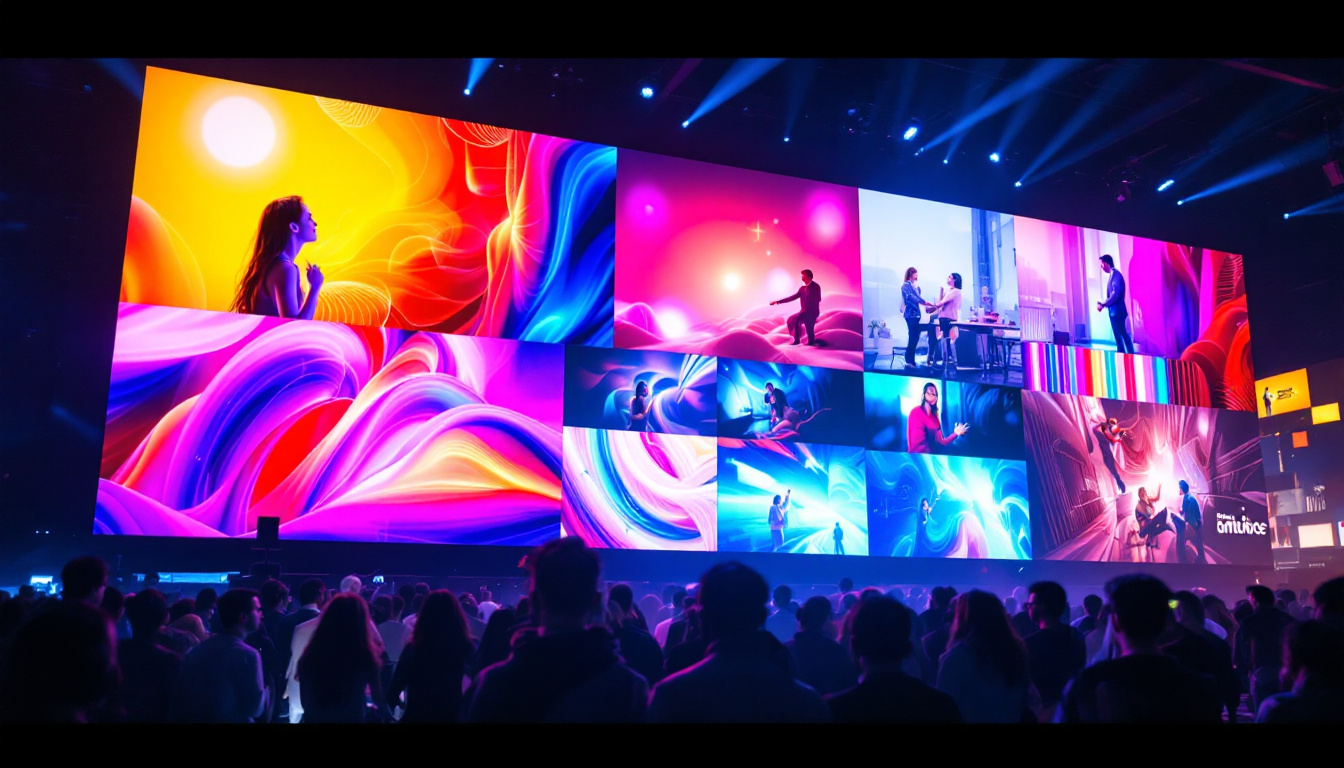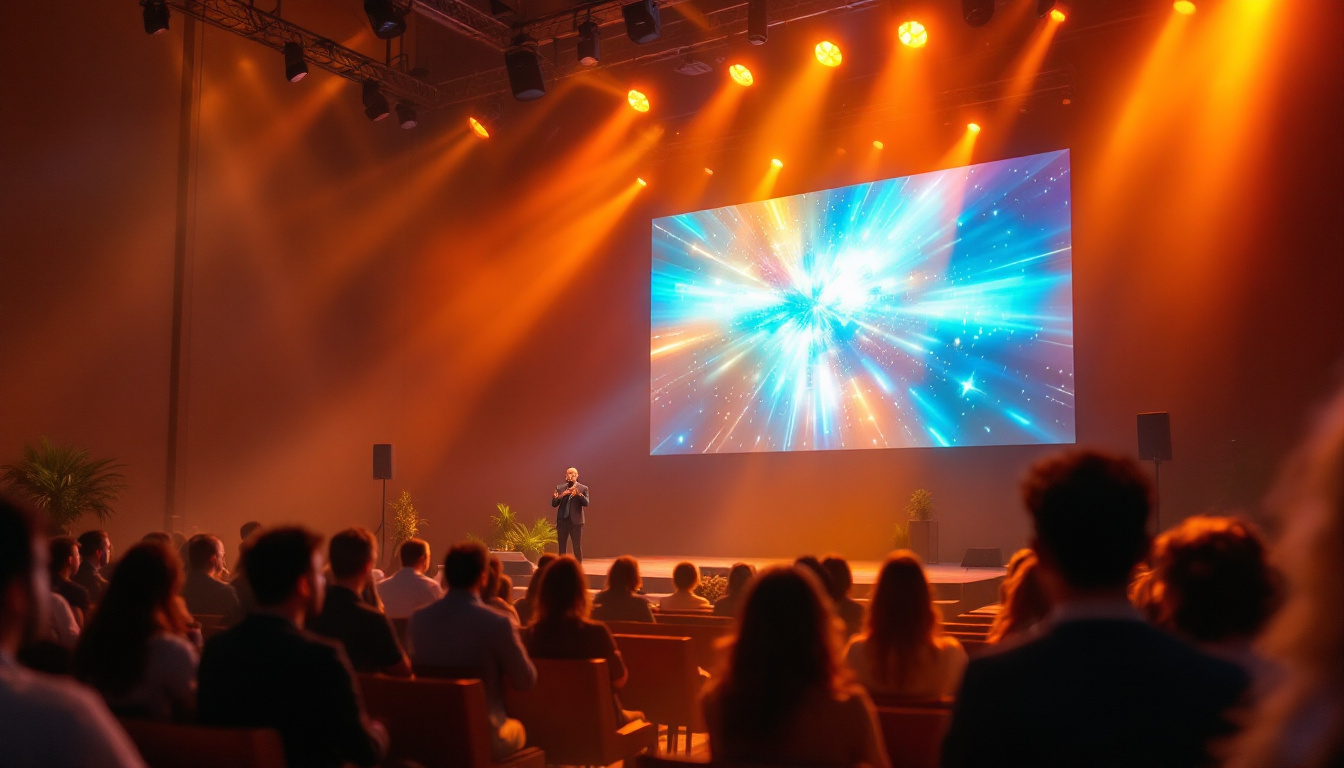
In the world of modern sports and live events, stadiums have evolved far beyond just seating thousands of spectators. One of the most transformative innovations has been the introduction of large-scale LED displays, which have revolutionized how fans experience games and concerts. These vibrant, dynamic screens not only provide real-time information but also enhance the atmosphere, engage audiences, and create new revenue opportunities. This article delves into the technology behind stadium LED displays, their benefits, types, and future trends shaping the fan experience.
Understanding LED Technology in Stadium Screens
LED, or Light Emitting Diode, technology is at the core of modern stadium displays. Unlike traditional screens that rely on backlighting, LED screens consist of millions of tiny diodes that emit light individually. This self-illumination allows for brighter, sharper images that are visible even in direct sunlight, a critical feature for outdoor stadiums.
The fundamental advantage of LEDs is their energy efficiency and longevity. Stadium screens operate for hours during events and must withstand harsh weather conditions. LEDs consume less power than older display technologies such as LCD or projection systems, reducing operational costs and environmental impact.
How LED Displays Work
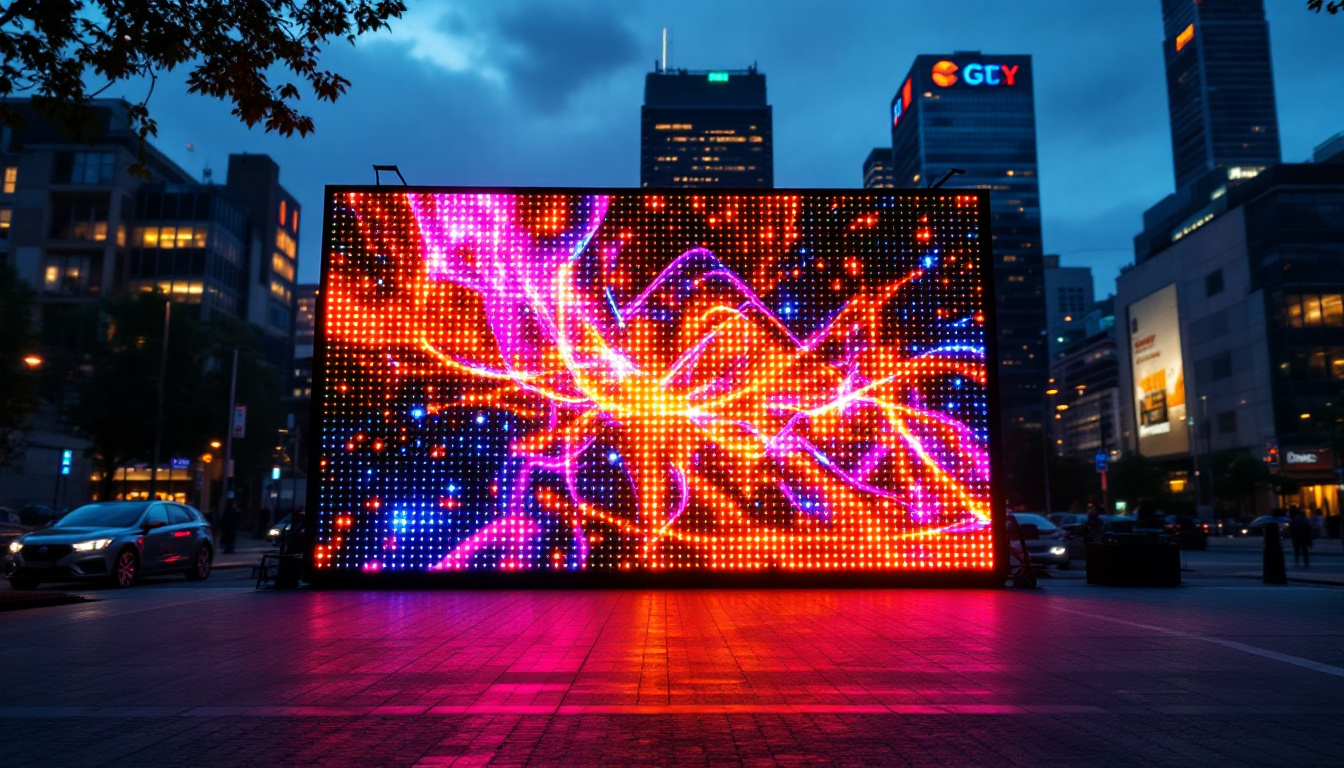
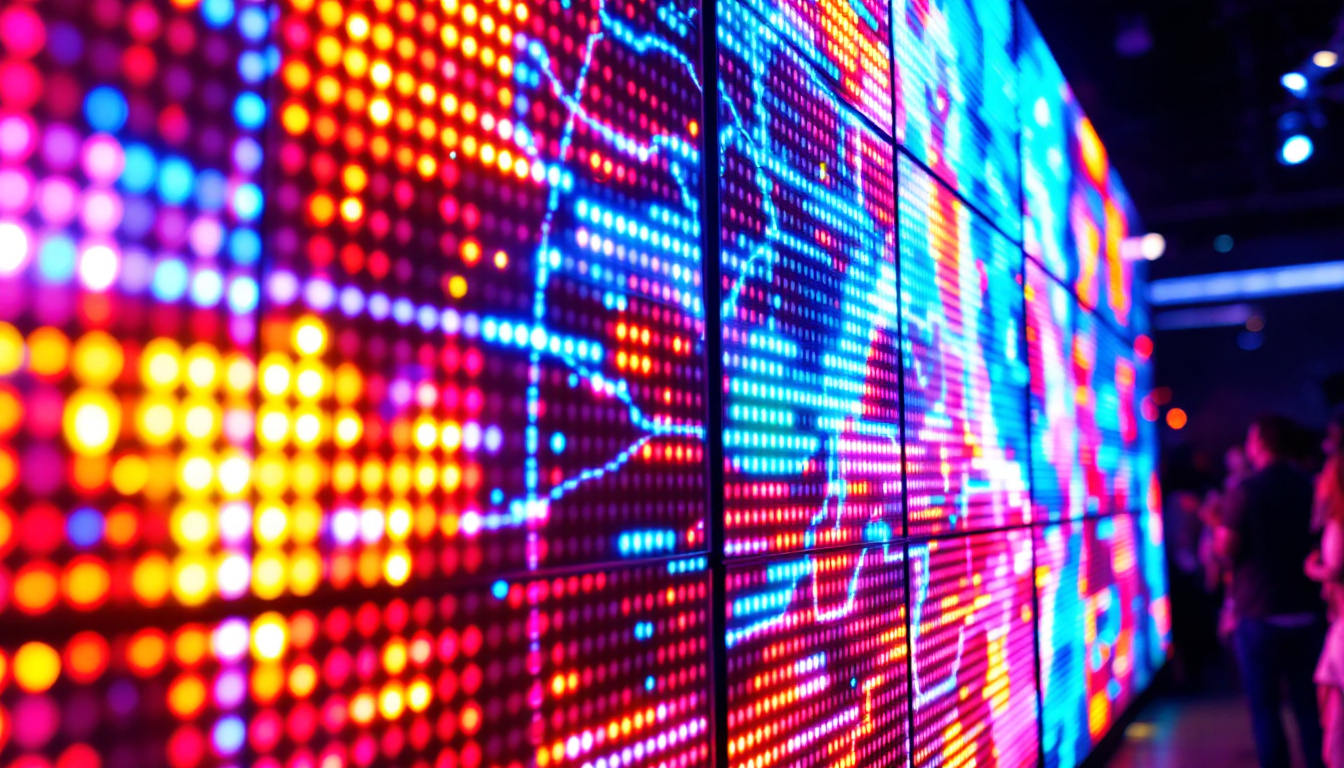
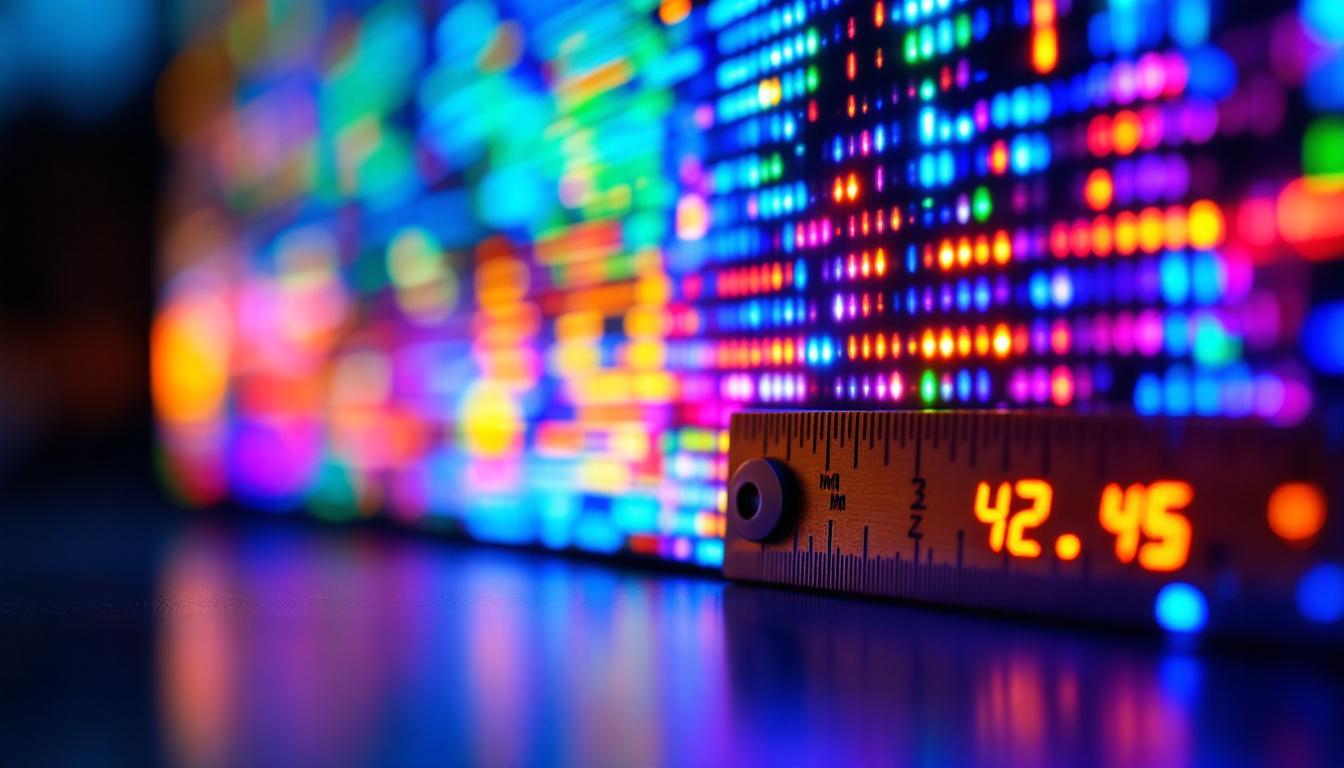
Each LED pixel is made up of red, green, and blue diodes, which combine to produce a full spectrum of colors. By adjusting the intensity of each diode, the display can render millions of colors, creating vivid images and videos. These pixels are arranged in a grid, and the density of these pixels is measured in pixel pitch—the distance between the centers of two adjacent pixels.
A smaller pixel pitch means higher resolution and greater image clarity, which is especially important for viewers seated close to the screen. Stadiums often use a pixel pitch ranging from 3mm to 10mm depending on the size of the screen and viewing distance.
Moreover, the versatility of LED technology extends beyond just displaying live sports events. Stadium screens are increasingly used for interactive fan engagement, showcasing real-time statistics, player profiles, and social media feeds. This dynamic content not only enhances the spectator experience but also fosters a sense of community among fans, as they can see their posts and reactions displayed prominently during the game. Additionally, many venues are incorporating augmented reality features, allowing fans to interact with the content in innovative ways, such as virtual replays or animated graphics that enhance the action on the field.
Another notable aspect of LED technology is its adaptability to various environmental conditions. Many stadiums are now equipped with weather-resistant LED screens that can endure rain, snow, and extreme temperatures. This durability ensures that the displays remain operational throughout the year, providing value to the venue even during off-peak seasons. Furthermore, advancements in LED technology have led to the development of flexible and transparent displays, opening up new possibilities for creative installations and architectural designs that can blend seamlessly into the stadium’s aesthetic.
Types of Stadium LED Displays
Stadiums utilize various types of LED displays tailored to their specific needs. The most common include:
Jumbotron and Video Boards
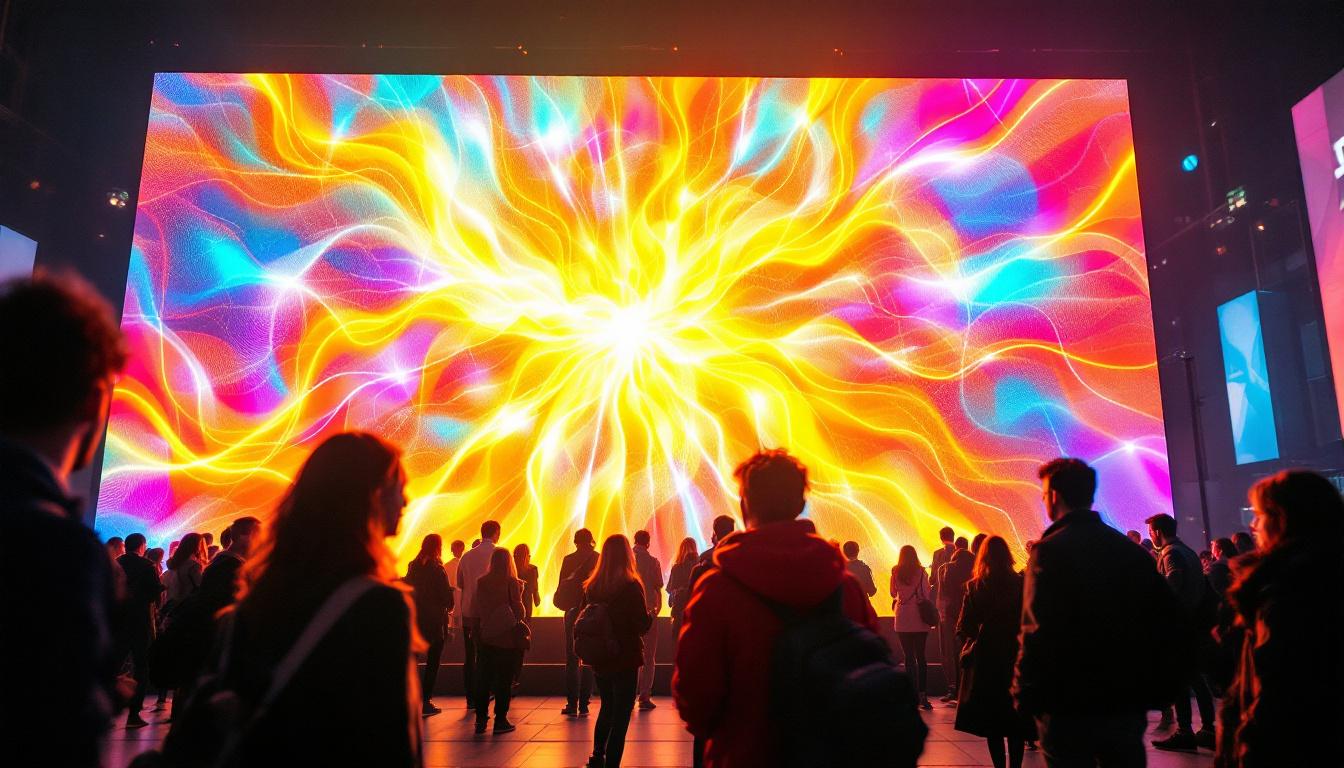
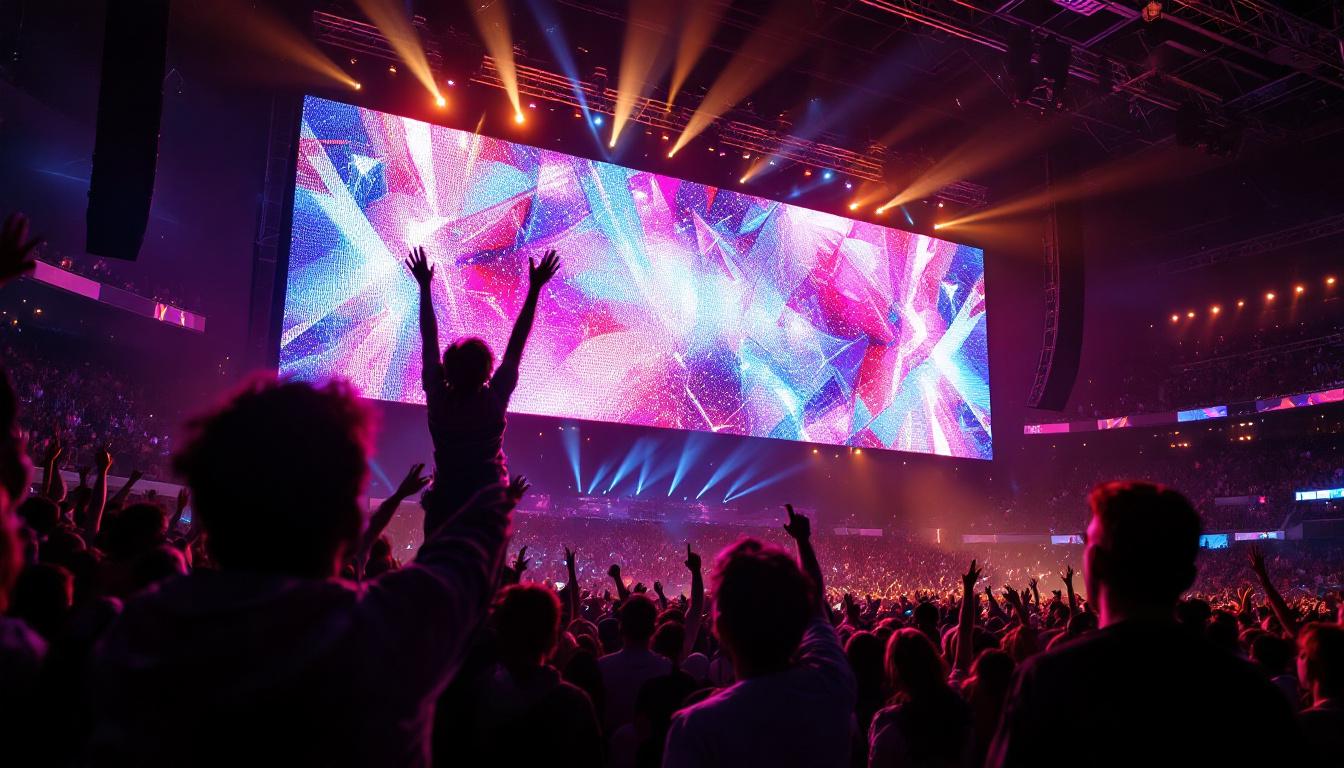
Jumbotrons are large video screens typically placed at either end of the stadium or above stands. They display live footage, replays, advertisements, and interactive content. These boards are designed to be visible from all angles and distances, often exceeding 100 square meters in size.
For example, the AT&T Stadium in Texas features one of the largest high-definition video boards in the world, measuring 160 feet wide and 72 feet tall. Such massive displays create an immersive viewing experience, bringing fans closer to the action. The technology behind these screens has evolved significantly, with advancements in resolution and brightness that enhance visibility even in bright daylight. This ensures that every fan, regardless of their seat location, can enjoy the same high-quality viewing experience, making the game more engaging and exciting.
Ribbon Boards
Ribbon boards are long, narrow LED strips that encircle the stadium, usually located above the lower seating tiers. They are primarily used for displaying scores, statistics, advertisements, and dynamic graphics. Their continuous format allows for real-time updates and interactive fan engagement. These boards can also be programmed to display messages from fans, creating a sense of community and involvement during the game. Additionally, they often feature animations and vibrant colors that can enhance the atmosphere, especially during key moments of the event, such as touchdowns or home runs.
Advertising and Perimeter Displays
Many stadiums incorporate LED displays around the field perimeter or in concourse areas. These screens serve dual purposes: enhancing the visual appeal of the venue and generating advertising revenue. The flexibility of LED technology allows for quick content changes, enabling multiple advertisers to share the space during a single event. This adaptability is crucial for maximizing revenue, as advertisers can target specific demographics based on the event type and audience present. Furthermore, perimeter displays can also be used to showcase fan-generated content, such as social media posts or live polls, further enhancing the interactive experience and encouraging fan participation.
In addition to their advertising capabilities, these displays can also serve as informational boards, providing fans with essential updates on game statistics, player information, and even safety announcements. This dual functionality not only keeps the audience informed but also adds to the overall excitement and engagement of the event. As technology continues to advance, we can expect to see even more innovative uses for these displays, further transforming the way fans experience live sports.
Benefits of LED Displays in Stadiums
The adoption of LED screens in stadiums has brought numerous advantages, both for venue operators and fans.
Enhanced Fan Engagement
LED displays transform passive spectators into active participants. Real-time replays, player statistics, fan messages, and interactive games displayed on the big screen keep the audience entertained during breaks, increasing overall satisfaction.
Moreover, social media integration allows fans to see their posts or photos on the screen, creating a sense of community and involvement. This interactive approach has been shown to increase fan loyalty and repeat attendance.
Improved Visibility and Accessibility
Large LED screens ensure that every fan, regardless of seat location, can follow the game closely. This is particularly important in massive stadiums where some seats are far from the field. High-resolution LED displays provide crisp visuals that help viewers catch every detail, from close-up shots to scoreboard updates.
Revenue Generation Opportunities
Advertising on stadium LED screens has become a lucrative revenue stream. Brands are willing to pay premium rates for exposure to thousands of live attendees and millions of viewers watching broadcasts. Dynamic content allows for targeted advertising, maximizing the value of each ad slot.
Additionally, LED displays enable stadiums to host a wider variety of events, including concerts and corporate gatherings, by providing versatile visual backdrops that can be customized to each occasion.
Technical Considerations for Stadium LED Installations
Implementing LED displays in stadiums requires careful planning and technical expertise to ensure optimal performance.
Brightness and Weather Resistance
Outdoor stadium screens must maintain high brightness levels to remain visible under direct sunlight. Typical brightness ratings for outdoor LED displays range from 5,000 to 8,000 nits, significantly higher than indoor screens. Additionally, these displays must be weatherproof, capable of withstanding rain, wind, dust, and temperature fluctuations.
Viewing Angles and Color Accuracy
Since stadium audiences are spread across vast areas, LED screens need wide viewing angles to maintain image quality from different perspectives. Modern LED modules are designed to offer viewing angles of up to 160 degrees horizontally and vertically.
Color accuracy is also critical, especially for broadcasting purposes and brand representation. Calibration tools and software are used to maintain consistent color output across the entire display.
Maintenance and Durability
Given their size and exposure, stadium LED screens require regular maintenance to ensure longevity. Modular designs allow for easy replacement of faulty panels without dismantling the entire screen. Additionally, many stadiums employ remote monitoring systems to detect and address issues proactively.
Future Trends in Stadium LED Displays
The technology behind stadium LED displays continues to advance, promising even more immersive and interactive experiences for fans.
Higher Resolutions and Flexible Displays
As LED technology improves, pixel pitches are shrinking, enabling ultra-high-definition screens even in large formats. This trend allows for more detailed graphics and smoother video playback. Flexible and curved LED panels are also becoming more common, enabling creative screen shapes that enhance the aesthetics and functionality of stadiums.
Integration with Augmented Reality (AR) and Artificial Intelligence (AI)
Emerging technologies like AR and AI are being integrated with LED displays to create personalized and context-aware content. For instance, AI-driven analytics can tailor advertisements based on audience demographics or game situations, while AR overlays can provide additional information during live broadcasts.
Energy Efficiency and Sustainability
With growing environmental concerns, stadiums are adopting more energy-efficient LED solutions coupled with solar power and smart energy management systems. These initiatives reduce the carbon footprint of large-scale displays and align with broader sustainability goals.
Conclusion
LED displays have become an indispensable part of the modern stadium experience, enhancing fan engagement, improving visibility, and opening new revenue streams. Their versatility, durability, and visual impact make them ideal for the dynamic environment of sports and entertainment venues. As technology continues to evolve, stadium LED screens will play an even more significant role in shaping how fans connect with live events, creating unforgettable moments both on and off the field.
Illuminate Your Stadium Experience with LumenMatrix
Ready to elevate your venue’s atmosphere and fan engagement to the next level? Discover LumenMatrix’s innovative LED display solutions, designed to transform any stadium into a vibrant hub of excitement and interaction. From the roar of the crowd to the clarity of each replay, our cutting-edge technology ensures every moment is captured in stunning detail. Whether you’re looking for Indoor LED Walls, Outdoor Displays, or Custom LED Solutions tailored to your unique needs, LumenMatrix is your partner in creating unforgettable visual experiences. Check out LumenMatrix LED Display Solutions today and bring your stadium’s vision to life.