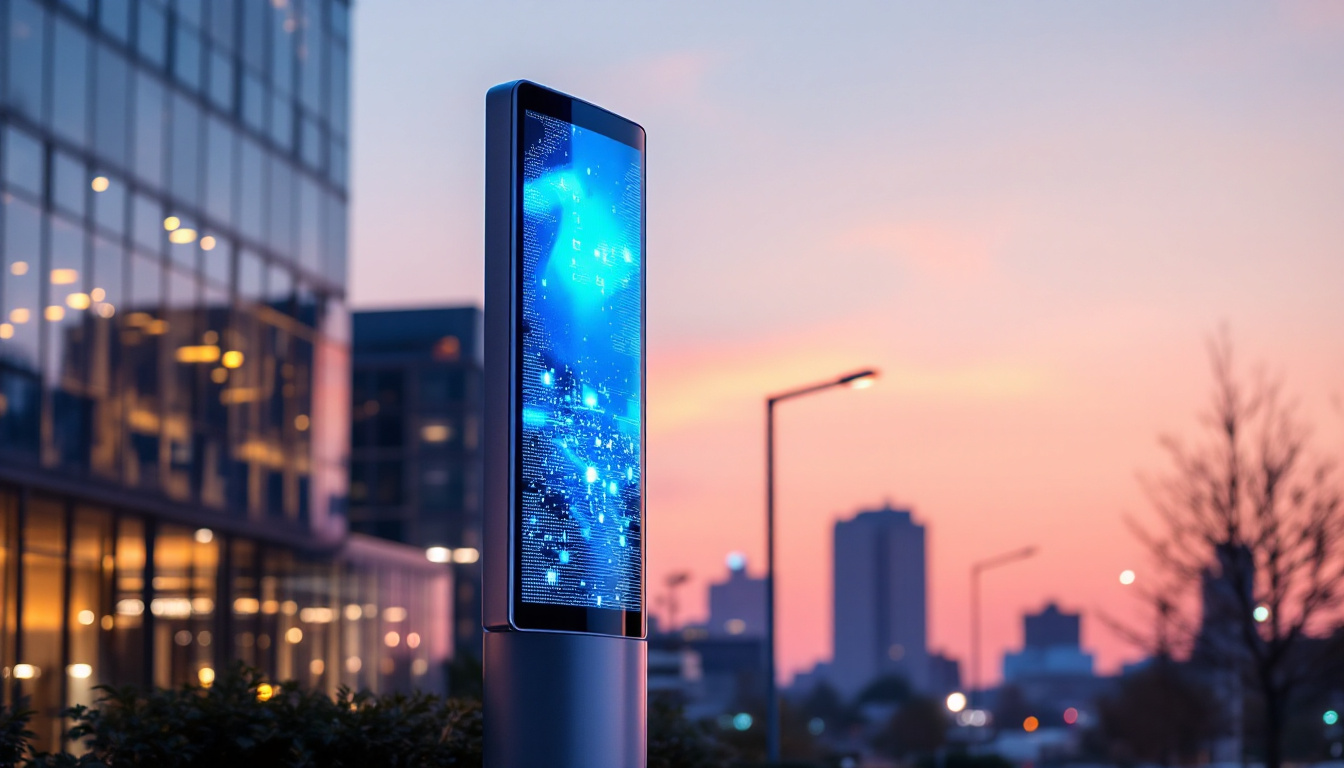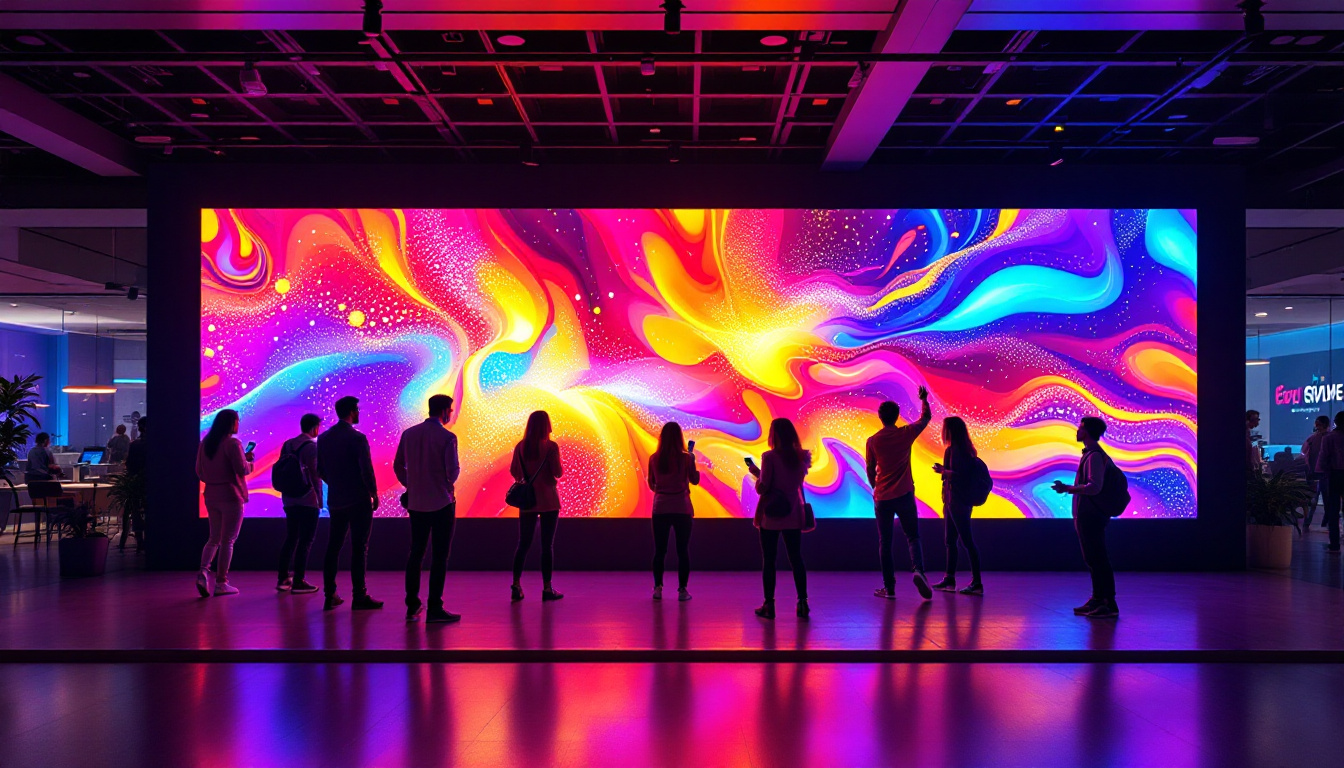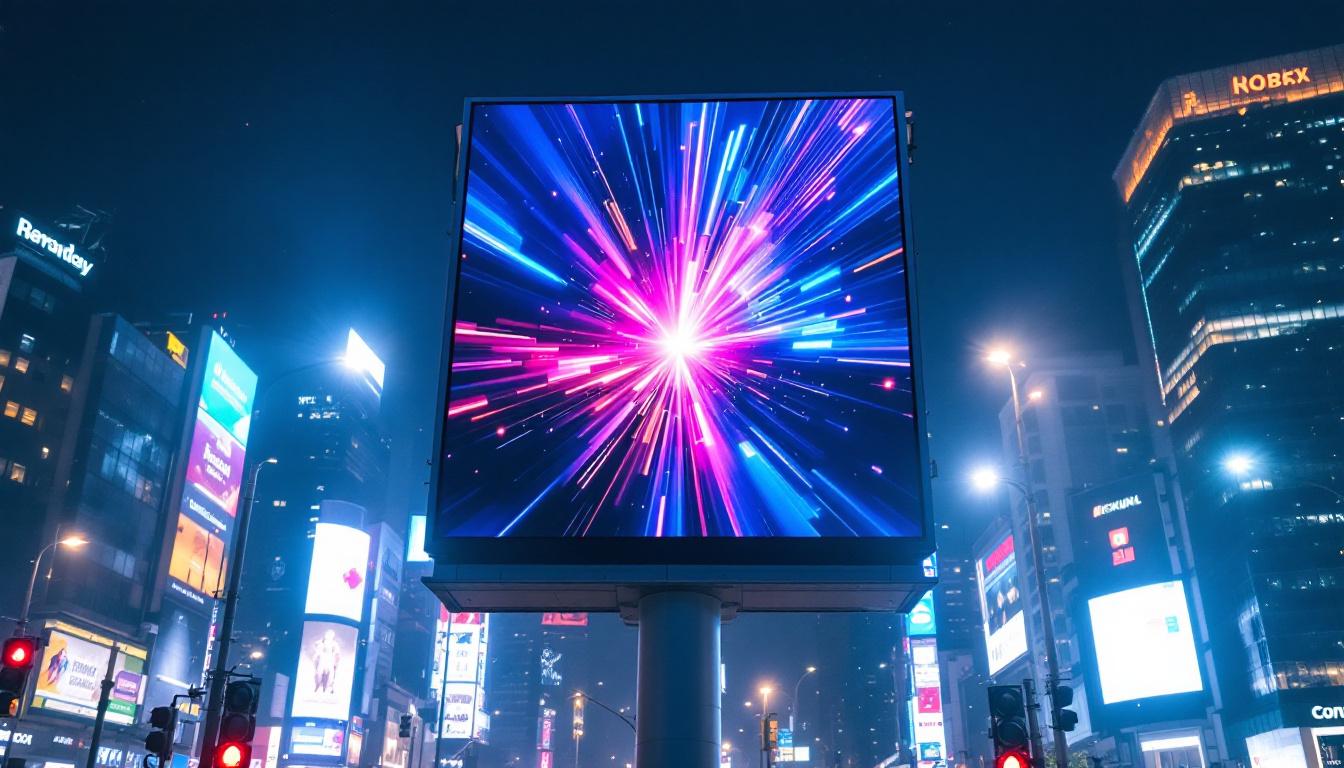
In an era where advertising is increasingly dynamic and visually captivating, digital billboards have become a cornerstone of outdoor marketing strategies. At the heart of these vibrant displays lies LED technology, which has revolutionized how brands communicate with audiences in public spaces. This article delves into the world of digital billboard manufacturers and provides a comprehensive explanation of LED displays, their technology, manufacturing considerations, and the impact on advertising effectiveness.
Understanding LED Technology in Digital Billboards
What is an LED Display?
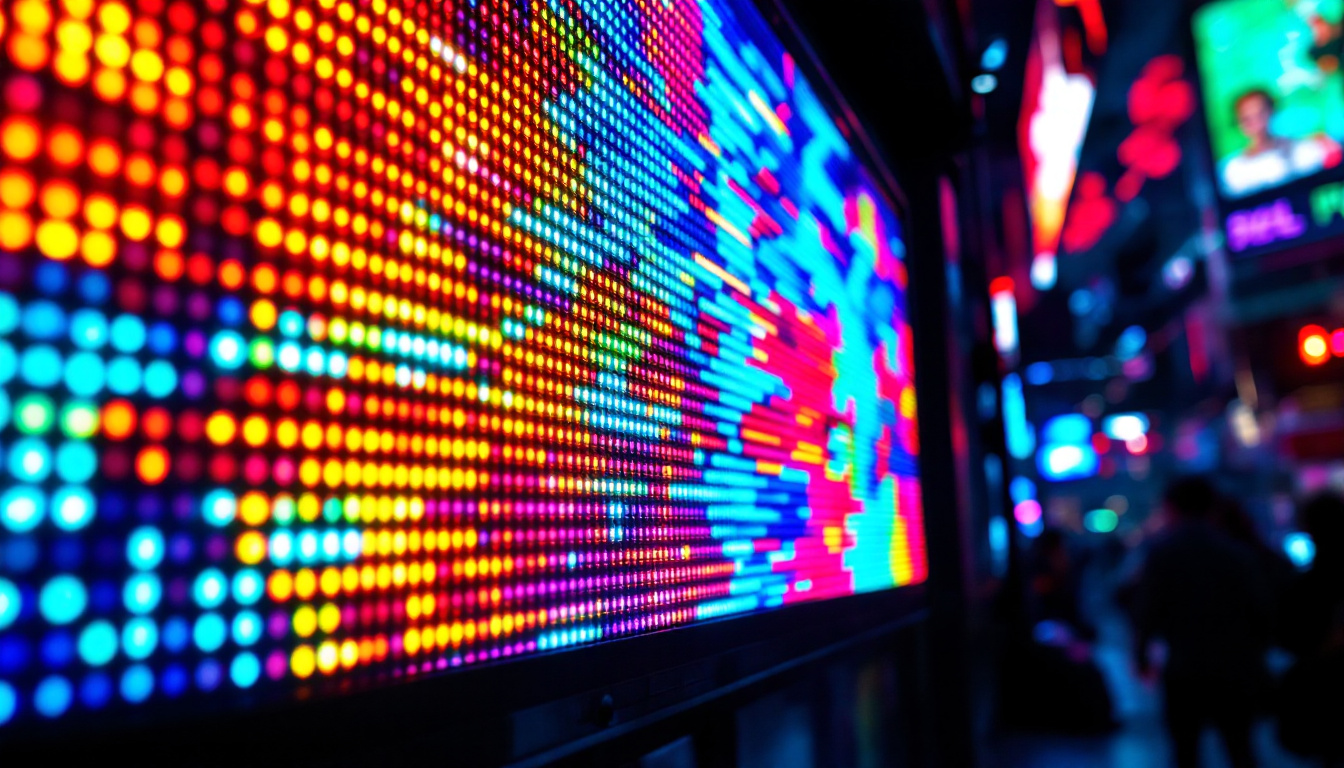
LED stands for Light Emitting Diode, a semiconductor device that emits light when an electric current passes through it. In digital billboards, thousands or even millions of these tiny LEDs are arranged in a matrix to create images and videos visible from great distances. Unlike traditional static billboards, LED displays can change content dynamically, offering advertisers unparalleled flexibility. This capability allows for real-time updates, making it possible to promote time-sensitive offers or display multiple advertisements in a single location, maximizing the impact of the advertising space.
Each LED can emit red, green, or blue light, and by adjusting the intensity of these three colors, the display can produce a full spectrum of colors. This RGB color mixing is fundamental to the vividness and clarity that LED billboards are known for. Additionally, advancements in LED technology have led to improved energy efficiency and longer lifespans, making them not only a visually appealing option but also a more sustainable choice for advertisers looking to reduce their carbon footprint.
Types of LED Displays Used in Billboards
There are several types of LED displays that manufacturers use depending on the application and viewing environment:
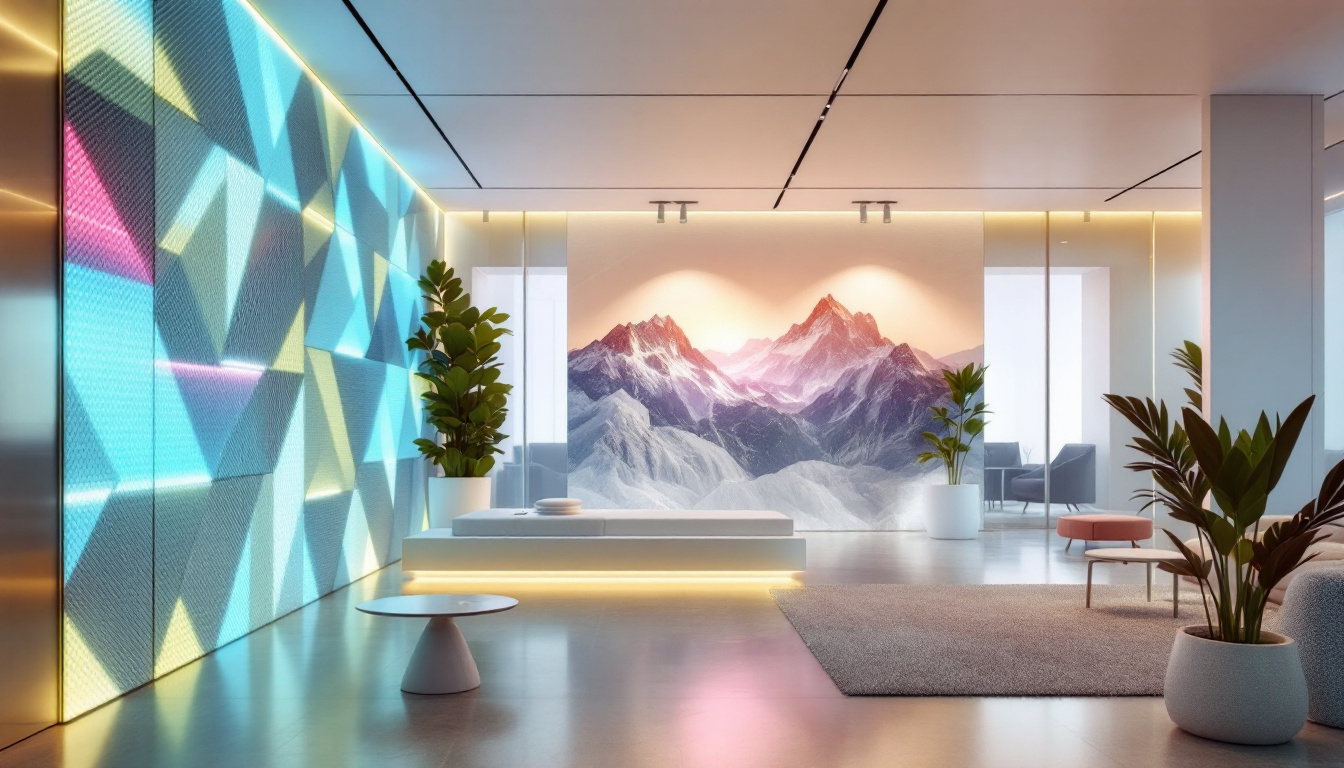
- Indoor LED Displays: Designed for controlled lighting environments, these displays have higher pixel density and brightness suited for close viewing distances. They are often used in arenas, shopping malls, and corporate settings to provide high-quality visuals in a more intimate setting.
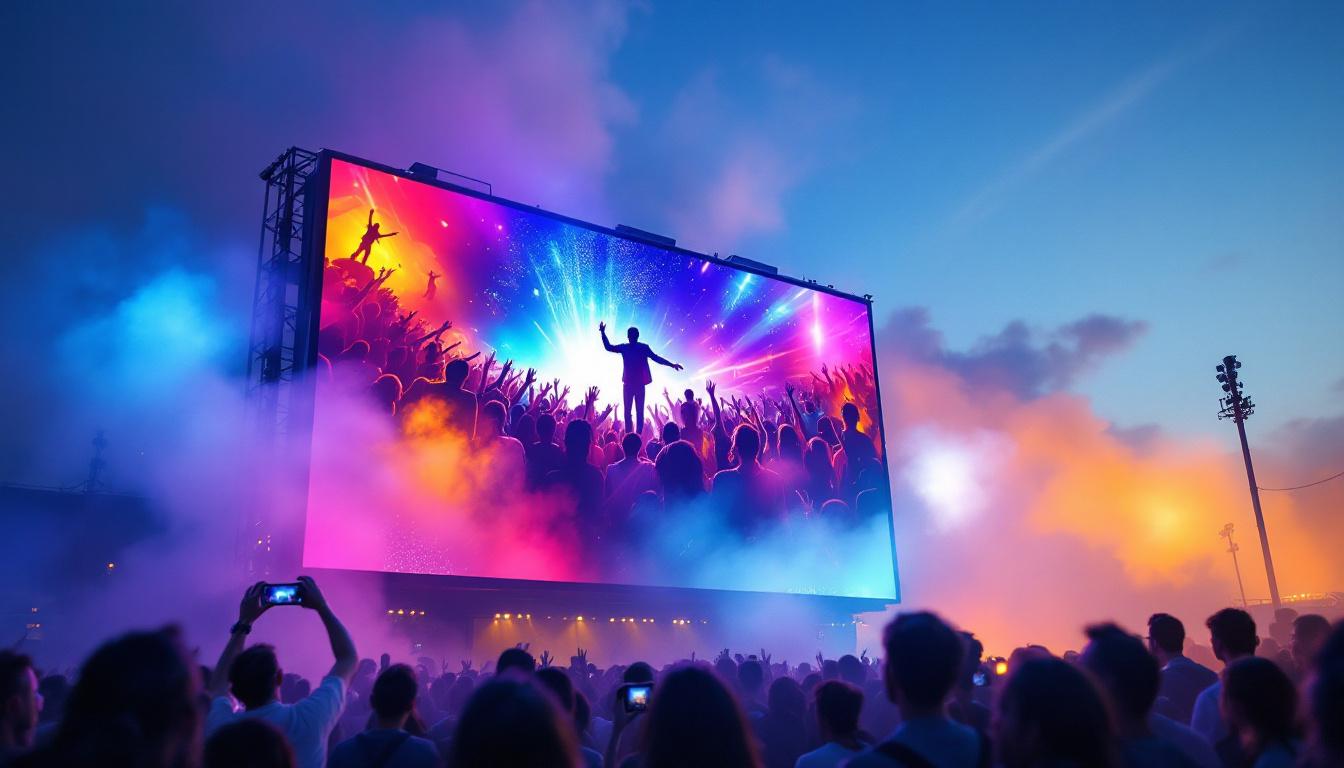
- Outdoor LED Displays: Built to withstand harsh weather conditions, these have higher brightness levels (often exceeding 5,000 nits) to remain visible in direct sunlight. Their robust design ensures that they can endure rain, snow, and extreme temperatures, making them a reliable choice for outdoor advertising.
- Transparent LED Displays: These innovative displays allow light to pass through, making them ideal for storefronts and glass facades without obstructing views. They not only serve as an advertising medium but also enhance the aesthetic appeal of the architecture, blending seamlessly into the urban landscape.
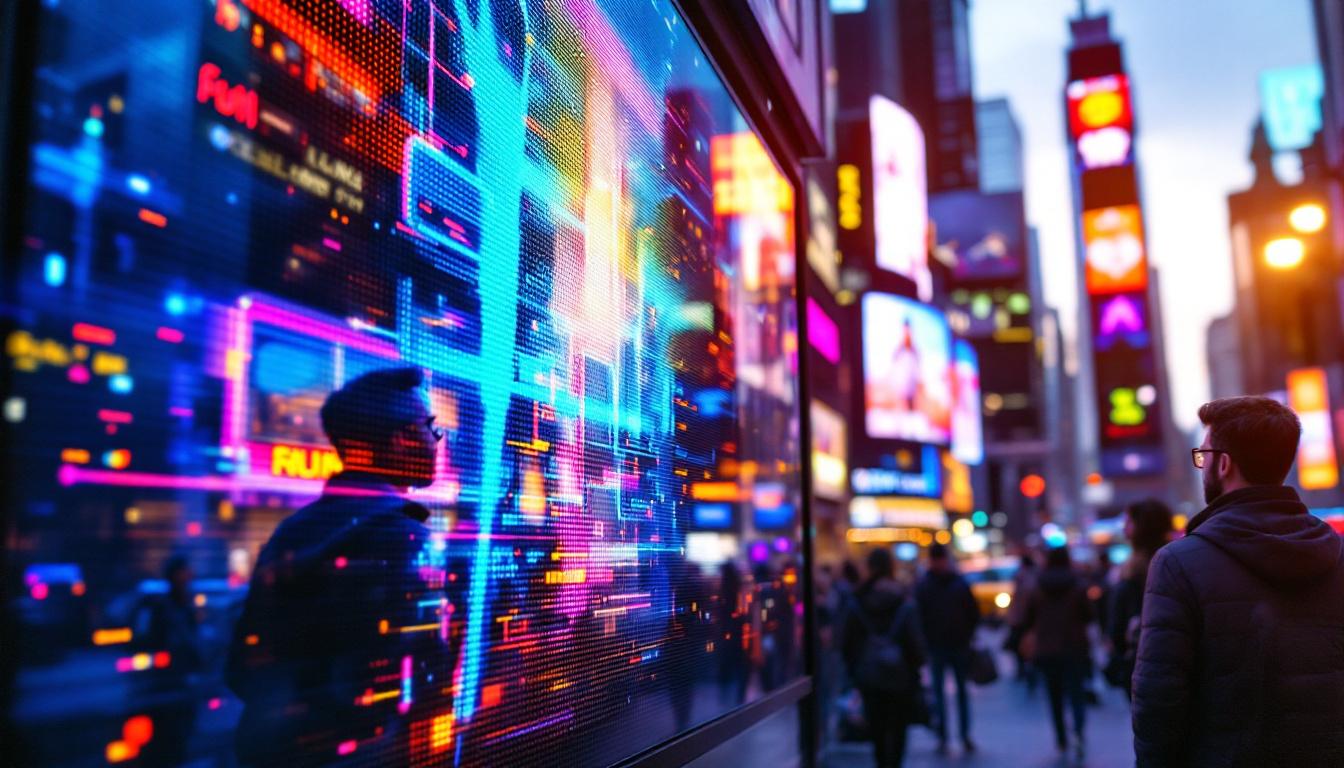
For digital billboards, outdoor LED displays are the standard due to their durability and visibility. The technology continues to evolve, with features such as high-definition resolution and advanced color calibration techniques that enhance the viewing experience. Additionally, some outdoor LED displays are now equipped with sensors that adjust brightness based on ambient light, ensuring optimal visibility at all times. This adaptability not only improves the effectiveness of advertising but also contributes to energy savings, as the display can operate at lower brightness levels during nighttime or cloudy conditions.
The Manufacturing Process of LED Billboards
Key Components and Materials
Manufacturing a digital billboard involves several crucial components beyond just the LEDs themselves:
- LED Modules: These are panels containing a matrix of LEDs, typically grouped in clusters to form larger displays.
- Power Supply Units: Reliable and efficient power supplies ensure consistent brightness and prevent flickering.
- Control Systems: These include hardware and software that manage the content displayed, scheduling, and brightness adjustments.
- Enclosures and Frames: Robust, weatherproof housings protect the electronic components from environmental damage.
Manufacturers source high-quality LEDs and electronic components to ensure longevity, color accuracy, and energy efficiency. Additionally, the choice of materials for the enclosures is vital; many manufacturers utilize aluminum or high-grade plastics that not only provide durability but also help in heat dissipation. This is essential for maintaining optimal performance, especially in regions with extreme temperatures. Furthermore, advancements in technology have led to the development of eco-friendly materials that reduce the carbon footprint of the manufacturing process.
Assembly and Quality Control
The assembly process is highly technical, requiring precision to align LED modules seamlessly. Even minor misalignments can cause visual distortions. Manufacturers employ automated machinery for soldering and testing each LED to maintain uniform brightness and color consistency. The assembly line often includes robotic arms that handle delicate components, minimizing human error and increasing efficiency. Each module is meticulously inspected before being integrated into the larger billboard structure, ensuring that only the highest quality components make it to the final product.
Quality control is critical. Each billboard undergoes rigorous testing for brightness, color calibration, waterproofing, and resistance to temperature fluctuations. Many manufacturers also test for electromagnetic interference to comply with regulatory standards. Beyond these tests, some companies implement stress testing, where billboards are subjected to extreme weather conditions, such as high winds and heavy rain, to ensure they can withstand the elements once installed. This comprehensive approach to quality assurance not only enhances the reliability of the billboards but also builds trust with clients who depend on these displays for impactful advertising.
Choosing a Digital Billboard Manufacturer
Factors to Consider
When selecting a manufacturer for digital billboards, several factors influence the decision:
- Experience and Reputation: Established manufacturers with a proven track record tend to offer more reliable products and better customer support.
- Customization Options: The ability to tailor size, resolution, and brightness to specific project needs is essential.
- Technology and Innovation: Manufacturers investing in the latest LED technology, such as energy-efficient LEDs or advanced control systems, provide a competitive edge.
- Warranty and Maintenance Services: Given the investment, comprehensive warranty coverage and maintenance support are crucial for long-term operation.
Leading Manufacturers in the Industry
The digital billboard market is dominated by several key players known for their innovation and quality:
- Daktronics: A global leader specializing in large-scale LED displays with a focus on sports venues and outdoor advertising.
- LianTronics: Renowned for high-resolution LED panels and customized solutions for various applications.
- Unilumin: Offers a wide range of LED display products with advanced energy-saving technology.
- Absen: Known for its extensive product line covering both indoor and outdoor LED displays with excellent color performance.
These manufacturers continually push the boundaries of LED technology, improving brightness, resolution, and durability.
Advantages of LED Digital Billboards Over Traditional Billboards
Dynamic Content and Real-Time Updates
One of the most significant advantages of LED digital billboards is their ability to display dynamic content. Advertisers can change messages instantly, schedule multiple ads throughout the day, and even integrate live data such as weather or news feeds. This flexibility enhances audience engagement and allows for targeted marketing campaigns.
Enhanced Visibility and Impact
LED billboards deliver bright, vibrant images that attract attention even in broad daylight. Their high contrast and color saturation make ads more memorable. Studies have shown that digital billboards can increase brand recall by up to 47% compared to static billboards, making them a powerful tool for marketers.
Energy Efficiency and Sustainability
Modern LED technology consumes significantly less power than older lighting methods such as neon or fluorescent. Many manufacturers incorporate energy-saving features like automatic brightness adjustment based on ambient light. This not only reduces operational costs but also aligns with growing sustainability goals in advertising.
Challenges and Considerations in LED Billboard Deployment
Initial Investment and Cost Factors
While LED digital billboards offer many benefits, they require a higher upfront investment compared to traditional billboards. The cost depends on factors such as size, resolution, and additional features like weatherproofing or advanced control systems. However, the ability to run multiple ads and reduce printing costs often results in a favorable return on investment over time.
Regulatory and Zoning Restrictions
Many municipalities impose regulations on digital billboards to prevent light pollution and distractions to drivers. These rules can affect brightness levels, operational hours, and even the locations where digital billboards are permitted. Manufacturers and advertisers must work closely with local authorities to ensure compliance.
Maintenance and Longevity
LED displays require regular maintenance to maintain optimal performance. This includes cleaning, software updates, and occasional component replacements. High-quality manufacturing reduces downtime, but planning for maintenance is essential to protect the investment. Typically, LED billboards have a lifespan of 100,000 hours or more, equating to roughly 11 years of continuous use.
The Future of LED Digital Billboards
Technological Innovations on the Horizon
Advancements in LED technology continue to enhance digital billboards. MicroLEDs, for example, offer even higher brightness and energy efficiency with smaller pixel sizes, enabling ultra-high-resolution displays. Flexible and curved LED panels are also emerging, allowing for more creative billboard shapes and installations.
Integration with Smart Technologies
Digital billboards are increasingly integrating with smart city infrastructure and IoT (Internet of Things) devices. This enables real-time data-driven advertising that adapts based on traffic patterns, weather conditions, or audience demographics. Such integration promises to make outdoor advertising more personalized and effective.
Sustainability and Environmental Impact
As environmental concerns grow, manufacturers are focusing on eco-friendly materials and recycling programs for LED components. Energy-efficient designs and solar-powered digital billboards are gaining traction, reducing the carbon footprint of outdoor advertising.
Conclusion
Digital billboards powered by LED technology represent a significant evolution in outdoor advertising, combining visual impact with operational flexibility. Understanding the technology behind LED displays and the manufacturing processes involved helps advertisers and planners make informed decisions when investing in digital signage solutions. With ongoing innovations and increasing demand for dynamic content, LED digital billboards will continue to shape the future of public advertising landscapes worldwide.
Illuminate Your Brand with LumenMatrix
Ready to elevate your advertising to new heights? LumenMatrix is at the forefront of LED display innovation, offering a wide array of solutions tailored to your unique needs. From the vibrant Indoor LED Wall Display to the robust Outdoor LED Wall Display, and from the dynamic Vehicle LED Display to the sleek LED Poster Display, our products are designed to make your brand shine. Embrace the future of visual communication with our LED Sports Display, Floor LED Display, Custom LED Display, All-in-One LED Display, and LED Transparent Display. Don’t miss the opportunity to captivate your audience with unparalleled clarity and impact. Check out LumenMatrix LED Display Solutions today and transform your message into an unforgettable visual experience.