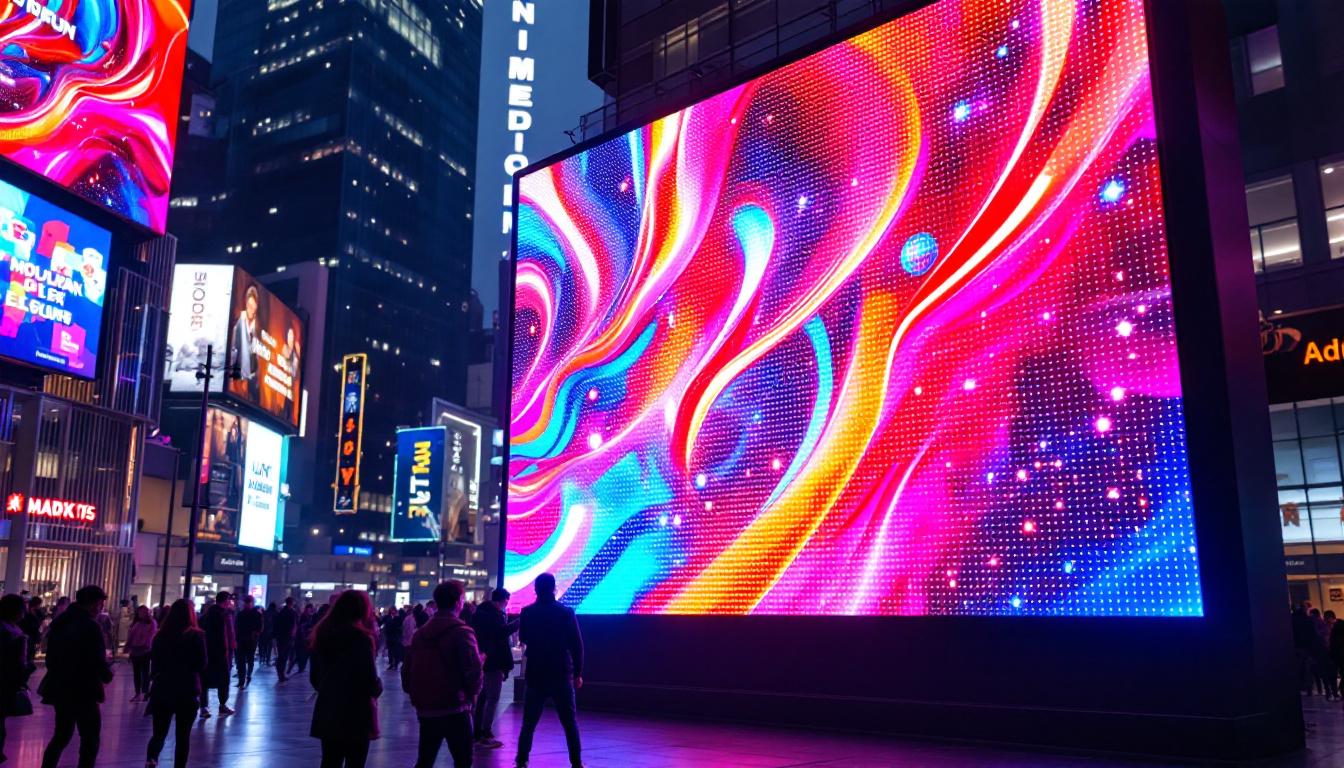
In today’s fast-paced world, grabbing attention quickly and effectively is paramount for businesses, public services, and event organizers. One of the most powerful tools to achieve this is the LED digital display sign. These vibrant, dynamic signs have revolutionized the way information is communicated in public spaces, retail environments, and transportation hubs. This article delves deep into what LED digital display signs are, how they work, their various applications, and why they have become an indispensable part of modern communication.
Understanding LED Digital Display Signs
What is an LED Digital Display Sign?
An LED digital display sign is an electronic display board that uses Light Emitting Diodes (LEDs) to present information such as text, images, and videos. Unlike traditional static signs, LED displays are dynamic and can be programmed to change content in real-time. This flexibility makes them ideal for advertising, public announcements, and interactive messaging.
LEDs are semiconductor devices that emit light when an electric current passes through them. Their efficiency, brightness, and longevity make them superior to older display technologies like incandescent bulbs or fluorescent lights. Modern LED displays can range from small indoor panels to massive outdoor billboards spanning several meters. Their versatility allows them to be used in a variety of settings, from retail stores and sports arenas to transportation hubs and city streets, enhancing visibility and engagement with audiences.
Additionally, the energy efficiency of LED technology contributes to its growing popularity. These displays consume significantly less power than traditional lighting options, which not only reduces operational costs but also minimizes environmental impact. Many businesses are now opting for LED displays as part of their sustainability initiatives, demonstrating a commitment to eco-friendly practices while still achieving high-impact advertising.
How Do LED Displays Work?
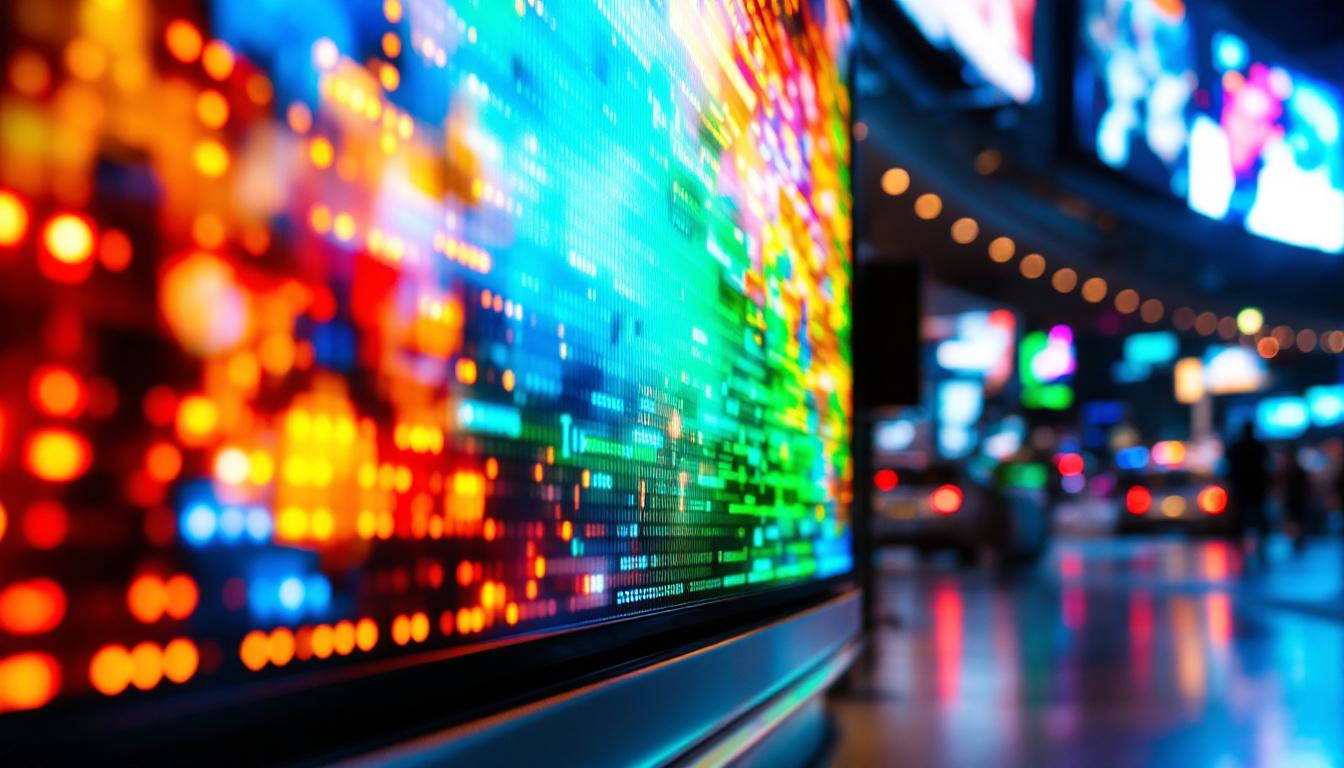
The core of an LED digital display sign is the LED module, which consists of numerous tiny LEDs arranged in a grid. These LEDs can be red, green, blue, or a combination of these colors, allowing the display to produce a full spectrum of colors through a process called additive color mixing.
The display is controlled by a central processing unit that sends signals to individual LEDs, determining their brightness and color. This control enables the display to show anything from simple scrolling text to high-definition videos. The resolution of an LED display depends on the pixel pitch—the distance between the centers of two adjacent LEDs. Smaller pixel pitches mean higher resolution and finer image quality, which is especially important for close-viewing applications.
Moreover, LED displays are equipped with advanced technologies that enhance their functionality. Features such as automatic brightness adjustment allow the display to adapt to varying ambient light conditions, ensuring optimal visibility at all times. Some models even incorporate sensors that detect motion, enabling interactive capabilities that engage viewers in real-time. This level of interactivity not only captivates audiences but also provides businesses with valuable data on viewer engagement, allowing for more targeted marketing strategies.
Types of LED Digital Display Signs
Indoor vs. Outdoor LED Displays
LED displays are broadly categorized into indoor and outdoor types, each designed to meet specific environmental and viewing requirements.
Indoor LED Displays: These are used in settings like shopping malls, airports, conference halls, and retail stores. They typically have a smaller pixel pitch (often between 1mm to 4mm) because viewers are closer to the screen. Indoor displays prioritize high resolution and color accuracy but do not require extremely high brightness levels since ambient lighting is controlled.
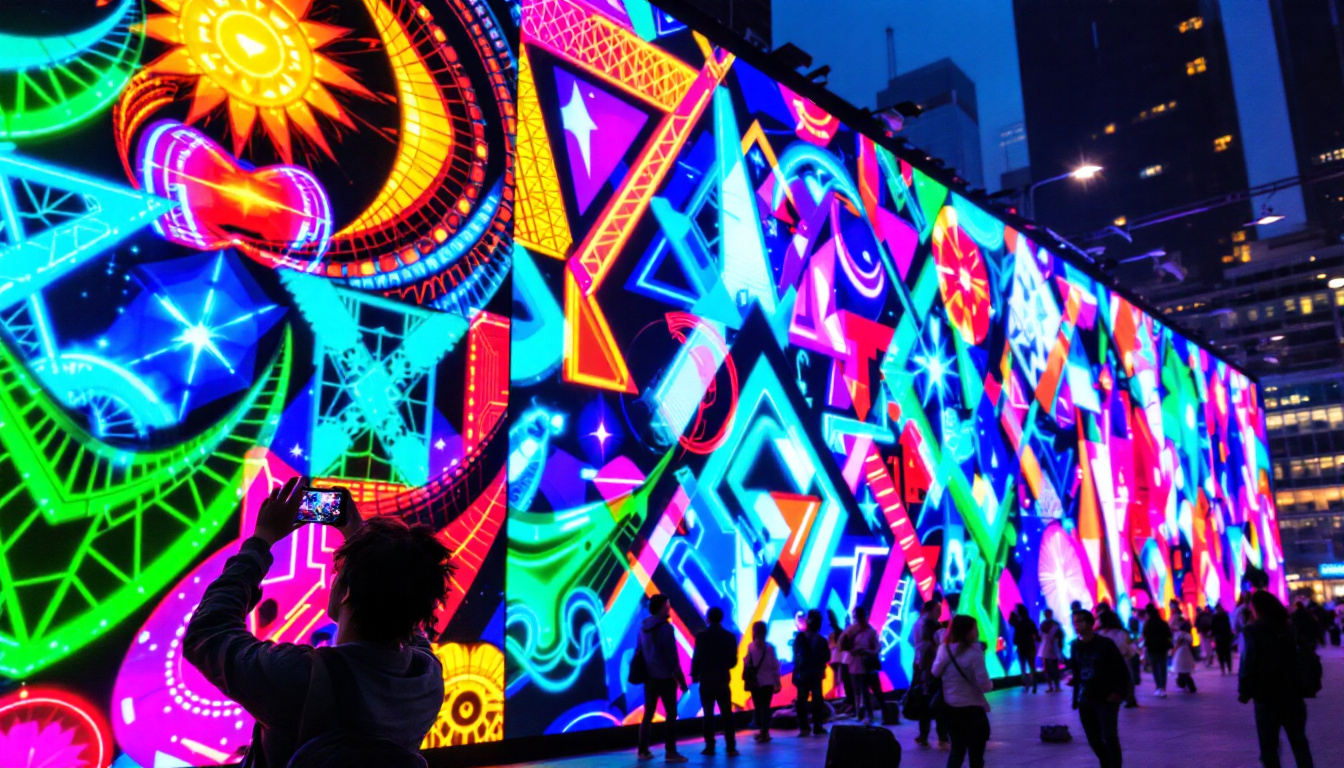
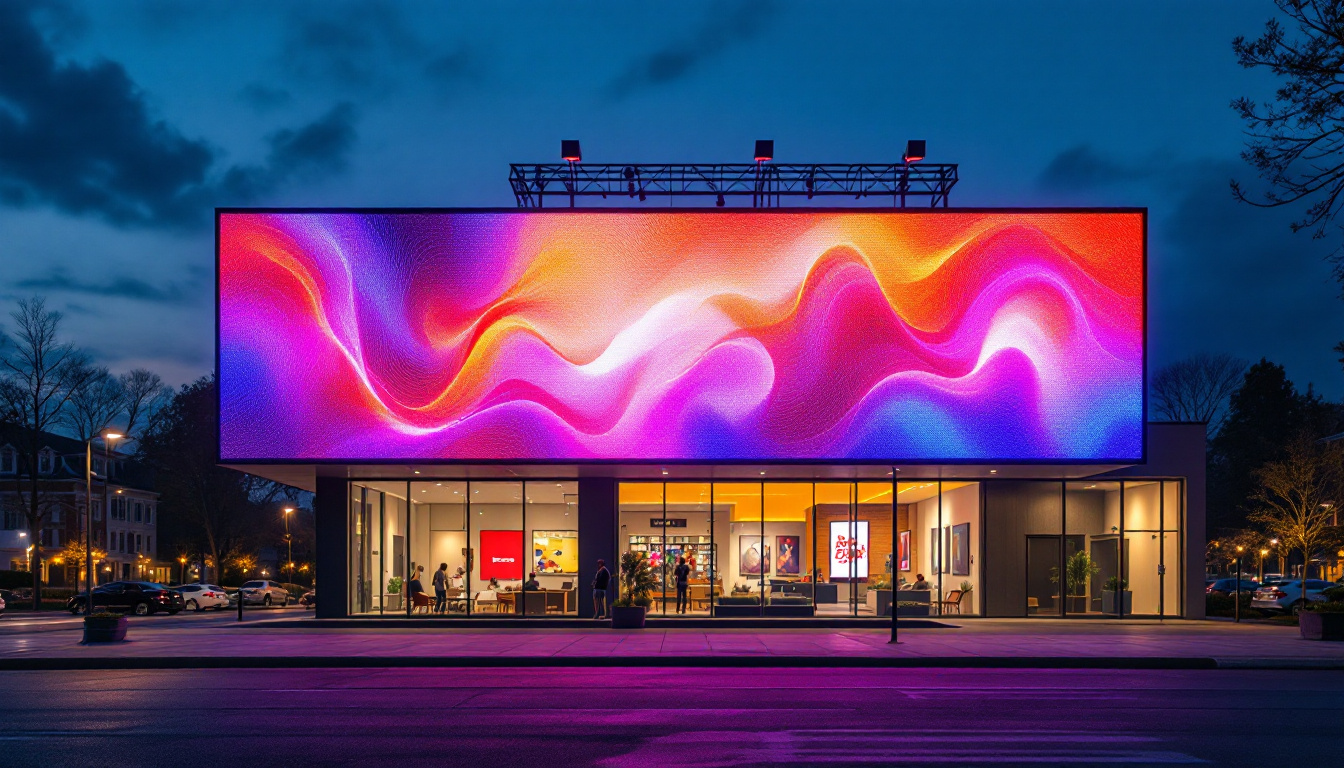
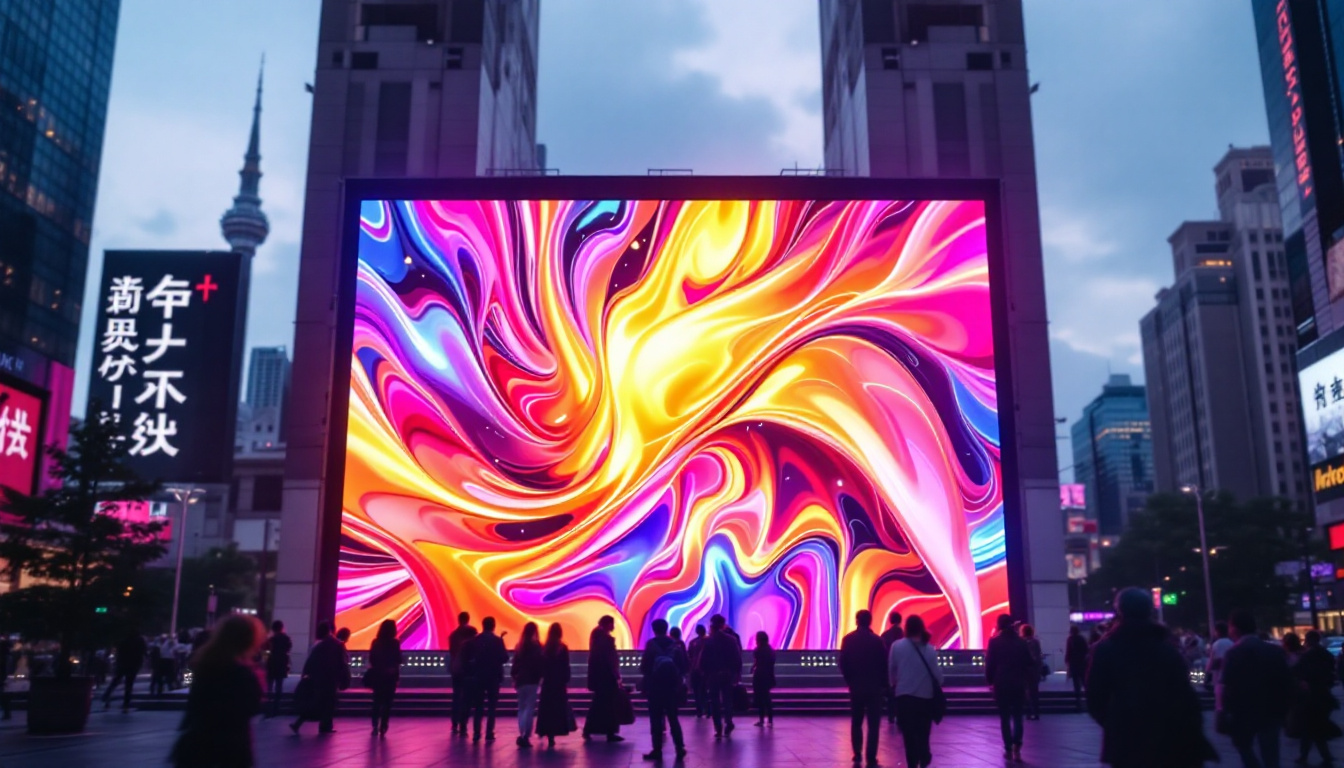
Outdoor LED Displays: These are designed to withstand harsh weather conditions such as rain, wind, and extreme temperatures. They have a larger pixel pitch (usually 6mm and above) since viewers are generally farther away. Outdoor displays must be extremely bright—often exceeding 5,000 nits—to remain visible even under direct sunlight. Additionally, they are built with waterproof and dustproof enclosures to ensure durability.
Fixed vs. Portable LED Displays
Another important classification is based on mobility:
- Fixed LED Displays: These are permanently installed in a specific location, such as on building facades, stadiums, or highway billboards. They are usually larger and designed for long-term use.
- Portable LED Displays: These are smaller, lightweight units that can be moved and set up quickly. They are commonly used for temporary events, trade shows, or mobile advertising trucks.
Transparent LED Displays
Innovations in LED technology have led to the development of transparent LED displays. These panels can be installed on glass surfaces like storefront windows or building entrances, allowing light to pass through while displaying vibrant digital content. This technology offers a futuristic aesthetic and maximizes space usage without obstructing natural light.
Applications of LED Digital Display Signs
Advertising and Marketing
One of the most widespread uses of LED digital displays is in advertising. The ability to display vivid, eye-catching content that can be updated instantly makes LED signs a favorite among marketers. According to a 2023 report by the Digital Signage Federation, LED digital signage can increase customer engagement by up to 30% compared to static signs.
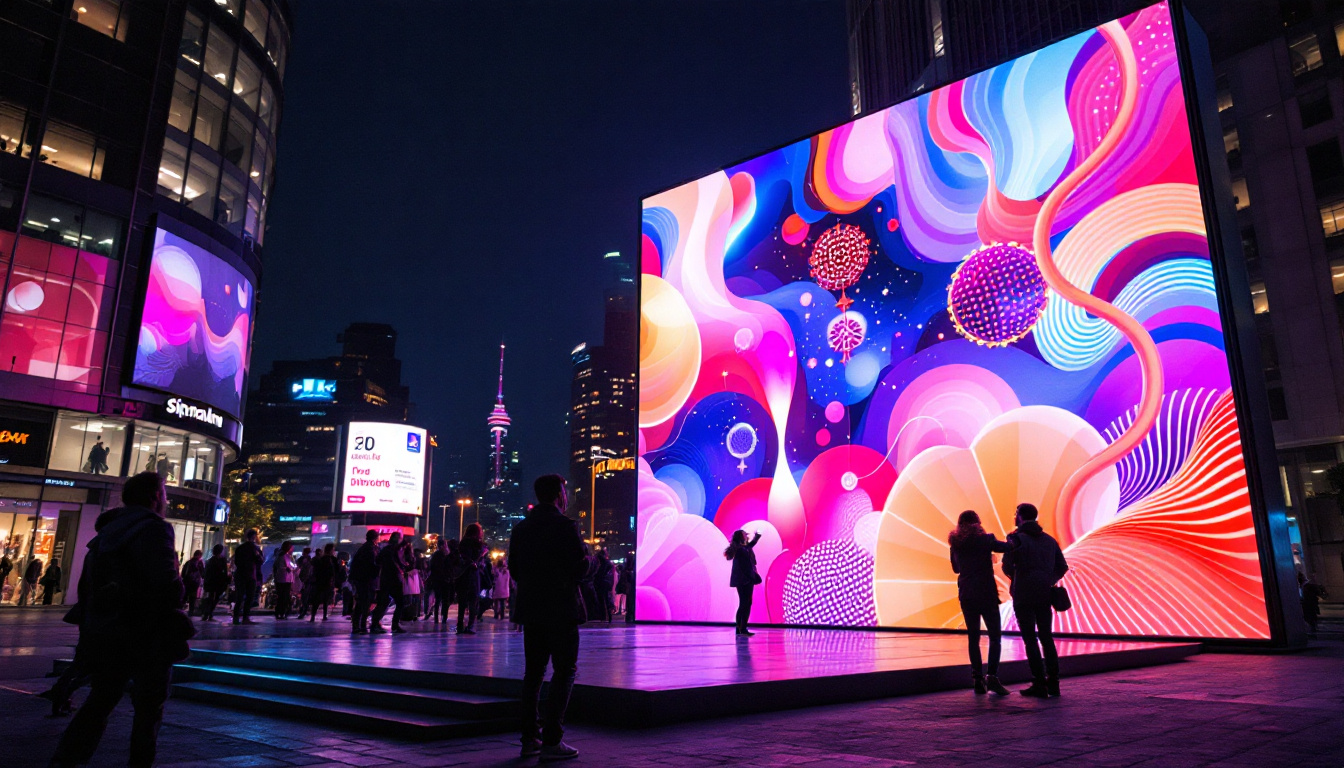
From Times Square’s towering billboards to local retail storefronts, LED displays offer unparalleled visibility and flexibility. Businesses can tailor messages based on time of day, audience demographics, or special promotions. Dynamic content such as animations and videos also enhances brand storytelling.
Transportation and Public Information
LED digital displays are crucial in transportation hubs like airports, train stations, and bus terminals. They provide real-time updates on arrivals, departures, delays, and safety announcements. Their high brightness and visibility ensure passengers can easily access important information even in crowded or dimly lit environments.
Municipalities also use LED signs for traffic management, displaying speed limits, warnings, or detour information. Emergency alerts and weather warnings are often broadcast on public LED signs to reach wide audiences quickly.
Sports and Entertainment Venues
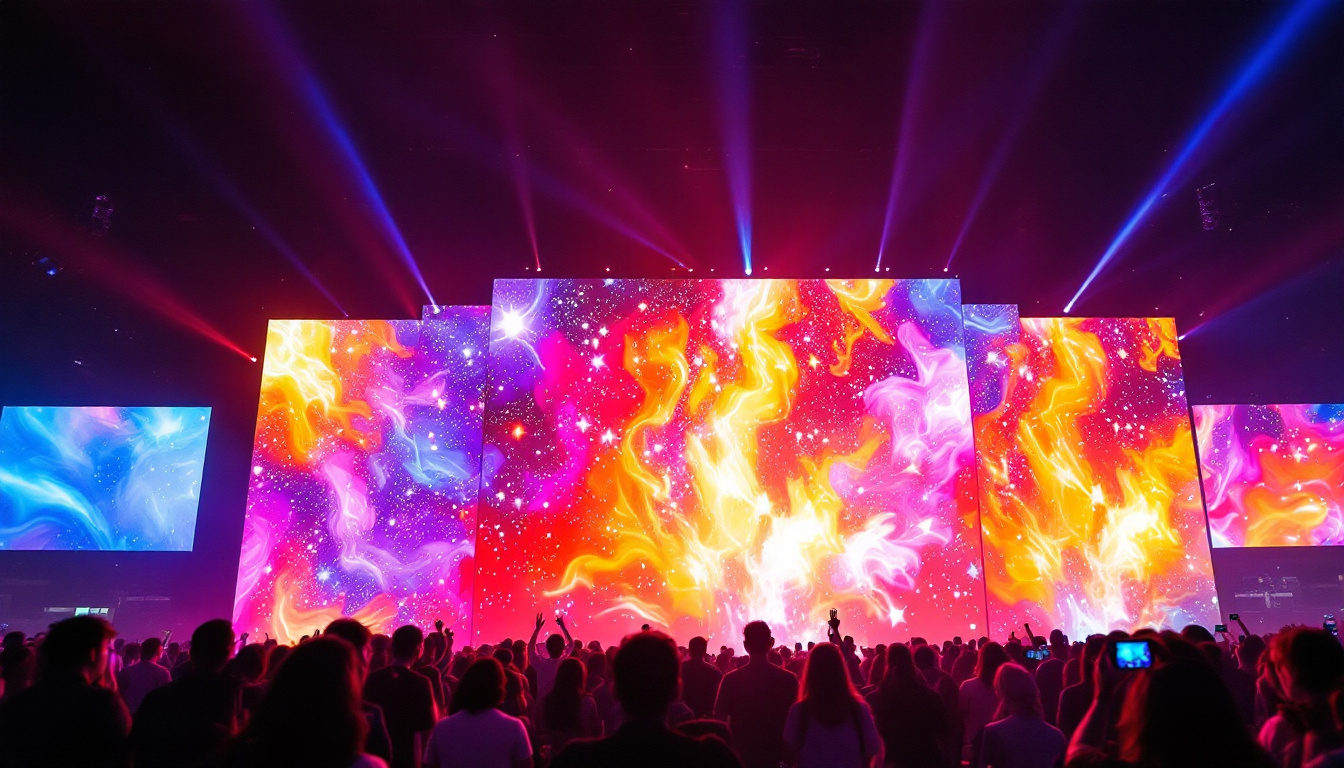
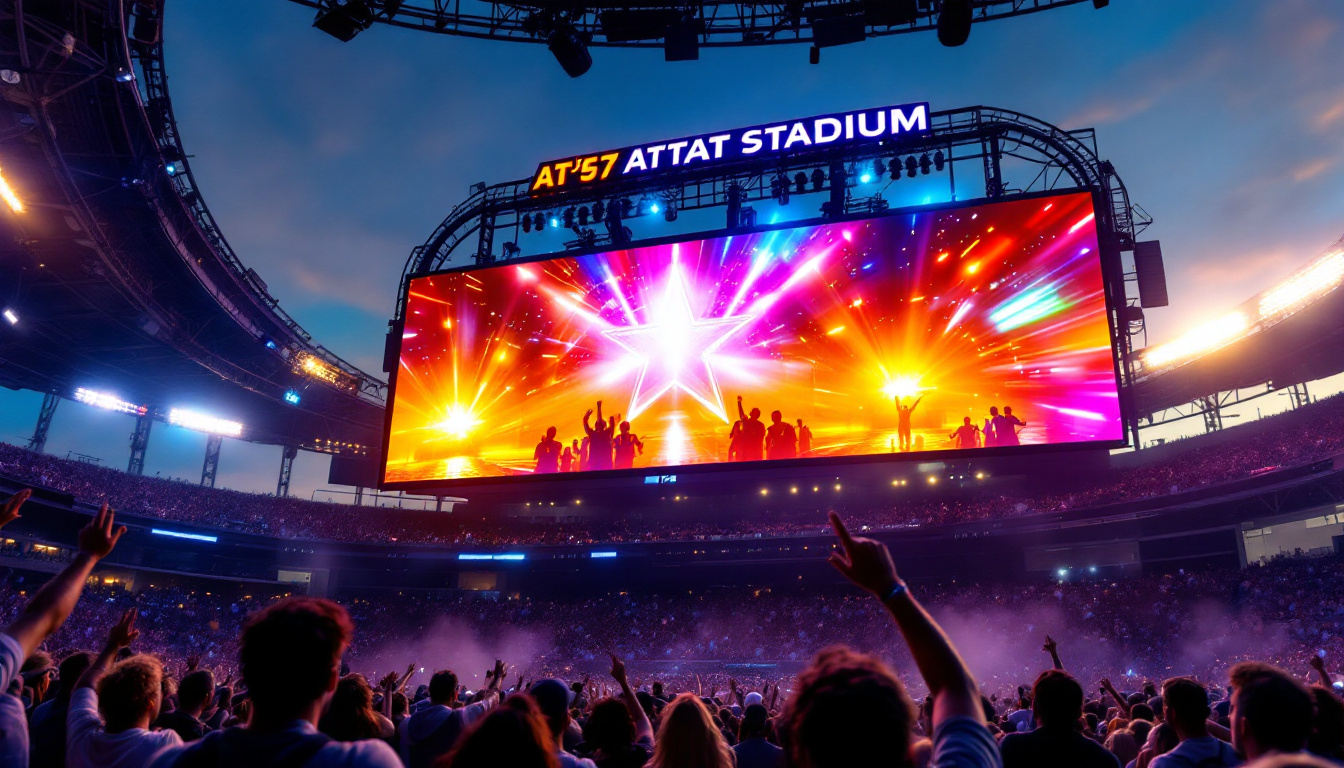
Sports arenas and concert venues rely heavily on LED displays to enhance the spectator experience. Large LED scoreboards and video walls show live action replays, player statistics, and interactive content. These displays can also be synchronized with lighting and sound systems to create immersive entertainment environments.
Corporate and Educational Settings
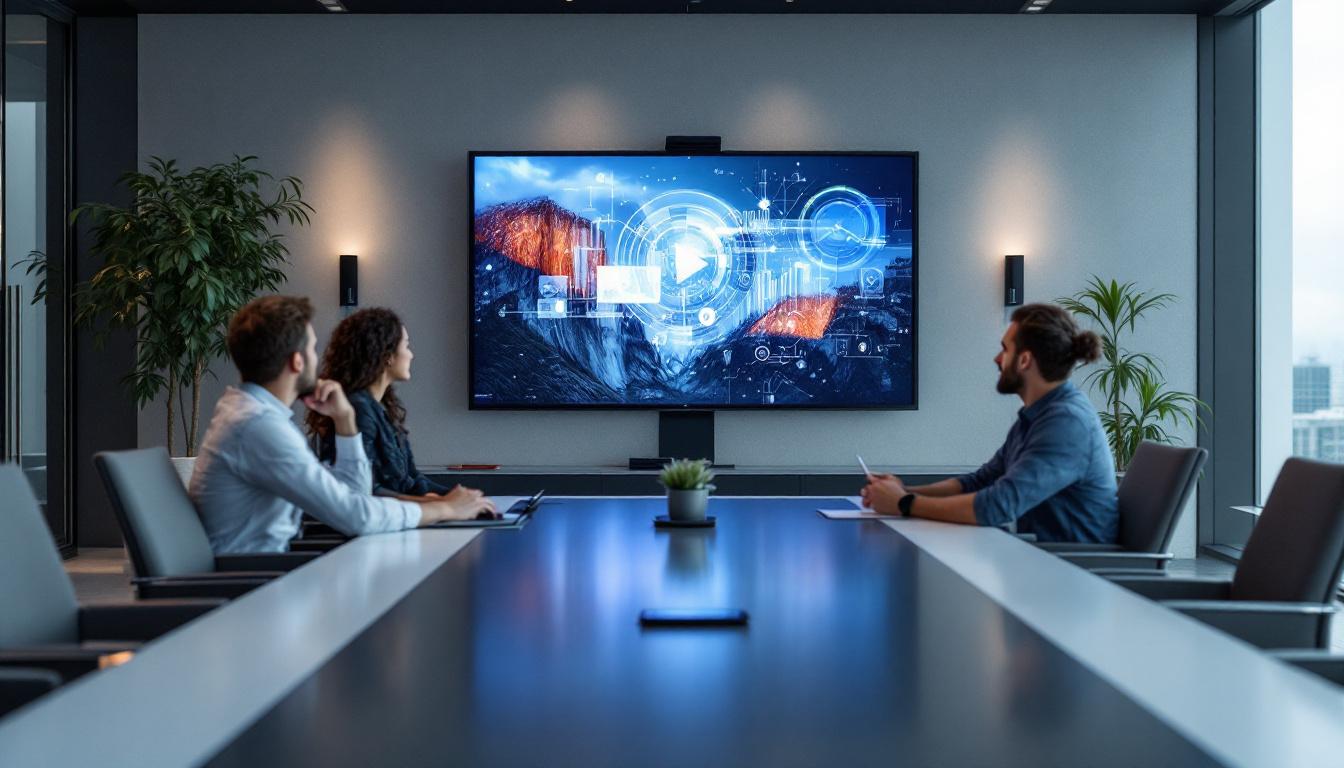
Corporate offices use LED digital signs for internal communications, displaying announcements, meeting schedules, or motivational messages. Educational institutions employ LED displays to share event information, campus news, and emergency alerts.
Advantages of LED Digital Display Signs
High Visibility and Brightness
LED displays are renowned for their brightness, which can reach up to 10,000 nits in some outdoor models. This high luminance ensures that content remains visible even in direct sunlight or adverse weather conditions, a critical factor for outdoor advertising and public safety messaging.
Energy Efficiency
Compared to traditional lighting technologies, LEDs consume significantly less power. Energy efficiency not only reduces operational costs but also aligns with growing environmental sustainability goals. Many LED displays incorporate features like ambient light sensors to adjust brightness automatically, further conserving energy.
Durability and Longevity
LEDs have a lifespan that can exceed 100,000 hours, meaning they can operate continuously for over a decade under normal usage. Their solid-state nature makes them resistant to shock and vibration, unlike fragile bulbs or screens. This durability reduces maintenance frequency and costs.
Flexibility and Customization
LED digital displays can be customized in size, shape, resolution, and content. This adaptability allows businesses and organizations to create unique signage solutions tailored to their specific needs. Content can be updated remotely and instantly, enabling real-time communication.
Considerations When Choosing an LED Digital Display
Pixel Pitch and Resolution
Choosing the appropriate pixel pitch is essential for ensuring optimal image quality. For displays viewed from a distance, a larger pixel pitch is acceptable, while close-range viewing requires finer pixel spacing. For example, a retail store window display might use a 2mm pixel pitch, whereas a highway billboard might use 10mm or more.
Brightness and Environmental Factors
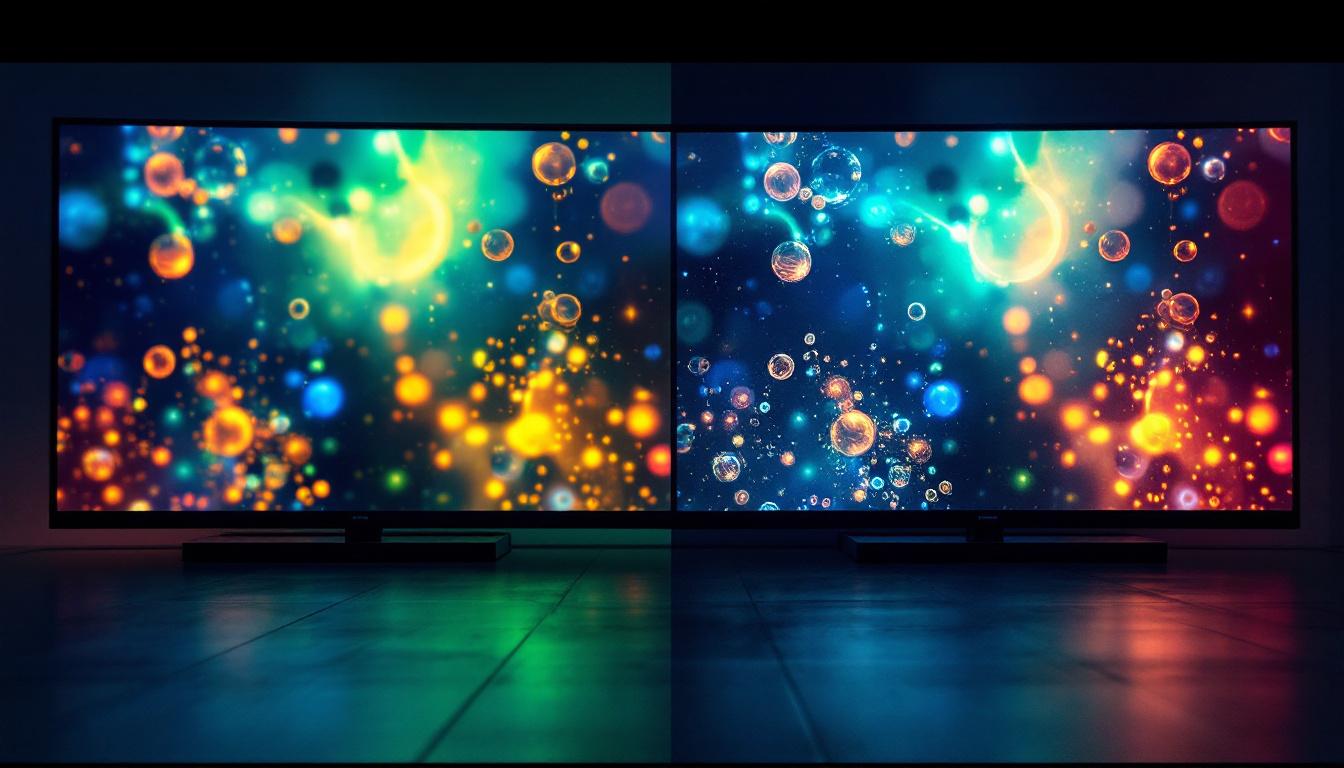
Assessing the installation environment helps determine the necessary brightness level. Outdoor displays require higher brightness and weatherproofing, while indoor displays focus more on color accuracy and contrast. Additionally, factors like ambient lighting and viewing angle influence display performance.
Content Management Systems (CMS)
Modern LED displays are often paired with sophisticated CMS software that allows users to schedule, update, and monitor content remotely. Selecting a user-friendly and reliable CMS is crucial for maximizing the display’s potential and ensuring smooth operation.
Budget and Total Cost of Ownership
While LED displays can be a significant upfront investment, it’s important to consider long-term benefits such as energy savings, reduced maintenance, and increased revenue from improved advertising effectiveness. Comparing different suppliers and technologies helps find a balance between cost and quality.
The Future of LED Digital Display Technology
Advancements in Mini-LED and Micro-LED
Emerging technologies like Mini-LED and Micro-LED promise even higher resolution, better contrast ratios, and improved energy efficiency. These innovations could lead to thinner, lighter displays with superior image quality, expanding the possibilities for LED signage applications.
Integration with IoT and AI
Smart LED displays integrated with Internet of Things (IoT) devices and artificial intelligence (AI) are becoming more common. These systems can analyze audience behavior, adjust content dynamically, and provide interactive experiences. For example, AI-powered facial recognition can tailor advertisements based on demographic data in real-time.
Sustainability and Eco-Friendly Designs
As environmental concerns grow, manufacturers are focusing on making LED displays more sustainable by using recyclable materials, reducing power consumption, and improving manufacturing processes. This trend aligns with global efforts to reduce carbon footprints and promote green technology.
Conclusion
LED digital display signs have transformed the landscape of visual communication, offering unmatched brightness, flexibility, and durability. Their applications span advertising, public information, entertainment, and corporate communications, making them a versatile tool in various industries. Understanding the technology behind LED displays, along with their types and key considerations, empowers businesses and organizations to make informed decisions that maximize impact and return on investment.
As LED technology continues to evolve, embracing innovations like Mini-LED, AI integration, and sustainable design will unlock new opportunities for dynamic, engaging, and environmentally responsible digital signage solutions. Whether for a small retail store or a global advertising campaign, LED digital display signs remain a cornerstone of modern communication strategies.
Discover Cutting-Edge LED Display Solutions with LumenMatrix
Ready to elevate your visual communication with vibrant, high-impact LED displays? LumenMatrix is at the forefront of LED display innovation, offering a wide range of solutions tailored to meet your needs. From captivating Indoor and Outdoor LED Wall Displays to dynamic Vehicle and Sports LED Displays, our technology is designed to engage and inspire. Experience the future of digital signage with our LED Poster Displays, Floor LED Displays, Custom configurations, and Transparent Displays. Embrace the power of LumenMatrix and transform your space into a visual spectacle. Check out LumenMatrix LED Display Solutions today and start your journey towards unparalleled brand visibility and audience engagement.