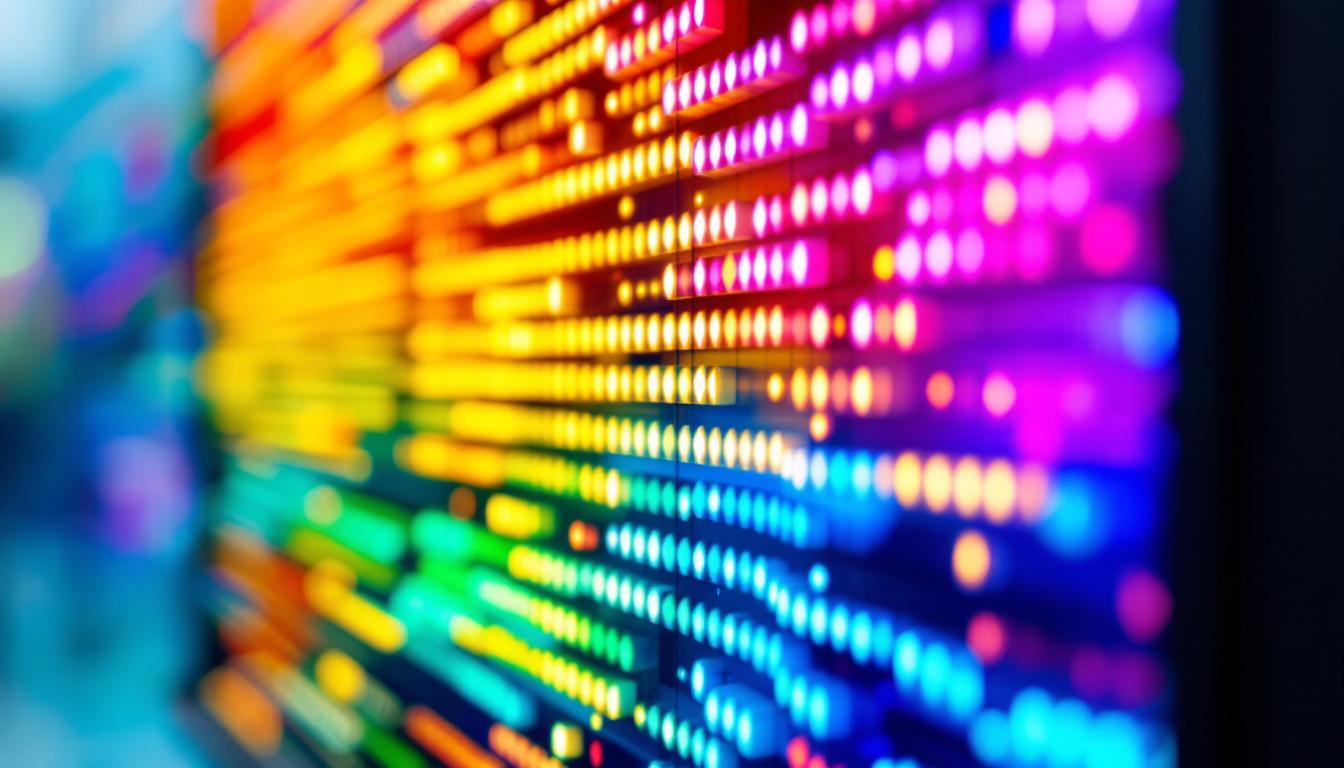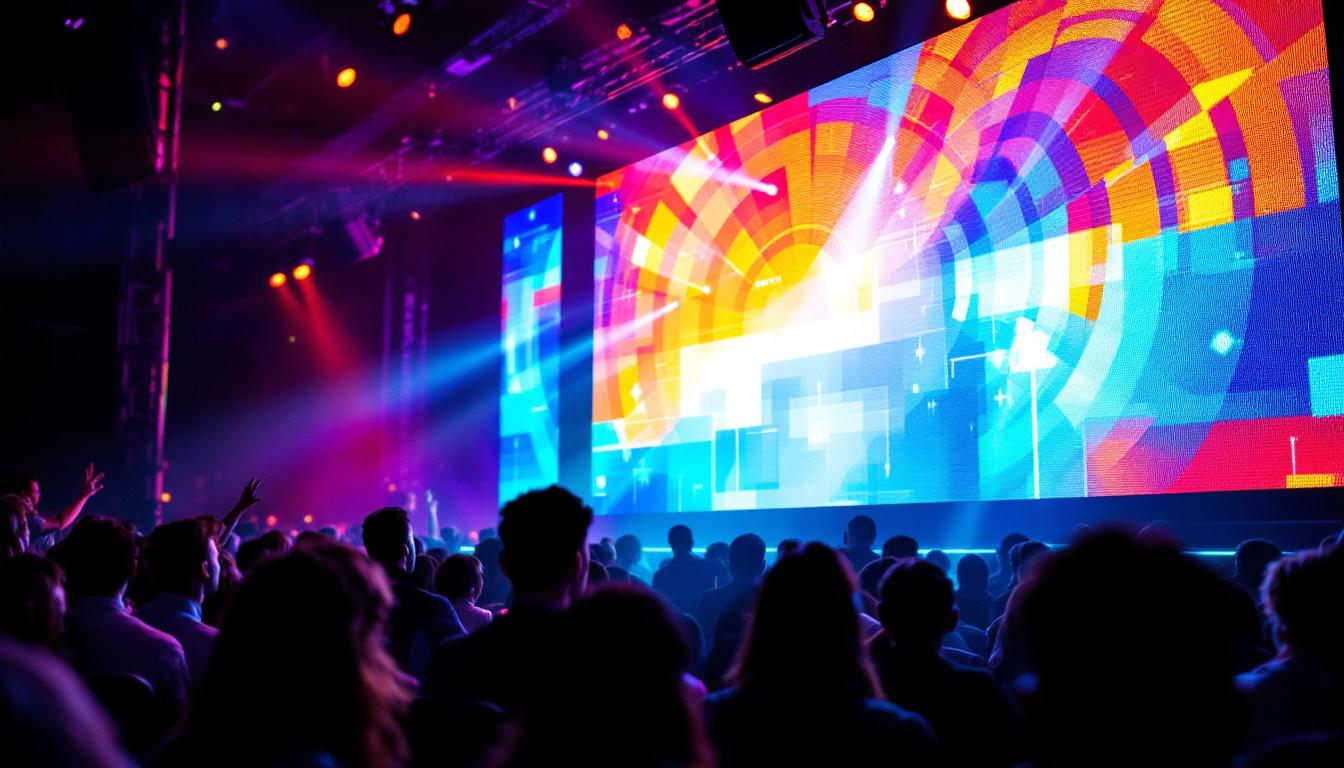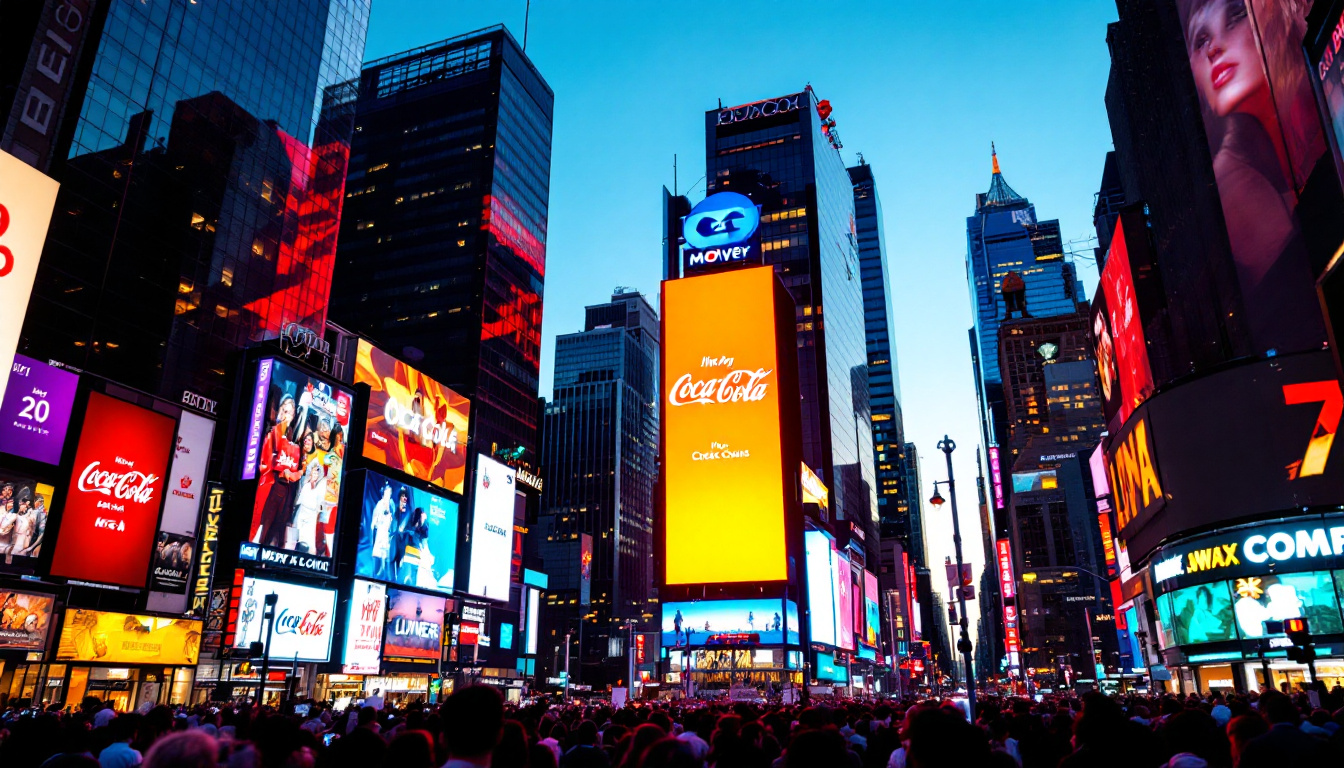
In the modern world of digital signage, advertising, and information dissemination, LED displays have become a cornerstone technology. Their vibrant colors, energy efficiency, and versatility make them ideal for a wide range of applications—from stadium scoreboards to urban billboards and indoor retail signage. However, one aspect that often draws attention is the characteristic blinking or flickering of some LED displays. This article delves into the technology behind LED displays, explores why blinking occurs, and explains how advancements have mitigated these effects to enhance user experience.
Understanding LED Display Technology
What is an LED Display?
LED stands for Light Emitting Diode, a semiconductor device that emits light when an electrical current passes through it. An LED display is essentially a matrix of these tiny diodes arranged in a grid, which can be individually controlled to produce images, videos, or text. The brightness and color of each pixel are manipulated by adjusting the current to each diode, allowing for dynamic and vivid visual content.
Unlike traditional LCD screens that rely on backlighting, LED displays generate their own light, which contributes to their superior brightness and contrast. This self-illumination property makes LED displays highly visible even in direct sunlight, a significant advantage for outdoor advertising and public information systems. Additionally, the energy efficiency of LED technology means that these displays consume less power compared to older technologies, making them not only cost-effective but also environmentally friendly. This efficiency is particularly beneficial for large installations, such as billboards and digital signage, where energy consumption can significantly impact operational costs.
Types of LED Displays
LED displays come in various forms, primarily categorized into two types: direct view LED (DV-LED) and LED-backlit LCD. Direct view LED displays use individual LEDs as pixels, which can be red, green, blue, or a combination, to create full-color images. These are commonly used in large-scale outdoor screens and stadium displays, where the ability to deliver high-resolution content at a distance is crucial. The modular nature of DV-LED displays also allows for flexible sizing and configuration, enabling creative installations that can adapt to various environments and requirements.
On the other hand, LED-backlit LCDs use LEDs as a backlight behind an LCD panel. This technology is prevalent in televisions, computer monitors, and smartphones. While both utilize LEDs, the direct view LED displays are more relevant when discussing blinking or flickering effects due to their pixel-level control. Furthermore, LED-backlit LCDs have improved significantly over the years, offering enhanced color accuracy and thinner designs, which have made them a popular choice for consumer electronics. However, the contrast ratio and viewing angles still tend to favor direct view LED displays, particularly in professional settings such as broadcast studios and control rooms, where image quality is paramount. As technology continues to evolve, we can expect even more innovations in LED display systems, leading to richer visual experiences across various applications.
Why Do LED Displays Blink or Flicker?
The Role of Refresh Rate and PWM
One of the primary reasons LED displays appear to blink or flicker is due to the refresh rate and the use of Pulse Width Modulation (PWM) for brightness control. PWM is a technique where the LED is rapidly switched on and off to control the perceived brightness. For example, to display a dimmer pixel, the LED is turned on for a shorter duration within each cycle.
The human eye perceives this rapid switching as continuous light if the frequency is high enough, typically above 60 Hz. However, if the refresh rate is too low or the PWM frequency is insufficient, the blinking becomes noticeable, causing eye strain or discomfort. This is especially common in lower-quality or older LED displays. Additionally, the impact of flicker can vary among individuals; some people may be more sensitive to flickering lights, which can lead to headaches or migraines in extreme cases. This sensitivity can be particularly problematic in environments where individuals are exposed to LED displays for extended periods, such as in offices or classrooms.
Impact of Display Drivers and Electronics
Another factor contributing to blinking is the quality of the display drivers and electronics that control the LEDs. Inexpensive or poorly designed drivers may not maintain consistent current flow, leading to fluctuations in brightness and visible flicker. Additionally, power supply instability can exacerbate this effect, particularly in large outdoor displays exposed to varying environmental conditions. High-quality display drivers are designed to provide a stable current and minimize flicker, ensuring a smooth visual experience. Furthermore, advancements in driver technology have led to the development of adaptive brightness control systems that can adjust the PWM frequency dynamically based on ambient light conditions, further reducing the likelihood of flicker.
Environmental and Usage Factors
Environmental factors such as ambient lighting and viewing distance also influence the perception of blinking. For example, in bright sunlight, the contrast between the LED light and surroundings can make flickering more apparent. Similarly, when viewed through a camera, LED displays may appear to flicker due to the interaction between the camera’s frame rate and the display’s refresh rate, a phenomenon known as the rolling shutter effect. This effect can be particularly pronounced in video recordings or live broadcasts, where the flicker may distract viewers or detract from the overall quality of the content. Moreover, the angle at which an LED display is viewed can also impact flicker perception; certain angles may exacerbate the visibility of flickering, leading to a less enjoyable viewing experience.
Advancements in Reducing LED Display Flicker
High Refresh Rates and Improved PWM Techniques
Modern LED displays employ higher refresh rates, often exceeding 120 Hz, to minimize visible flicker. Increasing the PWM frequency beyond the flicker fusion threshold of the human eye (typically around 1000 Hz) effectively eliminates the perception of blinking. This advancement is particularly important in applications where viewers spend extended periods looking at the display, such as in control rooms or retail environments. The reduction of flicker not only enhances visual comfort but also plays a crucial role in reducing eye strain, which is increasingly recognized as a significant issue in our screen-dominated world. As a result, users can engage with content for longer durations without experiencing fatigue, leading to improved productivity and overall satisfaction.
Manufacturers have also developed advanced PWM techniques, such as multi-level PWM and hybrid dimming, which combine analog and digital methods to achieve smoother brightness transitions without flicker. These innovations allow for finer control over LED brightness, enabling displays to produce a wider range of colors and more nuanced images. This is particularly beneficial in high-definition video applications, where color accuracy and smooth gradients are paramount. Furthermore, the implementation of these techniques has sparked interest in the gaming industry, where players demand high-performance displays that deliver not only speed but also visual fidelity.
Use of Constant Current Drivers
To address fluctuations caused by inconsistent current, modern LED displays incorporate constant current drivers. These drivers regulate the electrical current supplied to each LED, ensuring stable brightness and color accuracy. This technology not only reduces flicker but also extends the lifespan of the LEDs by preventing overcurrent conditions. By maintaining a consistent current, manufacturers can guarantee that each LED operates within its optimal parameters, leading to a more uniform display performance. This is especially critical in large-scale installations, such as billboards or video walls, where uniformity in brightness and color across multiple panels is essential for a cohesive visual experience.
Adaptive Brightness and Ambient Light Sensors
Many contemporary LED displays include ambient light sensors that adjust brightness dynamically based on surrounding light conditions. By optimizing brightness levels, these displays reduce unnecessary power consumption and minimize flicker visibility under various environmental lighting scenarios. This feature not only enhances user experience by ensuring that the display remains visible in bright conditions without being overly bright in darker settings but also contributes to energy efficiency. With sustainability becoming a key focus in technology, adaptive brightness systems help reduce the overall carbon footprint of display technologies, aligning with global efforts to promote greener electronics.
Moreover, the integration of these sensors allows for a more personalized viewing experience. For instance, in smart homes or offices, displays can automatically adjust to the preferences of users, providing optimal visibility while maintaining comfort. This adaptability extends beyond mere brightness adjustments; it can also influence color temperature settings, creating a more harmonious environment that caters to the specific needs of the viewer. As technology continues to evolve, the potential for further enhancements in adaptive systems promises to revolutionize how we interact with displays in our daily lives.
Applications and Importance of Flicker-Free LED Displays
Retail and Advertising
In retail environments, LED displays are used to attract customers with vibrant visuals and dynamic content. Flickering displays can detract from the customer experience and may even cause discomfort or headaches. Retailers increasingly demand flicker-free displays to maintain a welcoming atmosphere and ensure their messaging is effectively communicated.
Broadcast and Media Production
LED walls are widely used in television studios and media production for background visuals and virtual sets. Flicker-free performance is critical in these settings to avoid interference with camera sensors and to maintain visual consistency during filming. High refresh rates and synchronized timing with cameras are essential to achieve this.
Public Information and Safety
LED displays serve as vital communication tools in transportation hubs, emergency alerts, and public safety announcements. In these contexts, clarity and readability are paramount. Flicker-free displays ensure that messages are easily legible and reduce the risk of miscommunication during critical situations.
Future Trends in LED Display Technology
MicroLED and MiniLED Innovations
Emerging technologies such as MicroLED and MiniLED promise to revolutionize the LED display market. MicroLEDs are smaller than traditional LEDs, allowing for higher pixel density, improved color accuracy, and better energy efficiency. These displays inherently reduce flicker due to enhanced control over individual pixels and higher refresh rates.
Integration with AI and Smart Systems
Artificial intelligence is being integrated into LED display systems to optimize content delivery, brightness, and power consumption in real-time. Smart sensors and AI algorithms can predict and adjust display parameters to minimize flicker and enhance viewer comfort automatically.
Energy Efficiency and Sustainability
As sustainability becomes a priority, LED display manufacturers are focusing on reducing power consumption and using eco-friendly materials. Flicker reduction techniques that also improve energy efficiency will play a significant role in the future of LED technology, aligning with global environmental goals.
Conclusion
LED displays have transformed the way information and advertisements are presented across the globe. While blinking or flickering has been a challenge historically, advances in refresh rates, driver technology, and adaptive systems have significantly improved the viewing experience. Understanding the causes and solutions to LED display flicker is essential for businesses, broadcasters, and public institutions aiming to leverage this vibrant technology effectively.
As LED technology continues to evolve with innovations like MicroLED and AI integration, the future promises even more reliable, energy-efficient, and flicker-free displays. This progress ensures that LED displays will remain a dominant and trusted medium for visual communication in the years to come.
Discover Flicker-Free LED Solutions with LumenMatrix
As you embrace the future of visual communication, don’t let flicker detract from your message. LumenMatrix is at the forefront of LED display innovation, offering an extensive range of solutions that promise not only flicker-free performance but also unparalleled brightness, clarity, and energy efficiency. From captivating Indoor LED Walls to dynamic Outdoor LED Displays and beyond, our mission is to empower your brand with displays that stand out. Ready to transform your visual experience? Check out LumenMatrix LED Display Solutions and see the difference cutting-edge technology can make.