In today’s fast-paced marketing landscape, businesses are constantly seeking innovative ways to capture consumer attention. One of the most dynamic and eye-catching advertising methods gaining traction is the use of pickup truck billboards equipped with LED displays. These mobile advertising platforms combine the versatility of a pickup truck with the technological advantages of LED screens, delivering vibrant, high-impact messages directly to target audiences.
This article explores the concept of pickup truck billboards with LED displays in depth, covering their design, benefits, technological features, and practical applications. Whether you’re a marketer considering this medium for your next campaign or a business owner curious about mobile advertising options, understanding how these LED-equipped trucks work can help you make informed decisions.
What Is a Pickup Truck Billboard with LED Display?
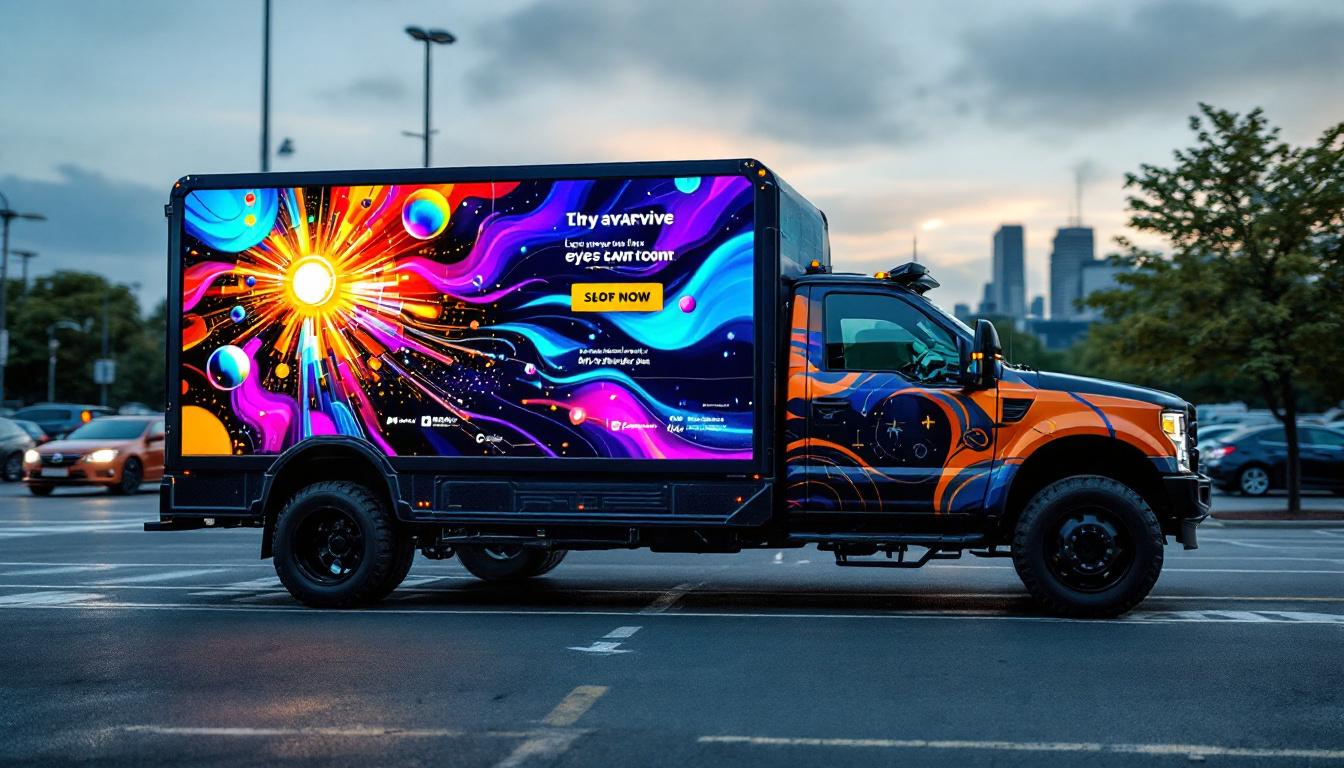
A pickup truck billboard with an LED display is essentially a mobile advertising vehicle that uses a pickup truck as a base platform, outfitted with one or more LED screens. These screens serve as digital billboards, showcasing dynamic advertisements, videos, animations, or real-time content to passersby.
Unlike traditional static billboards, LED displays offer the flexibility to change content instantly, allowing advertisers to tailor their messages for different locations, times of day, or audience demographics. The mobility of the pickup truck means these ads can be driven through high-traffic areas, events, or targeted neighborhoods, maximizing exposure.
Key Components of Pickup Truck LED Billboards
The main components of these mobile advertising units include:
- Pickup Truck Base: Typically a medium to large-sized pickup truck, chosen for its payload capacity and maneuverability.
- LED Display Panels: High-resolution, weatherproof LED screens mounted on the truck bed or sides, designed for outdoor visibility.
- Control System: Software and hardware that manage the display content, brightness, and scheduling, often remotely accessible.
- Power Supply: Onboard batteries or generators that provide power to the LED screens, sometimes supplemented by the truck’s electrical system.
In addition to these core components, many pickup truck billboards are equipped with advanced features such as GPS tracking and analytics tools. GPS allows advertisers to optimize routes for maximum visibility, ensuring that their ads reach the right audience at the right time. Meanwhile, analytics can provide valuable insights into viewer engagement, helping businesses refine their advertising strategies based on real-time data.
The versatility of pickup truck billboards extends beyond mere advertising; they can also be used for public service announcements, event promotions, or even as mobile information centers. For instance, during community events or festivals, these trucks can display schedules, maps, or emergency information, serving a dual purpose of advertising while enhancing the overall experience for attendees. This adaptability makes them an increasingly popular choice for brands looking to make a memorable impact in a crowded advertising landscape.
The Advantages of Using LED Displays on Pickup Truck Billboards
Integrating LED displays into pickup truck billboards offers a variety of benefits that make this advertising medium particularly effective and appealing.
1. Enhanced Visual Impact
LED screens provide bright, vibrant colors and high contrast, making advertisements stand out even in direct sunlight or adverse weather conditions. This visual appeal is crucial in grabbing attention quickly, especially in busy urban environments where consumers are bombarded with competing messages. The high resolution of LED displays ensures that even intricate designs and fine text are legible from a distance, further enhancing the effectiveness of the advertisement.
2. Dynamic and Flexible Content
Unlike static billboards, LED displays can show multiple ads, rotate messages, or even stream live content. This flexibility enables advertisers to run time-sensitive promotions, update campaigns instantly, or customize messages based on location or audience. For instance, a pickup truck billboard can display a local restaurant’s lunch special during the day and switch to a happy hour promotion in the evening, ensuring that the content is always relevant to the audience it encounters.
3. Mobility and Targeted Reach
The pickup truck’s mobility allows advertisers to bring their message directly to strategic locations such as shopping centers, sports events, festivals, or business districts. This targeted approach can increase engagement and improve return on investment (ROI) compared to fixed-location billboards. Moreover, the ability to navigate through different neighborhoods means that advertisers can tailor their campaigns to specific demographics, ensuring that the right message reaches the right audience at the right time.
4. Cost-Effectiveness Over Time
While the initial investment in LED-equipped trucks can be higher than traditional billboards, the ability to change content without printing new materials reduces ongoing costs. Additionally, the truck can be used for multiple campaigns, spreading the cost over time. Advertisers can also save on labor costs since they no longer need to hire workers to change static billboards. This efficiency allows for a more streamlined operation and the potential for higher profit margins.
5. Real-Time Interaction and Analytics
Modern LED billboard systems often integrate with software platforms that provide real-time analytics on impressions and engagement. Some setups even allow for interactive campaigns, such as QR codes or social media integration, enhancing consumer interaction. This capability not only helps advertisers gauge the effectiveness of their campaigns in real-time but also allows them to make data-driven decisions for future marketing strategies. By tracking viewer engagement, brands can refine their messaging and optimize their advertising spend, ensuring that every dollar is utilized effectively.
6. Environmental Considerations
In addition to the numerous benefits already discussed, LED displays are also more environmentally friendly than traditional billboards. They consume less power and have a longer lifespan, which means fewer materials are wasted over time. Furthermore, the digital nature of LED billboards allows for the elimination of paper and ink, significantly reducing the carbon footprint associated with advertising. This eco-conscious approach can resonate well with consumers who prioritize sustainability, adding another layer of appeal to brands that choose this advertising medium.
7. Increased Brand Recall
Research has shown that dynamic advertising, such as that displayed on LED screens, can significantly enhance brand recall among viewers. The combination of movement, color, and sound can create a memorable experience that lingers in the minds of consumers long after they’ve seen the ad. This heightened recall can lead to increased brand loyalty and a greater likelihood of consumers choosing a brand when making purchasing decisions. By utilizing LED displays, brands can create a lasting impression that traditional static billboards simply cannot achieve.
Technical Features and Considerations
Understanding the technical aspects of pickup truck LED billboards is essential for maximizing their effectiveness and ensuring smooth operation.
LED Screen Specifications
Key technical specifications to consider include:
- Pixel Pitch: The distance between individual LED pixels, which affects image clarity and viewing distance. For outdoor mobile billboards, a pixel pitch between 10mm and 20mm is common, balancing resolution and cost.
- Brightness: Outdoor LED displays typically require brightness levels of 5,000 to 7,000 nits to remain visible in daylight.
- Screen Size: Depending on the truck size and campaign goals, screens can range from a few square feet to over 100 square feet.
- Viewing Angle: Wide viewing angles (120 degrees or more) ensure visibility from various directions as the truck moves through traffic.
Power and Durability
LED displays consume significant power, so reliable energy sources are critical. Many trucks use high-capacity batteries supplemented by solar panels or generators to maintain continuous operation. Additionally, the LED panels must be weatherproof and shock-resistant to withstand outdoor conditions and road vibrations.
Content Management Systems (CMS)
Modern pickup truck LED billboards are often paired with cloud-based CMS platforms that allow remote content updates, scheduling, and monitoring. This technology enables marketers to adapt campaigns on the fly, respond to market trends, or customize messaging for different geographic areas.
Practical Applications and Use Cases
Pickup truck LED billboards are versatile tools that serve a wide range of industries and marketing objectives.
Retail and Promotions
Retailers use mobile LED billboards to announce sales, grand openings, or special events. Driving through shopping districts or residential areas helps create buzz and drive foot traffic to stores.
Event Marketing
At concerts, sports events, trade shows, and festivals, pickup truck billboards provide dynamic advertising space that can be repositioned throughout the venue or surrounding areas. This flexibility enhances brand visibility and engagement.
Political Campaigns and Public Announcements
Political candidates and government agencies leverage mobile LED billboards for voter outreach, public service announcements, and community engagement. The ability to reach diverse neighborhoods and adjust messaging quickly is invaluable during election seasons or emergencies.
Real Estate and Local Services
Real estate agents and local service providers such as restaurants, gyms, and healthcare clinics benefit from targeted neighborhood advertising. Pickup truck billboards can promote open houses, special offers, or new service launches directly to potential customers.
Challenges and Considerations
Despite their many advantages, pickup truck LED billboards also present certain challenges that businesses should consider before investing.
Regulatory and Legal Restrictions
Many municipalities have regulations governing mobile advertising, including restrictions on where and when trucks can operate, brightness levels, and content types. It is essential to research local laws to ensure compliance and avoid fines or operational disruptions.
Initial Investment and Maintenance Costs
The upfront cost of purchasing and outfitting a pickup truck with LED displays can be substantial. Additionally, ongoing maintenance, including screen repairs, battery replacements, and software updates, requires budgeting and technical support.
Driver and Operational Logistics
Operating a mobile billboard requires skilled drivers familiar with the vehicle’s size and handling. Coordinating routes, parking, and timing to maximize exposure while minimizing traffic disruptions can be complex.
Potential Audience Saturation
Repeated exposure to the same mobile billboard in a limited area can lead to audience fatigue. Strategic route planning and content variation are necessary to maintain audience interest.
Future Trends in Pickup Truck LED Billboards
The mobile advertising industry is evolving rapidly, and pickup truck LED billboards are poised to benefit from several emerging trends.
Integration with AI and Data Analytics
Artificial intelligence can optimize route planning based on real-time traffic data and audience demographics, increasing campaign efficiency. Enhanced analytics will provide deeper insights into campaign performance and consumer behavior.
Interactive and Augmented Reality Features
Future LED billboards may incorporate interactive elements such as touchscreens or augmented reality (AR) experiences, engaging audiences in novel ways and driving higher engagement rates.
Eco-Friendly Power Solutions
As sustainability becomes a priority, solar-powered LED displays and electric pickup trucks will reduce the environmental impact of mobile advertising, appealing to eco-conscious brands and consumers.
Conclusion
Pickup truck billboards equipped with LED displays represent a powerful fusion of mobility and digital technology, offering advertisers a flexible, visually striking way to reach audiences. Their ability to deliver dynamic, location-specific content makes them ideal for a wide range of marketing campaigns, from retail promotions to political outreach.
While there are challenges related to cost, regulation, and logistics, the benefits of enhanced visibility, content flexibility, and real-time interaction often outweigh these concerns. As technology advances and new features emerge, pickup truck LED billboards are set to become an even more integral part of the outdoor advertising ecosystem.
For businesses looking to stand out in a crowded marketplace, investing in a pickup truck LED billboard could be a strategic move that drives engagement, builds brand awareness, and delivers measurable results.
Discover LumenMatrix’s Innovative LED Solutions
Ready to elevate your advertising strategy with the power of mobile LED technology? LumenMatrix is at the forefront of creating immersive visual experiences that captivate and engage. From dynamic vehicle LED displays to versatile outdoor and indoor solutions, our extensive range of products is designed to bring your brand to life. Embrace the future of visual communication with LumenMatrix and transform how you connect with your audience. Check out LumenMatrix LED Display Solutions today and make a lasting impression in the world of advertising.